

There’s a moment most people have had in their backyard: a blue jay erupts into a furious screaming fit, and everyone instinctively looks up. Something triggered it. A hawk, a cat, a person walking too close. Most of us register the noise, feel vaguely unsettled, and move on. What we rarely stop to consider is that the blue jay wasn’t just making noise. It was sending a very specific message to everyone in range.
These birds are among the most vocal and communicatively sophisticated creatures in North American backyards. Blue Jays are among North America’s most vocal birds, and according to ornithologists and bird behavior specialists, they have a surprisingly complex communication system. Once you start paying closer attention to what they’re actually doing, the racket starts to make a lot more sense.
#1 The Jeer Call: The Alarm That Everyone Hears
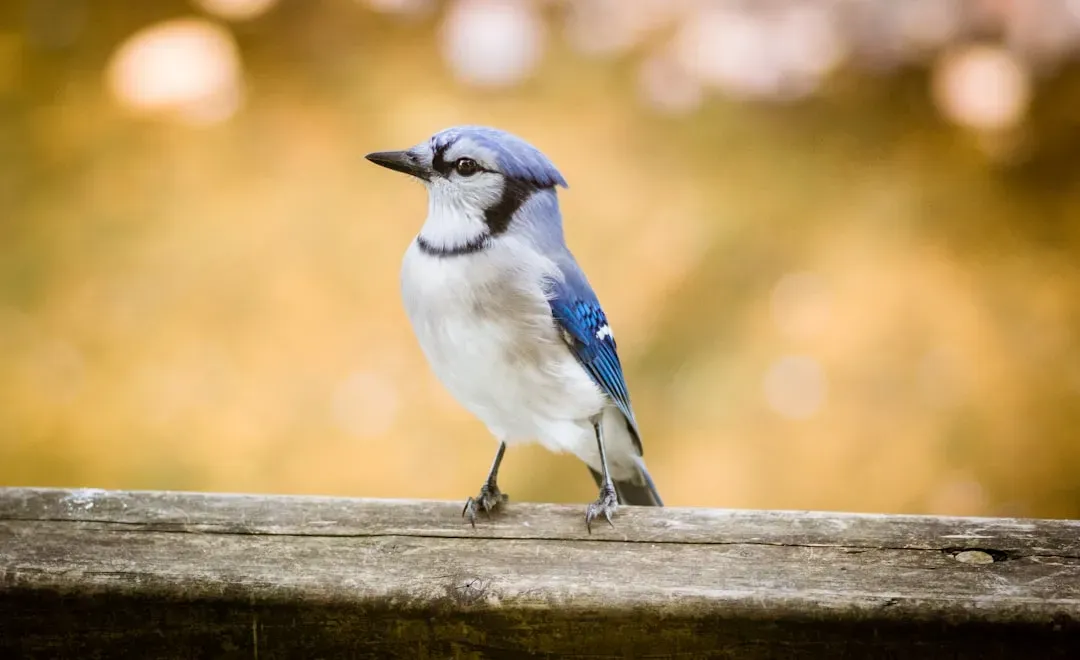
If you’ve ever heard a blue jay and immediately thought “danger,” your instincts were probably right. The classic “Jay! Jay!” call is a loud, harsh screech often repeated rapidly, and it usually signals the presence of a predator such as a hawk or an owl. When a blue jay spots danger, it emits this call to warn nearby birds to take cover. The urgency in the sound isn’t accidental. It’s engineered to cut through everything.
The intensity and repetition might increase depending on the immediacy of the threat. A slow, casual jeer might mean the jay noticed something mildly suspicious. A rapid, escalating series means something is very close and very real. According to the Cornell Lab of Ornithology’s comprehensive species account, jays use jeer calls when defending territory, when potentially threatened by humans or predators, during mobbing behavior, and sometimes just when flying between locations.
Blue jay warning calls alert not just other blue jays but the entire bird community to potential threats. Chickadees freeze. Nuthatches disappear into bark. The whole yard shifts posture in response to one bird’s broadcast. It’s one of the more quietly remarkable things happening in any ordinary garden, and most of us walk past it without a second thought.
#2 Hawk Mimicry: When a Blue Jay Is Running a Bluff
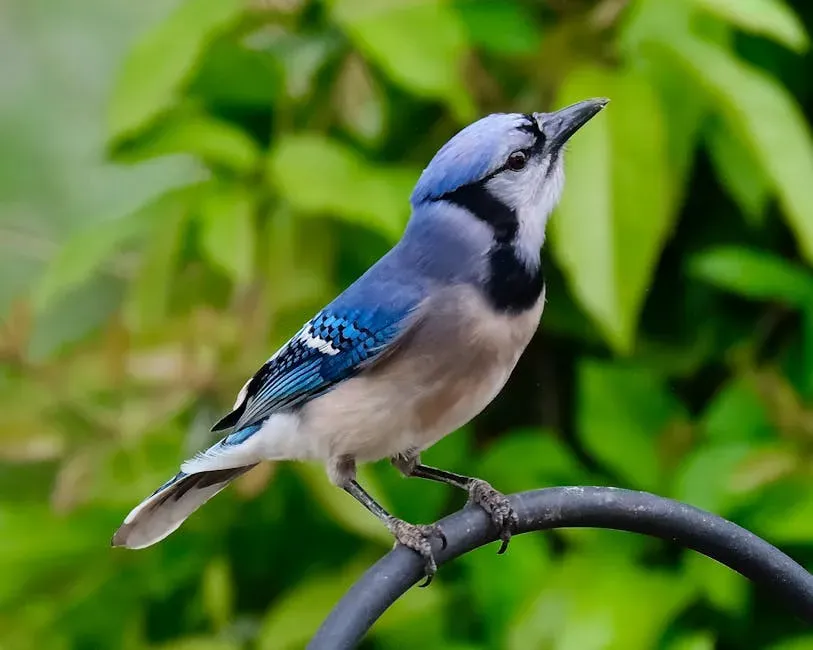
Blue Jays frequently mimic hawks, especially Red-shouldered Hawks. The first time you hear it, it’s genuinely startling. A bird that looks like it belongs on a greeting card produces a sound that makes you scan the sky for a raptor. That’s precisely the point. Blue jays make hawk-like calls to trick their predators into thinking that there is a bird of prey around and deter them from coming closer.
While not the only reason, the “clear the feeder” hypothesis remains a very compelling explanation for a significant portion of observed hawk mimicry, especially in suburban settings. Another prominent theory suggests that blue jays use hawk imitations as a genuine alarm signal, warning other jays about the presence of an actual hawk in the vicinity. So the same sound can serve two very different purposes depending on the situation.
The main downside is that if neighbors hear hawk cries too often without seeing real raptors, they may gradually learn to ignore the sound. That may be why mimicry is often reported in situations of intense excitement, like discovering a new food source, rather than constantly throughout the day. Even blue jays, it turns out, understand that credibility has limits.
#3 Mobbing Calls: When Blue Jays Rally the Troops
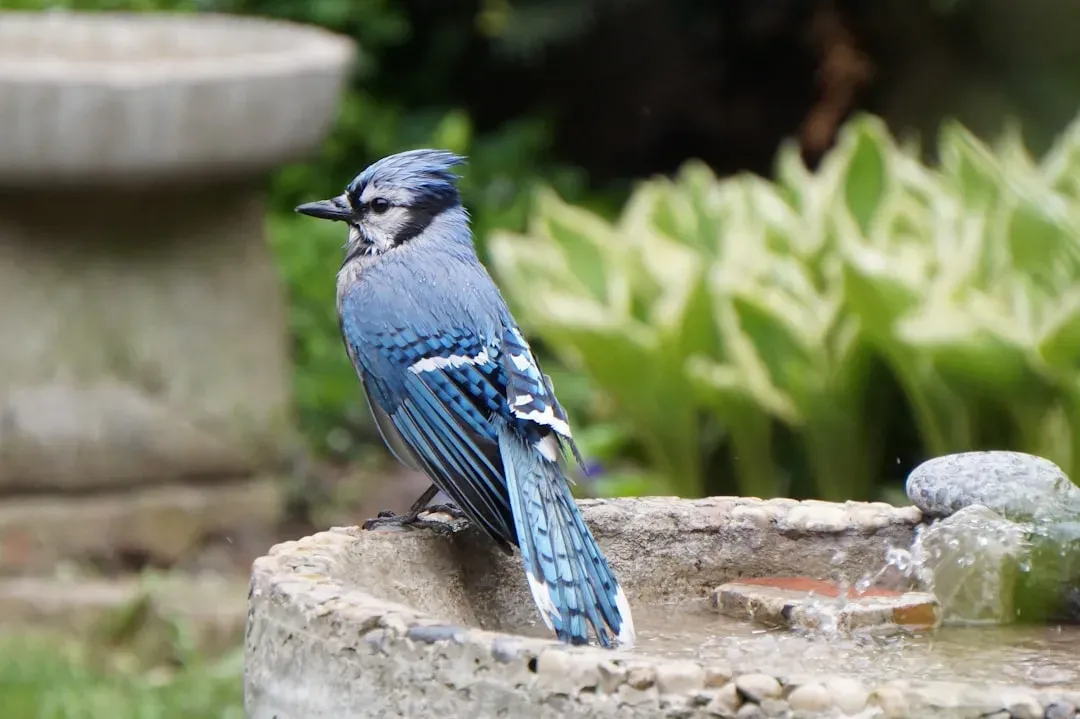
This is why jays can sound so incredibly loud during alarms. They’re trying to attract the attention of other nearby birds to come help scold and overwhelm the danger into leaving. This behavior, called mobbing, is one of the more dramatic things a blue jay does. It’s not just noise. It’s coordinated community action.
Blue jays use the jeer call as a public service announcement for danger, alerting other birds to a circling hawk, warning intruding jays to back off, or rallying other birds to mob a predator until it leaves. Predator defense in jays can happen at all times of year, but it tends to reach its peak intensity during the nesting season. Jays are vulnerable to predation from aerial predators like hawks and owls, as well as ground predators like cats, weasels, and even raccoons trying to steal their eggs.
Blue jays seem “aggressive” because they rely on intense territorial control and vigilant nest defense, especially during breeding season. Their sharp alarms and group mobbing quickly deter predators, while confident, high-energy resource defense makes them look dominant at feeders as they secure seeds and suet. What reads as chaos from our side of the window is actually a well-rehearsed defense strategy.
#4 Body Language and the Crest: Reading the Visual Signals
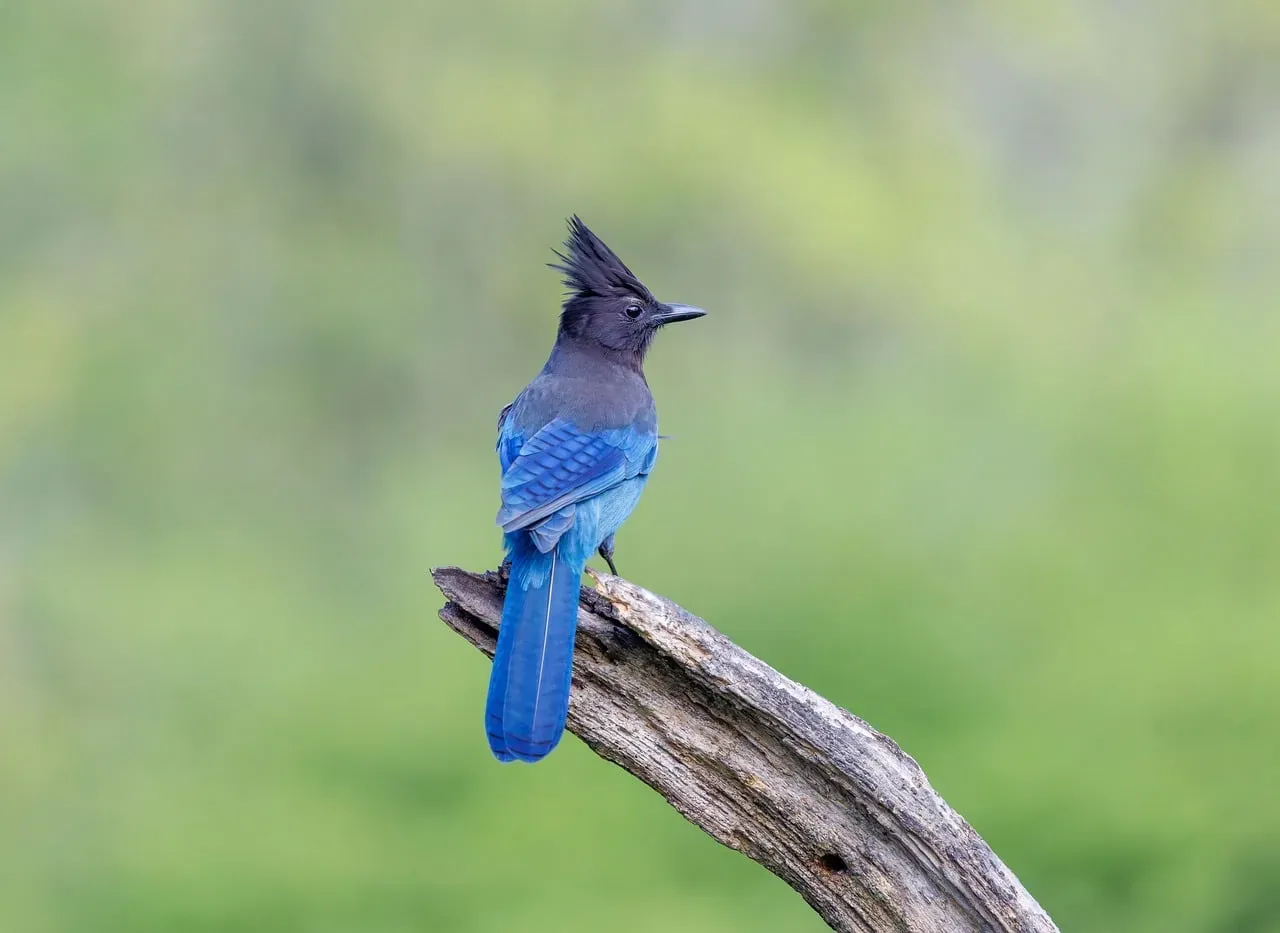
Sound is only half the story. Blue jays layer their calls with visual signals that, once you know what to look for, are surprisingly readable. Crest signaling involves raising the crest when excited, aggressive, or alarmed, and flattening it when calm, often paired with body posture changes. The crest is essentially a mood indicator you can see from across the yard.
A raised crest plus jeer calls indicates aggression or alarm, while a flattened crest with soft contact calls suggests relaxation and social bonding. The body language and the sound work together as a unified signal system. During their vocalizations, blue jays display physical behaviors such as posing, quivering, crest-raising, and lowering. These actions add visual signals to their complex communication.
A raised crest plus jeer calls indicates aggression or alarm. A flattened crest with soft contact calls suggests relaxation and social bonding. Tail-fanning combined with specific calls functions in courtship displays. Taken together, these visual and acoustic signals form a surprisingly nuanced vocabulary that rewards patient observation.
#5 The Quiet Side: Whisper Songs, Contact Calls, and Private Conversations
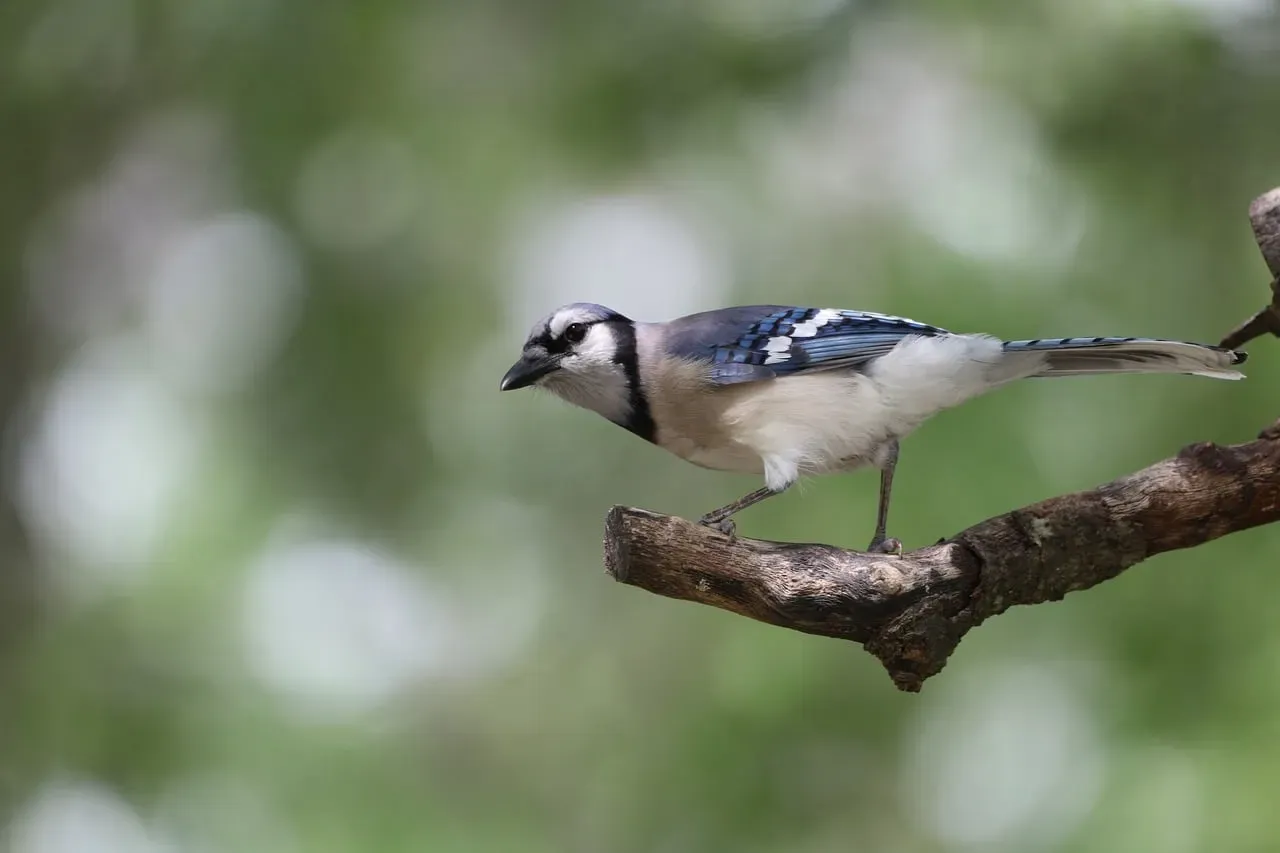
Most people only know the loud version of a blue jay. But there’s a whole other register that almost nobody notices, and it reveals a completely different animal. The Blue Jay vocalization most often considered a song is the “whisper song,” a soft, quiet conglomeration of clicks, chucks, whirrs, whines, liquid notes, and elements of other calls; a singing bout may last longer than two minutes. It’s intimate, quiet, and easy to miss entirely.
When making intrapair contact calls, blue jays make low-volume guttural clicking noises. These are emitted while the paired jays are performing activities such as nest-building or foraging, or when they are interacting with another pair. In private, they use soft, intricate sounds, almost like murmuring, to communicate with mates or family groups, reinforcing social bonds. These are the sounds of a bird that trusts its surroundings enough to let its guard down.
Studies show corvids can solve complex problems, use tools, recognize individual humans, and plan for future events. Their sophisticated vocalizations reflect this cognitive capability. They’re not just making noise; they’re communicating specific, contextual information. Blue jays acquire their entire vocal repertoire within six months from birth, which means what you’re hearing from the bird on your fence post is the result of months of careful, social learning.
Conclusion
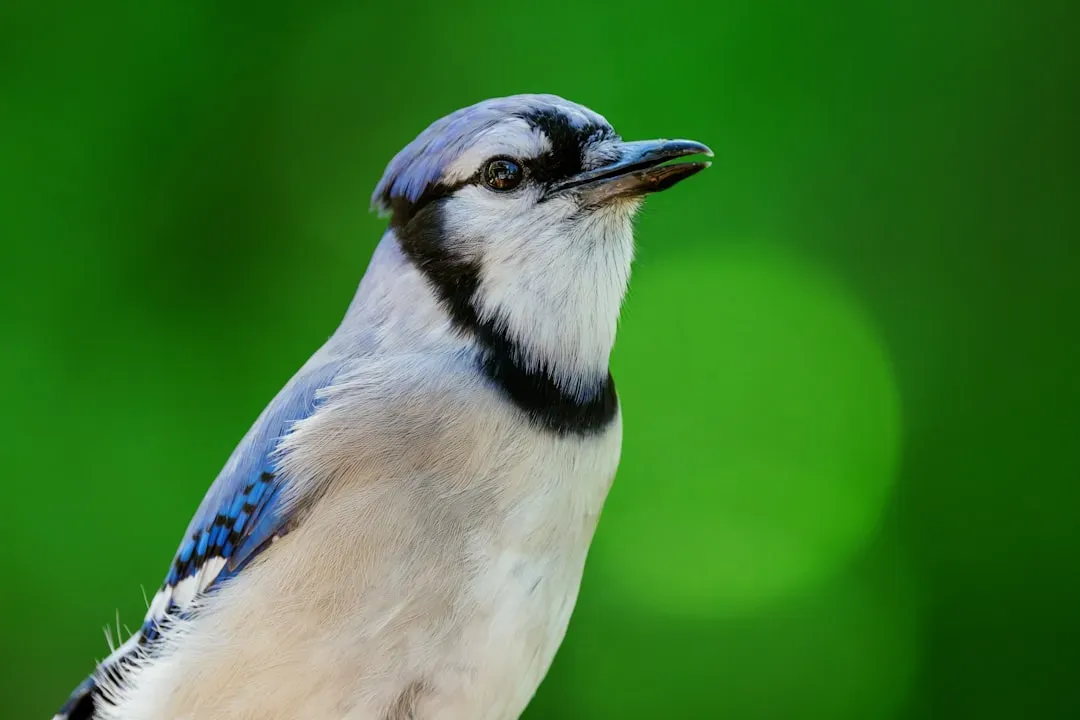
Blue jays have been holding up their end of a conversation that most of us never realized was happening. The alarm calls, the mimicry, the quiet murmuring between mates, the raised crest, the mobbing frenzy: predators approaching, food discovered, territories defended, pairs bonding, juveniles begging, flocks coordinating, all communicated through varied vocalizations most people never consciously register.
Learning to read a blue jay takes nothing more than slowing down and paying attention. You don’t need binoculars or a field guide. You need to notice what the crest is doing, count how fast the calls are coming, and look for what else moves when the jay starts screaming. Blue jay communication behavior changes dramatically based on context, season, and social situation. The same individual jay uses different calls for mate bonding, territorial defense, foraging coordination, predator warnings, and offspring care.
There’s a reason experienced birders will stop mid-sentence when a blue jay starts up nearby. They’ve learned to treat it as information. Once you start doing the same, you’ll find that your backyard has been narrating its own drama all along. You just hadn’t been listening closely enough.
