

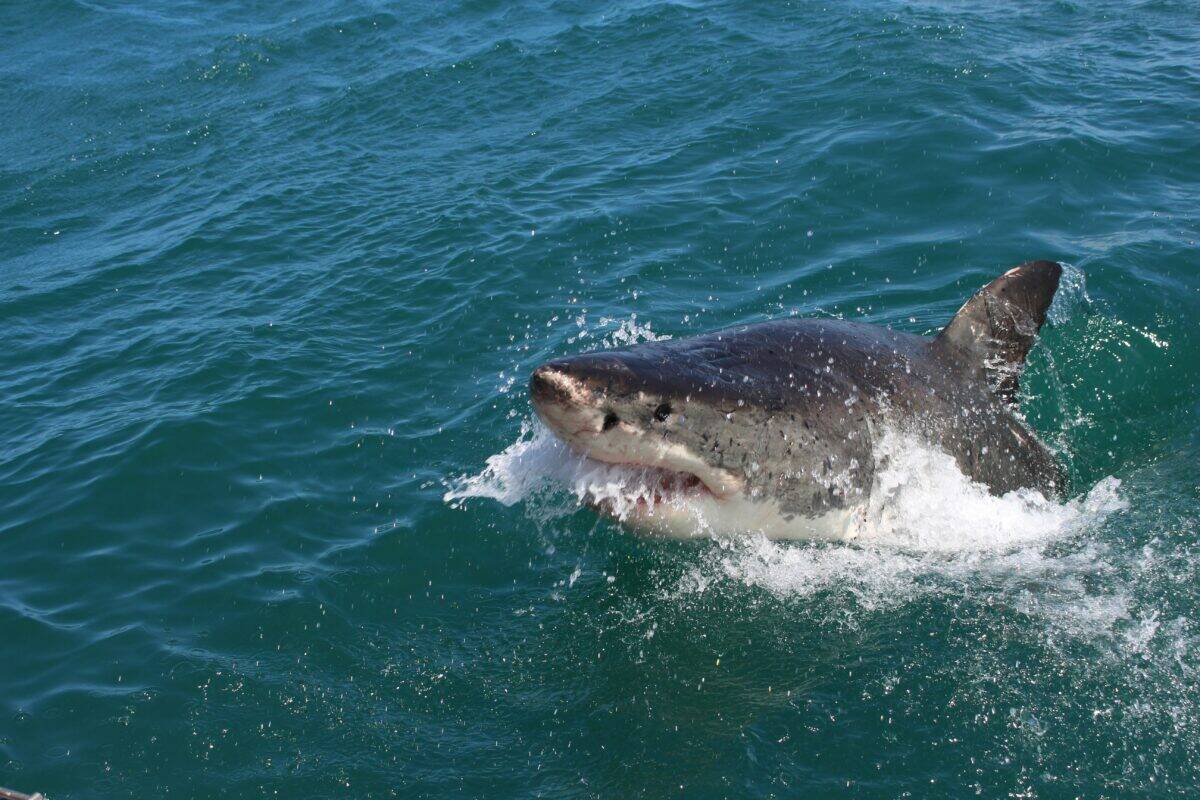
When you think of a beach day, you picture waves, sunscreen, and maybe a dolphin in the distance, not a massive great white shark sprawled across the sand. Yet that’s exactly what beachgoers in Florida and North Carolina witnessed in a string of jaw-dropping encounters.
A Startling Sight Along the Sand
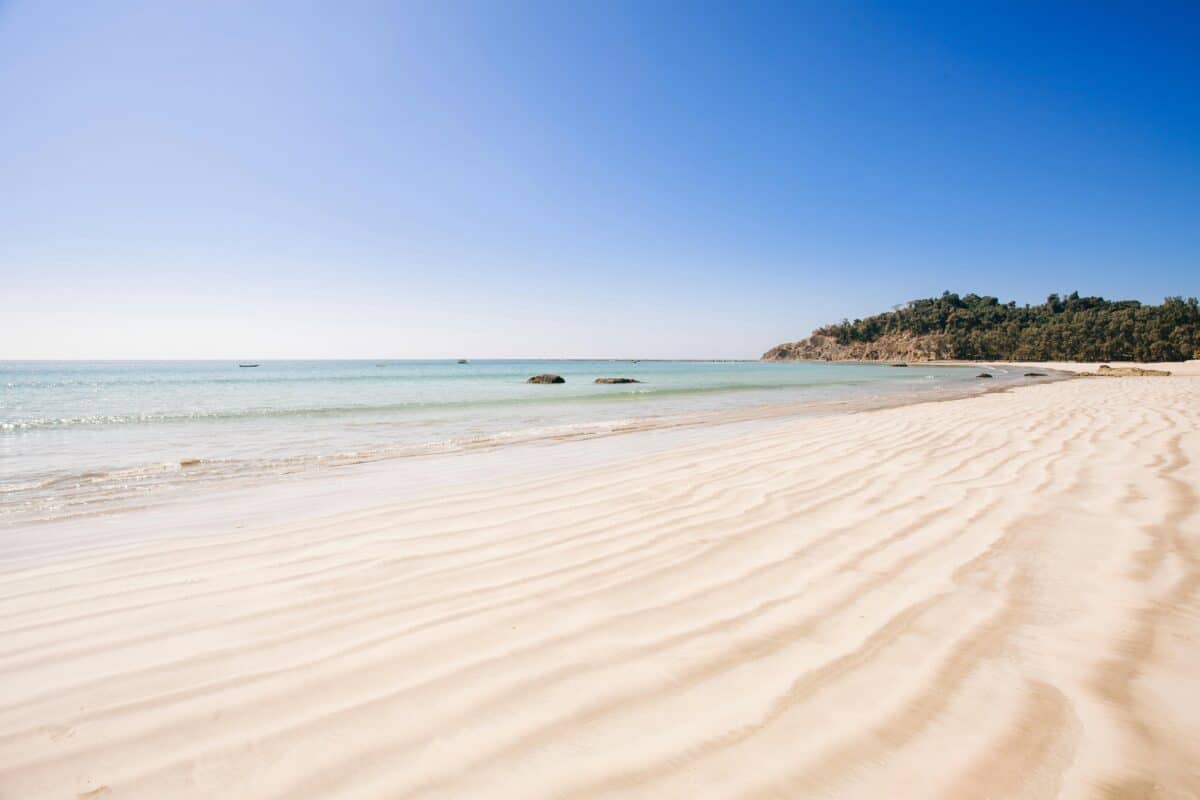
Florida’s Panhandle recently became the stage for not one, but two enormous great white sharks washing ashore. In separate incidents, beachgoers found sharks estimated between 13 to 15 feet (4–4.6 meters) long, weighing over 680 kilograms (1,500 pounds). These weren’t baby sharks—these were apex predators, stranded and lifeless, sending a shiver down the coastline. Wildlife officials are still examining if fishing injuries played a role, but either way, the shock was unforgettable.
Near-Shore Shark Sightings Leave Swimmers Speechless
Just when people thought it was safe to go back in the water, another giant appeared—this time alive and cruising offshore. A male great white nicknamed Contender was tracked just 35 kilometers (22 miles) off North Carolina’s Outer Banks. Weighing a whopping 750 kilograms (1,650 pounds) and stretching nearly 4.3 meters (14 feet), he made waves with every ping on tracking radar.
Even local fishermen got a close-up experience when they caught and released another estimated 12–13 foot (3.6–4 meter) shark. The photo went viral—because, of course, it did.
Why These Sharks Are Popping Up More Often
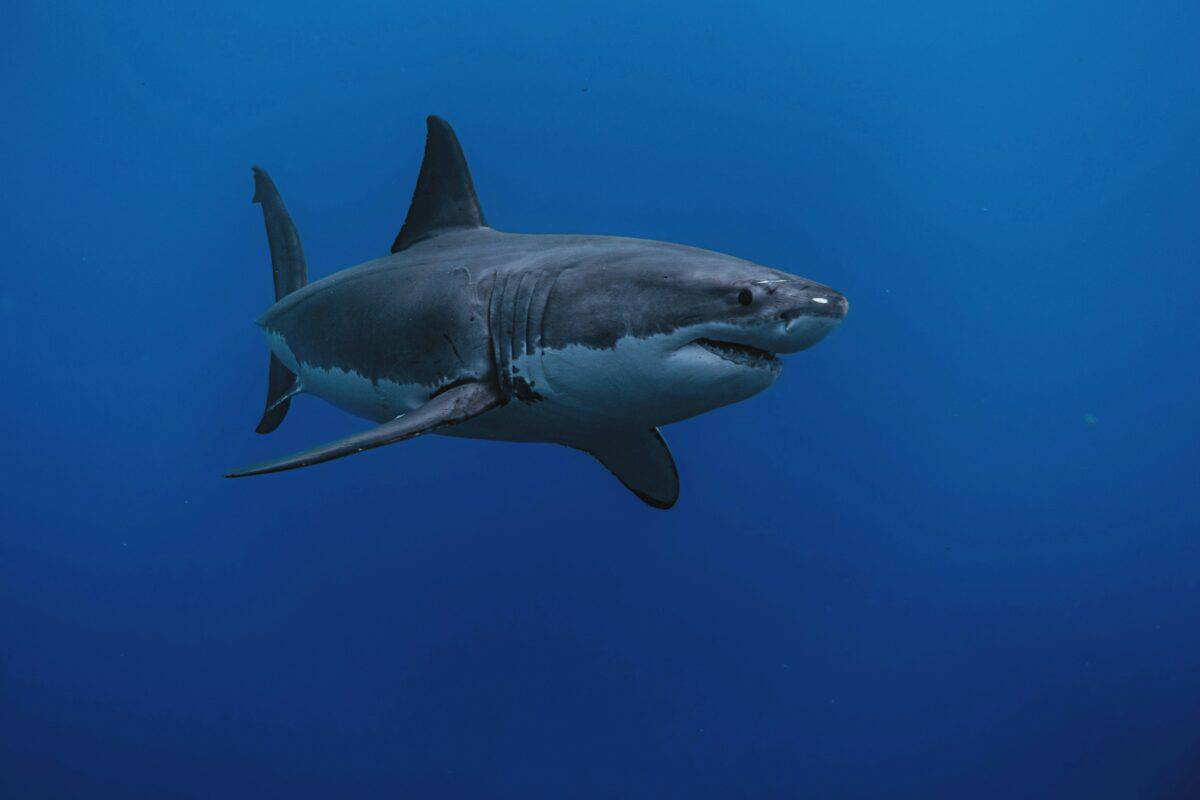
So, why are more people encountering these giant sea creatures? Here’s a quick dive into the reasons:
Healthy oceans are part of the story. As marine ecosystems bounce back, so do predators like sharks. Seasonal migration paths—especially during warmer months—also bring them closer to shore. And let’s not forget food: growing fish and seal populations are like neon signs inviting great whites for dinner.
The upside? It shows conservation efforts are working. The downside? Your beach trip may now come with a shark watch alert.
How To Stay Safe During Shark Season
No need to cancel your vacation—stay smart. Here’s how to keep safe:
- Check for local shark advisories before heading out.
- Swim during daylight and in groups—sharks tend to hunt alone and prefer low-light hours.
- Avoid swimming near schools of fish or seals, which attract sharks.
- Use a shark tracking app like OCEARCH if you’re visiting hotspot coasts.
Sharks don’t want to snack on humans, but they’re not always great at telling us apart from sea lions.
Giants of the Sea, Closer Than Ever
These recent sightings prove one thing—our oceans are full of surprises, and sometimes, they’re 15 feet long and covered in teeth. Great whites are a sign of a recovering marine environment, but they also remind us we share the water with ancient, powerful predators. Stay alert, stay respectful, and never underestimate what might be swimming nearby.

- Texas Ranchers Injured and Horses Killed in Aggressive Bee Attack - July 19, 2026
- Cougar Attack on Cyclists Shakes Washington Wilderness - July 19, 2026
- Snake Found in Arizona Toilet Shocks Homeowner - July 19, 2026