

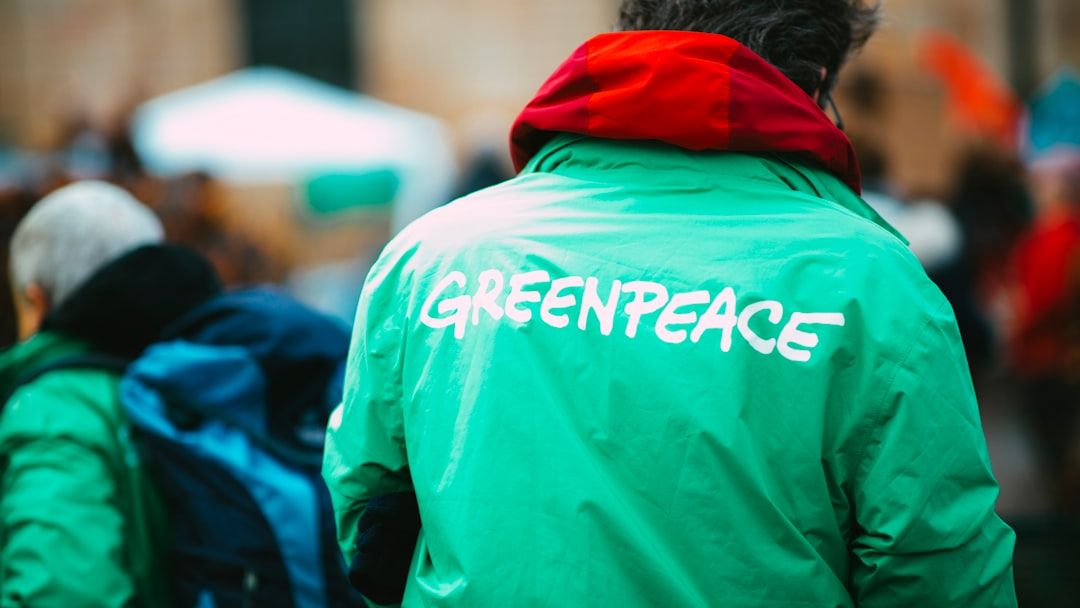
Amsterdam, April 30 – Greenpeace Netherlands activists stormed the first shareholder meeting of meat processing giant JBS in the country, halting proceedings and delivering a formal demand for transparency on the company’s environmental impacts. The confrontation at the Sheraton Hotel near Schiphol Airport highlighted growing opposition to JBS’s planned multibillion-dollar push into Nigeria. Nearly 50 protesters unfurled banners and poured fake blood to underscore their message against what they called the company’s destructive business model.[1][2]
Activists Take Over the Venue
The disruption began shortly after 10 a.m. as shareholders gathered for JBS’s inaugural annual general meeting since relocating its headquarters to the Netherlands. Protesters entered the hotel, draping a massive 10-meter by 15-meter banner in the atrium featuring JBS’s majority owners, the Brazilian Batista brothers. They also installed another outside with the slogan “JBS: Keep Your Bloody Business Out of Africa,” allowing red liquid to cascade down the facade.[3]
Some activists pushed into the conference room itself, prompting attendees to evacuate. The meeting was abandoned, leaving protesters in control of the space. Police arrived at the scene but made no arrests, and hotel management declined immediate comment. JBS representatives could not be reached for reaction as the events unfolded.[1]
Legal Demand Centers on Nigeria Project
Greenpeace framed the protest as the opening salvo in a legal campaign against JBS’s global expansion strategy, valued at up to $6 billion. A key target is a $2.5 billion deal signed in November 2024 with the Nigerian government to build six meat-processing plants over five years. Critics argue the project lacks environmental and social impact assessments or consultations with affected communities.[3]
The group served a disclosure letter under new Dutch rules effective from January 2025, which allow challengers to compel companies to release internal documents before litigation. JBS has three weeks to provide data on the climate, nature, and human rights effects of its operations and expansion plans. Failure to comply could lead to court orders for sworn testimony from executives, including founders Joesley and Wesley Batista.[4]
- Assessments of historic deforestation and emissions linked to Amazon supply chains.
- Details on Nigeria risks, including methane output, water pollution, and displacement of smallholder farmers.
- Evidence of compliance with international human rights standards.
JBS’s Dutch Relocation Draws Scrutiny
The Brazilian company, the world’s largest meat processor, shifted its parent entity to Amsterdam in June 2025 to facilitate a New York Stock Exchange listing. This move brought its operations under Dutch jurisdiction, including stricter duties of care on environmental and human rights matters, as established in precedents like the Milieudefensie v. Shell climate ruling.[4]
Greenpeace had warned investors ahead of the listing that the company would face local accountability. JBS already maintains a presence in the Netherlands through acquisitions like plant-based brands Vivera and The Vegetarian Butcher. Stakeholders, including Nigerian civil society, have raised alarms over the lack of transparency in the Africa venture, echoing past controversies over illegal cattle sourcing and corruption scandals.[3]
“JBS was warned that if it brought its bloody business to the Netherlands, we would do everything in our power to ensure it complies with Dutch law. Today, we are following through on that promise.”
– Marieke Vellekoop, Executive Director, Greenpeace Netherlands
Stakes for Environment and Communities
The action underscores tensions around industrial meat production’s role in global emissions and habitat loss. JBS’s expansion into sub-Saharan Africa, where large-scale animal farming remains limited, raises fears of repeating patterns seen in Brazil: ecosystem strain, health risks from pollution, and economic pressures on local farmers. Nigerian groups have filed Freedom of Information requests, which went unanswered.[2]
“The growth of JBS’ meat empire has been hand-in-glove with environmental destruction, colossal emissions, human rights abuses, corruption, and a total lack of transparency,” stated Elizabeth Atieno, a food campaigner with Greenpeace Africa.[1] Greenpeace Africa has also urged the African Court on Human and Peoples’ Rights to enforce corporate safeguards. As JBS weighs its response, the incident signals intensified pressure on meat industry leaders to address sustainability claims amid climate goals.
The shareholder meeting’s fate remains unclear, but the protest has amplified calls for JBS to halt expansion until full disclosures occur. Dutch courts will soon test whether the company’s strategies align with national obligations.

As a little kid, I fell in love with nature, wildlife, and animals. Living in the USA, South Africa, Italy, China and Germany gave me the opportunity to discover the world's Wildlife. My favorite animals are Mountain Gorillas, Siberian Tigers, and Great White Sharks.
I'm a certified PADI Open Water Diver, went to Everest Base Camp and Trekked Gorillas in Uganda. I hold a Master of Science in Economics and Finance.
Please send any feedback to feedback@animalsaroundtheglobe.com
- The Best Ways to Introduce New Fish to an Existing Aquarium - July 30, 2026
- 10 Creatures With the Strongest Jaws on Earth - July 30, 2026
- 14 Animals Endangered in the U.S. And Whats Being Done - July 30, 2026