

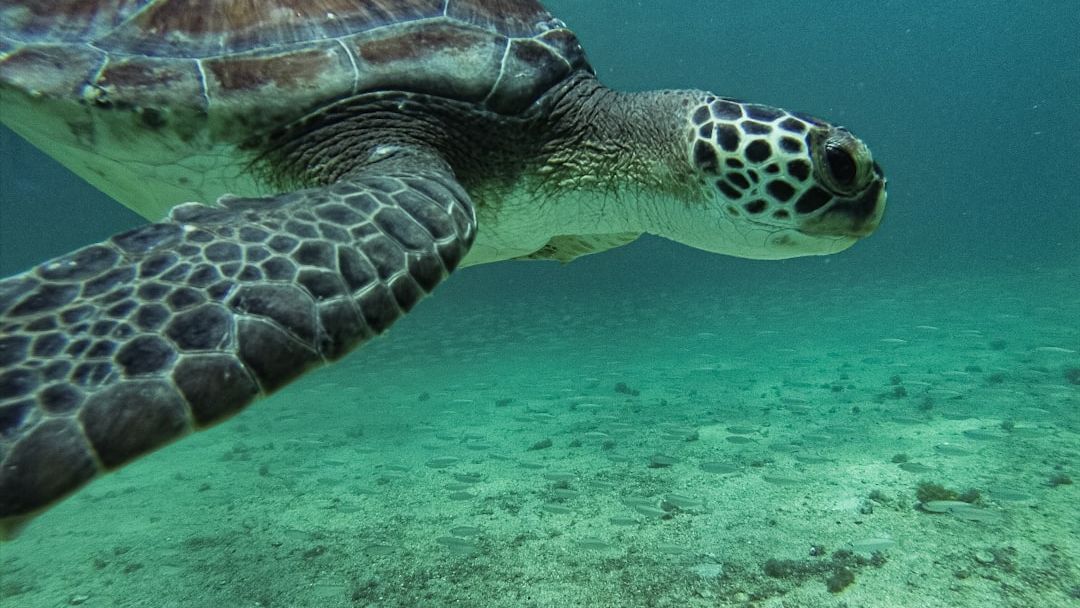
There’s something quietly devastating about the image of a green turtle gliding through the ocean, only to mistake a floating plastic bag for a jellyfish. These ancient creatures have survived for more than a hundred million years, outlasting dinosaurs and ice ages. Now, they’re up against something far more insidious – and honestly, it’s something entirely of our own making.
Plastic pollution has become one of the most pressing threats to green turtle populations worldwide, and the science is catching up with what many conservationists have feared for years. The findings are sobering, the data is alarming, and if you care even slightly about the health of our oceans, you’re going to want to read this. Let’s dive in.
A Crisis Hidden Beneath the Surface
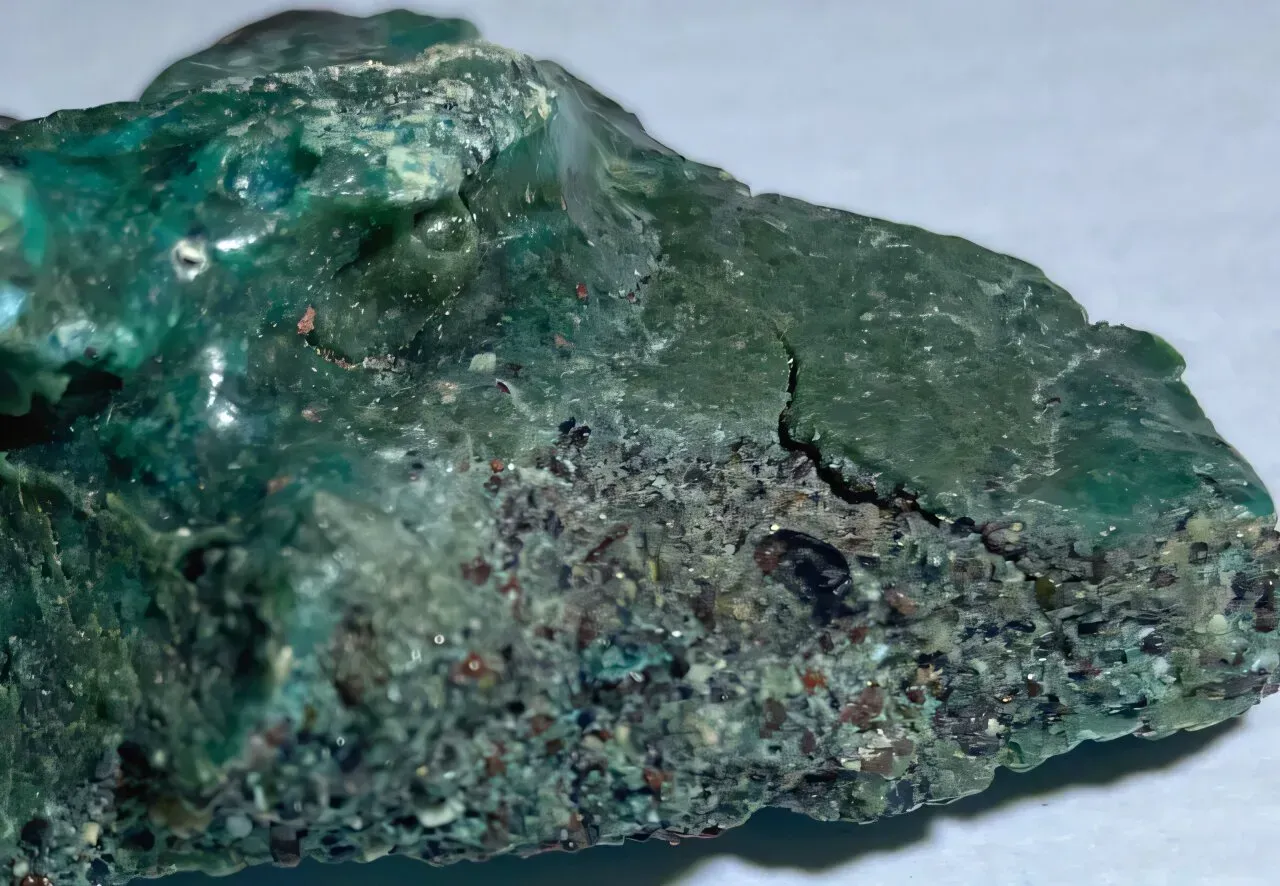
Most people don’t see the plastic problem firsthand. It happens below the waterline, far from beaches and boardwalks, in the vast feeding grounds where green turtles spend most of their lives. Recent research has brought this hidden crisis into sharp focus, confirming what researchers have long suspected – green turtles are ingesting plastic at alarming rates, with consequences that ripple through their entire biology.
Green turtles are primarily herbivores, feeding on seagrass and algae. The problem is that floating plastic debris looks remarkably similar to their natural food sources, especially to a creature navigating by instinct and evolution rather than reason. It’s like setting a trap that nature never designed them to recognize or avoid.
What the Latest Research Reveals
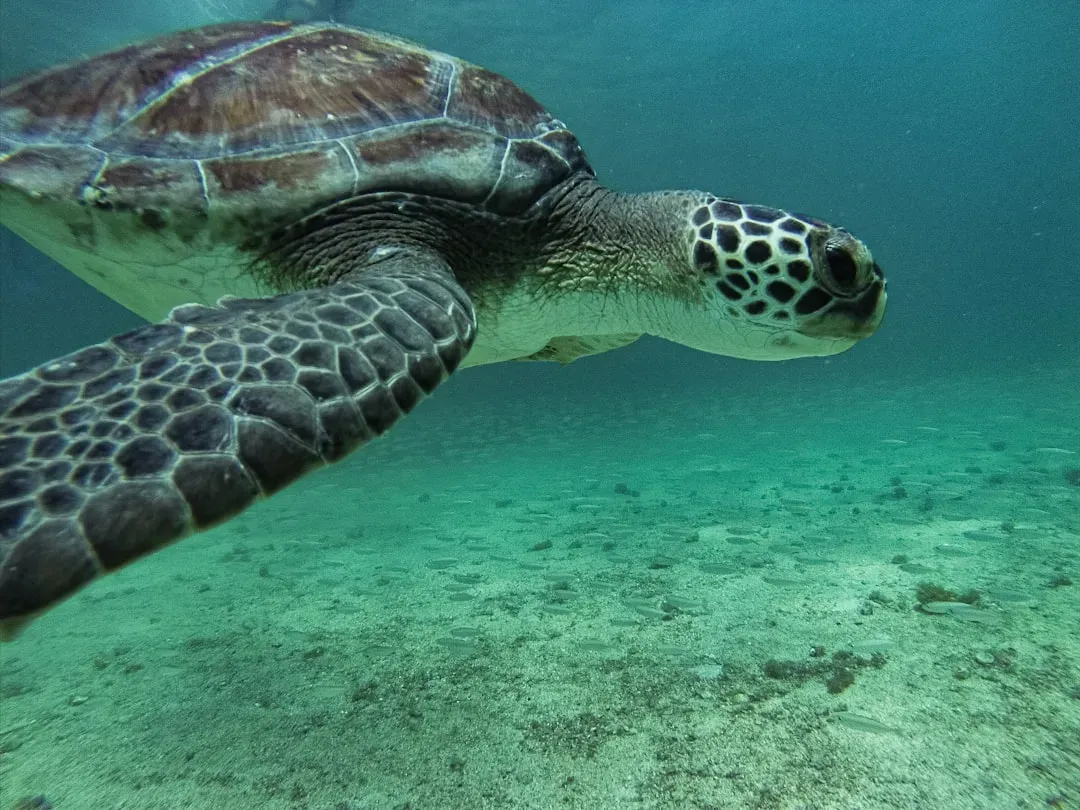
Scientists have found that plastic ingestion is not a rare, occasional occurrence for green turtles – it’s widespread and systemic. Studies examining stranded or deceased turtles have consistently found plastic fragments, films, and fibers in their digestive systems. Some turtles are found with stomachs so packed with debris that they physically cannot process food properly, leading to malnutrition even in nutrient-rich waters.
What makes this especially alarming is the range of plastic types involved. It’s not just single-use bags and bottles. Microplastics, tiny fragments broken down from larger items, are now so pervasive in the marine environment that they’re essentially invisible to detect without laboratory analysis. The scale of contamination is, I think, one of the most underreported environmental stories of our time.
How Plastic Harms Green Turtles Physically
The physical damage plastic causes to green turtles goes well beyond a blocked stomach. Sharp plastic fragments can lacerate internal organs, cause internal bleeding, and create blockages that lead to a slow, painful death. Soft plastic films, once ingested, can wrap around intestinal walls and prevent any nutritional absorption whatsoever.
There’s also the issue of buoyancy. When gas builds up in a turtle’s gut due to decomposing plastic, it can cause the turtle to float unnaturally at the surface – a condition called “floater syndrome.” This makes the animal incredibly vulnerable to boat strikes and prevents it from diving for food. It’s essentially a death sentence delivered in slow motion.
Green Turtles Are Already an Endangered Species
Here’s the thing – green turtles aren’t just struggling with plastic. They’re already listed as endangered under international conservation frameworks, facing threats from habitat destruction, egg poaching, bycatch in fishing nets, and climate change affecting nesting beaches. Plastic pollution is being layered on top of an already fragile situation.
The cumulative pressure is staggering. Green turtle populations have been reduced to a fraction of their historical numbers over the past few centuries. Conservation efforts have helped stabilize some populations, particularly in protected nesting areas, but the progress is fragile. Adding a relentless, global plastic pollution problem into that equation makes recovery significantly harder to achieve.
The Ocean’s Plastic Load Is Not Slowing Down
Roughly eight million metric tons of plastic enter the world’s oceans every single year. Let that sink in. That’s not a number that’s decreasing – global plastic production has continued to climb, and waste management infrastructure in many parts of the world remains woefully inadequate. The ocean is, in effect, absorbing the consequences of decisions made on land.
For green turtles, whose migratory routes span entire ocean basins, there is genuinely no safe zone. From the Pacific to the Atlantic, from tropical feeding grounds to temperate nesting shores, plastic debris follows. A turtle hatching today on a protected beach in Costa Rica will spend its life navigating waters filled with pollution that didn’t exist at the scale it does now even a few decades ago. That’s a troubling reality to sit with.
What Conservationists and Scientists Are Doing About It
There is meaningful work happening. Marine conservation organizations are conducting beach cleanups, lobbying for stricter plastic regulations, and working with fishing communities to reduce accidental turtle bycatch. Researchers are also developing better monitoring tools to understand exactly how much plastic turtles are consuming and which geographic areas pose the greatest risk.
Some progress has come through policy. A growing number of countries have introduced bans on certain single-use plastics, and the push for a global plastics treaty has gained momentum in recent years. Still, the gap between what’s needed and what’s currently being done remains enormous. It’s hard to say for sure whether current efforts will be enough, and that uncertainty is genuinely uncomfortable.
What Needs to Change – and Why It Matters to All of Us
Let’s be real: saving green turtles isn’t just about saving green turtles. These animals play a crucial ecological role in maintaining healthy seagrass beds, which in turn support entire marine food webs and even help sequester carbon. Losing them would send shockwaves through ocean ecosystems that we’re only beginning to understand.
The change that’s needed operates at every level – from international plastic production regulations to individual consumer choices. Reducing single-use plastic, supporting ocean cleanup initiatives, and demanding accountability from industries that produce the most waste are all part of the solution. Green turtles have been on this planet for longer than humans can even comprehend. The least we can do is stop poisoning the ocean they call home.
A Closing Thought Worth Carrying With You
The survival of the green turtle is, in many ways, a mirror held up to our relationship with the natural world. These creatures aren’t collateral damage – they’re a direct consequence of choices made every day, in factories, supermarkets, and yes, our own homes. The science is clear, the problem is solvable, and the window to act is narrowing.
Honestly, there’s something profound about fighting to protect a species that has survived every extinction event nature has thrown at it, only to be undone by a plastic straw or a discarded grocery bag. Conservation isn’t optional anymore – it’s urgent. What would it take for the world to treat it that way? That’s the question I think we all need to sit with a little longer.

- Urban Coyotes Show Remarkable Adaptability, Learning to Thrive in City Environments - July 22, 2026
- Beavers Are Nature’s Engineers, Creating Vital Habitats for Other Wildlife Species - July 21, 2026
- The Recovery of the California Condor Offers Hope for Other Critically Endangered Birds - July 21, 2026