

The study of ancient DNA, or paleogenomics, has revolutionized our understanding of extinct ecosystems and the organisms that once inhabited them. By extracting and analyzing genetic material preserved in fossils, sediments, and ice cores dating back thousands or even millions of years, scientists can now reconstruct past environments with unprecedented detail. This cutting-edge field bridges paleontology, genomics, and ecology to reveal how ecosystems functioned, evolved, and ultimately disappeared. The insights gained from ancient DNA research not only help us understand our planet’s biological history but also provide crucial context for modern conservation efforts amid ongoing biodiversity loss and climate change.
The Emergence of Paleogenomics

The field of paleogenomics emerged in the late 20th century but truly accelerated in the early 2000s with the development of next-generation sequencing technologies. The first successful extraction of ancient DNA came from a preserved quagga (an extinct subspecies of plains zebra) in 1984, but these early attempts yielded only small fragments of mitochondrial DNA. Modern techniques now allow scientists to recover and sequence entire genomes from specimens tens of thousands of years old. The development of environmental DNA (eDNA) analysis has further expanded our capabilities, enabling researchers to detect genetic material shed by organisms into their surroundings without needing physical remains. These technological advancements have transformed ancient DNA from a scientific curiosity into a powerful tool for reconstructing lost worlds and understanding ecosystem dynamics through time.
Recovering DNA from the Deep Past
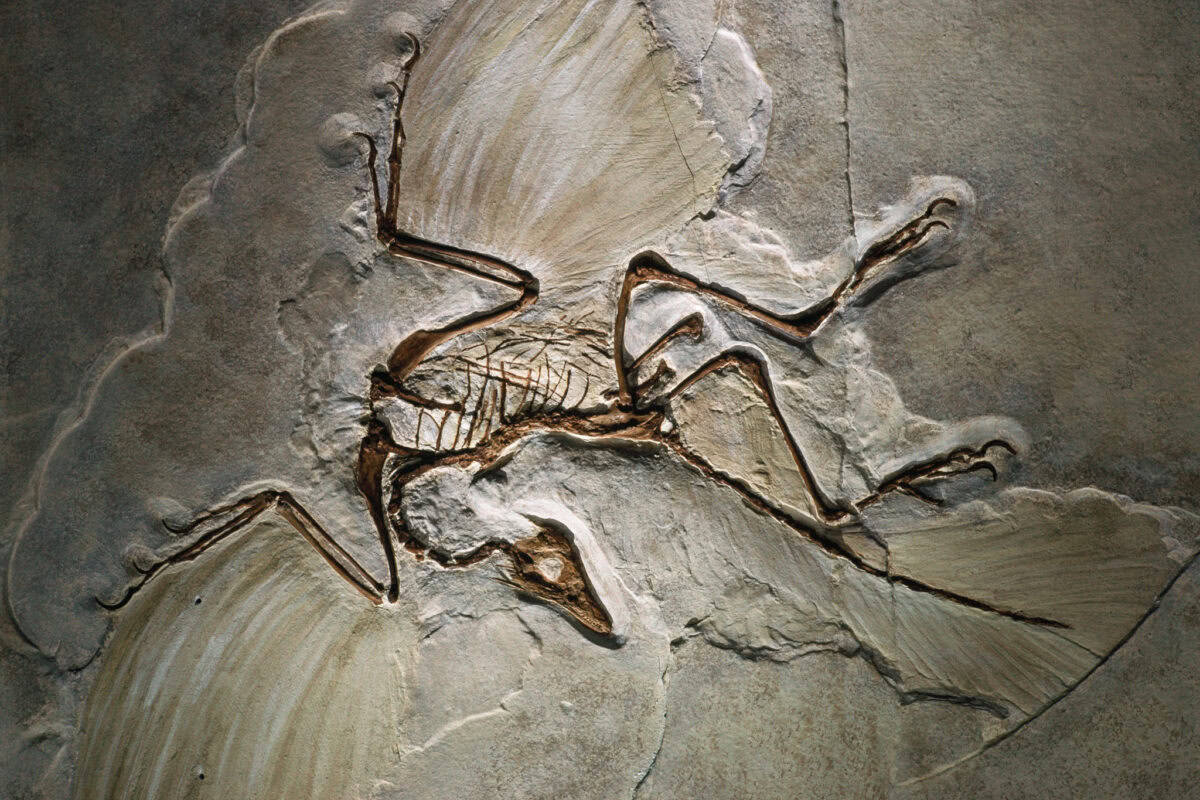
The recovery of ancient DNA presents unique challenges that researchers have ingeniously overcome. DNA naturally degrades over time, breaking down into smaller fragments, with special enzymes called nucleases and environmental factors like moisture, heat, and UV radiation accelerating this process. Under optimal preservation conditions—cold, dry, and stable environments—DNA can survive for up to 1 million years, though samples older than 100,000 years remain exceptionally rare. Scientists must work in specialized clean labs to prevent contamination with modern DNA and employ sophisticated computational methods to distinguish authentic ancient sequences from contemporary contaminants. Recent innovations include “molecular capture” techniques that target specific DNA sequences of interest, allowing researchers to retrieve genetic information even from poorly preserved samples. Each successful extraction opens a new window into extinct ecosystems, revealing genetic information that complements traditional paleontological approaches.
Revealing Extinct Species Diversity
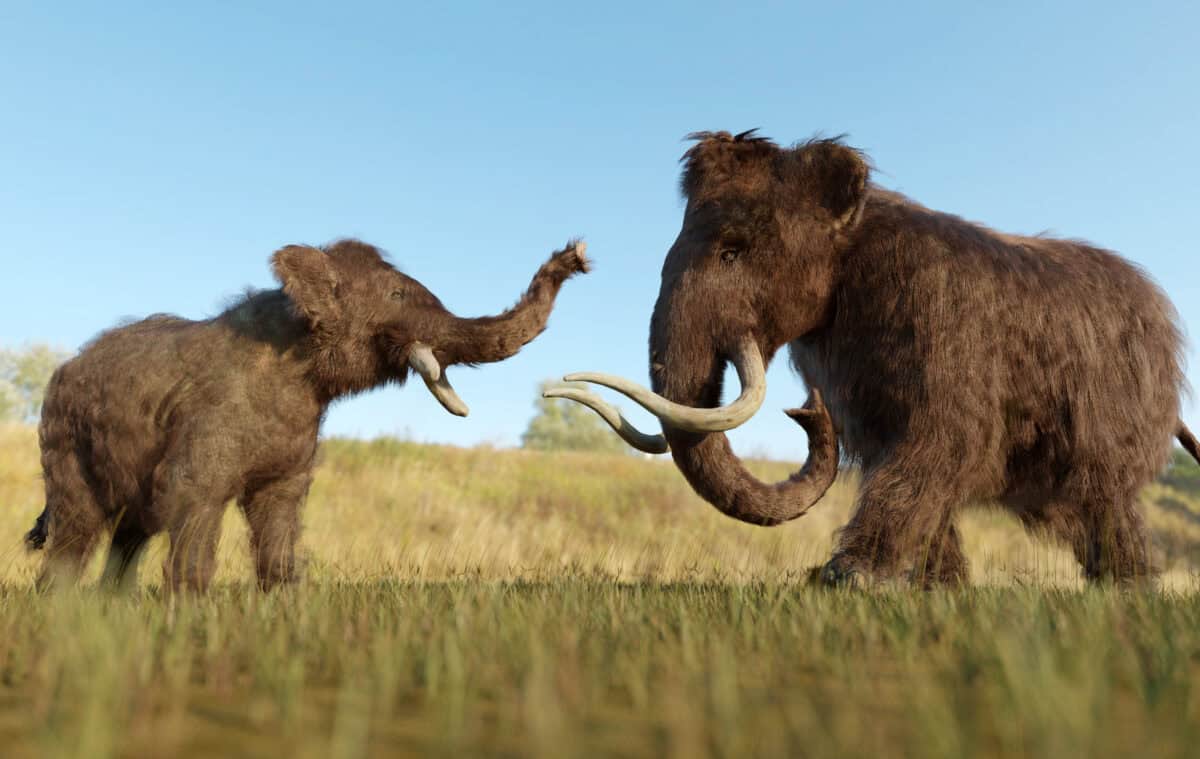
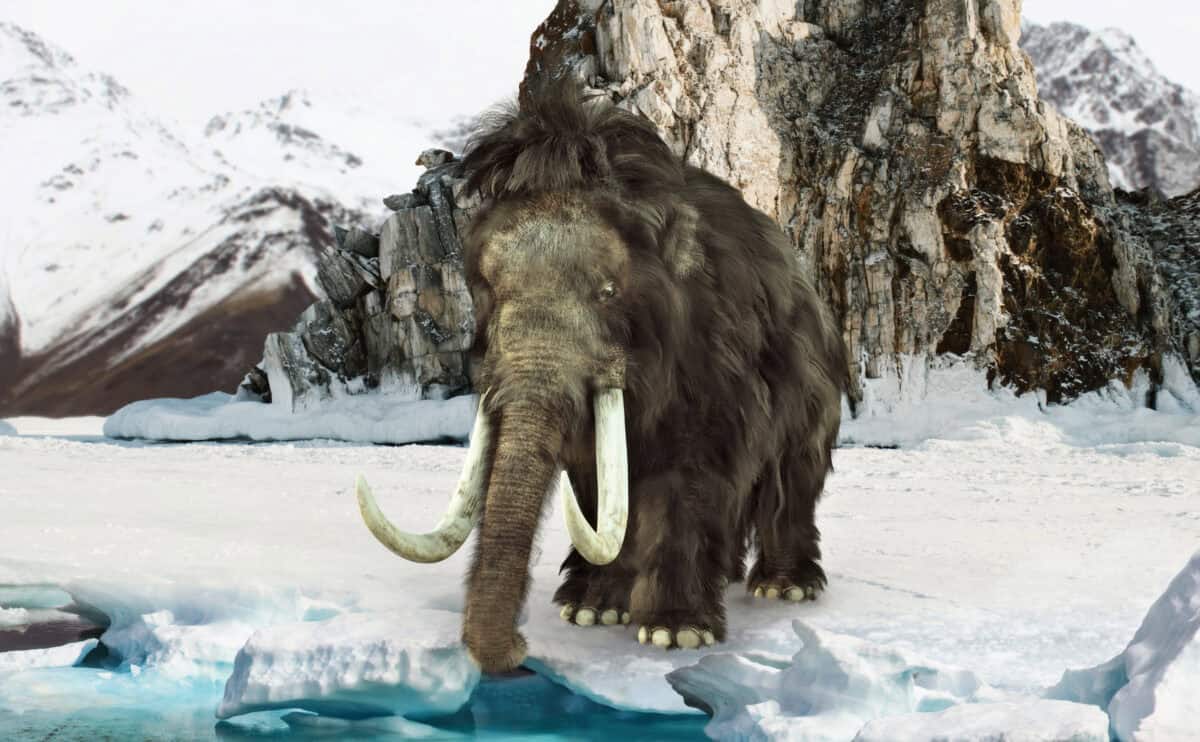
Ancient DNA has dramatically expanded our understanding of species diversity in past ecosystems. In many cases, paleogenomics has revealed cryptic species—organisms that appear identical in the fossil record but are genetically distinct. For example, DNA analysis of mammoth remains showed that what was long considered a single species actually comprised several distinct lineages, including the woolly mammoth and the Columbian mammoth, each adapted to different environmental conditions. Similarly, studies of ancient bison DNA revealed complex population structures and hybridization events that weren’t apparent from morphological studies alone. Perhaps most remarkably, genetic analysis of hominin fossils identified previously unknown human relatives, such as the Denisovans, who left almost no fossil record but contributed significant genetic material to modern human populations in Asia and Oceania. These discoveries highlight how ancient DNA provides a more nuanced picture of biodiversity through time, capturing genetic diversity that would be invisible through traditional paleontological approaches.
Reconstructing Food Webs and Ecological Relationships
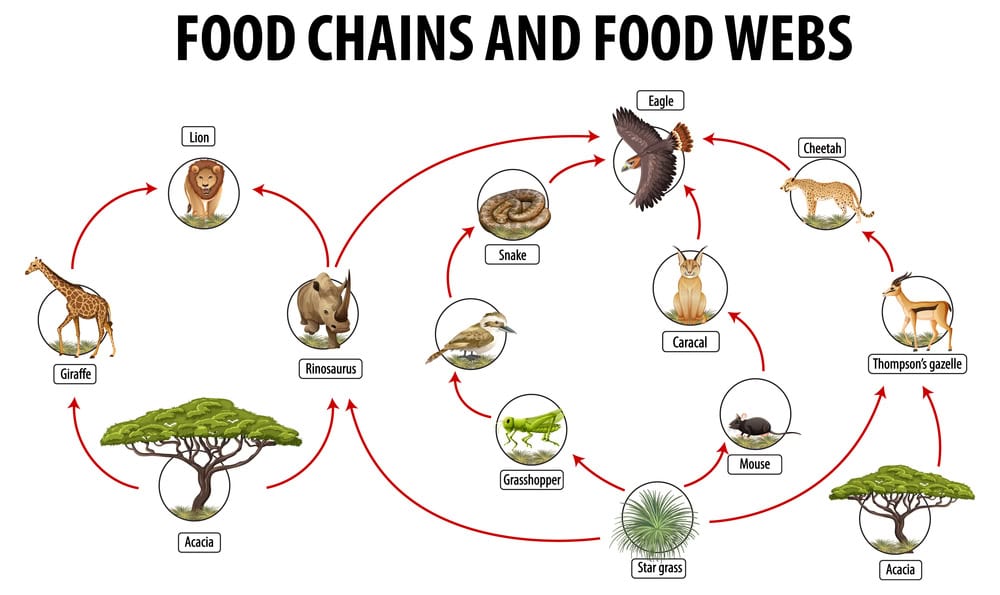
One of the most fascinating applications of ancient DNA is reconstructing the complex web of ecological relationships that characterized extinct ecosystems. By analyzing DNA from coprolites (fossilized feces), gut contents, and dental calculus (hardened plaque on teeth), scientists can determine what ancient organisms ate, revealing predator-prey relationships and food web structures. Such studies have shown that the diets of extinct animals often differed from what we might predict based solely on their anatomy. For instance, analysis of Neanderthal dental calculus revealed they consumed medicinal plants and fungi, suggesting sophisticated ecological knowledge. Similarly, DNA from mammoth dung has illuminated the diverse plant communities these proboscideans relied upon, helping scientists understand their ecological niche and the cascading effects of their extinction. By mapping these relationships, researchers can reconstruct the functional dynamics of past ecosystems, understanding how energy and nutrients flowed through ancient food webs and how the loss of key species disrupted these networks.
Tracking Population Changes Through Time
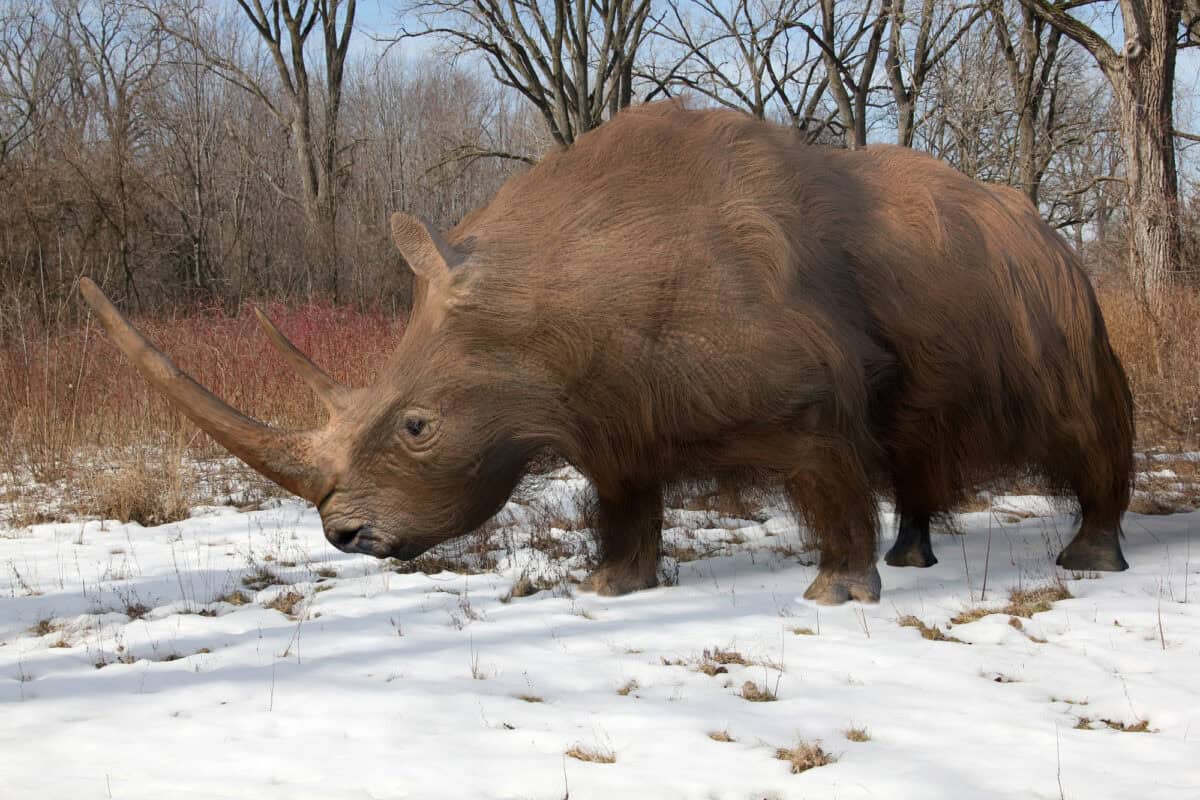
Ancient DNA provides a unique time-lapse view of how populations fluctuated over centuries and millennia. By sequencing genomes from specimens of different ages, scientists can track changes in population size, genetic diversity, and geographic distribution in response to environmental shifts. This approach has revealed that many species experienced dramatic demographic changes long before their ultimate extinction. Woolly rhinoceros populations, for instance, maintained genetic diversity and stable numbers until just a few thousand years before their disappearance, suggesting their extinction may have been more abrupt than previously thought. Similarly, ancient DNA from cave bears showed that their population declined gradually over tens of thousands of years, with genetic diversity diminishing well before the species finally vanished. These population histories provide crucial context for understanding extinction dynamics, showing how some species demonstrated remarkable resilience to environmental changes before reaching critical tipping points.
Sedimentary DNA: Reading the Genetic Record of Entire Ecosystems

Perhaps the most revolutionary development in paleogenomic research is the analysis of sedimentary ancient DNA (sedaDNA)—genetic material preserved in layers of soil, lake sediments, and even permafrost. Unlike traditional ancient DNA studies that focus on individual specimens, sedaDNA captures genetic traces from entire communities of organisms that lived in and around the deposition site. Lake sediment cores, which accumulate in chronological layers over thousands of years, provide particularly valuable archives of ecosystem change. A single core can contain DNA from aquatic organisms, surrounding vegetation, and animals that visited the lake, offering a comprehensive genetic snapshot of the local environment at different points in time. Recent studies of sedaDNA from Arctic permafrost have detected the presence of extinct megafauna like mammoths and horses, along with thousands of plant taxa, revealing complex ecosystem transformations as the Ice Age ended. This approach allows scientists to trace how entire communities responded to climate fluctuations, providing valuable insights for predicting ecosystem responses to current global warming.
Ancient Pathogens and Ecosystem Health

Ancient DNA has opened a window into the role of pathogens in shaping past ecosystems. By identifying genetic traces of bacteria, viruses, and parasites in ancient remains, scientists can determine which diseases affected prehistoric populations and how these may have contributed to species declines or extinctions. For instance, researchers detected Yersinia pestis—the bacterium responsible for plague—in human remains from the Neolithic period, showing this pathogen has influenced human populations for thousands of years longer than previously thought. Similarly, ancient DNA analysis has identified tuberculosis in bison remains from 17,000 years ago, suggesting this disease has long affected wild animal populations. These findings help scientists understand how disease dynamics influenced ecosystem structure and stability in the past. In some cases, researchers have even been able to reconstruct the genomes of ancient pathogens, tracking their evolution and virulence over time. This work not only illuminates past ecological relationships but also provides context for understanding modern disease emergence and spread in wildlife populations.
Climate Change Through the Lens of Ancient DNA

Ancient DNA offers powerful insights into how ecosystems responded to past climate shifts, providing crucial context for understanding current global warming impacts. By correlating genetic data with paleoclimate records, scientists can determine which species thrived, adapted, or perished during previous warming or cooling events. For example, genetic analysis of Arctic plant communities preserved in permafrost revealed dramatic vegetation changes during the last deglaciation about 10,000 years ago, when the landscape transformed from steppe-tundra to shrub tundra and eventually boreal forest. Importantly, this genetic record shows that some plant communities took centuries or millennia to adjust to new climate conditions, suggesting that many modern species may not be able to adapt quickly enough to current rates of warming. Similar studies of ancient bison, bears, and other megafauna indicate that species with larger population sizes and greater genetic diversity were generally more resilient to climate fluctuations. These historical patterns help scientists identify which modern species might be most vulnerable to climate change and inform conservation strategies aimed at preserving genetic diversity as a buffer against environmental uncertainty.
De-extinction Debates and Ancient DNA

The ability to recover complete genomes from extinct species has fueled debates about “de-extinction”—the controversial prospect of resurrecting vanished species through genetic engineering. Projects like the Woolly Mammoth Revival aim to create mammoth-elephant hybrids by editing elephant genomes to include mammoth genes for cold tolerance and other adaptations. While technologically fascinating, these efforts raise profound ecological and ethical questions. Critics argue that de-extinction diverts resources from conserving existing species and that reintroduced species would encounter dramatically different ecosystems than those they originally inhabited. Proponents counter that the return of ecological engineers like mammoths could help restore degraded ecosystems and might slow climate change by promoting carbon-sequestering grasslands in the Arctic. Beyond the headline-grabbing mammoth projects, ancient DNA research has more immediate conservation applications through “genetic rescue”—using historical genetic diversity to reinvigorate endangered populations with low genetic variation. By understanding the genetic makeup of species before their numbers declined, conservationists can make more informed decisions about breeding programs and reintroductions, potentially preventing extinctions rather than reversing them.
Human Impacts on Ancient Ecosystems

Ancient DNA has transformed our understanding of when and how humans began reshaping ecosystems. Traditional views held that significant human impacts began with agriculture roughly 10,000 years ago, but paleogenomic evidence suggests much earlier and more profound influences. DNA from lake sediments in New Zealand, for instance, reveals dramatic ecosystem transformations coinciding precisely with Polynesian arrival around 1280 CE, including the rapid disappearance of over 40 bird species. In North America, ancient DNA studies of coprolites and archaeological sites indicate humans were hunting now-extinct megafauna like mammoths and giant sloths at least 14,000 years ago. Perhaps most surprisingly, ancient DNA from archaeological sites across Europe shows that farming populations from the Near East largely replaced hunter-gatherer populations beginning around 8,000 years ago, bringing with them domesticated animals and plants that fundamentally restructured European ecosystems. These findings challenge simplified narratives about human-environment interactions, revealing a complex history of ecosystem engineering that began long before industrialization or even written history. By clarifying humanity’s long-standing role in shaping ecosystems, ancient DNA research provides important context for current debates about conservation, restoration, and “pristine” nature.
Technical Challenges and Future Horizons
Despite remarkable advances, ancient DNA research still faces significant technical challenges that researchers are actively working to overcome. Authentication remains a persistent concern, as even trace amounts of modern DNA can contaminate samples and lead to erroneous conclusions. Scientists continue to develop more sophisticated computational methods to identify and filter out contaminants. The field also confronts bias in the geographical distribution of well-preserved specimens, with cold environments like the Arctic yielding abundant ancient DNA while tropical regions—which host much of Earth’s biodiversity—present preservation challenges due to their warm, humid conditions. Emerging techniques like protein sequencing (paleoproteomics) complement DNA analysis by recovering evolutionary information from specimens too old for DNA preservation, potentially extending our molecular window into the past from hundreds of thousands to millions of years. Looking forward, researchers are exploring the combination of ancient DNA with other proxies like stable isotopes, pollen records, and archaeological data to create increasingly detailed reconstructions of extinct ecosystems. As sequencing costs continue to decline and methods improve, we can expect even more comprehensive views of past ecological communities and their responses to change.
Conclusion

Ancient DNA research has fundamentally transformed our ability to understand extinct ecosystems, offering unprecedented insights into the genetic diversity, ecological relationships, and environmental responses of past life forms. By extracting and analyzing genetic material preserved for thousands or even hundreds of thousands of years, scientists have revealed complex population histories, reconstructed food webs, tracked climate responses, and clarified humanity’s long-standing influence on biodiversity. These paleogenomic insights not only satisfy our intellectual curiosity about Earth’s biological history but also provide crucial context for modern conservation challenges, offering lessons from past ecosystem transformations that can inform strategies for preserving biodiversity amid current environmental changes. As techniques continue to advance, the genetic ghosts of extinct ecosystems will undoubtedly reveal more of their secrets, helping us understand both where we’ve come from and where we might be heading in an increasingly human-dominated world.

- Is It Okay To Domesticate Wild Animals? - June 22, 2026
- The Story Behind the Bison’s Comeback from Near Extinction - June 21, 2026
- How Giant Pandas Communicate Without Making a Sound - June 21, 2026