
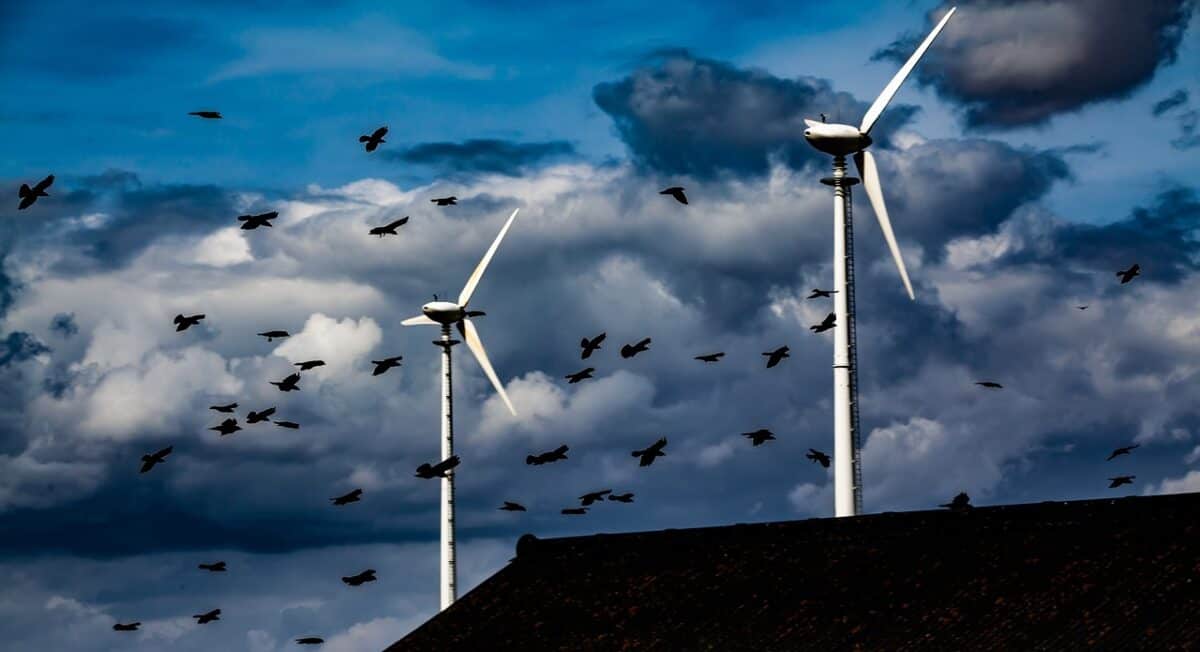
Across the planet, a silent revolution is underway. As climate change intensifies and human activities reshape landscapes, animals are altering their ancient migratory patterns in ways that challenge our understanding of natural boundaries. These shifting wildlife movements aren’t just biological curiosities—they’re redrawing ecological lines on the world map, creating new connections between previously isolated ecosystems, and forcing us to reconsider how we think about conservation, international relations, and the very concept of geographic borders. From monarch butterflies finding new winter sanctuaries to Arctic predators venturing into previously uninhabitable territories, these changing migration patterns tell a story of adaptation, survival, and transformation that has profound implications for our shared future.
The Ancient Rhythms of Migration
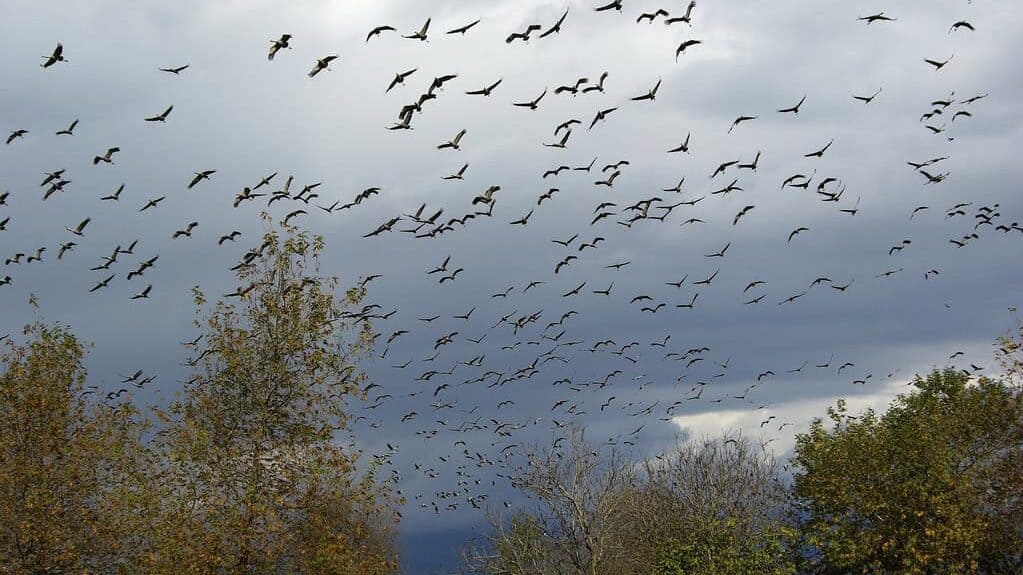
Animal migration represents one of nature’s most spectacular phenomena—a set of behaviors encoded in genetic memory that has guided species across vast distances for millions of years. These journeys aren’t random wanderings but precisely timed movements that follow environmental cues like changing daylight, temperature shifts, or magnetic field variations. The Arctic tern makes the longest known migration, traveling approximately 44,000 miles annually between the Arctic and Antarctic. Monarch butterflies navigate across generations to reach the same Mexican forests their great-grandparents visited. Wildebeest thunder across the Serengeti in predictable patterns that have shaped entire ecosystems. These traditional migratory routes have historically defined ecological regions, creating natural corridors between distant habitats that facilitated genetic exchange and maintained biodiversity balance across continents.
Climate Change: The Great Migration Disruptor
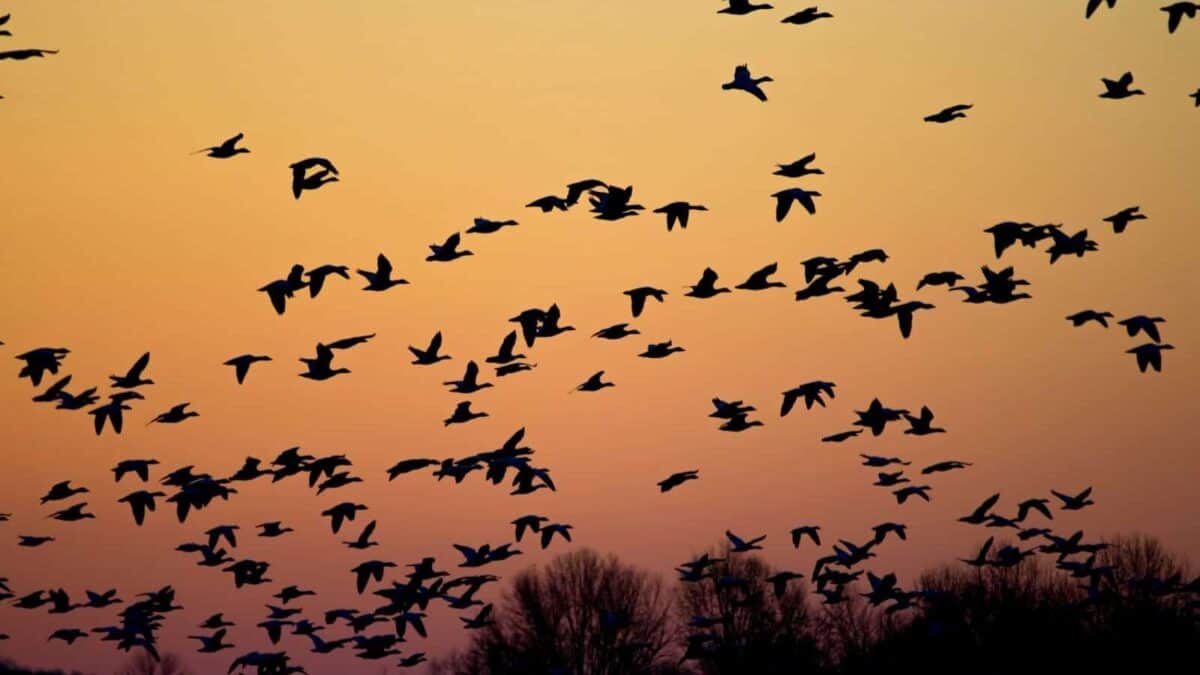
As global temperatures rise at unprecedented rates, climate change has emerged as perhaps the most significant force altering migratory patterns worldwide. Research published in the journal Science has documented northward shifts in the ranges of hundreds of species across the Northern Hemisphere. Birds are arriving at breeding grounds weeks earlier than they did decades ago. Marine species are moving poleward at an average rate of 45 miles per decade. These aren’t mere adjustments but fundamental reconstructions of ecological boundaries. The traditional timing of migrations is increasingly misaligned with the availability of critical resources, creating what scientists call “ecological mismatches.” When birds arrive too early, they may find their insect prey hasn’t yet emerged. When marine mammals follow shifting prey populations, they may encounter new predators or shipping lanes. These climate-driven changes are effectively redrawing biological corridors across continents and oceans, creating new ecological maps that don’t align with our political ones.
Barrier Breakdown: When Human Infrastructure Alters Natural Pathways
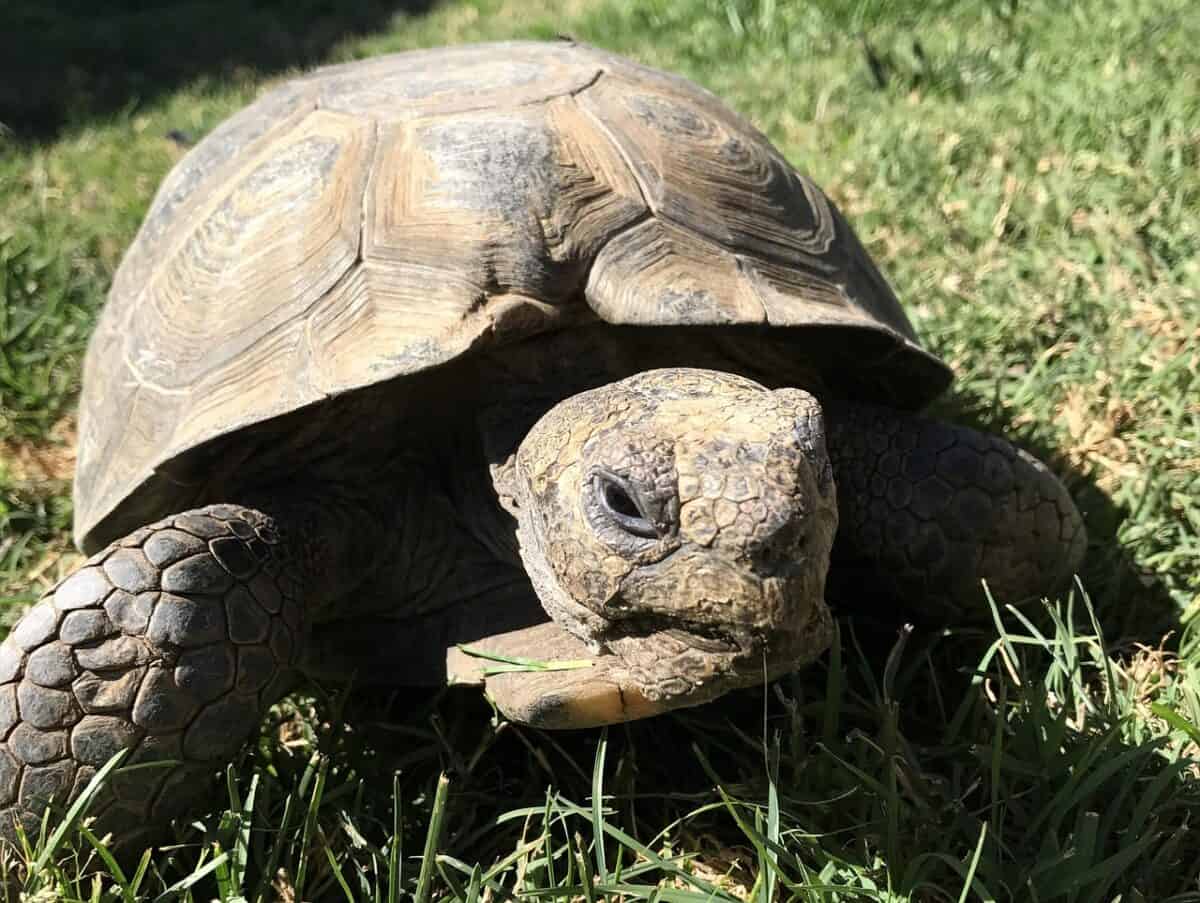
Human development has created a complex patchwork of barriers and pathways that profoundly affect animal movement. Roads, dams, cities, and agricultural zones fragment natural landscapes, forcing migrating animals to navigate an obstacle course of human infrastructure. The resulting pattern resembles a global maze—some traditional routes become impassable while new corridors unexpectedly open. The construction of the Three Gorges Dam in China, for instance, blocked the migration of the Chinese paddlefish, contributing to its extinction. Conversely, the Panama Canal has inadvertently created new migratory connections between Atlantic and Pacific marine ecosystems, allowing species to cross previously insurmountable geographic barriers. Border walls between countries also significantly impact terrestrial migration; studies along the U.S.-Mexico border have documented how such barriers interrupt the movements of over 100 mammal species, from endangered jaguars to desert tortoises. These artificial changes to the landscape are effectively creating new biogeographic regions defined not by natural features but by human constructions.
Oceans in Flux: Marine Migration Shifts
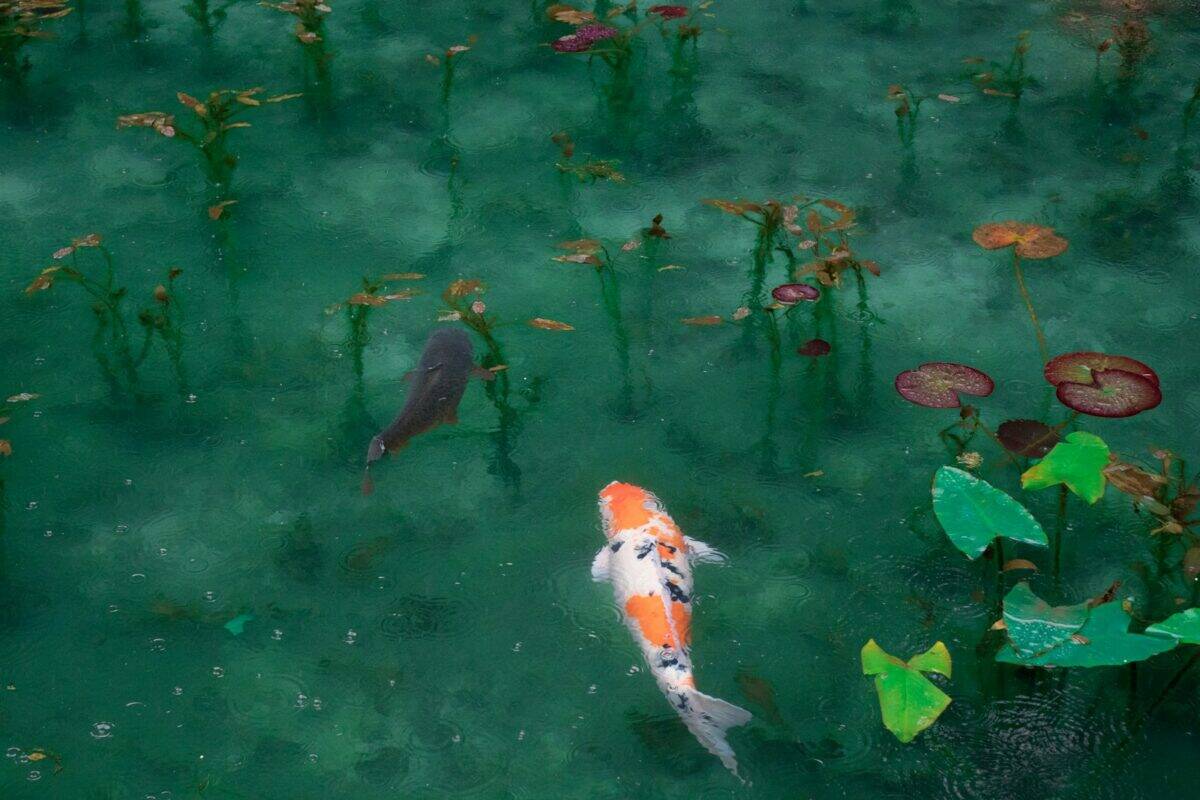
Fish Migration. Image via Unsplash
Beneath the ocean surface, migration patterns are changing with particular speed and drama. Marine ecosystems are experiencing temperature increases faster than many terrestrial environments, driving rapid shifts in species distribution. The International Union for Conservation of Nature reports that warming oceans have caused commercially important fish species to move poleward at rates up to 45 miles per decade. These movements aren’t just ecological curiosities—they have profound implications for fishing economies and international maritime boundaries. As fish populations migrate across exclusive economic zones (EEZs), conflicts over fishing rights intensify. The movement of Atlantic mackerel from Norwegian to Icelandic waters sparked what became known as the “Mackerel War,” highlighting how migratory shifts can trigger international disputes. Meanwhile, warming waters enable tropical species to colonize temperate regions, creating novel ecosystems with unknown stability. Lion’s mane jellyfish now appear in waters where they were once rare, while tropical fish establish populations in Mediterranean seas, effectively redrawing marine ecological boundaries faster than international laws can adapt.
Avian Atlases: How Bird Migration Maps Are Changing
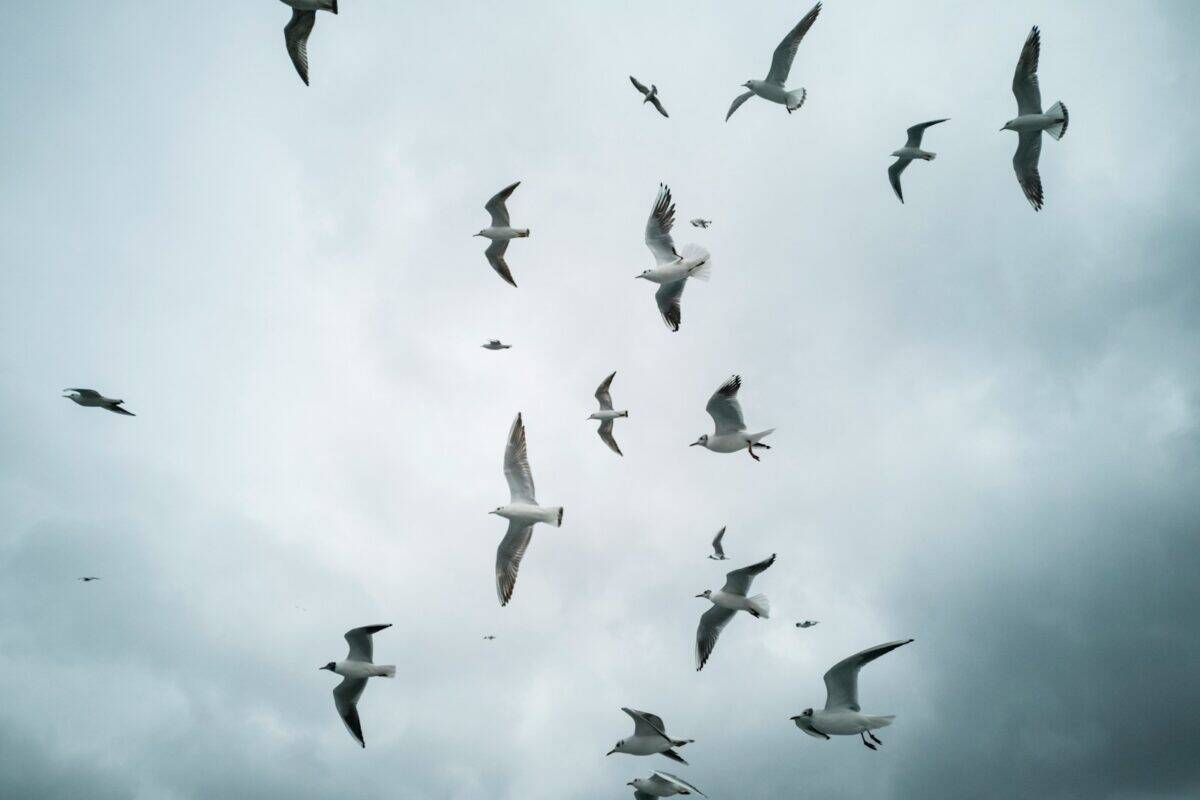
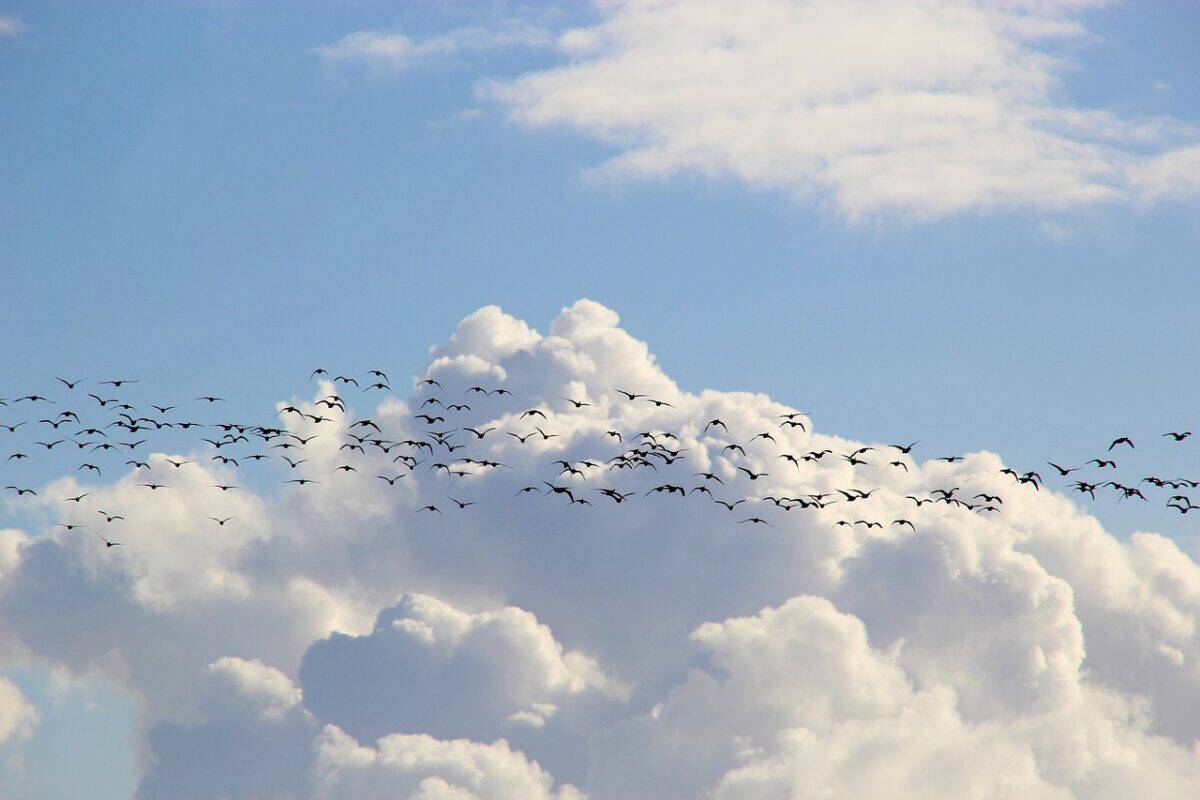
Birds, with their remarkable mobility and sensitivity to environmental change, are among the most visible indicators of shifting migration patterns. The Cornell Lab of Ornithology’s analysis of decades of citizen science data reveals that North American bird populations have declined by nearly 3 billion since 1970, with migratory species particularly affected. Those that survive are altering their behaviors dramatically. European studies show that nearly 30% of migratory bird species have reduced their migration distances, with some formerly long-distance migrants now remaining resident year-round in regions with milder winters. The Eurasian blackcap, traditionally a summer visitor to Central Europe, now commonly winters in British gardens instead of Mediterranean Africa. As these patterns shift, the very definition of what constitutes a “native” bird in any given region becomes increasingly fluid. Ornithological maps drawn just decades ago no longer accurately represent current distributions, and the predictive value of historic range maps diminishes with each passing year. These changes force conservationists to reconsider protected area networks designed around migration patterns that may no longer exist.
Insect Invasions and Retreats: The Six-Legged Migrants

Insect migration patterns, though less visible to casual observers, are changing with profound ecological consequences. Warming temperatures allow disease vectors like mosquitoes and ticks to survive in previously inhospitable regions, bringing pathogens into new territories. The Asian tiger mosquito, capable of transmitting dengue fever and Zika virus, has expanded its range throughout Europe and North America over the past two decades. Meanwhile, agricultural pests are migrating into new farming regions; the fall armyworm has recently invaded Africa and Asia from its native Americas, causing billions in crop losses. Perhaps most concerning is the disruption to pollinator migrations. Research in PLOS ONE documents how climate change has contracted the range of many bumble bee species by up to 300 kilometers at southern boundaries without corresponding northern expansion, effectively squeezing these crucial pollinators into smaller habitats. As insects represent the largest biomass of terrestrial migratory animals, these shifts ripple through food webs, affecting everything from bird populations to crop yields and fundamentally altering ecological interactions across continents.
The Politics of Moving Wildlife: International Relations and Migration
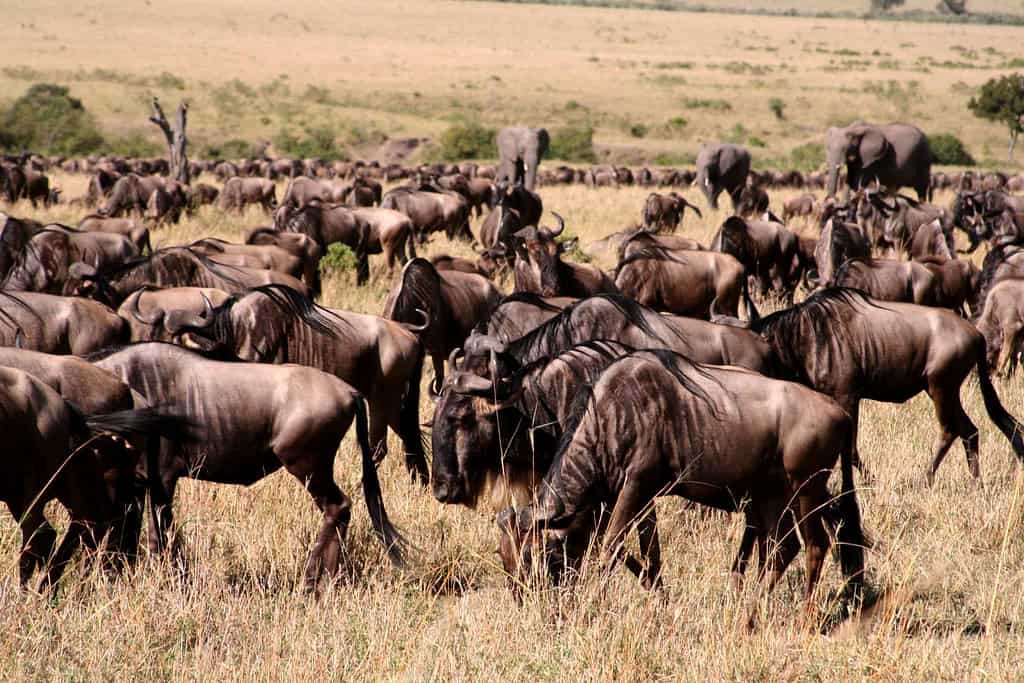
As animals cross political boundaries with increasing unpredictability, international relations face new challenges. Wildlife doesn’t respect borders, yet conservation policies, hunting regulations, and habitat protections vary dramatically between neighboring countries. The Convention on Migratory Species (CMS) attempts to coordinate international responses, but implementation remains uneven. When Botswana erected fences to protect cattle from disease, they inadvertently blocked traditional wildebeest migration routes, demonstrating how domestic policies can disrupt continental wildlife movements. Similarly, the northward expansion of valuable fish stocks into Arctic waters has sparked international tensions over fishing rights in newly ice-free regions. These challenges extend to disease management; wildlife health concerns cross borders as easily as the animals themselves. The emerging field of “conservation diplomacy” attempts to address these issues by creating transboundary protected areas and shared management protocols. The Great Limpopo Transfrontier Park connecting South Africa, Zimbabwe, and Mozambique exemplifies this approach, recognizing that effective conservation must follow biological rather than political boundaries.
Conservation Conundrums: Protecting Moving Targets
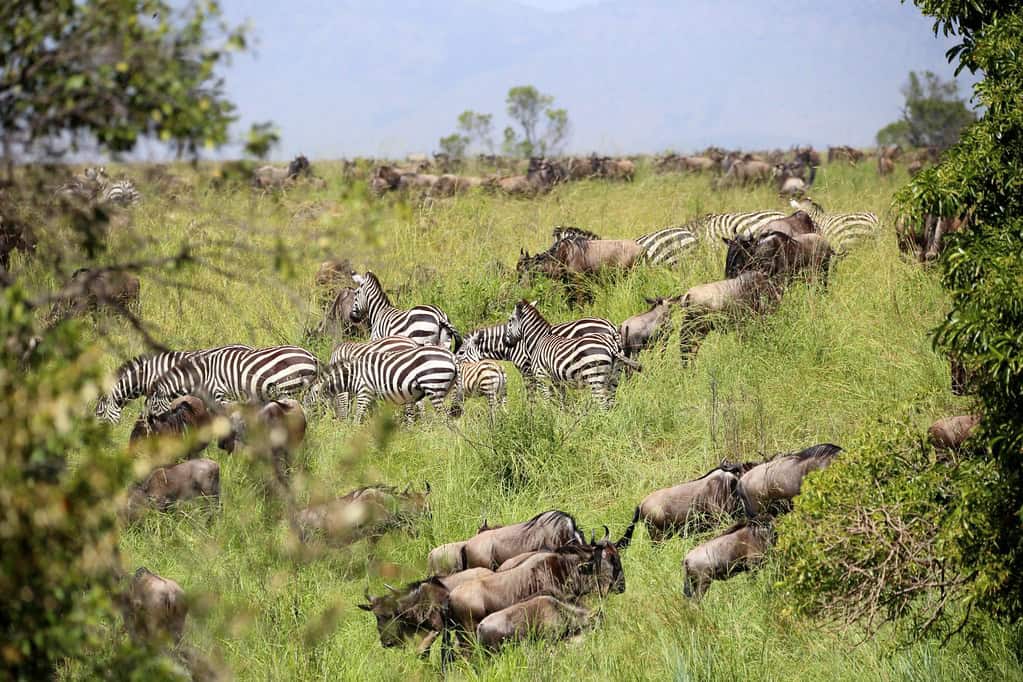
Traditional conservation strategies typically focus on protecting static habitat areas, but this approach faces fundamental challenges when species’ ranges shift rapidly. How do you design effective protected areas when the species they’re meant to shelter may not be present in fifty years? The International Union for Conservation of Nature now recognizes “climate-adaptive conservation” as essential, focusing on maintaining connectivity between habitats to facilitate migration. Conservation biologists increasingly advocate for “dynamic protected areas” with boundaries that can shift as species move. The concept of “assisted migration”—actively relocating species to new habitats ahead of climate change—remains controversial but gains traction as natural adaptation proves too slow for many species. Meanwhile, conservationists debate ethical questions: Should resources focus on maintaining historic ecosystems, or on facilitating transitions to new ecological states? When non-native species move into new territories naturally rather than through human introduction, should they be managed as invasive or accepted as climate refugees? These questions force a reconsideration of conservation goals in a world where the very concept of a species’ “natural range” becomes increasingly meaningless.
Unexpected Beneficiaries: Species Thriving in a Shifting World

While many species struggle with changing migration patterns, others demonstrate remarkable adaptability. Urban ecologists have documented how some birds and mammals adjust their behaviors to exploit human-modified landscapes. Canadian geese have shifted from fully migratory to partially resident in many North American cities, finding abundant food and reduced predation in urban environments. Coyotes have expanded across North America, adapting to everything from desert to metropolitan habitats. In marine environments, some generalist species like jellyfish thrive in warming, acidifying oceans where specialized species decline. Research in Nature Communications suggests that these “winners” share certain traits: behavioral flexibility, dietary versatility, and rapid reproduction cycles. However, even these adaptable species face limits; a 2019 study in PNAS found that while many birds initially benefit from warmer temperatures, these advantages reverse beyond certain thresholds. The resulting redistribution of species creates novel ecosystems without historical analogues—communities of plants and animals that have never before coexisted. These emerging ecological assemblages represent uncharted territory for conservation science, neither pristine nor entirely degraded, but fundamentally transformed.
Technological Frontiers: Tracking Migration in Real Time

Revolutionary advances in wildlife tracking technology have transformed our understanding of animal movement, revealing migration patterns with unprecedented precision. Miniaturized GPS trackers weighing less than a paperclip now monitor small songbirds across hemispheric migrations. The International Cooperation for Animal Research Using Space (ICARUS) initiative uses the International Space Station to track thousands of animals simultaneously, generating the first truly global picture of wildlife movement. Meanwhile, environmental DNA (eDNA) sampling allows scientists to detect species presence in water or soil without direct observation, mapping marine migrations through water samples alone. The Movebank data repository, containing over two billion animal locations from researchers worldwide, enables analysis of migration patterns at scales previously unimaginable. These technological innovations reveal that animal movements are far more complex and individualized than previously understood—many species don’t follow fixed routes but adapt continuously to changing conditions. This growing mountain of data allows conservationists to identify critical stopover points, detect emerging migratory shifts, and predict future changes. When combined with satellite imagery and climate models, these tracking systems essentially create dynamic, real-time maps of global biodiversity that contrast sharply with the static range maps of previous centuries.
Indigenous Knowledge: Traditional Understanding of Migration Shifts
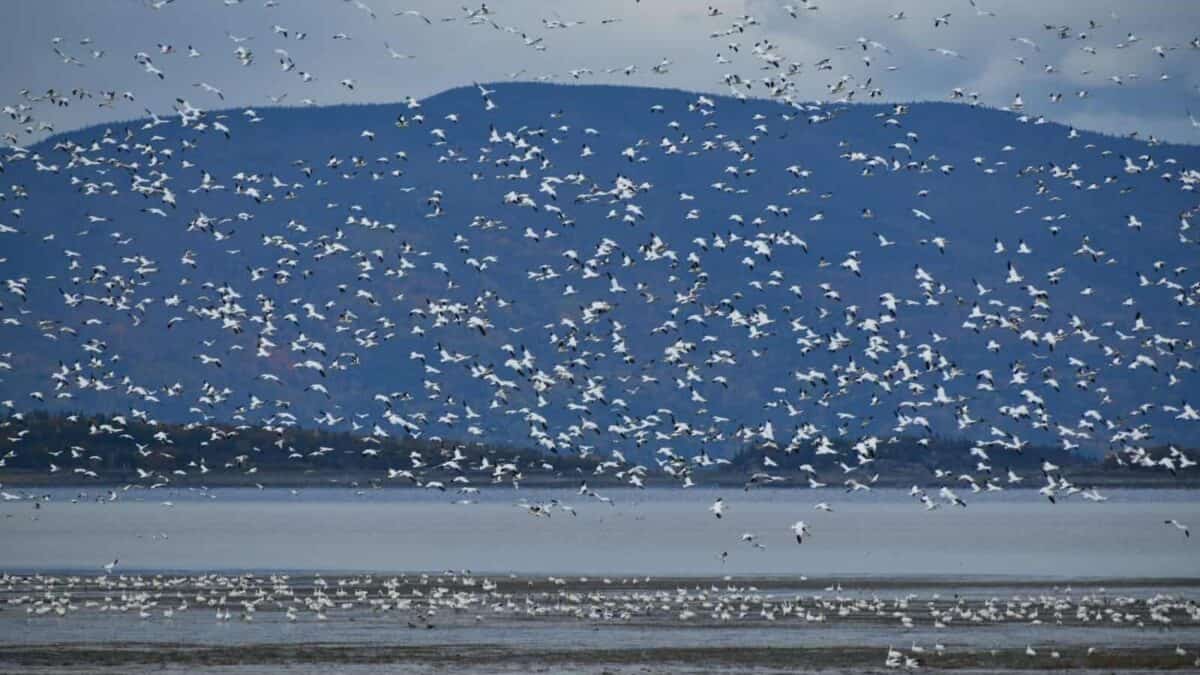
Long before satellite tracking, indigenous communities worldwide developed sophisticated understanding of animal migration through generations of observation. These knowledge systems, often encoded in cultural practices and oral traditions, provide crucial historical context for current changes. Inuit hunters in the Arctic have documented shifts in caribou migration decades before scientific studies confirmed them. Aboriginal tracking techniques in Australia detail subtle changes in bird migration timing that correlate with broader climate patterns. Indigenous calendars often mark seasons by migratory events rather than fixed dates, inherently acknowledging the dynamic nature of animal movement. As Western science increasingly recognizes the value of this traditional ecological knowledge, collaborative research efforts emerge. The Arctic Council’s Conservation of Arctic Flora and Fauna working group now formally incorporates indigenous observations into monitoring programs. These partnerships reveal historical baselines that predate scientific record-keeping, providing crucial context for distinguishing natural variability from unprecedented change. Perhaps most importantly, indigenous knowledge systems often approach migration not as isolated biological phenomena but as elements of interconnected social-ecological systems, offering holistic perspectives that complement the reductionist approach of conventional science.
Future Forecast: Predicting Tomorrow’s Migration Maps

Predicting future migration patterns combines climate modeling, species distribution analysis, and evolutionary biology. Current models suggest we’re entering an era of unprecedented biological reorganization. Research published in Nature Ecology & Evolution projects that tropical species will continue expanding poleward while cold-adapted species face range contractions, potentially creating biodiversity hotspots in mid-latitude transition zones. Marine migrations may accelerate further, with estimates suggesting species turnover of over 60% in some ocean regions by 2100. Seasonal timing shifts will likely continue, with spring migrations occurring earlier and fall migrations later in temperate regions. The most concerning projections involve potential migration collapse—when environmental cues that trigger migration become so disrupted that migratory behavior fails entirely. This has already been documented in some Pacific salmon populations where warming rivers prevent successful spawning migrations. However, forecasting efforts also highlight the potential for positive interventions. Models suggest that strategic habitat restoration connecting protected areas could maintain migration corridors despite climate change. Wildlife-friendly agricultural practices and urban green corridors can provide stepping stones for migrating species. These predictions underscore that while significant disruption is inevitable, human choices will substantially determine how dramatically migration maps are redrawn in coming decades.
Redrawing the Atlas: What Animal Movement Teaches Us About a Changing World
The reshaping of global migration patterns offers profound lessons about our interconnected planet and our place within it. As political maps remain static with their rigid borders and fixed boundaries, biological maps flow and change with increasing dynamism, revealing the fundamental mismatch between human governance systems and ecological reality. Migration shifts expose the limitations of conservation approaches based on preserving historical conditions in a rapidly changing world. They challenge us to develop more flexible, adaptive management strategies that acknowledge ecological fluidity rather than fighting against it. Perhaps most importantly, these changes remind us that natural systems possess both remarkable resilience and definite limits—many species adapt to changing conditions while others face extinction when change outpaces evolutionary response. As we witness this global ecological reorganization, we gain unique perspective on our own relationship with mobility and place, understanding that adaptation through movement represents one of life’s fundamental responses to environmental change. By monitoring, understanding, and accommodating these shifting migration patterns, we take crucial steps toward creating conservation frameworks suited to our dynamic planet rather than to our static maps.

- The World’s Only Venomous Primate - July 23, 2026
- Are Two-Headed Animals For Real? - July 23, 2026
- The 10 Most Dangerous Predators You’ve Never Heard Of - July 23, 2026