

From scorching deserts to freezing polar regions, Earth’s most extreme environments present incredible challenges for survival. Yet, remarkably, animals have evolved extraordinary adaptations that allow them to thrive where others cannot survive. These evolutionary marvels demonstrate nature’s ingenuity and resilience in the face of seemingly impossible conditions. This article explores the fascinating physiological, behavioral, and morphological adaptations that enable creatures to endure and flourish in the planet’s most unforgiving habitats.
The Remarkable Adaptations of Desert Dwellers

Desert environments present multiple challenges for animal survival: extreme heat, minimal water, and scarce food resources. Desert specialists have evolved remarkable adaptations to overcome these obstacles. The kangaroo rat of North American deserts, for instance, can survive without drinking water by extracting moisture from metabolizing dry seeds. Their specialized kidneys produce highly concentrated urine, minimizing water loss. Meanwhile, camels have developed a suite of adaptations, including the ability to tolerate dehydration by losing up to 30% of their body weight in water—a level that would be fatal for most mammals. Their oval-shaped red blood cells continue flowing even when blood becomes concentrated during dehydration, and their humps store fat (not water), providing both insulation and an energy reserve that produces metabolic water when broken down.
Polar Animals and Their Cold-Weather Strategies

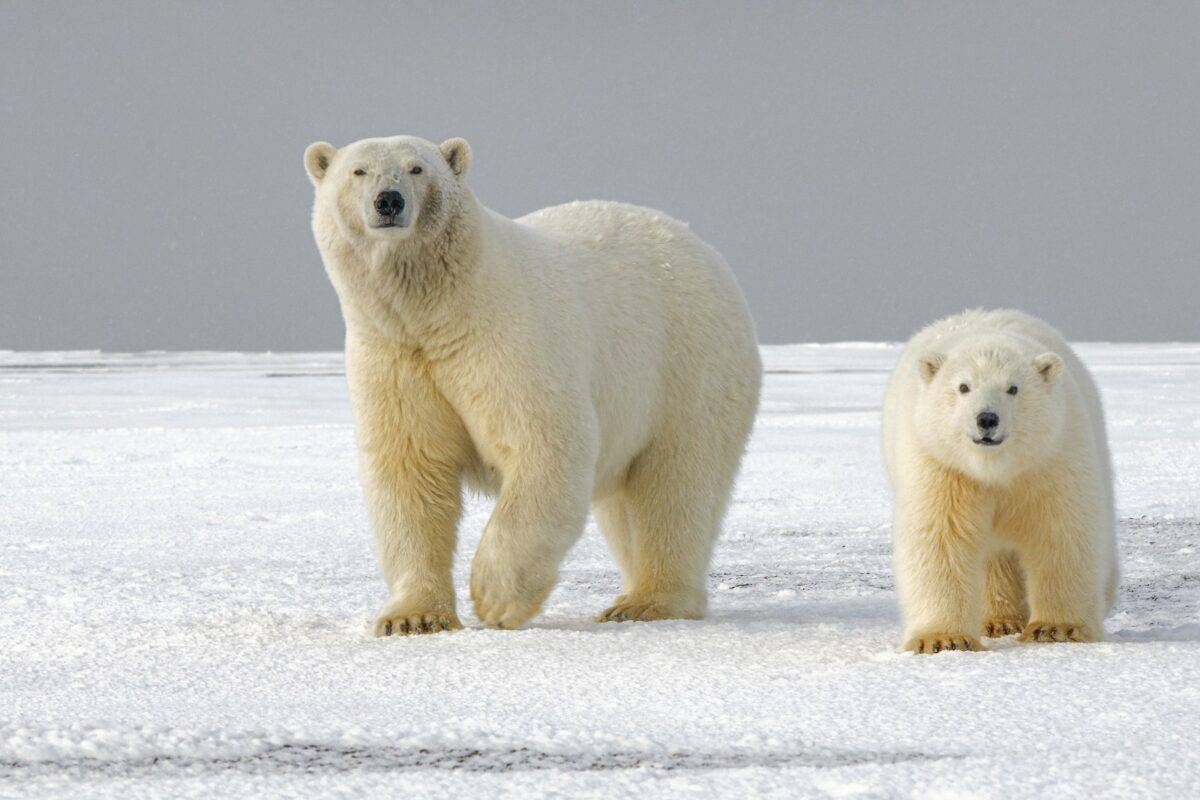
At the opposite extreme, polar regions present challenges of intense cold, seasonal darkness, and limited food availability. Arctic mammals like polar bears possess multiple layers of insulation: a thick layer of blubber beneath the skin, followed by a dense underfur and hollow guard hairs that trap heat. Their relatively small ears and tail minimize heat loss through extremities. The Arctic fox can reduce blood flow to its paws, maintaining them just above freezing while keeping its core body temperature stable—a process called countercurrent heat exchange. Emperor penguins in Antarctica employ social thermoregulation, huddling together in tightly packed groups that rotate positions so no individual remains on the windward side too long. This behavior can raise the temperature within the huddle to 35°C (95°F) even when external temperatures plummet to -40°C (-40°F).
High-Altitude Adaptations in Mountain Wildlife

Animals living at high elevations contend with thin air, intense UV radiation, and extreme temperature fluctuations. The bar-headed goose, which migrates over the Himalayas at altitudes exceeding 29,000 feet, has evolved hemoglobin with a higher oxygen affinity than lowland birds, allowing efficient oxygen uptake in low-oxygen environments. Their lungs extract oxygen more efficiently, and they have more capillaries delivering oxygen to flight muscles. Mammals like yaks possess larger lungs and hearts relative to body size compared to lowland relatives, increasing oxygen-carrying capacity. The Tibetan antelope’s nasal passages are enlarged to warm incoming air before it reaches the lungs, while their dense, hollow fur provides insulation without adding significant weight—crucial for maintaining agility on steep, rocky terrain.
The Deep Sea’s Pressure-Resistant Specialists

The deep ocean presents perhaps the most alien environment on Earth, with crushing pressures, near-freezing temperatures, and perpetual darkness. Deep-sea creatures have evolved astonishing adaptations to these conditions. The Mariana snailfish, living at depths of up to 26,200 feet, has evolved proteins and cell membranes that remain functional under extreme pressure. Many deep-sea fish have gelatinous bodies with minimal skeletal structure, helping them withstand pressure while conserving energy. Bioluminescence is a common adaptation, with approximately 90% of deep-sea creatures capable of producing light—used for attracting prey, camouflage, communication, and finding mates. The anglerfish famously uses a bioluminescent lure to attract prey in the darkness, while its enormous jaws and expandable stomach allow it to consume prey larger than itself—a crucial adaptation in an environment where meals are unpredictable and scarce.
Rainforest Canopy: Adaptations for Life Above Ground
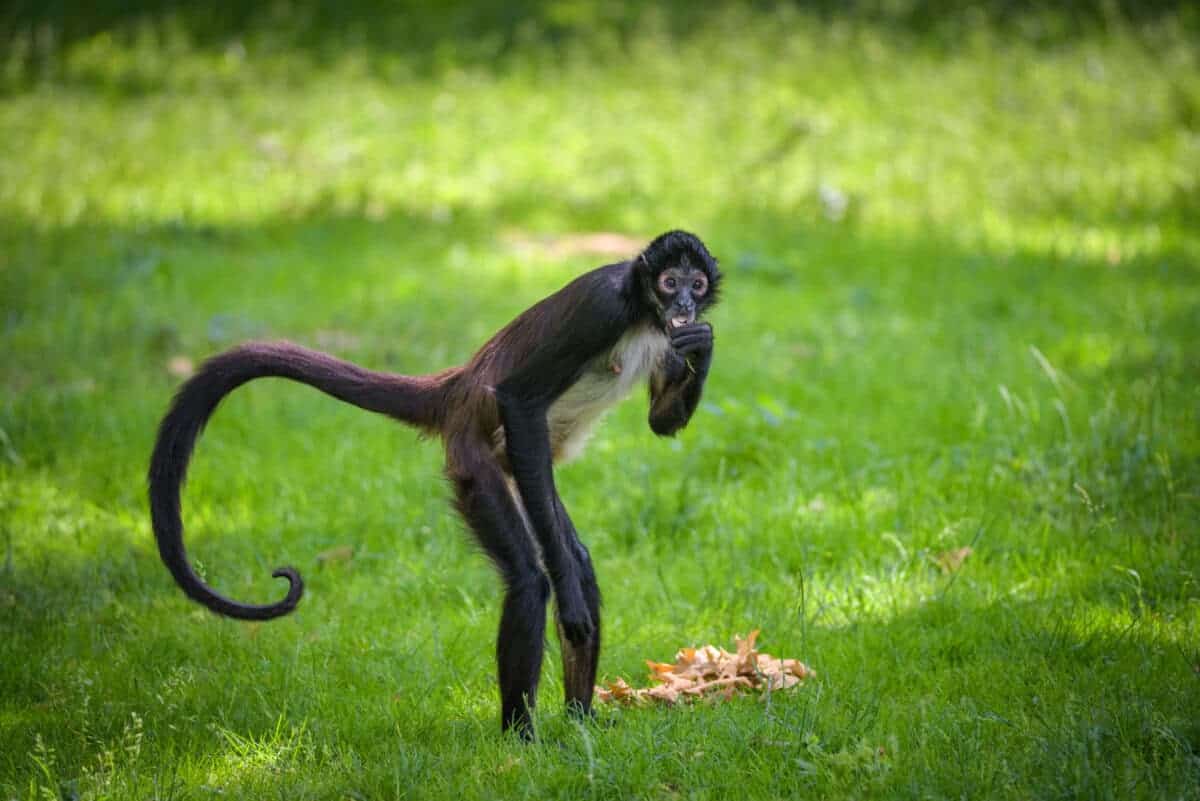
Tropical rainforest canopies present unique challenges: limited surfaces for support, gaps between trees, and the need to move efficiently at heights. Arboreal specialists have evolved remarkable adaptations for this three-dimensional world. Spider monkeys possess prehensile tails that function as a fifth limb, capable of supporting their entire body weight while freeing their hands for feeding or manipulation. Flying frogs have expanded webbing between their toes that functions as parachutes, allowing them to glide up to 50 feet between trees. Sloths have evolved an extremely slow metabolism that conserves energy, along with specialized limbs with hook-like claws that lock around branches, enabling them to hang upside-down effortlessly for long periods. Their fur even hosts symbiotic algae that provides camouflage, absorbs rainwater, and may provide supplemental nutrients—a unique adaptation to their arboreal lifestyle.
Thermal Regulation in Extreme Environments

Temperature regulation is critical for survival in harsh climates, and animals have evolved diverse strategies to maintain optimal body temperatures. The fennec fox, native to the Sahara Desert, has enormous ears—not only for detecting prey but also for radiating excess body heat. Jackrabbits employ a similar strategy, dilating blood vessels in their oversized ears to dissipate heat when hot, and constricting them to conserve heat when cold. In contrast, polar animals often exhibit the opposite adaptation: the Arctic hare has compact ears that minimize heat loss. Some insects employ fascinating thermoregulation techniques: certain desert beetles can extract water from morning fog by condensing it on specialized structures on their backs, while some Arctic insects produce biological antifreeze compounds that prevent ice crystals from forming in their tissues, allowing them to survive being frozen solid for months at a time.
Drought Resistance and Water Conservation

In arid environments, water conservation is paramount for survival. The African lungfish has evolved the ability to secrete a mucus cocoon that prevents dehydration during dry seasons, entering a state of estivation (similar to hibernation) where metabolism slows dramatically. They can survive like this for years until water returns. The thorny devil lizard of Australia has evolved microscopic channels between its scales that draw water through capillary action from any part of its body to its mouth—allowing it to collect moisture from morning dew or even damp sand. Many desert rodents never drink water directly, obtaining all needed moisture from their food. They produce extremely concentrated urine and dry feces, and some species have specialized nasal passages that condense moisture from exhaled breath, recapturing up to 90% of the water that would otherwise be lost through respiration.
Seasonal Adaptations and Migration

Some animals cope with harsh climates through seasonal behavioral adaptations rather than permanent physiological ones. The Arctic tern makes the longest migration of any animal, traveling from Arctic breeding grounds to Antarctic feeding areas and back annually—a round trip of approximately 44,000 miles. This strategy allows them to experience two summers each year, avoiding the harshest winter conditions in both hemispheres. Monarch butterflies employ a multi-generational migration strategy, with four generations required to complete the annual cycle between Mexico and Canada. Hibernation represents another seasonal adaptation: the Arctic ground squirrel can lower its body temperature below freezing during hibernation (the only known mammal to do so), with blood supercooled to -2.9°C (26.8°F) without freezing. Their brains periodically warm to normal temperatures during hibernation, possibly to allow for essential neural functions and sleep, before cooling again to conserve energy.
Specialized Diets in Resource-Poor Environments

Animals in harsh environments often evolve specialized dietary adaptations to extract maximum nutrition from limited resources. Koalas survive exclusively on eucalyptus leaves—a food source toxic to most mammals—thanks to specialized liver enzymes that detoxify the poisonous compounds. Desert woodrats can consume plants containing levels of toxins that would kill other mammals, gradually building tolerance through microbiome adaptations. The snow leopard has evolved to extract maximum nutrition from sparse prey in the Himalayan mountains, capable of killing animals three times its weight and consuming nearly every part of the carcass, including bones. Perhaps most impressive are the extremophile microorganisms found in environments like hot springs, deep-sea vents, and highly saline lakes, which have evolved metabolic pathways to derive energy from compounds as unlikely as hydrogen sulfide, methane, and even radioactive waste—demonstrating how life can adapt to utilize virtually any potential energy source when necessary.
Protective Coverings and Physical Adaptations

Physical structures play a crucial role in surviving extreme environments. The Namib Desert beetle has evolved ridges on its shell that collect water from fog, channeling it to the mouth. Many desert animals, from scorpions to tortoises, have evolved tough exoskeletons or shells that reduce water loss through evaporation. Polar bears have black skin beneath their transparent hollow hairs, helping absorb and retain the limited sunlight for warmth. The Arabian oryx has white reflective fur that deflects the desert sun’s intense heat, while specialized blood vessels near the surface can dilate to release heat or constrict to conserve it. In high mountains, animals like mountain goats have developed specialized hooves with soft pads surrounded by sharp edges that provide extraordinary grip on steep, icy surfaces. Meanwhile, specialized respiratory systems help many animals function in oxygen-poor environments, from the enlarged nostrils of Tibetan wild asses to the gills of high-altitude fish that extract oxygen more efficiently than their lowland relatives.
Evolutionary Timeframes and Adaptation Speed
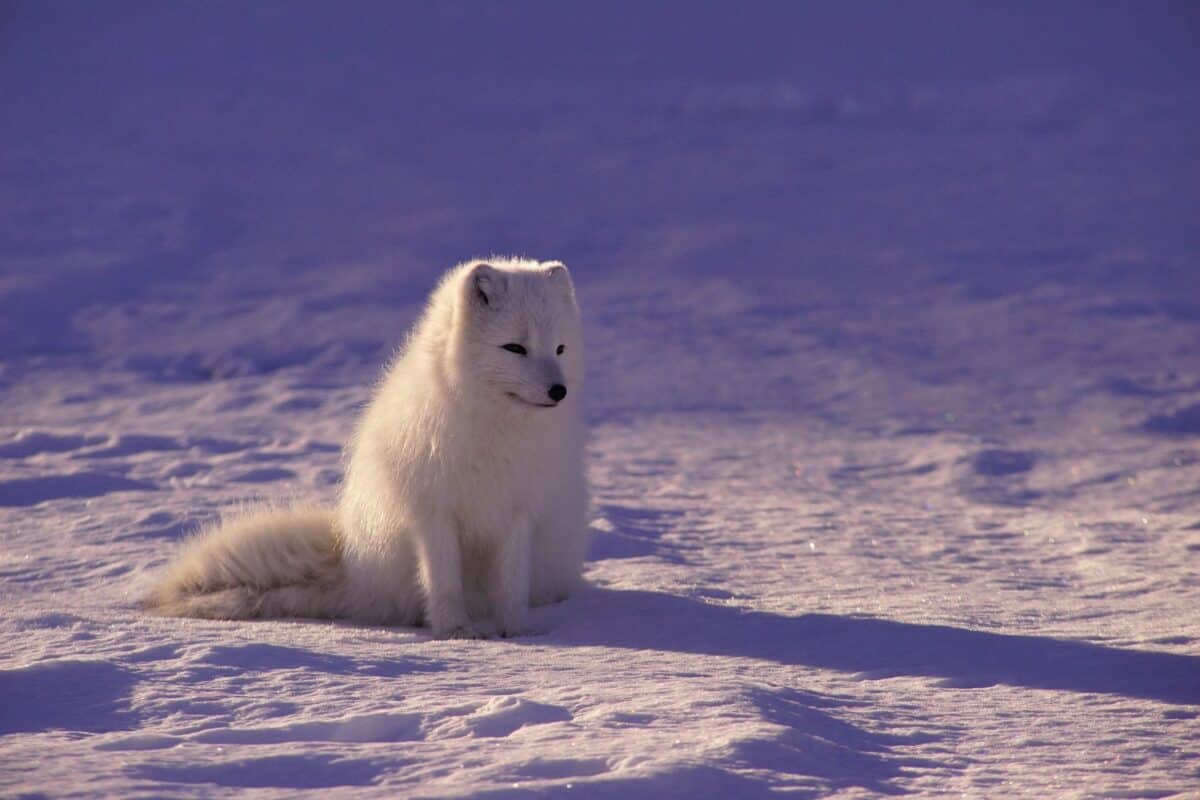
The adaptations that allow animals to survive in extreme environments typically develop over evolutionary timeframes spanning thousands to millions of years. However, recent research indicates that some species can adapt more rapidly than previously thought. The Italian wall lizard, introduced to a new island environment in 1971, developed significant morphological changes in its digestive tract within just 36 generations in response to a diet shift. Climate change is now accelerating the need for adaptation; the Arctic fox is showing changes in fur coloration timing to match shorter snow seasons, while some birds are adjusting migration schedules. However, many scientists fear that the current rate of environmental change may outpace evolutionary adaptation for many species. The specialized nature of many extreme-environment adaptations presents a paradox: traits that make an organism perfectly suited to current conditions may become liabilities if those conditions change rapidly, potentially leading to extinction rather than adaptation.
Convergent Evolution in Harsh Environments
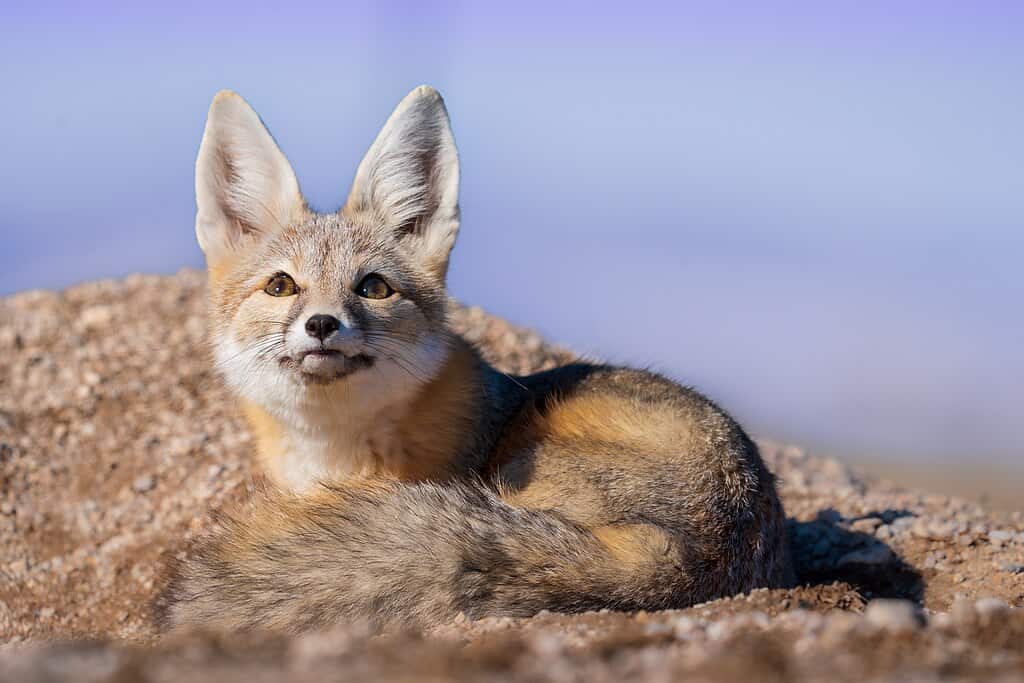
One of the most fascinating aspects of adaptations to harsh environments is the phenomenon of convergent evolution—where unrelated species develop similar traits in response to similar environmental pressures. Desert mammals from different continents often display remarkably similar adaptations: the fennec fox of North Africa, the bat-eared fox of southern Africa, and the kit fox of North America all independently evolved large ears that serve as radiators for excess body heat. Similarly, the thorny devil lizard of Australia and the horned lizard of North America have evolved nearly identical water-harvesting skin structures despite being separated by millions of years of evolution and thousands of miles. In cold environments, blubber has evolved independently in marine mammals from different lineages, including seals, whales, and polar bears. These instances of convergent evolution demonstrate that when environmental challenges are extreme, natural selection often arrives at similar solutions even in genetically unrelated organisms—providing strong evidence for the adaptive value of these traits.
The Future of Adaptation in a Changing World
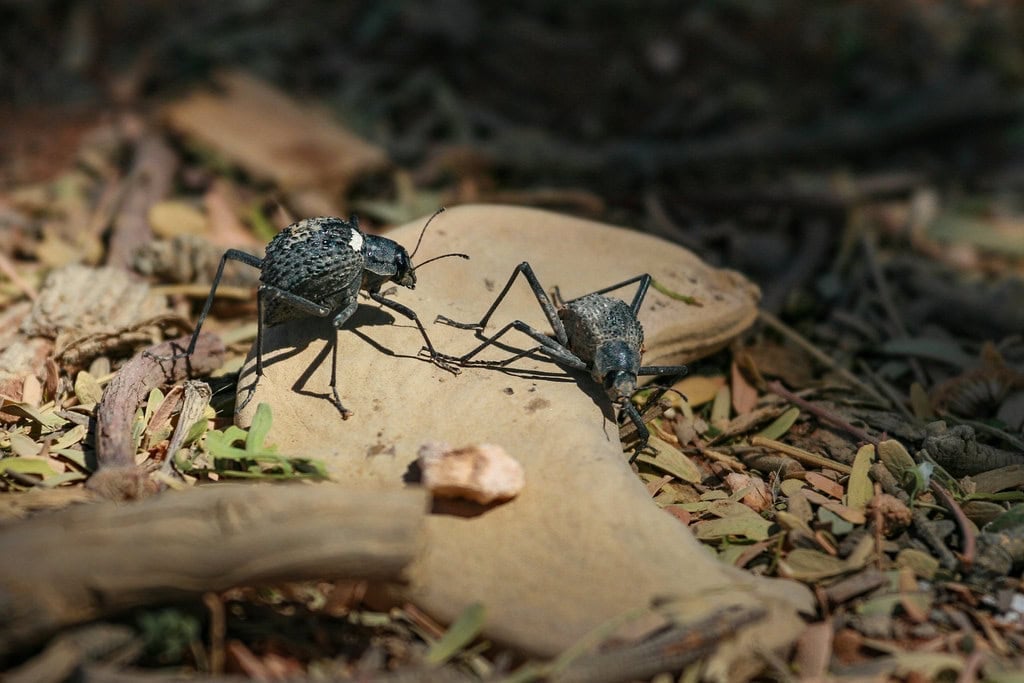
As our planet experiences unprecedented rates of climate change, the remarkable adaptations that allow animals to survive in harsh environments are being tested like never before. Many specialized species face uncertain futures as their habitats transform faster than evolution can respond. Arctic specialists like polar bears are experiencing shrinking sea ice essential for hunting, while desert animals face expanding arid zones with increasingly extreme temperatures. However, scientific research on extreme adaptations provides valuable insights that may help conservation efforts. Understanding how the Namib Desert beetle harvests water from fog has inspired technological innovations for water collection in arid regions. Studies of antifreeze proteins in Arctic fish have applications in cryopreservation of tissues and organs. By studying and protecting these evolutionary marvels, we not only preserve biodiversity but also maintain a living library of biological innovations that may prove crucial for both wildlife and human adaptation to our rapidly changing planet.
Conclusion
The extraordinary adaptations that enable animals to survive in Earth’s most extreme environments stand as testament to the power of natural selection and the resilience of life. From the molecular-level adaptations of deep-sea creatures to the behavioral strategies of migrating birds, these specializations demonstrate the incredible diversity of solutions that evolution has produced in response to environmental challenges. As our planet faces accelerating climate change, the study of these adaptations takes on new urgency—both for conservation efforts and for the lessons they may offer in resilience and innovation. The animals that thrive in the world’s harshest climates remind us that life finds a way, even in the most forbidding circumstances, through the slow but powerful process of adaptation.

- This Tiny Insect Can Survive in Outer Space—Here’s How - July 21, 2026
- Could the Tasmanian Tiger Be Brought Back to Life? - July 21, 2026
- Why You Should Never Approach a Sleeping Hippo - July 21, 2026