
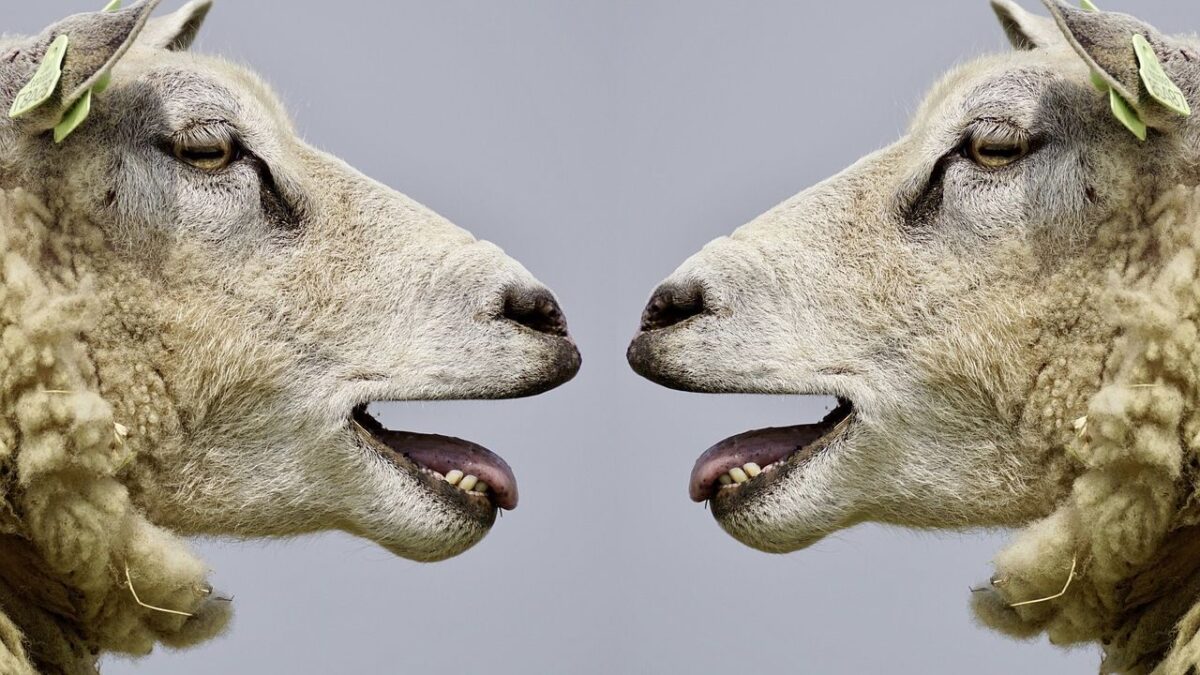
Ever watched your dog tilt its head when you talk, or noticed birds calling to each other at dawn? You might think you understand what’s happening. Yet the truth is far stranger and more spectacular than most of us realize. The animal kingdom has developed communication systems so bizarre, so sophisticated, and so utterly alien to our human experience that scientists are still unraveling their mysteries.
From vibrations traveling through the earth to light shows invisible to our eyes, creatures have mastered forms of conversation we can barely imagine. Some send messages that travel for miles underwater, while others leave chemical notes that last for days. Let’s dive in and explore the hidden languages that surround us every single day.
The Secret Underground Network of Elephant Communication
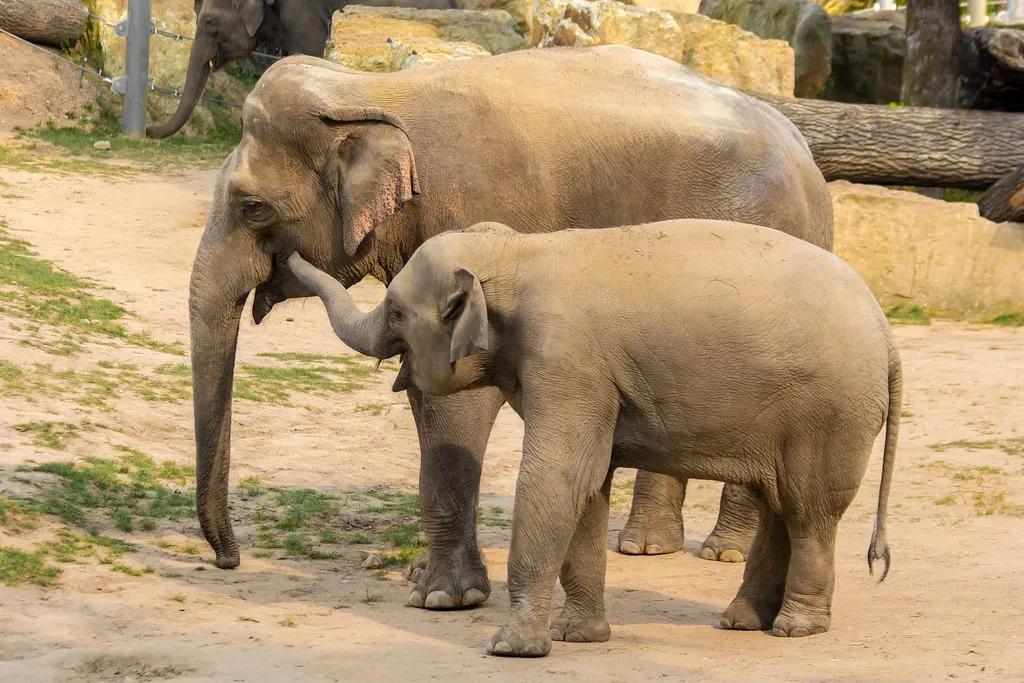
When you see elephants standing still in the savanna, they might be having intense conversations you’ll never hear. These massive creatures produce infrasound, sounds below 20 hertz that are too low for humans to detect, which can be heard by other elephants more than 175 miles away. Think about that for a moment. An elephant in one part of a national park can send a message to relatives on the other side faster than you could drive there.
Here’s where it gets really wild. Elephants communicate with seismic vibrations produced by impacts on the earth’s surface, and they rely on their leg and shoulder bones to transmit the signals to the middle ear. Elephant rumbles have both acoustic and seismic components, with the seismic component propagating through the ground as a Rayleigh wave that travels longer distances than the acoustic component. They’re literally feeling conversations through their feet, picking up tremors in the ground that tell them about distant family members, potential mates, or approaching danger. It’s like having a telephone line built into the planet itself.
Dancing in the Dark: The Honeybee’s Geometric Language
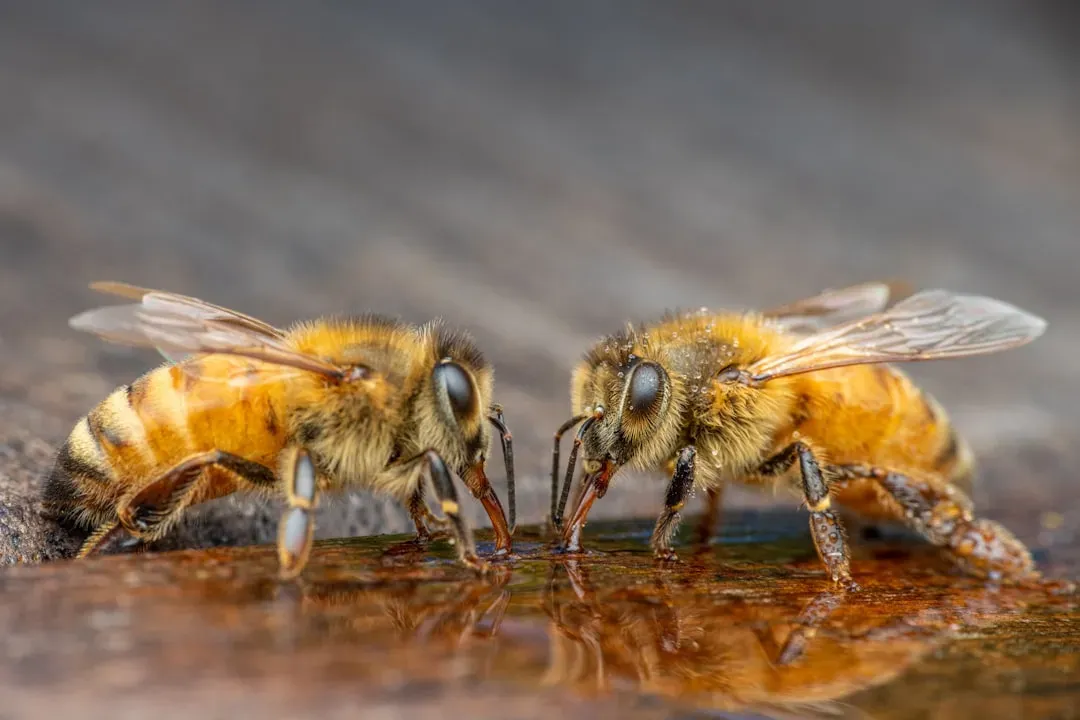
Bees use a dance-like movement called “waggling” inside their hives to inform other bees of the direction and distance to important food sources. This isn’t just random movement. The direction and speed of the dance indicate specific geolocation details. A bee returns from finding flowers and essentially draws a map in the air using its body as a pencil.
The precision is remarkable. Prairie dogs have one of the most complex communication systems in the animal kingdom and are able to communicate an animal’s speed, shape, size, species, and for humans specific attire and if the human is carrying a gun. That’s right, prairie dogs can tell each other not just that danger is approaching, but whether you’re wearing a blue shirt or a yellow one. Makes you wonder what else they’re saying about us when we walk by.
Glowing Conversations Beneath the Waves
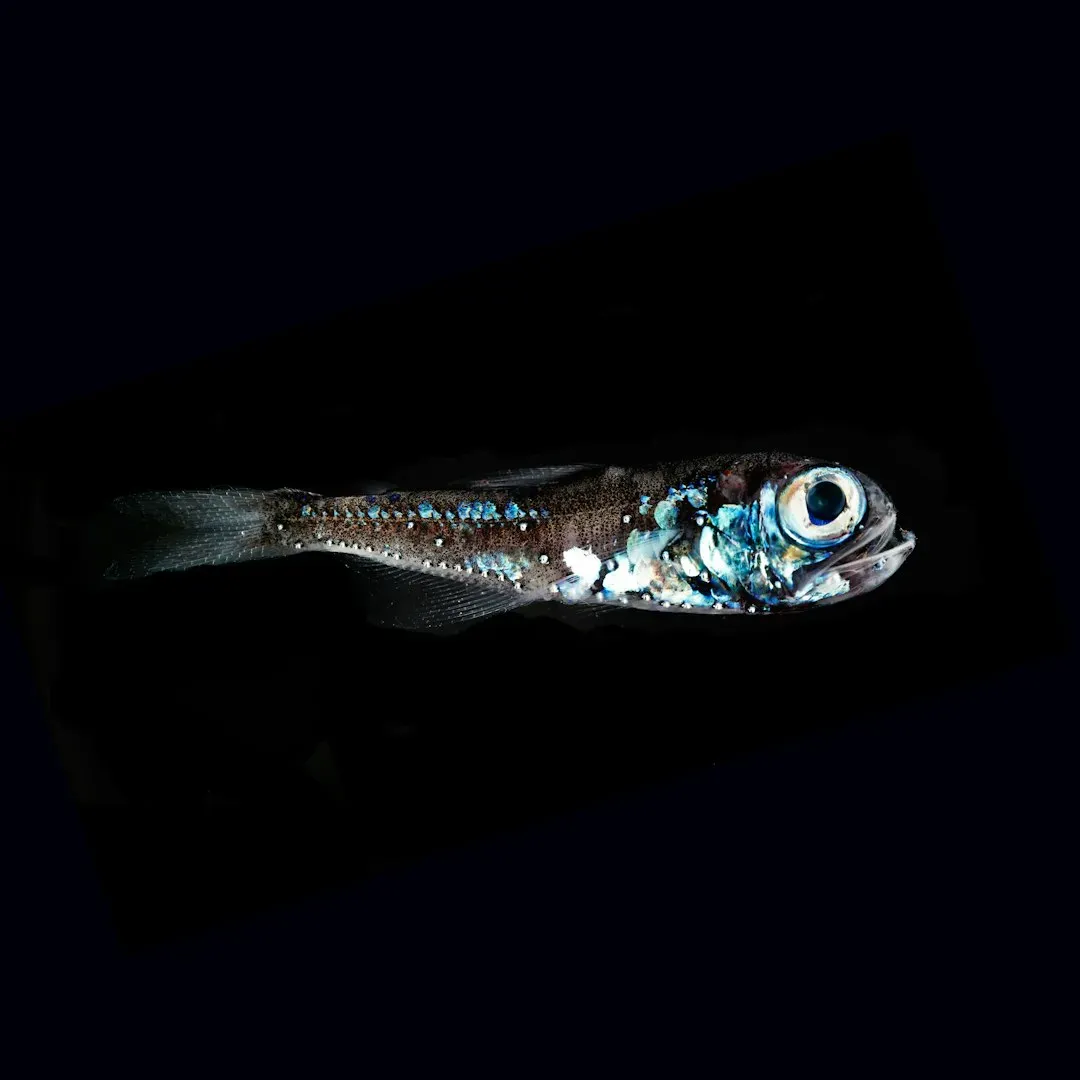
In the deep sea, bioluminescence may be the most common form of communication on the planet. Down where sunlight never penetrates, nearly every creature has learned to make its own light. Fireflies use flashes of light where there is an exchange of flashes between males and females, but marine animals have taken this to extraordinary levels.
Mantis shrimp use their bodies to communicate using polarized light that other animals cannot see, bouncing light off spots on their appendages and arranging the light in ways that convey information only to other mantis shrimp. They’re having secret light conversations that remain invisible to nearly everything else in the ocean. It’s like having a coded language written in colors that only you and your species can perceive.
Chemical Messages That Linger in the Air
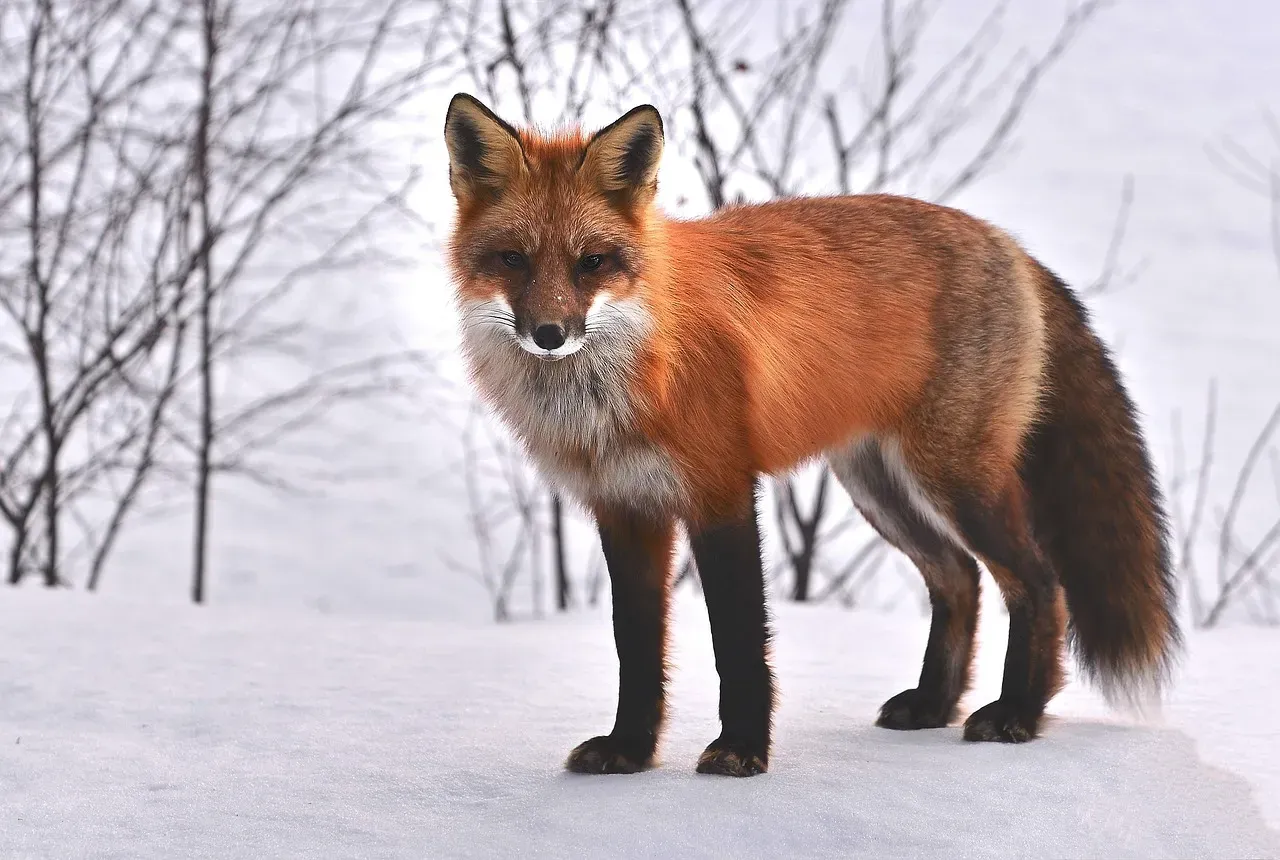
Animals use chemical signals, known as pheromones, to communicate various messages such as marking territory, signaling readiness to mate and identifying individuals. We might think of this as simple scent marking, but the reality is far more complex. For the majority of animals, communication involves the use of chemical signals, where both the sender and receiver of the pheromone signal gain benefit.
Let’s be real, this gets weird. White rhinos create communal defecation sites called middens, giant ten-foot-wide piles where the poop contains biological and societal information, acting as a type of message board. The dominant male rhino will poop directly in the middle and kick around his waste to spread his smell and get it stuck on his feet so others can recognize the scent wherever he goes. It’s gross, it’s fascinating, and it’s incredibly effective communication.
Electric Whispers in Murky Waters
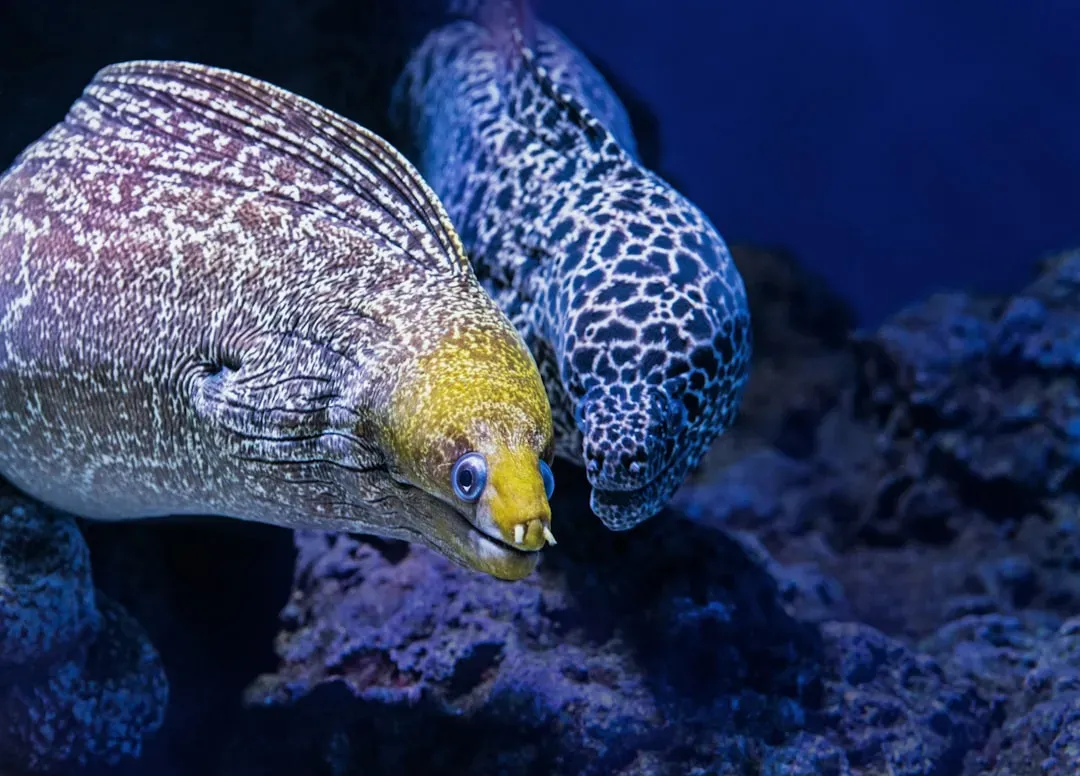
Some fish have developed what might be the most sci-fi method of communication on Earth. Weakly electric fish use an electric organ to generate an electric field detected by electroreceptors, with differences in the waveform and frequency conveying information on species, sex, and identity. Weakly electric fish are currently the only known creatures to carry both electric generators and electroreceptors, making them the only animals on Earth with the ability to communicate through electricity.
Imagine being able to sense someone’s identity through tiny electrical pulses in the water around you. These fish live in muddy rivers where vision is useless, so they’ve evolved an entirely different sensory world. When two of these fish meet, they can adjust their electrical frequencies to avoid interference, like changing radio channels so their signals don’t cross.
The Whistling Dogs of Asia
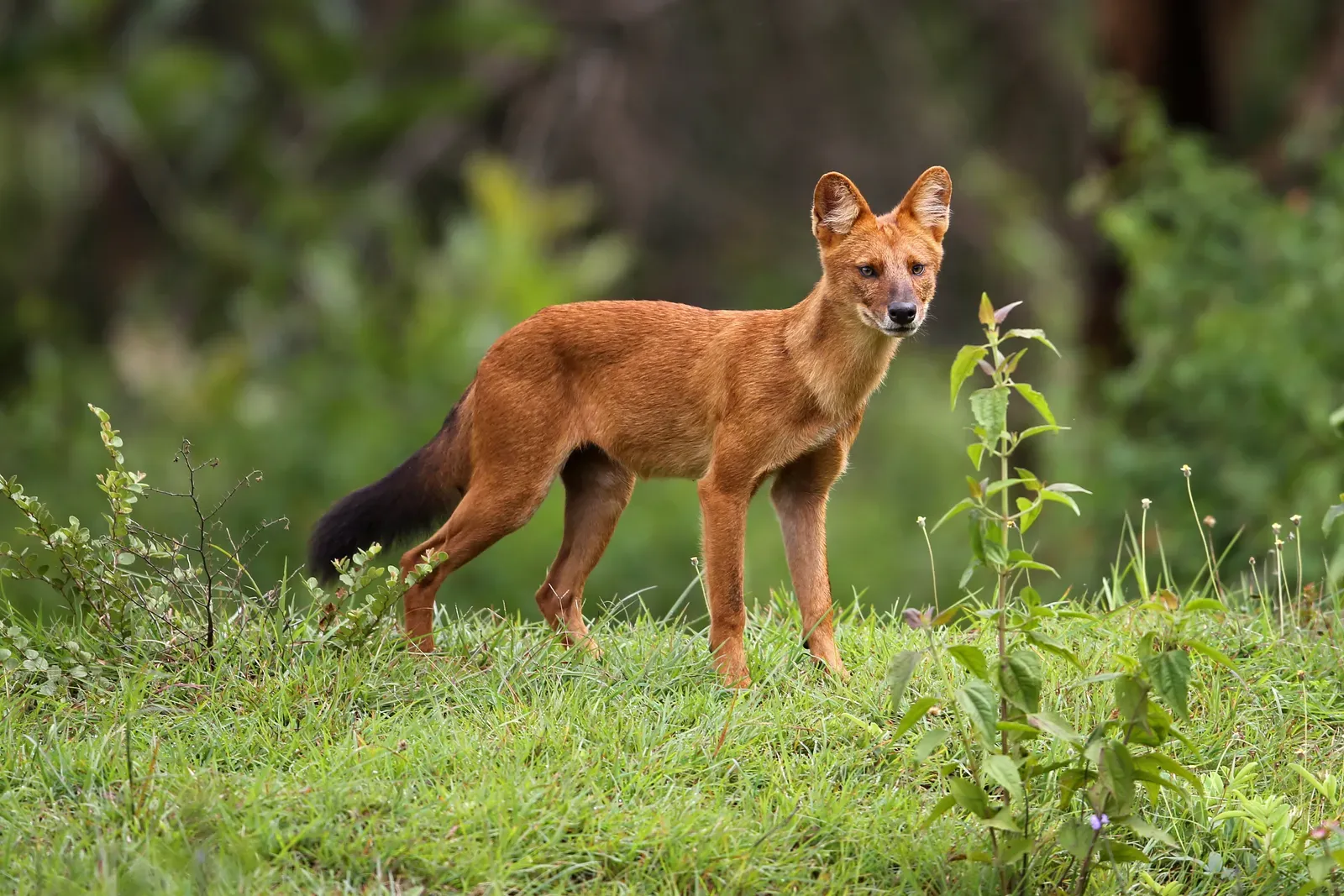
Dholes, unlike their relatives like wolves and foxes, whistle to communicate, and each animal commands up to 35 square miles of land, so they rely on sounds that travel well over huge distances. I know it sounds crazy, but wild dogs that whistle instead of howl? Nature keeps surprising us.
The dhole’s verbal repertoire includes whistles, clucks, and high-pitched shrieks, and these sounds are used to coordinate organized attacks on large prey like buffalo and reindeer. These aren’t just friendly greetings. They’re tactical communication during hunts, allowing pack members spread across vast territories to work together like a military unit. The whistles carry farther than barks or growls, making them perfect for their lifestyle.
Color-Changing Conversations
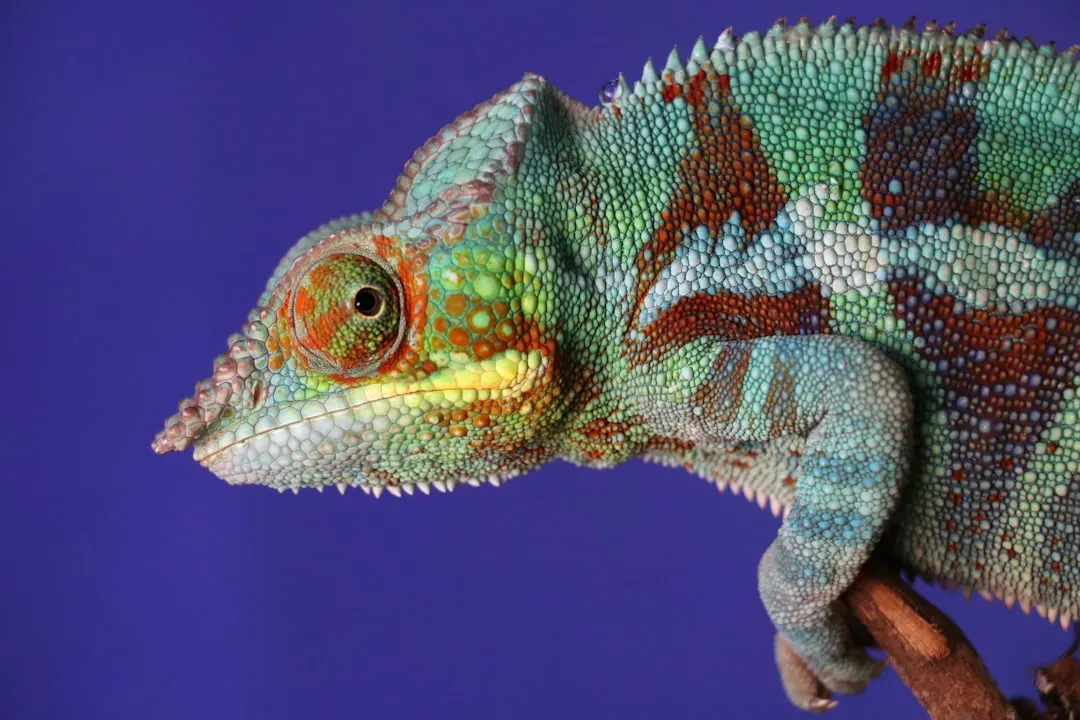
Visual communication goes far beyond what we typically imagine. Chameleons often change color not just for camouflage but to signal mood or intent, with darker shades meaning stress while brighter tones may be used to impress a mate. Their skin becomes a billboard advertising their emotional state and intentions.
Blue and Yellow Macaws demonstrated a significant amount of blushing frequently during mutual interactions with a familiar caretaker. Birds blush! Mice exhibit five recognizable facial expressions including orbital tightening, nose and cheek bulge, and changes in ear and whisker carriage. Even tiny rodents have expressions we’re only beginning to decode. The more scientists look, the more they find that animals are constantly broadcasting information through appearance.
Songs Sung in Keys We Cannot Hear
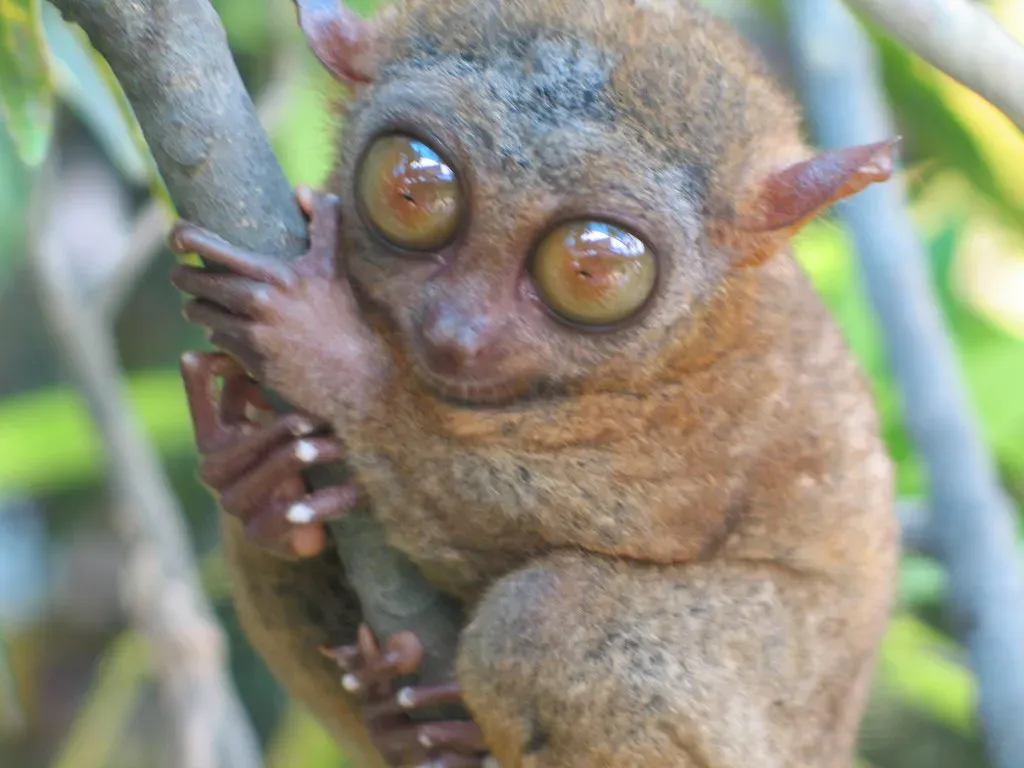
Tarsiers living in Southeast Asia communicate at ultrasound frequencies over 20,000 Hertz that are far too high-pitched for the human ear to detect, with scientists recording their vocalizations at 70,000 Hertz, which is believed to help them communicate over jungle noise. On the opposite end of the spectrum, remember those elephants? They’re broadcasting in frequencies we can’t hear either.
Blue whales produce different patterns of pulses, tones and pitches depending on where they’re from. They have regional dialects, just like humans do. Birds that live on the border between territories often become bilingual, able to communicate in the singing parlance favored by each of their groups of neighbors. Bilingual birds navigating between different song cultures. The complexity is staggering.
Conclusion
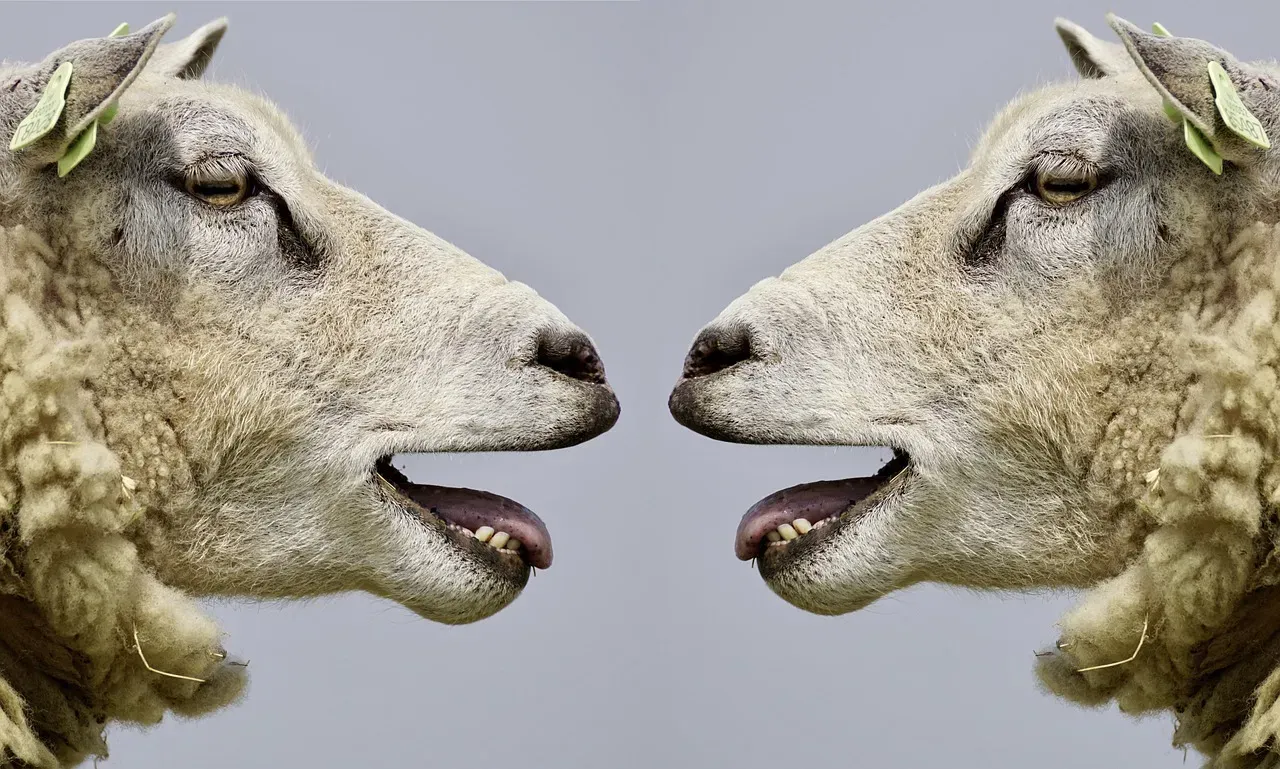
The animal kingdom has been perfecting communication for millions of years, developing methods so varied and sophisticated that we’re still discovering new ones. From elephants feeling messages through the ground to fish speaking in electric pulses, from bees dancing precise directions to rhinos leaving detailed chemical messages, the world around us is filled with conversations we barely perceive. These aren’t primitive signals. They’re complex languages evolved for specific environments and needs, often more specialized than anything humans have created.
Next time you’re outside, pause for a moment. That silent forest or empty field? It’s actually buzzing with invisible messages, underground vibrations, chemical trails, and light shows in spectrums you cannot see. The real question is not whether animals can communicate, but how much of their world remains hidden from our limited senses. What do you think is the most amazing form of animal communication? The answer might change how you see every creature you encounter.
