


Worried about unexpected vet bills?
Pet insurance can cover thousands in unexpected vet costs. Get a free quote from Lemonade in under 2 minutes.
Get My Free Quote →Sponsored · Opens Lemonade.com
Deep within the complex societies of ant colonies lies one of nature’s most sophisticated communication systems. Ants, despite their tiny brains, have evolved remarkable strategies for sharing information about food sources, potential dangers, and—perhaps most impressively—efficient travel routes. This process, known as tandem running, represents a rare form of teaching behavior in the animal kingdom, where one individual actively transfers knowledge to another. As we explore how ants teach each other new routes, we’ll discover that these small creatures provide profound insights into information sharing, collective intelligence, and the evolution of teaching behaviors across species.
The Remarkable Phenomenon of Tandem Running

Tandem running is the primary method ants use to teach each other new routes. During this process, a knowledgeable “teacher” ant leads an uninformed “student” ant to a specific location. The teacher moves forward only when tapped by the follower’s antennae, ensuring the student keeps pace and learns the route. Research from the University of Bristol has demonstrated that this behavior meets all the scientific criteria for teaching: the teacher modifies its behavior in the presence of a naive student, this comes at a cost to the teacher (the journey takes approximately four times longer than if traveling alone), and the student acquires knowledge more quickly than it would have otherwise. This remarkable behavior was one of the first documented instances of teaching in non-human animals, challenging our understanding of cognitive capabilities in insects.
Chemical Communication: The Language of Route Learning
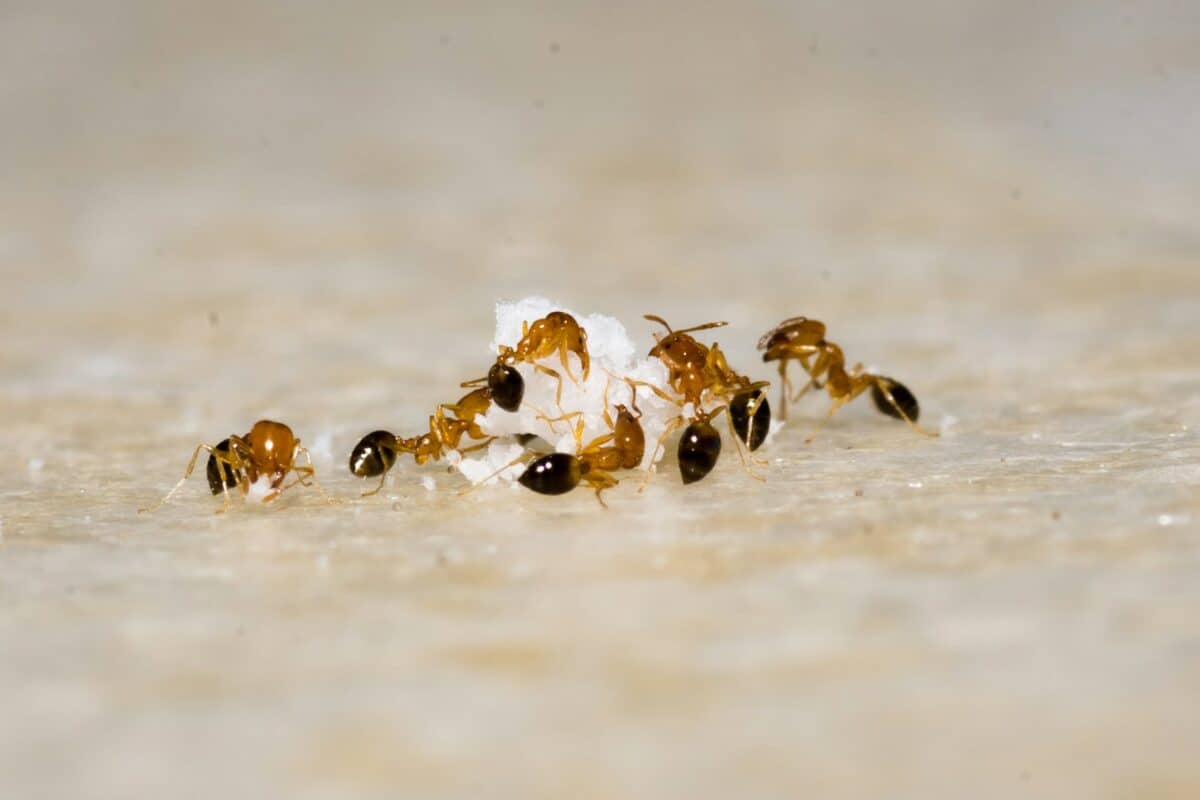
At the heart of ants’ navigational teaching is their sophisticated chemical communication system. As ants travel, they leave pheromone trails—chemical signals that serve as olfactory breadcrumbs for their nestmates. These trails aren’t merely signals indicating “food this way”; they contain complex information about the quality of the resource, its distance, and even the optimal path to reach it. Recent studies have revealed that these chemical markers vary in composition depending on the importance of the route and the quality of the destination. When teaching a new route, the lead ant will often deposit stronger pheromone concentrations, effectively “highlighting” important navigational cues for the follower. This chemical language allows for precise information transfer without requiring complex neural processing, demonstrating how sophisticated behaviors can emerge from relatively simple mechanisms.
The Role of Experience in Ant Teaching
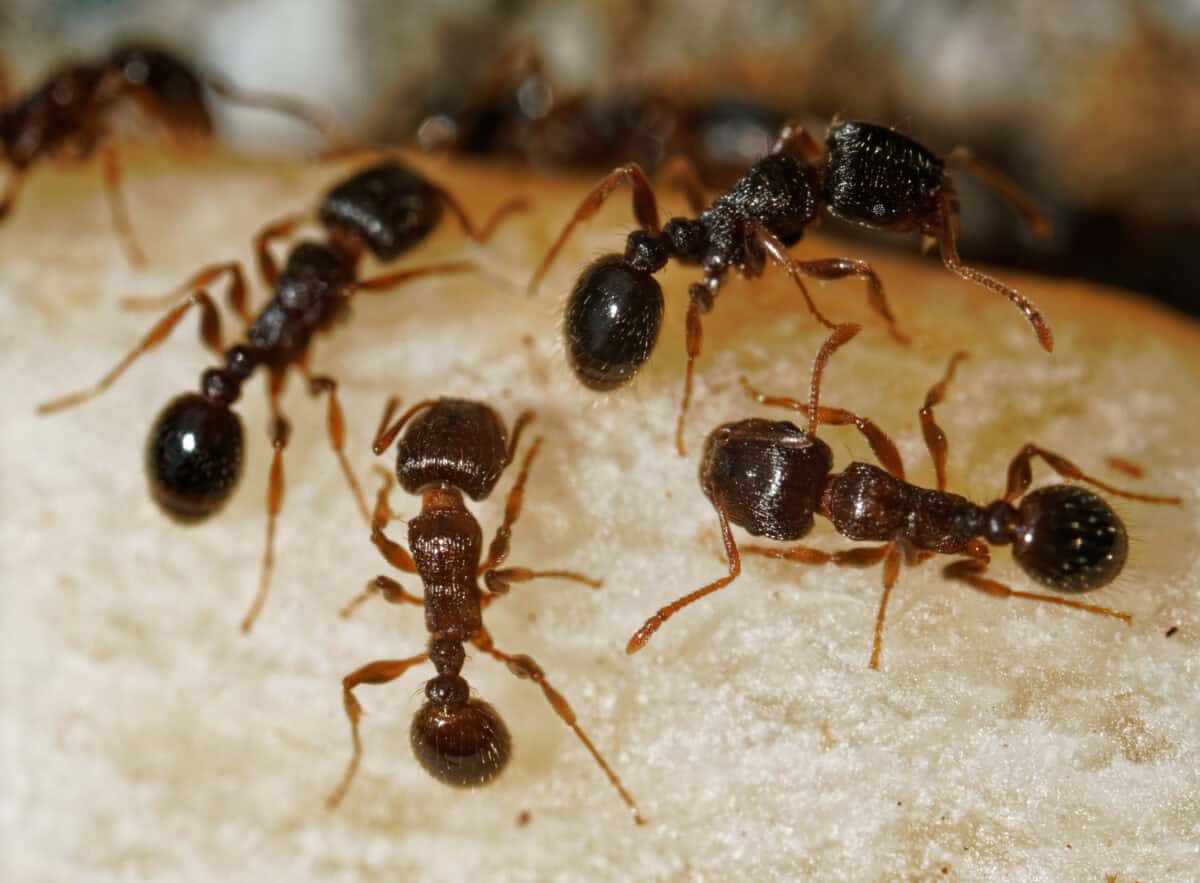
Experience plays a crucial role in determining which ants become teachers. Research has shown that ants that have successfully navigated a route multiple times are more likely to assume the teaching role. These experienced individuals display measurable changes in their behavior when leading others—slowing their pace, checking more frequently that their student is following, and even adjusting their teaching strategy based on the environmental conditions. A study published in Nature Communications revealed that teacher ants assess the experience level of their students, providing more guidance to completely naive ants while offering less assistance to semi-experienced followers. This nuanced adjustment demonstrates a level of behavioral flexibility previously thought impossible in insects with their relatively limited neural capacity.
Species Differences in Navigational Teaching
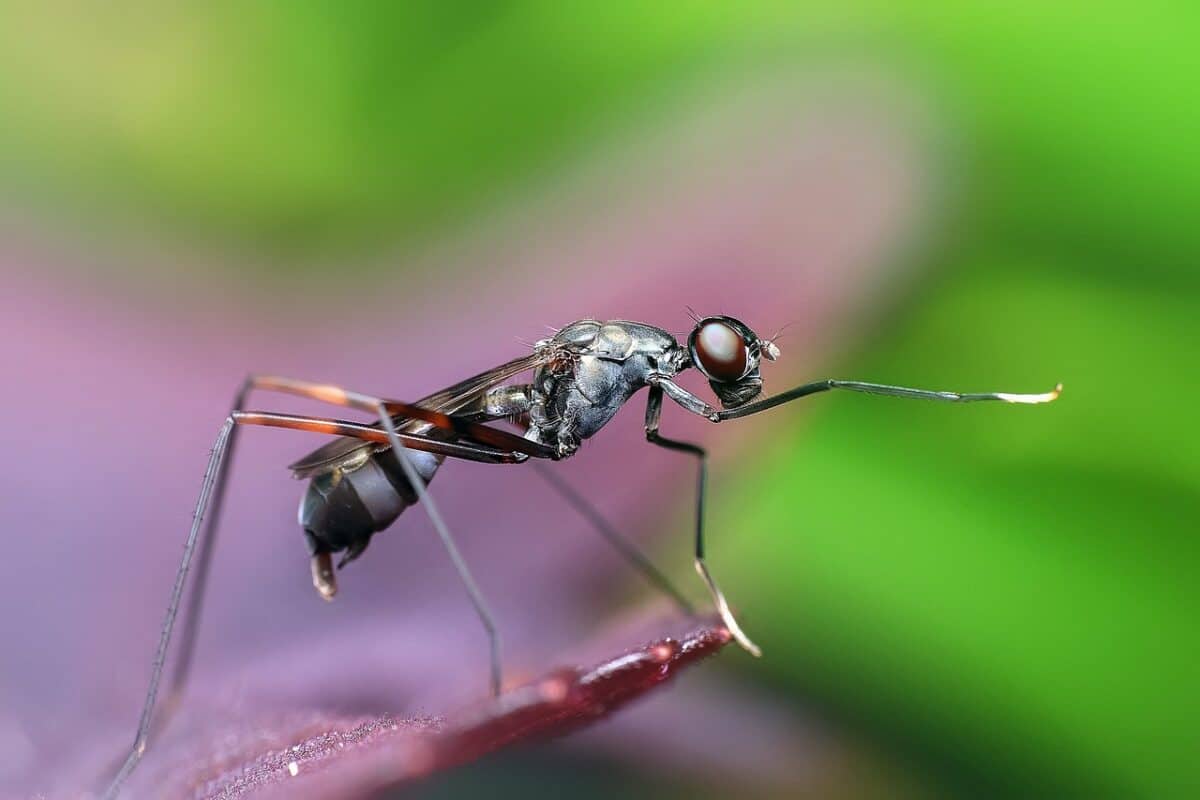
Not all ant species teach routes in the same way. The methods and sophistication of route teaching vary dramatically across the more than 14,000 known ant species. Temnothorax albipennis, a small rock-dwelling ant, excels at tandem running, with elaborate back-and-forth communication between teacher and student. Desert ants like Cataglyphis fortis rely more heavily on visual landmarks and celestial cues, teaching through demonstration rather than direct guidance. Army ants (Eciton burchellii) create living bridges and highways with their bodies, physically constructing routes that newcomers can learn from. These species differences highlight how evolutionary pressures have shaped teaching behaviors to match each species’ ecological niche and cognitive abilities, demonstrating the diverse solutions that have evolved to solve the universal problem of knowledge transfer.
The Mathematics of Ant Route Optimization
The routes that ants teach each other aren’t chosen randomly—they represent sophisticated solutions to complex mathematical problems. When establishing new paths, scout ants explore multiple options before selecting and teaching the most efficient route. Research has shown that ant colonies collectively solve variations of the “Traveling Salesman Problem”—a notoriously difficult computational challenge that involves finding the shortest possible route between multiple points. A study in the Journal of Experimental Biology demonstrated that Argentine ants (Linepithema humile) can find the shortest path through a maze with multiple possible routes, often discovering solutions that approach mathematical optimality. This optimization happens through a process of trial, error, and reinforcement, with successful routes being taught to other colony members and strengthened through repeated use. Computer scientists have even developed algorithms inspired by these ant behaviors, known as “Ant Colony Optimization,” which are used to solve complex routing problems in telecommunications and logistics.
Learning from Mistakes: Error Correction in Route Teaching

One of the most fascinating aspects of ant teaching is how they handle mistakes and unexpected obstacles. When a learned route becomes blocked or a student ant strays from the path, teacher ants employ specific error-correction behaviors. Researchers at the University of Sussex observed that when a follower ant loses contact with its leader, the teacher will circle back, sometimes multiple times, until contact is re-established. If a previously taught route becomes obstructed, experienced ants will quickly identify alternative paths and begin teaching these new routes to their nestmates. This adaptive learning system ensures that colony knowledge remains current and practical despite changing environmental conditions. The error-correction mechanisms highlight how teaching in ants isn’t a rigid, programmed behavior but rather a dynamic process that responds to feedback and changing circumstances—a hallmark of effective teaching across species.
The Cognitive Demands of Teaching and Learning

Despite their tiny brains—containing roughly 250,000 neurons compared to a human’s 86 billion—ants display impressive cognitive abilities when teaching routes. Both the teacher and student roles require specific mental capabilities. Teacher ants must maintain a representation of the destination, monitor the progress of their student, adjust their pace accordingly, and remember the optimal route. Students must actively attend to the teacher’s movements, integrate new information with existing knowledge, and eventually reproduce the route independently. Research using neural imaging techniques has shown increased activity in specific brain regions of ants engaged in teaching behaviors, particularly in areas associated with spatial memory and sensory integration. These findings suggest that teaching, even in its simpler forms, places significant demands on cognitive resources—challenging the notion that advanced teaching behaviors require large, complex brains.
The Evolution of Teaching Behaviors in Ants

Teaching behaviors in ants didn’t emerge overnight but evolved over millions of years through natural selection. Evolutionary biologists propose that route teaching likely began as a simpler form of information sharing that gradually became more sophisticated as colonies faced increasing competition for resources. Phylogenetic analyses comparing different ant species suggest that teaching behaviors evolved independently multiple times, indicating their strong adaptive value. The costs of teaching—including slower travel time and increased exposure to predators—are offset by significant colony-level benefits: faster resource exploitation, more efficient foraging, and improved colony survival. This evolutionary perspective helps explain why teaching persists despite its individual costs and offers insights into how complex social behaviors can evolve in relatively simple organisms through gradual refinement driven by ecological pressures.
From Individual Learning to Collective Intelligence

Route teaching in ants transcends individual knowledge transfer, contributing to a broader phenomenon known as collective intelligence. When multiple ants learn a new route and begin teaching others, information spreads exponentially throughout the colony, creating a network of shared knowledge that far exceeds what any single ant could discover alone. Studies at Stanford University have shown that larger colonies with more teachers and students can discover and optimize routes more quickly than smaller groups. This emergent property allows ant colonies to respond rapidly to environmental changes, exploiting new resources or avoiding threats through distributed learning and teaching. The collective intelligence arising from individual teaching interactions exemplifies how complex, adaptive behaviors can emerge from the simple interactions of many individuals—a principle that has applications in fields ranging from robotics to organizational management.
The Impact of Environmental Factors on Route Teaching
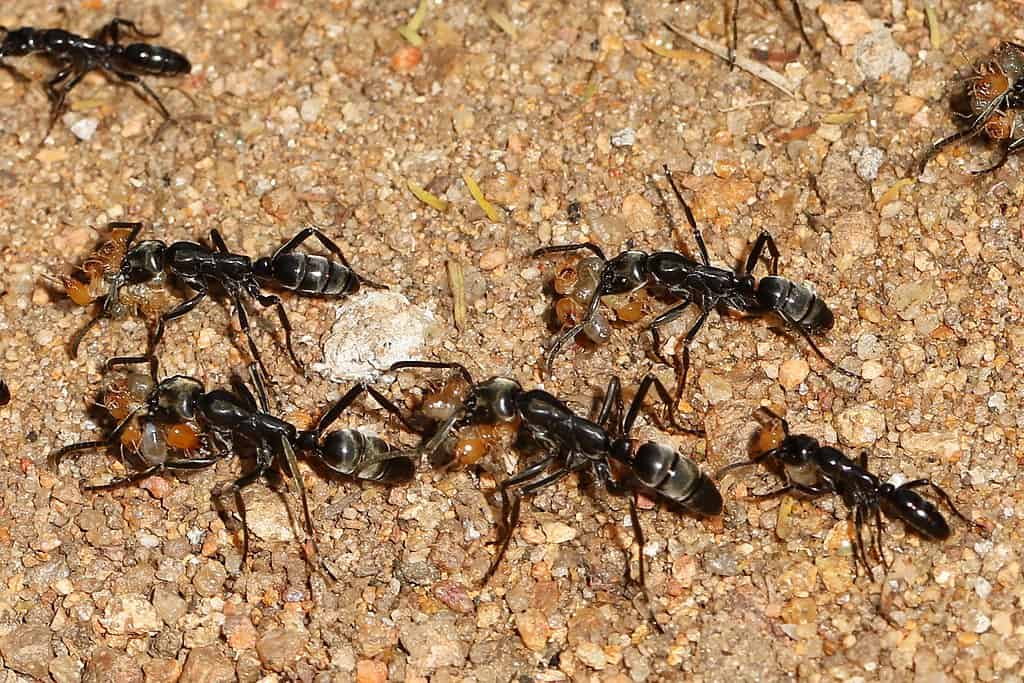
Environmental conditions significantly influence how ants teach each other new routes. In high-risk areas with many predators, teaching behaviors often become more efficient, with shorter interaction times and more direct routes. Under extreme temperature conditions, some desert ant species modify their teaching to include shade-seeking behaviors, effectively teaching not just the shortest route but the most survivable one. Seasonal changes also affect route teaching, with some species increasing teaching frequency during abundant resource periods to maximize harvesting efficiency. Research in the journal Behavioral Ecology documented how the rock ant Temnothorax albipennis adjusts its teaching strategies based on nest temperature, humidity, and light levels, demonstrating remarkable sensitivity to environmental context. These adaptations highlight how teaching behaviors are not fixed but rather flexible responses tailored to maximize colony success under varying conditions.
Applications in Robotics and Artificial Intelligence

The elegant solutions ants have evolved for route teaching have inspired significant innovations in robotics and artificial intelligence. Engineers at the Swiss Federal Institute of Technology have developed swarm robots that mimic ant teaching behaviors to collectively explore unknown environments. These robots use simple communication protocols inspired by tandem running to share route information without requiring complex maps or centralized control. In the realm of software, ant-inspired algorithms have revolutionized network routing, logistics planning, and resource allocation. The principles observed in ant teaching—simple rules producing complex adaptive behaviors, distributed learning, and efficient information sharing—continue to influence cutting-edge technologies. By studying how ants teach each other routes, researchers have gained insights into designing systems that can operate effectively with limited computational resources in unpredictable environments—a challenge that remains at the frontier of artificial intelligence research.
The Future of Research on Ant Teaching Behaviors
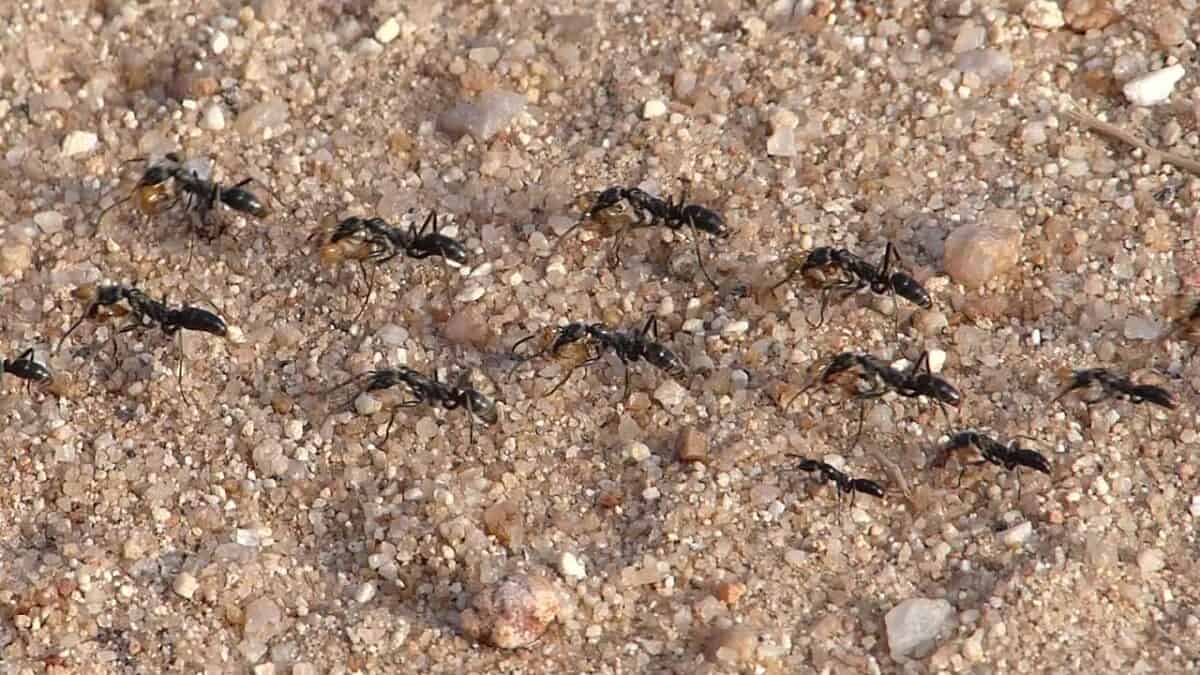
As technology advances, so does our ability to study the intricate details of ant teaching behaviors. Emerging research tools are opening new frontiers in understanding how ants share navigational knowledge. Miniature neural recording devices now allow scientists to monitor brain activity in freely moving ants during teaching interactions, revealing the neural basis of these behaviors. Advanced chemical analysis techniques can identify the specific components of teaching-related pheromones with unprecedented precision. Computer vision and automated tracking systems enable researchers to analyze thousands of teaching interactions, identifying patterns invisible to human observers. Future research directions include investigating how climate change affects teaching behaviors, exploring the genetic basis of teaching propensity, and developing more sophisticated computational models of ant learning networks. These advances promise to deepen our understanding not just of ants but of the fundamental principles of knowledge transfer across all species—including our own.
Conclusion: Small Teachers with Big Lessons

The ability of ants to teach each other new routes represents one of nature’s most elegant solutions to the challenge of knowledge transfer. Through tandem running, chemical communication, and collective learning, these tiny insects demonstrate that teaching doesn’t require large brains or complex language—just effective information-sharing mechanisms shaped by evolution to meet specific needs. As we’ve explored the mathematical precision of their route optimization, the cognitive demands of their teaching behaviors, and the environmental adaptations that shape their instruction, we’ve seen how much there is to learn from these small but sophisticated teachers. Beyond their intrinsic fascination, ant teaching behaviors offer valuable insights for fields ranging from education and psychology to robotics and artificial intelligence. In studying how ants pass knowledge from one generation to the next, we glimpse the universal principles that underlie all teaching and learning—a reminder that wisdom can come in the smallest packages.
Worried about unexpected vet bills?
Pet insurance can cover thousands in unexpected vet costs. Get a free quote from Lemonade in under 2 minutes.
Get My Free Quote →Sponsored · Opens Lemonade.com

As a little kid, I fell in love with nature, wildlife, and animals. Living in the USA, South Africa, Italy, China and Germany gave me the opportunity to discover the world's Wildlife. My favorite animals are Mountain Gorillas, Siberian Tigers, and Great White Sharks.
I'm a certified PADI Open Water Diver, went to Everest Base Camp and Trekked Gorillas in Uganda. I hold a Master of Science in Economics and Finance.
Please send any feedback to feedback@animalsaroundtheglobe.com
- 12 Signs Your Dog Thinks You Are the Pack Leader - June 4, 2026
- African Wild Dogs Nature Master Strategists at Risk - June 4, 2026
- 10 Bizarre Animals That Look Like They’re From Another Planet - June 4, 2026