

In the harsh Arctic tundra, where winter temperatures can plummet to -40°C and below, life seems almost impossible. Yet, against all odds, several species of spiders have adapted remarkably to survive these extreme conditions. Arctic spiders represent some of nature’s most resilient creatures, employing fascinating physiological and behavioral adaptations that allow them to endure months of freezing temperatures, limited food availability, and perpetual darkness. From producing natural antifreeze compounds to entering states of suspended animation, these eight-legged survivors have evolved extraordinary mechanisms that showcase the ingenuity of natural selection. This article explores the remarkable strategies that enable Arctic spiders to thrive in one of Earth’s most unforgiving environments, offering insights into their biology, behavior, and the unique evolutionary pathways that have shaped their cold-weather survival toolkit.
The Arctic Environment: A Challenging Habitat
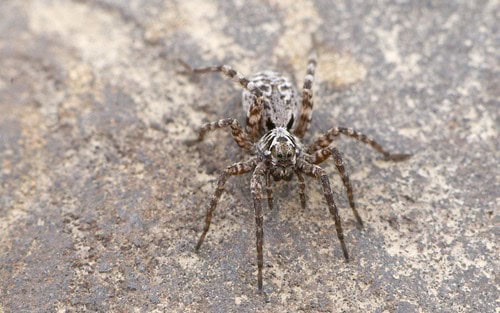
The Arctic region presents one of the most challenging environments on Earth for any living organism. Characterized by long, dark winters with temperatures regularly dropping below -30°C, short growing seasons, and limited resources, the Arctic demands exceptional adaptations from its inhabitants. For spiders, these conditions are particularly challenging as they are ectothermic creatures, meaning their body temperature fluctuates with the external environment.
Beyond the extreme cold, Arctic spiders must contend with high winds, limited shelter, and a compressed active season for hunting, mating, and reproducing. The permafrost that dominates much of the Arctic landscape further restricts burrowing opportunities, while the seasonal variation in daylight creates additional challenges for these primarily visual hunters. Despite these seemingly insurmountable obstacles, several spider species, including members of the wolf spider family (Lycosidae) and the Arctic wolf spider (Pardosa glacialis), have evolved to not just survive but thrive in this harsh environment.
Arctic Spider Species Diversity

Despite the harsh conditions, the Arctic hosts a surprising diversity of spider species. Research has documented approximately 300-400 spider species inhabiting the Arctic and sub-Arctic regions, demonstrating remarkable ecological flexibility. The most common Arctic spiders belong to the families Linyphiidae (sheet-web weavers), Lycosidae (wolf spiders), and Gnaphosidae (ground spiders). These hardy arachnids have successfully colonized even the most northern habitable areas of Greenland, Svalbard, and the Canadian Arctic Archipelago.
The Arctic wolf spider (Pardosa glacialis) is perhaps the most studied of these species, known for its ability to remain active at temperatures near freezing. Meanwhile, tiny Linyphiid spiders dominate in terms of species diversity, with their small bodies and ability to disperse via “ballooning” (using silk threads to catch the wind) allowing them to colonize remote Arctic habitats. Each species has evolved specific adaptations to the local conditions, creating a mosaic of survival strategies across the Arctic landscape that continues to fascinate arachnologists studying these extreme environment specialists.
Supercooling: Nature’s Antifreeze Mechanism
One of the most remarkable adaptations Arctic spiders employ is supercooling—the ability to lower their body temperature below the freezing point without ice crystals forming in their tissues. This process allows spiders to survive temperatures far below 0°C without experiencing the cellular damage typically associated with freezing. Arctic spiders accomplish this feat by producing specialized proteins and glycerol compounds that function as natural antifreeze, preventing the formation of ice crystals that would otherwise rupture cell membranes and cause death.
Research has shown that some Arctic spider species can supercool their bodies to temperatures as low as -20°C through this biochemical adaptation. The concentration of these antifreeze compounds increases dramatically as winter approaches, triggered by decreasing temperatures and changing day length. This seasonal physiological change represents a crucial survival strategy, as the formation of ice crystals within spider tissues would cause cellular destruction. By maintaining their body fluids in a liquid state even at sub-zero temperatures, Arctic spiders avoid the lethal consequences of internal ice formation while remaining poised to resume activity when conditions improve.
Cryoprotective Dehydration Strategies

Another sophisticated survival mechanism employed by Arctic spiders is cryoprotective dehydration. This process involves the controlled removal of water from their bodies as temperatures drop. By reducing their water content, spiders lower the freezing point of their remaining body fluids and minimize the potential for damaging ice crystal formation. Studies have shown that some Arctic spider species can reduce their body water content by up to 40% during winter months, significantly enhancing their cold tolerance.
This dehydration is carefully regulated through specialized cell membrane proteins that control water movement. The process occurs gradually as temperatures decrease, allowing the spiders’ metabolic systems to adjust to the changing cellular environment. Simultaneously, these spiders increase their production of sugars and sugar alcohols like glycerol and sorbitol, which replace water in cells and prevent protein denaturation. This combination of dehydration and cryoprotectant accumulation creates a powerful defense against freezing that has been perfected through millennia of evolution in the harsh Arctic environment.
Freeze Tolerance: Surviving Ice Formation

While many Arctic spiders rely on supercooling to avoid freezing altogether, some species have developed the extraordinary ability to tolerate actual freezing of their body tissues—a adaptation known as freeze tolerance. These remarkable arachnids can survive having up to 65% of their body water converted to ice. During freezing, ice formation is carefully controlled and limited to extracellular spaces, preventing the devastating damage that would occur if ice formed within cells.
This freeze-tolerance strategy depends on the production of ice-nucleating proteins that initiate freezing in a controlled manner in specific body compartments. By dictating where ice forms, the spiders protect vital organs and cellular structures. Additionally, these freeze-tolerant spiders produce special protective proteins that stabilize cell membranes and prevent them from rupturing during the freeze-thaw cycle. Research has shown that some Arctic spider species can survive multiple freeze-thaw cycles throughout a single winter, demonstrating the remarkable resilience of their cellular protection systems. This adaptation allows these spiders to survive winter temperatures that fluctuate above and below freezing—a common occurrence in many Arctic microclimates.
Metabolic Suppression and Diapause
Arctic spiders dramatically reduce their metabolic rate during winter months, entering a state similar to hibernation called diapause. This physiological state allows them to conserve energy when food is scarce and temperatures make hunting impossible. During diapause, a spider’s metabolic rate may drop to less than 10% of its summer activity level, significantly reducing its energy requirements. This metabolic suppression is carefully regulated by hormonal changes triggered by decreasing daylight hours and temperature cues.
During this period of metabolic suppression, all non-essential physiological processes are dramatically slowed or halted entirely. Digestive processes nearly cease, growth is suspended, and reproductive development is paused until more favorable conditions return. Remarkably, some Arctic spiders can remain in this suspended animation state for 9-10 months of the year, effectively “sleeping” through the harshest conditions. This extended diapause allows them to synchronize their active period with the brief Arctic summer when prey is abundant and temperatures permit normal activity. When spring arrives, specific environmental cues trigger the reversal of this process, allowing the spiders to rapidly resume normal metabolic function.
Microhabitat Selection and Shelter Strategies

Arctic spiders demonstrate remarkable selectivity in choosing winter microhabitats that offer protection from the most extreme conditions. These shelter strategies represent crucial behavioral adaptations that complement their physiological cold-tolerance mechanisms. Many species seek out protected niches beneath rocks, in soil crevices, or under the insulating layer of snow that scientists call the “subnivean zone.” This zone maintains relatively stable temperatures around 0°C even when air temperatures plunge far below freezing, creating a comparatively hospitable winter refuge.
Research has documented Arctic wolf spiders overwintering in rock crevices where they benefit from both physical protection and the minimal heat retention of stone. Other species burrow into the soil just below the frost line or utilize existing animal burrows. Some have even been observed aggregating in groups during winter, possibly to share microhabitat benefits. Most remarkably, certain Arctic spiders construct specialized silk retreats before winter, creating insulated chambers that provide additional protection from temperature extremes. These strategic microhabitat choices demonstrate that behavioral adaptations are just as important as physiological ones in the winter survival toolkit of Arctic spiders.
Life Cycle Adaptations to the Arctic Calendar
Arctic spiders have evolved life cycles perfectly synchronized with the extreme seasonality of their environment. Unlike temperate species that may complete their life cycle within a single year, many Arctic spiders extend their development over multiple years—a strategy necessitated by the extremely short growing season. For instance, the Arctic wolf spider Pardosa glacialis typically requires 3-4 years to reach maturity, with distinct developmental pauses corresponding to winter conditions. This extended life cycle allows these spiders to capitalize on each brief summer for growth while surviving the intervening winters in immature stages.
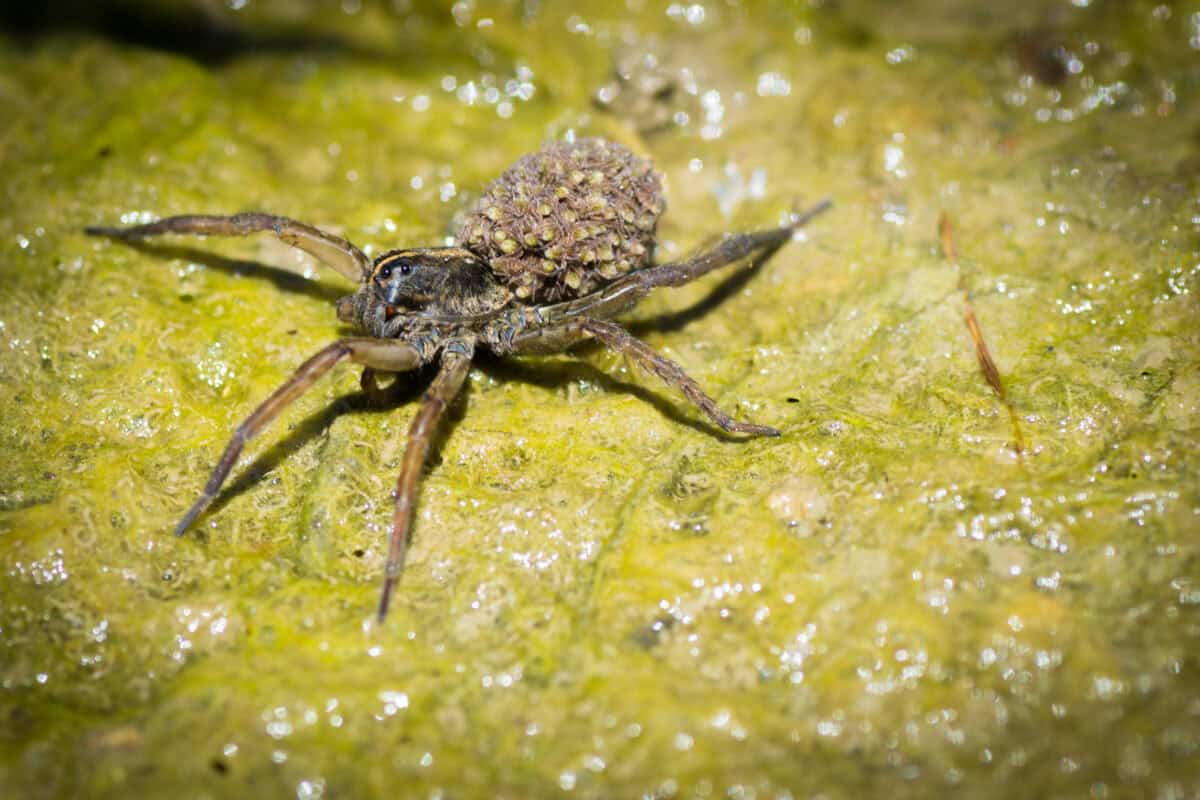
Reproductive timing is equally specialized, with mating typically occurring immediately after the spring thaw to ensure that spiderlings emerge during the peak of resource availability. Female spiders in the Arctic often demonstrate extended maternal care, carrying egg sacs until hatching and sometimes carrying spiderlings on their backs to protect them from harsh conditions. This parental investment increases offspring survival rates in an environment where each new generation faces immense challenges. Remarkably, some Arctic spider species have even developed the ability to overwinter with fertilized eggs inside the female, allowing for immediate egg-laying when favorable conditions return—a sophisticated adaptation to maximize reproductive success in a time-limited environment.
Dietary Adaptations and Feeding Strategies
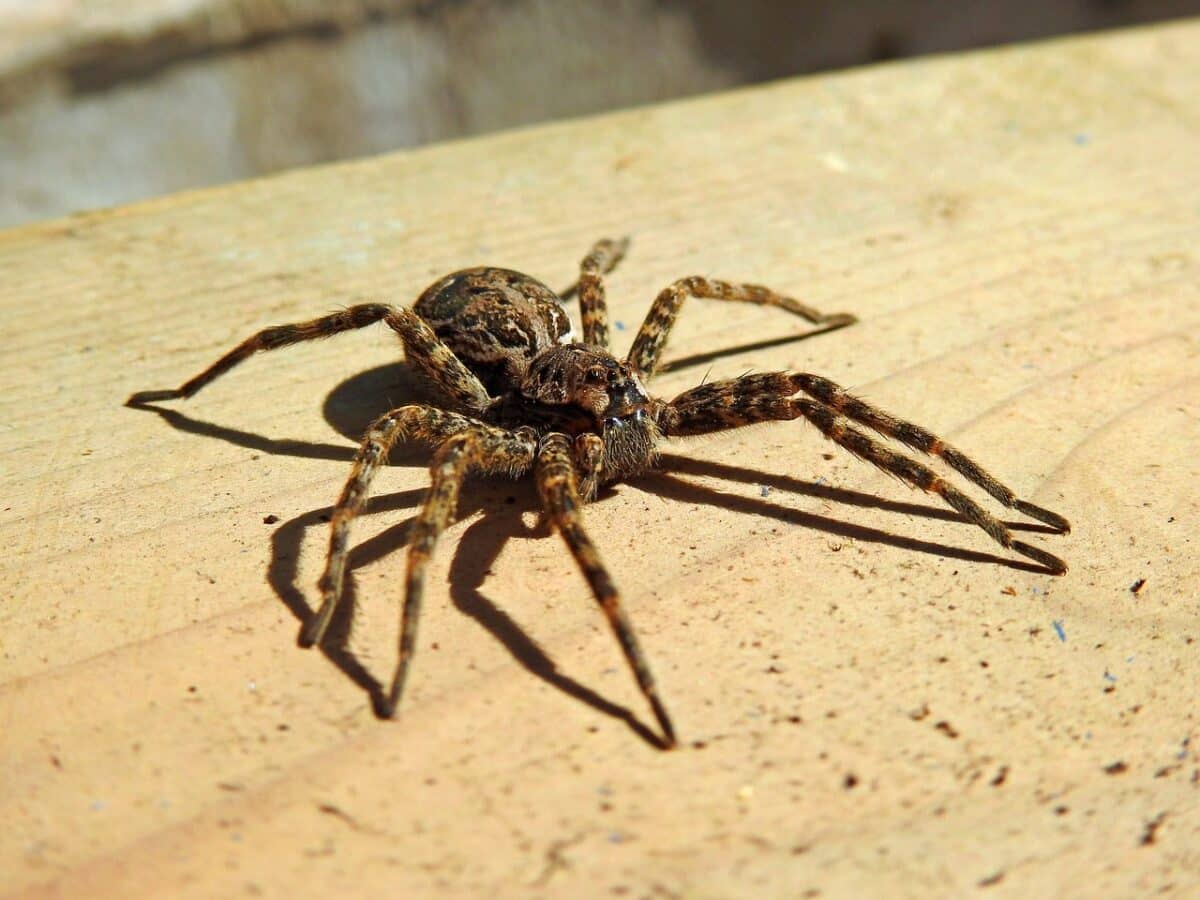
Arctic spiders have developed specialized feeding strategies to cope with the feast-or-famine nature of prey availability in their environment. During the brief summer months, these arachnids engage in intensive hunting and feeding, accumulating energy reserves that will sustain them through the long winter fast. Studies have shown that Arctic spiders are opportunistic predators with broader dietary flexibility than their temperate counterparts, consuming everything from small insects and springtails to occasionally scavenging dead invertebrates when live prey is scarce.
Physiologically, Arctic spiders have adapted to process and store nutrients efficiently during the feeding season. Their digestive systems can rapidly extract and convert nutrients into fat reserves stored in specialized cells throughout their bodies. These lipid reserves serve as both insulation and energy storage during winter dormancy. Some species demonstrate remarkable metabolic efficiency, with the ability to survive up to 10 months without feeding when necessary. When active, many Arctic spider species hunt day and night during the constant daylight of summer, maximizing their feeding opportunities during the brief window when prey is abundant and temperatures permit activity.
Physical Adaptations for Cold Environments
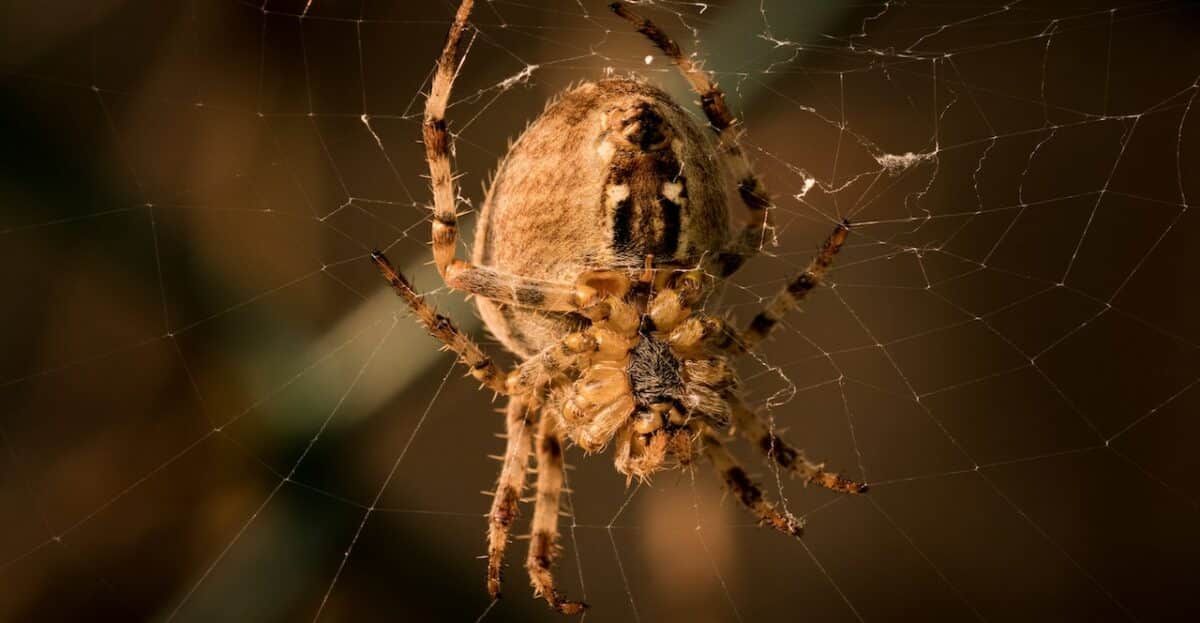
Arctic spiders exhibit several physical adaptations that enhance their cold-weather survival capabilities. Many species have evolved darker coloration than their temperate relatives, allowing them to absorb more solar radiation and warm up quickly during brief periods of sunshine. This melanization is particularly evident in active hunters like wolf spiders that need to regulate their body temperature for efficient movement. The cuticle (exoskeleton) of Arctic spiders often contains modified waxes and lipids that provide enhanced insulation and reduce water loss in the dry Arctic air.
Body size also plays a role in cold adaptation, with Arctic spiders generally exhibiting either very small or relatively large body sizes compared to related temperate species. Small-bodied spiders can more easily find shelter in protected microhabitats, while larger species benefit from a reduced surface-area-to-volume ratio that helps conserve body heat. Additionally, many Arctic species have evolved shorter legs relative to their body size, reducing heat loss through extremities. Some species also demonstrate increased hairiness (setae), which creates an insulating layer of trapped air around their bodies—a simple but effective adaptation that helps maintain body temperature in cold conditions.
Climate Change Impacts on Arctic Spider Survival
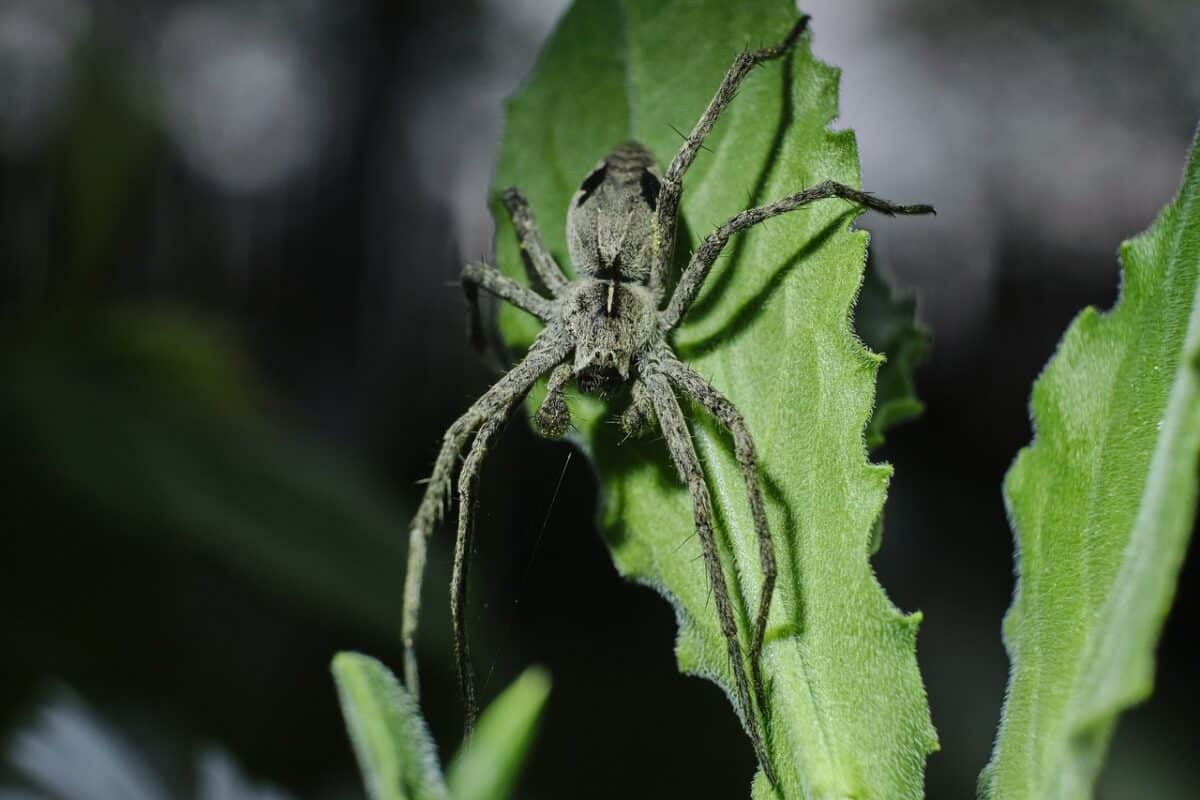
As the Arctic warms at more than twice the global average rate, the specialized cold-weather adaptations of Arctic spiders are being subjected to unprecedented environmental pressures. Rising temperatures are altering the timing of seasonal transitions, potentially creating mismatches between spider life cycles and prey availability. The disruption of freeze-thaw cycles may force spiders to repeatedly activate their energy-intensive cold protection mechanisms, depleting their limited energy reserves. Additionally, warmer winters with less predictable temperature patterns may prevent proper diapause initiation or maintenance, leading to increased winter mortality.
Research indicates that while some Arctic spider species may initially benefit from extended growing seasons, these benefits may be offset by increased competition from temperate species expanding northward. Changes in precipitation patterns, including rain-on-snow events that eliminate the insulating snow layer, further threaten overwintering survival. Some studies suggest that the most specialized cold-adapted species may face population declines as their physiological adaptations become disadvantageous in a warming Arctic. As key predators in simple Arctic food webs, changes in spider populations could have cascading effects throughout these sensitive ecosystems, highlighting the broader ecological implications of climate change in polar regions.
The Remarkable Resilience of Arctic Arachnids
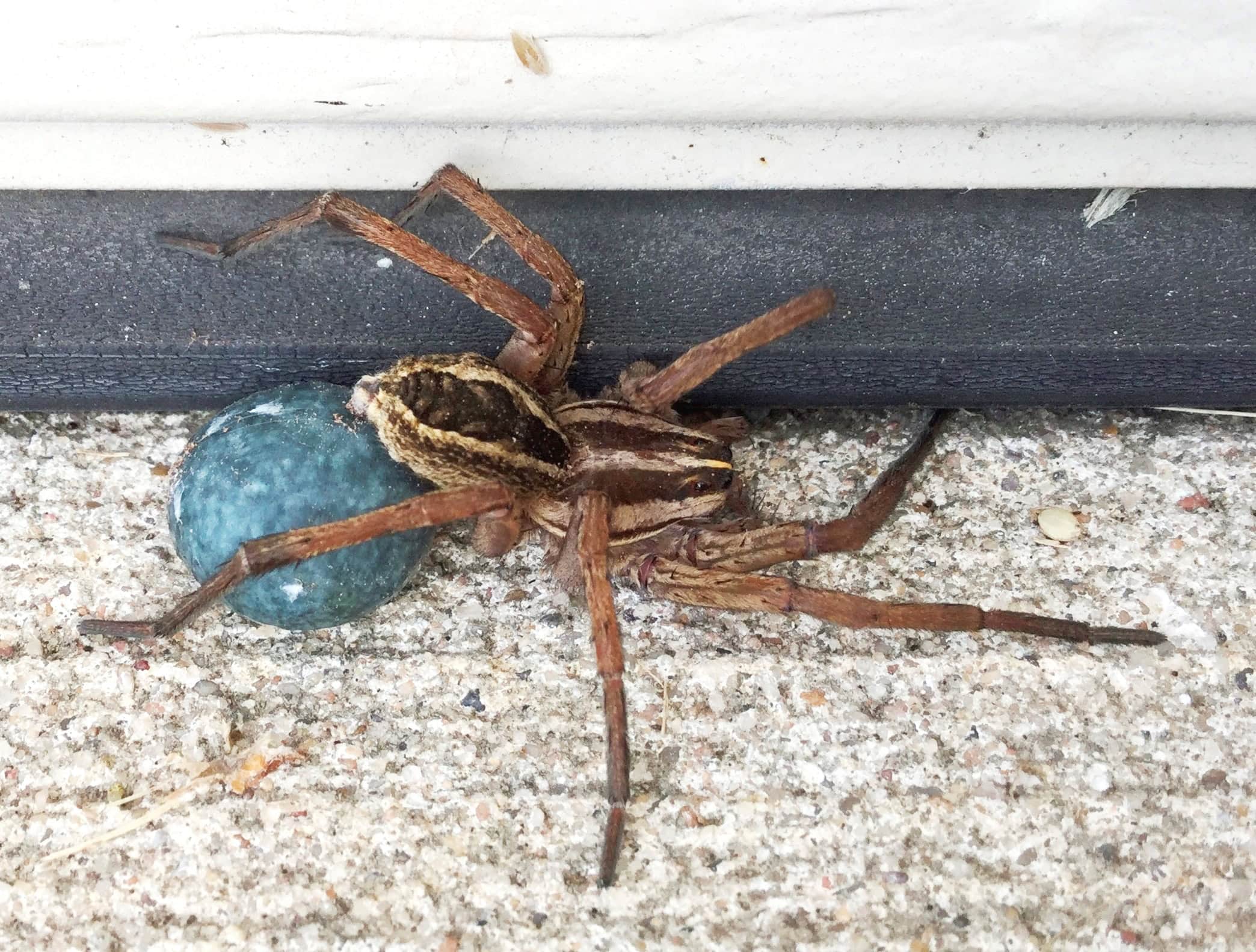
The survival adaptations of Arctic spiders represent one of nature’s most impressive examples of evolutionary problem-solving in extreme environments. Through a sophisticated combination of biochemical, physiological, behavioral, and life history adaptations, these remarkable arachnids have conquered conditions that would prove lethal to most invertebrates. Their ability to endure temperatures far below freezing, survive months without food, and synchronize their life cycles with the brief windows of opportunity in the Arctic calendar demonstrates the incredible plasticity of life on Earth. The study of these cold-weather specialists continues to yield insights into the limits of cold tolerance and the mechanisms that allow life to persist in seemingly impossible conditions.
As climate change transforms the Arctic landscape, the future of these highly specialized spiders remains uncertain, though their demonstrated adaptability suggests at least some species may adjust to changing conditions. What remains clear is that Arctic spiders stand as testament to the power of natural selection to craft solutions to even the most extreme environmental challenges. Their continuing presence in one of Earth’s most demanding habitats invites ongoing scientific inquiry and deserves our appreciation as an extraordinary example of life’s tenacity and adaptability in the face of seemingly insurmountable challenges.

- The Secret Language of Dolphins Decoded by Researchers - July 20, 2026
- 7 Animals That Can Survive Extreme Environments You Couldn’t - July 20, 2026
- The Longest Snake Ever Found in the U.S. - July 20, 2026