

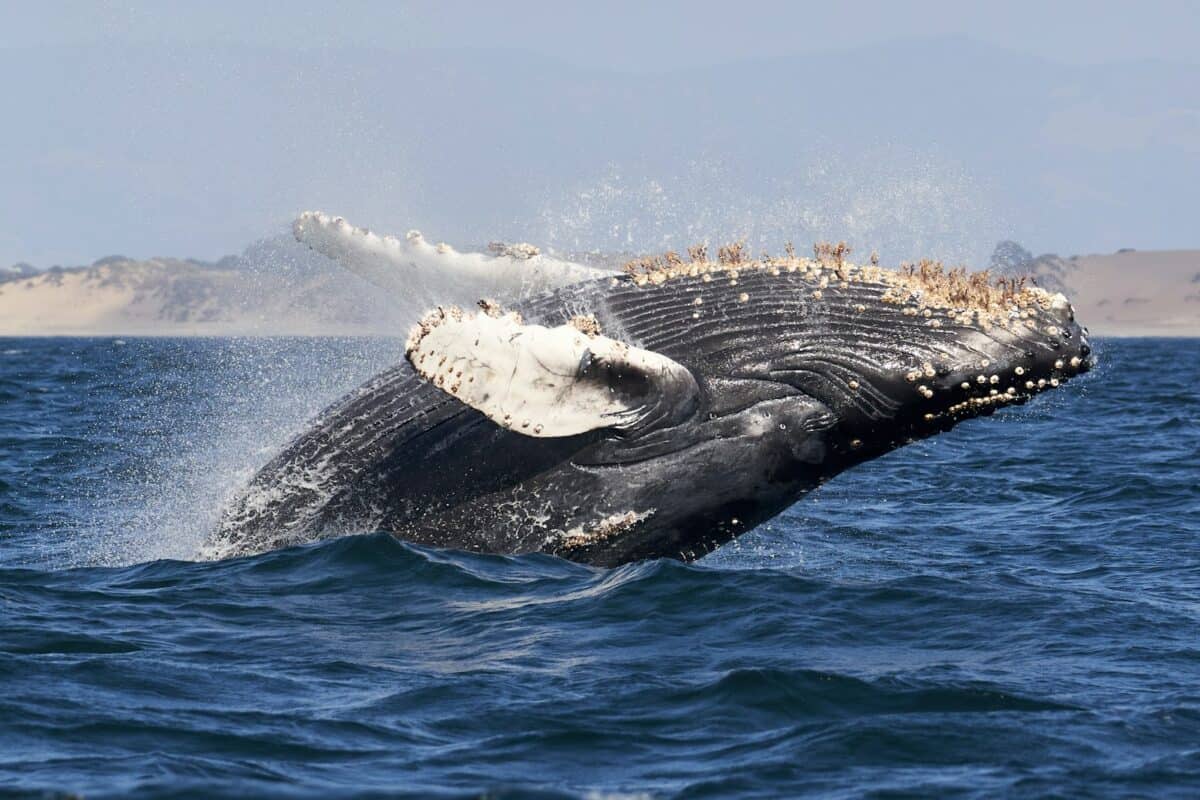
In the vast expanses of our oceans, an extraordinary biological phenomenon occurs daily as barnacles—small, unassuming crustaceans—successfully colonize the surfaces of massive whales and seafaring vessels. This remarkable feat of attachment represents one of nature’s most ingenious engineering solutions. These sessile creatures have perfected the art of adhering to moving substrates in challenging marine environments, creating bonds strong enough to withstand powerful ocean currents, the swift movement of whales, and the constant journeys of ships across the seas. Understanding how barnacles accomplish this attachment is not just a fascinating biological curiosity; it has significant implications for marine conservation, shipping efficiency, and biomimetic engineering. This article explores the intricate mechanisms barnacles employ to create these tenacious bonds, the ecological relationships they form, and the ongoing battle between these persistent hitchhikers and the human maritime industry.
The Biology of Barnacles
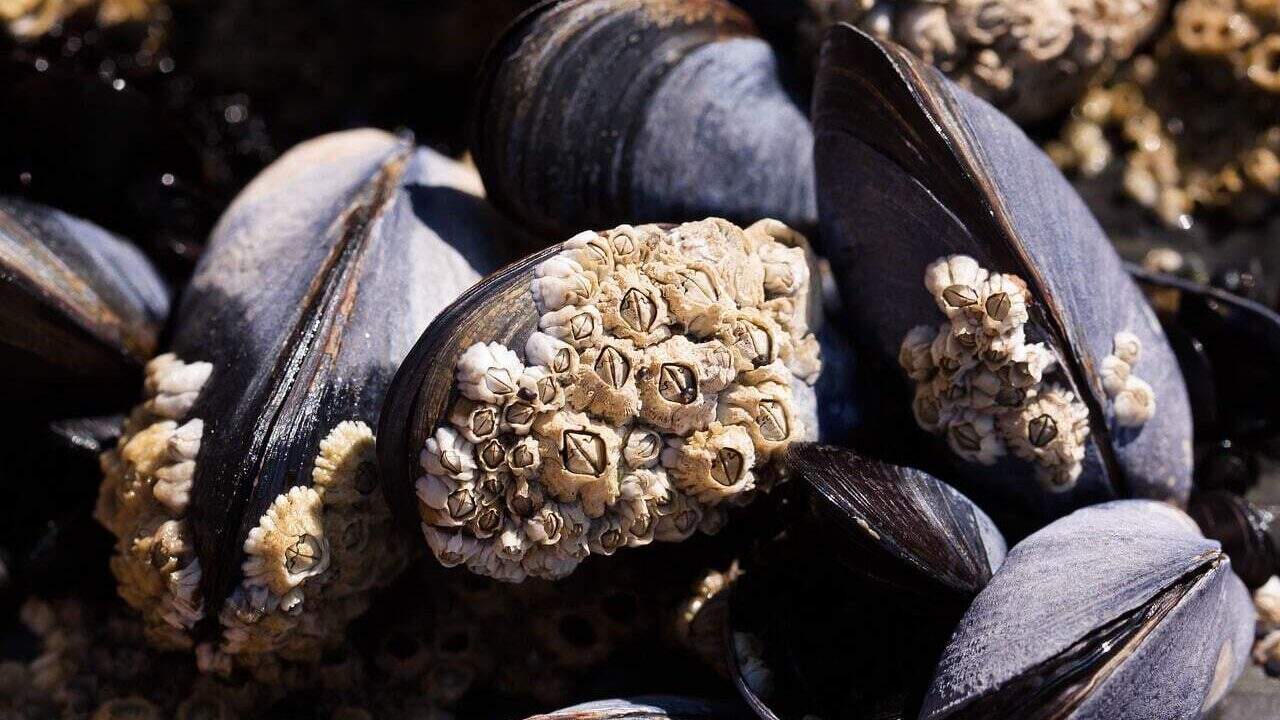
Barnacles belong to the subphylum Crustacea and class Cirripedia, making them relatives of crabs and lobsters despite their shell-like appearance. Unlike their mobile cousins, adult barnacles are sessile organisms, meaning they permanently attach to surfaces and remain fixed for life. Their distinctive lifecycle begins with a free-swimming larval stage called a nauplius, which develops into a cyprid larva. This cyprid stage is critical as it’s responsible for selecting an appropriate settlement site before metamorphosing into the familiar cone or tube-shaped adult barnacle we recognize.
Adult barnacles are protected by calcified plates that form a protective shell around their soft bodies. When submerged and feeding, they extend feathery appendages called cirri through an opening in their shell to filter food particles from the water. This unique biology has evolved specifically to support their sedentary lifestyle, with specialized adaptations for permanent attachment being perhaps their most remarkable feature. There are over 1,400 species of barnacles, but those that attach to whales (whale barnacles) and boats (acorn and goose barnacles) have developed particularly effective adhesion strategies.
The Chemistry of Barnacle Cement
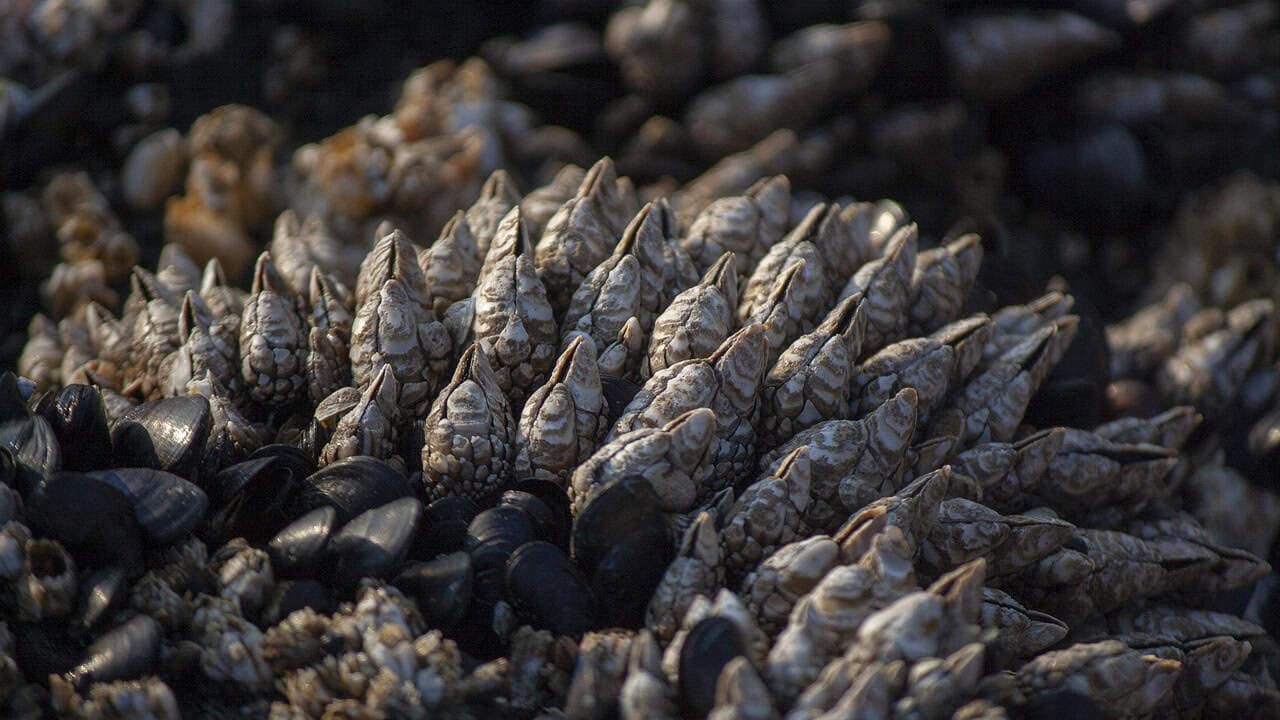
The secret to a barnacle’s impressive adhesive ability lies in a specialized biological cement they produce. This natural adhesive is one of the most powerful in the animal kingdom, with tensile strengths measured at up to 5,000 pounds per square inch. Barnacle cement is primarily composed of proteins rich in amino acids like cysteine, which forms strong cross-links through disulfide bonds. These proteins are secreted by cement glands located in the barnacle’s base and harden into a permanent adhesive that can bond to virtually any surface, including Teflon, glass, metal, plastic, and living tissue.
What makes this cement particularly remarkable is its ability to cure underwater, a feat that modern synthetic adhesives struggle to replicate. The cement polymerizes through a complex process involving enzyme-catalyzed reactions and oxidation, allowing it to displace water molecules at the attachment surface and form covalent bonds. Scientists are actively researching this natural adhesive for potential applications in medicine, particularly for developing surgical glues that can work in wet environments. The adhesive’s composition varies slightly between species, with whale barnacles producing specialized cement adapted for attachment to living tissue.
The Settlement Process
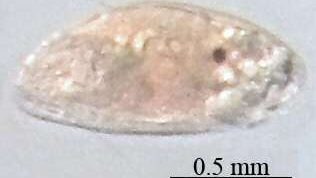
The barnacle attachment process begins during the cyprid larval stage, when the organism is still mobile and searching for an ideal settlement location. This microscopic larva, measuring just 0.5 mm in length, possesses a remarkable ability to “test” surfaces before committing to attachment. Using specialized antennules equipped with sensory setae, cyprids can detect chemical cues, surface texture, water flow patterns, and even the presence of other barnacles. This exploration phase is critical as the cyprid must make a permanent, life-determining decision about where to settle.
Once a suitable location is identified, the cyprid secretes a temporary adhesive protein from its antennular cement glands to anchor itself. This temporary attachment allows the larva to undergo metamorphosis into a juvenile barnacle, during which it develops its permanent cement glands. The permanent cement is then secreted beneath the developing barnacle base, forming an insoluble, cross-linked matrix that bonds the organism to the substrate for life. This entire settlement process takes approximately 24-36 hours, but creates an attachment that can last decades. The efficiency of this process explains why barnacles are such successful colonizers of both natural and artificial surfaces in marine environments.
Whale Barnacles: Specialized Hitchhikers
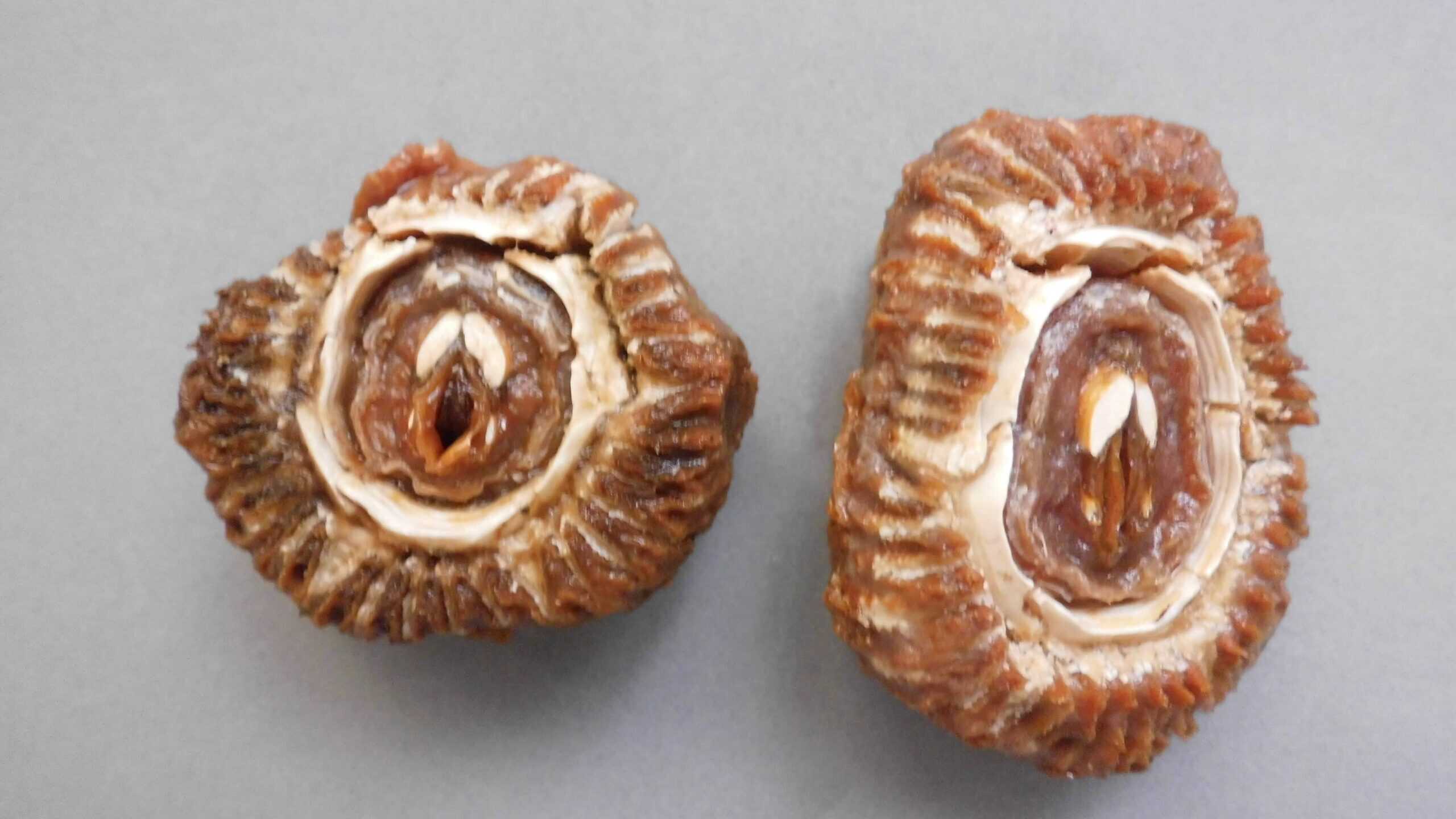
Whale barnacles belong primarily to the family Coronulidae and have evolved specifically to live on the skin of cetaceans. Unlike their rock-dwelling relatives, these specialized barnacles have developed unique adaptations for life on a living, moving host. Their shells often have a distinctive crown-like shape with ribbed exteriors that help reduce drag as the whale swims. The most common species found on whales include Coronula diadema, Cryptolepas rhachianecti, and Xenobalanus globicipitis, each adapted to specific regions of the whale’s body.
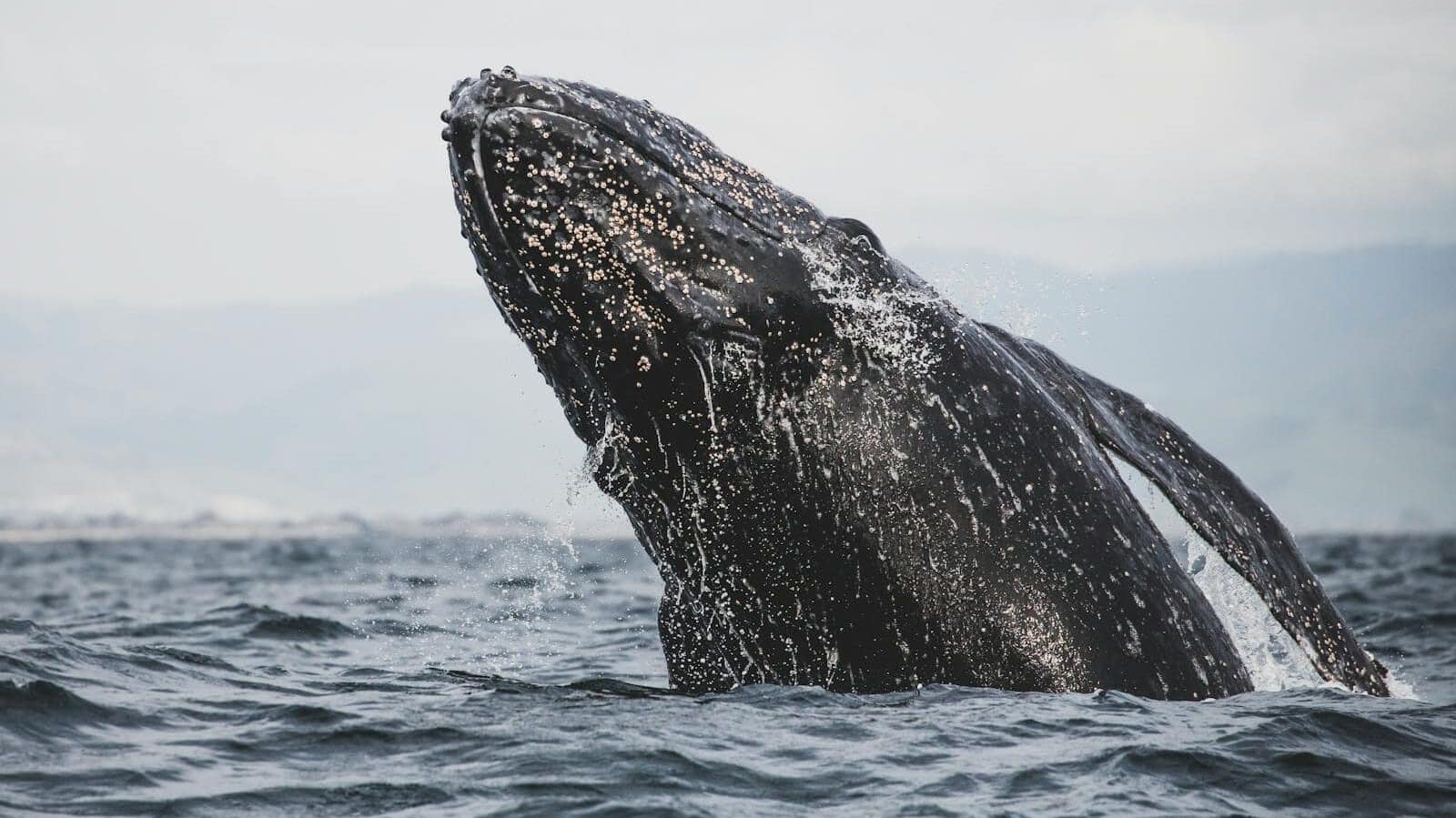
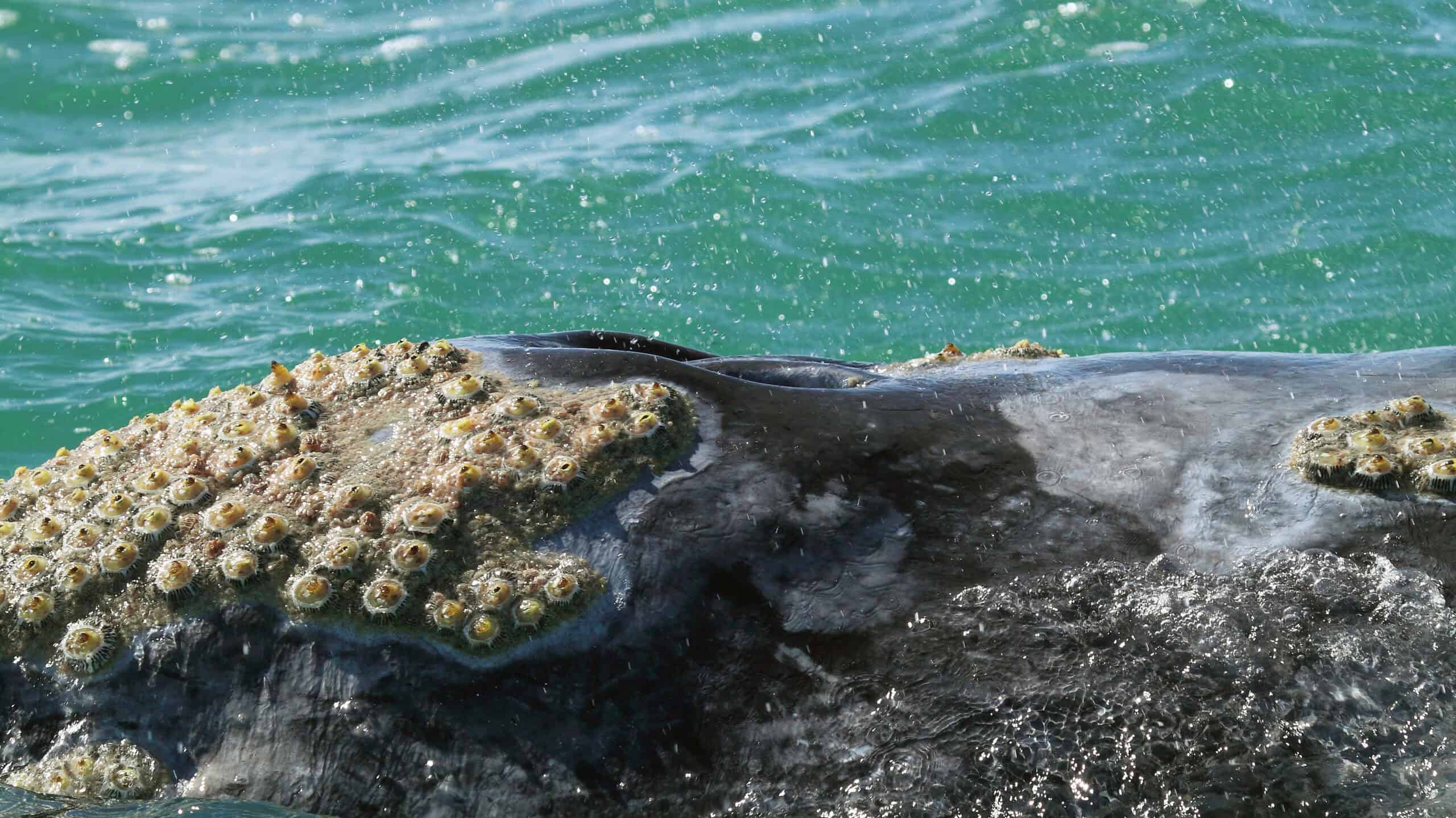
What truly sets whale barnacles apart is their attachment mechanism. Rather than simply cementing themselves to the whale’s skin surface, these barnacles actually grow into the whale’s epidermis. As the barnacle secretes its cement, the whale’s skin grows up around the barnacle’s base, creating an exceptionally strong bond where the barnacle becomes partially embedded in the host’s tissue. This integration provides extraordinary holding power against the tremendous forces experienced during a whale’s rapid movements through water. Different whale species host different barnacle species, with humpback whales typically carrying the highest loads—sometimes up to 1,000 pounds of barnacles on a single whale.
The Ecological Relationship Between Whales and Barnacles
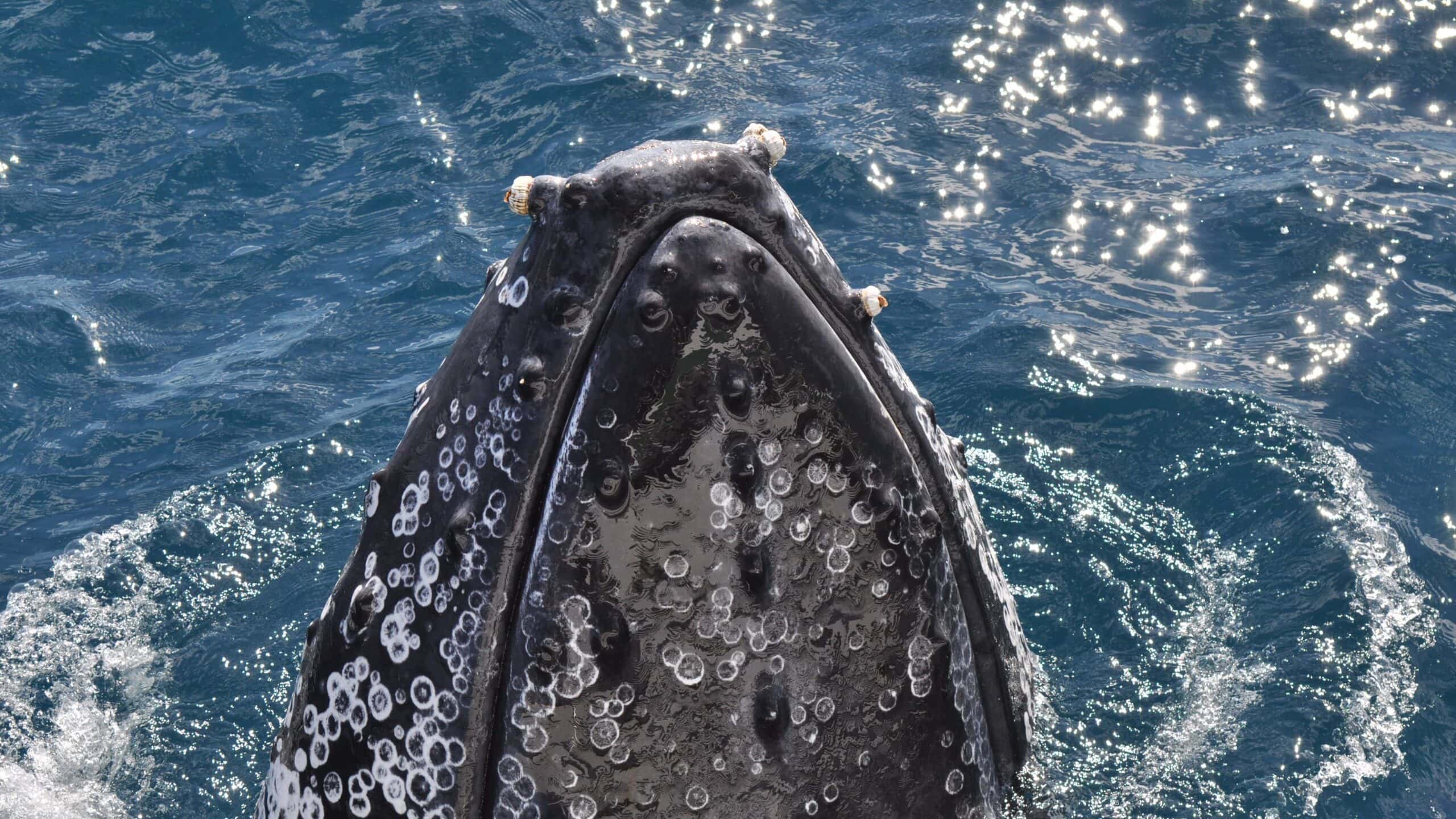
The relationship between whales and barnacles is primarily described as commensalism, where barnacles benefit from the relationship while whales are generally unaffected. Barnacles gain several advantages from this association: a mobile home that travels through nutrient-rich feeding grounds, protection from predators, and access to fresh water currents for filter feeding. Recent research, however, suggests this relationship may be more complex than previously thought. The substantial barnacle load can potentially increase drag and energy expenditure for the whale, suggesting a shift toward parasitism when infestations become excessive.
Interestingly, some evidence indicates potential benefits for whales as well. Barnacle patterns may serve as individual identifiers for whales, aiding in recognition during social interactions. Some researchers have proposed that barnacle textures might even help whales scrape parasites like whale lice from their skin by rubbing against objects or other whales. Different whale species show varying levels of barnacle colonization, with humpback whales typically hosting the most abundant and diverse barnacle communities, while faster-swimming species like fin whales tend to have fewer attachments. This ecological relationship, established over millions of years of co-evolution, represents one of the ocean’s most enduring biological partnerships.
Ship Fouling: Barnacles on Boats and Marine Structures
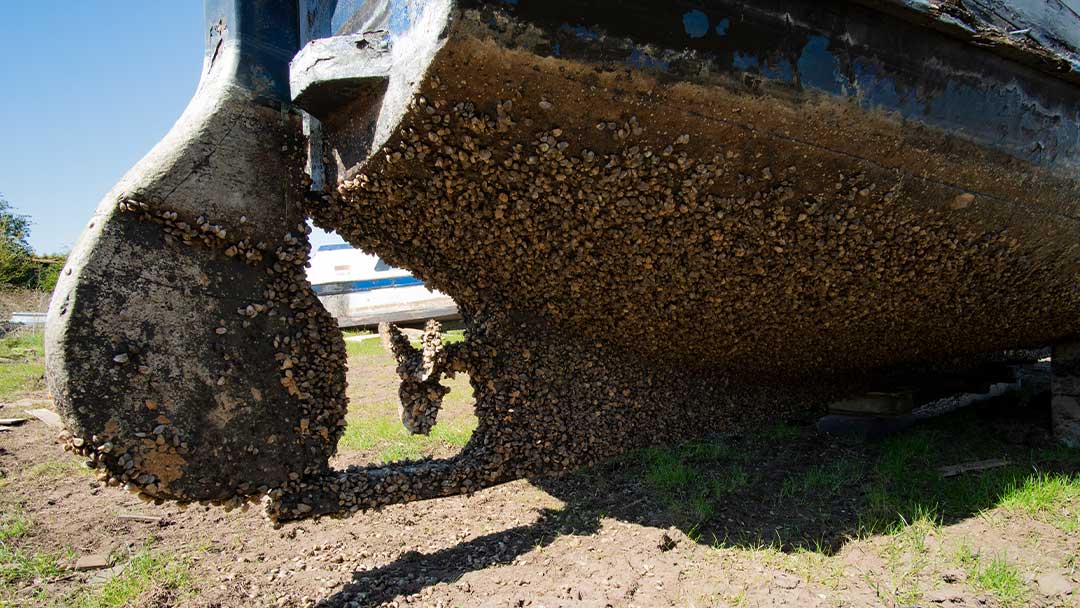
When barnacles colonize ships and marine structures, the process is known as biofouling, a phenomenon that has plagued maritime activities since humans first took to the seas. Unlike the specialized relationship with whales, barnacles attach to vessels opportunistically as suitable hard substrates. The most common species found on ships are acorn barnacles (Amphibalanus amphitrite, Amphibalanus improvisus) and goose barnacles (Lepas anatifera). These marine hitchhikers can completely cover a ship’s hull in severe cases, creating a rough, irregular surface that significantly impacts performance.
The economic impact of barnacle fouling is substantial, estimated to cost the global shipping industry over $7 billion annually. Studies show that even moderate barnacle coverage can increase a vessel’s fuel consumption by up to 40% due to increased drag resistance. Beyond fuel inefficiency, barnacles can damage protective coatings, accelerate corrosion, block cooling systems, and necessitate costly dry-docking for removal. Additionally, ship-borne barnacles contribute to the spread of invasive species as vessels transport attached organisms to new environments worldwide. This biofouling process differs from whale attachment as these barnacles cement directly to the hull surface rather than integrating with living tissue, though the adhesive mechanism remains remarkably similar.
The Science of Anti-Fouling Technologies
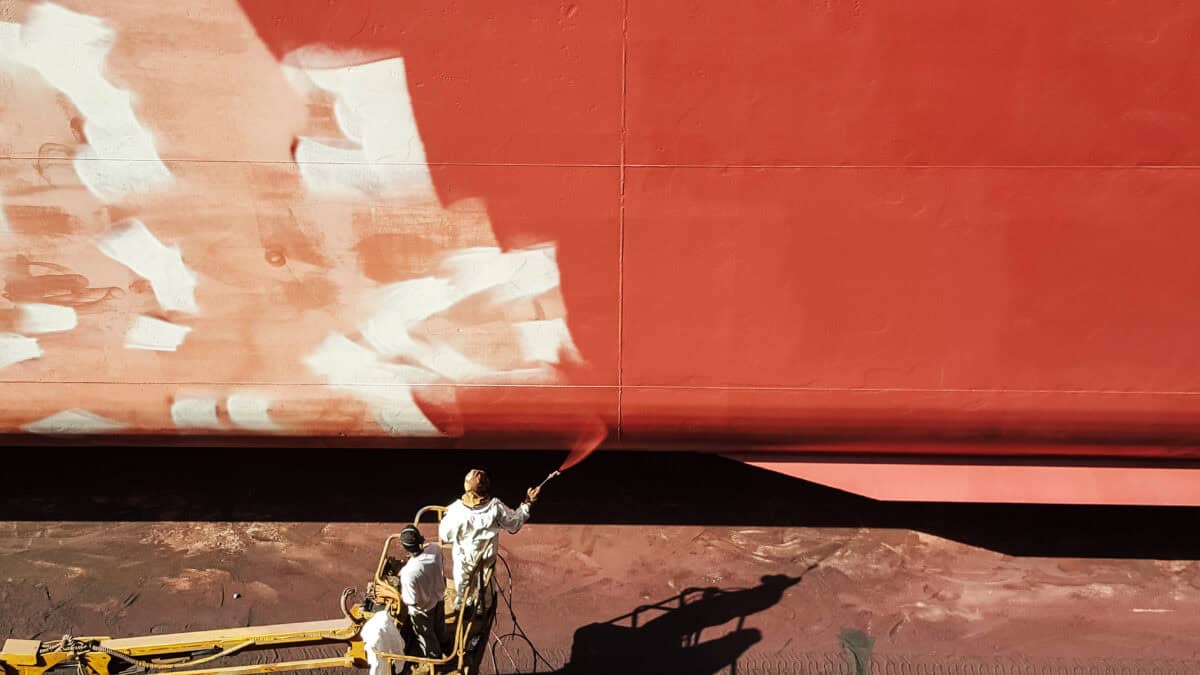
Humans have been battling barnacle attachment for centuries, developing increasingly sophisticated anti-fouling technologies. Historically, copper sheathing was used on wooden ships, as the metal’s toxicity deterred barnacle settlement. Modern approaches include self-polishing copolymer paints containing copper compounds or other biocides that slowly leach into the surrounding water, creating an inhospitable environment for settling larvae. However, environmental concerns have led to restrictions on many traditional biocides, as compounds like tributyltin (TBT) have been shown to harm non-target marine organisms.
This has spurred development of more environmentally friendly alternatives, including silicone-based foul-release coatings that create surfaces too slippery for barnacles to adhere strongly. These don’t prevent attachment but make it easier for barnacles to be dislodged by water flow once a vessel reaches certain speeds. Other innovative approaches include biomimetic surfaces inspired by shark skin or lotus leaves, ultraviolet light barriers, and even coatings embedded with capsaicin (the compound that makes chili peppers hot). Electrochemical systems that generate chlorine or alter surface pH are also being explored. Despite these advances, no perfect solution exists, and barnacle attachment remains a persistent challenge for maritime industries.
The Biomechanics of Attachment Strength
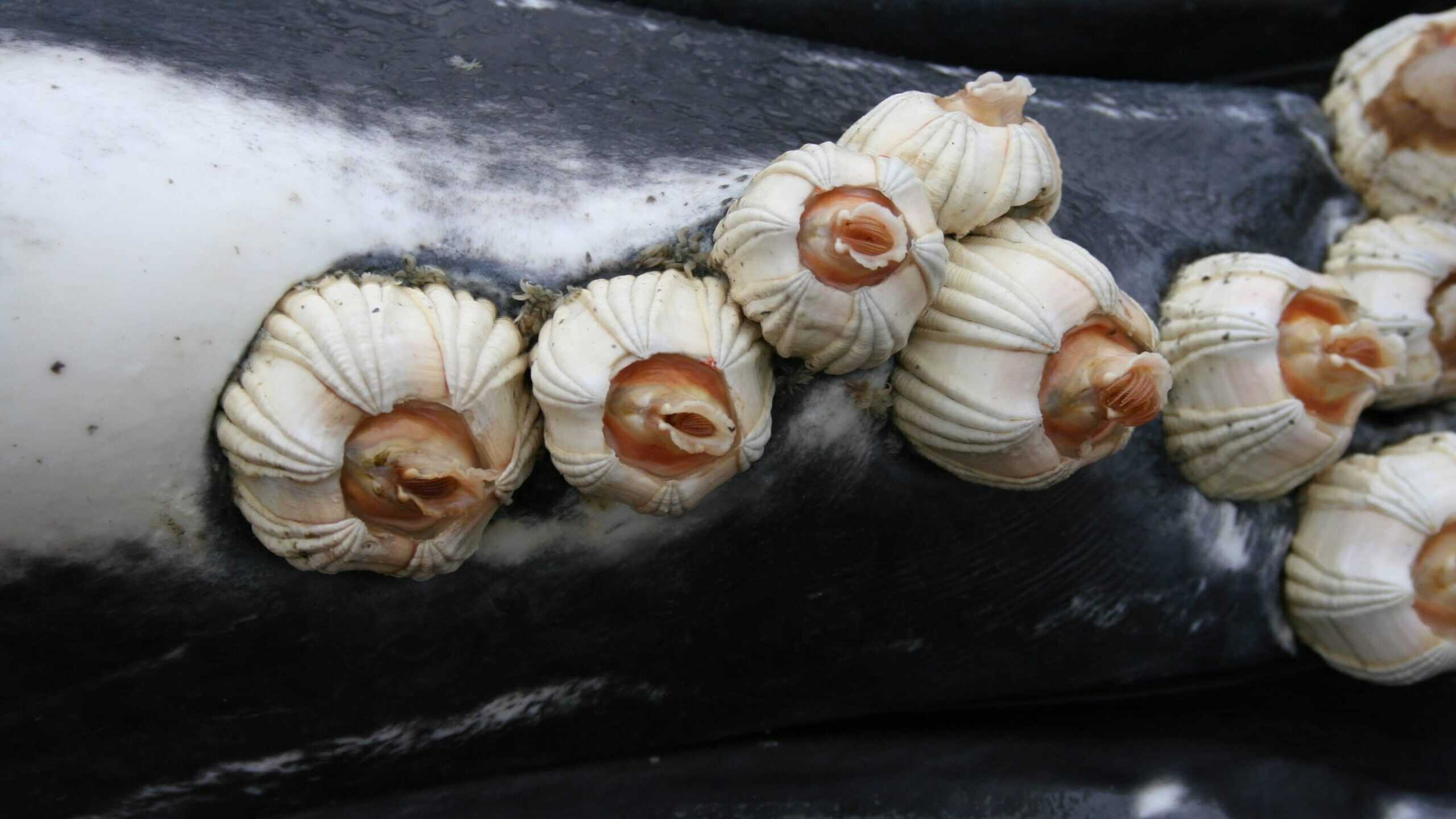
The remarkable attachment strength of barnacles has been extensively studied by biologists and materials scientists. Research has revealed that a single adult barnacle can withstand shear forces exceeding 15 N/cm² (approximately 22 pounds per square inch) before detachment occurs. This extraordinary adhesion comes from a combination of the chemical properties of their cement and the physical structure of the attachment interface. The barnacle base forms microscopic projections that interlock with surface irregularities, increasing the contact area and mechanical strength of the bond.
When comparing attachment to different substrates, studies show that barnacles form stronger bonds with natural surfaces than with many synthetic materials. The bond strength varies based on surface energy, roughness, and chemistry, with barnacles showing remarkable adaptability in modifying their cement composition to optimize adhesion to different materials. On whale skin, the integration of the barnacle base with the host tissue creates an even stronger attachment that can withstand the extreme hydrodynamic forces experienced during breaching or fast swimming. These forces can exceed 10 times the barnacle’s body weight, making their adhesive system one of the most efficient in nature, with an attachment strength-to-weight ratio that outperforms many engineered fastening systems.
Environmental Factors Affecting Barnacle Attachment
Numerous environmental variables influence a barnacle’s ability to successfully attach to surfaces. Water temperature plays a crucial role, with most species showing optimal settlement in temperatures between 15-25°C (59-77°F). Climate change and rising ocean temperatures are altering traditional barnacle distribution patterns, potentially increasing fouling problems in previously less-affected regions. Water salinity also significantly impacts attachment success, with most marine barnacles requiring salinity levels between 30-35 parts per thousand for optimal cement curing, though some estuarine species have adapted to variable salinity environments.
Water flow is another critical factor, as moderate currents can enhance larval delivery to surfaces, but excessive speeds prevent secure attachment. Surface characteristics including microtexture, hydrophobicity, and chemical composition all influence settlement patterns, with barnacles generally preferring rough surfaces that provide shelter from water flow and predators. Biofilms—microscopic communities of bacteria and algae that form on submerged surfaces—often serve as settlement cues, with certain bacterial species producing compounds that trigger barnacle larvae to attach. Understanding these environmental factors has become increasingly important as marine industries seek more effective and environmentally sustainable methods to manage barnacle fouling.
Evolutionary Aspects of Barnacle Attachment
The remarkable adhesive capabilities of barnacles represent the culmination of millions of years of evolutionary refinement. Fossil evidence indicates that barnacles have been attaching to substrates for over 500 million years, with whale barnacle specialization occurring more recently, approximately 5-30 million years ago as cetaceans evolved. This specialized attachment mechanism represents a stunning example of co-evolution, where barnacle attachment strategies have developed in parallel with their hosts’ skin properties and swimming behaviors. Genetic studies reveal that the cement proteins have undergone positive selection, indicating their critical importance to barnacle survival.
The evolution of barnacle cement proteins illustrates nature’s solution to one of the most challenging engineering problems: creating strong, permanent bonds in wet, saline environments. Different barnacle lineages have independently evolved variations of this adhesive system, suggesting its fundamental importance as an adaptation. Interestingly, the cement glands of barnacles are modified versions of the same structures that produce the molting fluid in other crustaceans, demonstrating how evolution can repurpose existing systems for new functions. This evolutionary history has created a biological adhesive so effective that human engineers continue to study it for inspiration in developing synthetic underwater adhesives for applications ranging from ship repair to medical implants and surgical glues.
Barnacle Attachment in Biomimetic Engineering
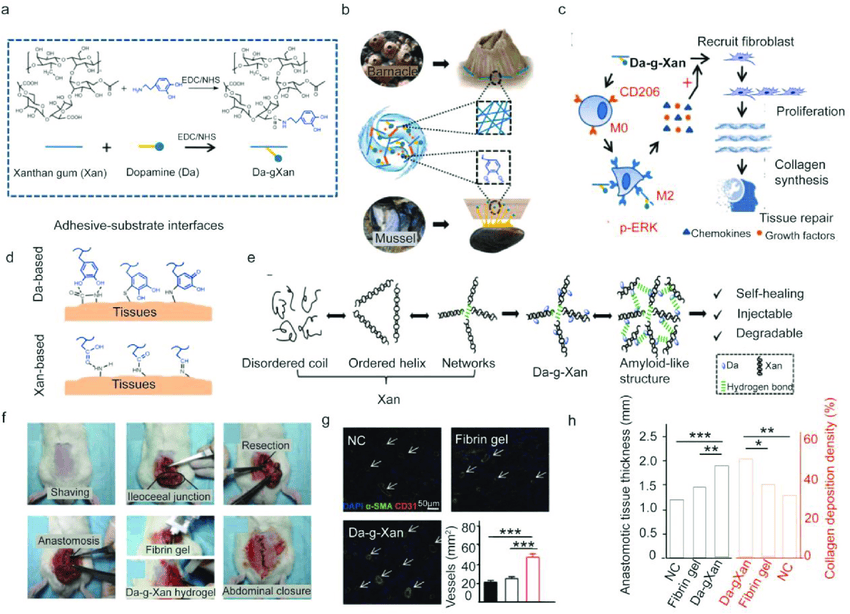
The extraordinary adhesive properties of barnacle cement have not gone unnoticed by engineers and materials scientists. This natural glue has become a model for biomimetic engineering—the development of technologies that mimic biological systems. Researchers are particularly interested in replicating the barnacle’s ability to displace water molecules and form strong bonds on wet surfaces, a property that would revolutionize underwater construction, marine repair, and medical applications. Several research teams have identified and synthesized key proteins from barnacle cement, attempting to recreate its properties in laboratory settings.
Medical applications show particular promise, with barnacle-inspired adhesives being developed for surgical glues that could work inside the human body, potentially replacing mechanical fasteners like sutures and staples. These bio-adhesives would be especially valuable for delicate tissues and organs where traditional methods may cause damage. Marine engineering applications include underwater repair systems for ships, oil platforms, and underwater cables. The U.S. Office of Naval Research has funded extensive research into barnacle adhesion, hoping to both develop better anti-fouling technologies and create new underwater adhesives for military applications. This transfer of biological innovation to human technology exemplifies how understanding natural processes can lead to significant technological advancements.
Barnacles stand as nature’s premier attachment specialists, having perfected the art of adhesion in one of Earth’s most challenging environments. Their remarkable ability to secure themselves to both living whales and human-made vessels demonstrates the versatility and effectiveness of their biological cement—a substance that continues to outperform synthetic alternatives in many respects. The dual attachment strategies we’ve explored—the integrative approach with whale skin and the direct surface bonding on vessels—showcase the adaptive capabilities that have made barnacles such successful organisms for hundreds of millions of years.
For marine biologists, materials scientists, and engineers, barnacles represent both a persistent challenge and an invaluable source of inspiration. As we continue to study these tenacious creatures, we gain not only ecological insights into marine relationships but also practical knowledge that may lead to revolutionary advances in adhesive technologies. The ongoing battle between barnacles and maritime industries drives innovation in eco-friendly anti-fouling solutions, while biomimetic research draws lessons from barnacle cement to develop new materials for human use. Through this continued exploration of barnacle attachment mechanisms, we deepen our appreciation for one of nature’s most remarkable engineering feats while seeking sustainable ways to coexist with these persistent marine hitchhikers.

- 14 Fascinating Facts About Rattlesnakes - June 16, 2026
- How Elephants Remember Friends After Decades - June 16, 2026
- 12 Spiders Adapting to Rising Temperatures - June 16, 2026