
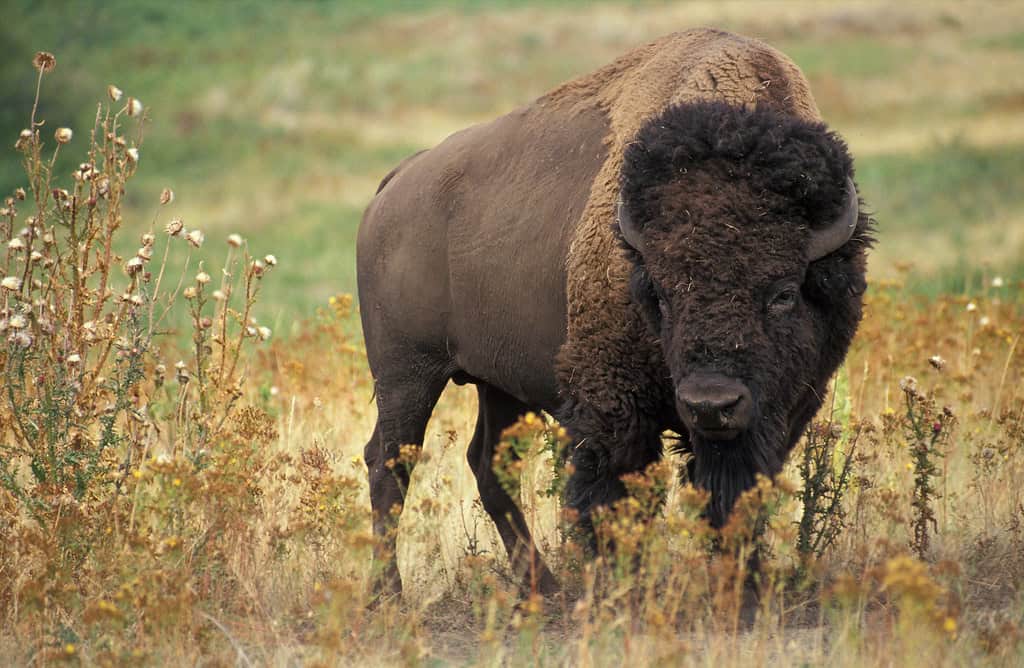
Across the vast stretches of the American Great Plains, a remarkable ecological recovery is underway. At the center of this revival stands the American bison—once driven to the brink of extinction, now serving as a keystone species in one of the most ambitious ecosystem restoration efforts in North America. From the Dakotas to Oklahoma, from Montana to Colorado, bison are returning to their native habitat, bringing with them a cascade of environmental benefits that scientists are only beginning to fully understand. This massive, shaggy-coated bovine isn’t just an iconic symbol of the American West; it’s a powerful ecological engineer reshaping landscapes, enhancing biodiversity, and helping prairie ecosystems adapt to climate change. This article explores how bison are helping to revitalize the Great Plains through their unique behaviors, ecological impacts, and cultural significance—revealing how the return of these magnificent animals offers hope for the future of one of North America’s most endangered ecosystems.
The Historical Decline of Bison and the Great Plains

Before European settlement, an estimated 30-60 million bison thundered across North America, with the majority concentrated in the Great Plains. These massive herds shaped the landscape through their grazing, wallowing, and migration patterns for thousands of years. However, the 19th century brought devastating changes. Commercial hunting, government-supported extermination campaigns aimed at subjugating Native American tribes, and habitat conversion to agriculture reduced the population to fewer than 1,000 animals by the 1880s. This near-extinction event wasn’t just a tragedy for the species—it fundamentally altered the Plains ecosystem. Without bison’s grazing patterns, plant diversity declined. Their absence disrupted nutrient cycling, eliminated microhabitats created by their wallows, and altered fire regimes. The conversion of prairie to cropland further degraded the ecosystem, with an estimated 99% of the native tallgrass prairie lost to agriculture and development. This historical context is essential for understanding why bison reintroduction represents not just species recovery but ecosystem restoration at a landscape scale.
Ecological Engineering: How Bison Shape Their Environment

Bison function as ecological engineers, physically modifying their environment in ways that create habitat for countless other species. Their grazing patterns are selective and patchy, creating a mosaic of vegetation heights and densities across the landscape. Unlike cattle, which tend to graze more uniformly and concentrate near water sources, bison range widely and graze intensively in some areas while leaving others relatively untouched. This heterogeneity creates diverse microhabitats supporting different plant and animal communities. Additionally, bison create wallows—depressions formed when they roll in dust or mud to combat insects and shed their winter coats. These wallows collect rainwater, forming ephemeral pools that support amphibians, invertebrates, and specialized plants that thrive in periodically flooded conditions. Research at the Konza Prairie Biological Station in Kansas has shown that areas with bison support approximately 300 plant species compared to about 200 in similar cattle-grazed areas, demonstrating their significant impact on biodiversity. Even their hooves contribute to ecological health, as their trampling helps break up soil crusts, presses seeds into the ground, and creates small disturbances that allow for new plant establishment.
Promoting Plant Diversity Through Selective Grazing

Bison’s grazing habits profoundly influence prairie plant communities in ways that enhance overall biodiversity. As preferential grazers of grasses, bison reduce the competitive dominance of these plants, allowing wildflowers (forbs) and other non-grass species to flourish. This selective pressure creates openings in the vegetation that would otherwise be dominated by a few grass species. A landmark 25-year study by Kansas State University researchers demonstrated that bison-grazed prairies contained 58% more plant species than ungrazed areas. Importantly, bison can digest lower-quality plant material than cattle, enabling them to consume mature grasses that would otherwise accumulate as thatch and suppress new growth. Their digestive systems are also less efficient than cattle’s, meaning more viable seeds pass through their systems and are dispersed across the landscape in nutrient-rich dung. Additionally, bison adjust their grazing patterns seasonally, focusing on different plant communities throughout the year, which prevents any single plant type from being continuously suppressed. This rotational grazing naturally mimics the historical disturbance patterns under which Great Plains plants evolved, helping maintain the evolutionary relationships between grazers and vegetation that developed over thousands of years.
The Wallowing Effect: Creating Microhabitats

Bison wallows represent one of the most distinctive ways these animals modify their environment. When bison roll and rub against the ground to relieve irritation from insects, shed fur, or simply as a social behavior, they create depressions that can span several meters in diameter. These wallows fundamentally alter local topography and hydrology, creating microhabitats that support unique plant and animal communities. During rainy periods, wallows collect water and form temporary wetlands that provide breeding habitat for amphibians and invertebrates. A study in Yellowstone National Park documented 15 species of specialized plants that appeared predominantly in and around bison wallows. The exposed soil in wallows also creates germination sites for annual plants that cannot compete in dense, established vegetation. Even after decades without bison use, ancient wallows remain visible on the landscape as slight depressions with distinct plant communities. At the American Prairie Reserve in Montana, researchers have documented how restored bison herds have created thousands of new wallows in just a decade, rapidly increasing landscape heterogeneity. These features also serve as archaeological records, with some Native American communities identifying ancient wallows as cultural heritage sites that mark historical bison movement patterns across the Plains.
Nutrient Cycling and Soil Health

Bison play a crucial role in nutrient cycling across the Great Plains, effectively serving as mobile fertilizer factories. Their digestive processes transform plant material into nutrient-rich waste that is more readily available to soil microorganisms and plants. Research at The Nature Conservancy’s Tallgrass Prairie Preserve in Oklahoma has shown that bison dung and urine create “hotspots” of soil fertility that can persist for years. A single adult bison produces approximately 1,000 pounds of dung annually, distributing essential nutrients like nitrogen, phosphorus, and potassium across the landscape. Their wide-ranging movement patterns ensure this distribution is broad rather than concentrated. Additionally, bison influence carbon sequestration in prairie soils. Their grazing stimulates additional root growth in grasses, which increases carbon storage below ground. The Soil Carbon Coalition has documented that properly managed bison grazing can increase soil organic carbon by 15-30% compared to ungrazed areas. Bison also impact soil physical properties through their weight and movement patterns. Weighing up to 2,000 pounds, they create compaction patterns different from cattle, with research showing their impact helps break up soil crusts while still maintaining healthy soil structure. This combination of nutrient addition and physical disturbance enhances soil microbial activity, with studies showing increased mycorrhizal fungi networks in bison-grazed areas compared to cattle-grazed or ungrazed prairie.
Supporting Wildlife Communities

The reintroduction of bison creates a ripple effect that benefits numerous wildlife species across the Great Plains. Prairie dogs, which were once nearly as abundant as bison, benefit from the shorter grass heights maintained by bison grazing, which improves their ability to detect predators. Research in Badlands National Park has documented prairie dog colonies expanding into areas where bison have been reintroduced. These prairie dog towns, in turn, provide habitat for endangered black-footed ferrets and burrowing owls. Grassland birds also respond positively to bison presence. Studies by the Bird Conservancy of the Rockies have found that bison-grazed landscapes support higher densities of grassland specialists like grasshopper sparrows, which prefer the patchy vegetation structure created by bison. Even large predators benefit—wolves in Yellowstone have been documented preferentially hunting in areas where bison grazing has improved visibility. The carrion from natural bison mortality supports scavengers from magpies to golden eagles, while smaller mammals utilize shed bison fur as nesting material. Invertebrate diversity also increases, with researchers at the American Prairie Reserve documenting 200% higher dung beetle abundance in bison-occupied areas compared to cattle ranches, which creates additional food resources for insectivorous birds and mammals.
Fire Ecology and Bison Interactions

Fire and grazing have historically functioned as complementary ecological processes in the Great Plains, with bison playing a key role in this relationship. Before European settlement, wildfires regularly swept across the prairies, stimulating new growth and preventing woody encroachment. Bison are naturally attracted to recently burned areas, where nutritious new growth emerges from the blackened landscape. This behavior, known as “pyric herbivory” (fire-driven grazing), creates a shifting mosaic of habitat types across the landscape. At the Joseph H. Williams Tallgrass Prairie Preserve in Oklahoma, land managers have implemented a “patch-burn grazing” system that mimics this historical pattern, using controlled burns to influence where bison concentrate their grazing. Research there has demonstrated that this fire-grazing interaction increases plant species diversity by 25% compared to either process alone. Additionally, bison grazing in some areas reduces fuel loads and creates natural firebreaks, potentially moderating fire intensity and spread. Their wallows can also serve as fire breaks, creating unburned refuges for fire-sensitive organisms during prairie burns. This complex relationship between bison and fire represents a critical feedback loop in prairie ecology that restoration efforts are increasingly trying to replicate, as both elements are necessary for maintaining the full spectrum of Great Plains biodiversity.
Climate Resilience and Carbon Sequestration

As climate change intensifies, bison are emerging as important allies in building resilient ecosystems and mitigating carbon emissions. Grasslands with deep-rooted perennial plants represent one of Earth’s most effective carbon sinks, potentially sequestering more carbon per acre than forests in some regions. Research by the Soil Carbon Coalition indicates that properly managed bison grazing can increase carbon sequestration by stimulating grass growth and root development. At the American Prairie Reserve, soil samples from bison-grazed areas showed 15% higher carbon content compared to similar ungrazed sites after just seven years of bison presence. Beyond carbon storage, bison-maintained grasslands improve watershed function by increasing water infiltration rates. Their grazing and wallowing behaviors create surface roughness that slows runoff, while their impact on soil structure enhances water absorption. Studies at The Nature Conservancy’s Nachusa Grasslands in Illinois found that restored prairie with bison captured 9-13 times more stormwater than adjacent agricultural fields. Additionally, the plant diversity fostered by bison grazing provides ecological insurance against climate extremes—with different plant species thriving under different weather conditions, these diverse communities maintain productivity through droughts and floods. Bison themselves are highly adaptable to climate extremes, withstanding temperatures from -40°F to 115°F, suggesting they may be more resilient to changing conditions than domestic livestock.
Major Restoration Initiatives Across the Great Plains

Several ambitious conservation initiatives are reintroducing bison across the Great Plains, each contributing to the ecological revival of this endangered ecosystem. The American Prairie Reserve in Montana represents one of the most ambitious efforts, working to create a 3.5-million-acre reserve with up to 10,000 bison. Since 2005, they’ve established a herd of over 800 animals that continues to grow. In South Dakota, the Oglala Sioux Tribe manages the Tribal Buffalo Program on the Pine Ridge Reservation, where approximately 1,500 bison now roam across 28,000 acres of tribal land, simultaneously restoring the ecosystem and reconnecting the community with their cultural heritage. The Nature Conservancy maintains multiple bison herds, including at the 39,000-acre Tallgrass Prairie Preserve in Oklahoma, where about 2,500 bison have been reshaping the landscape since 1993. Federal efforts include herds at Badlands National Park, Wind Cave National Park, and Theodore Roosevelt National Park. In total, these conservation herds now number approximately 20,000 animals across dozens of locations. While this represents substantial progress, it remains a fraction of historical numbers. Nevertheless, these restoration efforts continue to expand, with the National Park Service, The Nature Conservancy, the Wildlife Conservation Society, and numerous tribal nations collaborating through the Bison Conservation Initiative to establish new herds and ensure their genetic diversity and ecological impact.
Challenges in Bison Restoration

Despite progress, bison restoration faces significant challenges that complicate efforts to fully recover their ecological role. One major obstacle is space—bison historically ranged across vast territories, but today’s fragmented landscape limits their movement patterns. Most conservation herds are confined to relatively small areas by fences, preventing the long-distance migrations that once characterized the species. Genetic issues also present concerns, as nearly all contemporary plains bison carry some level of cattle gene introgression from historical crossbreeding attempts. The Yellowstone bison represent one of the few populations with minimal cattle genetics, making them particularly valuable for conservation. Disease management adds another layer of complexity, particularly regarding brucellosis in the Yellowstone population, which has limited translocation efforts. Social and political resistance can be substantial, especially from ranching communities concerned about competition for grazing lands or disease transmission to cattle. Managing human-wildlife conflict becomes increasingly important as herds expand. Conservation organizations must also navigate complex regulatory frameworks that often classify bison as livestock rather than wildlife, complicating management approaches. Despite these challenges, innovative solutions are emerging, including collaborative management agreements between conservation organizations and private landowners, advanced genetic testing to identify animals with minimal cattle introgression, and the development of market-based conservation models that generate revenue through sustainable bison production.
Indigenous Leadership in Bison Restoration
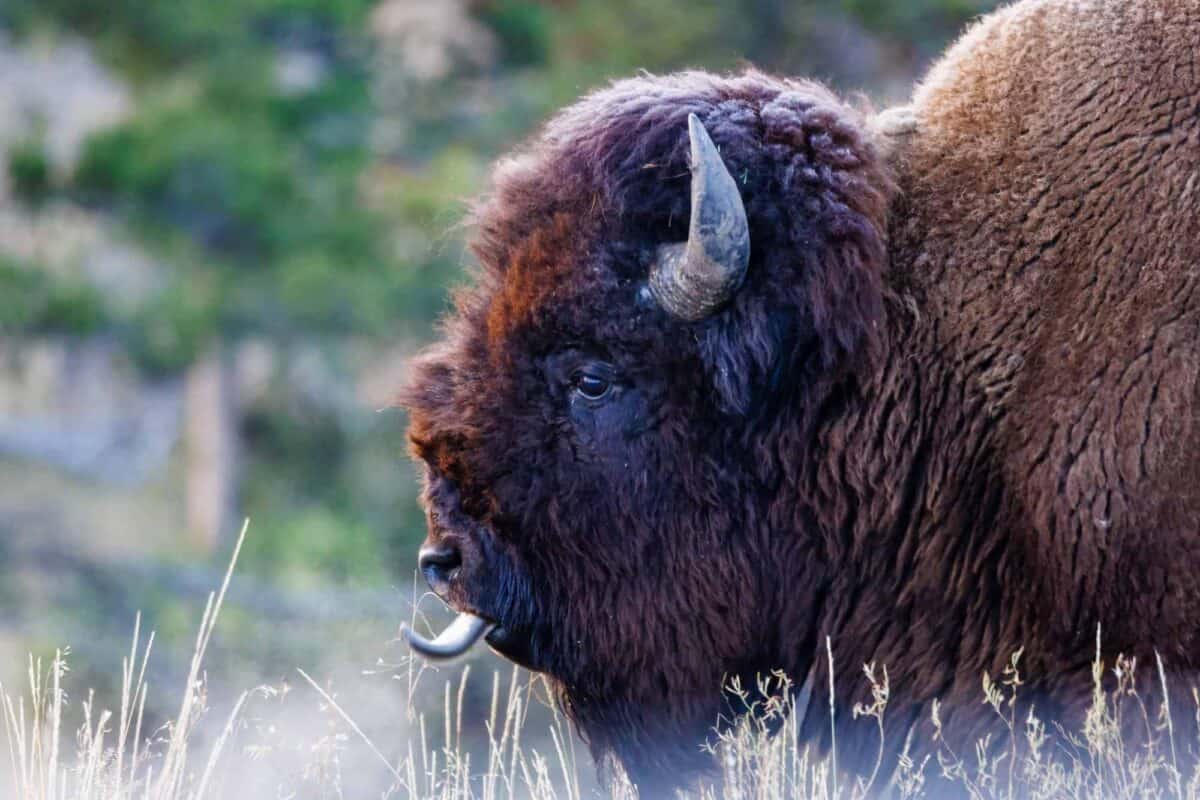
For many Native American tribes, bison restoration represents not just ecological recovery but cultural and spiritual revitalization. Indigenous communities have taken leadership roles in bringing back the animal known as “tatanka” to tribal lands across the Plains. The InterTribal Buffalo Council, established in 1992, now includes 76 tribal nations collectively managing approximately 20,000 bison. These efforts recognize the profound historical relationship between Indigenous peoples and bison, which extended far beyond sustenance to encompass spiritual practices, material culture, and social organization. The Blackfeet Nation in Montana has reestablished a herd on their ancestral lands near Glacier National Park, emphasizing both ecological restoration and cultural revitalization through their Iinnii Initiative. Similarly, the Eastern Shoshone and Northern Arapaho of the Wind River Reservation released bison on their Wyoming lands in 2016 after a 130-year absence. These tribal programs often incorporate traditional ecological knowledge alongside contemporary science, recognizing that Indigenous management practices evolved over thousands of years of coexistence with bison. Many tribal herds also provide economic benefits through carefully managed harvests that supply high-quality protein to tribal members and generate revenue through meat sales. The Fort Peck Assiniboine and Sioux Tribes in Montana have established the Northern Plains Conservation Herd specifically to preserve the genetically valuable Yellowstone bison bloodline, demonstrating how tribal lands are providing crucial space for conservation.
Economic Benefits of Bison Restoration

Bison restoration delivers economic advantages alongside ecological improvements, creating sustainable models for conservation. Ecotourism represents a significant revenue source in regions with established bison herds. Yellowstone National Park, home to approximately 5,000 bison, generates an estimated $642 million annually in tourism revenue, with bison viewing ranking among visitors’ top attractions. The American Prairie Reserve reports that visitor numbers have increased by approximately 30% annually since bison reintroduction began, bringing new economic activity to rural Montana communities. Conservation organizations have also developed sustainable bison ranching operations that support restoration efforts. The Nature Conservancy’s Medano-Zapata Ranch in Colorado combines bison conservation with a working ranch and guest operation, demonstrating how ecological goals can align with business models. Additionally, research indicates that bison-based restoration can enhance ecosystem services with economic value, including improved water quality, carbon sequestration, and soil retention. A 2020 study in the journal Ecosystem Services estimated that the ecosystem services provided by bison-grazed prairie in the Northern Great Plains could be valued at $1,000-2,500 per hectare annually, significantly exceeding the economic return from conventional cattle ranching on marginal lands. Furthermore, the bison industry itself has grown substantially, with the National Bison Association reporting that the U.S. bison industry now exceeds $350 million annually, with demand for bison meat continuing to grow at approximately 10-15% per year.
Conclusion: The Future of Bison and the Great Plains
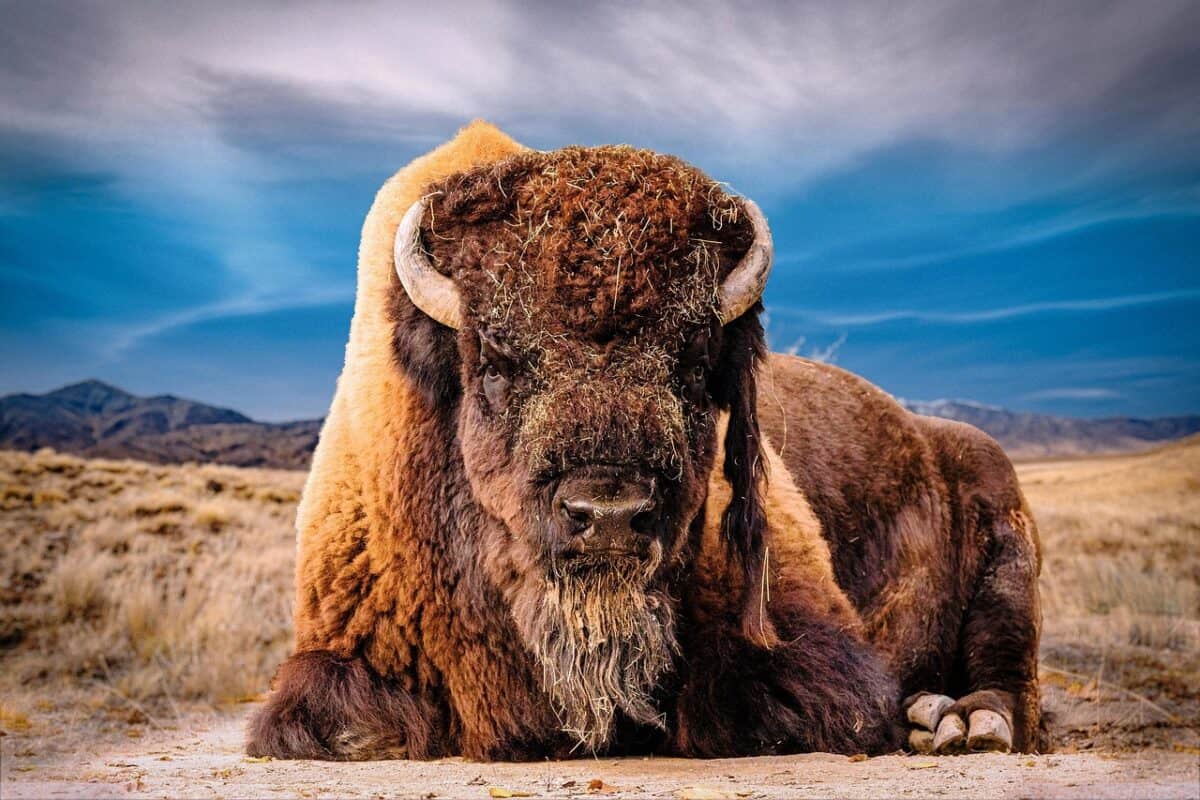
The future of the Great Plains is being reshaped—hoofbeat by hoofbeat—by the return of the American bison. What began as a desperate effort to save a species from extinction has evolved into one of the most promising models for large-scale ecological restoration in the world. As bison reclaim their role as keystone species, they are not only restoring balance to prairie ecosystems but also strengthening the cultural and economic fabric of communities across the Plains. From enhancing biodiversity and rebuilding soil health to sequestering carbon and supporting Indigenous sovereignty, the impacts of bison are wide-reaching and deeply rooted in the land’s history.
Yet, the road ahead is not without challenges. Fragmented habitats, limited genetic diversity, and socio-political resistance must be addressed through continued collaboration, innovative science, and inclusive policy. Central to that path is the leadership of Indigenous nations, whose holistic stewardship bridges ancient knowledge with modern conservation. As more land managers, governments, and communities recognize the multifaceted value of bison, opportunities grow to expand herds, reconnect landscapes, and reimagine the future of the Great Plains.
In an era marked by ecological loss and climate uncertainty, the story of bison restoration offers a rare narrative of hope. It reminds us that nature, when given the chance, is remarkably resilient—and that healing a landscape begins with restoring its heart.

- The Secret Language of Dolphins Decoded by Researchers - July 20, 2026
- 7 Animals That Can Survive Extreme Environments You Couldn’t - July 20, 2026
- The Longest Snake Ever Found in the U.S. - July 20, 2026