


As the colorful tapestry of autumn transitions into the chilling embrace of winter, brown bears embark on an extraordinary journey of preparation to endure the harsh conditions. This meticulous process is both a marvel of nature and a testament to the resilience of these majestic creatures. From voracious feeding habits to securing the perfect den, every step is crucial to surviving the long, cold months ahead.
Understanding Brown Bears’ Biology

Before delving into how brown bears prepare for the winter season, it is essential to understand their biology. Brown bears, known scientifically as *Ursus arctos*, are highly adaptable animals found across the northern hemisphere. They boast a powerful physique, sharp claws, and remarkably thick fur that provides insulation against cold climates. This blend of adaptations makes them well-equipped for enduring the challenges posed by winter.
The Role of Hyperphagia

One of the most critical stages in a brown bear’s winter preparation is hyperphagia. During this phase, the bears dramatically increase their food intake. This period typically starts in late summer and continues through the fall. Bears consume massive quantities of food, ranging from berries and nuts to fish and small mammals, to build up vital fat reserves. These fat stores are essential, as they will sustain the bears through months of hibernation without eating.
Locating Nutrient-Dense Foods

To accumulate enough fat, brown bears focus on nutrient-dense foods. Salmon is particularly important for bears in regions where these fish are abundant, as they provide a rich source of protein and other essential nutrients. In addition, brown bears may consume carrion, insects, and plants, demonstrating their omnivorous diet’s flexibility in ensuring they meet their caloric needs.
The Journey to the Denning Site

As the days grow shorter and temperatures drop, brown bears set off on a journey to find a suitable denning site. The location of the den is critical; it must be secluded enough to offer safety from predators and disturbances. High-elevation areas, forested slopes, and thick bushes are preferred due to the natural cover and insulation they provide.
Constructing the Perfect Den
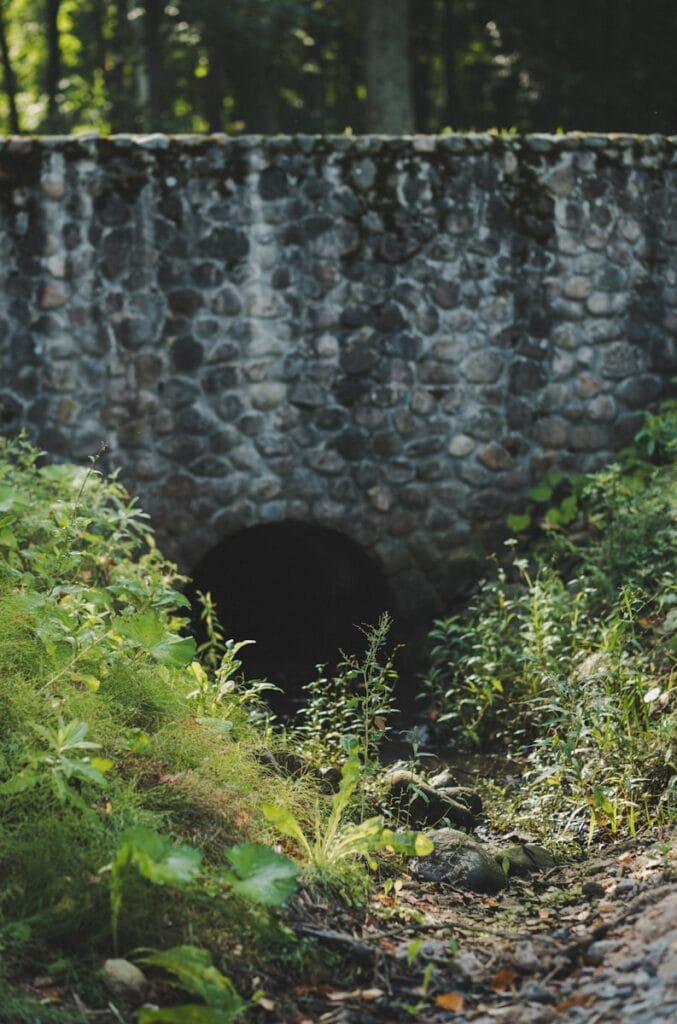
Building a den is no small feat for a brown bear. Using their powerful claws, they dig into the earth to create a well-insulated shelter, often at the base of a slope or within the roots of large trees. The den’s entrance is typically small to minimize heat loss, but the interior is spacious enough to accommodate the bear’s bulk. This careful construction ensures that they can remain warm and protected throughout the winter.
The Wonders of Hibernation
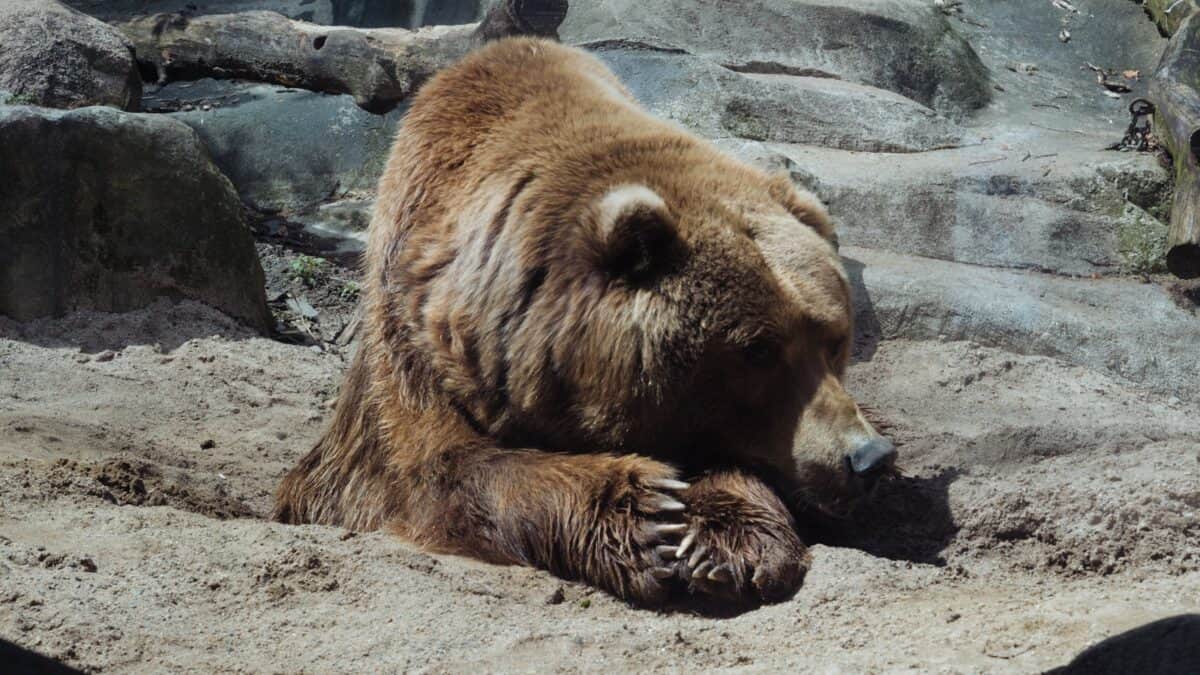
Unlike true hibernators, brown bears experience a state called torpor, a kind of winter sleep. During this time, their metabolic rate drops significantly, and they live off their fat reserves. Although their heart rate slows, bears can wake up if disturbed, a trait that distinguishes their hibernation from deeper states seen in other animals. This ability allows them to be responsive to unusual winter conditions or threats.
Physiological Changes During Torpor

Throughout the torpor period, brown bears undergo remarkable physiological changes. Their body temperature slightly decreases, and waste production is minimized. Intriguingly, bears can recycle waste into proteins, preventing muscle degradation during months of inactivity. This biological ingenuity showcases how evolution has equipped bears to hibernate efficiently.
Conserving Energy
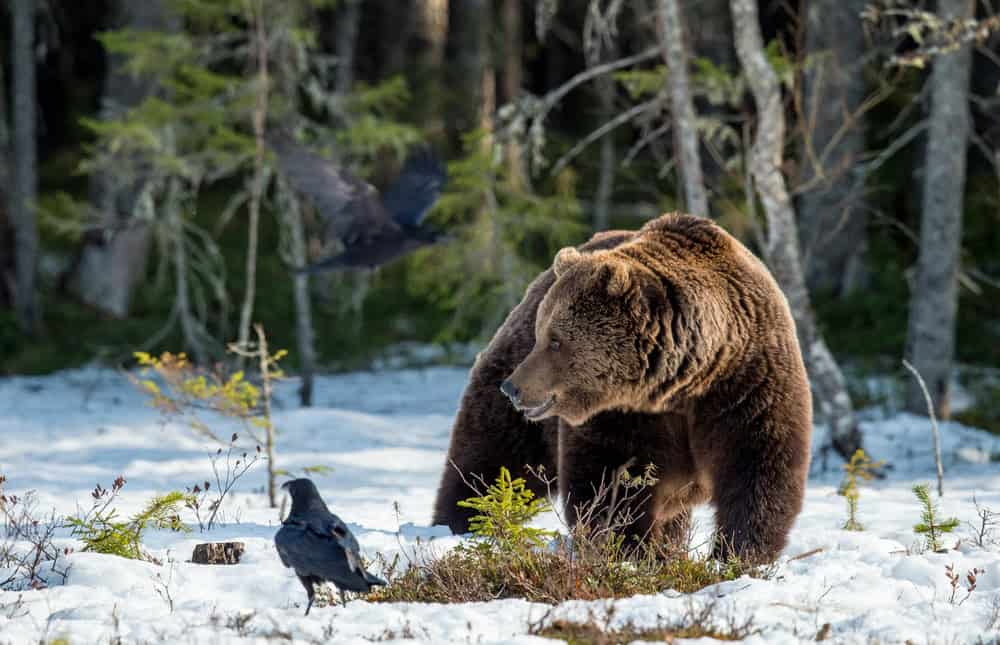
Conserving energy is paramount for survival during winter. By drastically reducing movement and bodily functions, brown bears can stretch their fat reserves over several months. This conservation strategy is crucial for emerging healthy and ready for the spring season when food sources become available again.
The Time to Emerge

As winter fades into spring, brown bears emerge from their dens. The timing of emergence is influenced by several factors, including food availability, weather conditions, and individual health. Typically, male bears and young individuals emerge first, followed by females with cubs. Emerging bears are often noticeably leaner, marking the success of their hibernation strategy.
Maintaining Health Post-Hibernation
Following their dormancy, brown bears are faced with the immediate task of rebuilding their fat and energy reserves. Spring brings a bounty of nutrients as plants bloom, prey species become more active, and rivers teem with fish. This abundance allows bears to quickly regain strength and prepare for the cycle to continue.
Impact on Reproduction
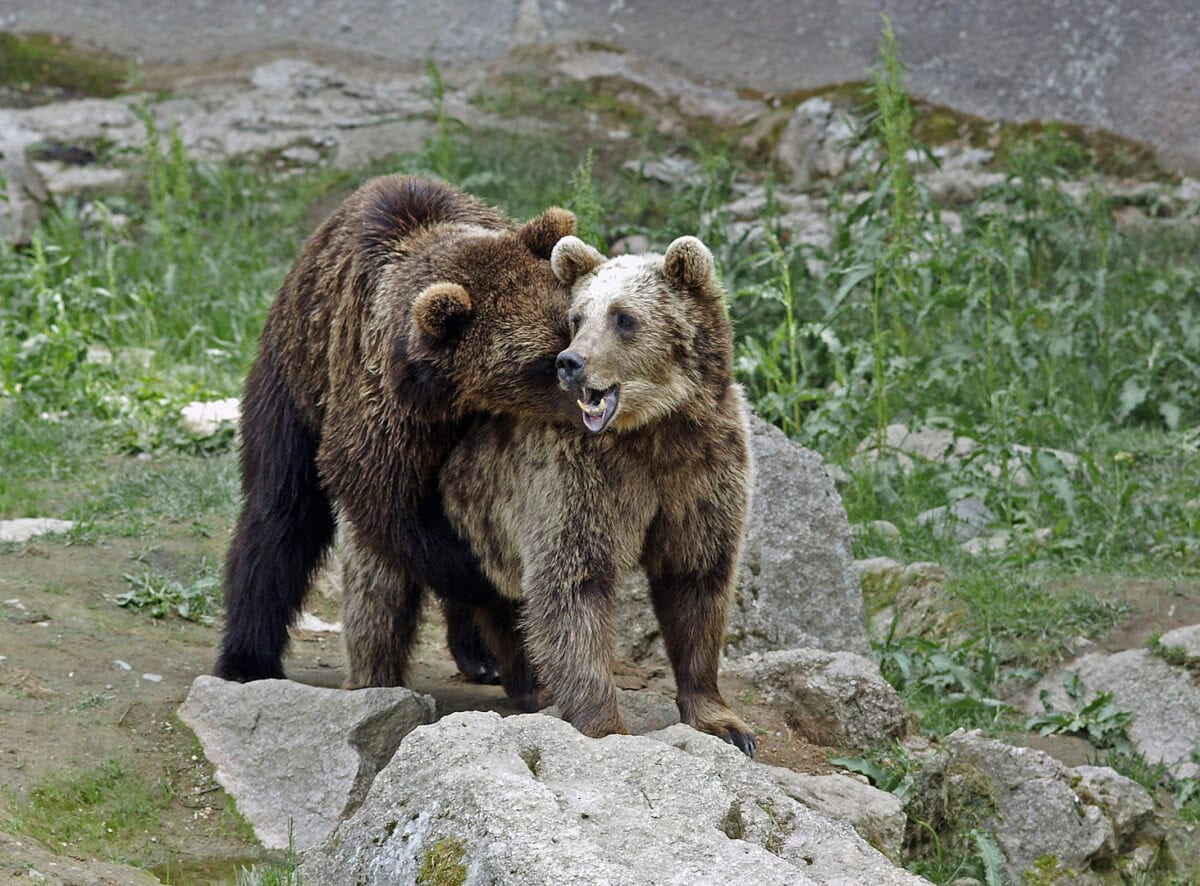
Winter preparation and hibernation have profound impacts on brown bear reproduction. Pregnant females give birth in their dens during the hibernation period. The cubs, often born blind and vulnerable, rely entirely on the nourishment provided by their mother’s milk, which is rich in fat and nutrients. The success of this reproductive strategy is highly dependent on the mother’s health and preparedness for winter.
Adapting to Climate Change

As climate change alters habitat conditions and food availability, bears must continually adapt their survival strategies. Unpredictable weather patterns and disrupted food sources can threaten bears’ ability to prepare adequately for winter. Conservation efforts and habitat protection play vital roles in supporting brown bear populations in the face of these challenges.
Brown bears are the epitome of nature’s adaptability and resourcefulness. Their preparation for winter involves intricate behavioral and physiological strategies, from hyperphagia to hibernation in carefully constructed dens. Understanding these processes highlights the beauty and complexity of wildlife survival and the importance of conserving these magnificent creatures and their habitats. As we continue to learn from and protect our natural world, the tales of bears and their winter preparation remain a fundamental part of Earth’s biological tapestry.

- Cuddling for Warmth: How Meerkats Stay Cozy - July 18, 2026
- This U.S. Lake Is Mysteriously Disappearing—Here’s What Scientists Say - July 18, 2026
- This Jellyfish Hunts in Packs - July 18, 2026