

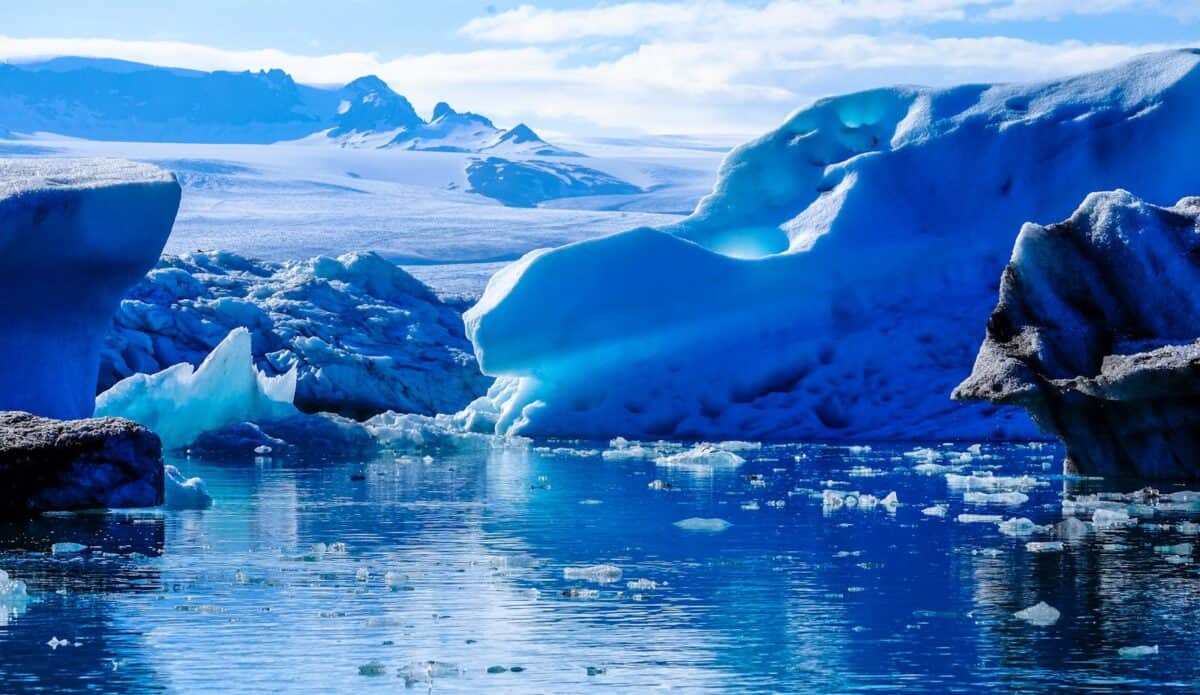
Climate change is no longer an abstract concept limited to rising global temperatures and erratic weather patterns—it is a critical reality that is fundamentally altering ecosystems and the wildlife landscape across the United States. As global temperatures climb and habitats shift, America’s wildlife is facing unprecedented challenges and transformations. Understanding these changes is crucial not only for scientists and conservationists but also for the general public, who have a stake in the future of their natural environment.
Melting Habitats in the Arctic

The Arctic region of the United States, particularly Alaska, is warming at double the rate of the global average. This rapid change is causing profound effects on the habitats of polar bears, seals, and other Arctic wildlife. As sea ice diminishes, polar bears struggle to find stable breeding grounds and adequate food sources. Seals, which rely on ice floes for resting and birthing, face similar challenges, leading to declines in population and health.
Shifting Migration Patterns

Many bird species in North America are experiencing shifts in their migration patterns due to climate change. Warmer temperatures are prompting earlier springs, resulting in earlier migration of birds such as the American robin and the ruby-throated hummingbird. This disrupts traditional breeding cycles and food availability, potentially impacting bird populations and the ecosystems they support.
Invasive Species Expansion

As temperatures rise, invasive species are expanding into new territories. Warmer climates allow species such as the Burmese python in the Everglades and the emerald ash borer in the Midwest to thrive in regions previously unsuitable for their survival. These invasive species often outcompete native wildlife, leading to altered ecosystems and loss of biodiversity.
Disrupted Food Chains
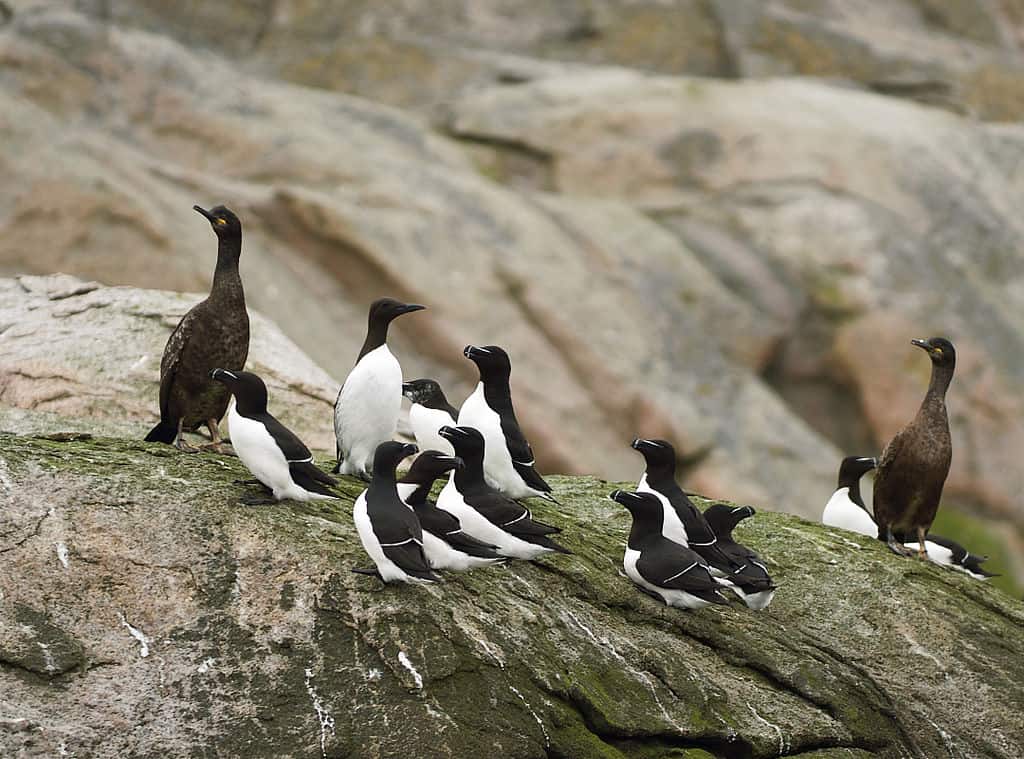
The intricacies of food chains are being unraveled by climate change. In oceanic ecosystems, rising sea temperatures and acidification disrupt plankton populations, the foundational food source for many marine animals. This has cascading effects throughout the food web, impacting fish populations, seabirds, and larger marine mammals.
Loss of Coastal Habitats
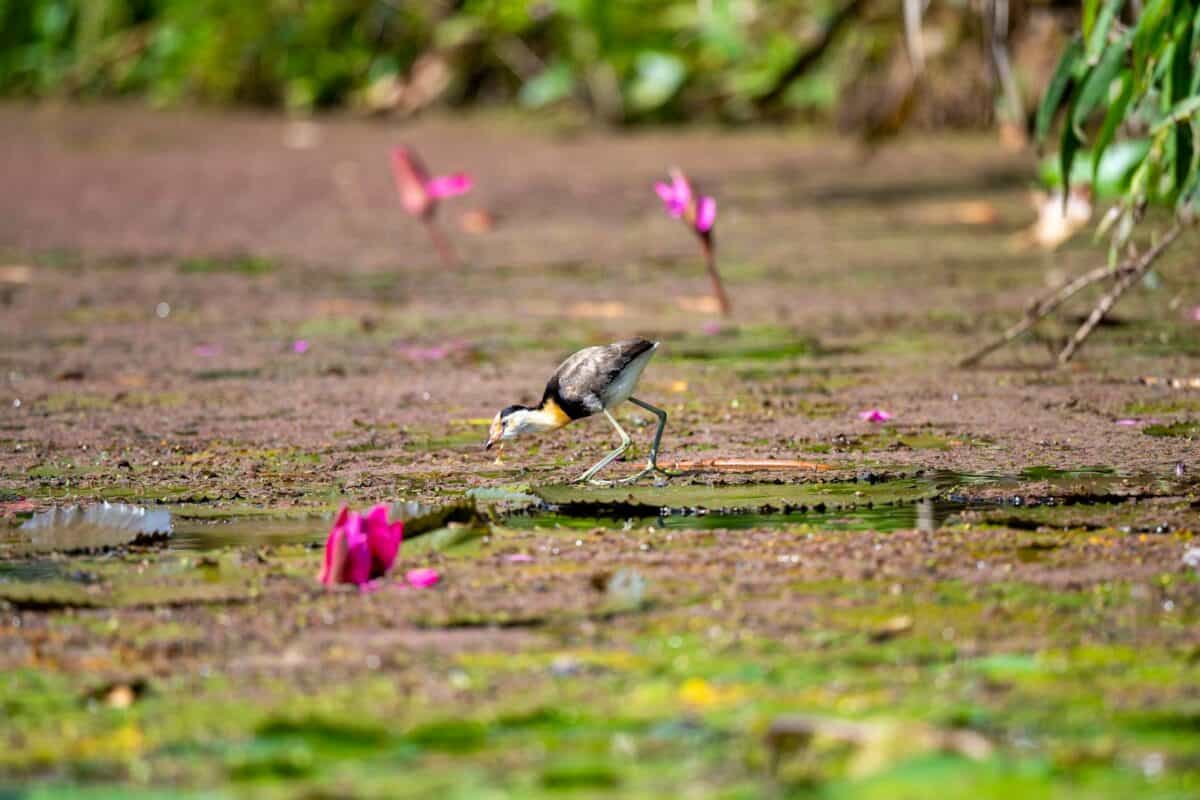
Sea level rise is another significant threat to coastal habitats. Wetlands, marshes, and estuaries provide crucial breeding and feeding grounds for various species, including fish, birds, and amphibians. As these habitats are submerged or eroded, wildlife populations reliant on them face increased stress and potential decline.
Forest Habitats Under Siege

Forests across America are feeling the impact of climate change through increased frequency and intensity of wildfires. While some species are adapted to fire-prone environments, others suffer drastic population declines. Increased temperatures and prolonged drought conditions exacerbate these fires, reshaping forests and the wildlife that inhabits them.
Adaptive Strategies of Wildlife

Despite the challenges, many species are demonstrating remarkable adaptability. Some animals are altering their behavior, breeding, and feeding habits to cope with environmental changes. For instance, some mammals and birds are extending their range northward to find cooler habitats, showcasing a potential for resilience in the face of climate change.
Impact on Aquatic Ecosystems

Warmer temperatures and changing precipitation patterns are altering freshwater ecosystems across the country. Fish species like trout and salmon, which require cold, clean water to thrive, are experiencing habitat shrinkage. Changes in stream flows and water temperatures can lead to reduced reproductive success and population declines.
Fragmentation of Habitats

As habitats shift and contract due to climate change, wildlife populations become more isolated. This fragmentation makes it difficult for animals to migrate, find mates, and maintain genetic diversity. Conservation corridors are being developed as a solution to connect these fragmented habitats and support biodiversity.
Redistribution of Predators

Climate changes affect not only prey species but also the predators that rely on them. As prey distributions shift, predators such as wolves and mountain lions may alter their territories, leading to new predator-prey dynamics. These shifts can have far-reaching impacts on the ecosystems they inhabit.
Challenges for Conservation Efforts

Conservationists face significant challenges as they work to protect wildlife in a rapidly changing climate. Traditional conservation strategies may need reevaluation and adaptation to effectively support species at risk. This includes prioritizing climate resilience in protected area management and restoration efforts.
The Role of Public Awareness and Action

Public awareness and proactive measures are essential in addressing the impacts of climate change on wildlife. Individuals can contribute by supporting conservation initiatives, engaging in sustainable practices, and advocating for comprehensive climate policies. Education and collaboration across communities can drive meaningful progress in preserving America’s wildlife heritage.
Conclusion

In conclusion, climate change is an undeniable force reshaping the American wildlife landscape. The challenges are vast and complex, but with focused conservation efforts, innovative strategies, and public engagement, there is hope for safeguarding the future of wildlife across the country. Understanding these transformations and taking action is paramount to preserving the incredible biodiversity that defines America’s natural heritage.

As a little kid, I fell in love with nature, wildlife, and animals. Living in the USA, South Africa, Italy, China and Germany gave me the opportunity to discover the world's Wildlife. My favorite animals are Mountain Gorillas, Siberian Tigers, and Great White Sharks.
I'm a certified PADI Open Water Diver, went to Everest Base Camp and Trekked Gorillas in Uganda. I hold a Master of Science in Economics and Finance.
Please send any feedback to feedback@animalsaroundtheglobe.com
- The Largest Octopus Ever Recorded Off the Coast of Washington - July 1, 2026
- 10 Patriotic Animals Associated With U.S. History - June 30, 2026
- 14 Reasons Chickens Make Surprisingly Great Pets - June 30, 2026