


Introducing a new adventure for your feline friend means considering every little detail, including how Colorado’s altitude might affect your cat. While Colorado offers stunning landscapes and a vibrant way of life, its high altitude presents unique challenges and rewards not just for humans, but also for our furry companions. Understanding these nuances is key to ensuring your cat thrives in the Mile High State.
Understanding Altitude: What Does It Mean for Cats?

Altitude refers to the height of a location above sea level. Colorado is known for its high altitude, with Denver famously sitting at 5,280 feet—exactly one mile above sea level. This can have special implications for cats, whose behavior and health are closely tied to their environment. Here, the air is thinner, meaning it contains less oxygen, which can affect your cat’s body and behavior in various ways.
Initial Adjustment Period for Cats

Just as humans may experience altitude sickness, cats also need time to adjust to the high altitude of Colorado. During this initial period, which usually lasts a few days to a week, your cat might behave differently as it acclimatizes to the new oxygen levels. Common signs might include increased lethargy or restlessness.
Changes in Breathing Patterns

High altitude requires all animals, including cats, to breathe more heavily to obtain the necessary oxygen. You might notice your cat breathing more rapidly than usual, which is its natural response to the reduced oxygen in the air. This should stabilize as your cat acclimates.
Impacts on Activity Level

Cats in Colorado might initially display changes in their activity levels. Some may become less active due to the increased effort required for physical activities like running and jumping. However, over time, most cats adjust and return to their typical playfulness.
Appetite and Hydration

Altitude can affect a cat’s metabolism, which may lead to changes in appetite. You may notice your cat eating more as it burns more calories to maintain its body temperature in the cooler, dry air. Hydration is also crucial, as cats can become dehydrated more easily in high-altitude environments.
Effect on the Coat and Skin

The arid climate associated with higher altitudes can lead to dryness, affecting your cat’s skin and coat. Regular grooming and ensuring adequate hydration can help maintain a healthy, shiny coat. Consider using a humidifier to add moisture to the air, reducing these effects.
Behavioral Changes: Stress and Anxiety

Moving to a high-altitude environment can be a stressor for your cat, particularly if it’s used to a sea-level home. Look out for signs of anxiety such as excessive grooming, hiding, or vocalization. Providing comfort and keeping a routine can help mitigate these stresses.
Potential Health Concerns

While most cats adjust well, some may experience health issues such as altitude sickness or exacerbated pre-existing conditions. It’s important to monitor their health and consult a veterinarian if you have any concerns, especially if your cat exhibits prolonged symptoms like vomiting or severe lethargy.
Benefits of High Altitude for Cats

On a positive note, the high altitude and climate of Colorado can offer some benefits. The generally cooler temperatures can be comfortable for cats, and the mountain air may contribute to fewer allergies and respiratory issues compared to more polluted urban environments.
Adapting Your Home Environment

Making small changes to your home can ease your cat’s transition to high altitude. Ensure your cat has plenty of fresh water, provide cozy and warm spaces for rest, and maintain a stable temperature to combat the cooler air.
Introducing Physical Activity Gradually
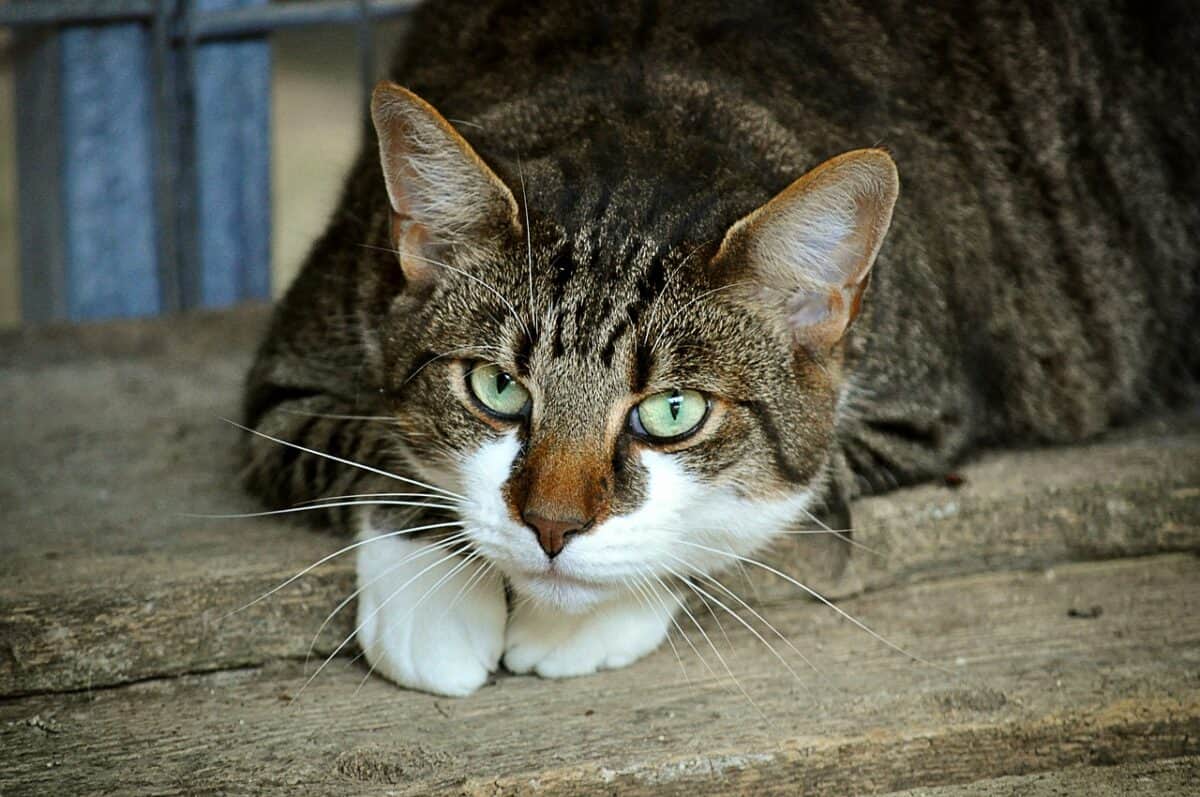
Gradually introducing physical activity can help your cat build up its stamina in a high-altitude environment. Play sessions should be kept short and fun, allowing your cat to rest as needed while gradually adjusting to the new altitude.
Veterinary Check-Ups Are Essential

Regular veterinary check-ups are even more crucial in a high-altitude state like Colorado. A veterinarian familiar with high-altitude challenges can provide advice tailored to your cat’s specific needs, ensuring a healthy and happy life in their new environment.
Understanding and Preparing Your Feline
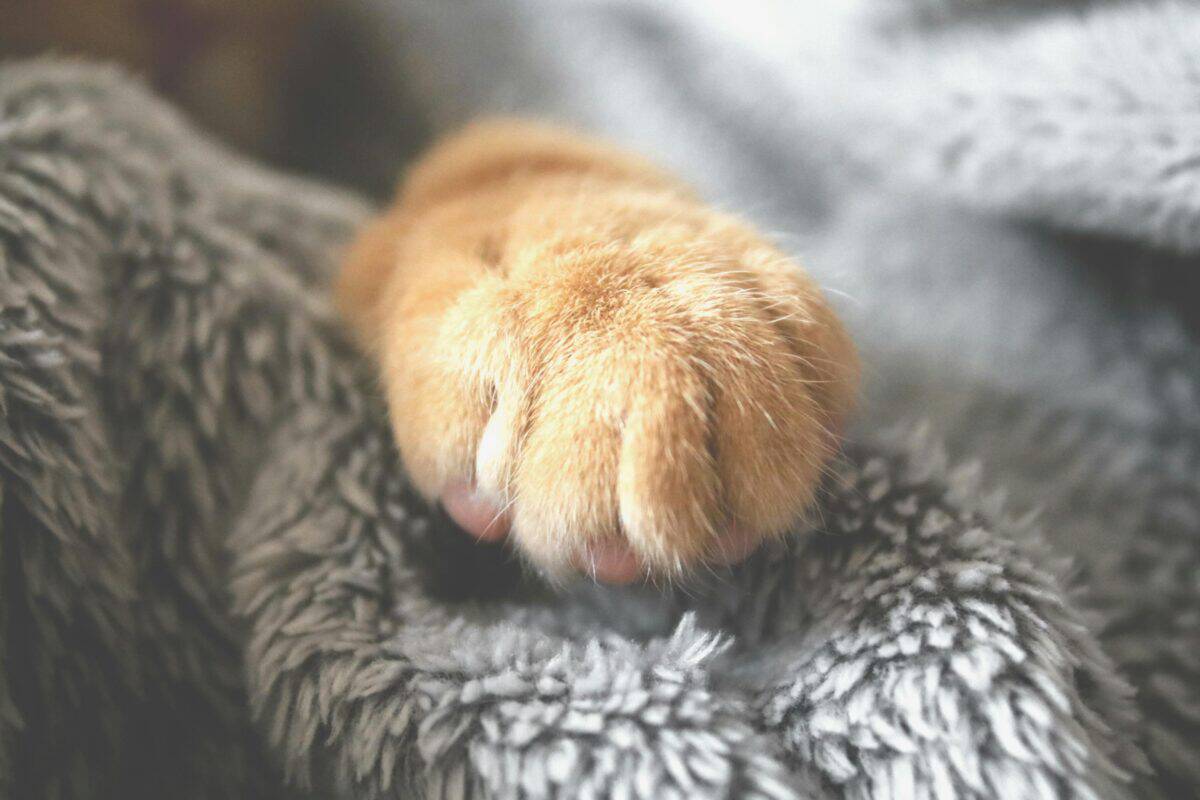
While high altitudes do come with a learning curve for your feline friend, understanding and preparing for these changes can lead to a smooth transition. By monitoring your cat’s health and behavior changes and consulting with your veterinarian, you can help your pet thrive in Colorado’s beautiful yet challenging landscape. With time, your cat will likely enjoy the benefits that come with life in the Rockies, embracing its inner mountain explorer.

From exploring the marine wonders in the Azores and witnessing the vast savannas of Kenya, to delving deep into the rich biodiversity of South Africa and traversing iconic landscapes in Australia and the US like Yellowstone, Chris's experiences are vast.
With a penchant for diving alongside sharks, the ocean holds a special place in his heart.
Through his academic insights, he champions wildlife conservation, striving with 'Animals Around The Globe' to cultivate a profound connection between humans and animals, enhancing our mutual appreciation.
Connect with him at Feedback@animalsaroundtheglobe.com.
- Meet the Mantis Shrimp: The Sea Creature That Punches Like a Bullet - July 18, 2026
- Dugongs and Their Slow Mating Rituals in the Ocean - July 18, 2026
- How Animal Exhibits Are Evolving to Promote Conservation - July 17, 2026