

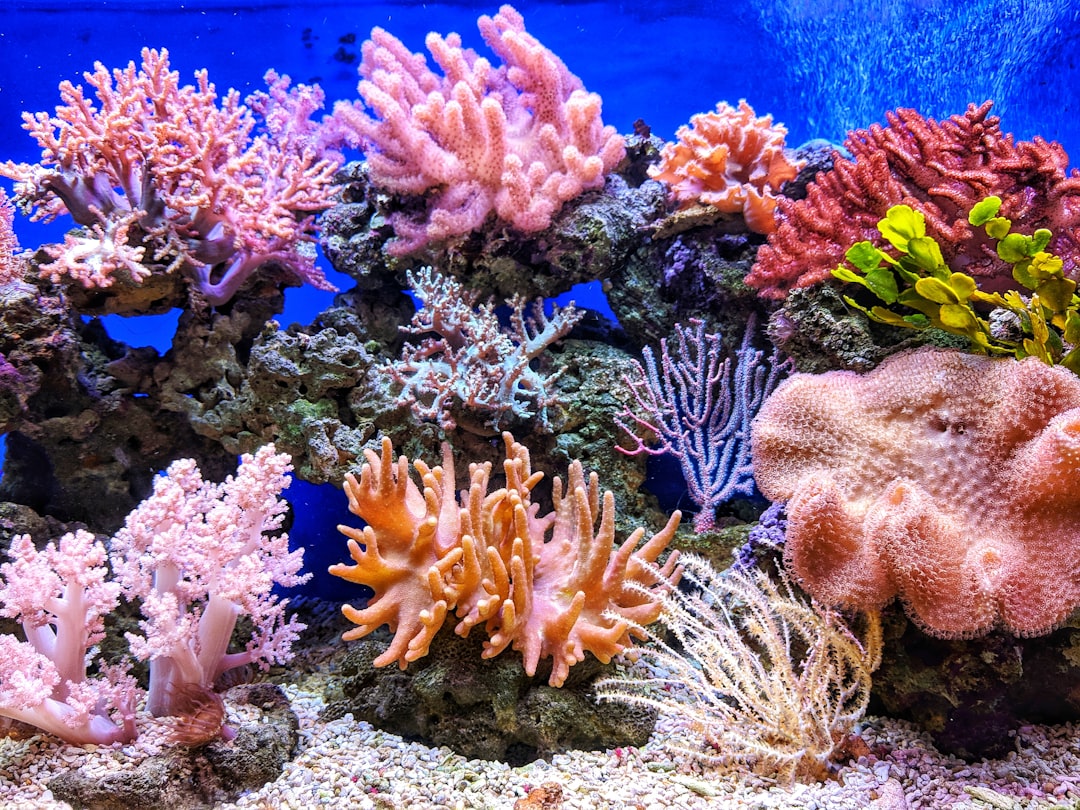
A Desperate Bid Against Accelerating Losses (Image Credits: Unsplash)
Phuket, Thailand – In a quiet laboratory, scientists preserve coral larvae and symbiotic algae through cryopreservation, creating a genetic archive to bolster future reef restoration amid escalating climate pressures.
A Desperate Bid Against Accelerating Losses
Thailand’s coral reefs support more than 300 species, yet they have faced relentless mass bleaching events from 2022 through early 2024.[1][2] Extreme marine heat waves triggered widespread die-offs, compounded by local threats. Projections indicate that a majority of the world’s reefs could decline sharply by 2050 if trends continue.
Researchers at Phuket Rajabhat University established the nation’s first coral cryobank facility in June 2025.[1] This effort forms part of the Coral Research & Development Accelerator Platform, or CORDAP, initiative. The facility targets fast-growing branching corals like those in the genus Pocillopora, known as cauliflower corals, alongside their essential symbiotic algae from the Symbiodiniaceae family.
Mastering the Art of Coral Freezing
Molecular biologist Preeyanuch Thongpoo leads the cryopreservation work. Teams collect larvae during narrow spawning windows and store them in liquid nitrogen at minus 196 degrees Celsius.[1] This process halts biological activity, allowing samples to remain viable for decades.
Chiahsin Lin, a researcher from Taiwan’s National Museum of Marine Biology and Aquarium, trained the Phuket team in vitrification techniques. These methods prevent ice crystal formation that could damage delicate tissues. Early trials encountered hurdles, such as maintaining healthy broodstock corals to produce viable larvae. The team now refines protocols species by species.
Threats Piling Pressure on Reefs
Beyond warming oceans, Thai reefs suffer from human activities. Tourism brings physical damage from divers, snorkelers, and boat anchors. Coastal development adds sedimentation and nutrient pollution, fueling algal overgrowth.
Overfishing disrupts ecosystems, while wastewater from resorts exacerbates water quality issues. A recent coast-to-coast assessment revealed declining reef complexity across Thailand.[1]
- Mass bleaching from heat stress (2022-2024)
- Tourism-related breakage and abrasion
- Sedimentation from shoreline modification
- Nutrient loading and algal blooms
- Overfishing reducing biodiversity
Toward Resilient Restoration
“To ensure we have a complete genetic library that can be used for future restoration efforts, we must consider all these groups of corals,” Preeyanuch Thongpoo stated.[1] The cryobank aims to build reefs that prove both biodiverse and adaptable to warmer waters.
Petch Manopawitr, a conservation adviser with WildAid, described the facility as a “long-term genetic insurance policy.” Community-led marine protected areas in provinces like Chumphon and Ranong complement lab efforts. Government initiatives promote local stewardship to curb unsustainable practices.
| Coral Lifecycle Stage | Thaw Survival Rate |
|---|---|
| Sperm | 50-70% |
| Larvae | 15-35% |
Key Takeaways
- Cryobanks preserve genetic diversity for future use when oceans cool.
- Success demands pairing with in-situ protections like better water quality.
- Regional networks expand capacity across the Coral Triangle.
The cryobank buys crucial time, yet Preeyanuch warns it could become merely “a storage unit for extinction” without urgent action on root causes. As Thailand advances this technology, the true test lies in restoring healthy seas. What steps should nations take next to protect their reefs? Share your thoughts in the comments.

- Urban Coyotes Show Remarkable Adaptability, Learning to Thrive in City Environments - July 22, 2026
- Beavers Are Nature’s Engineers, Creating Vital Habitats for Other Wildlife Species - July 21, 2026
- The Recovery of the California Condor Offers Hope for Other Critically Endangered Birds - July 21, 2026