

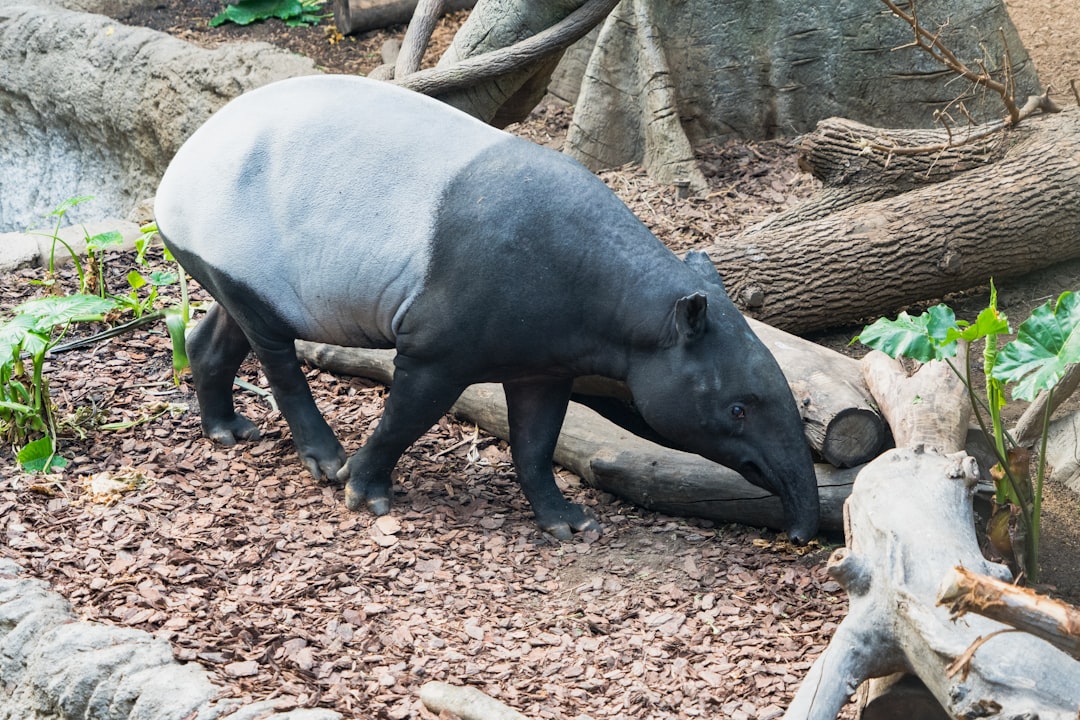
Challenging Long-Held Assumptions (Image Credits: Unsplash)
Declining wildlife populations expose hidden vulnerabilities rooted in everyday social behaviors that researchers long overlooked.
Challenging Long-Held Assumptions
A new study upends conventional wisdom by showing that loosely social animals suffer more during population drops than their highly social counterparts.[1][2] Scientists at the University of Colorado Boulder analyzed ecological theory, models, and case studies to reveal this pattern. Previously, experts focused on species like wolves and meerkats, assuming stable groups made them fragile. Those animals, however, often rebound by recruiting new members.
Loosely social species tell a different story. They form temporary bonds rather than fixed groups, relying on chance encounters for benefits like shared predator alerts or foraging tips. As numbers fall, these interactions dwindle, trapping populations in downward spirals. First author Samantha Rothberg noted, “When you remove individuals, you’re not just removing those individuals from the population, you’re also removing the benefits that they conferred on surviving individuals. That creates a feedback loop.”[1]
Unpacking Allee Effects in Social Contexts
Allee effects occur when animals thrive more in larger groups, a concept first described nearly a century ago by Warder Clyde Allee. In highly social species, bigger groups boost reproduction and survival through cooperative care. Meerkats, for instance, raise more surviving offspring when clans expand.[3]
Loosely social animals experience similar gains from fleeting contacts, but they lack mechanisms to restore them. Senior author Michael Gil explained, “It’s intuitive that we think the more social a species is, the more vulnerable it is to losing those interactions.”[4] Yet highly social groups act like extroverts, reforming to maintain benefits. Their loosely social peers, more like introverts, simply encounter fewer others, amplifying risks. This dynamic, termed “pervasive loose sociality,” drives demographic Allee effects across diverse taxa.
Species Spotlight: From Forests to Backyards
Examples abound among common wildlife. Deer gather loosely while foraging, exchanging cues on food or threats. Squirrels and chickadees share similar patterns, as do agoutis and tapirs in tropical habitats.[1] Invertebrates often cluster seasonally without lasting ties.
- Deer: Temporary foraging groups aid resource location.
- Chickadees: Brief perch chats warn of predators.
- Squirrels: Loose associations boost vigilance.
- Agoutis and tapirs: Infrequent meetings support survival in declining habitats.
- African wild dogs (contrast): Reform packs to sustain benefits despite losses.
These interactions seem minor but aggregate to determine resilience. Gil observed birds outside his window, adding, “Those moment-to-moment interactions are easy to take for granted. We now realize that, in aggregate, they can determine whether a population survives or collapses.”[2]
Conservation Lessons Amid Global Declines
Global wildlife populations have plunged at least 73% over the past 50 years, fueling the sixth mass extinction, according to the World Wildlife Fund.[1] Habitat loss, climate change, and exploitation fragment ranges, slashing encounter rates. The study offers a framework to pinpoint at-risk species, urging focus beyond habitat alone.
Strategies must preserve connectivity to foster interactions. Protecting corridors could help deer or chickadees maintain vital contacts. This shift broadens threats to include widespread loosely social taxa, demanding updated priorities.
Key Takeaways
- Loosely social species enter feedback loops during declines, heightening extinction odds.
- Highly social groups compensate by reforming, buffering Allee effects.
- Conservation should prioritize interaction opportunities alongside habitats.
This research reframes extinction risks, proving social subtlety matters as much as numbers. What steps can we take to safeguard these overlooked bonds? Share your thoughts in the comments.

- Urban Coyotes Show Remarkable Adaptability, Learning to Thrive in City Environments - July 22, 2026
- Beavers Are Nature’s Engineers, Creating Vital Habitats for Other Wildlife Species - July 21, 2026
- The Recovery of the California Condor Offers Hope for Other Critically Endangered Birds - July 21, 2026