


In the warm evenings of summer, the distinctive chirping of crickets provides a soothing soundtrack to the night. This familiar sound, often associated with peaceful rural settings, is actually a remarkable feat of natural engineering. Crickets don’t have vocal cords like humans or even syrinxes like birds. Instead, they produce their characteristic sounds through a specialized process involving their wings. This fascinating behavior, known as stridulation, is primarily performed by male crickets as part of their mating ritual. Let’s explore the intricate mechanisms behind how crickets chirp using their wings, the purpose of these sounds, and the surprising science behind this common yet extraordinary natural phenomenon.
The Basics of Cricket Chirping
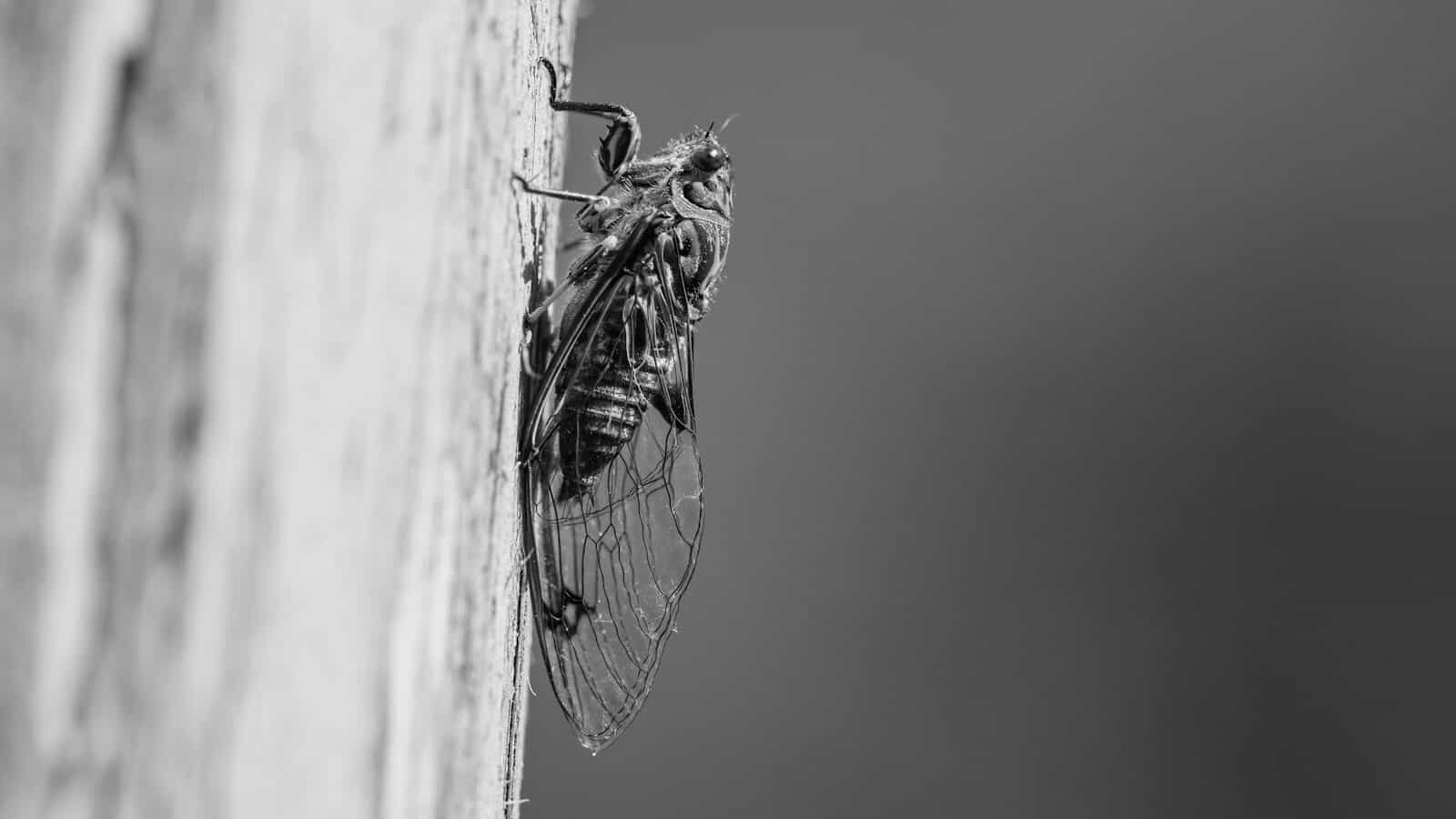
Cricket chirping, scientifically known as stridulation, is predominantly a male cricket behavior. Unlike many sound-producing animals, crickets don’t use their respiratory systems or specialized vocal organs to create sounds. Instead, they employ a mechanical method involving their wings. The primary purpose of this chirping is to attract female mates, though it can also serve to establish territory and warn other males of their presence.
Not all cricket species chirp in the same way or produce identical sounds. Of the approximately 900 cricket species worldwide, each has its own distinctive chirping pattern and frequency. These differences help female crickets identify males of their own species, ensuring successful reproduction. The most common chirping crickets in North America include the field cricket, house cricket, and tree cricket, each with its unique acoustic signature.
The Anatomy of Cricket Wings

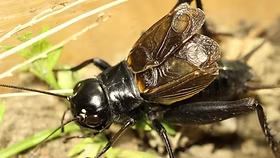
To understand how crickets chirp, we must first examine their wing structure. A cricket has two pairs of wings: the forewings (tegmina) and hindwings. The forewings are thicker and more leathery, serving primarily for protection and sound production rather than flight. The hindwings, which are more delicate and membranous, are used for flying. It’s the forewings that play the crucial role in sound production.
The underside of the left forewing features a specialized structure called a “file,” which consists of a row of microscopic teeth or ridges. The upper edge of the right forewing has a hardened region called the “scraper” or “plectrum.” When these specialized parts rub against each other in a specific motion, they create the characteristic chirping sound. This asymmetrical wing structure is essential for sound production and represents an evolutionary adaptation specifically for acoustic communication.
The Mechanism of Stridulation
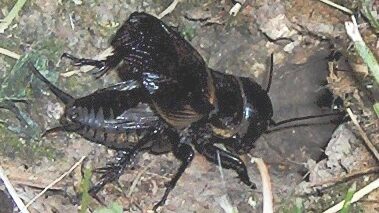
The actual process of stridulation is a marvel of natural engineering. To produce a chirp, a male cricket raises his forewings slightly and holds them at an angle of approximately 45 degrees from his body. He then rubs the scraper of the right wing against the file of the left wing in a rapid, controlled motion. Each time the scraper strikes a ridge on the file, it creates a pulse of sound, much like running a fingernail along the teeth of a comb.
This movement is not random but precisely controlled by specialized muscles that allow for consistent and rapid wing movement. A single chirp may involve dozens of individual tooth strikes happening in quick succession. The rate can be impressive—some cricket species can move their wings fast enough to hit up to 100 teeth per second during chirping, creating a continuous sound rather than distinct clicks. This remarkable speed and precision demonstrate the incredible evolutionary adaptations that have fine-tuned this communication system.
Amplifying the Sound

While the scraper-file mechanism generates the initial sound, crickets have evolved additional adaptations to amplify these vibrations. The cricket’s forewings have specialized areas called “harps” and “mirrors” that function similarly to the soundboard of a musical instrument. These membranous regions vibrate in response to the sounds created by the stridulation process, significantly increasing the volume and carrying distance of the chirps.
The harp is a thin, transparent membrane surrounded by veins that vibrates at the same frequency as the tooth strikes, while the mirror serves as an additional resonating structure. Together, these adaptations allow a tiny cricket, often less than an inch long, to produce sounds that can be heard from dozens of yards away. Some species can create sounds reaching 90 decibels at close range—equivalent to the noise level of a lawn mower. This impressive acoustic output helps ensure their mating calls reach potential partners across significant distances.
Different Types of Cricket Songs
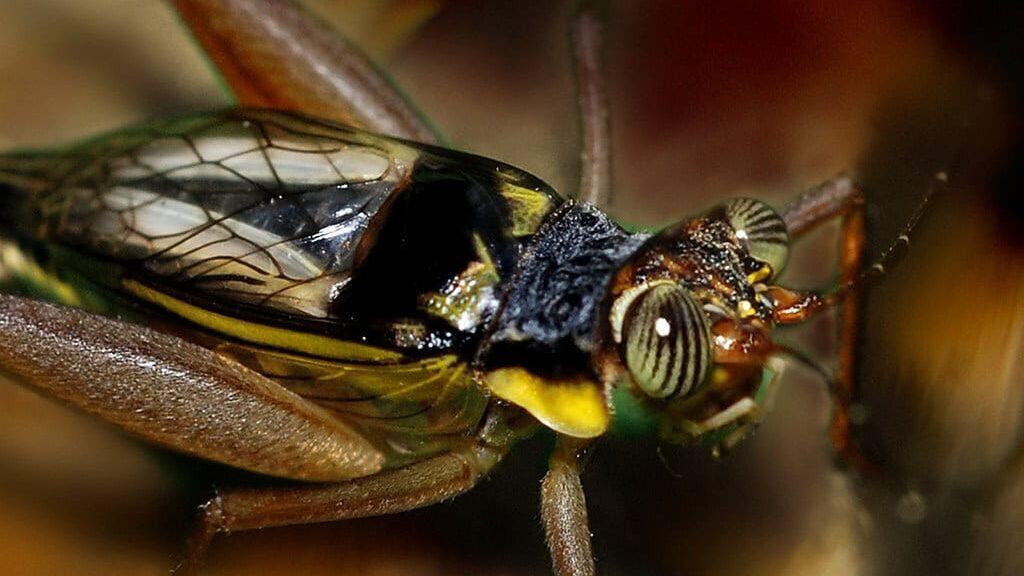
Cricket chirping. Image via Openverse
Male crickets don’t just produce a single type of chirp. They have an acoustic repertoire that includes several distinct songs, each serving a different communicative function. The most common is the “calling song,” a loud, rhythmic chirping produced to attract females from a distance. When a female approaches, males often switch to a softer “courtship song” with a different pattern to encourage mating. There’s also the “rivalry song,” which males use when competing with other males, and the “aggressive song,” used during territorial disputes.
Each song type has its own unique pattern of chirps, trills, and pulses, created by varying the speed and rhythm of wing movements. These acoustic signatures are so distinct that entomologists can often identify cricket species solely by their chirping patterns. The complexity of these communications reveals that cricket chirping is far more sophisticated than a simple noise-making mechanism—it’s a nuanced language that conveys specific information to other crickets.
The Role of Temperature in Cricket Chirping
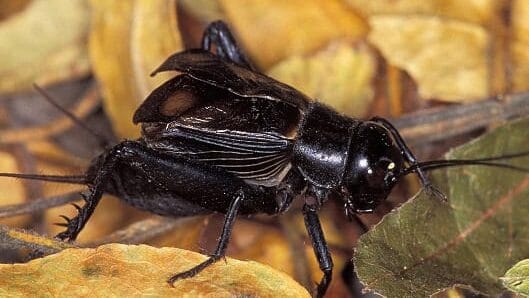
One of the most fascinating aspects of cricket chirping is its relationship with temperature. As ectothermic (cold-blooded) creatures, crickets’ metabolic rates are directly influenced by ambient temperature, which affects how quickly they can move their wings. In warmer conditions, crickets chirp more rapidly; in cooler temperatures, they chirp more slowly. This relationship is so consistent that it gave rise to “Dolbear’s Law,” named after American physicist Amos Dolbear who first described this phenomenon in 1897.
According to a simplified version of Dolbear’s Law, counting the number of chirps in 14 seconds and adding 40 will give you the approximate temperature in Fahrenheit. For example, if you count 30 chirps in 14 seconds, the temperature is likely around 70°F (21°C). This remarkable correlation has made crickets nature’s thermometers, allowing people to estimate outdoor temperatures just by listening to cricket chirps. The relationship also explains why cricket chirping often increases on warm summer evenings and diminishes as temperatures cool.
Hearing Their Own Chirps

For a communication system to be effective, crickets must be able to hear the sounds they and others produce. Crickets have tympanal organs—essentially simple ears—located on their front legs just below the knees. These organs consist of a tympanic membrane (eardrum) backed by an air chamber and connected to auditory neurons. This unique arrangement allows them to detect sound vibrations in their environment, including the chirps of potential mates or rivals.
Male crickets need to monitor their own songs to ensure they’re producing the correct patterns and volumes to attract females. However, producing such loud sounds so close to their hearing organs poses a risk of damage. To prevent this, crickets have evolved a fascinating adaptation: during chirping, their auditory neurons temporarily reduce their sensitivity, essentially giving themselves a form of “acoustic immunity” that protects their hearing while still allowing them to monitor their own sounds. This sophisticated feedback system ensures their communication remains effective without causing harm.
Female Response to Male Chirping
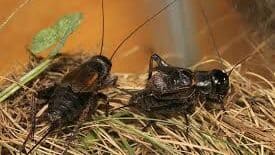
The primary purpose of male cricket chirping is to attract female mates, and females have evolved to be highly responsive to these acoustic signals. Female crickets can determine a remarkable amount of information from male chirps, including species identification, male size, health status, and genetic quality. Research has shown that females generally prefer males that produce louder, more energetic chirps, as these characteristics typically indicate a stronger, healthier mate with good genes.
When a female cricket detects an attractive calling song, she engages in phonotaxis—moving toward the sound source. This behavior requires sophisticated directional hearing to locate the male accurately. Female crickets determine direction by comparing the intensity and timing of sounds reaching each of their tympanal organs, similar to how humans use two ears to locate sounds. This remarkable system allows females to navigate toward potential mates even in complex environments with obstacles and competing sounds, ensuring the effectiveness of the male’s wing-based communication system.
Chirping Variations Across Species

The diversity of cricket chirping patterns across different species is remarkable. Field crickets (Gryllus spp.) typically produce a three-pulse chirp with brief pauses between chirps. Tree crickets (Oecanthus spp.) often create long, sustained trills that can continue for several seconds. Mole crickets (Gryllotalpidae) have evolved specialized burrows that amplify their calls, creating one of the loudest sounds in the insect world relative to body size. Each species’ unique chirping pattern serves as an acoustic “signature” that helps prevent hybridization between similar species.
Even within the same species, geographical variations in chirping patterns can occur, similar to regional “dialects” in human language. These variations may arise from genetic drift in isolated populations or from selective pressures unique to particular environments. The incredible diversity of cricket songs reflects the importance of acoustic communication in their evolutionary history and demonstrates how a relatively simple mechanism—wing stridulation—has evolved into a sophisticated system for conveying complex information.
The Evolution of Cricket Chirping
The ability to produce sounds using wings didn’t evolve overnight. Paleontological evidence suggests that stridulation in orthopteran insects (the order that includes crickets, grasshoppers, and katydids) dates back at least 250 million years. The earliest stridulatory mechanisms were likely much simpler than those we observe today, perhaps involving basic friction between body parts rather than specialized wing structures. Over millions of years, natural selection refined these mechanisms, gradually developing the complex file-and-scraper system present in modern crickets.
This evolution was driven primarily by sexual selection—females preferring males with more effective acoustic signals led to the development of increasingly sophisticated sound-producing structures. The co-evolution of male sound production and female hearing capabilities created an “acoustic arms race” that resulted in today’s highly efficient system. This evolutionary history explains why only male crickets typically chirp; female preference has shaped the development of this trait specifically in males as a way to advertise their genetic quality and fitness as potential mates.
Human Uses and Cultural Significance

Throughout history, humans have incorporated cricket chirping into cultural practices and folklore. In China and Japan, crickets have been kept as pets for their songs for over 2,000 years, with cricket-keeping reaching the level of an art form during the Tang Dynasty. Cricket fighting also became a popular form of entertainment, with certain singing qualities being highly prized. In Western cultures, cricket chirping has often been associated with peaceful summer evenings and rural settings, appearing frequently in literature and poetry as a symbol of tranquility.
Beyond cultural significance, cricket chirping has practical applications in modern contexts. The temperature-dependent nature of their chirping makes them useful as biological thermometers. Their sounds have been studied for applications in bioacoustics and biomimetics, with engineers drawing inspiration from cricket sound production to develop new technologies. Additionally, the study of cricket communication systems has contributed to our understanding of acoustic signal evolution, sexual selection, and animal communication more broadly, demonstrating how these small insects continue to influence human knowledge and innovation.
The seemingly simple chirp of a cricket represents one of nature’s most elegant examples of specialized communication. Through the precise engineering of their wings—complete with files, scrapers, and resonating chambers—male crickets transform simple friction into complex acoustic signals that carry specific information to potential mates and rivals. This remarkable adaptation demonstrates nature’s ingenuity in developing effective communication systems even in small organisms with relatively simple nervous systems.
As we’ve discovered, cricket chirping is far more than just background noise on summer evenings—it’s a sophisticated, temperature-dependent, species-specific communication system with its own syntax and meaning. The next time you hear crickets chirping, remember that you’re witnessing an evolutionary achievement millions of years in the making: an intricate sound production system created not by vocal cords or breath, but by the precise movement of specially adapted wings.
From their role as living thermometers to their cultural significance across civilizations, crickets and their wing-based songs continue to fascinate scientists and nature lovers alike. In these tiny musicians, we find a perfect example of how evolutionary processes can create remarkable specializations that enable effective communication, successful reproduction, and ultimately, the continuation of life—all through the seemingly simple act of rubbing wings together in the darkness.
As we continue to study these remarkable insects, we gain not only a deeper appreciation for the complexity of the natural world but also potential insights that might inspire new technologies and a better understanding of acoustic communication systems across the animal kingdom.

- Owls and Other Forest Dwellers of the Cascades - July 19, 2026
- What Happens When a Python Eats Something Too Big? - July 19, 2026
- Baby Koalas Hug Their Moms for Safety and Comfort - July 19, 2026