
Worried about unexpected vet bills?
Pet insurance can cover thousands in unexpected vet costs. Get a free quote from Lemonade in under 2 minutes.
Get My Free Quote →Sponsored · Opens Lemonade.com
You’ve just brought home that adorable ball of fur, full of energy and excitement. Life is busy. Work piles up, errands multiply, and suddenly dog training feels like something you can skip for now. Maybe later, you think. What’s the harm in waiting a bit longer?
Here’s the thing: choosing not to train your dog isn’t just about skipping a few tricks or commands. It’s about what happens when communication breaks down between you and your four-legged companion. Dogs without training can develop behavioral challenges that ripple through every aspect of their lives – and yours. From anxiety spiraling out of control to safety hazards lurking around every corner, the consequences run deeper than most people realize. Let’s dive into what really happens when training takes a backseat.
Behavioral Chaos Takes Over
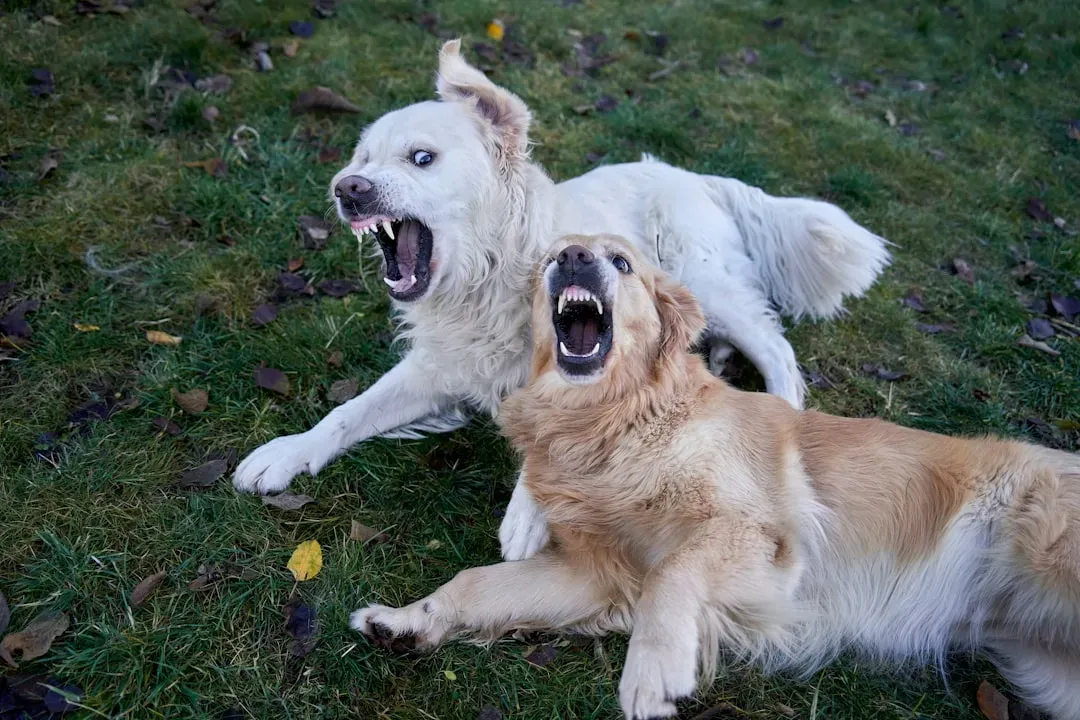
When training is skipped, dogs may struggle to comprehend their owner’s expectations, leading to confusion and frustration on both ends. Think about it like this: imagine living in a foreign country where you don’t speak the language and nobody explains the rules to you. That’s essentially what an untrained dog experiences every single day.
Many behavioral problems stem from lack of training, socialization, or even underlying health concerns. Dogs who haven’t learned basic commands become masters at developing their own behaviors – usually the ones you’d rather avoid. Jumping on guests, excessive barking, destructive chewing – these aren’t signs of a “bad dog,” they’re symptoms of a confused one.
Research from the 2020 PAW Report shows that 75% of dog owners would like to change their dog’s behaviour. You’re definitely not alone if your untrained pup is driving you up the wall. The most frustrating part? These issues don’t typically resolve themselves. Dog behaviour problems rarely resolve on their own, and active intervention is typically required for effective resolution.
Without structure, your dog invents his own entertainment. That might mean shredding your favorite shoes or turning your couch into confetti. In fact, many destructive behaviors in dogs can be resolved simply by implementing mental exercises every day. Training provides the framework your dog desperately needs to understand what you want from them.
Anxiety and Aggression Become Real Problems
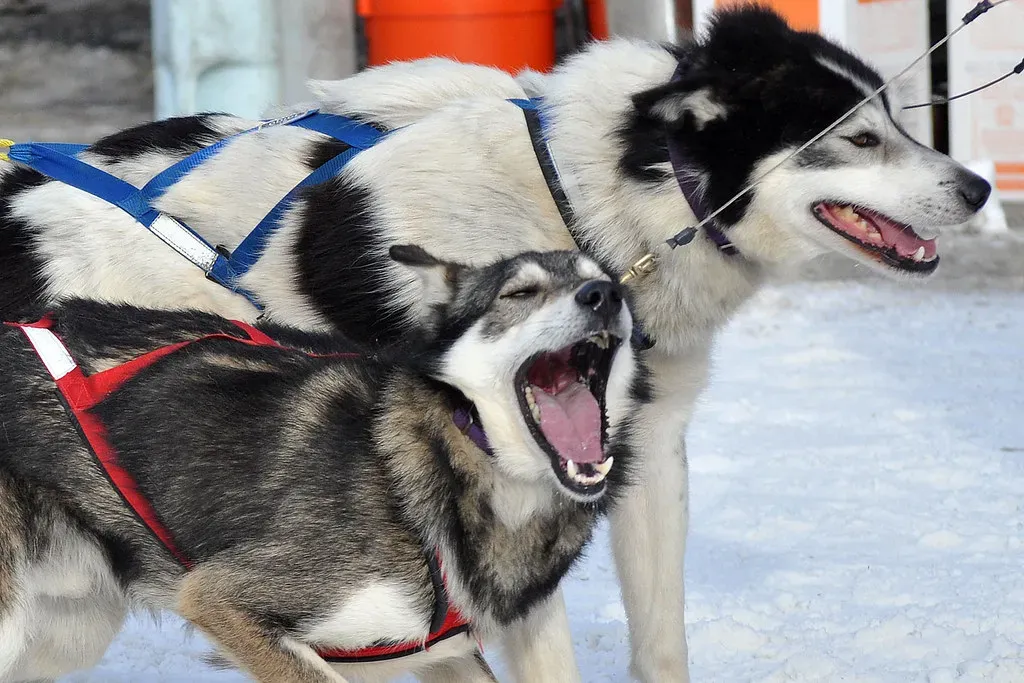
Let’s be real – untrained dogs often become anxious dogs. Anxiety or uncertainty underlies most dog aggression, according to the scientific community. When dogs don’t understand what’s expected of them or how to navigate social situations, stress builds up like a pressure cooker ready to explode.
Being left alone or untrained during development can lead dogs to be more fearful as they age. That fear doesn’t just disappear – it morphs into something more troubling. Fear- or anxiety-related aggression is perhaps the most common form of aggression in dogs. Your sweet puppy might start growling at strangers or lunging at other dogs during walks, not because they’re inherently mean, but because they’re terrified and lack the tools to cope.
The connection between training and mental health runs deeper than most people expect. Research has shown that dogs with consistent training routines have lower levels of cortisol, the stress hormone. Training actually acts like therapy for dogs, giving them confidence and clarity about their world. Without it, every new situation becomes a potential threat.
Dogs with unaddressed behavioral problems not only threaten public health but are more likely to be surrendered and euthanized. That’s a harsh reality nobody wants to face. Something as preventable as skipping training can eventually lead to heartbreaking outcomes.
The Bond Between You Crumbles
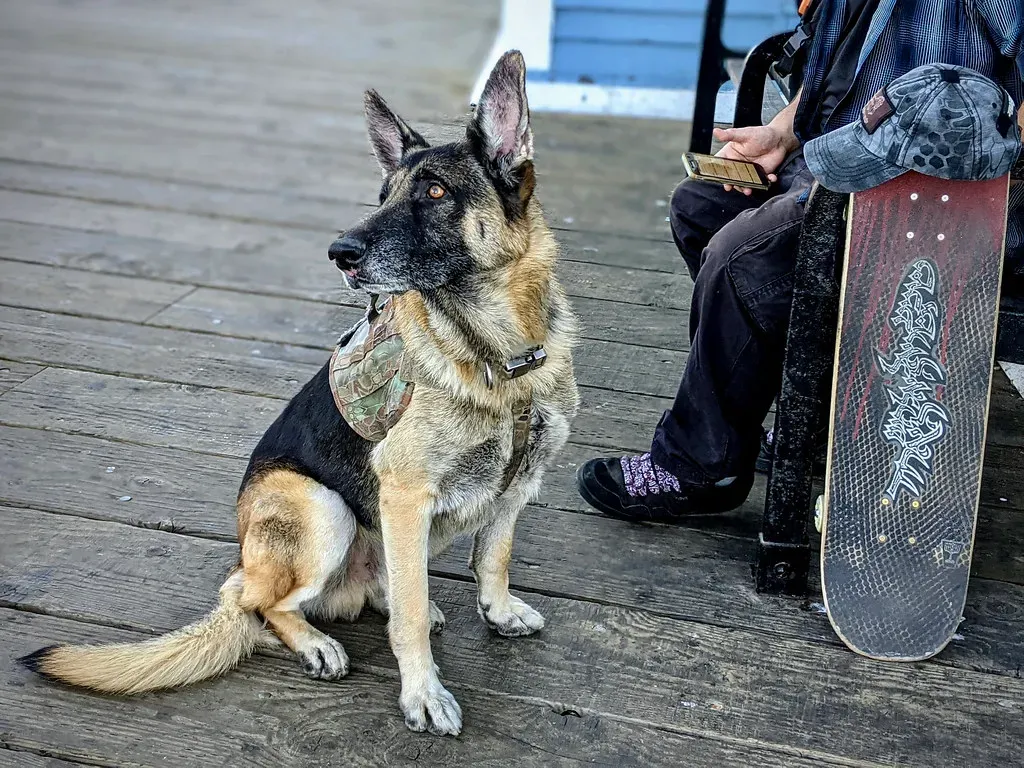
The absence of training can strain the relationship between dog and owner, as frustration, disappointment, and a lack of understanding can erode the bond that should be based on trust, mutual respect, and effective communication. Your relationship with your dog isn’t just about love and cuddles – it requires mutual understanding.
Picture this scenario: your dog constantly ignores you, pulls relentlessly on the leash, and refuses to come when called. Over time, walks become stressful battles instead of enjoyable bonding moments. The joy of dog ownership may diminish as the challenges and behavioral issues escalate. You start avoiding taking your dog places, and resentment sneaks in where affection used to live.
Training creates a shared language. Training serves as a means of communication between dogs and their owners, enabling dogs to understand and respond to cues and commands, creating a harmonious living environment. Without that language, you’re both lost in translation. Your dog wants to please you but has no idea how.
Training helps in strengthening the bond between a dog and its owner, and when a dog learns new commands, it gains confidence as it understands what is expected of it, fostering trust and deepening the bond. Dogs that understand their role in the family feel more secure and connected. Skip that foundation, and you’re building a relationship on shaky ground.
Safety Becomes a Serious Concern
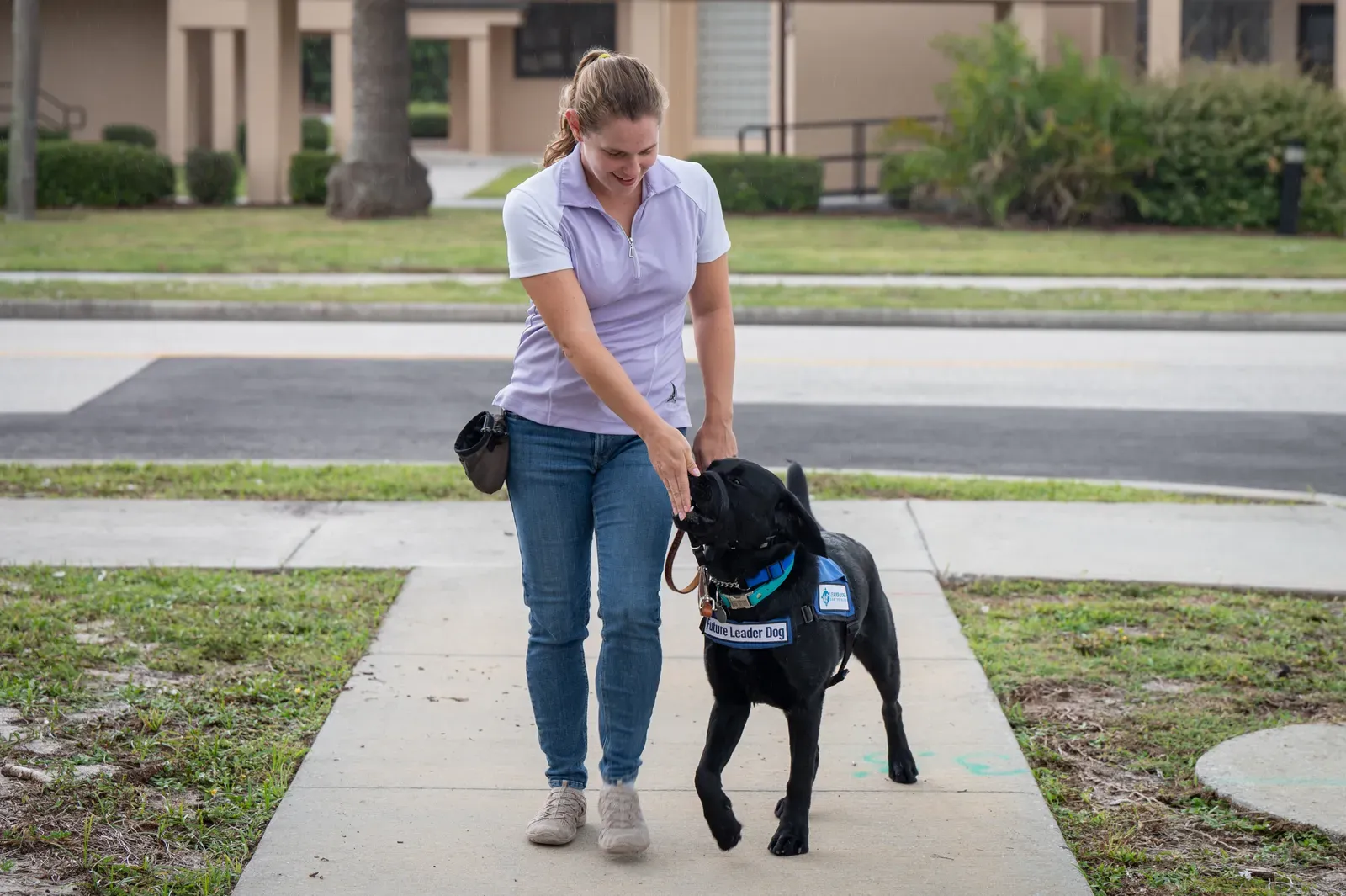
Here’s where things get genuinely dangerous. Training plays a pivotal role in ensuring the safety of both dogs and those around them, and dogs that lack training may exhibit unruly behavior, such as running off, chasing after cars or pedestrians, or approaching other animals aggressively. Imagine your dog bolting into traffic because they never learned to come when called. That’s not hypothetical – it happens.
Approximately 4.5 million people are bitten by dogs in the United States each year, and more than 800,000 dog-bite victims require medical attention, according to the Centers for Disease Control and Prevention. Not all of these incidents stem from untrained dogs, but training significantly reduces the risk. A dog that understands basic commands like “sit,” “stay,” and “leave it” is exponentially safer to have around people and other animals.
Think about everyday situations that could turn hazardous. Your untrained dog sees a squirrel and yanks the leash right out of your hand. Or maybe they greet visitors by jumping enthusiastically, accidentally knocking over a child. These aren’t intentional acts of aggression – they’re the predictable results of absent training.
The most dangerous symptom of dog anxiety is aggression, and even if a dog is prevented from harming others, aggressive behaviors such as growling or barking can lead to undesirable situations for humans and dogs, alike. Safety isn’t just about preventing worst-case scenarios – it’s about creating an environment where everyone feels comfortable and secure.
Mental Stimulation Goes Missing
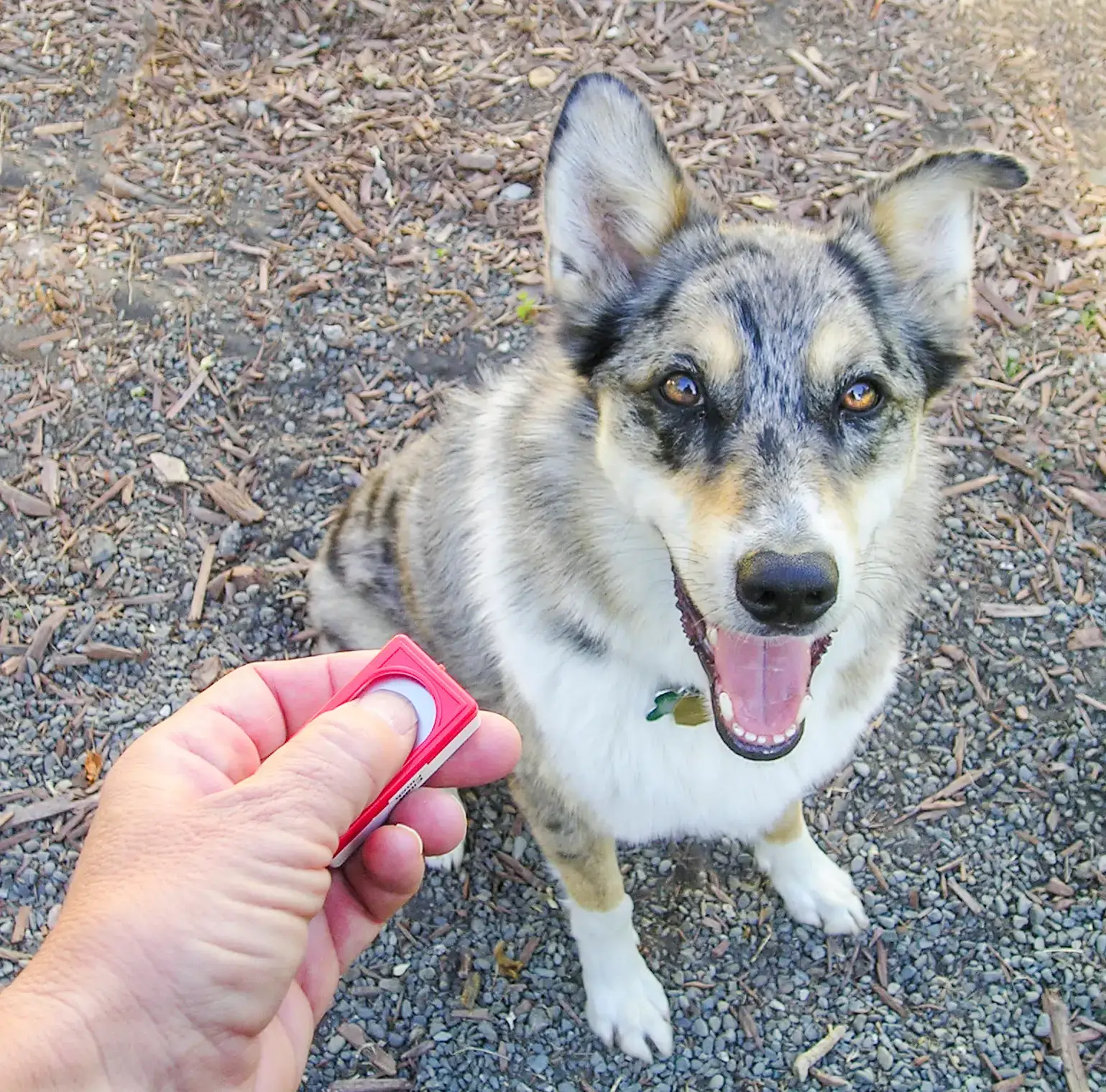
Dogs aren’t just physical creatures that need walks and playtime. Dogs require mental stimulation along with physical exercise to maintain their overall health, and dog owners can give their dog interactive puzzles or use obedience training to help keep their brains healthy and active. Training exercises their brains just as much as a long walk exercises their bodies.
Mental exercises can actually make dogs even more tired than physical exercise. It sounds crazy, right? Yet learning new commands and solving problems engages your dog’s mind in ways that simply running around the yard never will. Without training, you’re essentially leaving your dog mentally understimulated – and bored dogs become destructive dogs.
Without proper mental stimulation, your canine companion can become bored, anxious, and even depressed, especially for high-energy breeds or working dogs who are used to having jobs to do. Breeds like Border Collies or German Shepherds were literally designed to work and think. When you don’t give them mental challenges, they create their own – usually ones you won’t appreciate.
Training sessions challenge a dog’s mind by teaching them new commands, tricks, and problem-solving skills, and this mental engagement helps prevent boredom and the associated behavioral issues that can arise from it. Even five to ten minutes of training daily can make a massive difference. Your dog’s brain stays sharp, engaged, and satisfied. Skip it, and you’re leaving a crucial piece of their wellness puzzle incomplete.
Long-Term Quality of Life Suffers

Choosing not to train a dog can lead to a host of challenges and consequences that impact the dog’s behavior, safety, social interactions, and overall well-being. We’re not just talking about temporary inconveniences – we’re talking about your dog’s entire quality of life over their years with you.
Untrained dogs often miss out on experiences that make life rich and fulfilling. They can’t go to dog parks because they don’t behave around other dogs. They can’t accompany you to outdoor cafes or on road trips because their behavior is unpredictable. Well-trained dogs are often more social and less fearful in different environments, which can lead to a more enjoyable and less stressful life for both the dog and the owner.
Here’s something that might surprise you: A survey highlighted that dogs with mental stimulation live on average 15% longer than those without. Training isn’t just about behavior – it’s about longevity and health. Dogs with structured routines and mental engagement actually age better. Research has shown that dogs involved in challenging activities face less cognitive decline, and like how puzzles benefit elderly humans, dog puzzles help maintain mental vigor.
Investing time and effort into training is a responsible choice that fosters a harmonious coexistence and enhances the dog’s quality of life. Training isn’t some optional luxury for overachievers – it’s fundamental to your dog living their best life. The time you invest now pays dividends in years of companionship, fewer behavioral headaches, and a genuinely happy dog who knows their place in your family.
Conclusion
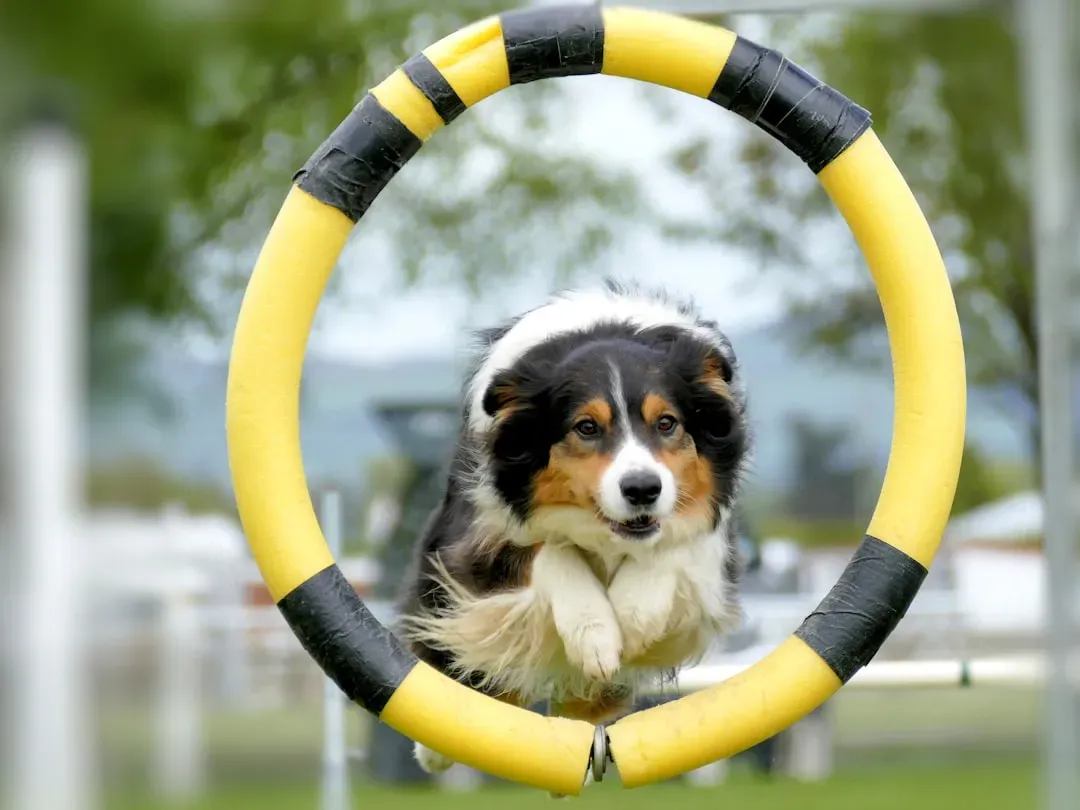
Neglecting dog training isn’t a small oversight. It’s a decision that echoes through every aspect of your dog’s existence – from the anxiety they carry daily to the opportunities they miss and the shortened connection between you. Training gives your dog the gift of understanding their world, knowing what you expect, and feeling confident in their skin.
The good news? It’s never too late to start. Even older dogs can learn and benefit from structure and mental stimulation. The transformation might surprise you – what seemed like an unmanageable troublemaker could become your most loyal, well-adjusted companion with consistent, positive training.
So what are you waiting for? Your dog is counting on you to be their guide, their teacher, and their safe place in a confusing world. Have you thought about what your relationship with your dog could become with just a little training? The difference might be everything.
Worried about unexpected vet bills?
Pet insurance can cover thousands in unexpected vet costs. Get a free quote from Lemonade in under 2 minutes.
Get My Free Quote →Sponsored · Opens Lemonade.com
