

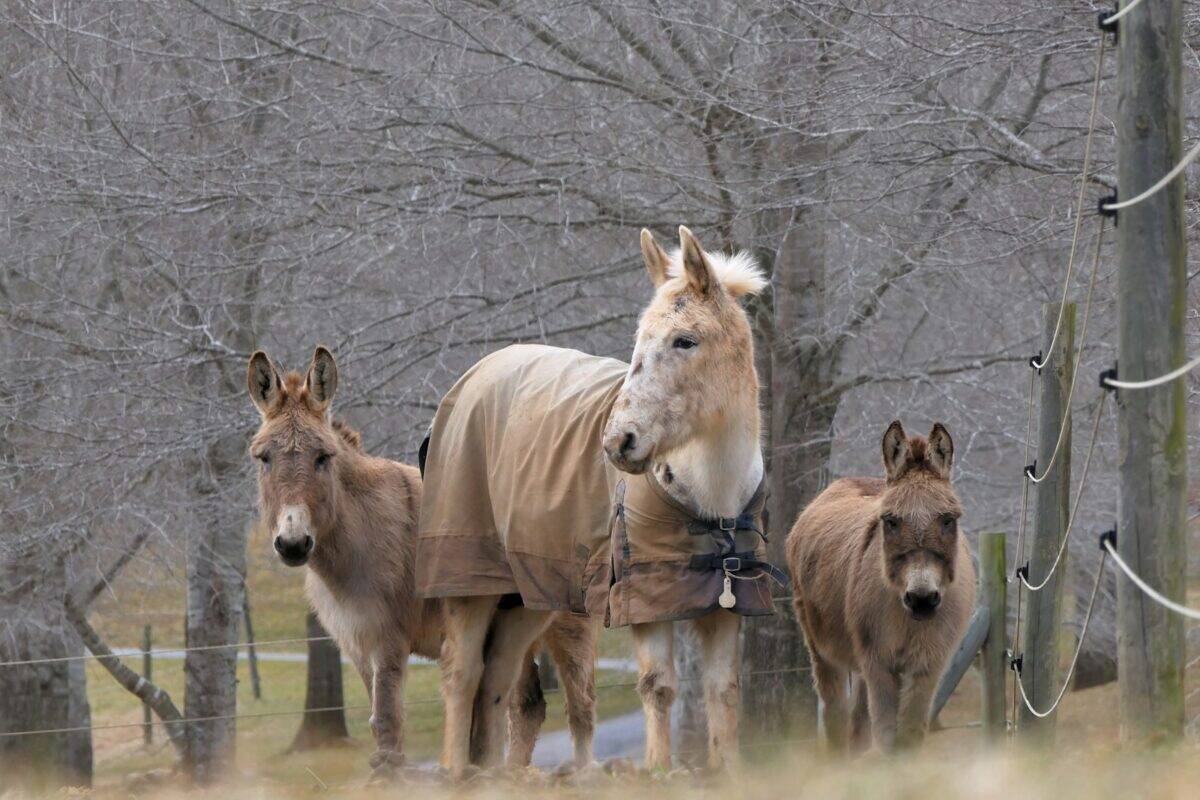
In the most extreme environments on Earth, from scorching deserts to frigid mountains, donkeys demonstrate remarkable resilience. These hardy animals have evolved exceptional adaptations that allow them to not just survive but thrive in conditions that would challenge even the most rugged mammals. Throughout history, donkeys have been invaluable companions to humans traversing hostile terrains, carrying heavy loads across blistering sands and rocky highlands. Their ability to endure in harsh climates has made them essential working animals in some of the world’s most challenging regions. This article explores the fascinating physiological, behavioral, and evolutionary adaptations that enable donkeys to survive in Earth’s most unforgiving environments.
Evolutionary History and Natural Habitat
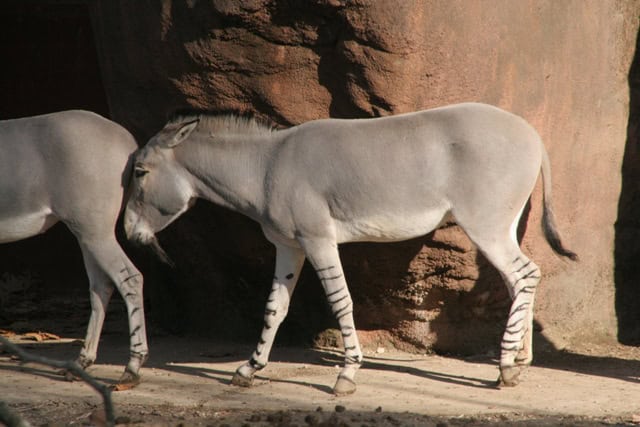
Donkeys (Equus asinus) evolved from the African wild ass (Equus africanus), which originated in the arid regions of northeastern Africa, particularly in Nubia (present-day Sudan and Eritrea) and Somalia. This evolutionary history in harsh, dry environments has shaped donkeys into supremely adapted desert creatures. Archaeological evidence suggests that donkeys were domesticated approximately 5,000-6,000 years ago, making them one of the earliest domesticated pack animals. Their wild ancestors evolved to survive in semi-desert environments characterized by extreme heat, limited water sources, and sparse vegetation—conditions that would prove fatal to many other mammals. This evolutionary background has endowed domestic donkeys with an impressive suite of adaptations that allow them to withstand extreme environmental challenges, from scorching desert heat to high-altitude mountain cold.
Water Conservation Mechanisms
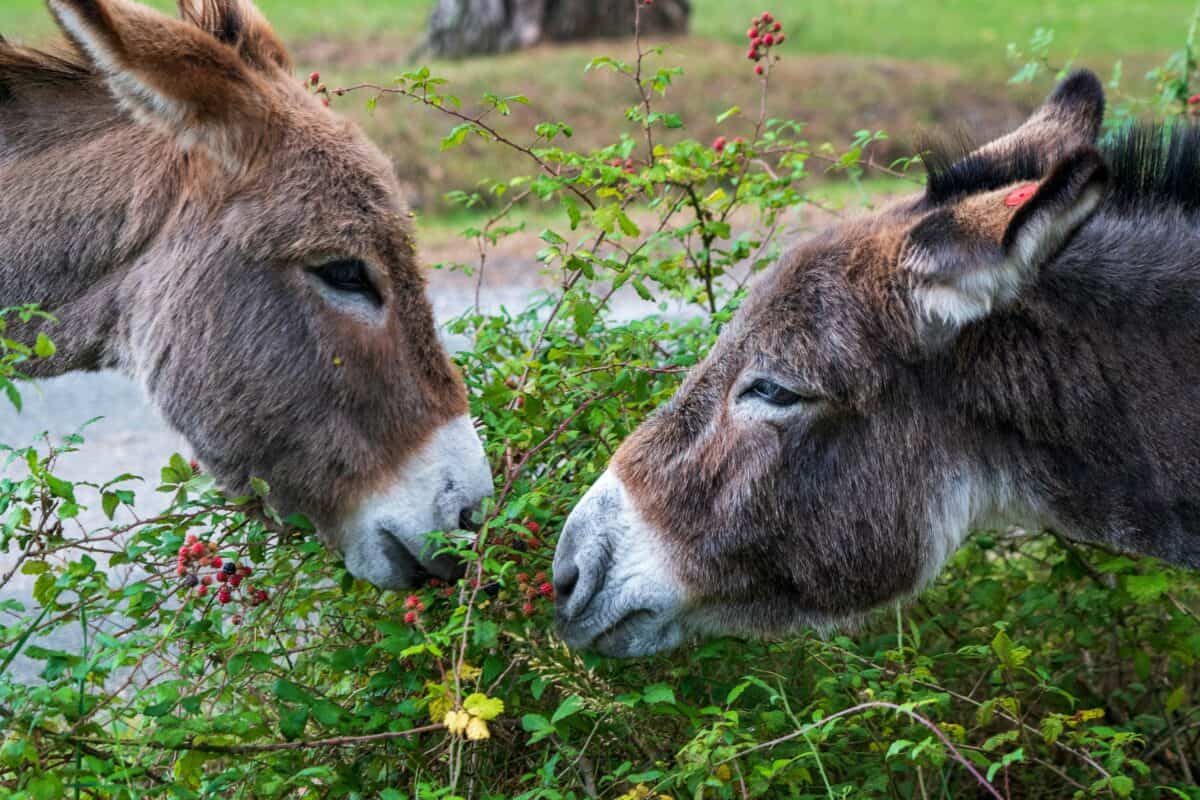
Perhaps the most remarkable adaptation of donkeys is their exceptional water conservation capability. Unlike many mammals that require daily hydration, donkeys can survive on minimal water intake, sometimes going 3-4 days without drinking in hot conditions. Research has shown that donkeys can lose up to 30% of their body weight in water and still survive—a percentage that would be fatal to most mammals, including humans, who typically cannot survive losses beyond 10-15%. This ability stems from several physiological mechanisms: they have highly efficient kidneys that produce concentrated urine, minimizing water loss; their digestive system extracts maximum moisture from food; and they possess specialized nasal passages that recapture moisture from exhaled breath. Additionally, donkeys can rapidly rehydrate when water becomes available, drinking up to 27 liters (7 gallons) in just a few minutes without suffering from water intoxication, a condition that affects many other animals when they drink too much too quickly.
Thermoregulation in Extreme Heat

Donkeys have evolved sophisticated thermoregulation systems that allow them to withstand temperatures exceeding 40°C (104°F) in desert environments. Their large ears serve as natural radiators, containing a network of blood vessels close to the skin surface that dissipate heat when the ears are in motion. Unlike horses, donkeys can significantly vary their core body temperature—as much as 6°C (10.8°F) throughout the day—allowing them to store heat during the day rather than immediately sweating to cool down. This delayed sweating response helps conserve precious water. Studies have also shown that donkeys possess a specialized layer of subcutaneous fat that insulates against both heat and cold, preventing rapid heat gain during the day and heat loss at night when desert temperatures plummet. Additionally, their coat reflects sunlight rather than absorbing it, providing natural protection against solar radiation, while the skin underneath contains melanin that offers protection against UV damage.
Dietary Adaptations for Scarce Resources
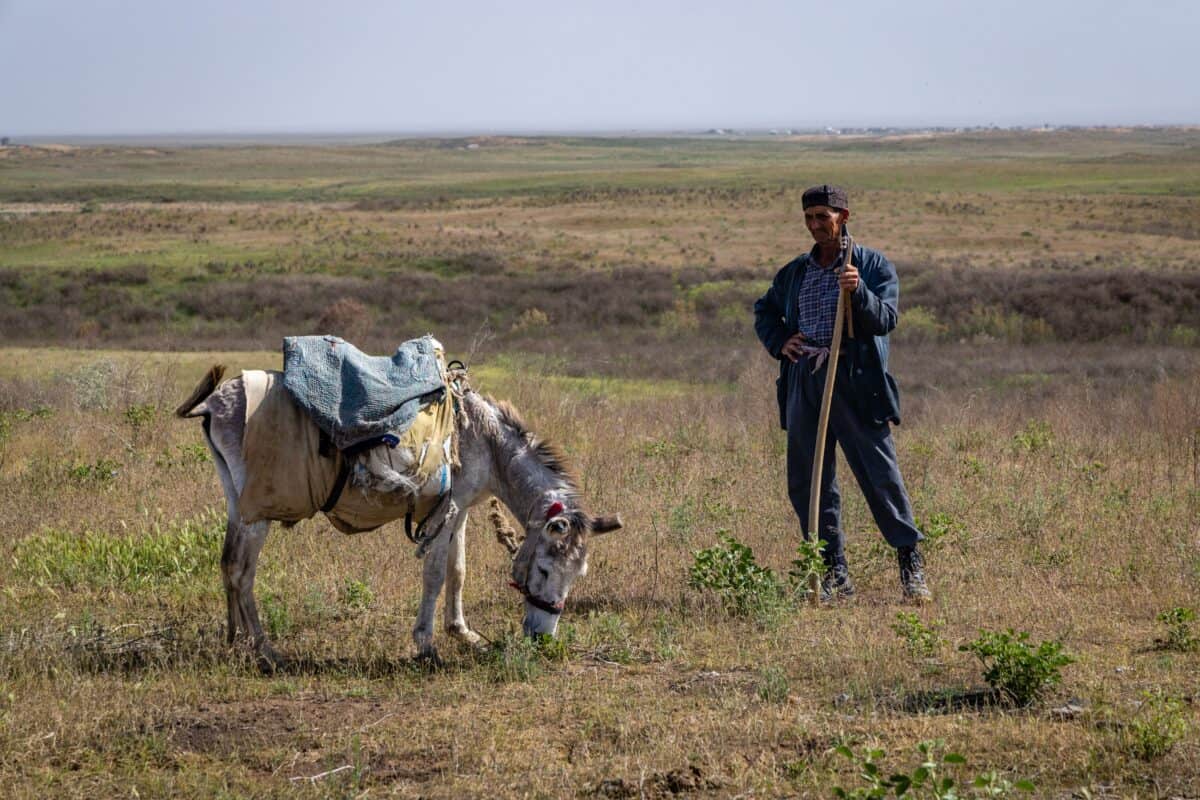
Donkeys have evolved to be incredibly efficient foragers, capable of extracting nutrition from vegetation that other livestock would find indigestible. Their unique digestive physiology allows them to break down and utilize fibrous, low-quality plant material high in cellulose, including tough desert shrubs, dried grasses, and even certain thorny plants. Unlike cattle, which are ruminants with four-chambered stomachs, donkeys are hindgut fermenters—they have a specialized cecum and large intestine where bacterial fermentation breaks down tough plant fibers. This system is less efficient than a ruminant’s digestive process but allows donkeys to process food quickly and consume larger quantities of low-quality forage. Research has shown that donkeys can extract approximately 95% of the available nutrients from their food, compared to 70% in many other herbivores. Additionally, donkeys have evolved specialized, chisel-shaped incisors and powerful molars that can crop vegetation extremely close to the ground—as close as 1 cm—allowing them to access plant material that other grazers might leave behind, a crucial advantage in sparsely vegetated environments.
High-Altitude Adaptations

Beyond their well-known desert capabilities, donkeys demonstrate remarkable adaptations to high-altitude environments. In mountainous regions of Central Asia, South America, and parts of Africa, donkeys routinely work at elevations exceeding 3,000 meters (9,800 feet) above sea level. At these altitudes, oxygen levels can be 40% lower than at sea level, creating challenges for respiration and energy production. Donkeys living in these regions have developed several physiological adaptations: increased lung capacity, higher red blood cell counts, and enhanced oxygen-binding hemoglobin that improves oxygen transport efficiency. Studies of high-altitude donkeys in the Andes have shown they possess larger hearts relative to their body size compared to lowland donkeys, allowing them to pump more blood with each heartbeat. Additionally, the blood vessels in their extremities have developed specialized vascular adaptations that help maintain circulation in cold, oxygen-poor environments, preventing tissue damage while ensuring adequate oxygen delivery to vital organs. These adaptations enable donkeys to carry heavy loads through mountain passes where the air is thin and temperatures frequently drop below freezing.
Behavioral Adaptations to Environmental Stress

Donkeys exhibit sophisticated behavioral adaptations that complement their physiological resilience in harsh environments. When faced with environmental stressors such as extreme heat, donkeys instinctively seek shade during the hottest parts of the day and become more active during cooler morning and evening hours—a behavior known as crepuscular activity. In desert environments, they’ve been observed digging into dry riverbeds to access subsurface water, using their hooves and sense of smell to locate moisture hidden beneath the surface. During dust storms or extreme heat, donkeys will position themselves with their rear facing the wind, protecting their more sensitive facial areas. Social behavior also plays a role in survival; donkeys form loose herds where individuals stand in formations that maximize shade for the group. Unlike many prey animals that panic in threatening situations, donkeys respond with measured caution—freezing, analyzing the threat, and making deliberate decisions about whether to flee or stand ground, conserving valuable energy that would be wasted in unnecessary flight. This behavioral economy extends to their movement patterns; research tracking desert donkeys has shown they minimize energy expenditure by following specific routes that avoid unnecessary elevation changes and utilize natural wind corridors for cooling.
Hoof and Limb Specializations
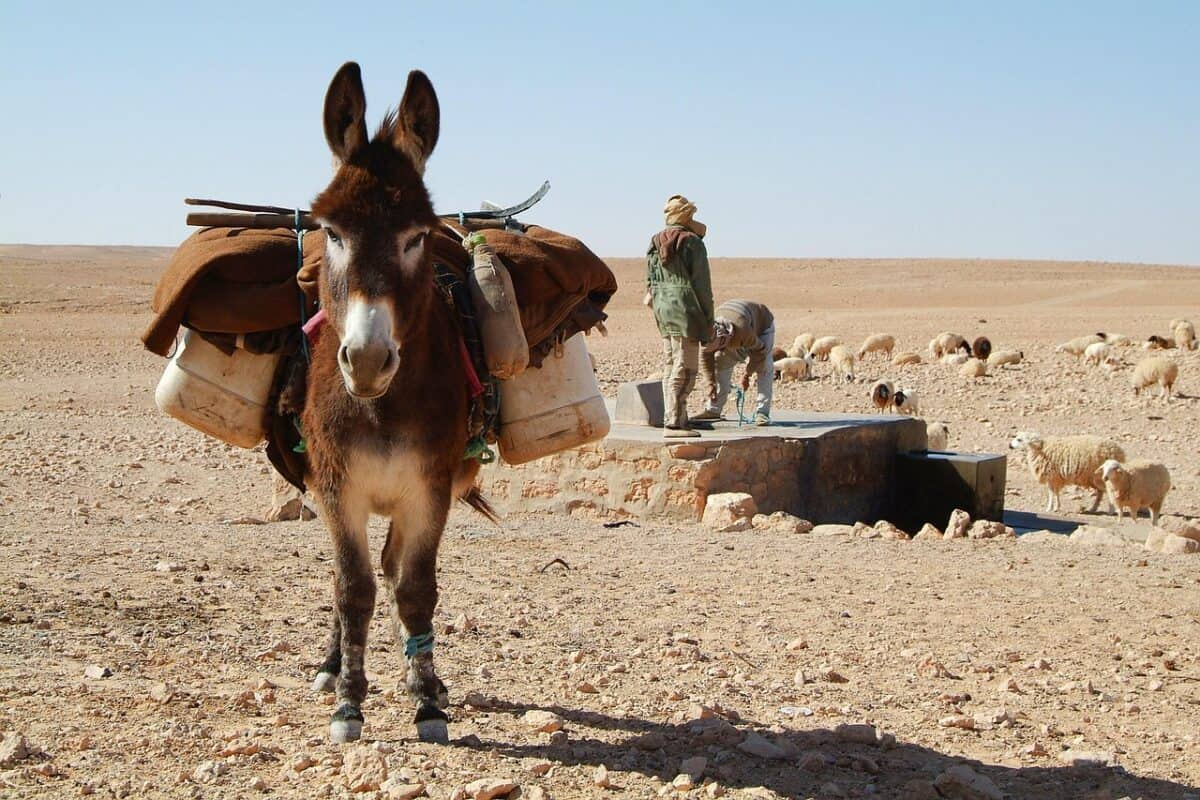
The donkey’s legendary surefootedness in difficult terrain stems from specialized adaptations of their hooves and limbs. Unlike the rounder hooves of horses, donkey hooves are more upright and narrow, with a denser, more resilient structure that resists cracking in rocky terrain and hot sand. This hoof design provides better traction on loose surfaces and allows for more precise placement when navigating treacherous paths. The internal structure of donkey hooves contains specialized tissues that absorb shock more effectively than those of horses, protecting joints and bones from the impact of traversing uneven ground. Their limbs have evolved for stability rather than speed, with joints that allow for a wider range of motion and greater lateral flexibility. This gives donkeys the ability to navigate narrow mountain trails and rocky outcroppings with remarkable precision. Biomechanical studies have shown that donkeys place their feet with extraordinary accuracy, often stepping in exactly the same spot with their hind feet as they did with their front feet—a capability that minimizes the risk of missteps in hazardous terrain. Additionally, the bone density in donkey legs is approximately 15% higher than in similarly sized horses, providing greater structural support for carrying heavy loads across challenging landscapes.
Seasonal Adaptations and Coat Changes
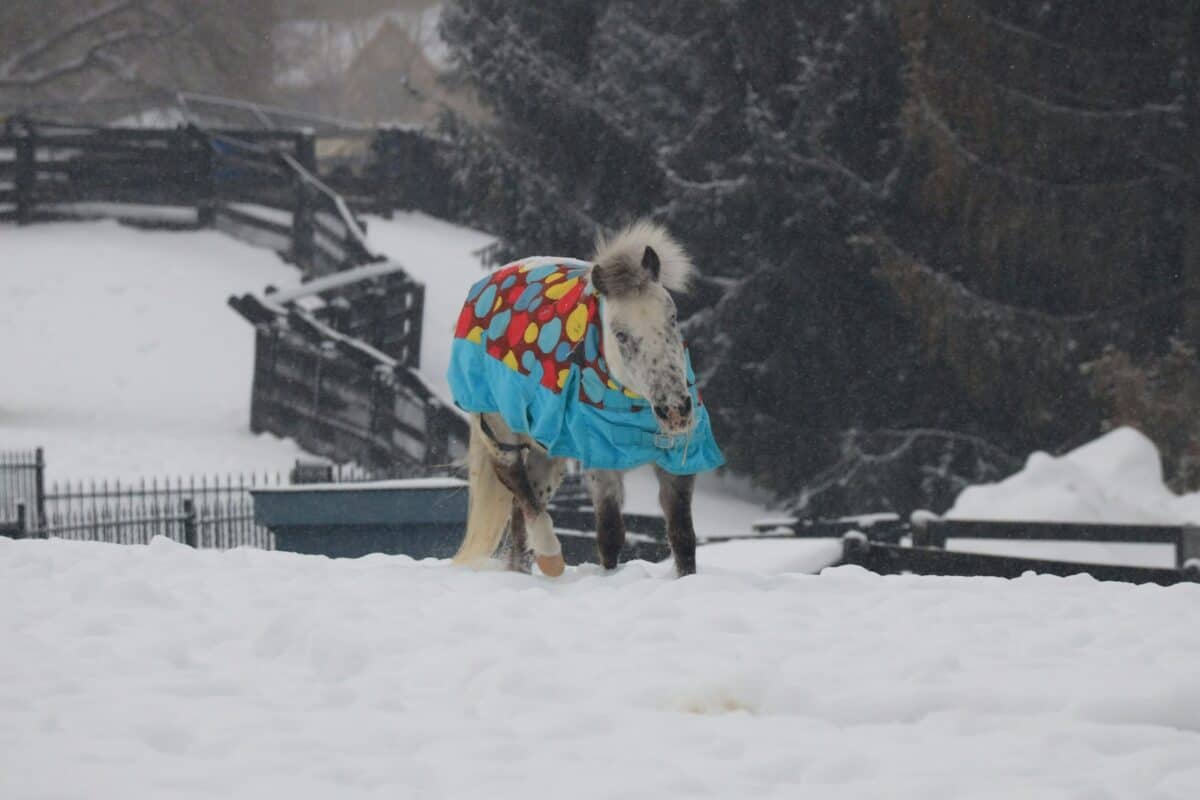
Donkeys living in regions with extreme seasonal temperature variations have developed remarkable coat adaptations that provide protection in both summer heat and winter cold. Unlike many mammals that grow thick winter coats, donkeys in harsh climates develop a specialized dual-layer coat system. The outer layer consists of longer, coarser guard hairs that repel moisture and provide wind protection, while the inner layer contains fine, dense fibers that trap air for insulation. This dual-layer system works effectively in both hot and cold conditions. During winter in mountainous regions, the coat can grow to twice its summer thickness, providing crucial insulation when temperatures drop below freezing. Research has documented that donkeys in cold environments can grow coats with hair lengths exceeding 5 cm (2 inches), compared to their typical 1-2 cm summer coat. Interestingly, donkeys from different regions have evolved coat colors that align with their environmental challenges—donkeys from extremely hot regions often have lighter-colored coats that reflect more sunlight, while those from high-altitude regions frequently have darker coats that absorb more solar radiation for warmth during cold mountain nights. The seasonal shedding process is also precisely timed to environmental cues including daylight hours and temperature trends, ensuring donkeys have appropriate insulation for current conditions.
Genetic Adaptations and Regional Variations

Recent genomic studies have revealed fascinating insights into the genetic underpinnings of donkeys’ climate adaptations. Research published in the journal Science has identified specific genetic markers associated with drought resistance, heat tolerance, and cold adaptation in different donkey populations worldwide. Donkeys from the Sahel region of Africa carry gene variants linked to enhanced kidney function and water conservation, while Tibetan donkeys possess genetic adaptations related to oxygen utilization at high altitudes—similar to those found in other high-altitude mammals like yaks. These genetic adaptations have developed through natural selection over thousands of years, resulting in distinct regional donkey populations specialized for their environments. For instance, the Poitou donkey of France has developed a thick, shaggy coat suited to cold, wet European conditions, while the Nubian wild ass (an ancestor of domestic donkeys) possesses genes coding for enhanced heat shock proteins that prevent cellular damage during extreme heat. Remarkably, genetic research has shown that some of these adaptive genes were acquired through ancient hybridization with other equid species and through epigenetic changes that altered gene expression in response to environmental pressures. This genetic diversity represents a valuable reservoir of adaptive traits that could prove crucial for breeding donkeys resilient to changing climate conditions in the future.
Reproductive Strategies in Harsh Environments

Donkeys have evolved reproductive strategies specifically adapted to survive in harsh, unpredictable environments. Unlike many mammals with rigid breeding seasons, donkeys exhibit reproductive opportunism—they can conceive whenever environmental conditions are favorable, regardless of calendar season. This flexibility allows them to time breeding and births to coincide with periods of relative resource abundance. Female donkeys (jennies) have evolved remarkably efficient pregnancies that require less maternal energy investment than many similar-sized mammals. Their gestation period of approximately 12 months is longer than a horse’s 11-month pregnancy, allowing foal development to proceed more gradually, reducing daily nutritional demands on the mother. Research has documented that pregnant jennies in desert environments can reduce their metabolic rates by up to 30% during resource scarcity while still maintaining fetal development. Newborn donkey foals are precocial—born in an advanced state of development—and can stand and walk within an hour of birth, crucially important in predator-rich environments. Additionally, donkey milk is extraordinarily rich in nutrients compared to other equids, containing nearly twice the fat content of horse milk, enabling rapid foal growth despite challenging environmental conditions. Perhaps most remarkably, studies have shown that female donkeys can actually pause early embryonic development during extreme environmental stress—a form of embryonic diapause—resuming normal development when conditions improve, a rare capability among large mammals.
Mental Resilience and Problem-Solving Abilities
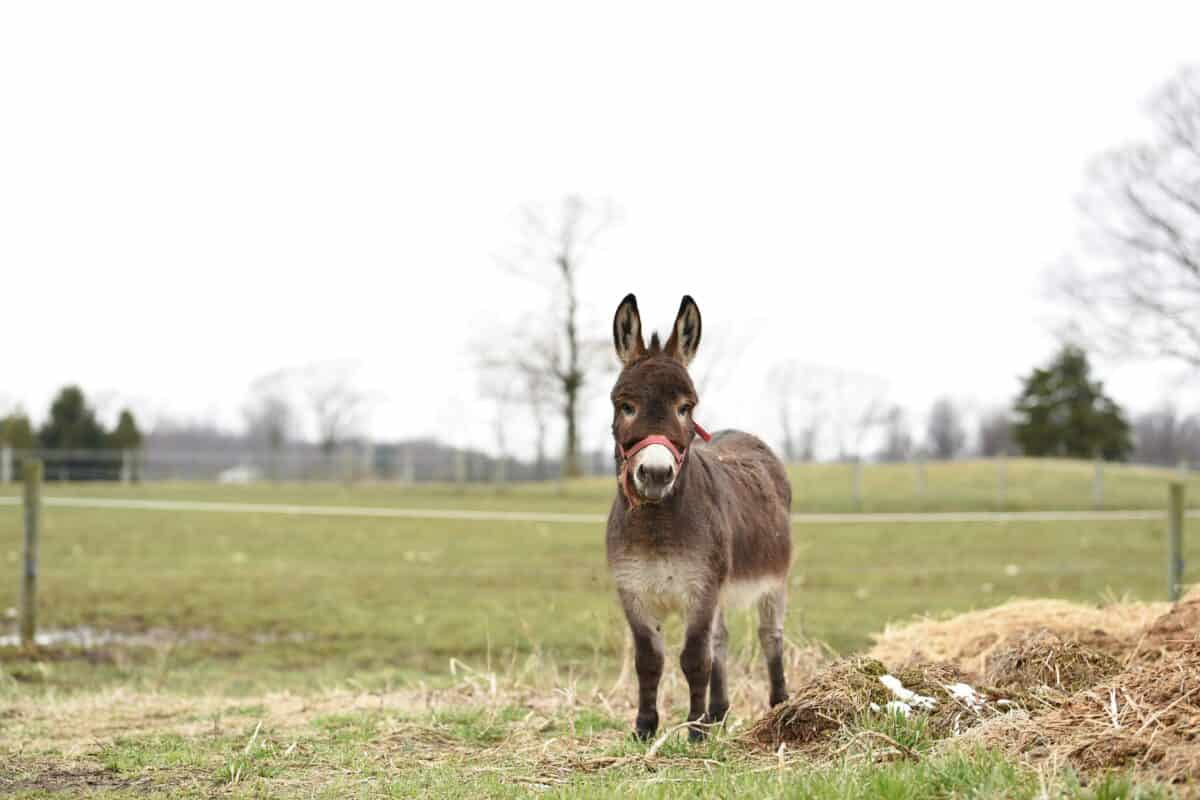
The donkey’s famous stubbornness is actually a manifestation of exceptional mental adaptations that enhance survival in harsh environments. Contrary to popular misconception, donkeys aren’t simply obstinate; they possess heightened self-preservation instincts and deliberate decision-making processes that prevent rash actions in potentially dangerous situations. Cognitive research has revealed that donkeys have excellent spatial memory, remembering complex routes and water source locations across vast territories for years—a crucial adaptation in arid regions where resources are widely scattered. Their problem-solving abilities are particularly evident in their water-finding behavior; studies have documented donkeys using visual cues, scent detection, and even acoustic information (listening for underground water) to locate hidden water sources. Unlike horses, which often react with flight responses to new stimuli, donkeys typically investigate novel situations carefully before responding, a behavioral trait that conserves energy and reduces risk. This cognitive approach extends to their social intelligence; donkeys form strong, selective bonds with compatible companions and demonstrate sophisticated conflict resolution strategies within herds. Research using cognitive testing protocols has shown that donkeys often outperform horses in certain types of problem-solving tasks, particularly those requiring patience and methodical approaches. Their legendary caution when crossing unfamiliar terrain or encountering new situations reflects a sophisticated risk assessment system that has evolved to maximize survival chances in environments where a single misstep could prove fatal.
Human Adaptations of Donkey Husbandry in Extreme Climates

Human cultures in harsh environments have developed specialized donkey husbandry practices that work in harmony with these animals’ natural adaptations. In the Sahel region of Africa, nomadic herders have traditional breeding programs that select for specific traits like wide hooves (for better sand traversal) and enhanced water efficiency. These communities time their migrations precisely to ensure their donkeys have access to seasonal water sources and grazing opportunities. In the high Andes of South America, indigenous communities have developed specialized harnesses that distribute weight in ways that accommodate the donkey’s body structure at high altitudes, reducing respiratory strain. Many traditional societies have accumulated multi-generational knowledge about medicinal plants that support donkey health in extreme conditions—such as herbs that reduce heat stress or improve circulation in cold environments. In Morocco’s Atlas Mountains, communities construct specialized stone shelters that provide thermal protection for donkeys during extreme temperature fluctuations. Perhaps most impressively, certain Middle Eastern cultures have developed breeding programs spanning centuries that have enhanced donkeys’ natural climate adaptations, resulting in regional varieties with specific environmental specializations. These traditional knowledge systems represent sophisticated human adaptations that complement the donkeys’ natural capabilities, creating resilient human-animal partnerships in some of Earth’s most challenging habitats. Modern scientific research is increasingly validating these traditional practices, finding that they often align perfectly with our emerging understanding of donkey physiology and environmental needs.
Donkeys represent one of nature’s most impressive examples of adaptation to extreme environments, having evolved physiological, behavioral, and cognitive strategies that allow them to thrive where few other large mammals can survive. Their remarkable water conservation abilities, flexible temperature regulation, dietary versatility, and specialized anatomical features collectively create an animal supremely equipped for harsh conditions. As climate change intensifies environmental challenges worldwide, the donkey’s adaptive capabilities offer valuable insights for sustainable agriculture and animal husbandry in marginal lands. Traditional ecological knowledge about donkey management, combined with modern scientific understanding of their unique adaptations, provides a model for resilient farming systems in increasingly arid regions. Perhaps most importantly, the story of donkey adaptation reminds us of nature’s incredible capacity for specialized evolution in response to environmental challenges—a testament to biological resilience that has implications far beyond a single species.

- Why Deer Are Showing Up in U.S. Neighborhoods More Often - August 18, 2026
- Why Smart Dogs Might Struggle With Obedience Training - August 18, 2026
- How Rabbits Are Being Used in School Classrooms for Therapy - August 17, 2026