


Gardening enthusiasts constantly seek natural ways to nurture their green spaces without relying on synthetic fertilizers and pesticides. While there are numerous organic solutions available, the humble earthworm often goes overlooked. Despite their unassuming nature and subterranean lifestyle, earthworms are amongst the most effective allies you can have for a thriving garden. Their contributions to soil health, structure, and fertility make them indispensable members of an ecological garden.
The Role of Earthworms in Soil Aeration

One of the critical factors contributing to healthy plant growth is soil aeration, and earthworms play a vital role in this process. As earthworms burrow through the soil, they create an extensive network of tunnels. These tunnels allow air, water, and nutrients to penetrate deeper into the soil profile, which enhances root access to the essentials they require. More efficient water infiltration reduces runoff and helps maintain moisture levels evenly across the garden, ultimately supporting healthier plant growth.
Natural Soil Fertilization
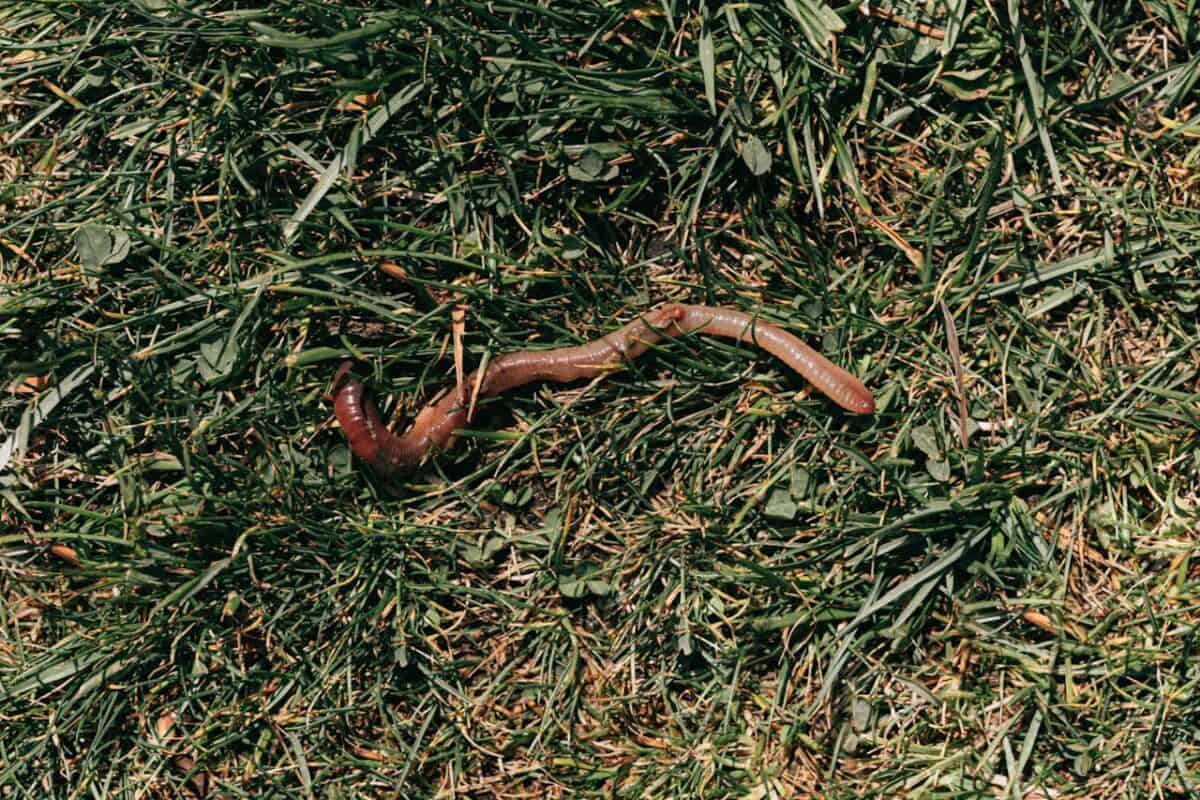
Earthworms act as natural fertilizers through their digestion process. As they consume organic materials like fallen leaves, grass clippings, and decaying matter, they break it down and excrete it as nutrient-rich waste known as worm castings. These castings are packed with essential nutrients such as nitrogen, phosphorus, and potassium in forms that are readily available for plants to absorb. Earthworms can significantly boost soil fertility over time by maintaining a continuous cycle of organic matter transformation.
Improvement of Soil Structure
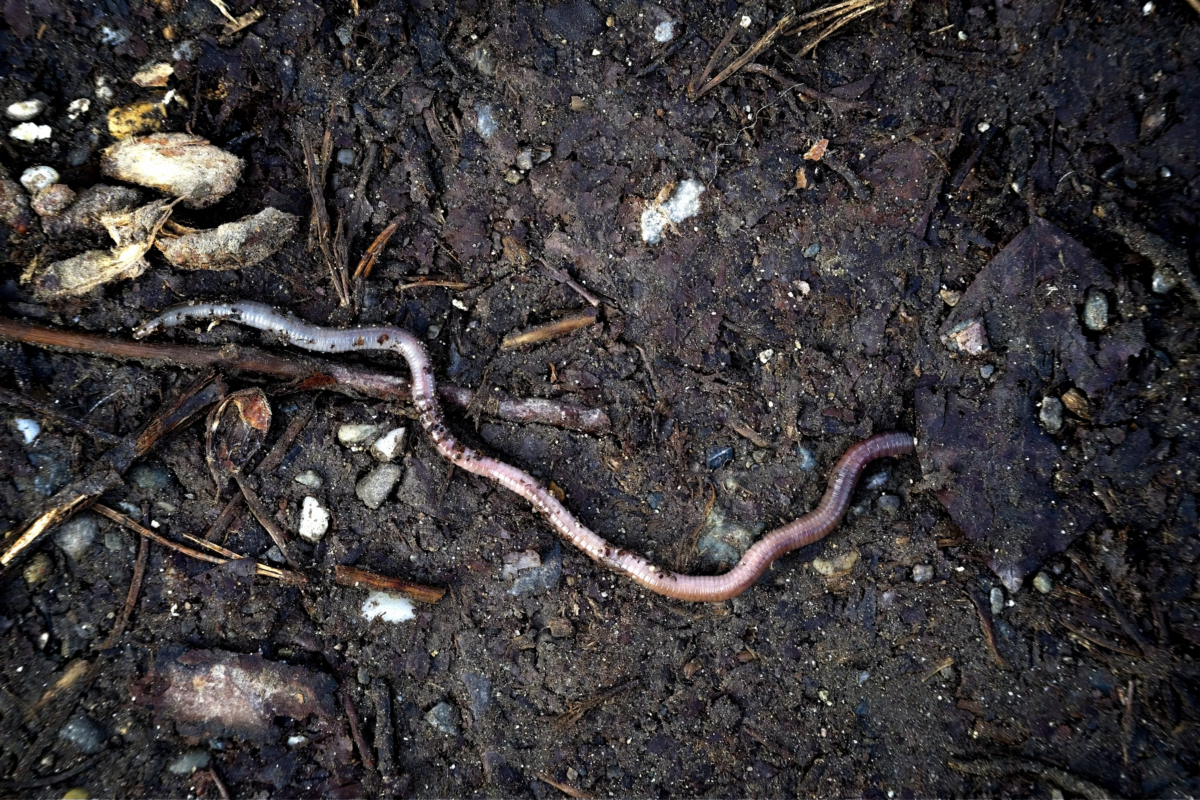
The constant movement and burrowing activities of earthworms significantly improve soil structure. Good soil structure is crucial for plant growth as it affects water retention, root penetration, and microbial activity. Worms mix the soil layers as they move, enabling consistent distribution of organic material and minerals. This results in a well-structured, crumbly soil that promotes strong root systems, better water retention during dry spells, and optimal drainage during wetter periods.
Pest and Disease Control
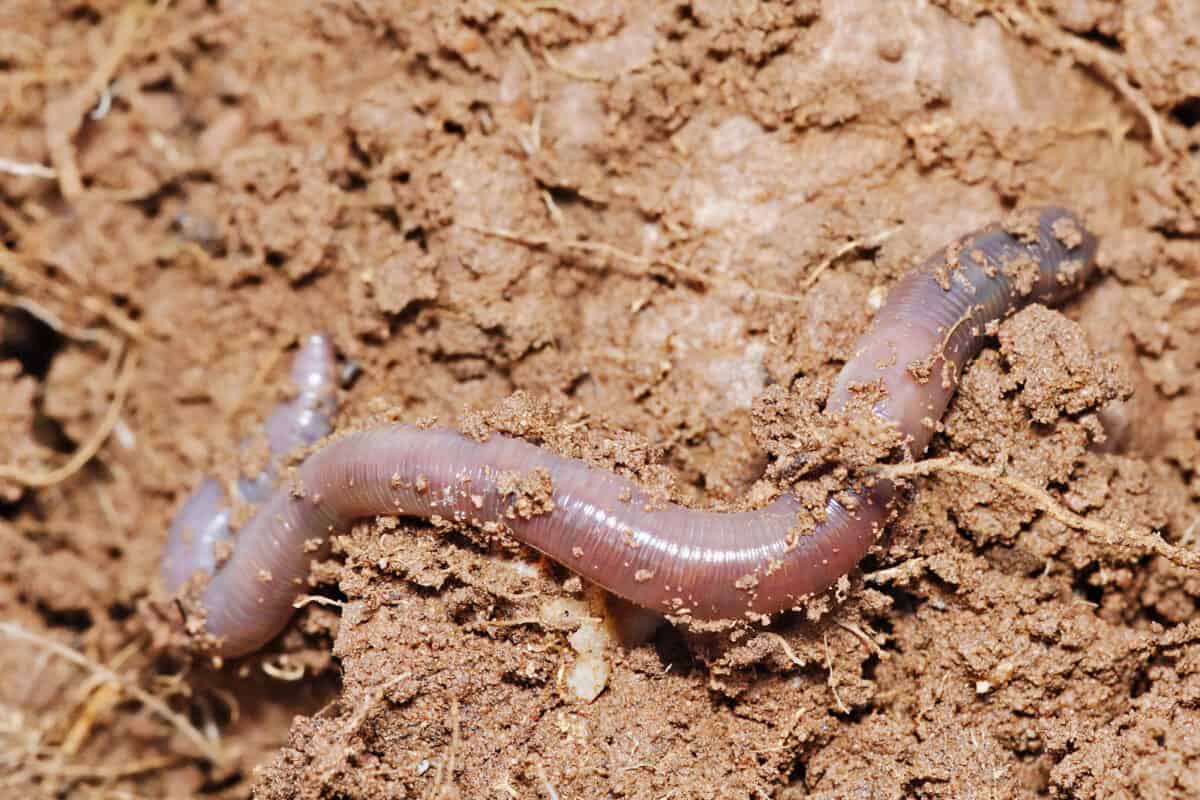
While earthworms do not directly combat pests or diseases, their presence helps create an environment that naturally suppresses garden nemeses. Healthy, aerated, and nutrient-rich soil supports strong plant growth, making plants more resilient to pests and diseases. Additionally, earthworm activity can encourage the proliferation of beneficial microbes and insects that can outcompete, deter, or prey on harmful organisms. This acts as a natural pest and disease management system within your garden ecosystem.
Earthworms as Indicators of Soil Health
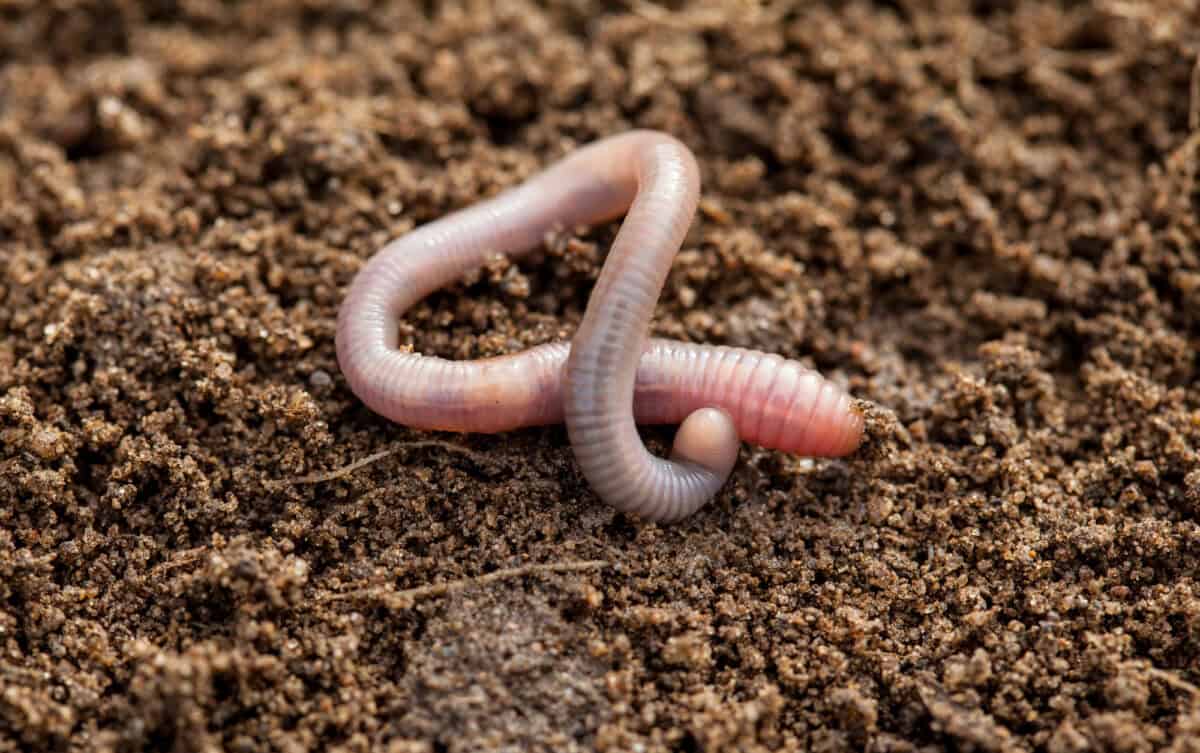
The presence and abundance of earthworms can serve as an excellent indicator of soil health. Earthworms thrive in environments that are rich in organic matter and have suitable moisture and pH levels. Thus, if your garden is home to a thriving earthworm population, it is a good sign that your soil conditions are favorable. Conversely, a lack of earthworms may suggest poor soil conditions that need attention, such as compaction or a deficiency in organic material.
Encouraging Earthworms in Your Garden
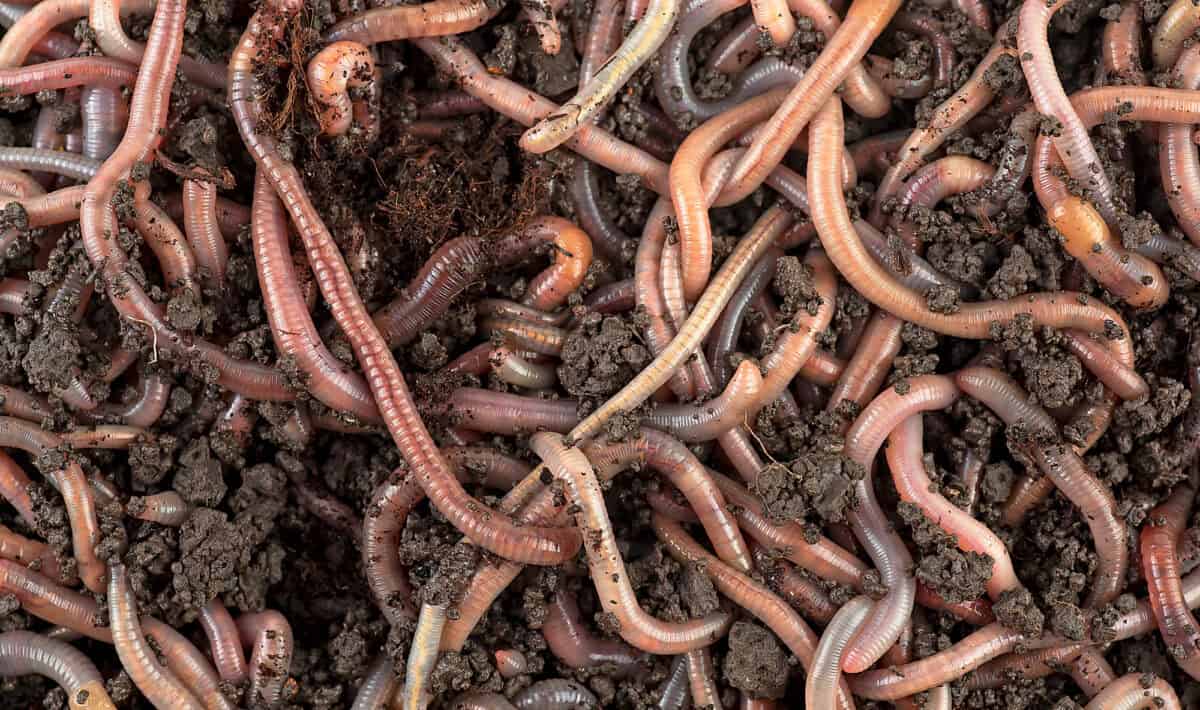
To attract and sustain a healthy earthworm population in your garden, you can adopt several strategies. Begin by incorporating plenty of organic matter, such as compost, leaf litter, and mulch, to provide food and optimal living conditions. Avoid using chemical fertilizers and pesticides, as these can harm earthworms and disrupt their natural behaviors. Additionally, consider practicing minimal tillage to prevent disturbing the earthworms’ habitat, allowing them to continue their beneficial work undisturbed.
Conclusion
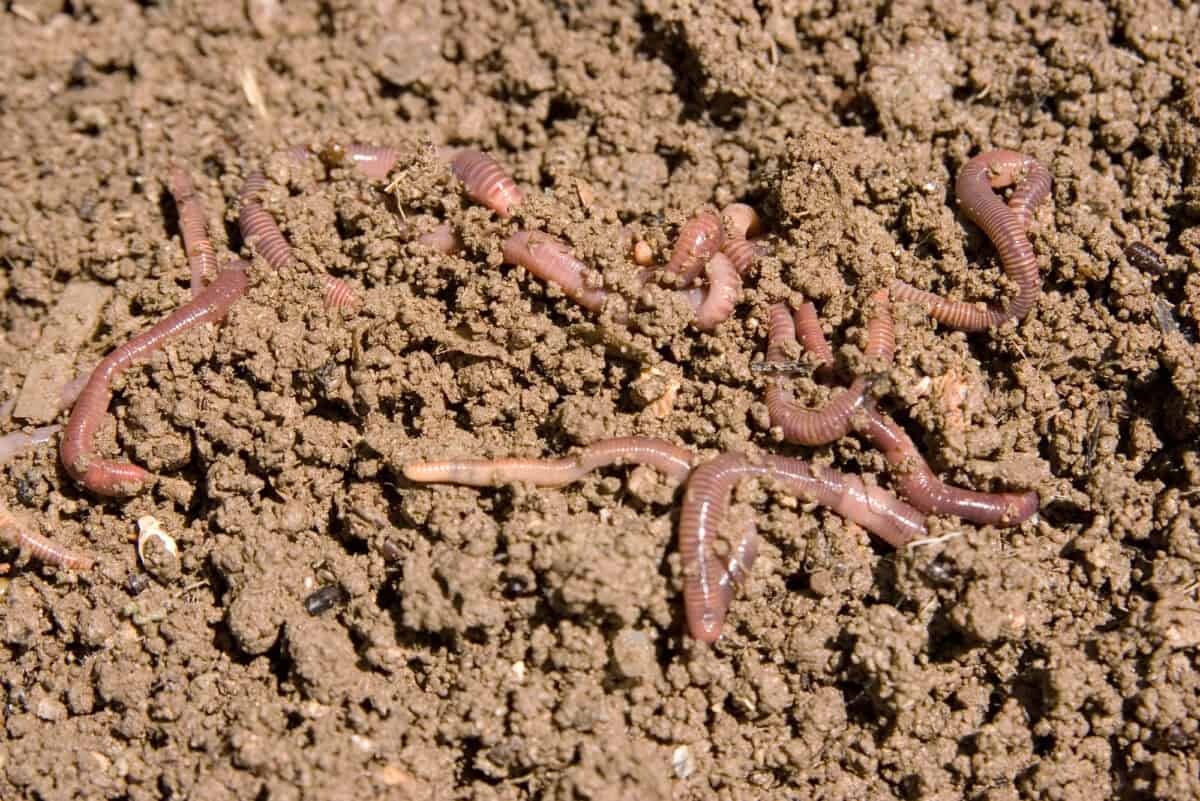
Earthworms are unsung heroes in the quest for a thriving garden. Their contributions to soil aeration, nutrient cycling, and structure improvement create an environment where plants can flourish. By understanding and encouraging the natural activities of earthworms, gardeners can enjoy the benefits of a healthier, more sustainable garden ecosystem. So next time you turn the soil in your garden, take a moment to appreciate these remarkable creatures that do so much for the vitality of your backyard oasis.

As a little kid, I fell in love with nature, wildlife, and animals. Living in the USA, South Africa, Italy, China and Germany gave me the opportunity to discover the world's Wildlife. My favorite animals are Mountain Gorillas, Siberian Tigers, and Great White Sharks.
I'm a certified PADI Open Water Diver, went to Everest Base Camp and Trekked Gorillas in Uganda. I hold a Master of Science in Economics and Finance.
Please send any feedback to feedback@animalsaroundtheglobe.com
- 12 Animals That Look Like Monsters - July 17, 2026
- 13 Animals With Record-Breaking Speed or Strength - July 17, 2026
- The Most Camouflaged Creature Lurking in Pacific Waters - July 17, 2026