

The complex emotional lives of elephants have fascinated scientists and animal lovers for decades. Among the most poignant behaviors observed in these magnificent creatures is their response to death and loss. Elephants display remarkable mourning rituals and comfort behaviors that suggest a deep emotional intelligence and social bonding rarely seen in the animal kingdom. These gentle giants appear to experience grief in ways that parallel human emotions, creating support systems within their herds to help members cope with death. This article explores the fascinating ways elephants recognize death, mourn their losses, and comfort each other through difficult times.
The Emotional Intelligence of Elephants

Elephants possess extraordinary emotional intelligence, with brain structures similar to humans in areas dedicated to emotions, cognition, and memory. Their limbic system, particularly the hippocampus, is highly developed, allowing them to form strong social bonds and experience complex emotions like joy, sadness, and grief. Scientists have documented that elephants have self-awareness, passing the mirror test (recognizing themselves in reflections), which is rare among animals. This advanced cognitive capacity translates into sophisticated social behaviors, especially during times of crisis or loss. Their emotional intelligence enables them to recognize when herdmates are distressed and respond with apparent empathy and comfort behaviors that suggest a deep understanding of others’ emotional states.
Recognizing Death and Mortality

Elephants demonstrate a remarkable awareness of death that extends beyond momentary curiosity. They can distinguish between elephant remains and other large animal bones, showing particular interest in the skulls and tusks of their own species. When encountering the remains of another elephant, they often become quiet and investigate thoroughly, touching the bones with their trunks in what appears to be a solemn inspection. This recognition isn’t limited to their immediate family members—elephants frequently show interest in any elephant remains they encounter. Dr. Joyce Poole, an elephant behavior expert, has documented cases where elephants traveled significant distances to visit the site where a familiar elephant died, suggesting they maintain a concept of death and possibly even a sense of their own mortality.
The Elephant Grieving Process

The grieving process in elephants can last for days or even weeks following a death in the herd. Initially, they may attempt to revive the deceased, using their trunks to lift the fallen elephant or prod them to stand. As the reality of death becomes apparent, their behavior shifts toward what scientists interpret as mourning. They often remain with the body for extended periods, sometimes up to a week, in a silent vigil. During this time, they may gently touch the deceased with their trunks, stand guard over the body, or cover it with branches and vegetation in what resembles a burial ritual. Researchers have observed elephants returning to the death sites or the remains of herd members years later, suggesting that these losses create lasting impressions in their long memories.
Physical Comfort Behaviors

When an elephant dies, surviving herd members often engage in distinctive physical comfort behaviors toward one another. They may stand close together, entwining their trunks in a gesture similar to humans holding hands. Adult elephants frequently engage in what researchers call “body-to-body” contact, leaning against each other or placing their trunks on another’s back in apparent reassurance. These physical touches seem to console distressed herd members and strengthen social bonds during the grieving period. Particularly touching is the way adult elephants often surround younger elephants who have lost a mother or close relative, providing physical support and protection. These tactile interactions release oxytocin, often called the “bonding hormone,” which helps reduce stress and anxiety in the herd during emotionally difficult times.
Vocal Communication During Mourning

Elephants use a rich vocabulary of vocalizations during mourning periods, including specific calls that appear to express distress and offer comfort. When encountering a deceased herd member, they often emit deep rumbles that travel through the ground, potentially alerting distant elephants. These infrasonic rumbles, many below human hearing range, can travel up to 6 miles, suggesting they might serve to gather the extended family. Researchers have identified distinct “grief rumbles” that differ from typical communication sounds. Distressed elephants may also trumpet loudly or make soft chirping sounds that seem to solicit comfort from others. In response, herd members often produce low, gentle rumbles while approaching to provide physical reassurance, creating a kind of vocal support system during times of loss.
Mourning Rituals and Ceremonies
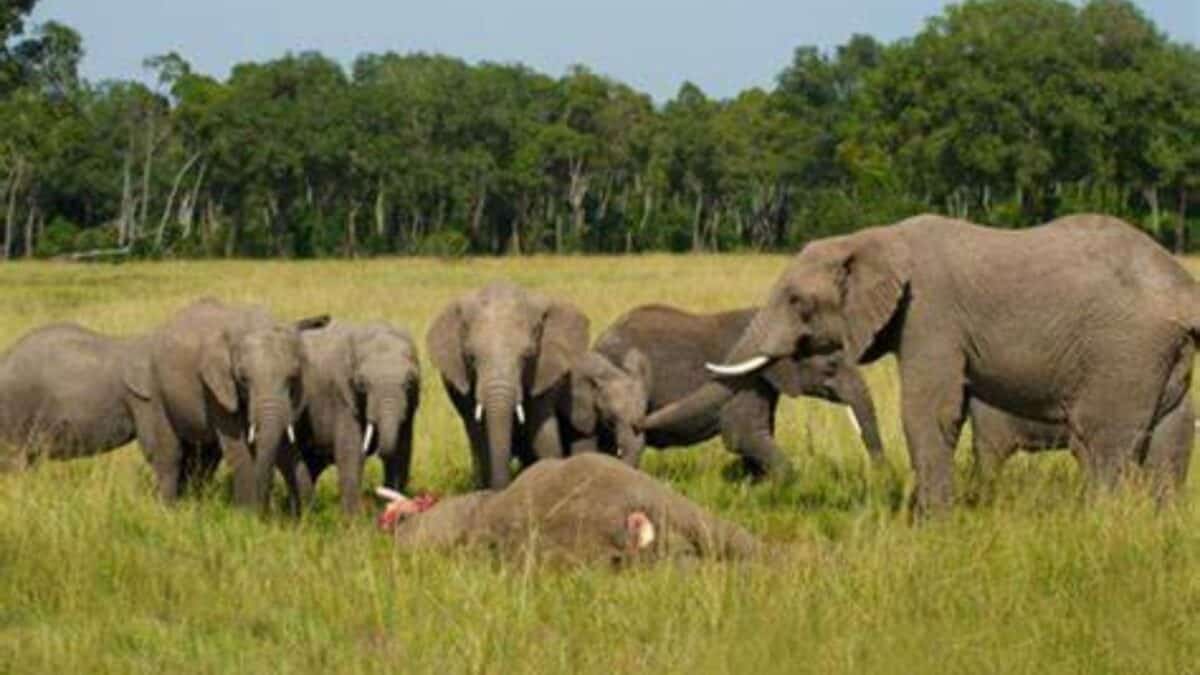
Perhaps the most compelling evidence of elephants’ complex grief response is their apparent funeral rituals. These ceremonies can involve multiple stages and behaviors that appear highly ritualized. When an elephant dies, the family will often gather around in a circle, sometimes taking turns approaching the body. They may gently touch the deceased with their trunks, focusing particularly on the face and tusks, areas important for recognition. Some elephants have been observed swaying rhythmically or circling the body in what looks like a ceremonial farewell. Most remarkable is their tendency to cover dead elephants with branches, leaves, and dirt—a behavior rarely directed at other animal species. These covering behaviors have been observed even when elephants discover the bones of unrelated elephants who died long ago, suggesting a species-wide recognition and respect for their dead.
The Matriarch’s Role in Grief Support

The matriarch—the oldest, most experienced female who leads the herd—plays a crucial role in coordinating the group’s response to death. Her accumulated wisdom helps guide younger elephants through the mourning process, providing a model for appropriate grief behaviors. When a herd member dies, the matriarch often inspects the body first, seemingly confirming death before allowing others to approach. She typically remains calm and provides stability for the group, initiating comfort behaviors and ensuring vulnerable members receive extra attention. In one documented case, researchers observed a matriarch gently guiding younger elephants away from a deceased herd member after an appropriate mourning period, helping the family transition back to normal activities. This leadership during crisis demonstrates how elephant society has evolved sophisticated social mechanisms for managing collective grief.
Supporting Orphaned Calves
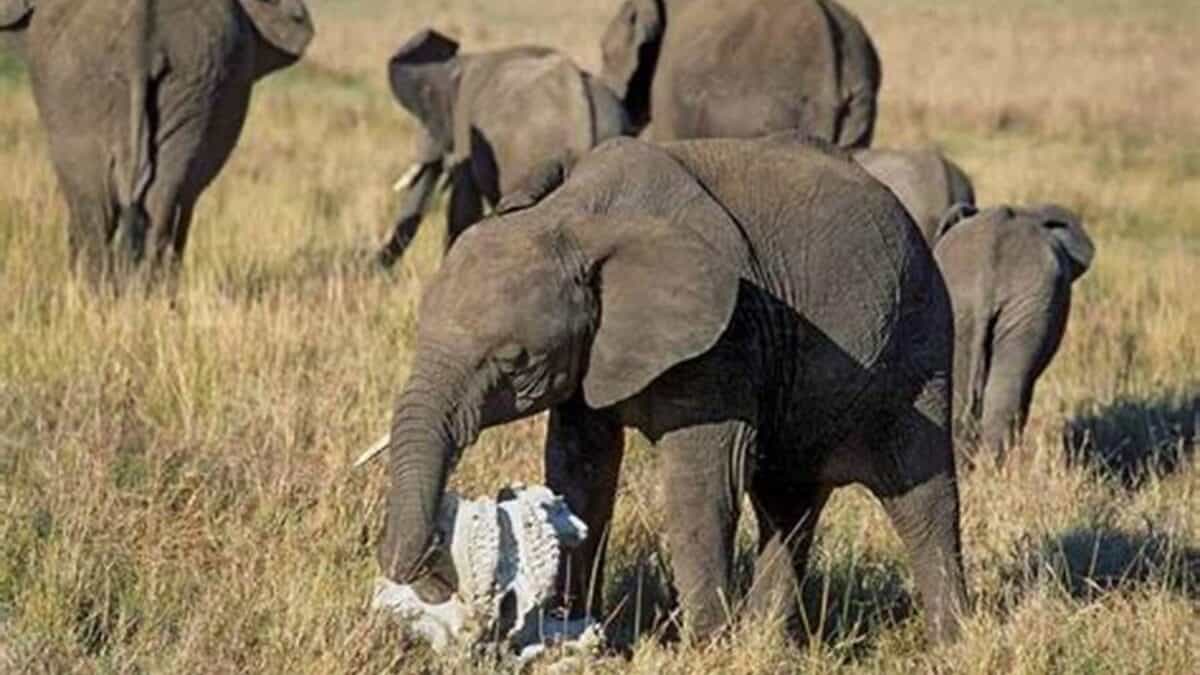
The death of a mother elephant creates a particularly vulnerable orphan, as young elephants depend on maternal care for up to five years or more. The herd’s response to this tragedy showcases remarkable altruism and community support. When a mother dies, female relatives—sisters, aunts, or even grandmothers—often adopt the orphaned calf. These “allomothers” provide milk if they’re lactating or help the calf find alternative food sources. Beyond physical care, they offer emotional support through constant contact, protection, and teaching. Dr. Cynthia Moss of the Amboseli Elephant Research Project has documented cases where unrelated females have adopted orphans, demonstrating that elephant compassion extends beyond genetic self-interest. Remarkably, even adolescent and adult elephants who lost their mothers years earlier receive special attention from the herd during mourning periods, suggesting the community recognizes the lasting impact of such losses.
Cross-Generational Comfort

Elephant herds display fascinating cross-generational comfort patterns that strengthen family bonds during times of loss. While the entire herd participates in mourning, older and younger elephants often develop special supportive relationships. Older females frequently take younger elephants under their protection, providing both physical comfort and behavioral guidance. Young elephants, in turn, often stay abnormally close to elderly relatives who are grieving. This bidirectional support system creates resilience within the herd. Researchers have observed grandmother elephants appearing to explain death to confused calves by guiding their trunks to touch the deceased, while simultaneously juvenile elephants provide energetic companionship to grieving elders. This cross-generational communication about death appears to maintain cultural knowledge within elephant society, teaching younger members how to process loss while ensuring older members remain socially integrated during their grief.
Temporal Aspects of Elephant Mourning

Elephant mourning follows distinctive temporal patterns that reflect their sophisticated emotional processing. The immediate response to a death typically involves intense inspection and attempts at revival, sometimes lasting several hours. This transitions to a period of collective vigil that may continue for days, with herd members taking turns guarding the body and performing comfort behaviors. In the weeks following a death, elephants may show signs of depression, including reduced feeding, slower movement, and increased huddling behavior. Most remarkable is their long-term memory of the deceased. Families have been observed making significant detours to visit the locations where herd members died years earlier, touching any remaining bones and standing in silent contemplation. This long-term grief response aligns with their 60-70 year lifespan and suggests that significant losses become permanently integrated into the collective memory of the herd.
Cultural Variations in Mourning
Fascinating research has revealed that different elephant populations may have unique mourning traditions, suggesting a cultural component to their grief behaviors. African savanna elephants often cover their dead with vegetation and return to death sites, while forest elephants have been observed creating temporary paths to allow family members to visit the deceased. Asian elephants sometimes demonstrate distinctive vocalizations during mourning that differ from their African cousins. These variations appear to be learned and transmitted within social groups rather than being purely instinctual, creating regional “death cultures” among elephant populations. In some areas, researchers have documented unique mourning behaviors like specific trunk movements or body postures that appear localized to particular elephant families, further supporting the idea that comfort rituals are partly cultural traditions passed down through generations.
Scientific Research on Elephant Grief

Scientific understanding of elephant grief has evolved significantly over recent decades, moving from anecdotal observations to systematic research. Field researchers using non-invasive observational techniques have documented hundreds of elephant responses to death, creating a substantial empirical foundation. Studies employing physiological measurements have detected elevated stress hormones in elephants following a herd member’s death, providing biochemical evidence of their emotional response. Researchers have also used infrasonic recording equipment to capture and analyze the unique vocalizations made during mourning periods. Brain imaging studies of elephants have revealed neurological similarities to humans in areas associated with grief processing, including the anterior cingulate cortex. Despite these advances, scientists remain cautious about anthropomorphizing elephant behaviors, focusing instead on documenting observable patterns while acknowledging the limitations of fully understanding another species’ subjective experience. The emerging consensus, however, supports the view that elephants experience a genuine form of grief that serves important social and evolutionary functions within their communities.
Conclusion: The Profound Nature of Elephant Compassion

The remarkable mourning behaviors and comfort systems elephants have developed reveal a profound emotional depth that challenges our understanding of animal consciousness. Their ability to recognize death, engage in mourning rituals, and provide systematic comfort to grieving herd members demonstrates a sophisticated emotional intelligence that parallels human grief in many ways. These behaviors serve essential evolutionary functions, strengthening social bonds that ensure herd cohesion and the survival of vulnerable members during times of loss. As humans continue to threaten elephant populations through poaching and habitat destruction, understanding their complex emotional lives becomes increasingly important for conservation efforts. Perhaps in studying how elephants comfort each other, we might not only better protect these magnificent creatures but also gain insights into the ancient evolutionary roots of our own capacity for compassion in the face of mortality.

- The Story of the Arctic Fox’s Incredible Seasonal Transformation - July 18, 2026
- 10 Most Venomous Snakes in US National Parks - July 18, 2026
- The Moth That Drinks Blood - July 18, 2026