


In the vast, unforgiving landscapes of Africa and Asia, water is not just a resource—it’s the difference between life and death. For elephants, the largest land mammals on Earth, finding water during dry seasons can mean trekking hundreds of miles across parched terrain. Yet somehow, these magnificent creatures return to hidden water sources year after year, even after decades have passed. Their remarkable spatial memory, especially regarding the location of water holes, stands as one of the most impressive cognitive feats in the animal kingdom. This extraordinary ability isn’t just fascinating—it’s crucial for their survival and shapes the very structure of elephant society. Let’s explore the remarkable phenomenon of how elephants remember water holes for decades, and what this tells us about these intelligent giants.
The Cognitive Map of Elephant Memory

Elephants possess what scientists call a “cognitive map”—a mental representation of their physical environment that includes spatial relationships between important locations. This internal GPS is remarkably sophisticated, allowing elephants to create mental shortcuts between points and navigate efficiently across vast territories spanning up to 3,000 square miles. Research has shown that elephants don’t simply memorize routes; they understand spatial relationships between locations, enabling them to calculate the most efficient paths to water sources, even when approaching from completely different directions than their previous visits. This cognitive mapping is supported by the elephant’s exceptionally large brain, which contains three times as many neurons as the human brain and has an especially well-developed hippocampus—the brain region associated with spatial memory in mammals.
The Matriarch’s Memory Bank
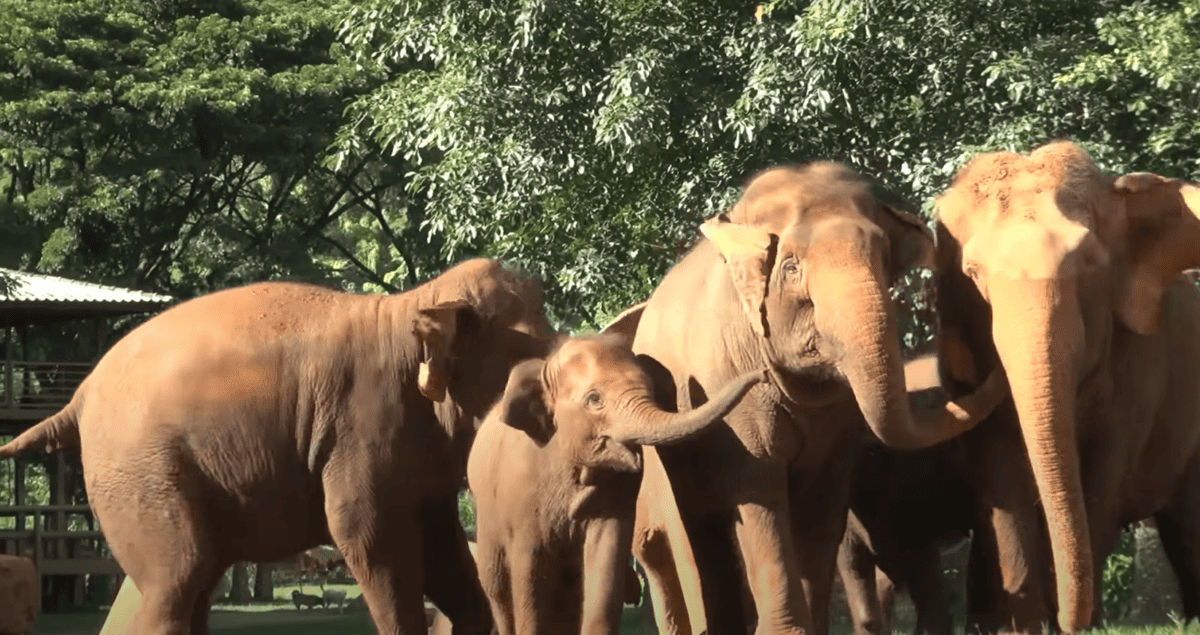
Within elephant herds, the oldest female, known as the matriarch, serves as the primary navigator and the living repository of crucial survival knowledge. These matriarchs, who may live for 60-70 years, carry mental maps of water sources that can span decades of experience. When severe droughts strike, matriarchs have been documented leading their herds to water sources they haven’t visited in 35-45 years, an astonishing feat of long-term memory retention. This knowledge transfer is one reason why poaching, which often targets older elephants, is particularly devastating to elephant populations beyond the immediate loss of life—when a matriarch is killed, decades of environmental knowledge dies with her, potentially putting the entire herd at risk during extreme conditions. The transmission of this knowledge from generation to generation represents one of the most sophisticated examples of cultural learning in the animal kingdom.
Navigating Through Drought: Life-Saving Memories
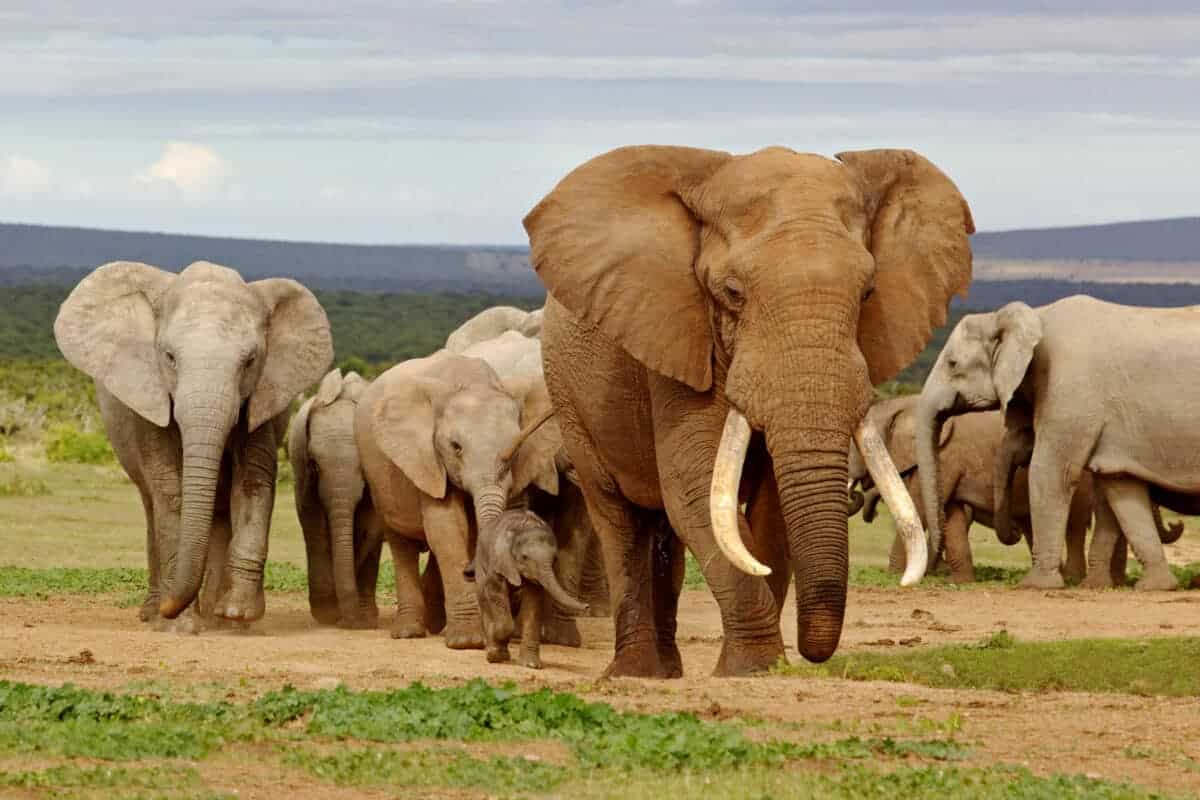
During severe droughts, an elephant herd’s survival often hinges on the matriarch’s ability to recall distant or hidden water sources. In a landmark study conducted in Tanzania’s Tarangire National Park during a major drought in 1993, researchers observed matriarchs leading their families to remote water holes they hadn’t visited in over 35 years—sources that weren’t on any regular migration route but were remembered from the previous major drought decades earlier. The elephants traveled in straight lines for up to 50 kilometers to reach these obscure water sources, demonstrating not just memory but precise spatial recall. This memory isn’t just impressive—it’s directly connected to survival rates. Herds led by older matriarchs had significantly higher calf survival rates during drought periods compared to herds led by younger females, highlighting the survival value of this long-term spatial memory.
The Biological Basis of Elephant Memory

The elephant’s remarkable memory capabilities are supported by their brain structure and neurophysiology. Elephants possess the largest brain of any land mammal, weighing around 5 kg (11 pounds) and containing approximately 257 billion neurons. While total neuron count doesn’t necessarily correlate directly with intelligence, the elephant’s cerebral cortex—the brain region associated with complex thought—is highly developed. The hippocampus, which handles spatial memory formation and retention, is proportionally larger in elephants than in most mammals. Elephants also demonstrate remarkable neuroplasticity, the ability of the brain to form new neural connections throughout life, which may explain their capacity for lifelong learning and memory retention. Recent research has also revealed that elephants have a uniquely low rate of neural decay, which may contribute to their ability to retain memories over exceptionally long periods, particularly those tied to survival resources like water.
Water Hole Memory as Social Knowledge
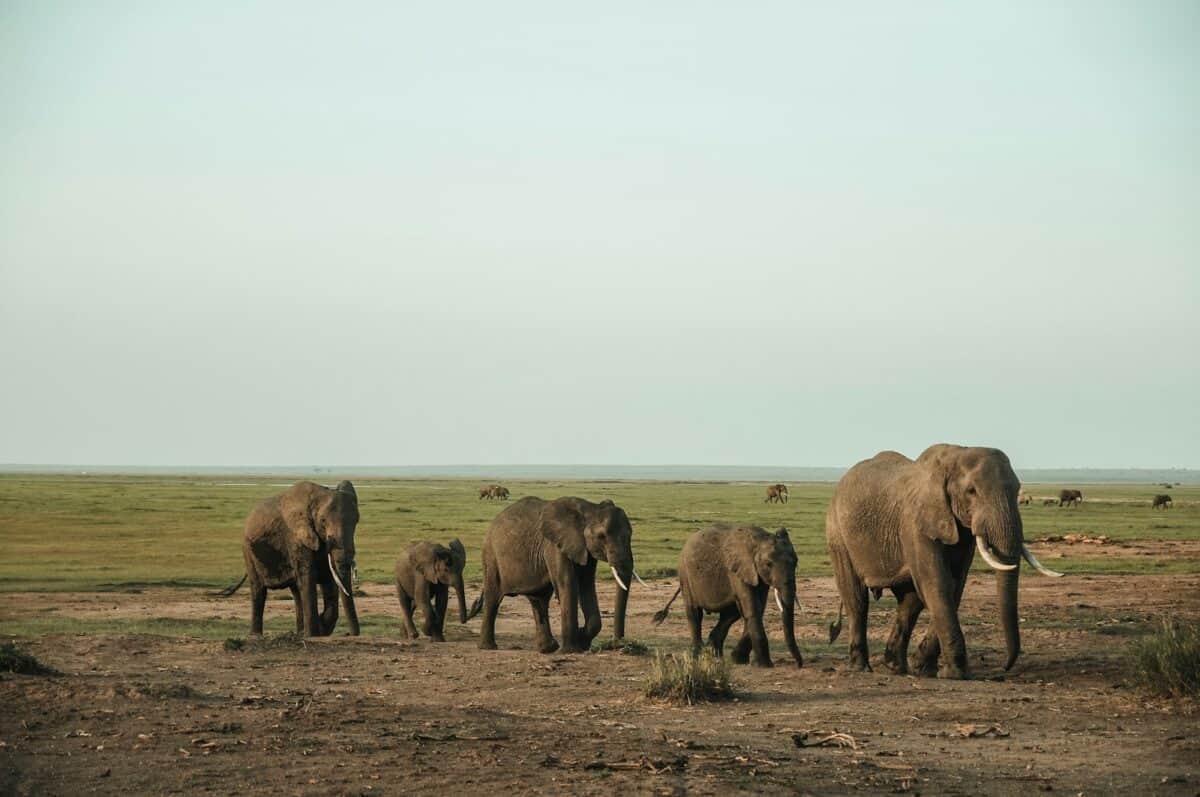
Elephants don’t simply remember water holes as isolated geographical points—they integrate this knowledge into a complex social framework. Young elephants learn the locations of important water sources through observation and guided experiences with older herd members. This knowledge transfer represents a form of cultural transmission that few animal species possess. Researchers have observed matriarchs taking deliberate detours during migrations to show younger generation elephants important water sources that aren’t immediately needed but might become critical during future droughts. This behavior demonstrates foresight and intentional teaching—the older elephants appear to understand that this knowledge will be valuable to the younger ones in the future. Through this social learning process, water hole locations become part of the herd’s collective knowledge, preserved and transmitted across generations even when some water sources might not be visited for decades at a time.
Seasonal Migration Patterns and Memory
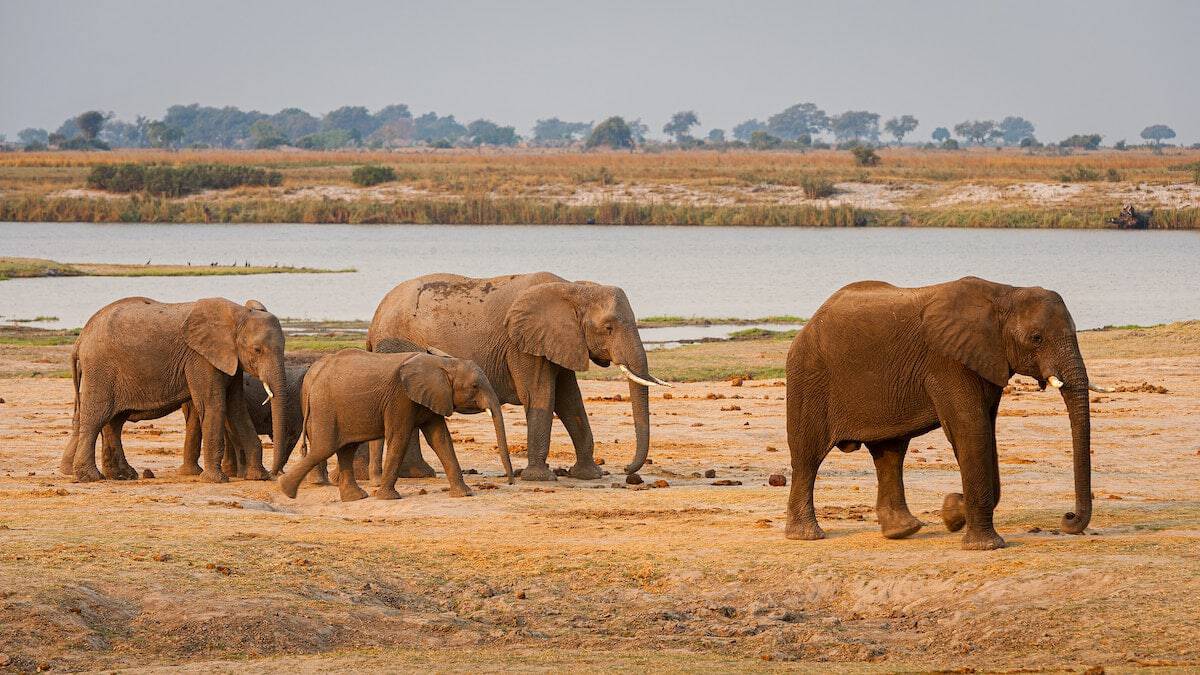
Elephant herds typically follow seasonal migration patterns that can cover hundreds of kilometers as they move between wet and dry season ranges. These migrations aren’t random wanderings but precisely timed journeys that align with resource availability. Research using GPS collars has revealed that elephants time their arrivals at distant water sources with remarkable precision, often arriving just as seasonal rains create temporary water pools. This timing suggests they not only remember the spatial location of water sources but also maintain a temporal understanding of when these sources are likely to contain water. During particularly severe droughts, elephants have been observed breaking these typical patterns and making extraordinary journeys to visit water sources outside their usual range—sources that only the oldest herd members have experienced before. This ability to adjust migration routes based on environmental conditions while incorporating rarely-used knowledge demonstrates cognitive flexibility that goes beyond simple memory; it represents a sophisticated decision-making process based on past experience.
The Human Impact on Elephant Water Memory
Human development and climate change are creating new challenges for elephant memory systems. As traditional migration corridors are blocked by human settlements or infrastructure, elephants can lose access to water sources they’ve known for generations. When forced to establish new territories, they must create fresh mental maps from scratch—a challenging process for a species that relies so heavily on trans-generational knowledge. Climate change is exacerbating this problem by altering rainfall patterns and causing water sources that have been reliable for centuries to dry up permanently. Conservation research has documented cases where elephant herds have traveled to traditional water holes only to find them dry, forcing dangerous extended journeys in search of alternatives. These disruptions to established memory patterns may contribute to increased human-elephant conflict as desperate herds seek water in agricultural areas or human settlements. Understanding how elephant memory relates to water sources has therefore become an essential component of modern conservation efforts.
How Memory Shapes Herd Structure

The critical nature of water hole knowledge directly influences elephant social structures. Unlike many mammal species where males lead social groups, elephant herds are matriarchal precisely because female elephants, who live longer and maintain stable family groups, can accumulate and preserve essential environmental knowledge. The oldest females, having lived through multiple drought cycles, possess the most comprehensive mental maps of water resources. This valuable knowledge confers status within the herd and influences decision-making hierarchies. Studies of elephant behavior during resource-stressed periods have shown that herds typically defer to the oldest females when making directional choices, even when younger, stronger elephants might otherwise assert dominance in other contexts. This memory-based social structure has evolved specifically to maximize the survival benefits of long-term environmental knowledge in unpredictable environments where water availability can fluctuate dramatically across decades.
Memory Testing in Captive Elephants
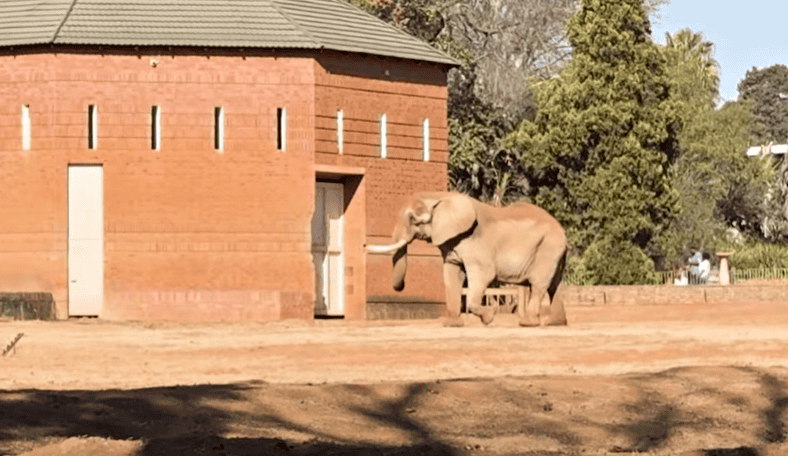
While much of what we know about elephant memory comes from field observations, controlled studies with captive elephants have provided additional insights into their cognitive abilities. In laboratory settings, elephants have demonstrated exceptional performance in delayed recall tasks, outperforming most other species. In one notable experiment, elephants successfully remembered the locations of hidden food items for periods exceeding two years without reinforcement—far longer than comparable primates. Captive elephants have also demonstrated the ability to recognize and respond appropriately to over 100 different verbal commands, indicating powerful associative memory. Perhaps most tellingly, elephants in sanctuaries have shown recognition of human caregivers or other elephants they haven’t seen in decades, responding with obvious excitement upon reunion. These controlled observations support the field evidence that elephants possess exceptional long-term memory capabilities that extend beyond spatial recall to include social relationships and learned behaviors.
Mythologies and Cultural References to Elephant Memory

The exceptional memory of elephants hasn’t escaped human notice throughout history. Across cultures, elephants have been symbols of wisdom and memory for thousands of years. The common expression “an elephant never forgets” appears in similar forms across many languages and cultures, suggesting widespread recognition of this cognitive trait. In Hindu tradition, the elephant-headed deity Ganesha is the god of wisdom and knowledge, while many African cultures have proverbs relating to the wisdom of old elephants who remember water sources from long ago. These cultural acknowledgments predated scientific confirmation by centuries, showing that observational knowledge of elephant memory has long been part of human understanding. Ancient Roman naturalist Pliny the Elder noted in his encyclopedic Natural History that elephants possess “a memory that is quite unequalled,” referring specifically to their ability to recall distant watering places during droughts—an observation that modern science has thoroughly validated nearly two thousand years later.
Conservation Implications of Elephant Memory
Understanding elephant memory has profound implications for conservation efforts. When poachers target older elephants for their larger tusks, they’re not just removing individuals but erasing crucial environmental knowledge that cannot be easily replaced. Conservation strategies increasingly recognize the need to protect older elephants specifically because of their role as knowledge bearers. In regions where elephant populations have been severely reduced by poaching, conservation biologists have observed that reintroduced or recovering populations struggle without older individuals to guide them to traditional water sources or migration routes. Some conservation projects are now experimenting with “memory mapping” efforts, where the movements of the oldest remaining elephants are tracked to document critical water resources before this knowledge is lost. This information can then inform protected corridor planning and habitat conservation priorities to ensure that crucial water sources remain accessible to elephant populations even as their traditional knowledge systems have been disrupted by human activity.
Technological Adaptations in Elephant Research

Modern technology has revolutionized our understanding of elephant memory and movement patterns. GPS tracking collars have allowed researchers to follow elephant herds continuously over many years, creating detailed maps of their movements in relation to water sources. This technology has revealed previously unknown water sources that elephants visit only during extreme droughts—places that wouldn’t appear significant to human observers most of the time. Satellite imagery combined with elephant tracking data has enabled researchers to identify subtle environmental cues that elephants might use to locate water, such as specific vegetation patterns that indicate underground water. Artificial intelligence analysis of decades of movement data is now being used to identify patterns that might not be obvious to human researchers, potentially revealing new aspects of how elephants conceptualize and remember their environment. These technological approaches are providing unprecedented insights into the cognitive world of elephants and how their remarkable memory systems function in practice.
The elephant’s ability to remember water holes for decades represents one of nature’s most remarkable cognitive adaptations—a blend of neural capacity, social learning, and evolutionary pressure that has created a memory system perfectly suited to their challenging environment. This extraordinary ability isn’t just a biological curiosity but a living example of how memory can be the difference between life and death in unpredictable environments. As we face increasing environmental uncertainty ourselves due to climate change, there may be lessons to learn from how elephant societies preserve and transmit crucial knowledge across generations. By protecting elephant populations and the knowledge systems they represent, we’re not just saving a species but preserving living libraries of environmental wisdom that have been accumulated over centuries. The elephant’s memory for water holes stands as testimony to the incredible adaptations that can emerge when intelligence meets the challenge of survival in Earth’s most demanding landscapes.

- How Birds Use the Stars to Navigate Across Continents - August 10, 2026
- What Happens When Lizards Lose Their Tails? - August 10, 2026
- Underground Wildlife: Creatures That Live Beneath Our Feet - August 10, 2026