


While we go about our daily lives on the Earth’s surface, an astonishing diversity of life thrives in a hidden world beneath our feet. From microscopic organisms to surprisingly complex mammals, the underground realm hosts a remarkable array of creatures that have evolved specialized adaptations to life in darkness. These subterranean species play crucial roles in ecosystem functioning, yet remain largely out of sight and out of mind for most humans. In this exploration of underground wildlife, we’ll venture below the surface to discover the fascinating organisms that make their homes in soil, caves, and other subsurface environments, revealing the complex web of life that exists in this hidden dimension.
The Soil Ecosystem: A Microscopic Metropolis
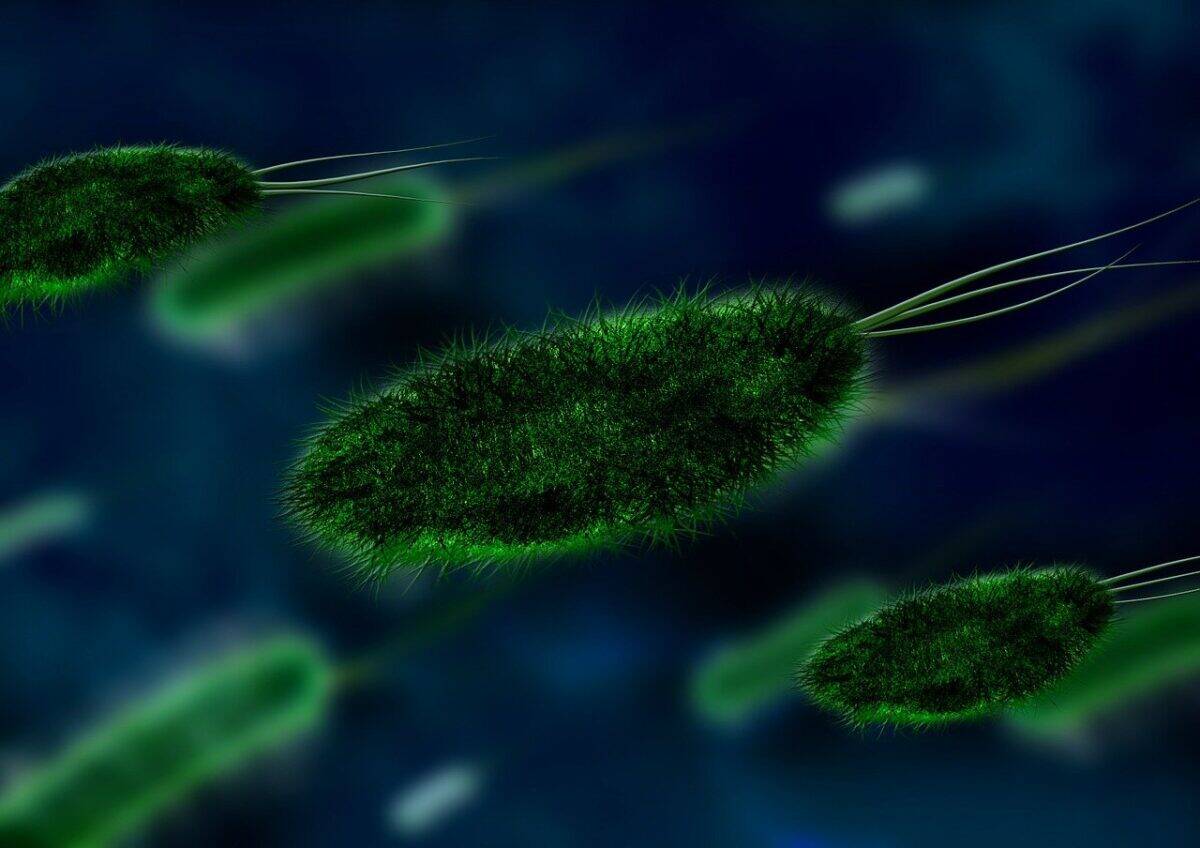
Just one teaspoon of healthy soil contains more microorganisms than there are people on Earth. This thriving microscopic ecosystem includes bacteria, fungi, protozoa, nematodes, and microarthropods living in complex communities. Bacteria break down organic matter, releasing nutrients for plants, while fungi form vast networks that can span hundreds of acres underground. Soil microbes collectively drive the carbon and nitrogen cycles that sustain all terrestrial life. Without these invisible underground workers, soil fertility would collapse, plants would fail to grow, and terrestrial ecosystems would unravel. The health of this underground metropolis directly impacts agriculture, forestry, and ultimately, human food security.
Earthworms: Engineers of the Soil
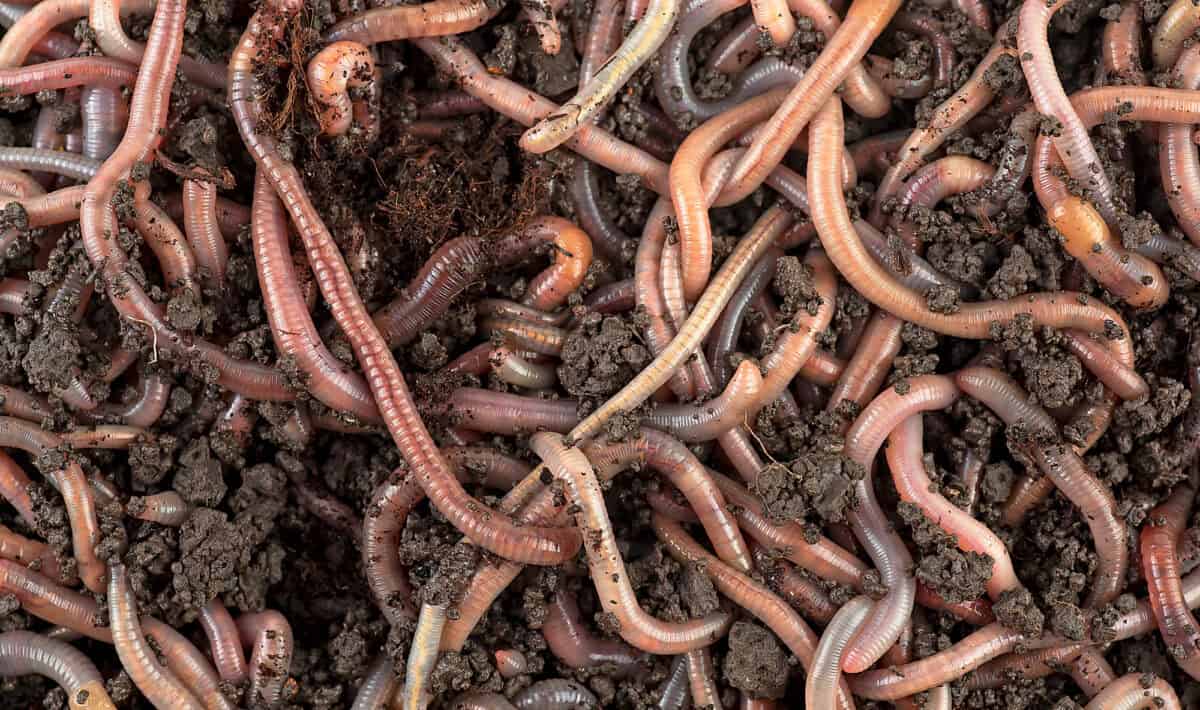
Earthworms represent one of the most important and familiar underground animals, though their ecological significance often goes unappreciated. Charles Darwin dedicated his final scientific work to earthworms, concluding that “it may be doubted whether there are many other animals which have played so important a part in the history of the world.” As they burrow, earthworms create channels that allow water and air to penetrate soil, improving drainage and preventing erosion. Their digestive systems transform organic matter into nutrient-rich castings that enhance soil fertility. A healthy acre of land can contain over a million earthworms, collectively moving approximately 20 tons of soil annually. Their burrowing activity creates crucial habitat spaces for smaller organisms and plant roots, earning them the title of “ecosystem engineers.”
Moles: The Subterranean Mammals
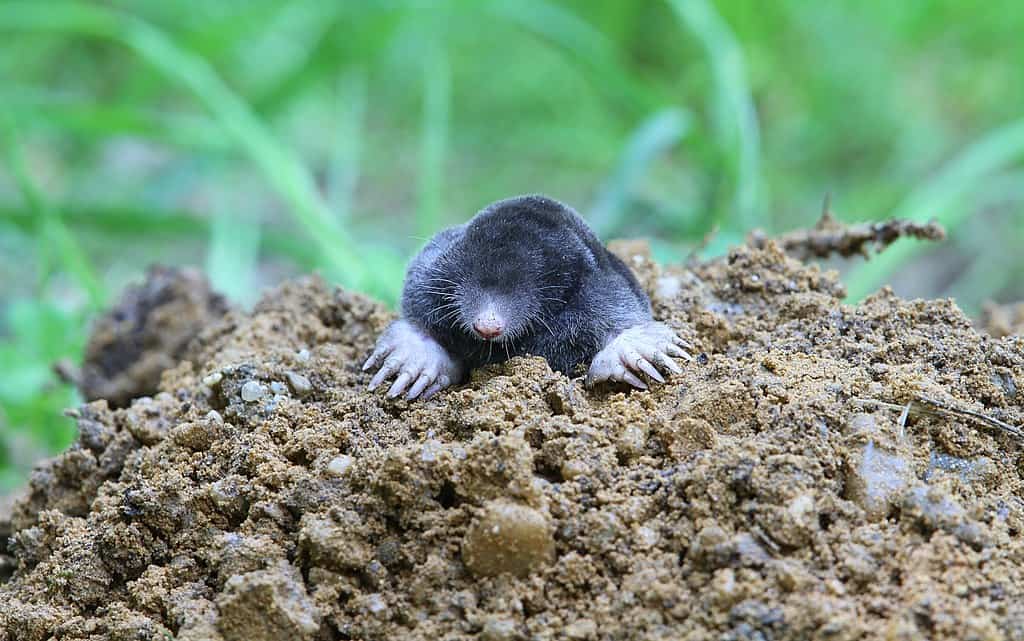
Moles have evolved into near-perfect tunneling machines, with powerful front limbs positioned like outward-facing shovels, velvety fur that can move backward or forward without resistance, and specialized blood cells that allow them to thrive in low-oxygen environments. These remarkable mammals spend almost their entire lives underground, creating elaborate tunnel systems that can extend over 100 yards. Far from being pests, moles provide essential ecological services by aerating soil, controlling insect populations, and creating drainage channels. A single mole can consume 50-100% of its body weight daily in earthworms, grubs, and other invertebrates. Their constant tunneling brings deeper soil layers to the surface, improving soil structure and plant growth in a process similar to natural plowing.
Burrowing Rodents: Ecosystem Architects

Various rodent species have adapted to underground living, creating some of the most complex animal societies on Earth. Prairie dogs, for instance, construct elaborate “towns” with specialized chambers for sleeping, raising young, storing food, and even waste disposal. These underground networks can cover hundreds of acres and may descend more than 15 feet below the surface. Pocket gophers act as ecosystem engineers, moving approximately 2.5 tons of soil per acre annually in some regions. This soil turnover increases plant diversity by creating open patches for new seeds to establish. Rodent burrows provide shelter for numerous other species, from burrowing owls to reptiles and invertebrates. Though often considered agricultural pests, these animals play crucial roles in maintaining grassland ecosystems by aerating soil, increasing water infiltration, and preventing brush encroachment.
Ants and Termites: Underground Social Societies

Ants and termites construct some of the most architecturally sophisticated underground structures in the animal kingdom. A single termite mound can house millions of individuals in a climate-controlled environment with elaborate ventilation systems. Some termite species build mounds reaching 30 feet tall, though most of the colony exists below ground. Leafcutter ants create underground chambers where they cultivate fungus gardens as their food source—representing one of the earliest forms of agriculture on Earth. These social insects move more soil in tropical regions than earthworms, profoundly influencing soil structure and chemistry. Their tunneling increases soil porosity and water infiltration, while their nutrient cycling activities create fertility hotspots that can remain for decades. In many ecosystems, these insects process more plant material than all vertebrate herbivores combined.
Cave-Dwelling Creatures: Adapting to Eternal Darkness
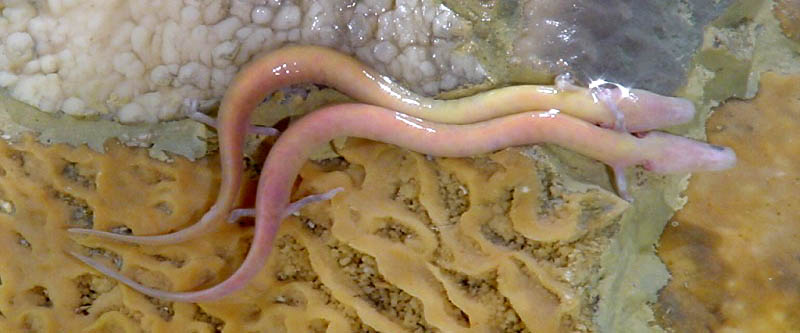
Deep within cave systems exists a world of highly specialized creatures that have evolved to live without light. True cave-dwelling animals, called troglobites, display remarkable adaptations including the loss of pigmentation, reduced or absent eyes, elongated appendages, and enhanced non-visual sensory systems. The olm, a cave-dwelling salamander found in European limestone caves, can live for over 100 years and go without food for up to a decade by reducing its metabolism. Blind cave fish have evolved enhanced lateral line systems that detect minute water movements, allowing them to navigate and hunt without sight. Many cave species represent evolutionary relics, providing scientists with windows into ancient lineages that have disappeared elsewhere. These fragile ecosystems are particularly vulnerable to disturbance, with many cave-dwelling species existing nowhere else on Earth but a single cave system.
Subterranean Reptiles and Amphibians
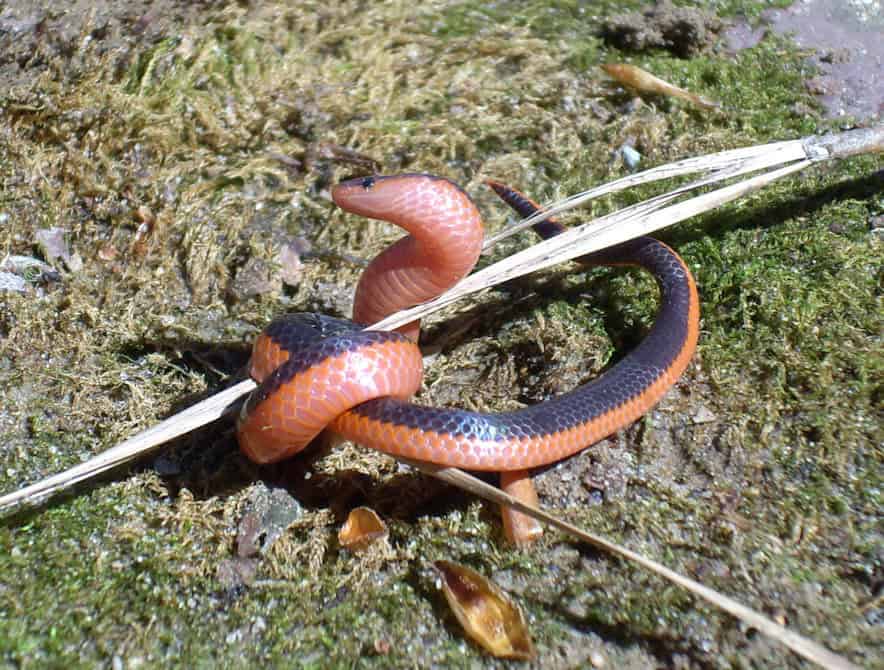
Several reptile and amphibian species have evolved for life underground. The Mexican burrowing caecilian resembles a large earthworm but is actually a legless amphibian that spends nearly its entire life below ground, hunting invertebrates through tunnels. Worm snakes have reinforced skulls for burrowing and specialized jaws adapted for their diet of termites and ants. The most extreme adaptation belongs to amphisbaenians or “worm lizards”—legless reptiles with reinforced skulls that can burrow forward or backward with equal ease. These creatures maintain moist skin in dry environments by remaining underground, emerging primarily during rainy periods. Many have reduced eyes covered by scales or skin, and instead rely on chemical and tactile senses to navigate their dark world. Underground herpetofauna play important roles in controlling insect populations and aerating soil through their burrowing activities.
Desert Specialists: Finding Refuge Underground

In harsh desert environments, going underground isn’t just advantageous—it’s often necessary for survival. Desert-dwelling animals escape extreme surface temperatures by retreating below ground where conditions remain relatively stable. The desert tortoise spends up to 95% of its life in burrows that can extend 30 feet horizontally and reach temperatures 30°F cooler than the surface. Kangaroo rats construct complex burrow systems with multiple entrances and specialized chambers, emerging only at night to collect seeds. Sand-swimming skinks have evolved streamlined bodies that allow them to “swim” through loose desert soils as efficiently as fish move through water. These underground refuges benefit not just their creators but also countless other species. A single desert tortoise burrow may provide critical habitat for over 20 other species including snakes, lizards, mammals, birds, and hundreds of invertebrate species—creating biodiversity hotspots in otherwise harsh landscapes.
Underground Arthropods: Six-Legged Soil Specialists
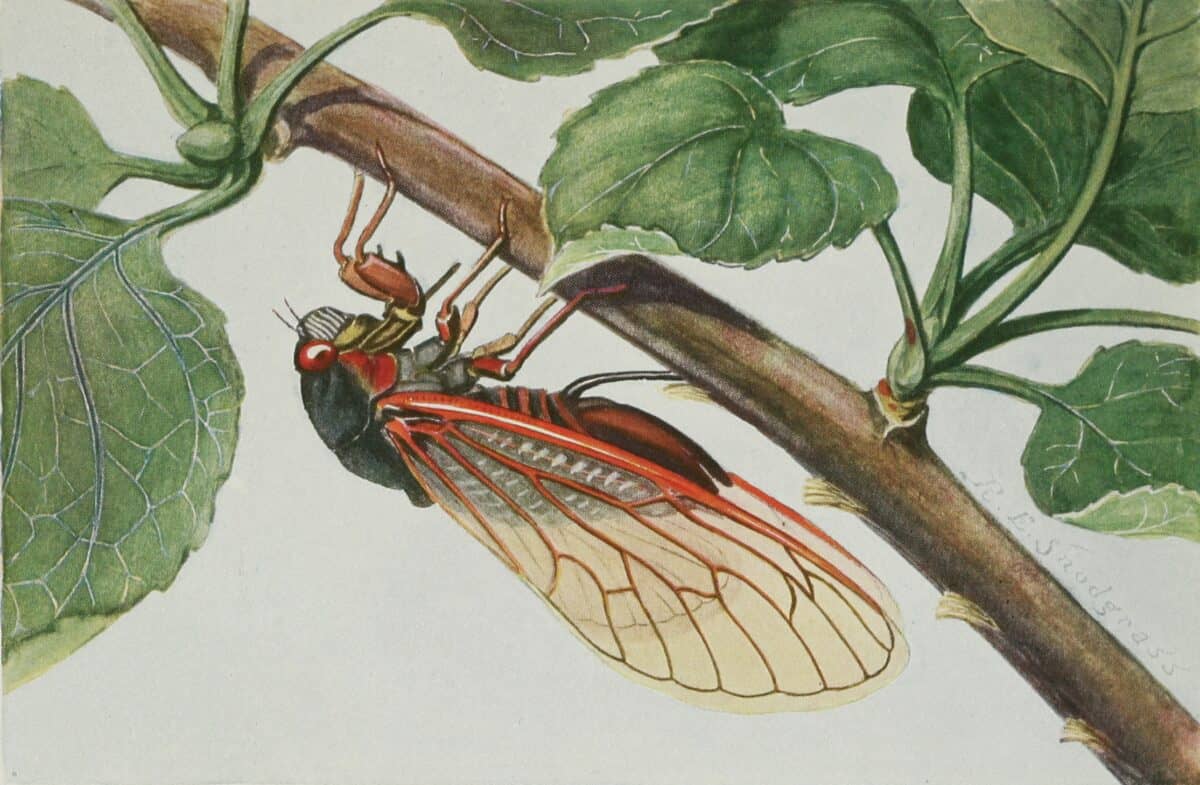
Beyond ants and termites, thousands of arthropod species spend their lives primarily underground. Soil-dwelling centipedes and millipedes break down leaf litter and control smaller invertebrate populations. Cicada nymphs can spend up to 17 years developing underground before emerging for their brief adult lives. Various beetle species spend their larval stages underground, with some, like the rhinoceros beetle, developing for up to three years in the soil before emerging as adults. Soil arthropods occupy nearly every conceivable ecological niche, from detritivores breaking down organic matter to predators controlling smaller invertebrate populations. They collectively form crucial links in underground food webs and contribute significantly to nutrient cycling. Recent studies using DNA sequencing have revealed that the diversity of soil arthropods far exceeds previous estimates, with many species still unknown to science.
Plant Roots: The Underground Half of Flora
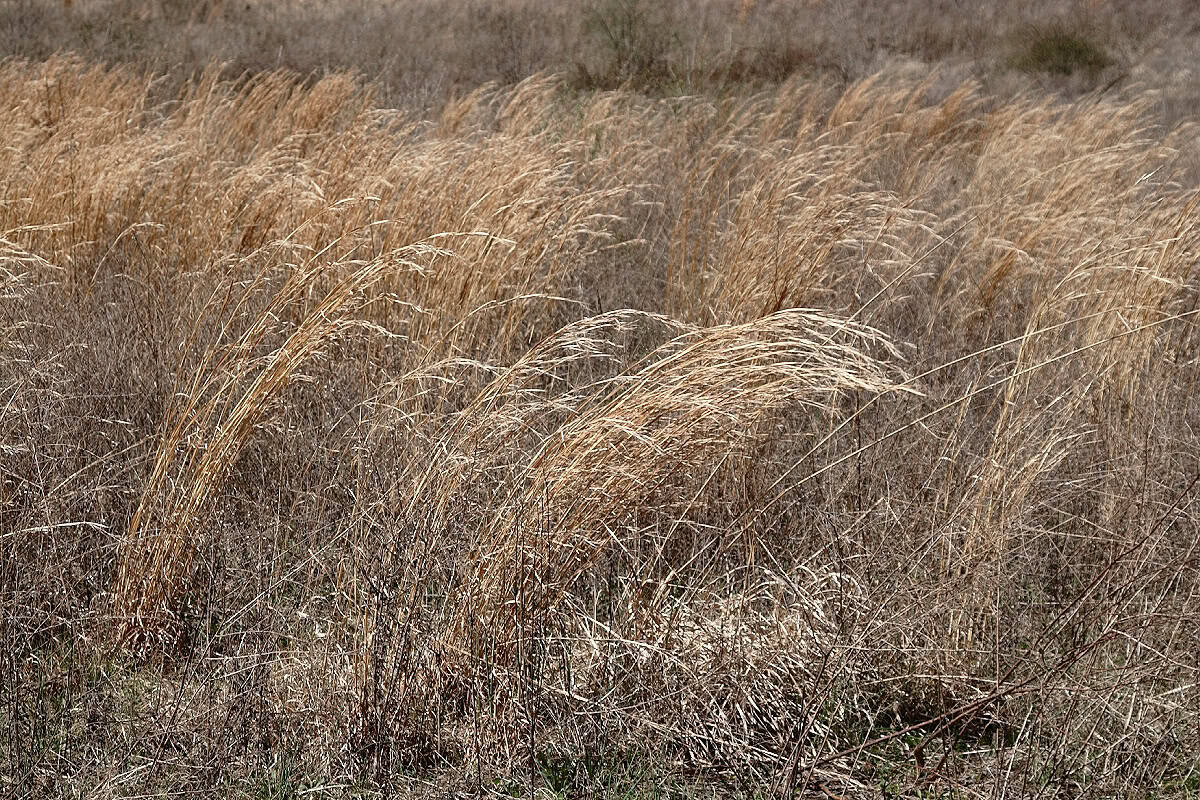
Though not animals, plants represent vital components of underground ecosystems through their extensive root systems. Tree roots can extend horizontally up to three times the diameter of the canopy and reach depths exceeding 20 feet. Prairie grasses develop root systems that can penetrate more than 15 feet deep, storing massive amounts of carbon underground. These root networks create microhabitats for countless soil organisms while stabilizing soil against erosion. The rhizosphere—the narrow zone immediately surrounding plant roots—teems with microbial life attracted to root exudates. Plants form mutual partnerships with mycorrhizal fungi, exchanging carbon compounds for enhanced nutrient uptake through fungal networks sometimes called the “Wood Wide Web.” These underground plant-fungal networks connect individual trees and even different species, allowing for resource sharing and communication. Some forest scientists now consider these underground connections crucial to understanding forest resilience and health.
Human Impact on Underground Ecosystems

Human activities increasingly threaten underground biodiversity through multiple pathways. Agricultural practices like tillage disrupt soil structure and fungal networks, while pesticides and fertilizers can harm beneficial soil organisms. Urban development seals soil under impermeable surfaces, effectively sterilizing previously living systems. Mining, groundwater extraction, and pollution introduce contaminants into subterranean habitats, particularly affecting vulnerable cave ecosystems. Climate change compounds these threats by altering soil moisture regimes and accelerating organic matter decomposition. Conservation efforts have historically focused on above-ground biodiversity, leaving underground ecosystems relatively neglected despite their ecological importance. Recent initiatives like the Global Soil Biodiversity Initiative aim to increase awareness and protection of subterranean life. Scientists emphasize that soil biodiversity represents a vast untapped resource for medical, agricultural, and industrial applications, with soil microbes already yielding numerous antibiotics and other beneficial compounds.
The underground world represents far more than mere dirt—it constitutes a complex, living system that supports all terrestrial life. From microscopic bacteria to burrowing mammals, subterranean organisms create soil structure, cycle nutrients, filter water, and provide countless ecosystem services that make surface life possible. Despite their critical importance, these below-ground communities remain among the least studied and appreciated components of biodiversity. As we face global challenges like climate change, food security, and biodiversity loss, understanding and protecting underground ecosystems becomes increasingly vital. By recognizing the remarkable life beneath our feet, we gain a more complete picture of Earth’s biodiversity and the interconnected systems that sustain our planet.

- Underground Wildlife: Creatures That Live Beneath Our Feet - August 10, 2026
- What We Can Learn From the Way Animals Build Homes - August 9, 2026
- Mini Pigs Are Becoming America’s Fastest-Growing Pet Trend - August 9, 2026
Leave a comment
You must be logged in to post a comment.