

Across the vast landscapes of Western North America, three iconic species—elk, moose, and bison—undertake remarkable journeys that have shaped ecosystems for millennia. These magnificent ungulates navigate mountains, forests, valleys, and plains in seasonal movements that represent some of the most impressive wildlife migrations on the continent. From the greater Yellowstone ecosystem to the Rocky Mountain corridors, these migrations are not merely movements from point A to point B but complex adaptations that ensure survival in changing environments. Understanding these migrations provides insight into wildlife conservation challenges, the importance of habitat connectivity, and the delicate balance these keystone species maintain in western ecosystems.
The Ecological Importance of Ungulate Migrations
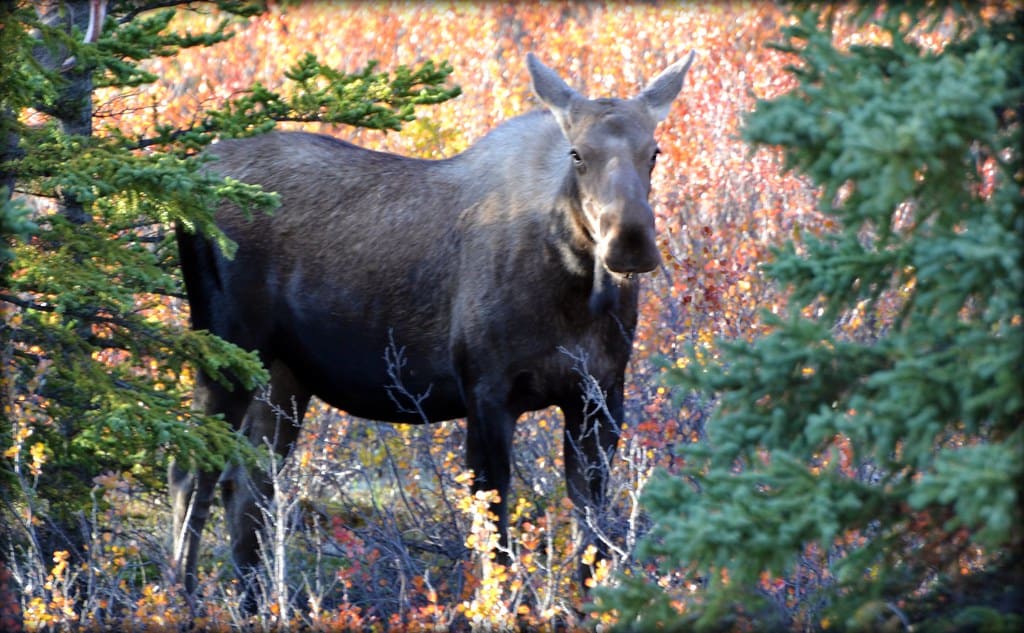
Ungulate migrations represent one of nature’s most critical ecological processes in western landscapes. As elk, moose, and bison move seasonally, they transfer nutrients, disperse seeds, and maintain vegetation patterns across vast areas. Research has shown that these migrations create what ecologists call “green waves” – the animals follow the sequential greening of vegetation as snow melts at different elevations, essentially “surfing” the emergence of nutritious new growth. This movement pattern helps maintain plant diversity and ecological health across large landscapes. Additionally, these migrating herds support numerous predator species like wolves, bears, and mountain lions, creating a cascade of ecological relationships that maintain biodiversity throughout western ecosystems.
Elk Migration Patterns: The Path-Finders

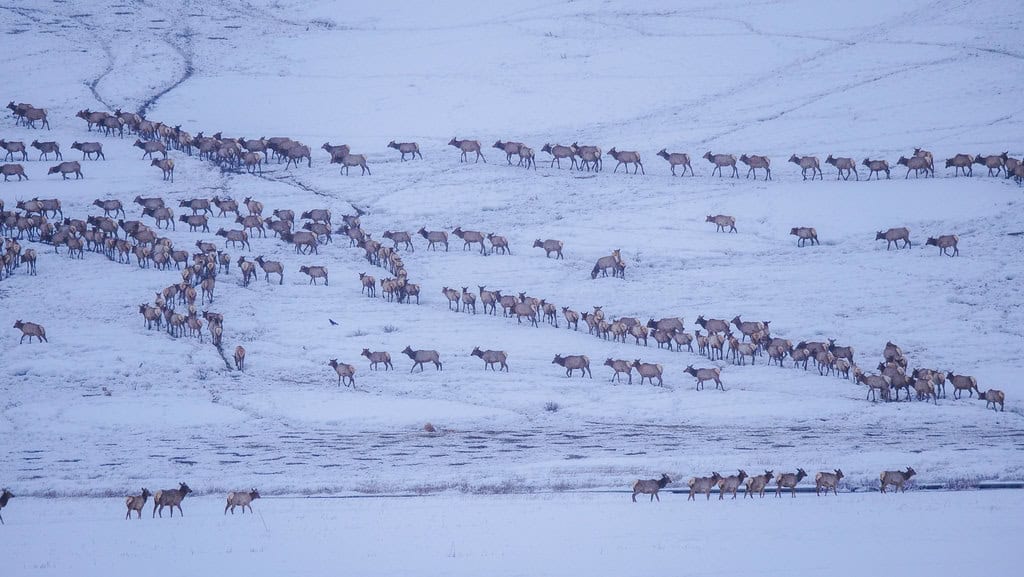
Elk (Cervus canadensis) undertake some of the most studied and dramatic migrations in North America. In the Greater Yellowstone Ecosystem, GPS collar data has revealed that elk herds migrate distances of 30-60 miles between seasonal ranges, with some exceptional individuals traveling over 100 miles. These migrations typically follow an elevational gradient, with herds moving to high mountain meadows in summer to access nutritious vegetation and escape insects, then descending to lower valleys and plains in winter when deep snow limits food availability. The timing of these movements is remarkably synchronized, triggered by environmental cues including snow depth, plant phenology, and day length. Recent research has documented that elk demonstrate incredible spatial memory, using the same migration corridors year after year and passing this knowledge through generations—a phenomenon scientists call “cultural memory.”
The Yellowstone Elk Migration: A Complex Network
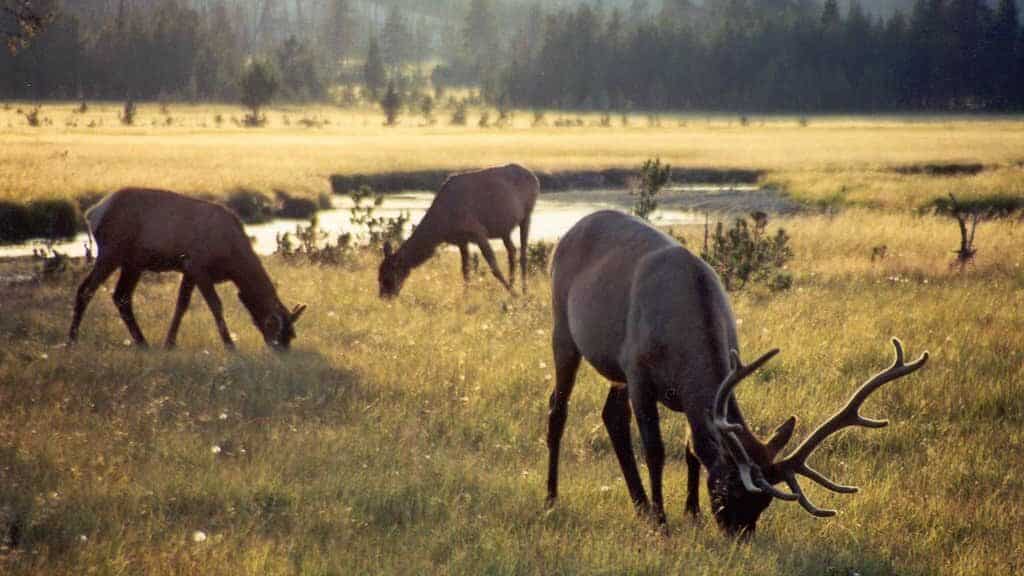
The Yellowstone ecosystem hosts one of the most complex networks of elk migrations in North America. Approximately 20,000-25,000 elk in seven to nine distinct herds move through this ecosystem seasonally. The most famous is perhaps the northern Yellowstone herd, which migrates between the high plateaus of Yellowstone National Park and the lower Paradise Valley in Montana. Research by the Wyoming Migration Initiative has revealed that these aren’t simple north-south movements but complex networks with multiple branches, stopover sites, and alternative routes that elk use depending on environmental conditions. These migration corridors have been used for generations and represent critical wildlife infrastructure that connects different seasonal habitats. The reintroduction of wolves to Yellowstone in the mid-1990s has added another dynamic element to these migrations, as elk must now navigate landscapes with predation risk, creating what ecologists call a “landscape of fear” that influences both migration timing and route selection.
Moose Migration: The Forest Wanderers

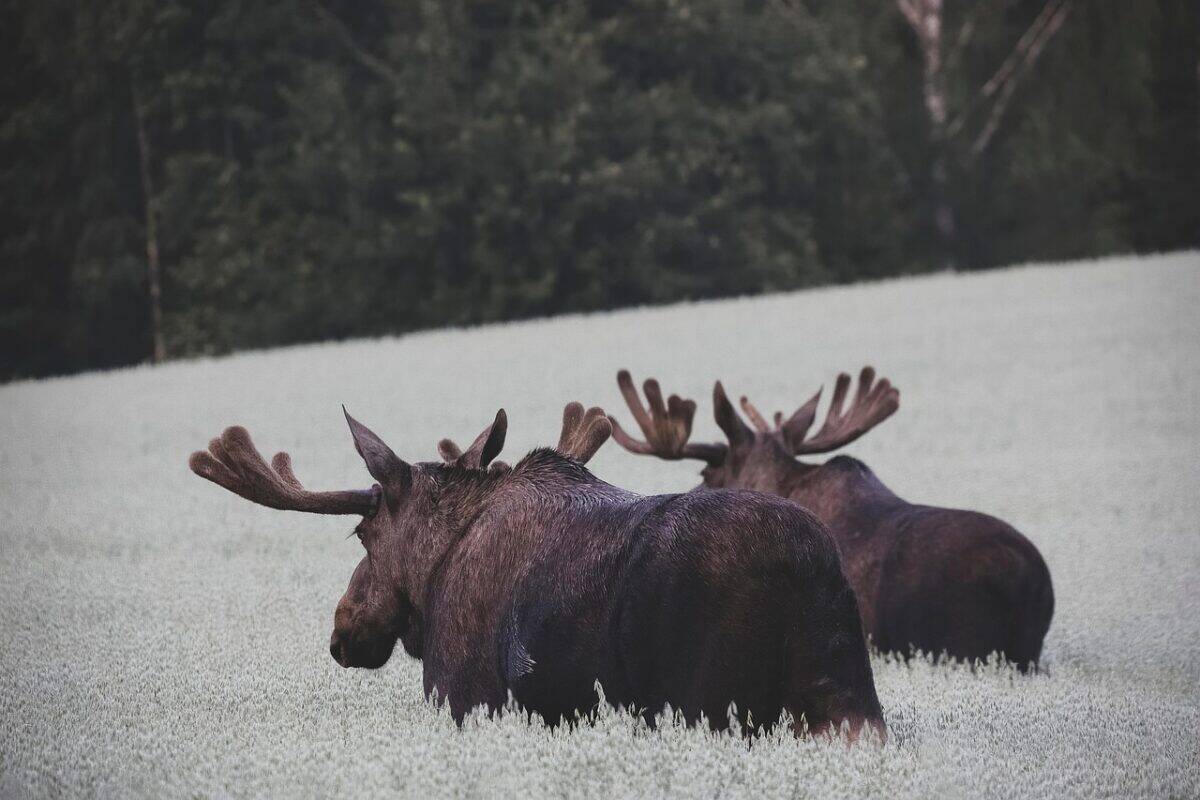
Moose (Alces alces) exhibit migration patterns that differ significantly from elk and bison, reflecting their unique ecological niche as browsers of woody vegetation. In western ecosystems, moose typically undertake shorter, more individualistic migrations compared to the herd movements of elk and bison. Studies in Wyoming’s Snowy Range and Colorado’s Rocky Mountain National Park have documented moose migrations spanning 10-20 miles between seasonal ranges. Unlike elk that follow highly traditional routes, moose movements often appear more dispersed across landscapes. Their migrations are strongly influenced by snow depth, as their long legs allow them to navigate deeper snow than other ungulates but still present energetic challenges in extreme conditions. Moose typically move from high-elevation willow thickets and subalpine forests in summer to lower river valleys and aspen stands in winter. Climate change poses a particular threat to moose migrations, as warmer temperatures increase heat stress and parasite loads, potentially altering traditional movement patterns across their range.
Bison Migration: The Prairie Nomads
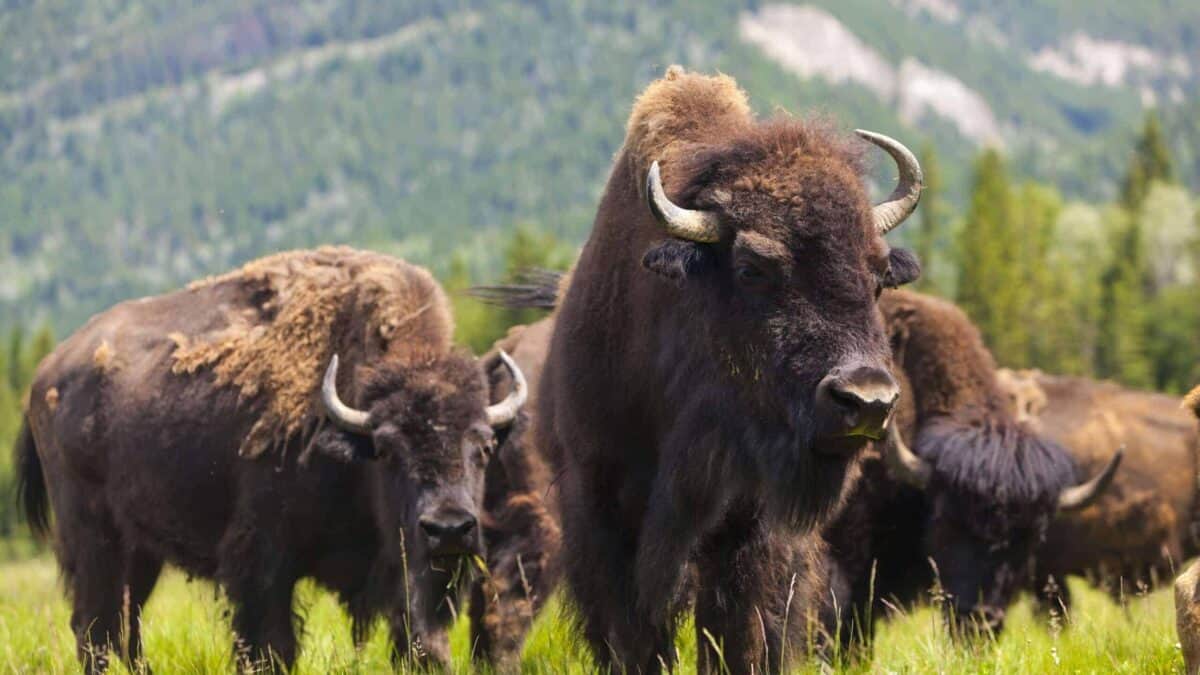
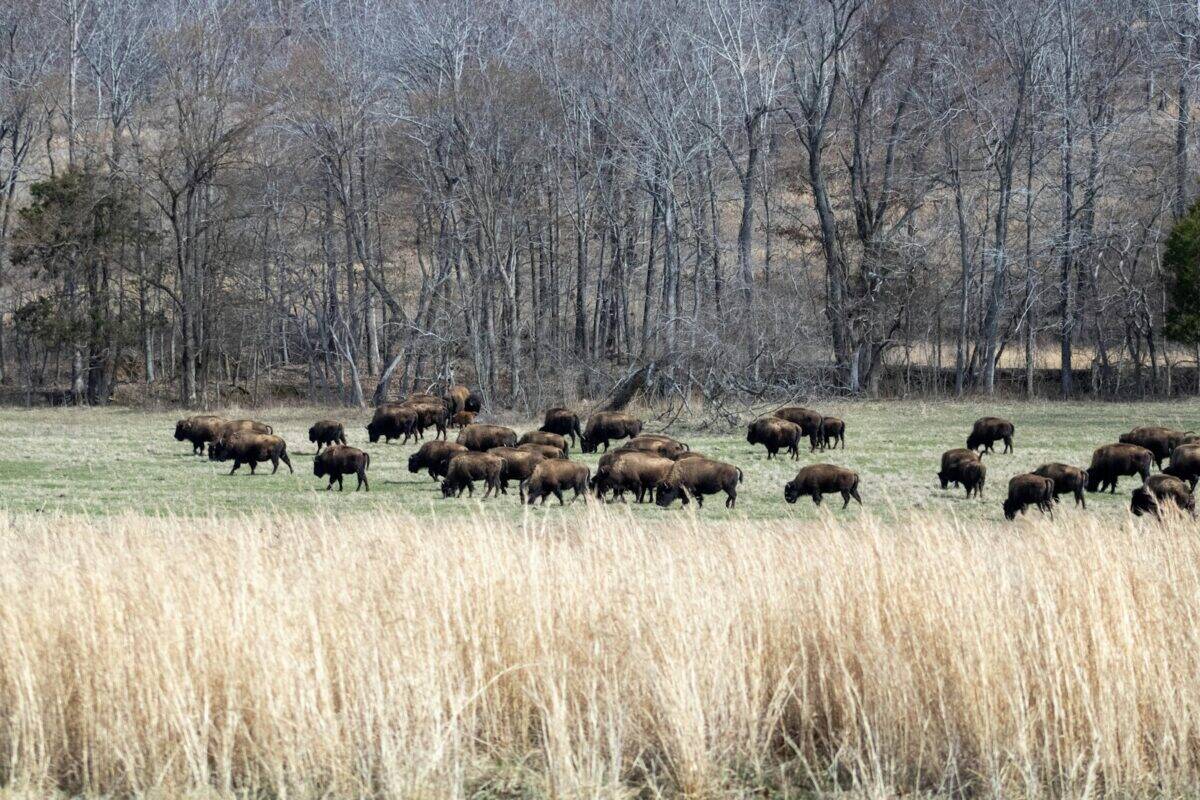
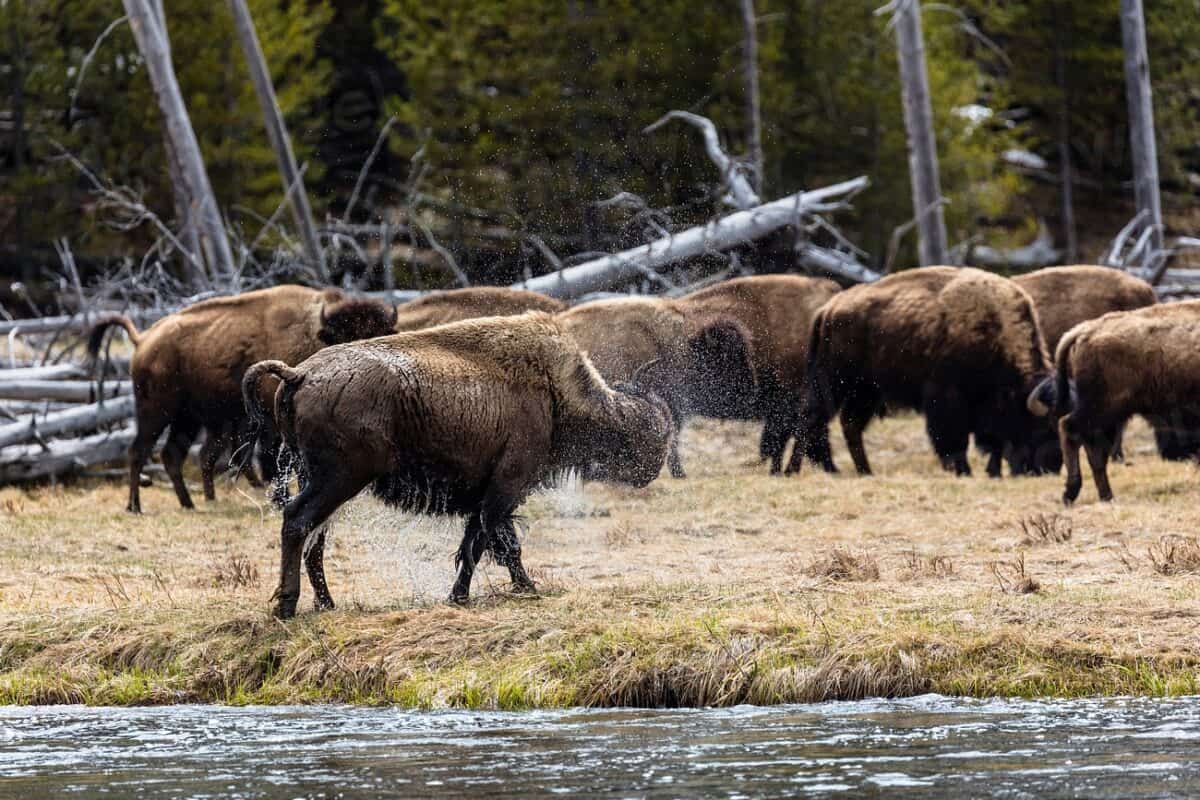
Bison (Bison bison) once undertook some of the most extensive migrations in North America, with historical accounts describing herds moving hundreds of miles across the Great Plains. Today, their movements are much more restricted, but free-ranging bison herds in Yellowstone National Park and several other western locations still demonstrate important migratory behaviors. The Yellowstone bison population, numbering approximately 5,000 animals, exhibits distinct seasonal movements between summer ranges on high plateaus and winter ranges in lower elevation valleys. These movements typically span 20-30 miles, following the melting snow line and green-up of vegetation. Unlike elk and moose, bison are powerful diggers, using their massive heads to sweep aside snow to access underlying vegetation. This adaptation allows them to remain in areas with moderate snowpack longer than other ungulates. Research has shown that bison migrations significantly impact prairie ecosystems through their grazing, wallowing, and fertilization behaviors, creating habitat heterogeneity that benefits numerous other species.
Seasonal Triggers and Environmental Cues
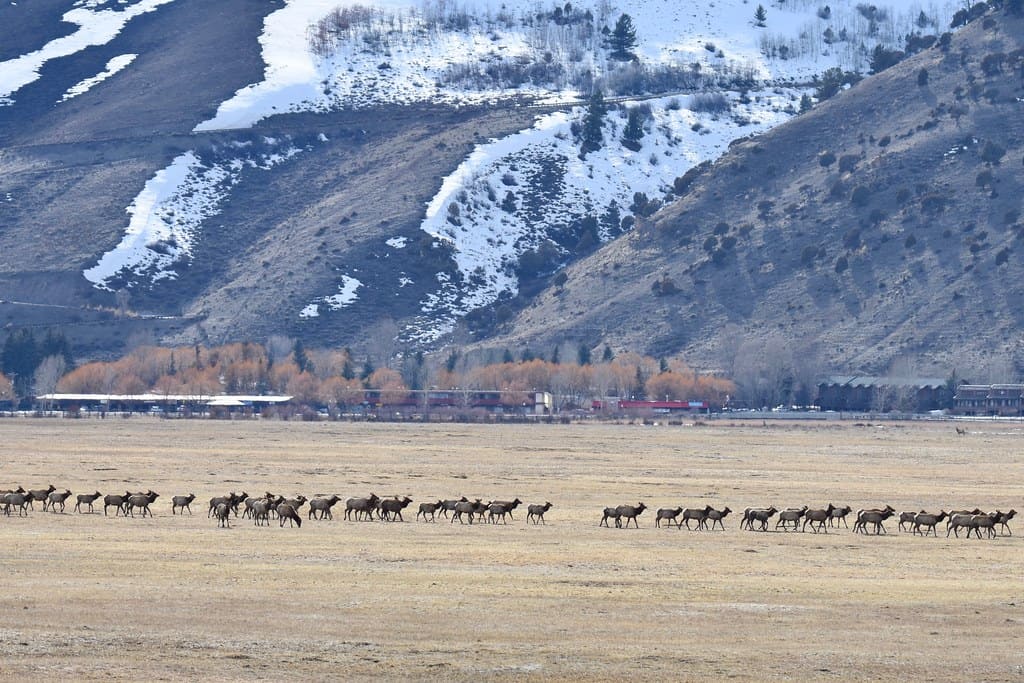
The timing of ungulate migrations in the West is choreographed by complex environmental cues. For elk, moose, and bison, the primary drivers are changing food availability, snow depth, and predation risk. Research using GPS collar data has shown remarkable synchronization in migration timing within populations. Spring migrations typically begin when snow starts melting at lower elevations, creating a “green wave” of nutritious new vegetation that animals follow upslope. Fall migrations are often triggered by the first significant snowfalls, decreasing temperatures, and declining forage quality. Studies in the Greater Yellowstone Ecosystem have documented that elk can detect weather changes days in advance, moving to winter ranges ahead of major storms. Climate change is disrupting these traditional cues, with earlier spring green-up and later winter onsets potentially creating mismatches between animal movements and optimal resource availability. This phenomenon highlights the evolutionary challenges these species face as their environments rapidly transform.
Challenges to Migration Corridors
Western migrations face unprecedented threats from human development and landscape fragmentation. Highway networks, residential development, energy infrastructure, and fencing create barriers that disrupt traditional movement patterns. Research published in the journal Science documented that more than one-third of historic migration routes in the American West have been lost due to human development. Physical barriers like highways can cause direct mortality, while habitat conversion to agriculture or residential areas eliminates crucial stopover habitat. Energy development creates both physical barriers and behavioral avoidance zones, with studies showing elk avoid active gas wells by 0.5-1 mile. The cumulative effect of these barriers creates a phenomenon ecologists call “death by a thousand cuts,” where no single development ends a migration, but the combined impacts eventually sever the connection between seasonal ranges. Conservation scientists emphasize that maintaining functional migration corridors requires preserving not just the narrowest pinch points but the full breadth of these movement pathways.
Technology and Tracking: Understanding Migration
Advanced technology has revolutionized our understanding of ungulate migrations in the West. GPS collar tracking now allows scientists to document animal movements with unprecedented precision, collecting location data as frequently as every 30 minutes over multiple years. This technology has revealed previously unknown migration routes, stopover areas, and timing patterns. The Wyoming Migration Initiative pioneered techniques to analyze these massive datasets, developing tools that identify migration corridors and critical habitat features. Beyond GPS tracking, scientists use satellite imagery to monitor vegetation phenology, matching animal movements to the “green wave” of plant growth. Camera trap networks provide insights into animal behavior during migrations, while genetic sampling helps understand population connectivity across landscapes. These technologies have fundamentally transformed migration science from anecdotal observations to data-driven conservation planning, allowing wildlife managers to identify and protect the most critical movement corridors before they’re lost to development.
Conservation Strategies for Migration Preservation
Conserving western ungulate migrations requires innovative approaches spanning multiple jurisdictions and land ownerships. Wildlife overpasses and underpasses have proven remarkably effective at reducing wildlife-vehicle collisions while maintaining habitat connectivity. Wyoming’s Trappers Point overpass, completed in 2012, has reduced pronghorn and mule deer collisions by over 80% while allowing thousands of animals to safely cross Highway 191. Conservation easements on private lands play a crucial role in protecting migration corridors, with organizations like The Nature Conservancy securing legal agreements that prevent development while maintaining traditional ranching operations. Public land management agencies increasingly incorporate migration data into resource management plans, designating special management areas for migration corridors. In 2020, the U.S. Department of the Interior issued Secretarial Order 3362, directing agencies to enhance and improve big game winter range and migration corridor habitat. This policy shift represents growing recognition that migration conservation requires landscape-scale planning across ownership boundaries.
Cultural and Economic Value of Migrations

Western ungulate migrations hold tremendous cultural and economic significance beyond their ecological importance. Indigenous peoples have long held deep connections to these migrations, with tribal hunting practices and ceremonies timed to seasonal animal movements. The Shoshone and Bannock tribes maintain traditional knowledge about bison and elk migrations that spans countless generations. Economically, these migrations support a robust wildlife tourism industry, with communities like Jackson, Wyoming, and Gardiner, Montana, serving as gateways for wildlife viewers hoping to witness these spectacular movements. A 2019 economic analysis estimated that elk hunting alone contributes over $300 million annually to Wyoming’s economy, while wildlife viewing in the Greater Yellowstone Ecosystem generates over $1 billion in economic activity. These economic benefits create powerful incentives for conservation, as communities recognize that protecting migration corridors preserves their economic foundations. The cultural and economic values of migrations provide complementary motivations for conservation alongside ecological concerns.
Climate Change Impacts on Migration Patterns

Climate change presents perhaps the most profound long-term threat to western ungulate migrations. Rising temperatures are altering the timing and quality of plant growth, potentially creating mismatches between animal movements and optimal forage conditions. Research in Yellowstone has documented that spring green-up now occurs approximately two weeks earlier than in the 1970s, but migration timing hasn’t fully adjusted to this shift. Changing precipitation patterns affect both summer and winter ranges, with more rain falling instead of snow and earlier snowmelt altering water availability throughout the year. For moose particularly, warming temperatures increase heat stress and parasite loads, with moose increasingly observed at higher elevations where temperatures are cooler. Extreme weather events like severe droughts and wildfires disrupt traditional movement patterns and can temporarily render habitat unusable. These climate-driven changes may require ungulates to adapt their migration strategies more rapidly than their cultural learning processes typically allow, creating potential population bottlenecks as animals struggle to locate optimal resources in an increasingly unpredictable environment.
The Future of Western Migrations

The future of elk, moose, and bison migrations in the West hinges on our collective commitment to conservation in the face of mounting pressures. Promising developments include growing scientific understanding of migration dynamics, increasing public awareness of their importance, and innovative conservation tools like wildlife crossings and easement programs. The bipartisan support for migration corridor conservation suggests these efforts can transcend political divides. However, significant challenges remain as population growth in western states continues to fragment landscapes and climate change alters the environmental conditions these migrations evolved within. The most successful conservation efforts will likely combine robust science, creative policy solutions, public-private partnerships, and landscape-scale planning that crosses jurisdictional boundaries. The migrations of elk, moose, and bison represent not just ecological phenomena but living connections to the wild character of the American West. Their preservation requires recognizing both their intrinsic value and their importance to functioning western ecosystems. With continued commitment to evidence-based conservation and collaborative approaches, these magnificent journeys can continue to inspire wonder for generations to come.
Conclusion
The migrations of elk, moose, and bison across western landscapes represent natural phenomena of remarkable ecological and cultural significance. These journeys, shaped over millennia by the animals’ adaptations to seasonal changes, now face unprecedented challenges from human development, habitat fragmentation, and climate change. The conservation of these migration corridors requires not just scientific understanding but societal commitment to preserving landscape connectivity across a mosaic of public and private lands. As we’ve learned through advanced tracking technologies and dedicated research, these aren’t simple movements but complex behavioral traditions passed through generations of animals—a form of cultural knowledge as vulnerable to disruption as the physical landscapes themselves. By protecting these migrations, we preserve not just individual species but the ecological processes that maintain healthy western ecosystems and the cultural and economic values that connect human communities to these magnificent animals.

- This Tiny Insect Can Survive in Outer Space—Here’s How - July 21, 2026
- Could the Tasmanian Tiger Be Brought Back to Life? - July 21, 2026
- Why You Should Never Approach a Sleeping Hippo - July 21, 2026