

Fiddler crabs, with their distinctive oversized claws, are a captivating subject in the animal kingdom. These petite crustaceans, often seen scuttling along sandy shores, exhibit a fascinating mating ritual that relies heavily on their large claws. In this article, we’ll delve into the various aspects of how fiddler crabs use these claws to attract partners, providing insights into their unique behaviors and characteristics.
The Enigma of the Fiddler Crab’s Claw
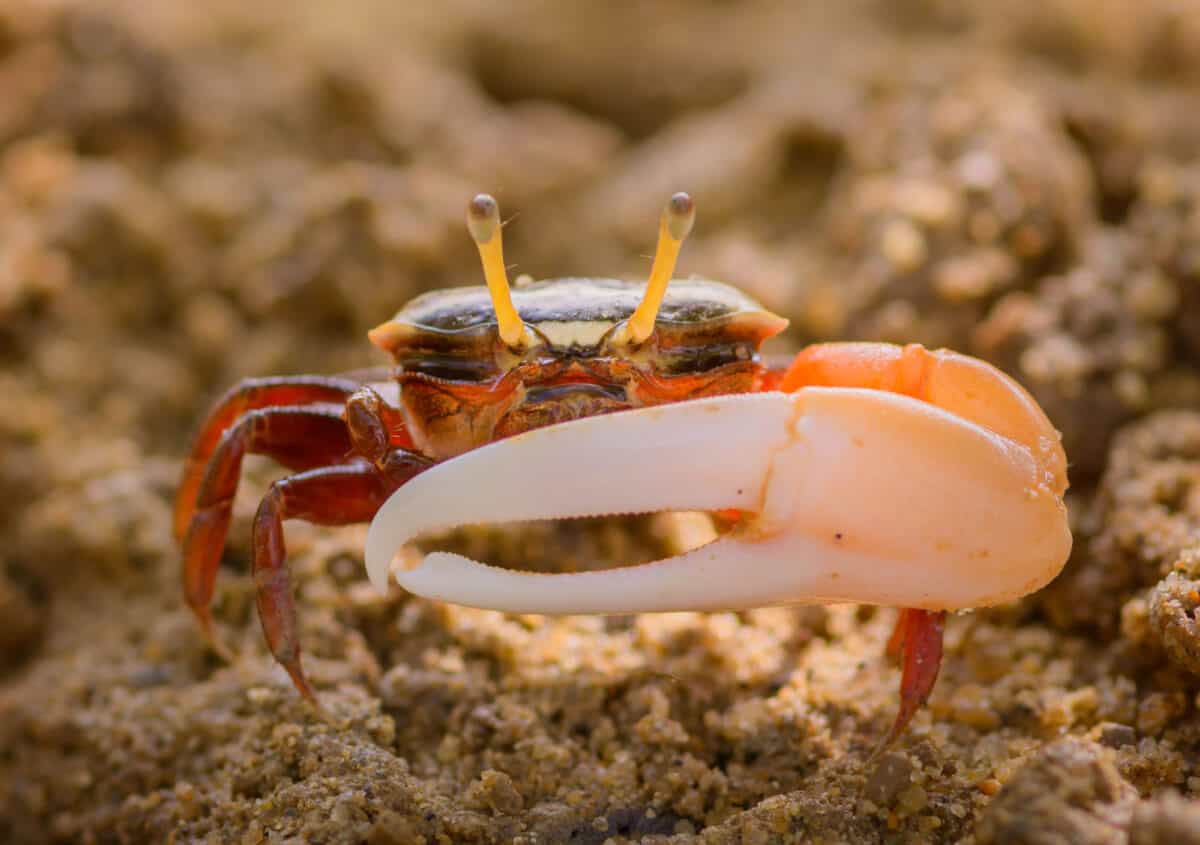
Fiddler crabs are distinguished by the striking size difference between their two claws. While one claw is relatively normal-sized, the other is enlarged, sometimes constituting nearly half of the crab’s body weight. This unique adaptation has intrigued scientists and nature enthusiasts alike, leading to questions about its purpose and functionality.
A Display of Dominance and Strength

The large claw of the fiddler crab functions as a beacon of dominance within their sandy habitats. Male crabs use their claws to fend off rivals and stake claim over their territories, which are essential for attracting mates. By waving their claws, males send clear signals to other crabs, communicating strength and virility.
The Role of Claw Waving in Courtship

But the role of the giant claw goes beyond mere intimidation. During mating season, male fiddler crabs engage in elaborate courtship displays, involving rhythmic claw waving to draw the attention of females. These movements are a visual communication, showcasing the males’ physical fitness and suitability as mates.
The Science Behind the Waving Motion
Researchers have studied the mechanics of claw waving to understand its implications. The motion isn’t random; it’s a carefully orchestrated pattern that varies across species and individuals. Each wave provides a snapshot of the male’s vigor and energy, qualities that females may find attractive—a fascinating example of natural selection at play.
Female Choice Picking the Right Suitor

Female fiddler crabs don’t just mindlessly respond to every wave. They are selective, often moving from one male to another, evaluating the most appealing display. Factors such as the speed and consistency of the waving, along with the size and color of the claw, influence their choice, revealing the sophistication behind their mating decisions.
The Impact of Claw Regeneration.
If a male loses his large claw, either in combat or due to predation, he is at a significant disadvantage. However, fiddler crabs have the ability to regenerate lost limbs. While the regrown claw may initially be smaller and less impressive, it gradually returns to full size, allowing the crab a second chance to participate in the mating game.
The Connection Between Claw Color and Mating Success

Beyond size, the coloration of a male’s claw also plays a vital role in attracting females. Brighter and more vivid colors may serve as an indication of a male’s health and genetic quality. Studies have shown that males with more vibrant claws tend to have higher mating success, underscoring the visual aspect of crab courtship.
Behavioral Variations Across Species

There are numerous species of fiddler crabs, each with its variations in claw morphology and behavior. Some species exhibit rapid, short waves, while others perform long, sweeping motions. This diversity illustrates the evolutionary pressures that shape these behaviors, as crabs adapt to different environments and social structures.
The Claimed Territory A Sign of Suitability

In addition to their physical displays, male fiddler crabs invest time in maintaining prime territories. A well-patrolled, resource-rich area signals a male’s capability to provide for a potential mate, making it an essential aspect of courtship. Females take note of these territories when selecting their partners, aligning survival instincts with mating choices.
Claw Size as a Factor in Mate Selection
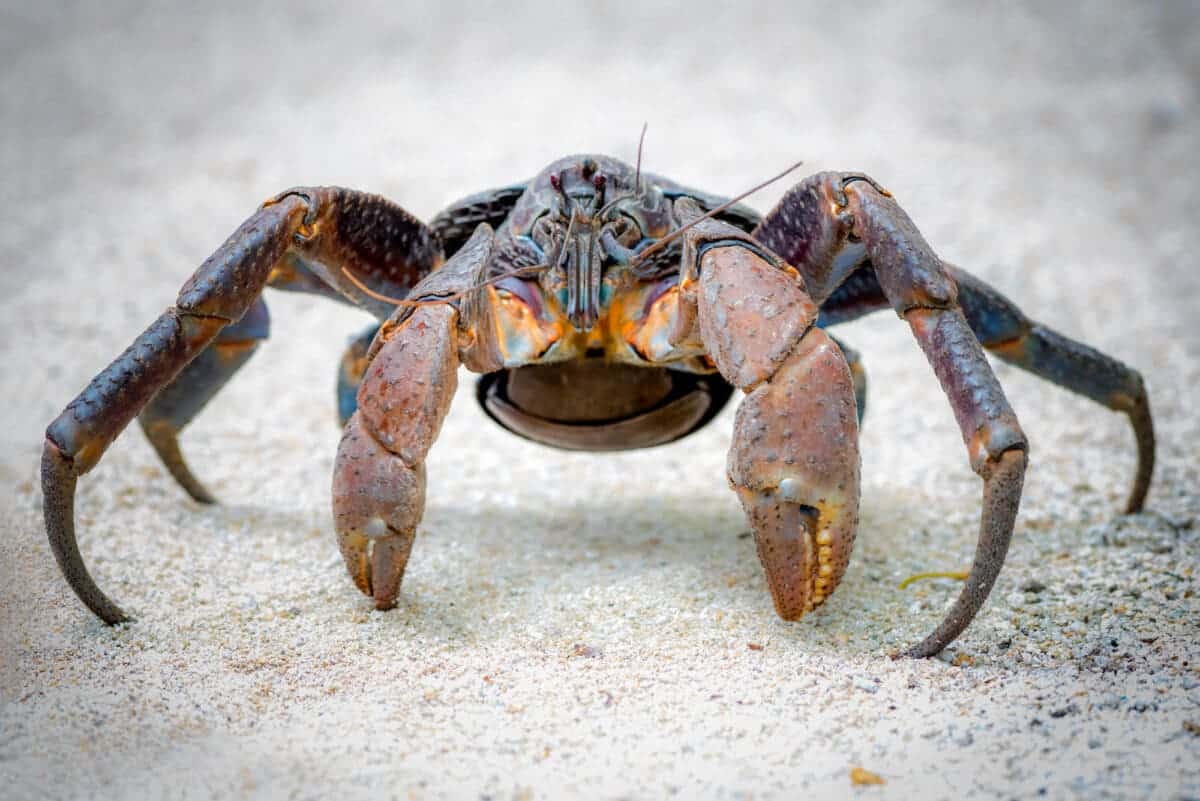
While larger claws are typically associated with greater success in attracting mates, there’s a balance to be struck. A claw that is too large can hinder mobility and foraging, leading to a potential trade-off between attracting mates and surviving in the wild. This balance is another example of the delicate dance between natural and sexual selection.
The Role of Acoustic Signals
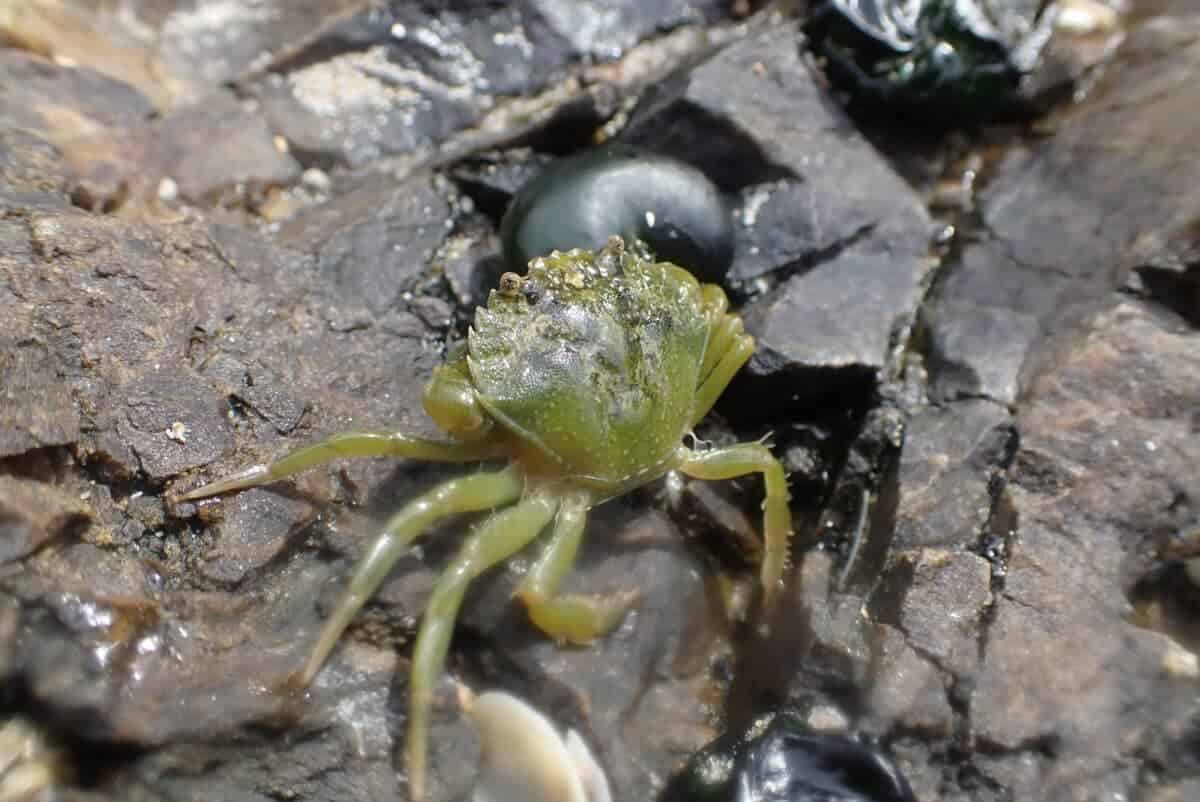
Fiddler crabs are not just visual; they can also produce sounds by tapping their claws on the ground, adding an acoustic element to their courtship displays. Though not all species use sound in their mating rituals, those that do have developed a complex combination of visual and auditory signals to maximize their chances of attracting a mate.
Crab Behavior as an Insight Into Natural Selection
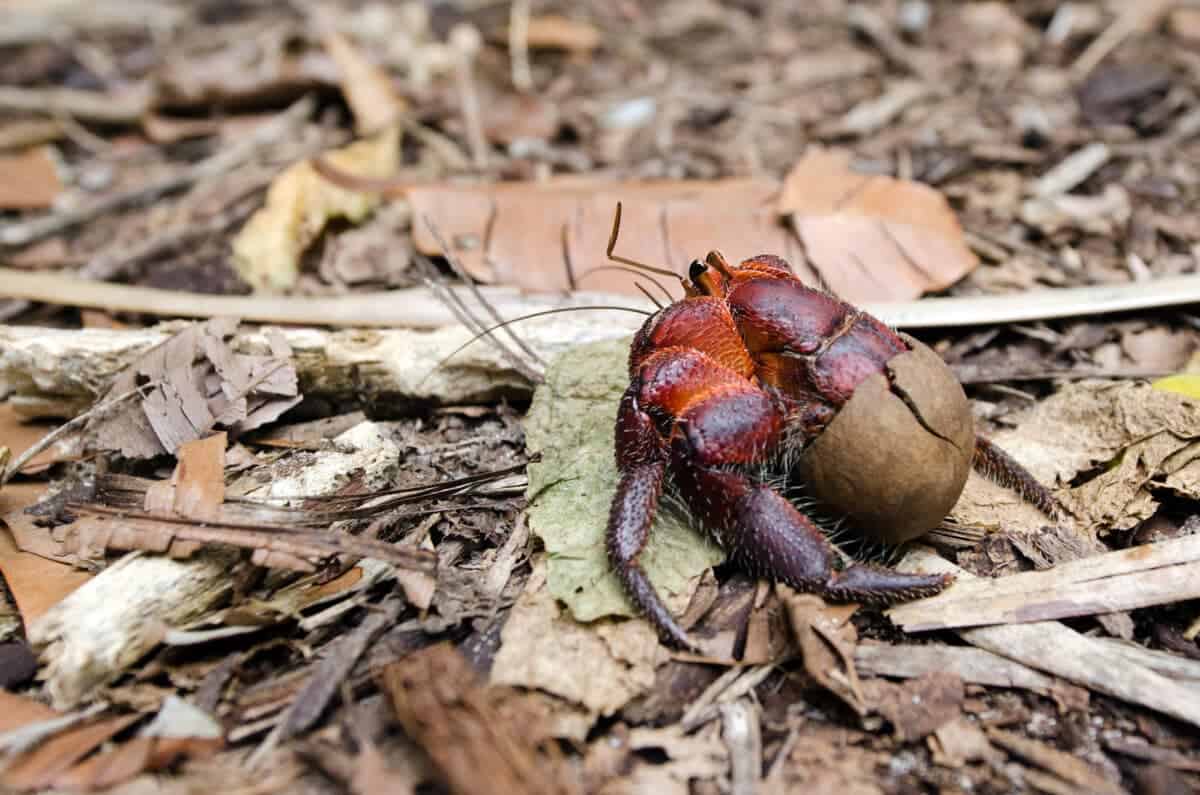
The claw-waving antics of fiddler crabs offer a valuable window into the processes of natural selection. By observing how these creatures balance the demands of survival and reproduction, researchers gain insights into broader ecological and evolutionary patterns, highlighting the intricate dance of life present in nature.
Conclusion: The Claw as a Symbol of Life’s Complexity

The large claw of the fiddler crab serves as a mesmerizing example of nature’s complexity and adaptability. Through a combination of visual flair, behavioral sophistication, and ecological strategy, fiddler crabs teach us about the nuances of animal behavior and the eternal push-and-pull of natural selection. Their story is a testament to the intricate forces that shape life on Earth, as these tiny creatures continue their dance of survival along the world’s coastlines.

As a little kid, I fell in love with nature, wildlife, and animals. Living in the USA, South Africa, Italy, China and Germany gave me the opportunity to discover the world's Wildlife. My favorite animals are Mountain Gorillas, Siberian Tigers, and Great White Sharks.
I'm a certified PADI Open Water Diver, went to Everest Base Camp and Trekked Gorillas in Uganda. I hold a Master of Science in Economics and Finance.
Please send any feedback to feedback@animalsaroundtheglobe.com
- 13 Cold Blooded Killers of the Animal Kingdom - August 2, 2026
- Trump Administration Proposes To Shut Down National Center For Atmospheric Research - August 2, 2026
- Top 10 Animals and Wildlife in Vietnam - August 2, 2026