
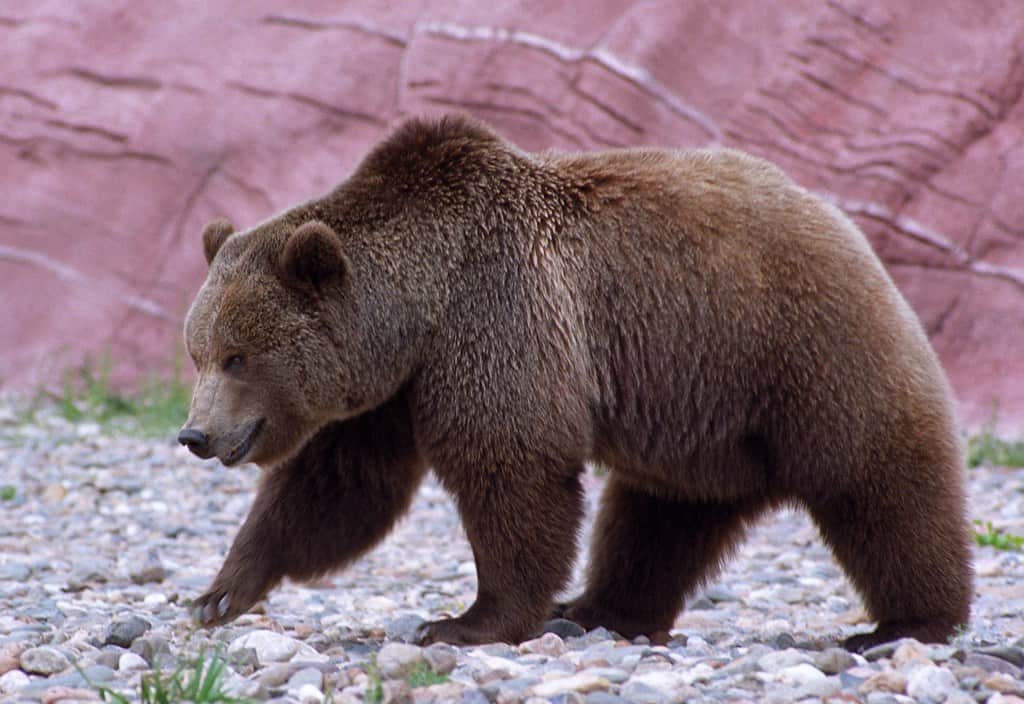
Grizzly bears (Ursus arctos horribilis) stand as some of nature’s most formidable land predators, commanding respect through their sheer physical presence and astonishing strength. These magnificent mammals, a subspecies of brown bear native to North America, have evolved remarkable physical attributes that enable them to thrive in harsh wilderness environments from dense forests to mountain meadows. Their legendary strength isn’t merely for show—it serves critical functions in their daily quest for food, territory defense, and ultimate survival.
What makes grizzlies particularly impressive is how they channel their muscular power through various hunting techniques and survival strategies. Unlike specialized predators with a single hunting method, grizzlies demonstrate remarkable adaptability, using their strength differently depending on the prey, season, and environment. This versatility, coupled with raw power that allows them to move logs weighing hundreds of pounds, dig extensive dens, and overcome large prey animals, has secured their position as apex predators across their range for thousands of years.
The Anatomy of Grizzly Strength

A grizzly bear’s strength begins with its imposing size and specialized anatomy. Adult males (boars) typically weigh between 400-790 pounds, though exceptional individuals can exceed 1,500 pounds. Their muscles are particularly developed in the shoulders, neck, and forelimbs, creating the distinctive “grizzly hump”—a mass of muscle over the shoulders that powers their incredible digging ability. This muscle concentration provides the leverage needed to overturn heavy rocks, tear apart logs, and excavate dens in difficult terrain.
The bear’s skeletal structure complements its muscular development, with thick bones and powerful joints that can withstand tremendous force. Their massive paws, equipped with 4-inch claws, function as versatile tools for hunting and foraging. These claws, though not retractable like those of cats, are curved and sharp enough to impale prey, disembowel large mammals, or excavate ground squirrels from their burrows. Scientists estimate that a grizzly’s forearm strike can deliver forces exceeding 1,200 pounds per square inch—sufficient to crush a bowling ball or shatter a human skull with a single blow.
Fishing: Precision Amid Raw Power

One of the most iconic displays of grizzly strength and dexterity comes during salmon runs, where bears gather at rivers and streams to intercept migrating fish. Despite their bulk and power, grizzlies demonstrate remarkable precision when fishing. They employ various techniques depending on water conditions and fish density. In shallow streams, they may wade directly into the current, using their powerful legs to maintain position against rushing water while scanning for fish. When a salmon appears, the bear launches with surprising speed, sometimes completely submerging its head and shoulders to secure prey.
During peak salmon runs, particularly in places like Alaska’s Brooks Falls, grizzlies may position themselves at waterfalls or rapids where fish must jump to continue upstream. Here, they display phenomenal reflexes, snatching leaping salmon from mid-air with their jaws or paws. A skilled fishing grizzly can catch and consume dozens of fish daily, providing crucial fat reserves for winter hibernation. This fishing prowess represents a perfect blend of patience, timing, and explosive strength that allows bears to harvest protein-rich food with remarkable efficiency.
Hunting Large Mammals: Ambush and Pursuit

While many associate grizzlies primarily with fishing or foraging, they are formidable hunters of large mammals, particularly during spring when vulnerable newborn elk, moose, and deer calves provide easier targets. When hunting large prey, grizzlies typically employ ambush tactics, using their acute sense of smell (seven times more sensitive than a bloodhound’s) to detect prey from miles away. They conceal their massive bodies with surprising effectiveness, remaining motionless behind vegetation or terrain features until prey approaches within striking distance.
The bear’s attack often begins with an explosive charge that can reach speeds of 35 mph over short distances—faster than Olympic sprinters. For larger prey like adult moose or elk, grizzlies typically target the neck, shoulders, or hindquarters, using their weight and strength to bring the animal down before delivering fatal bites to the neck or spine. Their jaw strength, measured at over 1,200 PSI (pounds per square inch), easily crushes bone and severs spinal cords. This hunting strategy showcases not just raw power but the strategic application of strength that makes grizzlies such effective predators.
Digging: Excavating Food and Shelter

Perhaps no activity better demonstrates a grizzly’s extraordinary strength than its digging capabilities. Grizzlies regularly excavate massive dens for winter hibernation, moving hundreds of pounds of soil, rock, and roots. These dens, typically dug into hillsides, may extend 6-8 feet into the earth with chambers large enough for the bear to turn around comfortably. The specialized shoulder hump muscles power this excavation, allowing the bear to remove obstacles that would require machinery for humans to move.
Beyond den construction, grizzlies use their digging strength to access various food sources. They unearth roots, bulbs, and tubers, excavate colonial rodents like ground squirrels, and dig out yellow jacket nests despite painful stings. In alpine environments, they overturn boulders weighing hundreds of pounds to access insects, mice, and hibernating marmots underneath. Researchers have documented grizzlies moving rocks weighing over 500 pounds—equivalent to a small motorcycle—using just their forelimbs and claws, a testament to their exceptional leverage and muscle power.
Tree-Climbing: Surprising Agility Despite Size
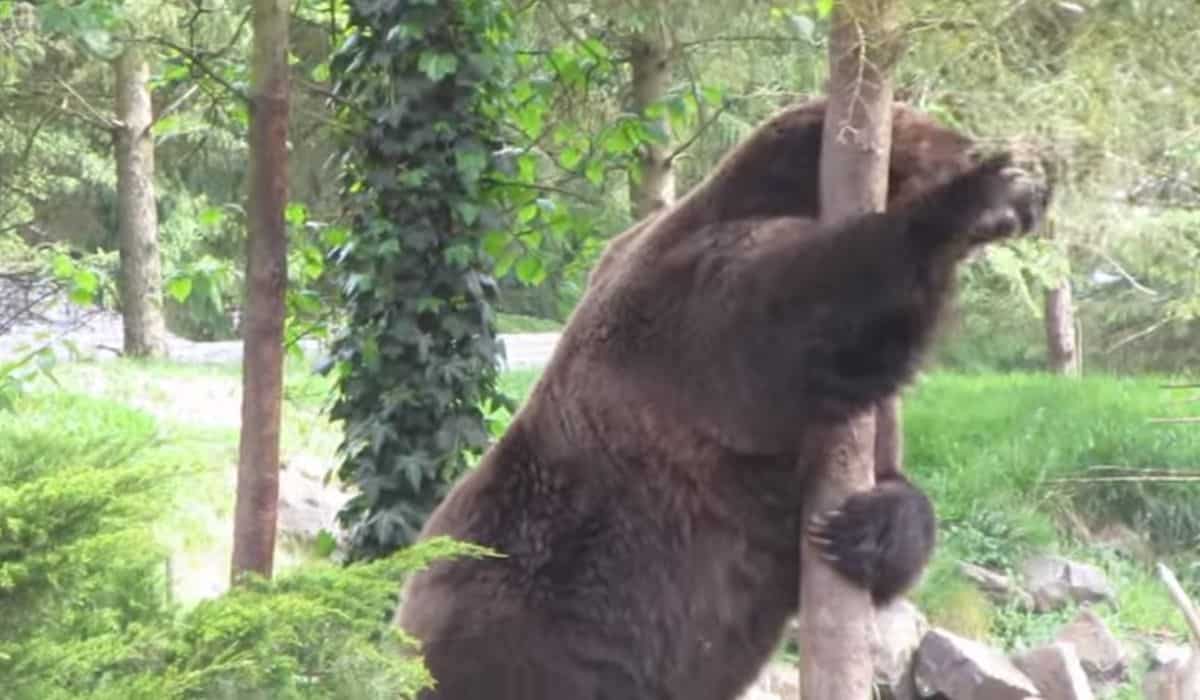
Despite their massive bulk and weight, grizzly bears—particularly younger individuals—can climb trees when motivated by threats or food opportunities. This ability contradicts common wilderness safety advice that suggests climbing trees to escape bears, as adult grizzlies can scale 30-40 feet up suitable trees. Their powerful front limbs and sharp claws provide the necessary grip and pulling strength to haul their heavy bodies upward, though their climbing style lacks the graceful efficiency of their black bear cousins.
Grizzlies primarily climb to access food sources like pine cones, acorns, or beehives, or to protect cubs from threats. When climbing, they rely heavily on their tremendous upper body strength, using their curved claws as hooks to grip bark while their powerful shoulders and arms pull their weight upward. While not as agile as smaller bears in trees, their determination and strength allow them to overcome their size limitations when necessary, demonstrating how their muscular power adapts to different challenges.
Breaking Down Carcasses: Dismantling with Precision

When a grizzly secures large prey or discovers a carcass, its strength becomes evident in how efficiently it processes the meal. Using its forelimbs, a grizzly can flip over a 700-pound elk carcass effortlessly to access different areas. Their jaws exert enough pressure to crack the thickest mammal bones, allowing access to nutritious marrow. With dexterous lips and tongue, they can strip meat from bone with remarkable precision, wasting little of the valuable protein.
The bear’s strength particularly shines when dealing with frozen carcasses in winter or early spring. Grizzlies can break apart carrion that has frozen solid, using their massive paws and jaws to dismantle what would be impenetrable to most other predators. This ability gives grizzlies access to critical nutrition during lean periods when other food sources are scarce. By efficiently processing carcasses—whether self-killed or scavenged—grizzlies maximize caloric intake while minimizing energy expenditure, a crucial survival strategy in harsh northern environments.
Territorial Defense: Strength as Communication

Grizzly bears communicate their strength and dominance through physical displays that often involve modifying their environment. Adult males frequently mark their territories by standing against trees and reaching as high as possible—often 8-9 feet above ground level—to claw and bite the bark. These markers, called “bear trees,” serve as visual indicators of the size and strength of the bear occupying the territory. The higher and deeper the claw marks, the more dominant the individual, creating a passive communication system that helps bears avoid dangerous confrontations.
When direct confrontations occur, grizzlies use their strength in graduated displays designed to intimidate rivals without risking injury. They may destroy vegetation, overturn logs, or stand on hind legs to appear larger. During disputes over fishing spots, mating rights, or food sources, dominant bears demonstrate their power through body posture and sometimes brief physical clashes where their wrestling ability and striking power determine social rank. These territorial behaviors harness strength as communication, preserving energy by avoiding unnecessary fights while maintaining access to critical resources.
Maternal Strength: Defending Cubs at All Costs

Perhaps nowhere is grizzly strength more purposefully applied than in maternal defense. Female grizzlies with cubs display extraordinary protective instincts, willingly confronting threats many times their size. A mother grizzly can detect potential dangers from remarkable distances and will position herself between cubs and perceived threats. Her defensive capability is amplified by maternal motivation, allowing her to fight with intensity that exceeds normal limits. Females with cubs have been documented successfully driving off multiple adult male bears or wolf packs through sheer aggression and strength.
This maternal power extends beyond defense to teaching survival skills. Mother bears demonstrate remarkable patience and physical control when teaching cubs to fish, dig for roots, or process large food items. Using their strength with precision, they will partially dismantle logs to expose insect colonies for inexperienced cubs or create easier fishing spots by moving rocks in streams. This educational aspect of maternal behavior ensures that strength techniques are transmitted across generations, preserving the specialized knowledge that makes grizzlies such successful omnivores in challenging environments.
Winter Preparation: Strength in Service of Fat Accumulation

As winter approaches, grizzly bears enter hyperphagia—an intense feeding period where they consume up to 20,000 calories daily to build fat reserves for hibernation. During this critical time, bears channel their strength toward maximum foraging efficiency. They may travel over 50 miles daily in search of high-calorie foods, using their power to access difficult food sources others cannot reach. Their digging capacity allows them to harvest entire patches of roots or tubers, while their strength enables them to flip multiple heavy rocks per hour searching for insects and small mammals.
The bear’s strength also supports efficient berry harvesting during late summer and fall. Rather than picking individual berries, grizzlies use their powerful jaws and agile lips to strip entire branches, consuming hundreds of berries per minute. When foraging in berry patches, they use their weight and strength to bend down tall bushes, making fruit more accessible. This strength-based foraging strategy allows grizzlies to gain up to 400 pounds during the fall feeding frenzy—energy stores that will sustain them through 5-7 months of winter dormancy when no food or water is consumed.
Physiological Foundations of Grizzly Power

The extraordinary strength of grizzly bears stems from several physiological adaptations beyond mere muscle mass. Their muscle fiber composition features a higher proportion of fast-twitch fibers compared to humans, allowing for explosive power generation. Additionally, grizzly muscles contain specialized mitochondrial adaptations that enhance oxygen utilization during intense activity. Their neuromuscular connections are optimized for power rather than fine motor control, enabling greater force production at the expense of precision movements.
Hormonal factors also contribute significantly to grizzly strength. Their endocrine system produces higher concentrations of testosterone and growth hormone compared to many mammals of similar size, promoting greater muscle development and bone density. Perhaps most remarkable is their myostatin regulation—grizzlies have naturally lower levels of myostatin, a protein that inhibits muscle growth in most mammals. This reduced myostatin activity allows for greater muscle development without the specialized training human athletes require. These physiological foundations create a biological engine perfectly designed for the strength applications required by their omnivorous, opportunistic lifestyle.
The Conservation Importance of Preserving Grizzly Habitats

The impressive strength of grizzly bears requires vast territories with diverse food sources to sustain their energy needs. Adult males may maintain home ranges exceeding 500 square miles, using their strength to travel between seasonal feeding grounds. Unfortunately, habitat fragmentation and human development have reduced available grizzly habitat by approximately 98% in the lower 48 United States, creating isolated populations that struggle to maintain genetic diversity. Conservation efforts focus on preserving connected wilderness corridors that allow bears to utilize their strength in natural movement patterns across diverse landscapes.
Successful conservation must consider the specific habitat features that support grizzly strength-based behaviors. These include salmon streams with accessible banks for fishing, meadows with diggable soils for root harvesting, and diverse berry patches for fall feeding. Protected areas must be large enough to accommodate natural strength displays like tree marking and territorial patrolling without human conflict. By understanding how grizzly strength functions within ecosystem contexts, conservation planners can better design protected areas that support not just bear survival but the full expression of their remarkable physical capabilities that have evolved over millennia.
The Enduring Legacy of Nature’s Power Athletes

Grizzly bears represent one of nature’s most impressive displays of functional strength, having evolved physical capabilities perfectly suited to their role as opportunistic omnivores in challenging northern environments. Their power isn’t merely about brute force but about the strategic application of strength across diverse tasks—from the delicate precision of plucking salmon from rushing waters to the raw power of excavating winter dens in rocky soil. This versatility has allowed grizzlies to survive in some of North America’s most demanding landscapes for thousands of years.
As we continue to share landscapes with these magnificent animals, understanding their strength helps foster appropriate respect and coexistence practices. While habitat preservation remains crucial for their survival, equally important is maintaining the wildness that allows their full behavioral repertoire to express itself. The grizzly bear stands as a powerful reminder that in nature, strength evolves not as an end in itself but as a tool for survival—applied with intelligence, restraint, and purpose across the complex challenges of wild existence. Their enduring presence in our remaining wilderness represents not just the survival of a species but the preservation of one of nature’s most remarkable expressions of physical power and adaptation.

- Florida’s Black Bear Hunt Sparks Fierce Debate Over Wildlife Ethics - August 3, 2026
- How Tardigrades Could Survive the End of the World - August 3, 2026
- The Fastest Burrower in the Wild Digs Before You Blink - August 3, 2026