
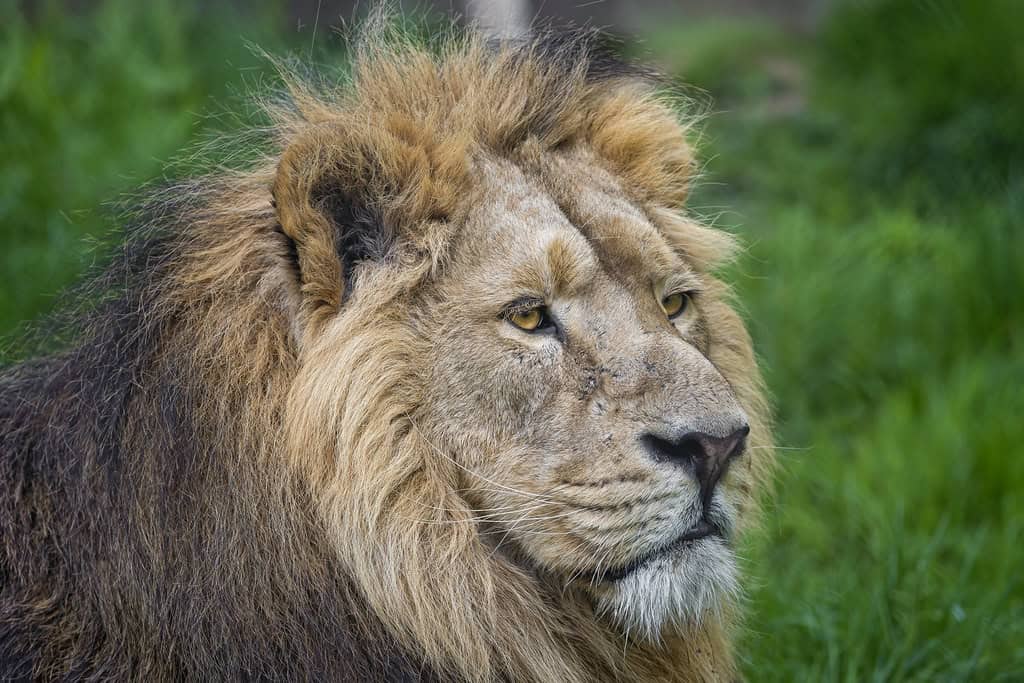
In the western Indian state of Gujarat lies a conservation success story that has captured global attention. The Asiatic lion, once teetering on the brink of extinction, has made a remarkable comeback in its last remaining natural habitat. Recent census data revealed a stunning 32% population increase in just five years, transforming what was once a conservation emergency into a beacon of hope for endangered species recovery worldwide. This dramatic growth represents not just numbers on a chart, but the culmination of decades of dedicated conservation efforts, innovative management strategies, and the harmonious coexistence between local communities and these magnificent big cats. Let’s explore how Gujarat achieved this roaring recovery and what lessons it offers for wildlife conservation across the globe.
The Historical Decline of Asiatic Lions

The Asiatic lion (Panthera leo persica) once roamed across vast territories from the Mediterranean to eastern India. By the early 20th century, however, habitat loss, hunting, and human expansion had devastated their population. By 1913, estimates suggest only about 20 individuals remained, all confined to the Gir Forest of Gujarat. This catastrophic decline prompted immediate conservation action by the Nawab of Junagadh, who imposed a ban on lion hunting. This initial protection measure marked the beginning of what would become one of wildlife conservation’s most inspiring comeback stories. The Asiatic lion’s near-extinction serves as a sobering reminder of how quickly a species can be brought to the edge of oblivion, but also demonstrates how dedicated conservation efforts can reverse seemingly hopeless situations.
The Latest Census Results
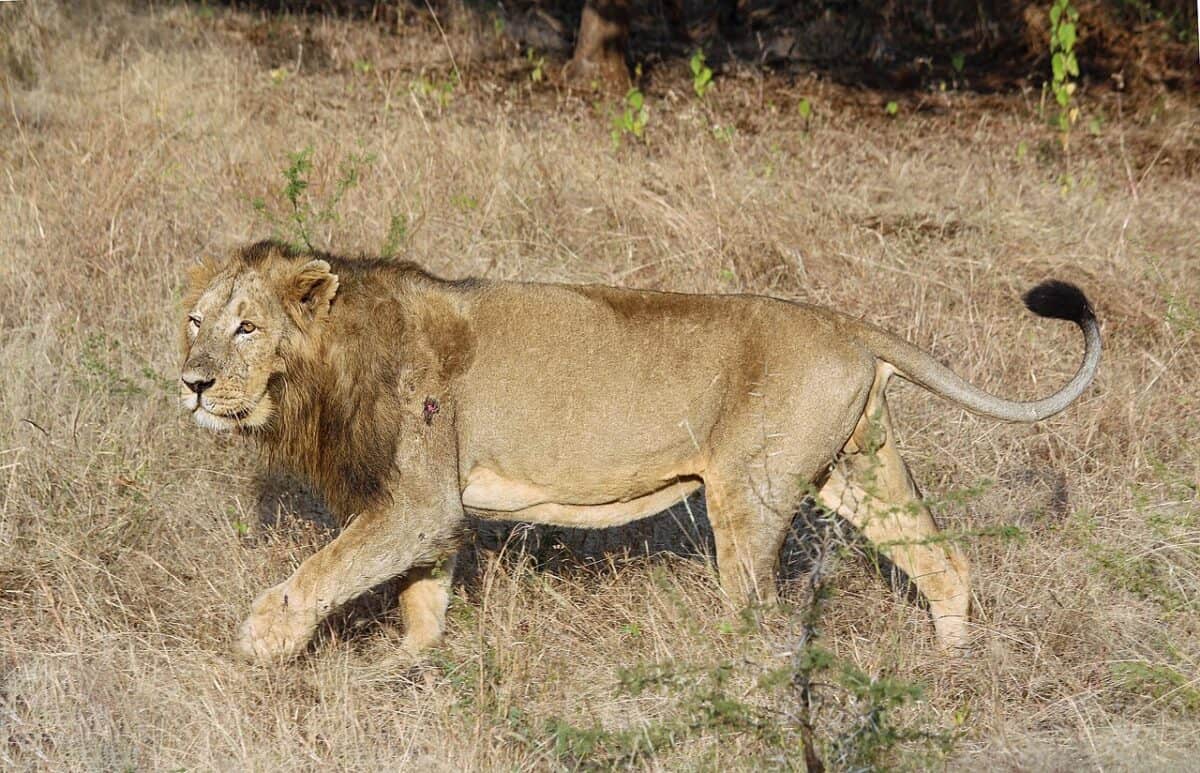
The 2020 lion population census delivered exceptional news that exceeded even the most optimistic projections. The lion count reached 674 individuals, representing a remarkable 32% increase from the 523 lions recorded in 2015. This growth rate significantly outpaced the 27% increase observed between 2010 and 2015, suggesting that conservation efforts were not only working but accelerating in their effectiveness. The census methodology involved a combination of direct sightings, camera traps, and innovative tracking technologies to ensure accurate counts. Particularly encouraging was the expansion of the lions’ range, with populations now established across approximately 30,000 square kilometers spanning several districts of Gujarat, including Junagadh, Gir Somnath, Amreli, and Bhavnagar. The geographical distribution of these lions indicates not just numerical growth but a healthy expansion into new territories.
Protected Area Management Strategies
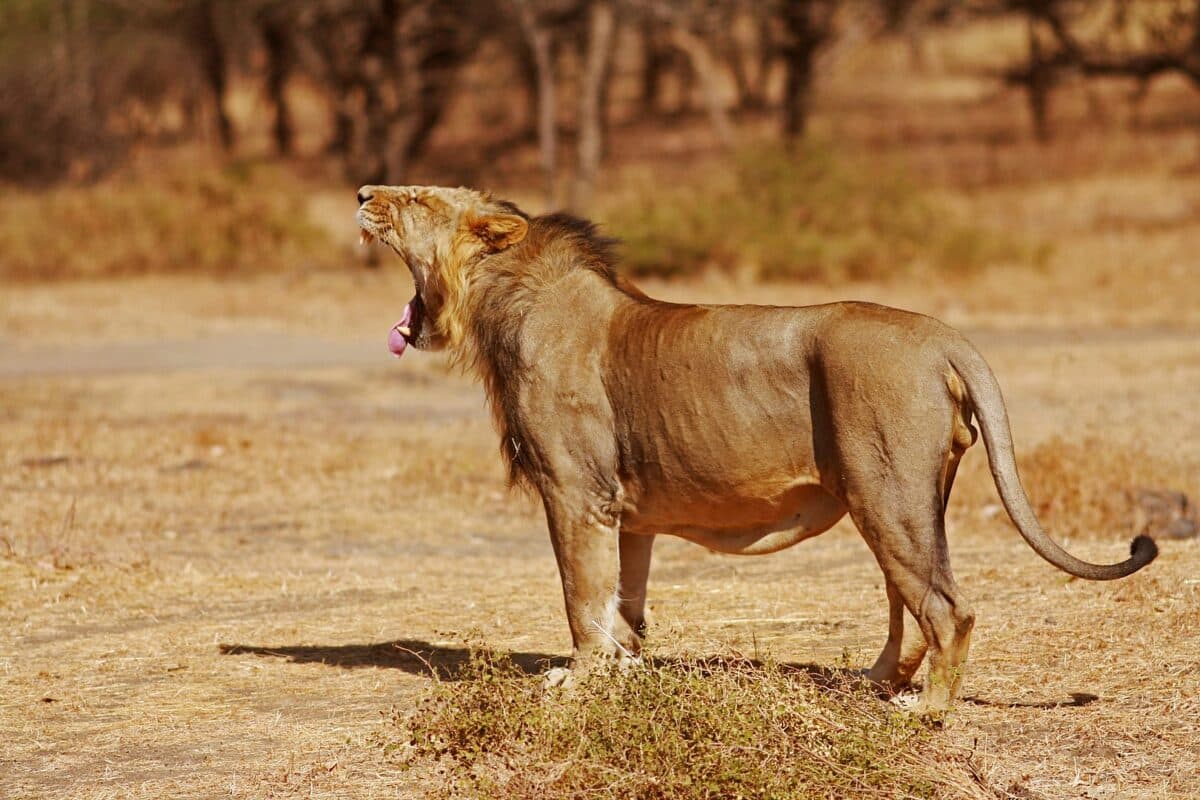
The Gir National Park and Wildlife Sanctuary forms the cornerstone of Asiatic lion conservation. Spanning 1,412 square kilometers, this protected area has implemented world-class management strategies that have directly contributed to the lions’ recovery. Park authorities have adopted a holistic approach that includes regular habitat monitoring, controlled burning to maintain grasslands, and the management of prey populations. Water holes are strategically maintained throughout the park, ensuring that lions have access to this crucial resource even during drought conditions. Anti-poaching units conduct round-the-clock surveillance, while specialized rapid response teams are trained to address emergencies such as injured lions or potential human-wildlife conflicts. Perhaps most impressively, the park has developed a sophisticated individual lion identification system, allowing rangers to monitor specific lions and family groups over time, leading to unprecedented insights into their behavior, movement patterns, and health status.
The Role of Satellite Populations

A key factor in the recent population surge has been the establishment of satellite lion populations beyond the traditional Gir Forest boundaries. Conservation authorities recognized that having the entire Asiatic lion population concentrated in a single forest area created vulnerability to disease outbreaks, natural disasters, or genetic bottlenecks. In response, they facilitated the natural expansion of lions into neighboring forests and protected areas. These satellite populations now exist in Girnar Wildlife Sanctuary, Mitiyala Wildlife Sanctuary, and Pania Wildlife Sanctuary. Additionally, a translocation program has carefully moved select lion groups to establish new populations in suitable habitats. This strategy of population distribution has not only reduced the risks associated with a single-location population but has also allowed the lions to access new territories with abundant prey and reduced competition. The success of these satellite populations confirms that well-planned expansion is vital for long-term species recovery.
Community-Based Conservation Initiatives

The remarkable recovery of Gujarat’s lions would have been impossible without the active participation and support of local communities. The state’s forest department has implemented innovative community-based conservation programs that transform local residents from potential adversaries into conservation partners. The “Friends of Lion” program trains village volunteers to monitor lion movements, report poaching activities, and assist with wildlife emergencies. Economic incentives have been established to compensate farmers for livestock losses to lion predation, significantly reducing retaliatory killings. Cultural programs celebrate the lion as a symbol of regional pride, while educational initiatives in schools build awareness about conservation from an early age. The “Lion Ambassadors” initiative selects respected community members to promote conservation messages within their villages. These community engagement strategies have created a social environment where lion conservation is viewed not as an imposed restriction but as a shared responsibility and source of regional identity.
Technological Innovations in Monitoring

Cutting-edge technology has revolutionized how Gujarat’s lion population is monitored and protected. GPS collars fitted to select lions provide real-time data on movement patterns, helping scientists understand territory usage and identify critical habitats. A network of over 600 camera traps throughout the region captures millions of images annually, which are analyzed using artificial intelligence to identify individual lions and track population dynamics. Drone surveillance allows rangers to monitor remote areas and quickly respond to potential threats or emergencies. The “Lion Tracking App” enables forest staff to record sightings, behaviors, and health conditions, creating a comprehensive database accessible to all conservation stakeholders. Satellite imagery helps track habitat changes over time, allowing for proactive management decisions. This technological infrastructure has transformed conservation from a reactive to a predictive science, enabling authorities to anticipate and address threats before they impact the lion population.
Veterinary Care and Disease Management
A sophisticated veterinary care system has been critical to maintaining the health of Gujarat’s growing lion population. The state has established three state-of-the-art wildlife rescue centers equipped with modern diagnostic and treatment facilities. A specialized team of wildlife veterinarians conducts regular health monitoring through non-invasive methods such as scat analysis and remote observation. When intervention is necessary, rapid response teams can safely tranquilize, treat, and release lions back into their habitat. A comprehensive vaccination program protects lions against diseases like canine distemper virus, which has devastated lion populations in other regions. The 2018 outbreak of canine distemper that affected several lions prompted authorities to implement an even more rigorous disease surveillance system. Genetic monitoring helps identify individuals with rare genetic traits, ensuring that breeding programs maintain genetic diversity. This comprehensive healthcare approach has significantly reduced mortality rates and contributed to the population’s robust growth.
Prey Base Management
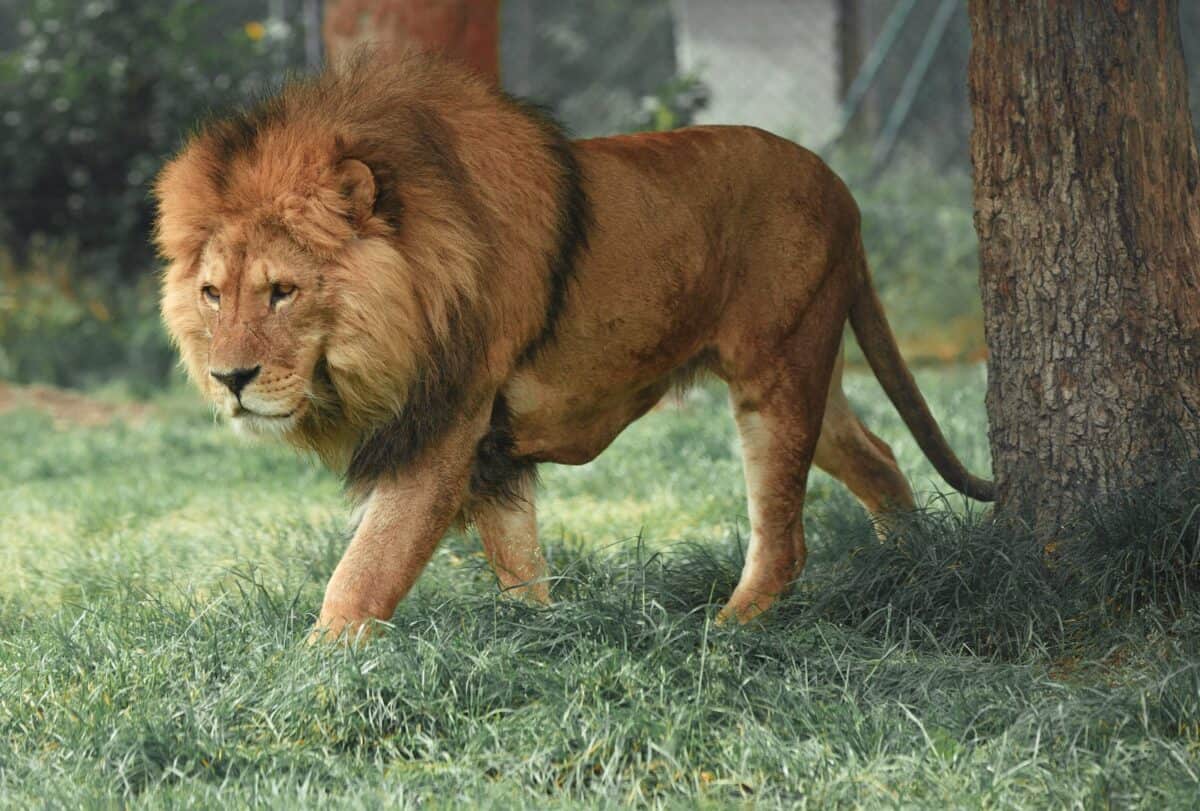
The remarkable increase in Gujarat’s lion population has been supported by careful management of their prey base. Conservation authorities have implemented strategies to ensure healthy populations of key prey species, including spotted deer (chital), sambar deer, nilgai antelope, and wild boar. Habitat improvement initiatives focus on maintaining optimal grassland and forest conditions that support these herbivores. Regular prey species census activities track population trends, allowing for adaptive management responses. Water resource development ensures that prey animals have access to drinking water throughout the year, preventing seasonal migrations away from lion territories. In some areas, captive breeding and release programs have been implemented to boost prey numbers. The forest department has also worked with local communities to minimize competition between domestic livestock and wild ungulates for grazing resources. This holistic approach to prey base management ensures that the growing lion population has sufficient food resources, reducing potential human-wildlife conflict due to livestock predation.
Managing Human-Lion Conflict

As the lion population has expanded beyond protected areas, managing human-lion interactions has become increasingly important. Gujarat has developed one of the world’s most effective conflict mitigation systems for large carnivores. The prompt compensation scheme reimburses farmers for verified livestock losses within 30 days, removing economic incentives for retaliatory killings. Predator-proof corrals have been distributed to villages in lion territory, providing secure nighttime enclosures for livestock. A dedicated conflict response team operates 24/7, quickly responding to reports of lions in villages or agricultural areas. The innovative “Lion Trackers” program employs local youths to monitor lion movements near settlements and warn communities when necessary. Educational campaigns teach residents safe behavior in lion country, while community-based early warning systems alert villages when lions are in the vicinity. This comprehensive approach has resulted in remarkably few serious human-lion conflicts despite the significant population increase and range expansion.
Tourism as a Conservation Tool

Sustainable wildlife tourism has emerged as a powerful tool supporting lion conservation in Gujarat. The state has developed a carefully regulated tourism model that balances visitor experience with wildlife protection. Limited daily safari permits reduce pressure on the ecosystem while creating a premium experience that commands higher fees. These tourism revenues directly fund conservation activities, creating a self-sustaining financial model. Local communities benefit through employment as guides, drivers, and hospitality staff, strengthening their support for conservation. The “Lion Ambassador Homestay” program allows visitors to stay with local families, providing authentic cultural experiences while distributing tourism benefits throughout the community. Interpretation centers educate visitors about conservation challenges and successes, transforming tourists into conservation advocates. A certification program for tour operators ensures adherence to responsible wildlife viewing practices. This thoughtful approach to tourism has transformed visitors from potential disturbances into conservation assets, generating both financial resources and public support for lion protection.
Genetic Management Considerations
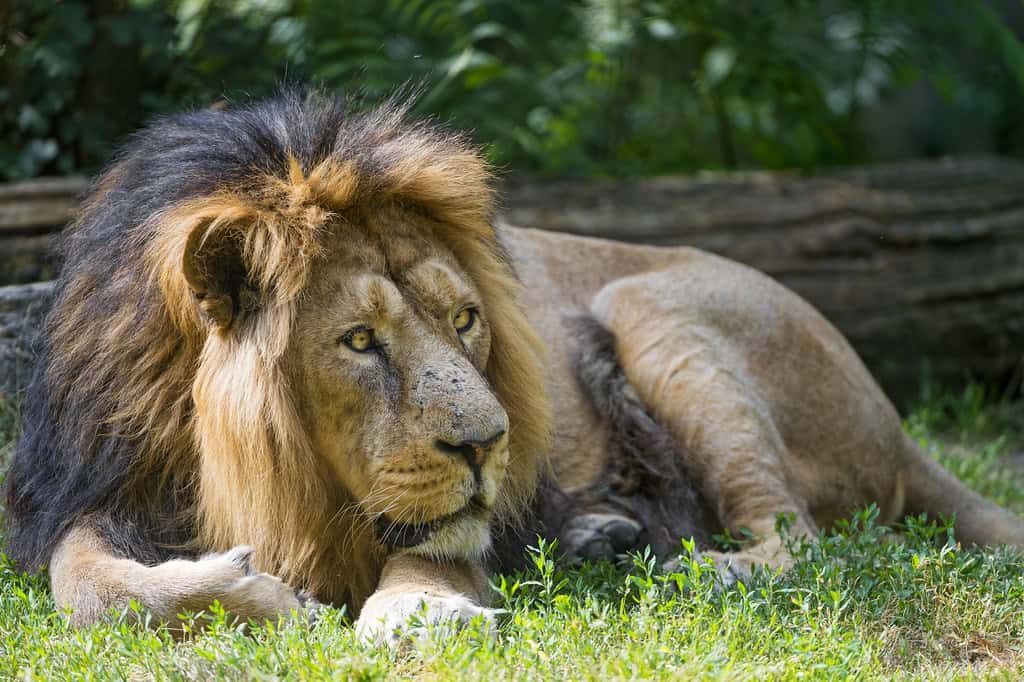
The historical bottleneck that reduced the Asiatic lion population to approximately 20 individuals created significant genetic challenges that continue to require careful management. Conservation geneticists regularly collect DNA samples from lions across the region to monitor genetic diversity and identify potential inbreeding concerns. The establishment of satellite populations has been strategically planned to maximize genetic exchange, with corridors maintained between subpopulations to allow natural dispersal and breeding. In cases where natural movement is restricted, conservation authorities occasionally translocate individuals to promote genetic mixing. Research partnerships with international institutions have brought advanced genetic analysis techniques to the conservation program. A lion genetic database tracks familial relationships and helps guide management decisions about which populations might benefit from genetic reinforcement. Despite the historical bottleneck, careful genetic management has maintained sufficient diversity to support a healthy, growing population—though continued vigilance remains essential for long-term viability.
Future Conservation Challenges
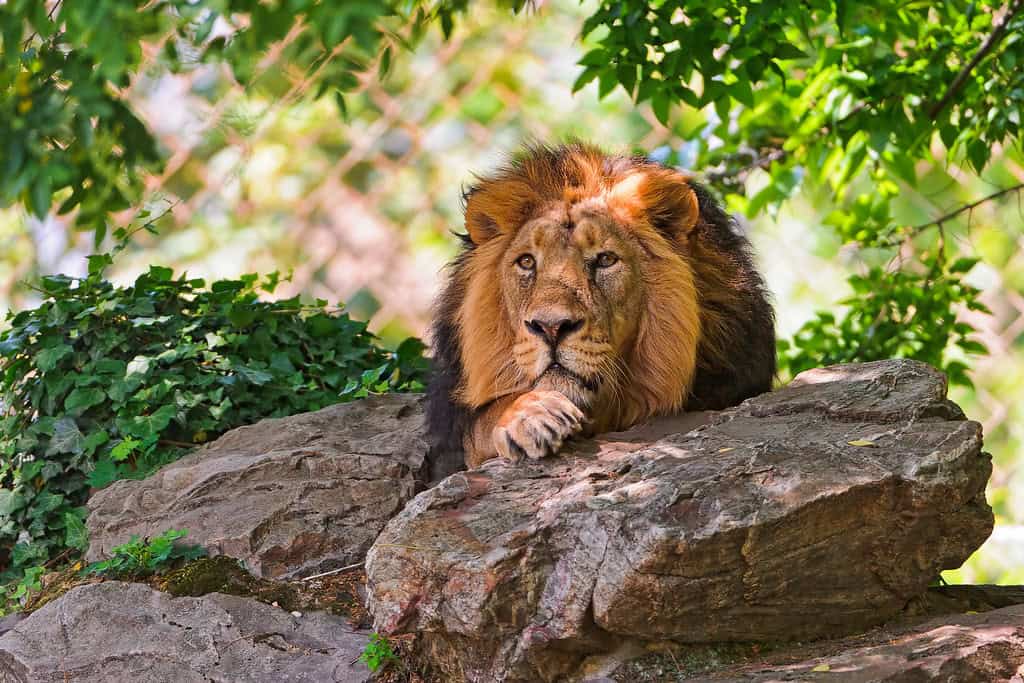
Despite the impressive recovery, Gujarat’s lion conservation program faces significant challenges in the coming decades. The expanding lion population is increasingly pushing against the limits of available habitat, requiring creative solutions for coexistence in a densely populated human landscape. Climate change models predict more frequent and severe droughts in the region, potentially affecting prey abundance and water availability. The growing lion population faces heightened disease risks, as greater density can accelerate pathogen transmission. While genetic diversity has been maintained thus far, the historical bottleneck continues to pose long-term genetic challenges that require ongoing management. Infrastructure development, including roads and railways, creates barriers to lion movement and increases mortality risks. The proposed second lion sanctuary in Madhya Pradesh remains controversial but may be necessary for long-term population security. Conservation authorities acknowledge these challenges while remaining committed to building on their remarkable success through adaptive management, continued research, and maintaining the strong community support that has been fundamental to the recovery effort.
Lessons for Global Conservation
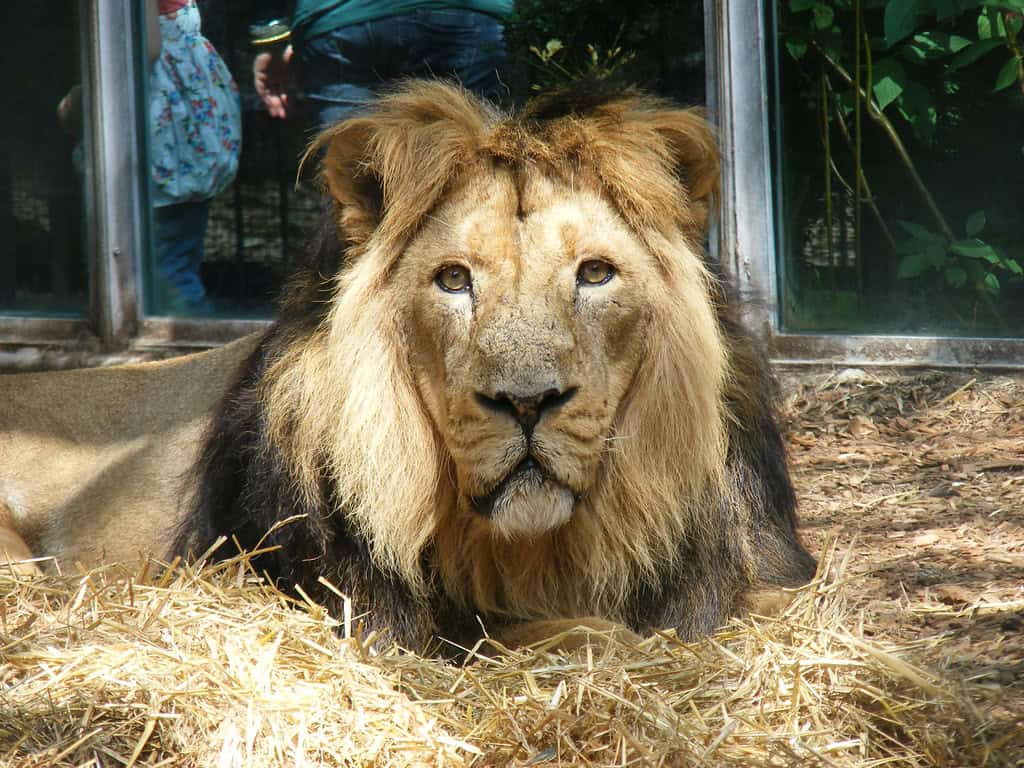
The spectacular recovery of Gujarat’s lion population offers valuable lessons for endangered species conservation worldwide. First, it demonstrates that even species on the brink of extinction can recover with dedicated, long-term conservation commitment—the 32% growth in just five years coming after decades of careful protection. Second, the Gujarat model highlights the critical importance of engaging local communities as conservation partners rather than imposing protection measures from above. Third, the success showcases the value of adaptive management approaches that evolve based on scientific monitoring and changing conditions. Fourth, the holistic approach addressing habitat protection, prey base management, veterinary care, and conflict mitigation provides a template for comprehensive species recovery programs. Fifth, the effective integration of traditional knowledge with modern technology offers a model for conservation in the digital age. As biodiversity faces unprecedented threats globally, the Asiatic lion’s recovery stands as a powerful reminder that with sufficient will, resources, and community support, seemingly hopeless conservation situations can be transformed into inspiring success stories.

- This River Delta Is a Magnet for Endangered Birds - July 17, 2026
- New Fossils in Baja California Reveal a Never-Before-Seen Grouper - July 17, 2026
- The Most Venomous Animal on Land—And How It Kills - July 17, 2026