

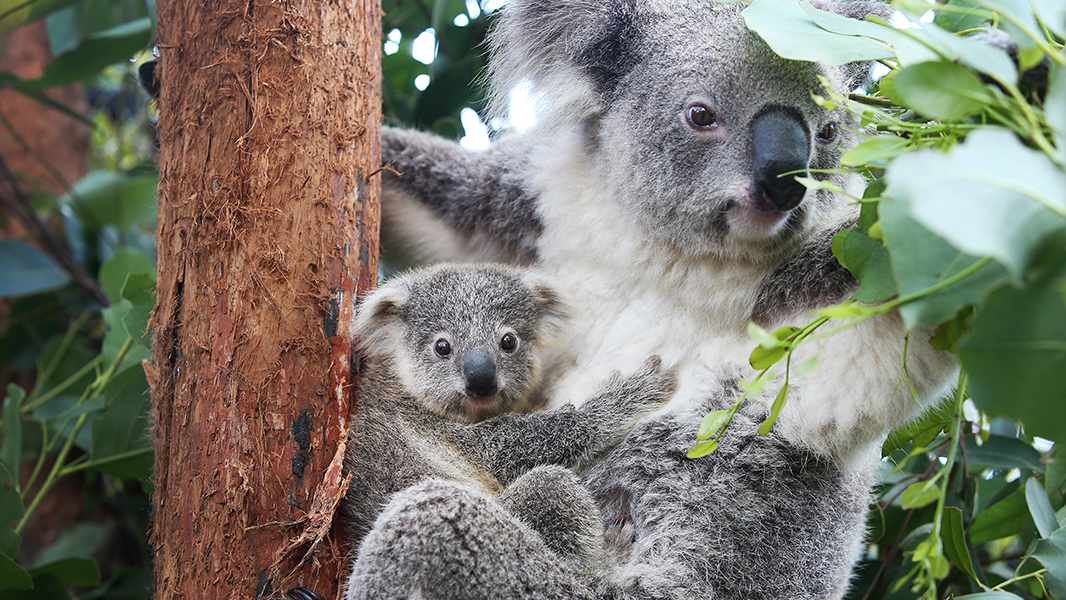
New Integrations Caught in the Act (Image Credits: Images.nature.com)
Captive koalas in zoos grapple with retroviruses that insert their genetic material into host DNA, sometimes passing to offspring and fueling deadly cancers.
New Integrations Caught in the Act
Scientists tracked viral insertions across multiple generations of zoo koalas, spotting fresh proviruses in offspring that parents lacked. This real-time observation highlighted the dynamic spread of koala retrovirus (KoRV) and related phaCin-β during early germline colonization.[1][2]
Analyses of 111 pedigreed individuals from the San Diego Zoo Wildlife Alliance and European zoos uncovered 2,075 endogenous viral elements. While numbers remained stable over decades, hundreds of integrations vanished from the population, suggesting natural purging of harmful ones.[1]
Researchers estimated KoRV colonization began no more than 312,000 years ago, with new insertions arising at a rate of about 0.33 per generation in one cohort.
Linking Viruses to Disease and Survival
Up to 60 percent of captive koalas succumbed to leukemia or lymphoma tied to KoRV, far exceeding rates in some wild populations. Pedigree data tied specific insertions to health outcomes, including 34 KoRV proviruses more common in cancer victims.[1]
One insertion near the BCL2L1 gene carried a 21-fold higher leukemia risk and disappeared after linked carriers died young. Conversely, a KoRV in the SLC29A1 intron appeared protective, slashing cancer odds by fivefold while boosting longevity and fertility.[1]
- BCL2L1 exon insertion: Odds ratio of 21 for leukemia.
- LZTS1 intron insertion: Odds ratio of 9.3 for leukemia.
- SLC29A1 intron insertion: Protective, odds ratio of 0.2; upregulated gene expression.
- ALDH1A3 downstream insertion: Reduced reproductive success.
- RAB13 proximity insertion: Enhanced fertility.
Pedigrees Power Precision Insights
By combining whole-genome sequencing with birth, death, and necropsy records spanning four generations, the team quantified heritability and elimination rates. They identified 21 unique integrations in offspring absent from parents, confirming germline events.[1]
Genetic risk scores emerged from these patterns, predicting leukemia with 80 percent accuracy in tested cases. One high-risk koala perished from the disease during the study, validating the approach.
Professor Rachael Tarlinton noted, “New KoRV insertions are still accumulating faster than they are lost… we could see big risk factors from certain inherited KoRVs for leukaemia and poor fertility.”
Guiding Conservation Through Genomics
The findings offered a longevity breeding index to favor low-risk animals, balancing disease reduction with genetic diversity. Professor Alex Greenwood emphasized, “The GRS… can help guide koala breeding programs to decrease the number of KoRVs associated with poor health prognosis.”[2]
Captive populations could serve as healthier reservoirs for wild reintroductions, countering habitat threats.
Key Takeaways
- Beneficial viral insertions persist and spread, potentially taming KoRV over time.
- Harmful ones face rapid elimination via reduced fitness.
- Genetic risk scores enable targeted breeding for resilient koalas.
This genomic window into viral evolution equips conservationists to safeguard koalas amid ongoing colonization. What steps should zoos take next? Share your thoughts in the comments.

- Urban Coyotes Show Remarkable Adaptability, Learning to Thrive in City Environments - July 22, 2026
- Beavers Are Nature’s Engineers, Creating Vital Habitats for Other Wildlife Species - July 21, 2026
- The Recovery of the California Condor Offers Hope for Other Critically Endangered Birds - July 21, 2026