
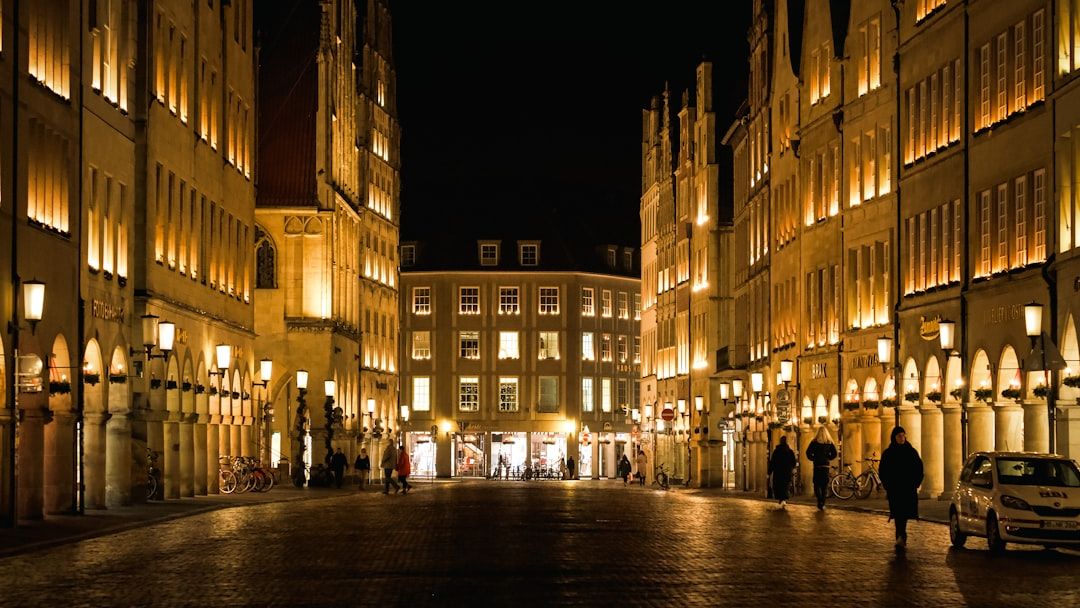
Most people think of pollution as something they can smell, touch, or see accumulating in rivers and skies. Light doesn’t feel like a contaminant. It feels like progress. Yet right now, people all over the world are living under the nighttime glow of artificial light, and it is causing significant problems for humans, wildlife, and the environment. The night sky that wild creatures have navigated, hunted by, mated under, and evolved within for millions of years is quietly disappearing, one streetlight at a time.
For billions of years, all life has relied on Earth’s predictable rhythm of day and night. It’s encoded in the DNA of all plants and animals. What happens when we switch that rhythm off? The answer is more complicated, and far more consequential, than most of us realize.
A World Wired for Darkness, Flooded with Light
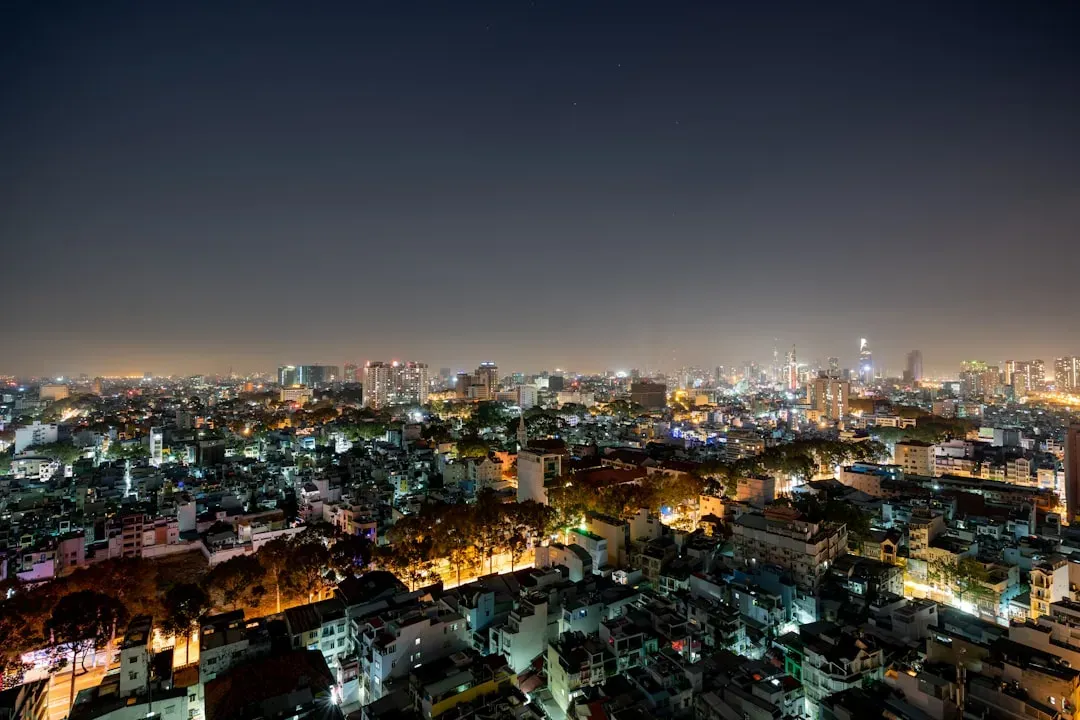
Artificial light at night is exponentially increasing, and several studies highlight detrimental effects on both humans and wildlife, including their reproductive and metabolic systems, cancer risk, and mental health. The scale of the problem is difficult to fully grasp from a single city block or suburban backyard.
Vast areas of North America, Europe, the Middle East, and Asia are glowing with light, while only the most remote regions on Earth, such as Siberia, the Sahara, and the Amazon, are in total darkness. Even supposedly protected natural spaces aren’t immune. Even in places meant to provide protected natural habitats for wildlife, light pollution is making an impact. The National Park Service has made maintaining a dark night sky a priority, and its Night Skies Team has been monitoring night sky brightness in some one hundred parks, with nearly every park showing at least some light pollution.
According to a 2023 study published in Science magazine, the number of stars visible in the night sky decreased between seven and ten percent per year from 2011 to 2022. That’s not just a loss for astronomers. It’s a slow, measurable signal that the darkness animals depend on is contracting year by year.
Birds: When the Stars Go Silent
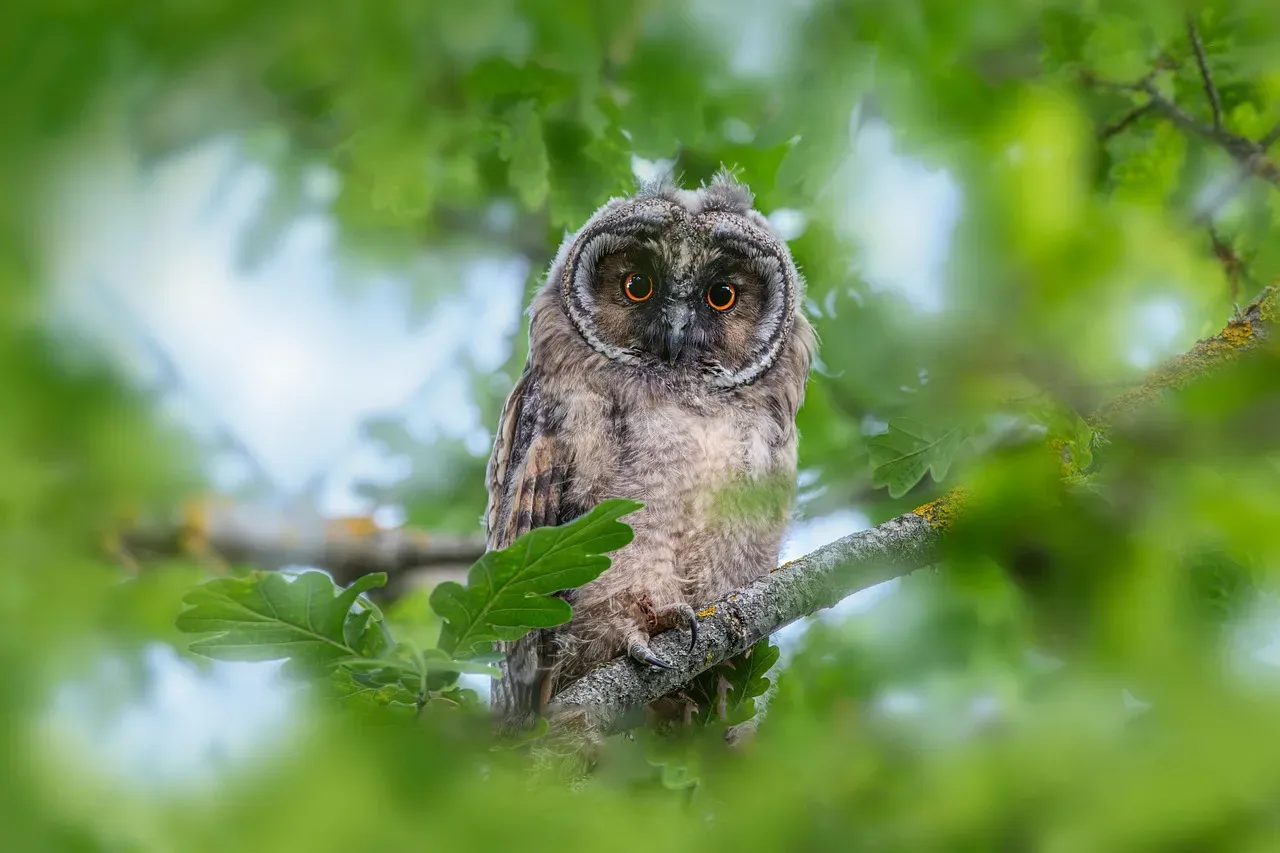
Birds that migrate or hunt at night navigate by moonlight and starlight. Artificial light can cause them to wander off course and toward the dangerous nighttime landscapes of cities. Every year millions of birds die colliding with needlessly illuminated buildings and towers. It’s a staggering toll for a problem that goes largely unnoticed in the morning rush.
Migratory birds depend on cues from properly timed seasonal schedules. Artificial lights can cause them to migrate too early or too late and miss ideal climate conditions for nesting, foraging, and other behaviors. The ripple effects of that mistiming spread through entire ecosystems, affecting food chains that many other species depend on.
Artificial lights can “trap” migratory birds by bleaching their visual pigments, causing them to lose sight of the horizon and circle within the cone of light endlessly. They then can die from exhaustion or collision with the light source. One modest change at the 9/11 Memorial in New York puts this in sharp relief. Whenever concerning numbers of birds begin to circle the light there, it is turned off for 20 minutes, allowing them to disperse and continue on their migration. It works. The solution, in that case, is simply turning something off.
Insects, Amphibians, and the Collapse of the Food Web
A study titled “Light pollution is a driver of insect declines” notes that habitat loss, pesticide use, invasive species, and climate change have all played a role in insect declines globally, but that artificial light at night is another important, yet often overlooked, cause. This matters enormously because insects anchor the food web for countless other species.
Even one artificial light source can disrupt normal flight activity, long distance migrations, or attract insects that don’t normally move from their habitat. Once insects are effectively trapped by the light, they can be killed directly by the lamp’s heat, they may circle the light until caught by predators, or they may stop to rest on the ground under the light, where they are also preyed upon. The numbers add up fast. In one study, scientists collected 50,000 moths in a single night at a light trap. If a particular species does not reproduce rapidly enough to make up for the loss at the lights, it may disappear from the community.
Glare from artificial lights can also impact wetland habitats that are home to amphibians such as frogs and toads, whose nighttime croaking is part of the breeding ritual. Artificial lights disrupt this nocturnal activity, interfering with reproduction and reducing populations. Even in cases where the harm is less visible, lab studies show that the amount of light exposure affects DNA synthesis and the production of hormones, including hormones that regulate everything from how much fat the frogs store for the winter to when they produce eggs.
Sea Turtles, Marine Life, and the Cost of a Bright Coastline
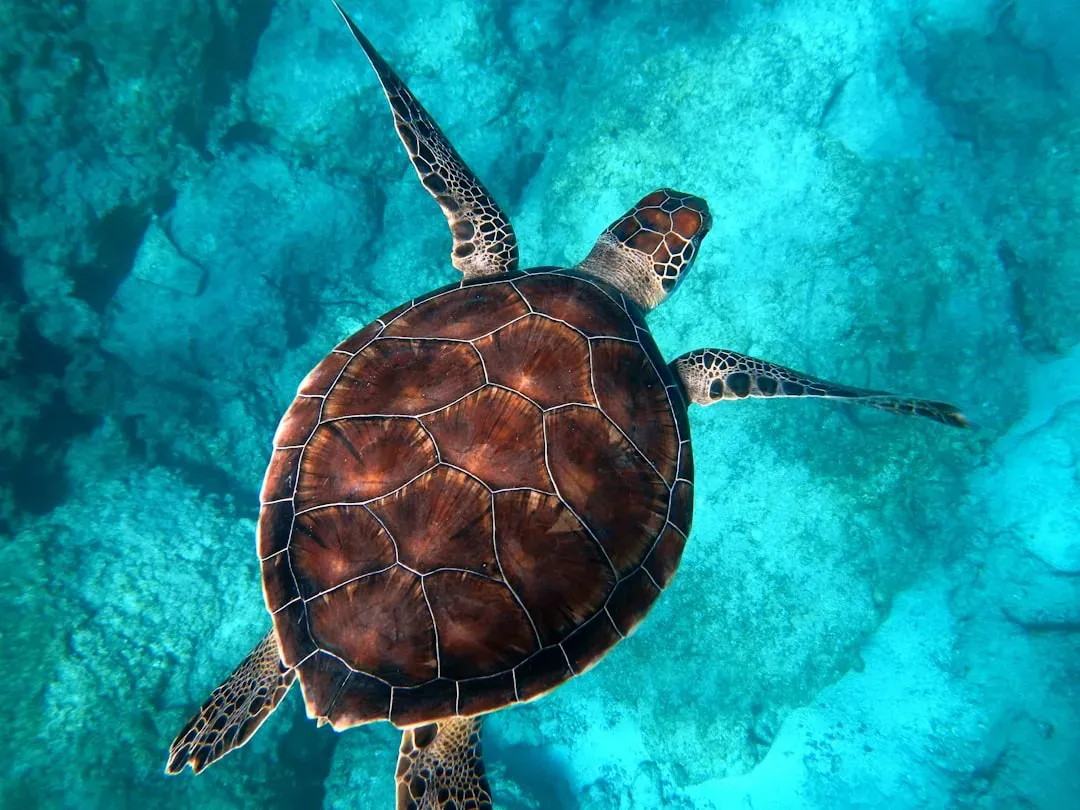
Artificial light at night can disorientate adult and hatchling sea turtles, so they are unable to find the ocean. This is one of the more heartbreaking consequences of coastal light pollution. Hatchlings emerge at night instinctively guided by the natural brightness of the ocean horizon, only to find that glow outcompeted by resort lighting, parking lots, and beachfront homes.
Beaches in sections of Florida’s highly developed coastline are nesting ground for rare loggerhead, leatherback, and green turtles. Bright lights nearby discourage females from coming ashore to nest. Newly hatched turtles need a dark night sky to orient themselves toward the sea, but artificial lights behind beaches lure them away. The problem persists even where local ordinances exist. Coastal counties in Florida have passed ordinances that residents turn off beachfront lights during turtle nesting season, but they are not always enforced, and they don’t address the larger problem of sky glow near cities.
Research has found that plovers are far less likely to roost on beaches where artificial light exceeds that of a half-moon, and grunion are far less likely to run on shores where it exceeds that of a full moon. These thresholds are surprisingly low, which speaks to just how sensitive these species are to even modest levels of coastal light intrusion.
What We Can Actually Do About It
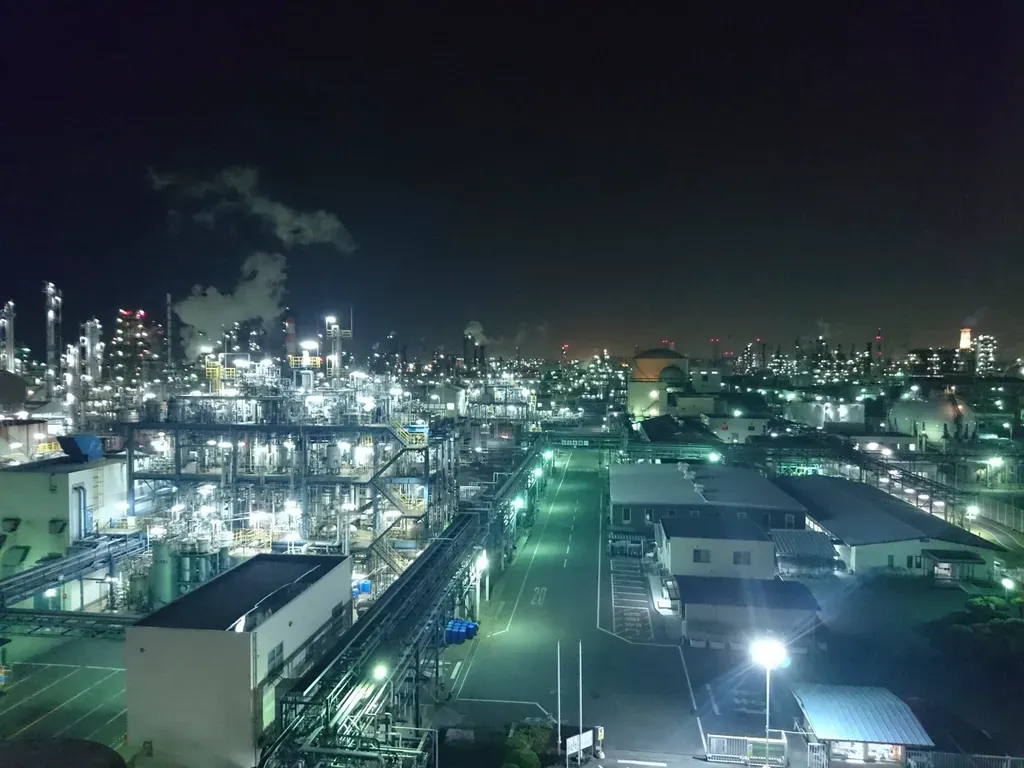
Unlike environmental challenges like climate change, species extinction, and habitat destruction, which require significant top-down responses, meaningful action can be taken from the bottom up to address light pollution. That means that as much as governments can implement policies to limit light pollution, individual homeowners can make a difference by doing as little as changing light bulbs and fixtures. That’s a genuinely rare thing in conservation: a problem you can start solving tonight.
One option is using red or amber lights with longer wavelengths that are less disruptive for wildlife. Another option is full cutoff fixtures that direct light downward only, so it doesn’t attract birds at night. The National Park Service recommends a practical framework at home: light only where needed, use motion sensors or timers, shield fixtures to direct light downward, and use warm or amber tones rather than blue-white LEDs. Outdoor lighting with strong blue content is likely to worsen sky glow because it has a significantly larger geographic reach than lighting consisting of less blue.
Neighborhood-level initiatives encourage residents to evaluate and improve their own outdoor lighting by replacing unshielded fixtures, installing timers and motion sensors, reducing unnecessary lighting, and choosing warm-spectrum bulbs. At a larger scale, following responsible lighting practices, passing dark sky friendly legislation, and advancing scientific research in this field are just some of the ways light pollution can be solved. Organizations like DarkSky International actively certify communities, parks, and products that meet responsible lighting standards, creating a growing global infrastructure for change. Organizations like the Fatal Light Awareness Program in Toronto focus on rehabilitating injured birds, conducting scientific research, promoting wildlife-friendly regulations, and engaging in public outreach to develop more effective responses.
Conclusion: We Chose to Light the Night, We Can Choose to Dim It
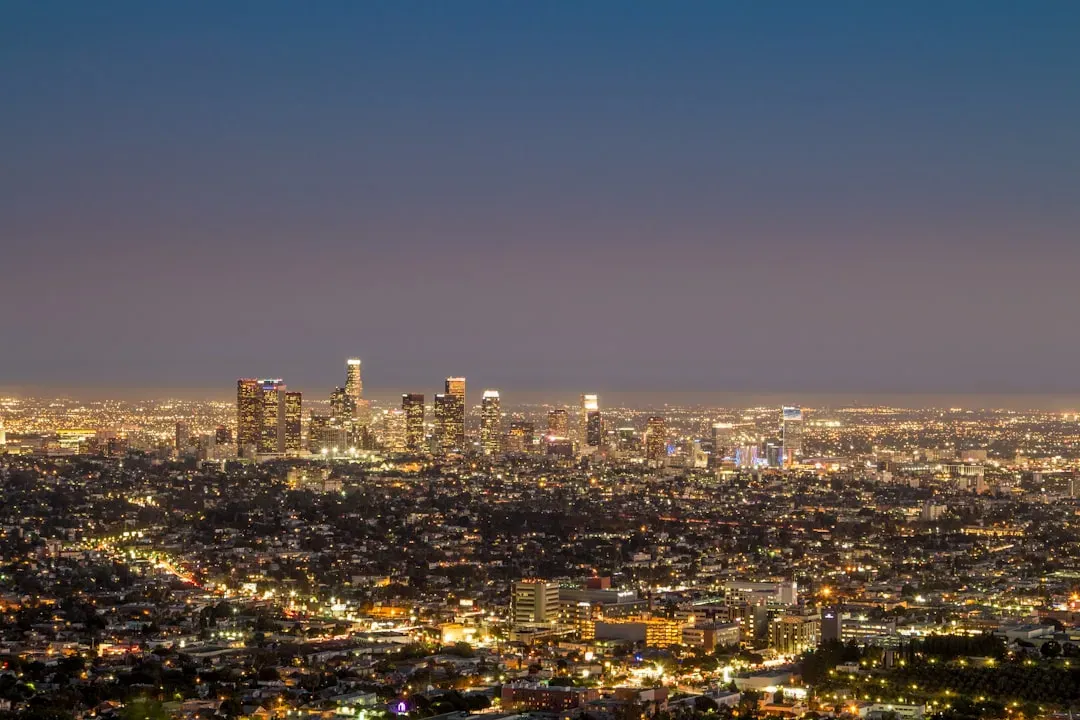
Light pollution often gets brushed aside in conservation conversations because it lacks the drama of a clear-cut forest or a chemical spill. It accumulates invisibly, street by street, building by building. The economic loss in global ecosystem services due to light pollution totals an enormous estimated $3.4 trillion per year. While excess or unwanted artificial light is already a waste of energy, its ecological impacts also come with a steep price tag.
The evidence is clear enough: we’ve borrowed the night from countless species without asking permission. Artificial light at night is unique among anthropogenic habitat disturbances in that it is fairly easy to ameliorate and leaves behind no residual effects. That distinction is worth sitting with. Most environmental damage we cause lingers for decades. This one, in principle, could be reduced by morning.
The choice to protect the night sky isn’t sentimental. It’s structural. Every uncapped streetlight, every all-night billboard, every unnecessarily lit office tower after midnight is a small vote against the ecosystems we share this planet with. The good news is that the opposite is also true. Every shielded fixture, every motion sensor, every amber bulb installed instead of a blue-white one is a vote the other way. Darkness, it turns out, is something we can give back.

- 10 Mind-Blowing Facts About Our Solar System You Never Knew - July 22, 2026
- 10 Heartwarming Ways Pit Bulls Show They’ve Bonded With You - July 22, 2026
- 10 Animals With the Most Unique Parenting Techniques in Nature - July 22, 2026