

In the underwater world of marine biology, one of the most extraordinary reproductive phenomena occurs among seahorses. Unlike the vast majority of animal species, it’s the male seahorse who becomes pregnant and gives birth to fully-formed young. This remarkable role reversal makes seahorses one of nature’s most fascinating examples of unique reproductive strategies. The male seahorse’s pregnancy journey represents one of the animal kingdom’s most intriguing examples of paternal care, challenging our conventional understanding of gender roles in reproduction. This comprehensive article explores the remarkable biological mechanisms, evolutionary advantages, and behavioral aspects of male seahorse pregnancy.
The Unique Reproductive Biology of Seahorses
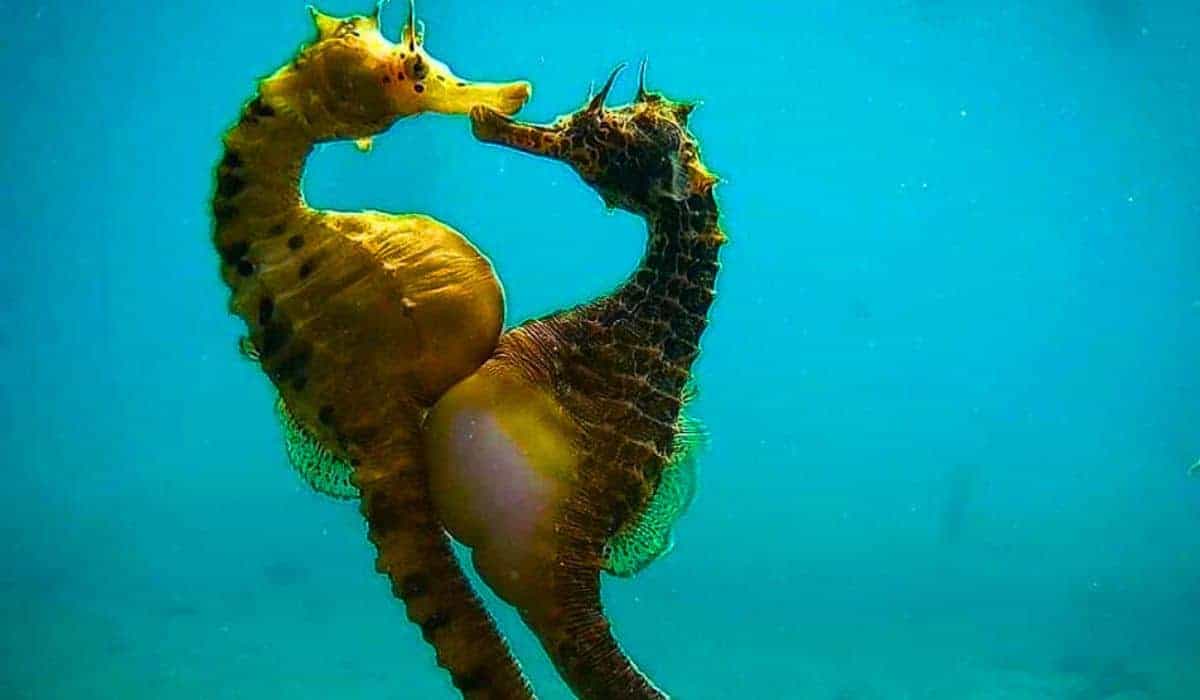
Seahorses (family Syngnathidae, genus Hippocampus) stand out in the animal kingdom for their exceptional reproductive strategy. While in most species females carry developing embryos, seahorses have evolved a system where males take on the role of pregnancy and birth. This distinctive arrangement makes them one of only a few examples in nature where males physically carry offspring. The approximately 46 species of seahorses all share this remarkable characteristic, though the specific details of pouch structure and pregnancy duration vary across species. This reproductive method represents a fascinating evolutionary adaptation that has proven successful for these delicate marine creatures for millions of years.
The Elaborate Seahorse Courtship Dance
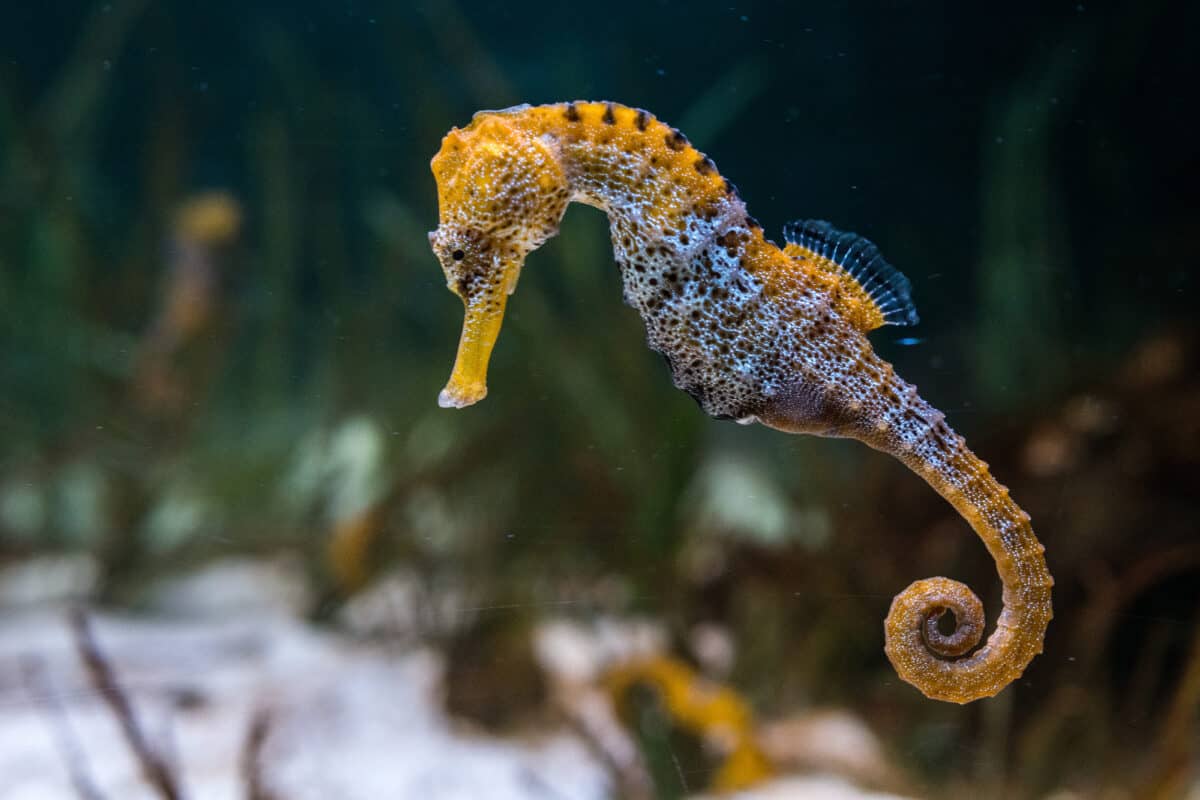
Before pregnancy occurs, seahorses engage in one of the ocean’s most elegant courtship rituals. Pairs perform synchronized swimming patterns, often changing colors and intertwining their tails as they rise together through the water column. These dances can last for days as the pair strengthens their bond. During this time, they perform daily “greeting” dances that can last up to an hour each morning. The male inflates his pouch with water to demonstrate his readiness to receive eggs, while the female prepares her eggs for transfer. This courtship serves both as a bonding mechanism and as a way for potential mates to assess each other’s reproductive fitness. Many seahorse species form monogamous pairs that may remain together for multiple breeding seasons.
The Seahorse Mating Process

The culmination of seahorse courtship is a remarkable egg transfer process. The female seahorse develops eggs in her ovaries, then transfers them through an ovipositor (a specialized organ) into the male’s brood pouch. This transfer typically occurs during a “dance” where the pair rise together in the water column, align their bodies, and the female deposits her eggs—sometimes hundreds of them—into the male’s pouch opening. The entire transfer process is remarkably quick, often taking less than 10 seconds. Once the eggs are safely deposited, the male immediately seals his pouch, and fertilization occurs within this protected chamber. The female’s role in reproduction ends at this point, while the male begins the demanding process of pregnancy.
Anatomy of the Male Brood Pouch

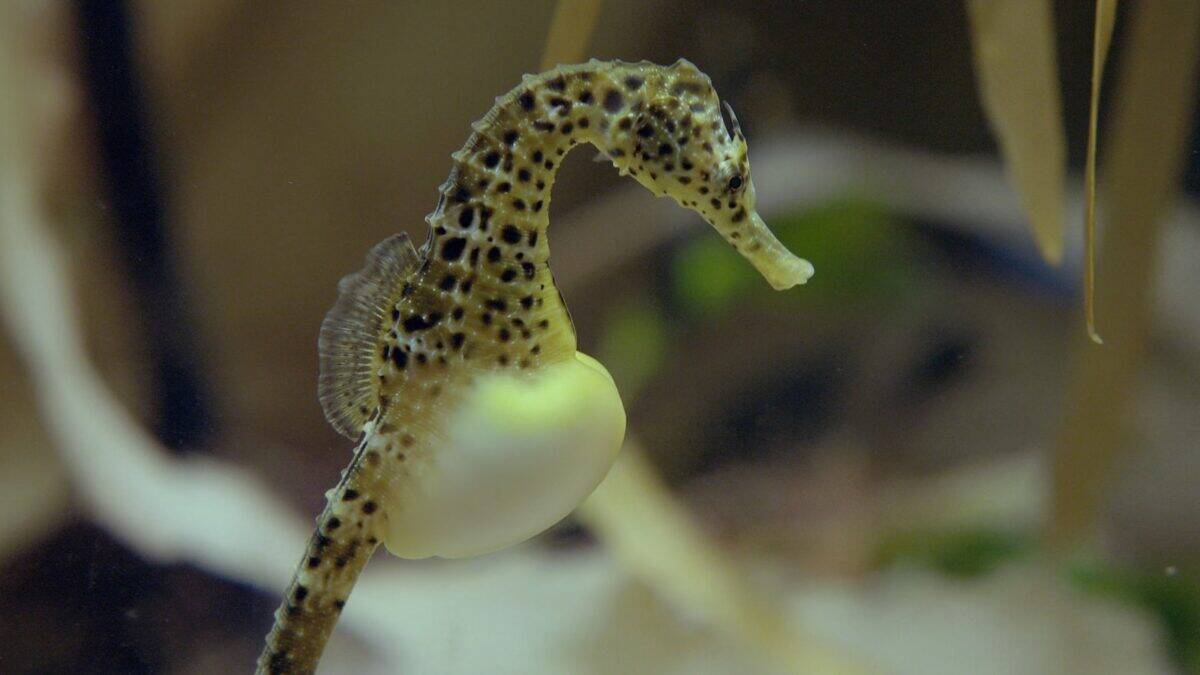
The male seahorse’s brood pouch is a specialized anatomical structure located on the ventral (front) side of the tail. This pouch isn’t simply a holding area—it’s a sophisticated biological system that shares functional similarities with a mammalian uterus. The interior is lined with specialized tissue rich in blood vessels that surround each developing embryo. These blood vessels deliver oxygen to the embryos and remove waste products. The pouch also contains specialized cells that regulate the internal environment, maintaining proper salinity levels that gradually shift from marine levels to conditions that will prepare the young for life in the ocean. Different seahorse species have varying pouch structures, from fully enclosed pouches to partially open brood areas, all serving the same reproductive function.
Fertilization and Early Development

Once the female’s eggs are safely inside the male’s pouch, fertilization occurs immediately. The male releases sperm directly into the pouch, where it meets the newly deposited eggs. Unlike external fertilization common in many fish species, this internal method ensures a much higher fertilization rate. After fertilization, the eggs embed themselves in the vascularized tissue of the pouch wall. Each egg develops its own “placenta-like” connection to the father’s blood supply. This connection enables the exchange of nutrients, oxygen, and waste products between father and embryo. The pouch also provides essential hormones that regulate embryonic development. This internal development environment gives seahorse offspring a significant survival advantage compared to the externally developing eggs of many other fish species.
The Male Pregnancy Experience

The male seahorse’s pregnancy is physiologically demanding. As embryos develop, the male’s pouch expands dramatically, giving him a distinctly “pregnant” appearance. The pregnancy duration varies by species, ranging from 14 days in smaller species to as long as 45 days in larger ones. During this period, the male provides all nutrients required for embryonic development through his bloodstream. His metabolism increases to meet these demands, requiring him to consume significantly more food. The male also regulates the pouch environment, controlling fluid salinity and composition. Hormonal changes occur throughout the pregnancy, including increased levels of prolactin, a hormone associated with parental care in many species. Researchers have observed that pregnant males move more slowly and become more vulnerable to predators, indicating significant physiological costs associated with this reproductive strategy.
The Birth Process

After weeks of pregnancy, the male seahorse undergoes labor contractions to expel the fully-formed young from his pouch. This birth process can last from hours to an entire day, depending on the number of offspring and the species. The male actively contracts his pouch muscles, often bending his body and pressing against objects to help expel the young. During birth, he releases anywhere from 5 to over 1,500 fully-formed miniature seahorses, depending on the species. These “fry” are perfect miniature replicas of adult seahorses, measuring just 7-12mm in length. The birth typically occurs at night, possibly as an adaptation to reduce predation on the vulnerable newborns. After the birthing process is complete, the male’s pouch returns to its normal size, and he may be ready to mate again within hours or days.
Life After Birth: Survival of Seahorse Fry
Once born, seahorse fry receive no further parental care. These tiny, fully-formed seahorses must immediately fend for themselves in the open ocean. Each measures only about 7-12mm long—small enough to fit on a fingernail. Despite being independent, these newborns face extremely high mortality rates, with less than 0.5% typically surviving to adulthood in the wild. The young seahorses immediately begin hunting small zooplankton, using their highly specialized tubular mouths to create a vacuum that sucks in prey. They grow rapidly during the first weeks of life if they can secure enough food. Their tiny size makes them vulnerable to countless predators, and they rely on camouflage and their ability to grip onto vegetation with their prehensile tails for protection. The demanding nature of independent survival may help explain why seahorses produce so many offspring during each pregnancy.
Evolutionary Advantages of Male Pregnancy
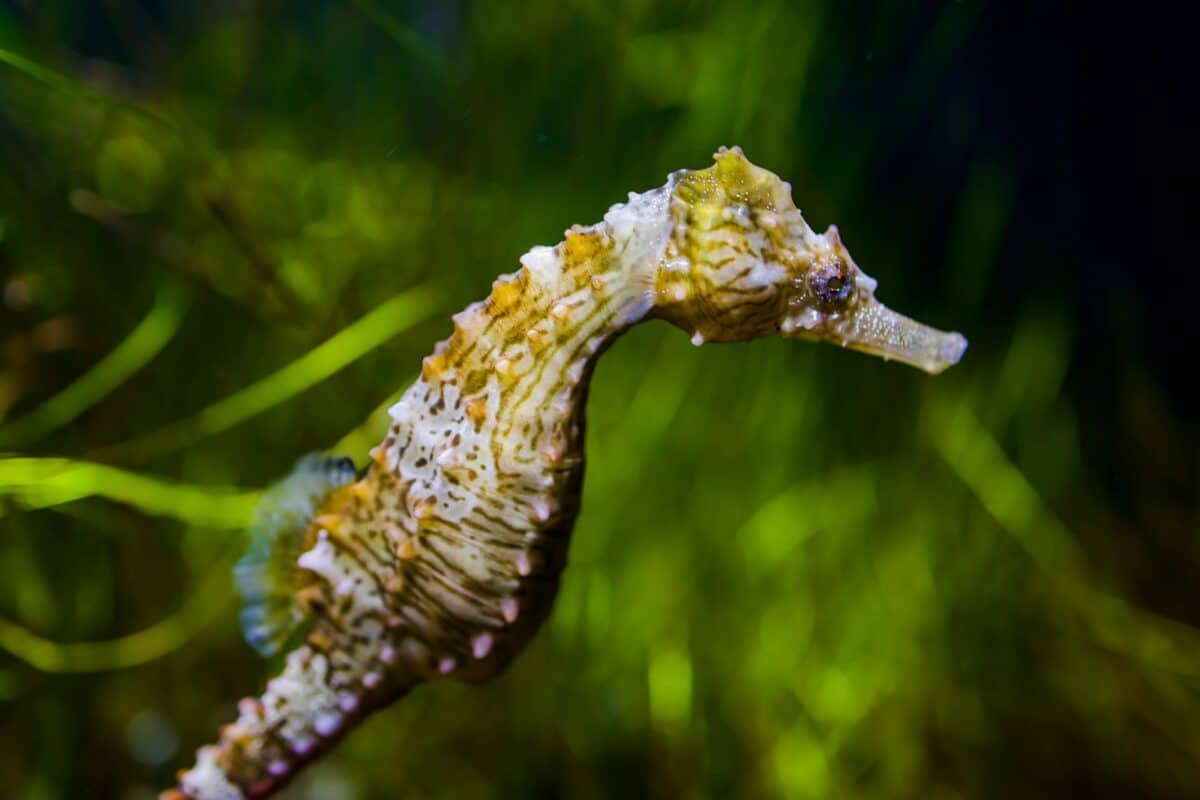
Scientists believe male pregnancy evolved in seahorses approximately 65 million years ago. This unusual reproductive strategy offers several evolutionary advantages. First, it dramatically increases reproductive efficiency—while the male carries developing embryos, the female can immediately begin producing the next batch of eggs. Some species can reproduce almost continuously throughout their breeding season because of this division of labor. Second, it ensures paternity certainty for males, addressing an evolutionary challenge many male animals face. Third, it creates a protected environment for developing embryos, increasing survival rates compared to external egg development. Research suggests that this reproductive division of labor may have allowed seahorses to evolve their distinctive body shape and sedentary lifestyle, as females aren’t burdened by carrying developing young while needing to maintain mobility for feeding and survival.
Hormonal Regulation During Male Pregnancy

The hormonal regulation of male seahorse pregnancy represents a fascinating biological adaptation. During pregnancy, male seahorses experience significant increases in “female” reproductive hormones, including progesterone and estradiol, which help maintain the pregnancy. They also show elevated levels of prolactin, associated with parental behavior across many species. The pouch itself produces specialized enzymes and immunosuppressive compounds that prevent the father’s immune system from attacking the embryos, which contain foreign DNA. Research has identified a protein called “patristacin” that appears uniquely involved in male pregnancy among seahorses and their relatives. The male’s endocrine system undergoes dramatic changes throughout pregnancy, with different hormones dominating during the early, middle, and late stages. These hormonal changes not only support embryonic development but also appear to influence the male’s behavior, making him more cautious and less active—adaptations that likely protect the developing young.
Variations Across Seahorse Species
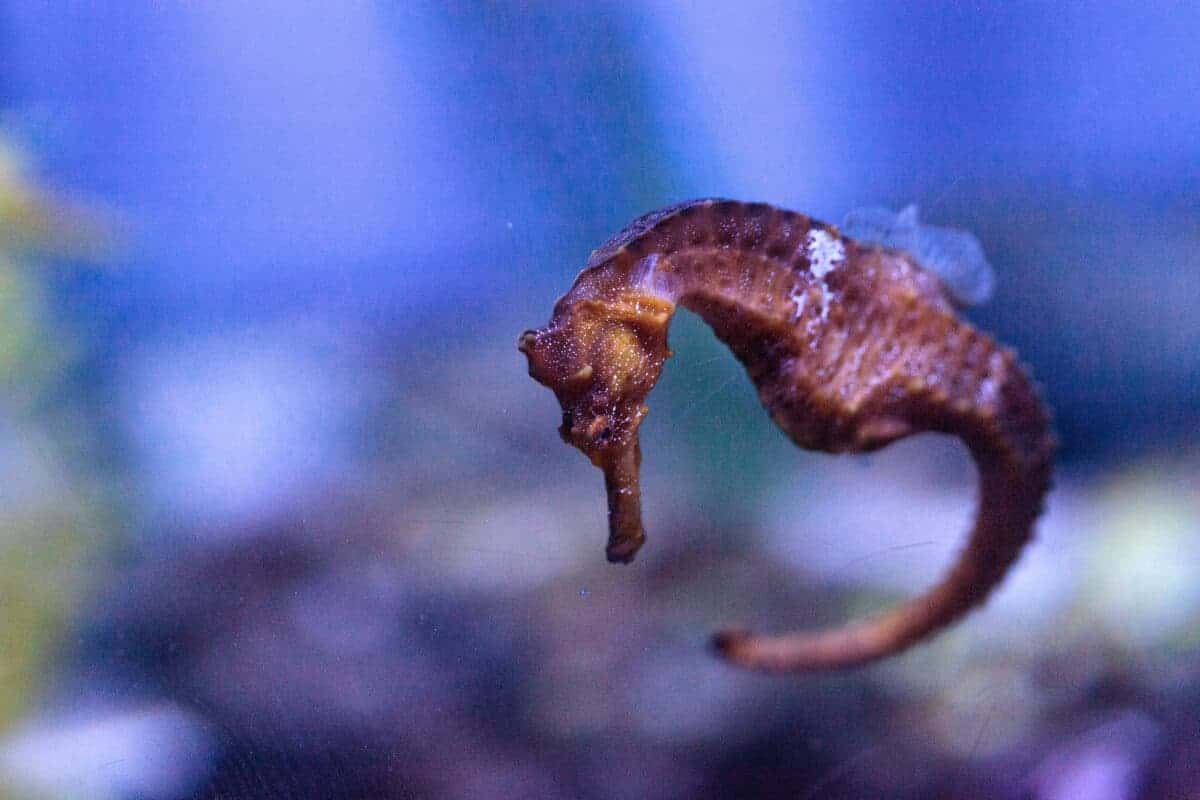
While all seahorse species share the basic male pregnancy model, significant variations exist across the approximately 46 species. The complexity and enclosure of the brood pouch varies, with some species having fully sealed pouches while others have more open pouch structures. Pregnancy duration ranges considerably, from just two weeks in dwarf seahorses (Hippocampus zosterae) to six weeks in larger species like the pot-bellied seahorse (Hippocampus abdominalis). The number of young produced also varies dramatically, from as few as 5 in smaller species to over 1,500 in larger ones. Different species also show variations in mating systems—while many form monogamous pairs that mate repeatedly, others change partners more frequently. These variations reflect adaptations to different marine environments, from tropical coral reefs to temperate seagrass meadows, demonstrating how this unique reproductive strategy has been fine-tuned through evolution to suit various ecological niches.
Conservation Implications
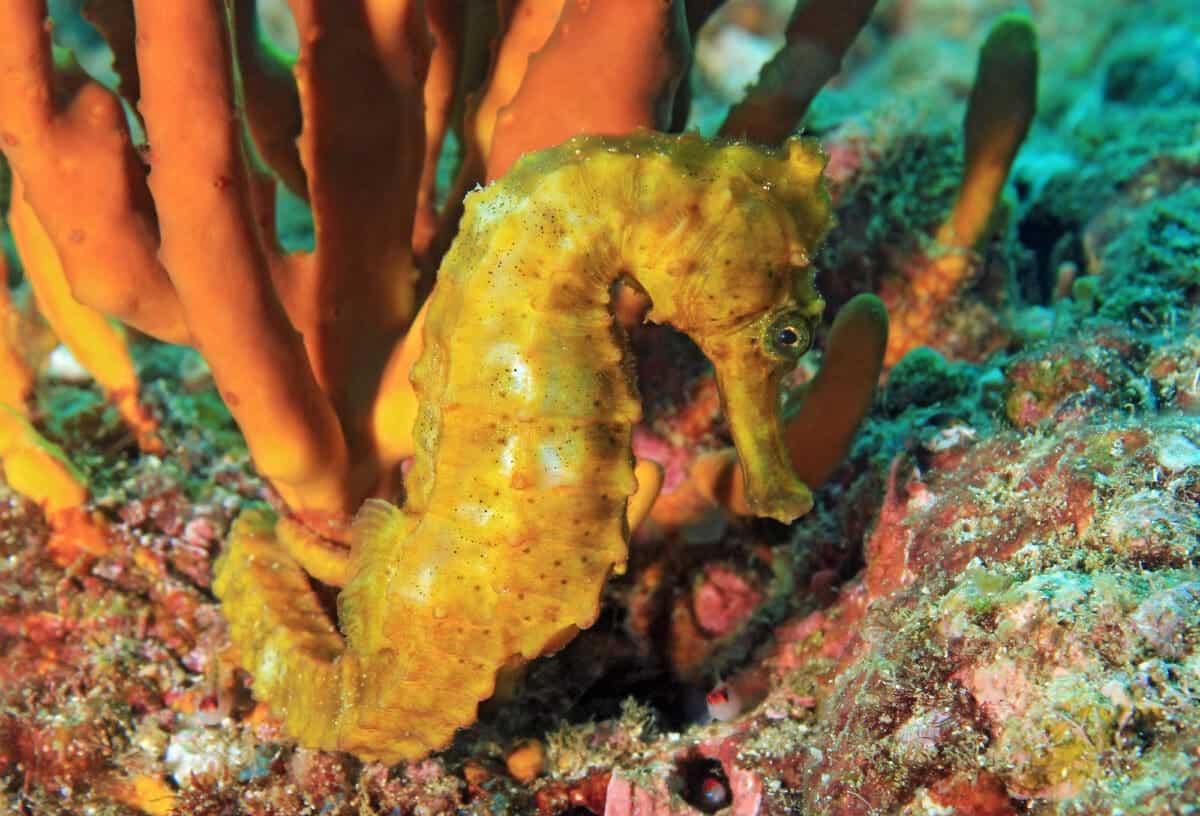
The unique reproductive biology of seahorses has significant conservation implications. Their relatively low reproductive rate compared to many other fish species—despite producing numerous young, few survive to adulthood—makes seahorse populations vulnerable to overharvesting and habitat degradation. More than 15 million seahorses are estimated to be harvested annually for traditional medicines, aquarium trade, and curios. Their specific habitat requirements, typically seagrass beds, coral reefs, or mangroves, face global threats from coastal development, pollution, and climate change. Many seahorse species now appear on the IUCN Red List of Threatened Species, with some categorized as endangered. Conservation efforts include breeding programs at public aquariums, habitat protection initiatives, and regulations on international trade through CITES (Convention on International Trade in Endangered Species). Understanding the intricacies of seahorse reproduction helps conservationists develop more effective protection strategies for these remarkable creatures.
Conclusion: Nature’s Reproductive Marvels
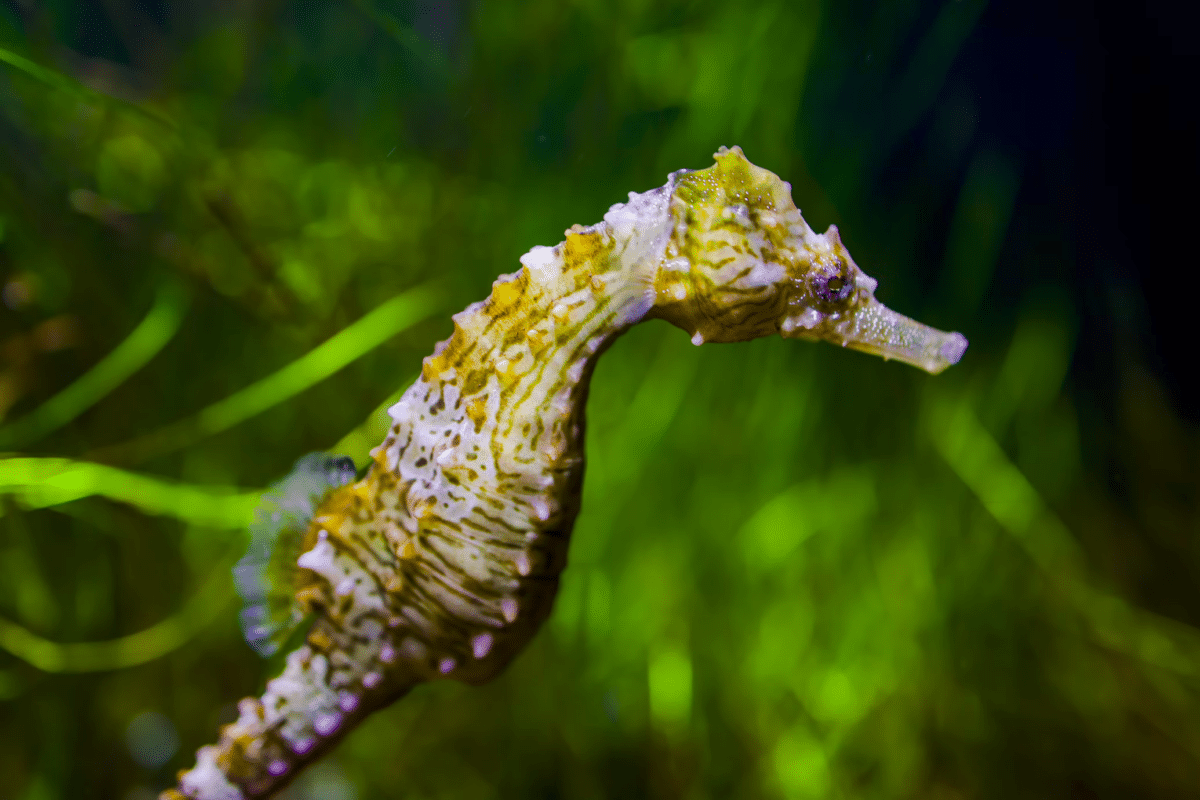
Male seahorse pregnancy represents one of nature’s most extraordinary reproductive adaptations, challenging our conventional understanding of gender roles in reproduction. Through millions of years of evolution, these remarkable creatures have developed a highly specialized system that maximizes reproductive efficiency while ensuring the protection of developing young. The complex biological mechanisms that enable male pregnancy—from the specialized brood pouch to sophisticated hormonal regulation—demonstrate the incredible diversity of reproductive strategies that have evolved in the animal kingdom. As we continue to study these fascinating creatures, they remind us that nature’s solutions to reproductive challenges can take unexpected and remarkable forms. The seahorse’s unique approach to reproduction not only fascinates scientists and the public alike but also highlights the importance of protecting these vulnerable marine animals and their habitats for future generations.

- Why You Shouldn’t Chase Butterflies With Nets - July 22, 2026
- The Animal Kingdom’s Best Dads Ranked - July 22, 2026
- The Most Vulnerable Fish Species in U.S. Rivers Today - July 22, 2026