
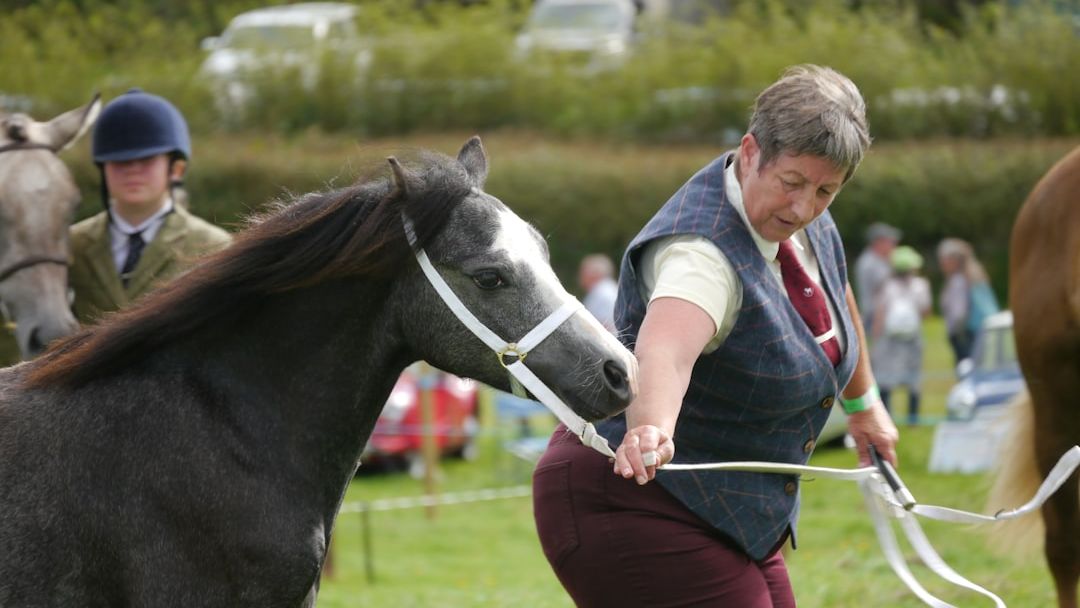
There’s something special about watching an older horse move through a paddock. Maybe it’s the wisdom in their eyes or the way they carry themselves with quiet confidence. These veterans have given us so much over the years, and naturally, we want to do right by them as they enter their golden years. The question of how much exercise they need isn’t straightforward, though. It’s a balancing act between keeping them active and knowing when to ease off.
Let’s be real, every horse ages differently. Some stay athletic well into their twenties while others slow down earlier. Understanding what your senior horse needs means paying attention to subtle signals and adjusting your approach accordingly. The good news? With the right approach, your older companion can stay active, healthy, and engaged for years to come.
Understanding What Age Really Means for Horses
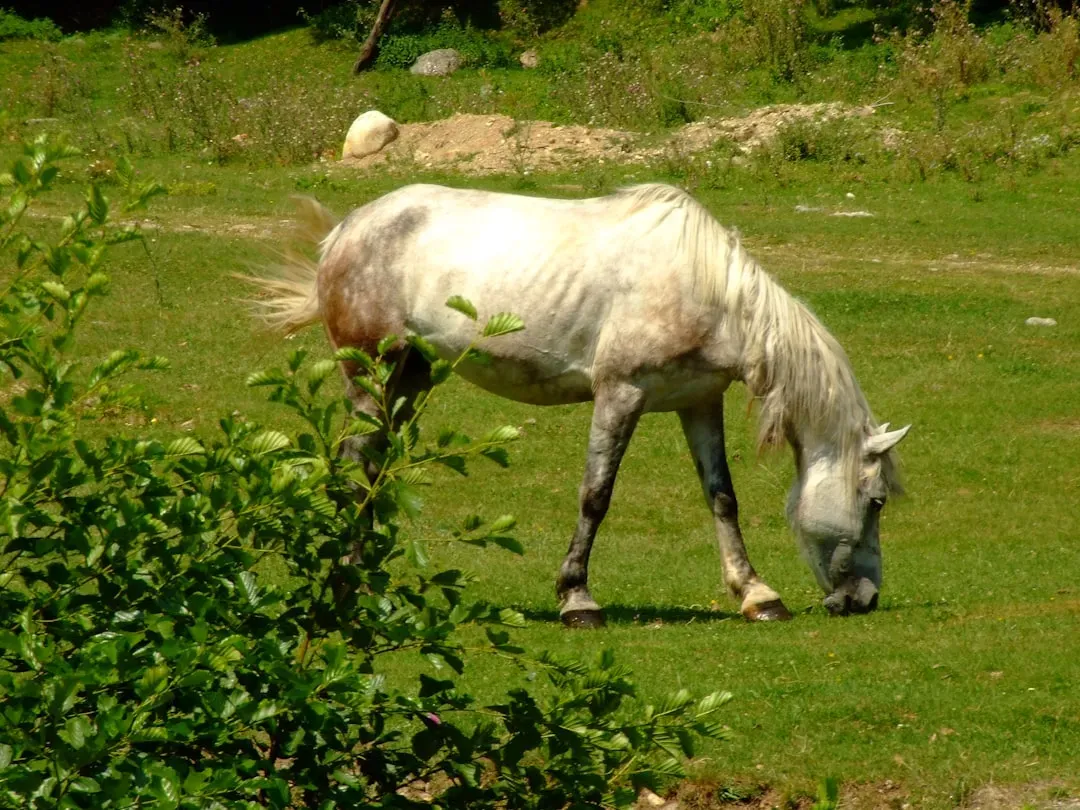
Here’s the thing about age in horses. Technically, a 17-year-old horse is still middle-aged, living about one year for every three human years, making them roughly 51 in human terms, with scientists not considering horses “aged” until they turn 20. Your teenage horse probably has more mileage left than you think.
Still, changes do happen. After 20 years of age, the majority of horses have experienced a 25% reduction in VO2max, meaning their aerobic capacity is permanently diminished and they work harder to accomplish the same task they used to. The heart has to pump harder during exercise, which is why you might notice your older guy huffing a bit more than he used to.
Previous lifestyle matters enormously. An even larger determination of aging is the horse’s prior lifetime, with previous activity patterns greatly influencing the rate of decline in aerobic capacity – horses with a lifetime of consistent exercise without prolonged interruptions have more resilient metabolic systems. That former eventer might actually be fitter than a less active younger horse.
Even older horses have a tremendous ability to exercise, with the aerobic capacity of a 20-year-old horse still two times higher than that of an elite Olympic marathon runner. They’re designed to keep moving late into their lives.
I think it’s worth noting that fitness level often matters more than age itself. A horse that has spent years competing in shows may be in better condition than a less active younger horse. Don’t write off your senior just because of a number.
How Often Should You Actually Ride?
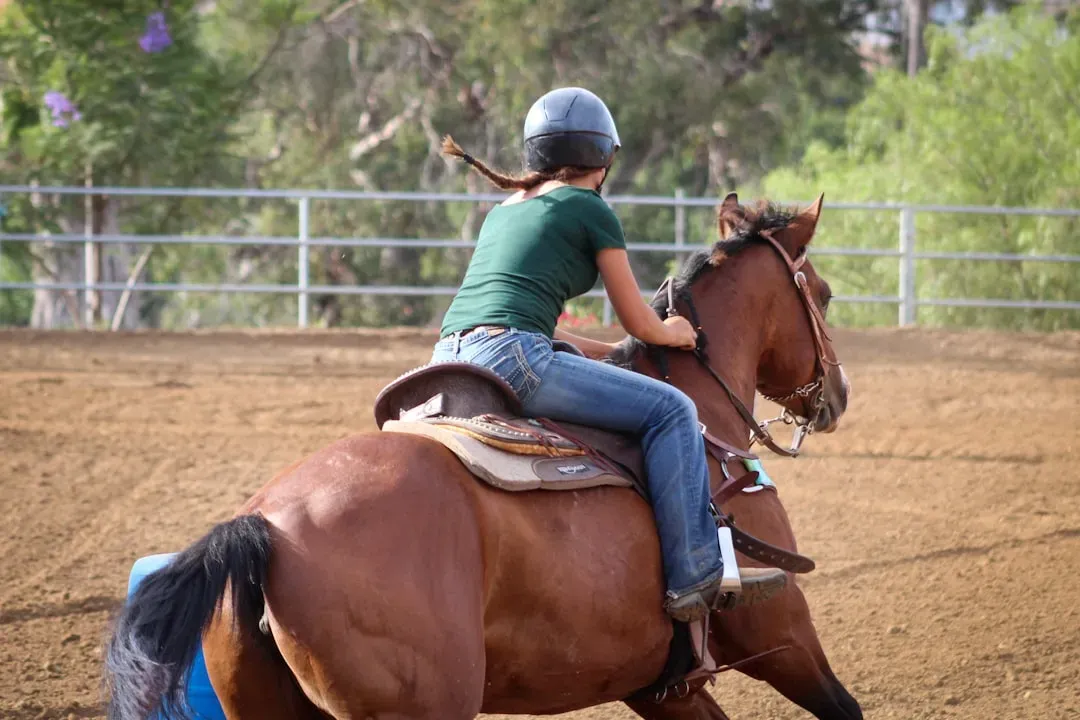
Generally, older horses benefit from exercising at least two to three times a week, with exercise in addition to turnout time. That’s your baseline minimum for keeping muscles and joints functioning well. Honestly, consistency matters more than occasional marathon sessions.
Duration depends heavily on fitness. If your horse is out of shape, it may be best to limit sessions to no longer than 10 to 15 minutes until stamina and endurance improve, though healthy horses acclimated to exercise may handle sessions of 30 minutes to an hour or longer. Start small and build gradually.
A consistent schedule of light aerobic exercise at least 30 minutes for four days per week will keep the senior horse’s body in the right tone and weight. Four days gives you a good rhythm while allowing recovery time. Your horse’s body needs that downtime to repair and strengthen.
The key is avoiding long breaks. A senior horse absolutely must be kept in consistent light exercise year-round with no extended period of time off, as layoffs longer than four weeks result in measurable declines in muscle mass, bone density, skeletal muscle enzymes, and mitochondrial concentration. Taking the winter off? That’s going to set you back significantly.
Be sure to provide regular, consistent work, as inconsistent exercise may lead to discomfort and injury and rebuilding muscle, flexibility, and stamina takes longer as time goes by. Weekend warriors beware – your horse needs steady, predictable exercise.
The Critical Importance of Warming Up
Older joints need more time to get ready. Extra warm-up time should be given to the senior to help his joints loosen up so he can move freely without pain during exercise. Rushing this step is asking for trouble.
Many senior horses have some degree of osteoarthritis, most commonly in their lower hock joints or front pastern joints, with the classic history being that they appear sore at the beginning of a ride but do fine once they warm up. Sound familiar? That stiffness usually works itself out with gentle movement.
Whether your horse is on a longe line, in the round pen, or under saddle, begin his warm-up with at least 10 to 15 minutes of easy-to-moderate walking, starting slowly and building walking speed gradually. No shortcuts here. Those extra minutes make all the difference.
Warming up loosens muscles, joints, tendons, and ligaments, reducing the risk of injury, so make sure your horse spends 5 to 10 minutes walking before participating in more strenuous exercise. Think of it as insurance against strain and soreness.
Allow a full 10 minutes of leisurely walking at the beginning of any ride. It’s tempting to skip this when you’re short on time, but your horse’s body will thank you for the patience.
Best Types of Exercise for Senior Horses
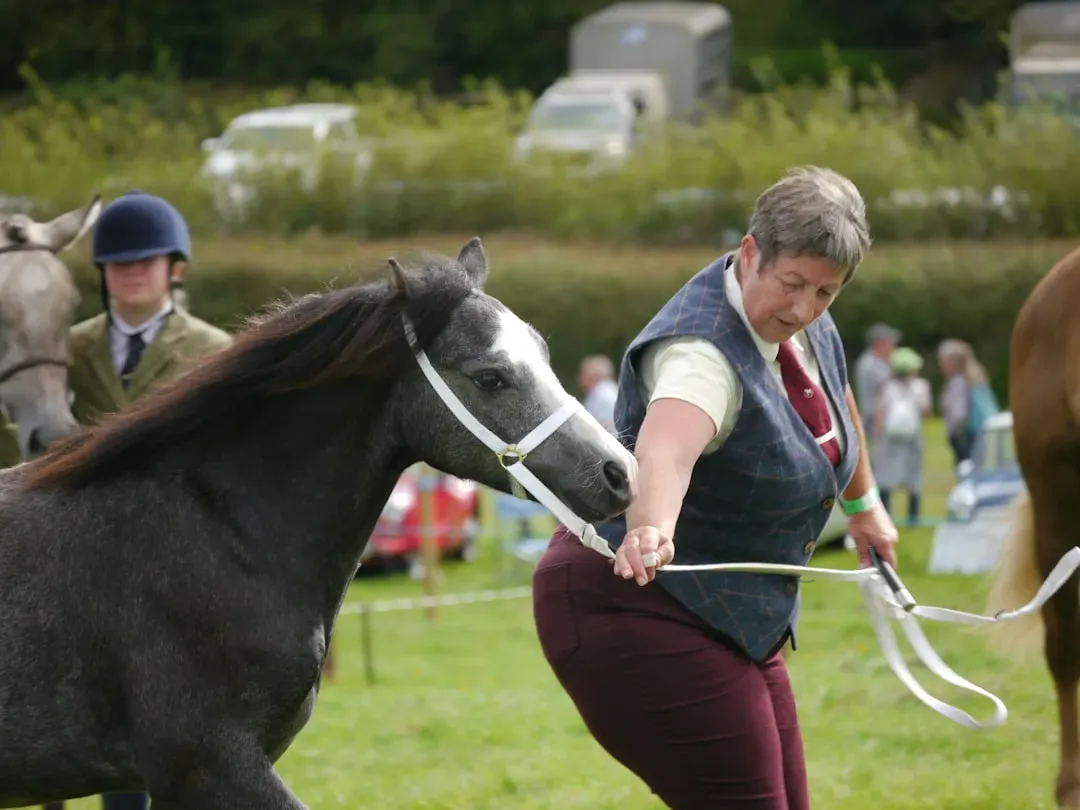
Walking and trotting remain your best friends. Trotting may be the perfect activity for a horse that is more sedentary or has arthritis, while horses of any activity level can benefit from exercises that work the muscles, such as walking or trotting in circles, spirals, or other shapes that require turning. Simple doesn’t mean ineffective.
Circles, turns, serpentines, spirals, and figure-8s stretch your horse’s muscles along one side of his body, with the smaller the circle or tighter the turn creating greater stretch. These exercises improve suppleness without excessive impact.
Ground poles offer fantastic benefits. Walking and trotting over ground poles increases the flexion in all of your horse’s limb joints, helping improve and maintain the joints’ range of motion – especially important for older equines. They’re easy to set up and add variety to your routine.
Gentle hill work is a great way to help keep your senior horse strong and happy. Hills build strength naturally without the concussive impact of faster work on flat ground. Just make sure your horse goes up and down deliberately, not rushing.
Add extra movement whenever you can in addition to the daily workout, including a 5-minute handwalk in the middle of the day, a few minutes in the round pen, a quick play over some obstacles, or a short stretching session. Any extra movement throughout the day benefits your horse.
Warning Signs You’re Doing Too Much
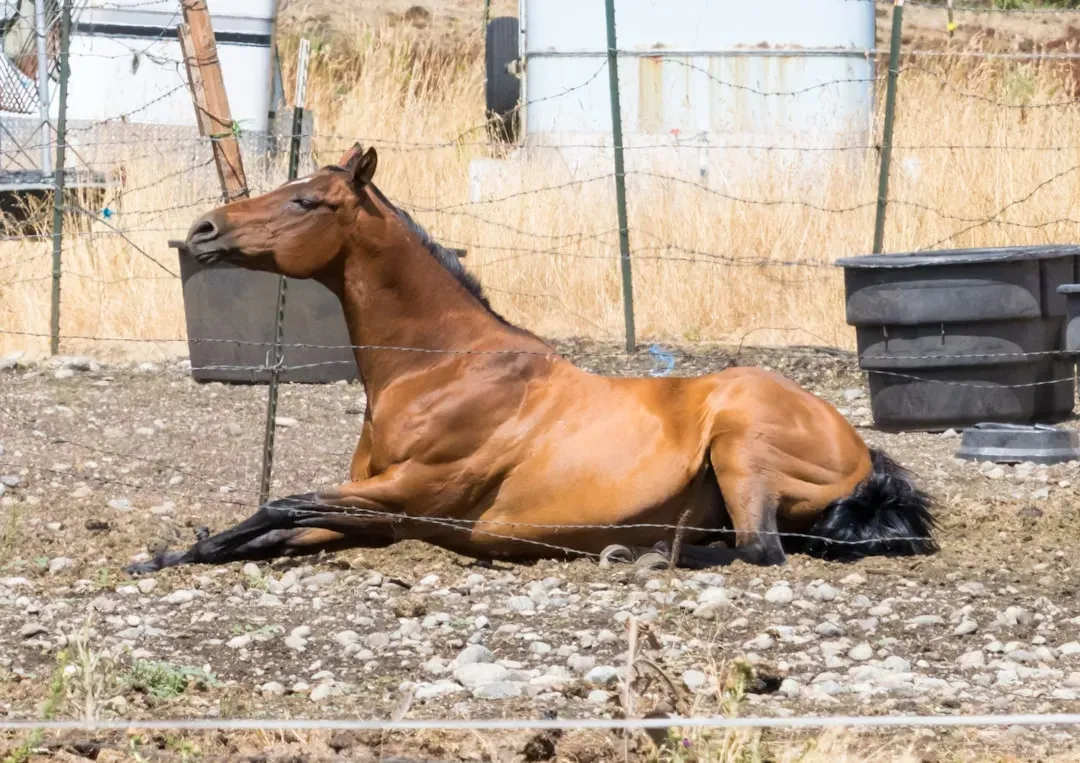
Your horse will tell you when it’s too much – if you’re listening. Stop or slow the activity if your horse becomes fatigued, seems to be in pain, sweats excessively, or breathes heavily, as continuing to exercise your horse may jeopardize its health. Don’t push through these signals.
Signs of fatigue include a slowing of pace, decreased responsiveness to the aids, an unwillingness or inability to increase speed or change gait, loss of motivation, reduced coordination, increased frequency of brushing or overreaching, increased head and neck movement, increased breathing effort, and hitting obstacles. These aren’t subtle once you know what to watch for.
If he’s shifting his forelimbs more than once a minute, this signals fatigue, and a horse will also start to ignore flies. That’s your cue to call it a day. Seriously.
Recovery time tells you a lot. An unfit horse will blow a lot for an extended time if you work him hard, but a fit horse should recover to fairly normal breathing within 10 minutes of his workout. If your horse is still huffing and puffing after that, you’ve overdone it.
If he isn’t putting out as much effort as usual under saddle and seems irritable and less cooperative, doesn’t seem as interested in food or in goings-on in his surroundings, these are all signs of overtraining. Behavioral changes speak volumes about physical stress.
Special Considerations for Senior Athletes
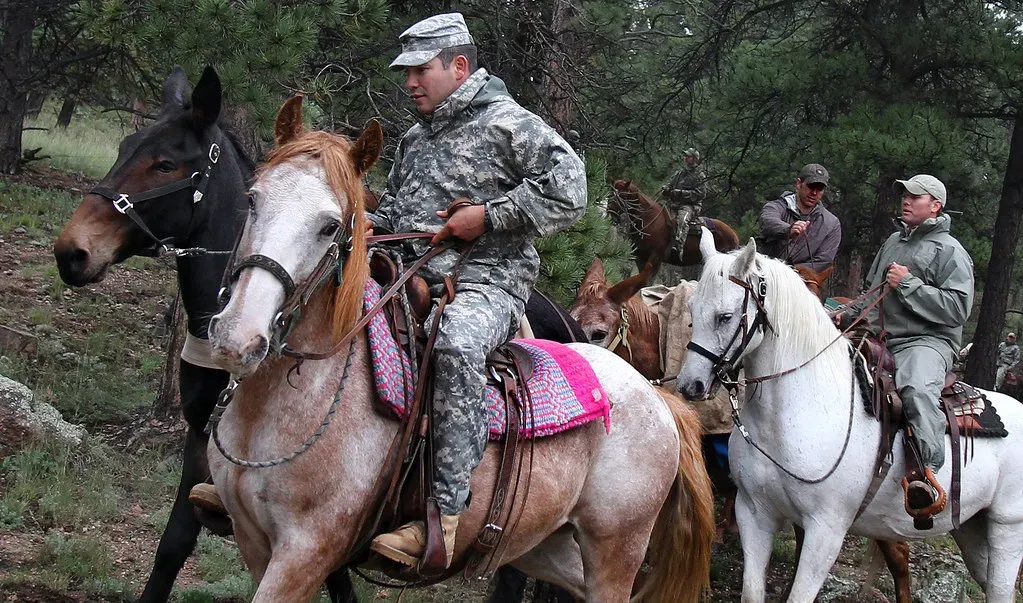
Temperature regulation becomes tricky with age. Older horses have trouble regulating their body temperatures and can quickly become overheated on hot, humid days, so avoid riding your horse when it’s hot and provide plenty of water. Summer rides need to happen early morning or evening.
During strenuous exercise, older horses have trouble thermoregulating, with their core body temperature rising faster than it does in younger horses. Monitor carefully and be ready to stop sooner than you would with a younger horse.
Here’s some good news though. Even after strenuous exercise, older horses still recover very quickly, with their core temperature returning to normal 10 minutes after exercise stopped, just as their younger counterparts. Their cooling system still works once you stop.
Do not confuse stiffness with pain – stiffness on its own can exist without pain and is not reason to avoid exercise, but if you are unsure whether your horse is stiff versus in pain, consult your vet. This distinction matters enormously for making the right call.
An aged horse may need two days off after a workout instead of just one. That extra recovery day isn’t laziness – it’s smart management. Give those tissues time to repair properly.
Conclusion
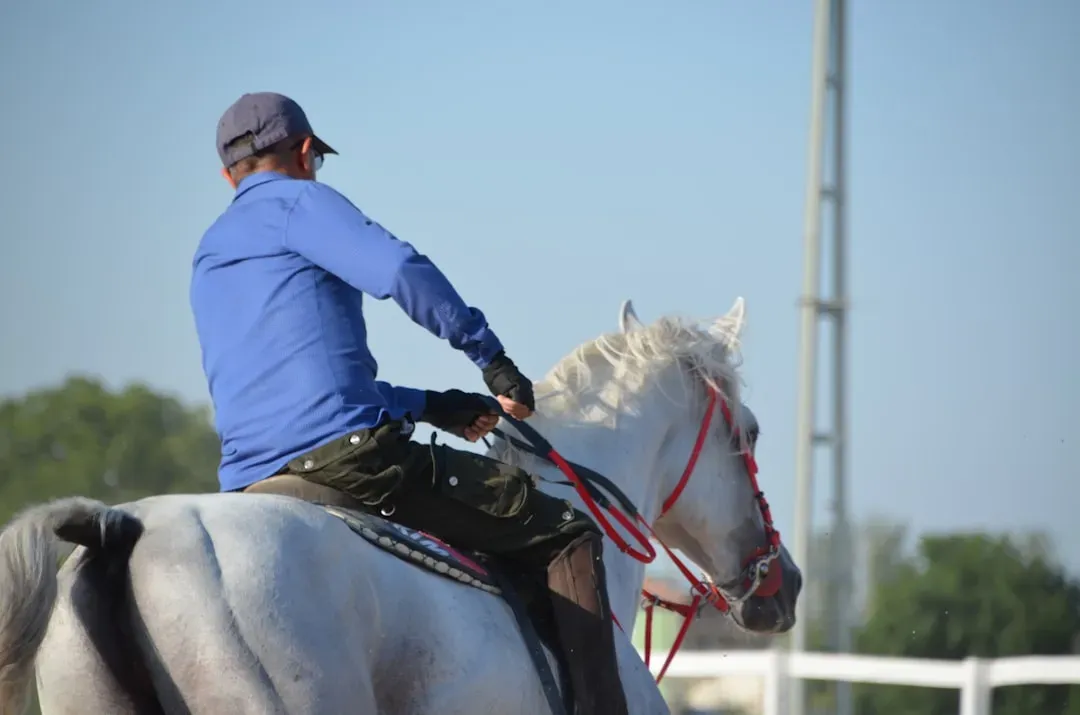
The answer to how much you should ride your older horse isn’t a simple number – it’s about reading your individual horse and staying consistent. Most seniors thrive on regular work sessions of 30 minutes to an hour, done three to four times weekly, with proper warm-ups and attention to their comfort levels. The worst thing you can do is let them sit idle for weeks at a time or, conversely, work them too hard on those few days you do ride.
Remember that exercise isn’t just about keeping muscles toned. It’s about joint health, cardiovascular fitness, mental stimulation, and quality of life. Your older horse still wants to be useful and engaged. With thoughtful management, many horses continue working happily into their twenties and beyond.
Watch for those telltale signs of fatigue, avoid hot weather sessions, and never skip the warm-up. Every horse ages differently based on genetics, previous work history, and overall health. What works for your neighbor’s 22-year-old may not suit yours. Trust your instincts and keep your vet in the loop about any concerns.
How does your senior horse handle their current exercise routine? Have you noticed changes in what they can manage comfortably? Share your experiences in the comments below.
