


California’s diverse landscapes, from coastal dunes to alpine meadows, are undergoing a remarkable transformation as native plants reclaim their rightful place in the ecosystem. After decades of degradation from development, invasive species, and climate change, concerted efforts to restore native plant communities are yielding promising results. These indigenous species—uniquely adapted to California’s Mediterranean climate and varied terrains—are proving to be powerful agents of ecological renewal.
Their reintroduction and expanding presence are not just changing the physical appearance of the state’s wildlands but fundamentally reshaping ecosystem functions, biodiversity patterns, and resilience to environmental challenges. This renaissance of native flora represents one of the most significant conservation success stories in the Golden State’s recent history, with implications that extend far beyond aesthetics to the very sustainability of California’s natural heritage.
The Historical Context of California’s Native Plant Communities

Before European settlement, California boasted one of North America’s most diverse botanical landscapes. Indigenous peoples managed these plant communities for thousands of years through controlled burning and selective harvesting, creating a mosaic of habitats that supported extraordinary biodiversity. The state’s isolated valleys, varied topography, and distinct climate zones fostered remarkable plant speciation, resulting in approximately 6,500 native plant species, of which nearly 30% are endemic—found nowhere else on Earth. This botanical richness reflected millennia of co-evolution between plants, animals, and the physical environment.
The arrival of Spanish colonizers in the late 18th century marked the beginning of dramatic changes. Introduction of cattle, sheep, and non-native grasses radically altered vegetation patterns. The Gold Rush era accelerated environmental transformation through mining, logging, and rapid urbanization. By the mid-20th century, development had claimed vast portions of native habitat, while remaining wildlands suffered from fragmentation, altered fire regimes, and invasive species incursions. This historical context is crucial for understanding both the magnitude of loss and the significance of current restoration efforts that seek to reconnect California’s landscapes with their ecological past.
The Critical Ecological Role of Native Plants

Native plants serve as the fundamental building blocks of California’s ecosystems, performing irreplaceable ecological functions. Unlike their non-native counterparts, these species evolved over millennia in synchrony with local soil microbiomes, pollinators, and wildlife. Their deep root systems—some extending over 20 feet underground—stabilize soil, prevent erosion, and sequester carbon at rates significantly higher than non-native alternatives. Research from the University of California has demonstrated that native perennial bunchgrasses can store up to 40% more carbon in soil than annual non-native grasses.
Perhaps most critically, California’s native plants support intricate food webs. Oak trees alone host over 5,000 species of insects, which in turn feed birds and other wildlife. Native milkweeds (Asclepias spp.) provide the sole food source for monarch butterfly caterpillars, while manzanita flowers sustain hummingbirds during crucial migration periods. Additionally, many native plants have evolved specialized relationships with mycorrhizal fungi, which enhance their nutrient uptake capabilities and overall resilience. This ecological interdependence means that reestablishing native plant communities doesn’t just restore vegetation—it regenerates entire ecosystems and their associated ecological processes.
Challenges to Native Plant Restoration

Despite growing recognition of their value, reestablishing native plants in California’s wildlands faces substantial challenges. Invasive species present perhaps the most persistent obstacle, with plants like yellow star thistle (Centaurea solstitialis) and cheatgrass (Bromus tectorum) colonizing millions of acres. These aggressive invaders can produce thousands of seeds per plant, alter soil chemistry, and outcompete native seedlings for light, water, and nutrients. A study from the California Invasive Plant Council estimated that managing invasive plants costs the state approximately $82 million annually.
Climate change poses another formidable challenge, as shifting temperature and precipitation patterns disrupt the environmental conditions to which native plants are adapted. Many species face what ecologists call “climate migration mismatch”—the inability to shift their ranges quickly enough to track suitable habitat. Fragmented landscapes further complicate restoration, as isolated patches of habitat may lack the genetic diversity and connectivity necessary for sustainable plant populations. Additionally, altered disturbance regimes, particularly fire suppression in fire-adapted ecosystems, have disrupted natural regeneration cycles for many native species. These interacting stressors create complex barriers that require innovative, science-based approaches to overcome.
Flagship Native Plant Communities Driving Ecological Recovery

Several iconic plant communities are spearheading California’s wildland transformation, serving as models for successful ecosystem restoration. Coastal sage scrub, once dismissed as “soft chaparral,” has emerged as a restoration priority due to its remarkable biodiversity and role in supporting endangered species like the California gnatcatcher. In San Diego County, restoration of over 2,500 acres of coastal sage scrub has created habitat corridors connecting previously isolated natural areas, demonstrating how native plant communities can reconnect fragmented landscapes.
In the Central Valley, restoration of valley oak woodlands (Quercus lobata) is transforming former agricultural lands into thriving ecosystems. These majestic trees, which can live over 500 years, serve as keystone species that support hundreds of wildlife species while improving groundwater recharge. The Sacramento River Restoration Project has reestablished over 30,000 acres of riparian forest dominated by valley oaks, cottonwoods, and willows, creating California’s largest continuous riparian restoration. Along the coast, native dune vegetation restoration projects in Humboldt and Monterey counties have stabilized shifting sands while providing habitat for specialized species like the endangered Menzies’ wallflower. These flagship projects demonstrate how reestablishing native dominance can trigger cascading ecological benefits across multiple habitat types.
Native Grasslands: The Unsung Heroes of California’s Ecology

While chaparral and redwood forests often capture public attention, California’s native grasslands are experiencing perhaps the most dramatic restoration renaissance. Once covering nearly 25% of the state, native perennial bunchgrasses like purple needlegrass (Stipa pulchra) and California fescue (Festuca californica) were reduced to less than 1% of their original extent by the mid-20th century. Today, innovative restoration techniques are reversing this trend. At Pepperwood Preserve in Sonoma County, scientists have documented that reestablished native grasslands recover from drought more quickly than exotic annual grasslands, maintaining green forage for wildlife weeks longer during dry periods.
Beyond drought resilience, native grassland restoration yields remarkable biodiversity benefits. The Jepson Prairie Preserve in Solano County showcases how restored vernal pool grasslands support specialized plant communities with over 400 plant species, including many rare and endangered wildflowers like Contra Costa goldfields and Solano grass. These native grasslands also provide superior habitat for ground-nesting birds such as grasshopper sparrows and western meadowlarks, whose populations have declined by over 70% in areas dominated by non-native grasses. Furthermore, the deep root systems of native bunchgrasses—often extending 6-12 feet below ground—enhance soil carbon sequestration and reduce erosion by up to 60% compared to non-native annual grasslands, making them powerful tools for climate resilience.
Innovative Restoration Techniques Driving Success

The science of native plant restoration has evolved dramatically in recent decades, employing increasingly sophisticated techniques that accelerate recovery and improve outcomes. Practitioners now recognize the importance of local genetic adaptation, collecting seeds from multiple populations within the same ecoregion to maximize genetic diversity and resilience. The Seed Banking for the 21st Century initiative, coordinated by the California Native Plant Society, has established a network of regional seed banks preserving thousands of locally-adapted seed collections for restoration projects.
Advanced site preparation methods have proven transformative for restoration success. Techniques like “carbon farming,” which involves applying compost to degraded lands, can simultaneously suppress non-native species while enhancing soil conditions for natives. At Pepperwood Preserve, carbon farming increased native plant establishment by 40% while reducing non-native cover. Similarly, prescribed fire has reemerged as a powerful restoration tool. The Fire Forward program in Sonoma County has demonstrated that carefully timed burns can reduce non-native seed banks by over 90% while stimulating dormant native seeds to germinate. Technological innovations are also accelerating the pace of restoration—drones now distribute native seed mixes precisely across remote or difficult terrain, while mycorrhizal fungi inoculations boost establishment rates for difficult species like manzanitas and oaks. These scientific advances are transforming restoration from an uncertain art to a increasingly precise science.
Climate Resilience Through Native Plant Communities
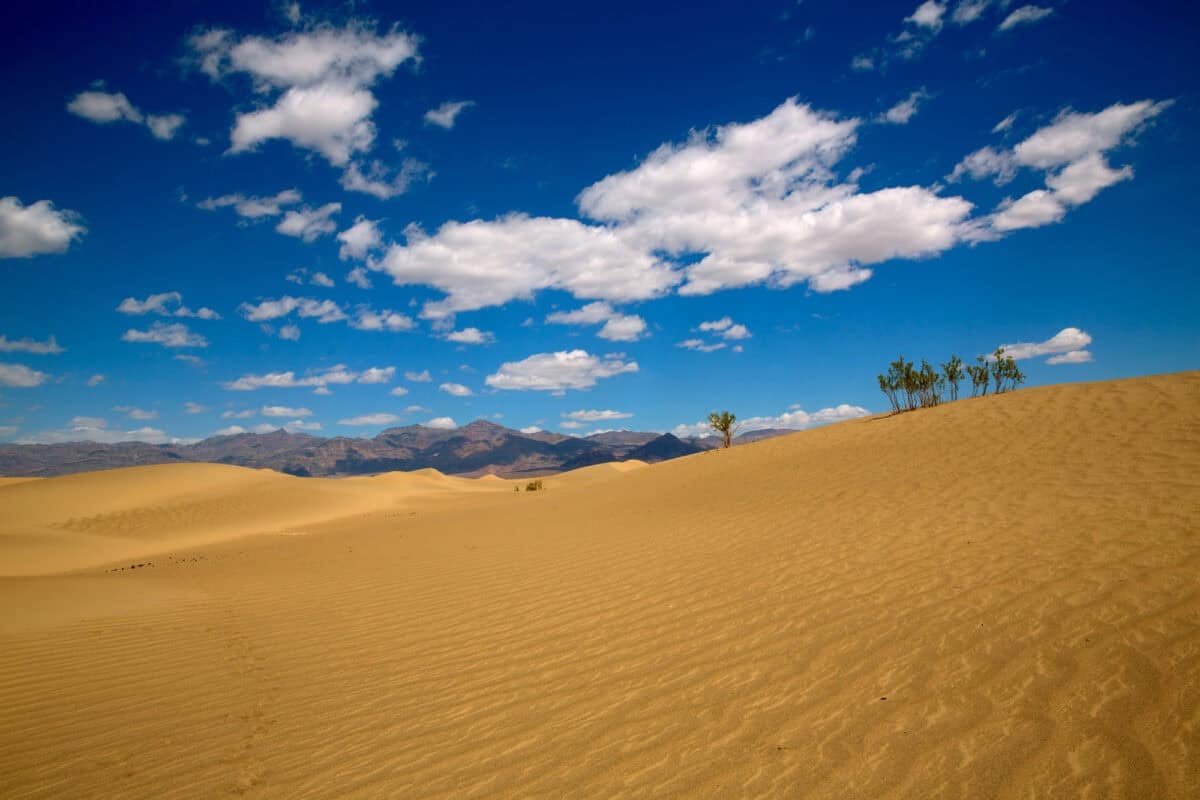
As California faces intensifying climate challenges, native plant communities are proving to be powerful allies in building ecological resilience. Many native species possess adaptations developed over millennia to withstand the state’s natural climate extremes. Chaparral plants like manzanita (Arctostaphylos spp.) and ceanothus employ sclerophyllous (hard) leaves, deep roots, and specialized dormancy mechanisms that allow them to survive both prolonged drought and periodic fire. Research from the University of California, Berkeley has demonstrated that landscapes dominated by native plants maintain higher soil moisture levels during drought periods, reducing landscape water requirements by up to 85% compared to non-native landscapes.
Native plant communities also provide superior wildlife habitat during climate-driven environmental stress. During California’s historic 2012-2016 drought, watersheds with higher proportions of native vegetation maintained streamflow longer into dry seasons, providing critical refuge for aquatic species. Similarly, oak woodlands with intact native understories proved more resistant to drought-induced mortality than those invaded by non-native annuals, which compete for limited soil moisture. As climate adaptation becomes an increasingly urgent priority, land managers across the state are prioritizing native plant restoration as a cornerstone of resilience planning. The California Department of Fish and Wildlife now requires climate resilience considerations in all habitat conservation plans, recognizing that native plant communities represent the best insurance policy against an uncertain climatic future.
Economic Benefits of Native Plant Restoration

Beyond their ecological value, California’s native plant restoration initiatives generate substantial economic benefits. A comprehensive economic analysis by the Nature Conservancy found that investing in native ecosystem restoration creates between 10.5 and 39.7 jobs per million dollars invested—more than twice the job creation rate of traditional infrastructure projects. These positions range from nursery production and field technicians to restoration ecologists and project managers, often providing employment in rural communities with limited economic opportunities.
Native plant landscapes also deliver impressive returns through ecosystem services. In the Russian River watershed, native riparian restoration projects have reduced flood damage costs by an estimated $18.1 million annually while improving water quality and reducing water treatment costs for downstream communities. The East Bay Regional Park District calculated that their native plant restoration program saves approximately $4,300 per acre annually in reduced maintenance, irrigation, and erosion control costs compared to managing non-native vegetation. Perhaps most significantly, native plant communities enhance California’s $14 billion outdoor recreation economy by improving wildlife viewing opportunities, creating more aesthetically pleasing landscapes, and protecting iconic vistas that draw tourists from around the world. As municipalities face increasing budget constraints, many are discovering that investing in native plant landscapes represents both ecological and fiscal responsibility.
Community Engagement and Citizen Science in Native Plant Restoration

The renaissance of California’s native plant communities has been powered not just by scientific advances but by unprecedented public participation. Organizations like the California Native Plant Society (CNPS) have experienced explosive growth, with membership increasing 35% since 2015 as Californians seek connection with their botanical heritage. CNPS chapters now coordinate over 450 volunteer restoration events annually, engaging more than 15,000 participants who collectively contribute approximately 75,000 volunteer hours—equivalent to more than $2.3 million in labor value.
Citizen science initiatives have democratized native plant restoration while generating valuable scientific data. The California Phenology Project has recruited over 1,200 volunteers who monitor the timing of flowering, fruiting, and seed production for native plants across the state, creating California’s most extensive database of how plant life cycles are responding to climate change. These observations guide restoration practitioners in selecting appropriate seed collection times and planting windows. Similarly, the Calflora smartphone application allows hikers and nature enthusiasts to document native plant populations and invasive species occurrences, with over 3.5 million observations submitted since its launch. These citizen contributions have identified numerous previously unknown populations of rare plants while tracking the expansion of restored native communities. The growing public enthusiasm for native plants represents perhaps the most encouraging aspect of California’s wildland transformation—a cultural shift that recognizes the intrinsic value of the state’s botanical heritage.
Case Study: The Remarkable Recovery of Coyote Valley

The transformation of Coyote Valley, a 7,400-acre landscape connecting the Santa Cruz Mountains and Diablo Range near San Jose, exemplifies how native plant restoration can reverse decades of degradation. Once slated for industrial development, this critical wildlife corridor was purchased for conservation in 2019 through a partnership between the Santa Clara Valley Open Space Authority, Peninsula Open Space Trust, and City of San Jose. The subsequent restoration effort represents one of California’s most ambitious native plant reintroduction projects.
The restoration began with removal of agricultural drainage systems that had dewatered historic wetlands, allowing groundwater to naturally resurface. Restoration ecologists then reintroduced over 75 native plant species, using locally collected seeds to ensure genetic appropriateness. Within just three years, the results have been remarkable. Areas once dominated by non-native annual grasses now support thriving stands of valley oaks, willows, and native perennial bunchgrasses. Monitoring has documented a 215% increase in native plant diversity and an 87% reduction in invasive species cover. Wildlife has responded dramatically, with riparian bird diversity increasing by 35% and the return of sensitive species like western pond turtles and California tiger salamanders. Perhaps most significantly, the project has improved flood protection for downstream communities by allowing floodwaters to spread across the valley floor and slowly percolate into groundwater rather than rushing into urban areas. The Coyote Valley restoration demonstrates how native plant communities can simultaneously address ecological degradation, wildlife connectivity, climate resilience, and community safety—providing a model for integrated landscape restoration applicable throughout California.
The Role of Indigenous Knowledge in Modern Restoration

California’s native plant renaissance has been strengthened by increasing recognition of Indigenous ecological knowledge. For thousands of years before European contact, California’s Native American tribes actively managed plant communities through controlled burning, selective harvesting, and intentional cultivation. These traditional practices created a mosaic of vegetation types that maximized biodiversity while ensuring sustainable yields of food, medicine, and materials. Contemporary restoration practitioners are increasingly partnering with tribal representatives to incorporate this multigenerational wisdom into modern projects.
At the Pepperwood Preserve in Sonoma County, the Integrated Fire Management program developed in collaboration with local Pomo and Wappo cultural practitioners has reintroduced cultural burning techniques that enhance native plant diversity while reducing catastrophic fire risk. The results have been dramatic: areas managed with Indigenous burning techniques show 42% higher native plant diversity than control sites. Similarly, the Amah Mutsun Land Trust near Santa Cruz employs traditional pruning and harvesting techniques for native perennials like California hazelnut and blue elderberry, which research has shown increases both plant productivity and wildlife utilization. Throughout the state, tribal partnerships are demonstrating that honoring Indigenous relationships with native plants produces superior ecological results while advancing cultural healing and recognition. As restoration ecologist Robin Wall Kimmerer notes, “Reciprocity with the more-than-human world is not just good conservation; it represents an ethical imperative for ecological restoration.” This integration of traditional and scientific knowledge represents one of the most promising developments in California’s native plant restoration movement.
Future Directions and Emerging Challenges

While California’s native plant restoration movement continues to gain momentum, practitioners face evolving challenges that will shape future approaches. Climate change remains the most profound concern, as models project that suitable habitat for many native species may shift dramatically by mid-century. In response, conservation organizations are increasingly adopting “climate-smart” restoration approaches that consider both current and projected future conditions. The Conservation Lands Network project has identified and protected climate refugia—areas projected to maintain relatively stable conditions—as priority areas for native plant preservation and restoration.
Emerging biotechnology offers both promise and potential concerns for native plant restoration. Advances in seed coating technology allow practitioners to enhance germination rates and seedling survival by embedding beneficial microbes and growth-promoting compounds directly onto seeds. However, more controversial technologies like genetic engineering raise complex questions about what constitutes “native” in an era of rapid environmental change.

From exploring the marine wonders in the Azores and witnessing the vast savannas of Kenya, to delving deep into the rich biodiversity of South Africa and traversing iconic landscapes in Australia and the US like Yellowstone, Chris's experiences are vast.
With a penchant for diving alongside sharks, the ocean holds a special place in his heart.
Through his academic insights, he champions wildlife conservation, striving with 'Animals Around The Globe' to cultivate a profound connection between humans and animals, enhancing our mutual appreciation.
Connect with him at Feedback@animalsaroundtheglobe.com.
- The Lizard That Shoots Blood From Its Eyes - July 21, 2026
- What Happens If Fireflies Stop Glowing? - July 21, 2026
- Coyotes Are Thriving in Every U.S. State — Even New York City - July 21, 2026