
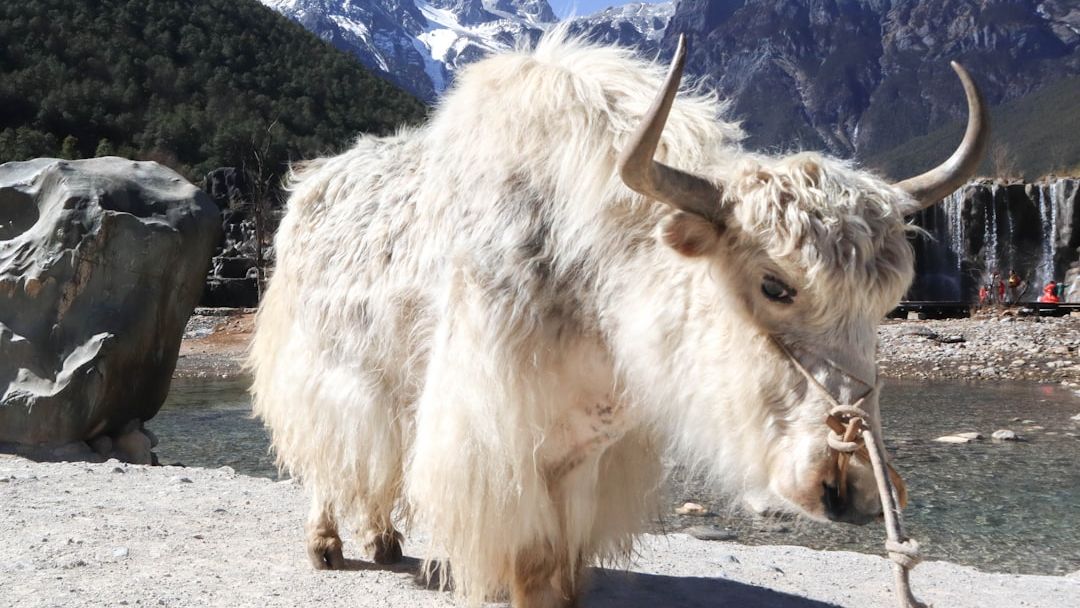
Picture yourself trudging up a rocky mountain trail above the clouds, where the air feels impossibly thin and every breath requires conscious effort. Then you hear it, that unmistakable tinkling of bells echoing through the valley. Around the corner appears a shaggy beast carrying loads that would break most creatures, plodding steadily through terrain that feels more moon than earth. This is the yak, and honestly, without this magnificent animal, life in Nepal’s high mountains wouldn’t just be difficult. It’d be nearly impossible.
Life above three to five thousand meters would be practically unattainable without yaks, offering communities isolated from modern infrastructure everything from warmth and food to transportation and financial security. These animals aren’t just livestock here. They’re partners in survival, woven so deeply into the fabric of mountain existence that separating the two would unravel an entire way of life.
The Ultimate Survivor of Extreme Altitudes
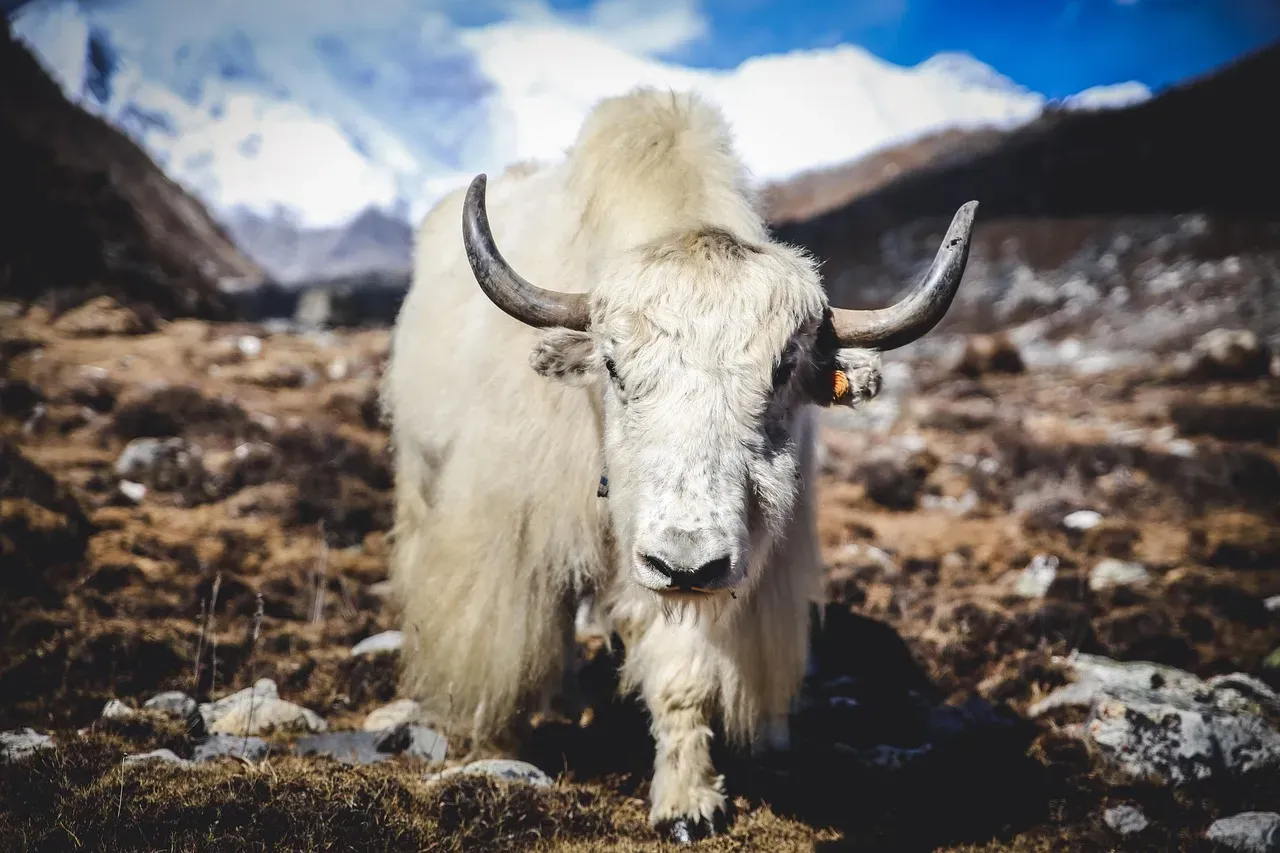
Yaks have adapted perfectly to high-altitude environments, typically above 3,000 meters, thriving in the harsh Himalayan climate where oxygen levels are low and temperatures often drop below freezing. Their thick, woolly coats give them that distinctive shaggy appearance while serving as natural insulation against brutal cold. What’s truly remarkable is their internal adaptation too.
Their larger hearts and lungs pump more blood and take in more oxygen than regular cattle could ever manage. This majestic animal can withstand temperatures as low as minus forty degrees without problems, and even facing these conditions can live twenty to twenty-five years in the wild. Try putting any other domesticated animal in these conditions and watch what happens. It won’t be pretty.
Transportation Lifeline Across Impossible Terrain
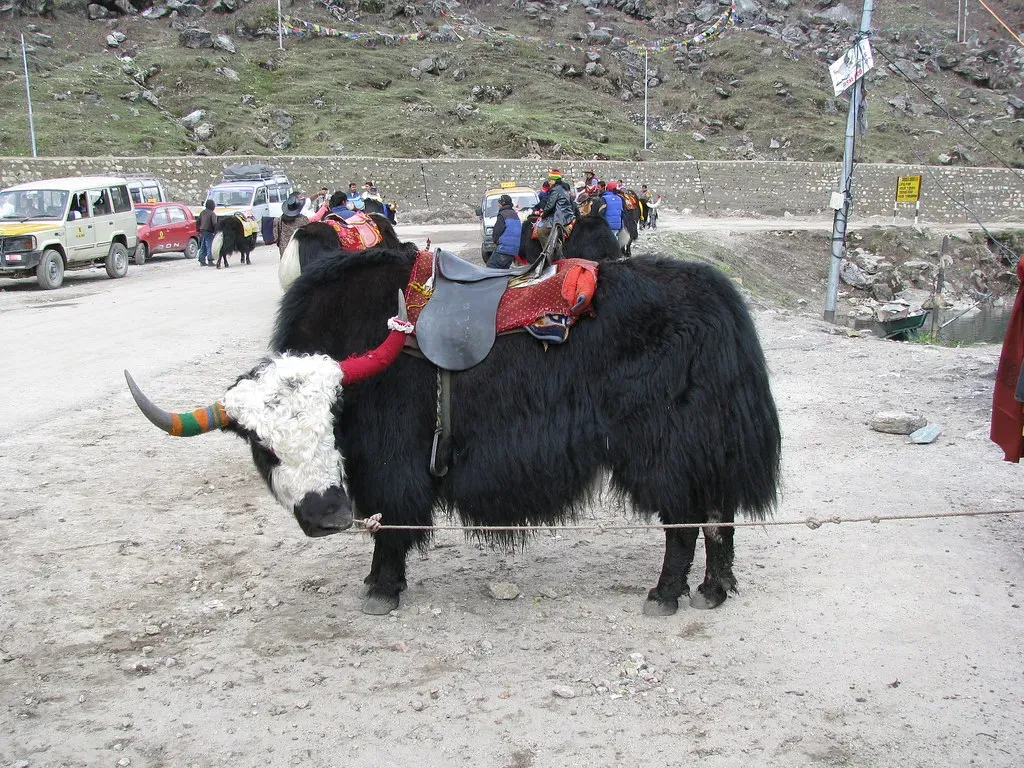
Think about it for a second. How do you get supplies to villages perched on cliff edges where roads don’t exist and helicopters can’t always fly? Yaks are important for connecting remote villages and trekking routes, transporting heavy loads of sixty to eighty kilograms on steep trails that are inaccessible to vehicles. These sure-footed creatures navigate narrow paths with thousand-meter drops like it’s just another Tuesday.
Yaks are essential to local livelihoods, tourism, and trade, supporting the trekking industry and the economies of the Himalayas on a large scale. Every teahouse you rest in, every meal served at Everest Base Camp, every gas cylinder for cooking at altitude, it all arrived on the back of a yak. Yaks are natural carriers which lowers pollution and fuel consumption, keeping the trails environmentally friendly and helping protect the delicate alpine ecosystems.
Nutritional Powerhouse for Mountain Communities
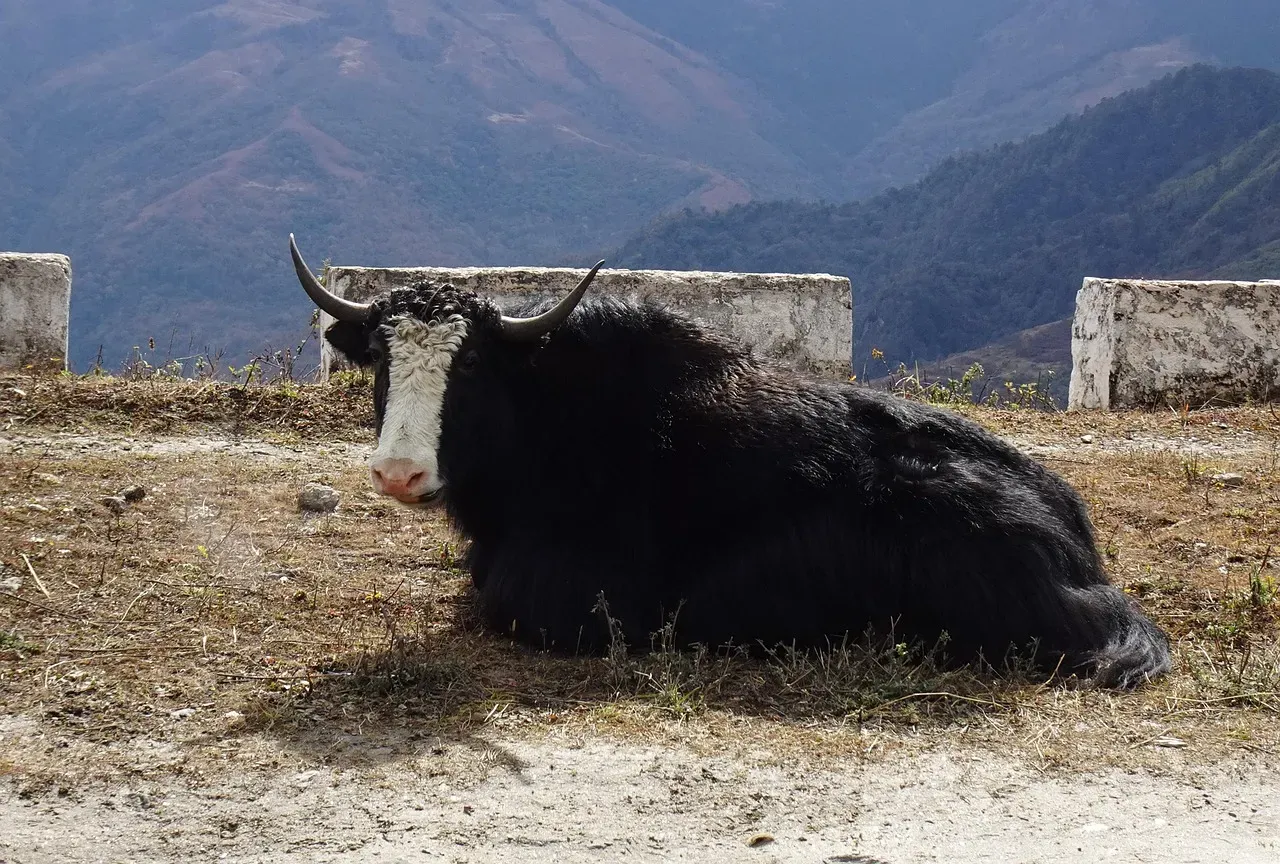
Yaks provide nutrient-dense milk, butter, cream and cheese, crucial components of the Nepalese diet. Their milk has way more fat content than regular cow’s milk, which sounds unhealthy until you realize people living at altitude need those extra calories just to maintain body heat and energy. Yak milk is rich in nutrients and creamy, used to make cheese, butter, and yoghurt as an essential component of the mountain diet.
Yak cheese plays a vital role in the diets and economy of mountain communities, representing a major source of protein in Tibetan culture and diet, forming the livelihood of people in harsh Himalayan conditions. That hard, chewy cheese called chhurpi? It’s basically the original energy bar, packed with protein and calcium, with a shelf life that makes it perfect for long treks. Beyond dairy, yak meat provides essential protein in regions where other livestock simply can’t survive.
The Fuel That Keeps Homes Warm
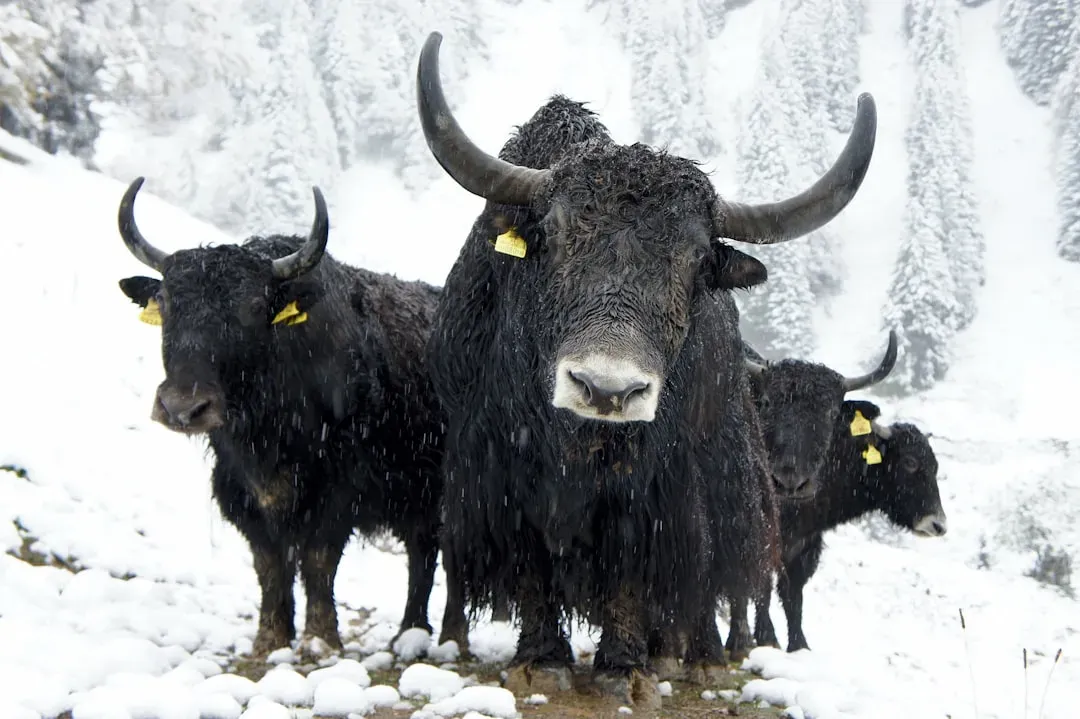
Here’s something that might surprise you. In high-altitude regions where firewood is limited, dried yak dung can be used as an environmentally friendly fuel for heating and cooking. Before you wrinkle your nose, understand that above the treeline, wood doesn’t exist. What else are people supposed to burn?
A shortage of wood and the high expense of fossil fuels means that yak dung is the preferred fuel in high-altitude regions of Nepal. Dried yak dung represents the main source of fuel in a treeless landscape, and it’s considered one of the most important products from the animal. Families collect it, dry it in the sun, and stack it like cordwood. It burns cleanly at altitude and provides the heat necessary for survival during brutal winter months.
Textile Treasure from the Roof of the World
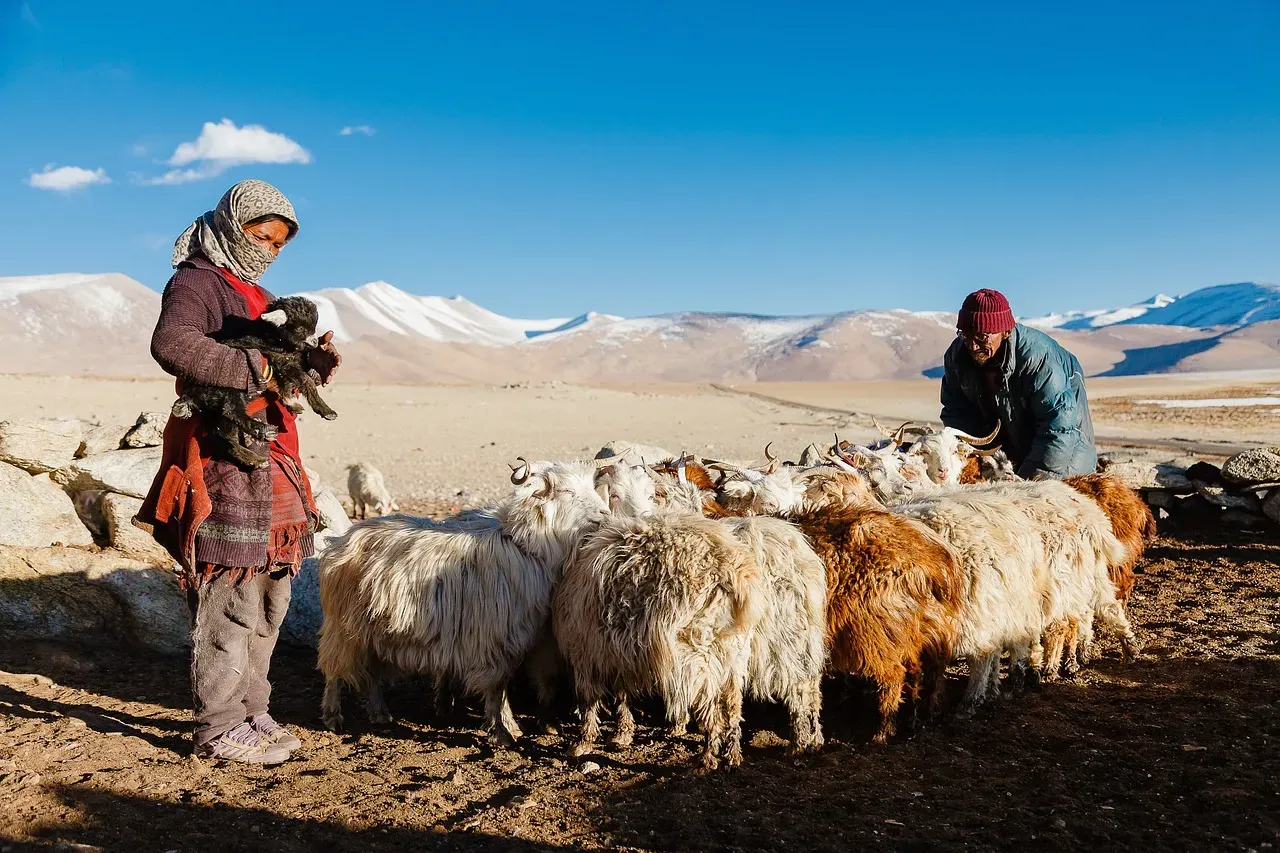
While trekking in the Himalayan region of Nepal, you will see local handicrafts such as jackets, shawls, and warm blankets made from yak wool, which are major aspects of trade. The wool is surprisingly soft, especially from younger animals, and possesses insulating properties that rival or exceed sheep’s wool. Yak fibres are thirty percent warmer than wool and 1.6 times more breathable than cashmere, with a fine, smooth texture.
The use of wool in Nepal dates back centuries, primarily among Himalayan communities like the Sherpas, Tamangs, and Thakalis, who relied on yak and sheep wool to make warm clothing, blankets, and accessories to combat the extreme cold. From traditional carpets woven on ancient looms to modern scarves sold in Kathmandu shops, yak wool products represent both cultural heritage and economic opportunity. The material doesn’t hold odors like synthetic fabrics, making it ideal for extended mountain journeys.
Sacred Symbol in Buddhist Mountain Culture
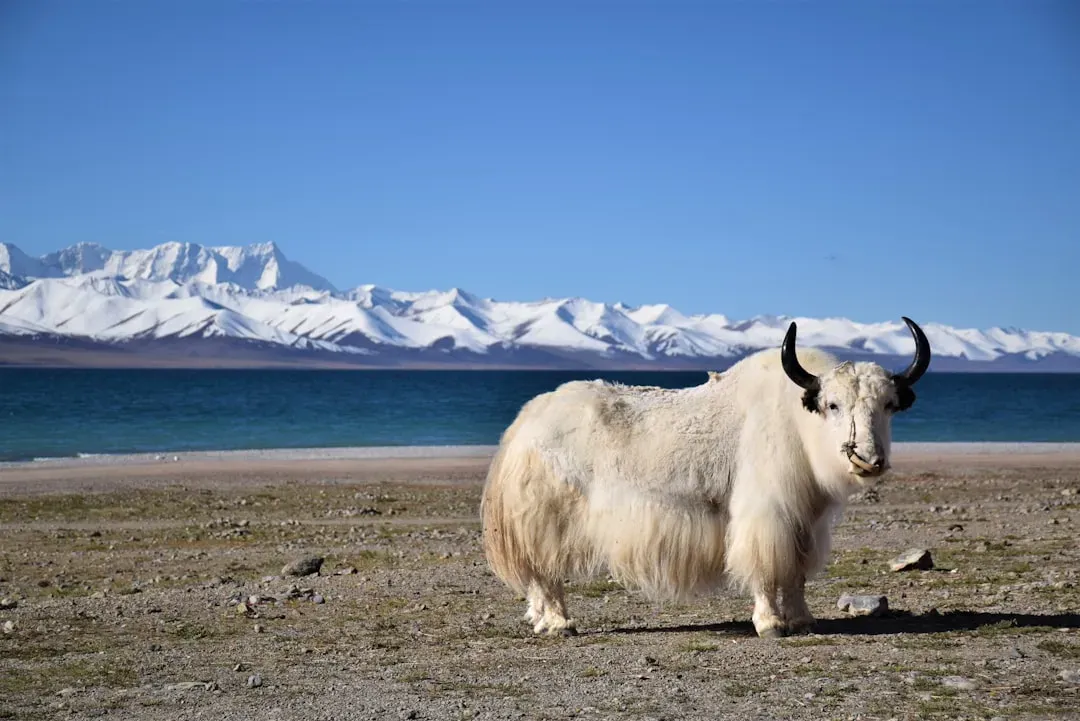
As a symbol of power, good fortune, and the life of mountains, yaks are frequently seen in Tibetan Buddhist traditions, festivals, and rituals. It’s hard to overstate how deeply these animals are embedded in spiritual life. In Himalayan folklore and Buddhist traditions, the wild yak is often depicted as a powerful and sacred animal.
The horns and skulls of yak have religious significance and are often engraved with mantras and placed in religious places, while yak tails are used to make Chamar for deity worship. Yak butter lights monastery lamps, and according to locals, yaks represent the soul of the mountains, calm yet powerful, with their butter standing for enlightenment. This connection goes way beyond economics into the realm of identity and meaning.
Economic Foundation for Herding Communities
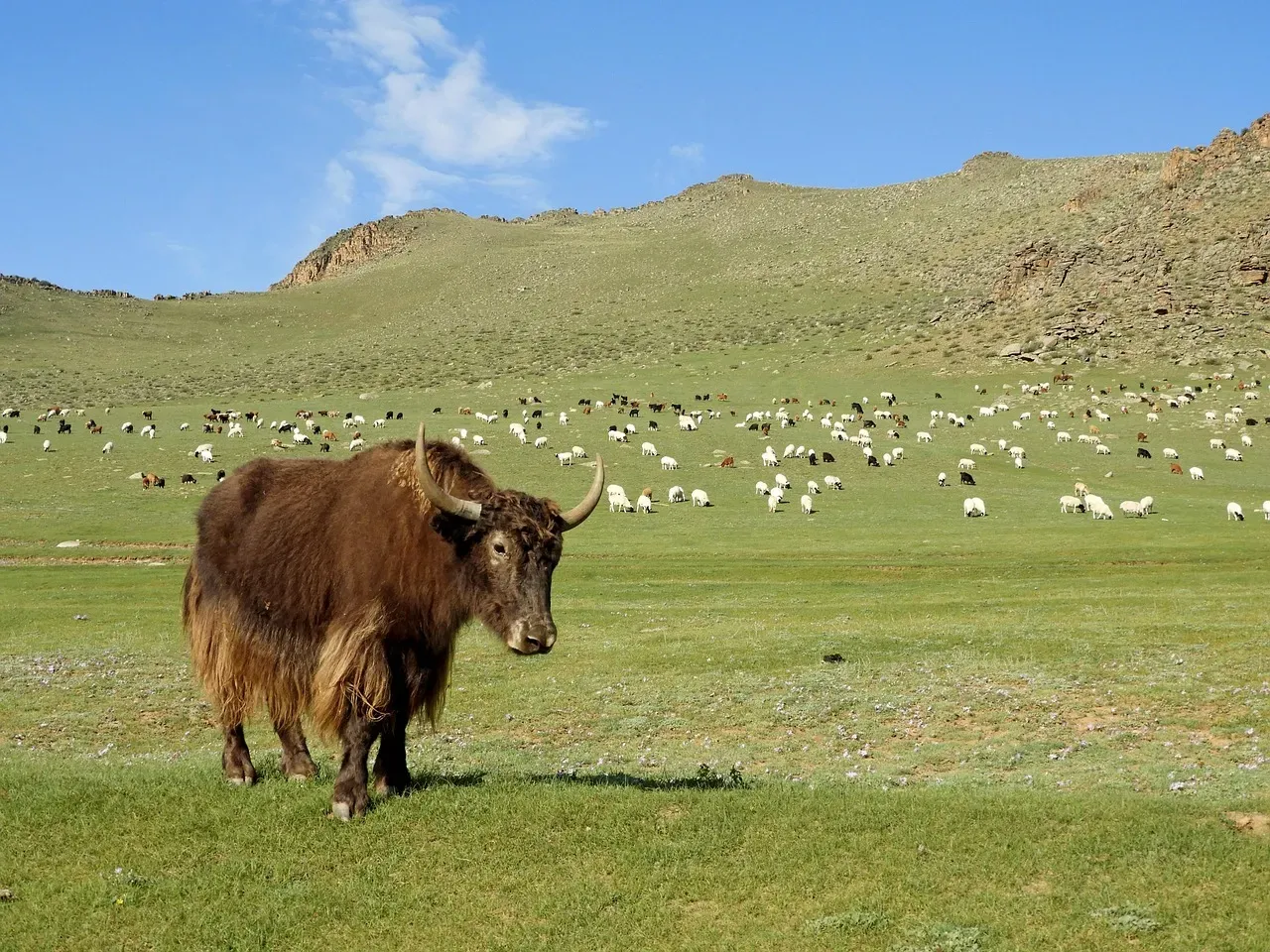
According to ICIMOD, twenty-seven mountain districts of Nepal depend on the animal for meat, milk, fibre, manure for fertiliser and draught power for agricultural tasks in some of the world’s most challenging terrains. For many families, yaks represent their primary source of income and their measure of wealth. Herding remains a respected occupation, and owning a sizable herd signifies success.
Owning yaks is a status symbol, being a herdsman is a respected occupation, and owning a herd of yaks is a goal of many enterprising men, with Sherpas who worked as high altitude guides sometimes investing their earnings in yak. The animals provide multiple revenue streams simultaneously. Milk and cheese production, wool sales, transportation services for trekkers and traders, and eventually meat, all contribute to household economies. There is great potential of yak farming due to good market price of yak milk, meat and byproducts, and yaks can support directly in transportation and tourism sectors.
Ecological Engineers of Alpine Meadows
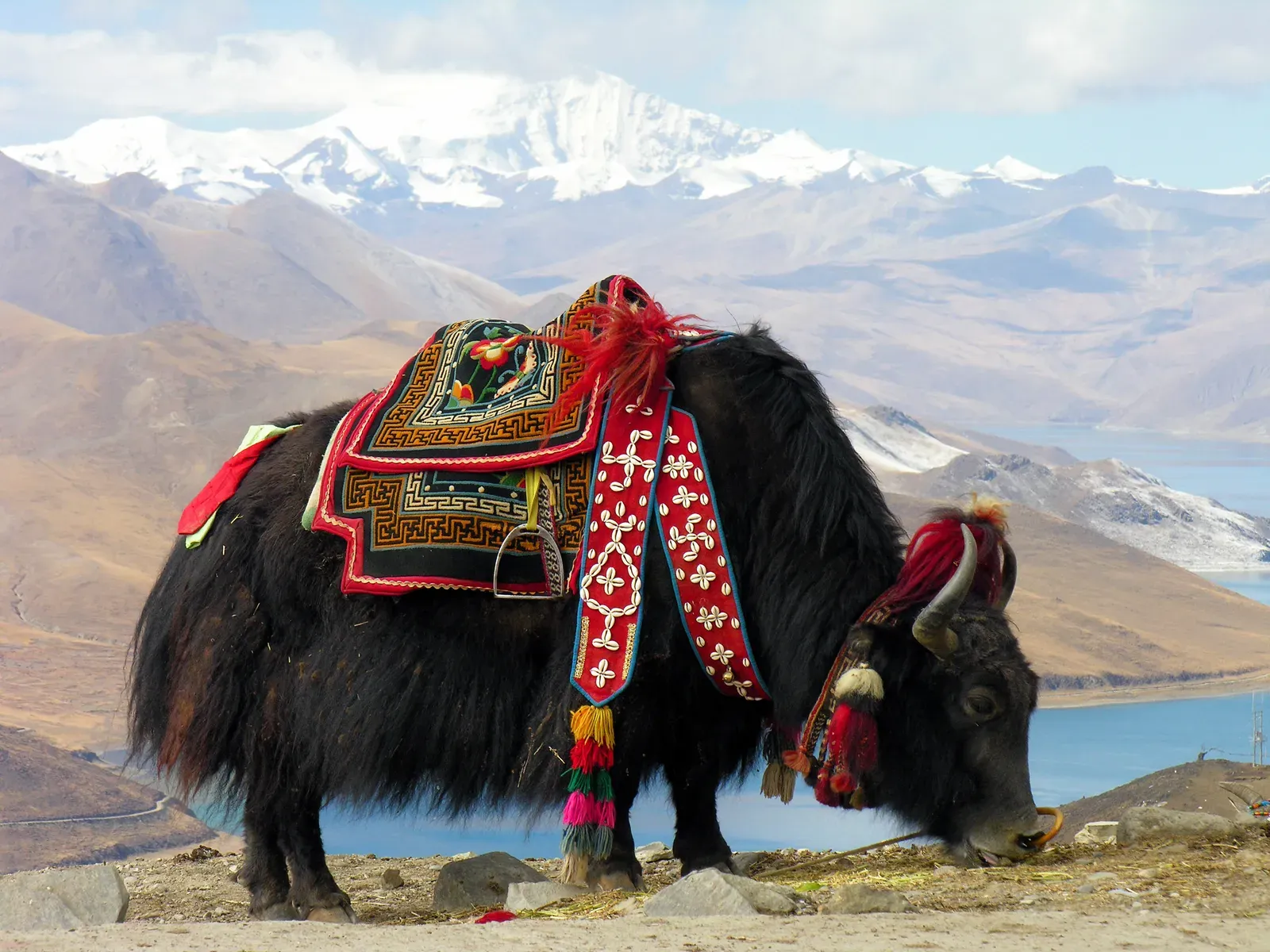
People often forget that yaks do more than serve human needs. Wild yaks play an essential role in maintaining the balance of high-altitude ecosystems, helping in seed dispersal, contributing to soil fertilization through their droppings, and serving as prey for large carnivores such as the snow leopard, while their grazing patterns also influence plant community structures in alpine environments.
Their hooves help aerate the soil improving its quality, their nutrient-rich dung acts as a natural fertilizer supporting a diverse web of life, and they serve as prey for large predators such as the Tibetan wolf and snow leopard. Without yaks grazing these high pastures, the entire ecosystem would shift in unpredictable ways. They’re keystone species whose presence shapes the environment around them. The landscape itself has evolved alongside these creatures over thousands of years.
Tourism Backbone Making Treks Possible
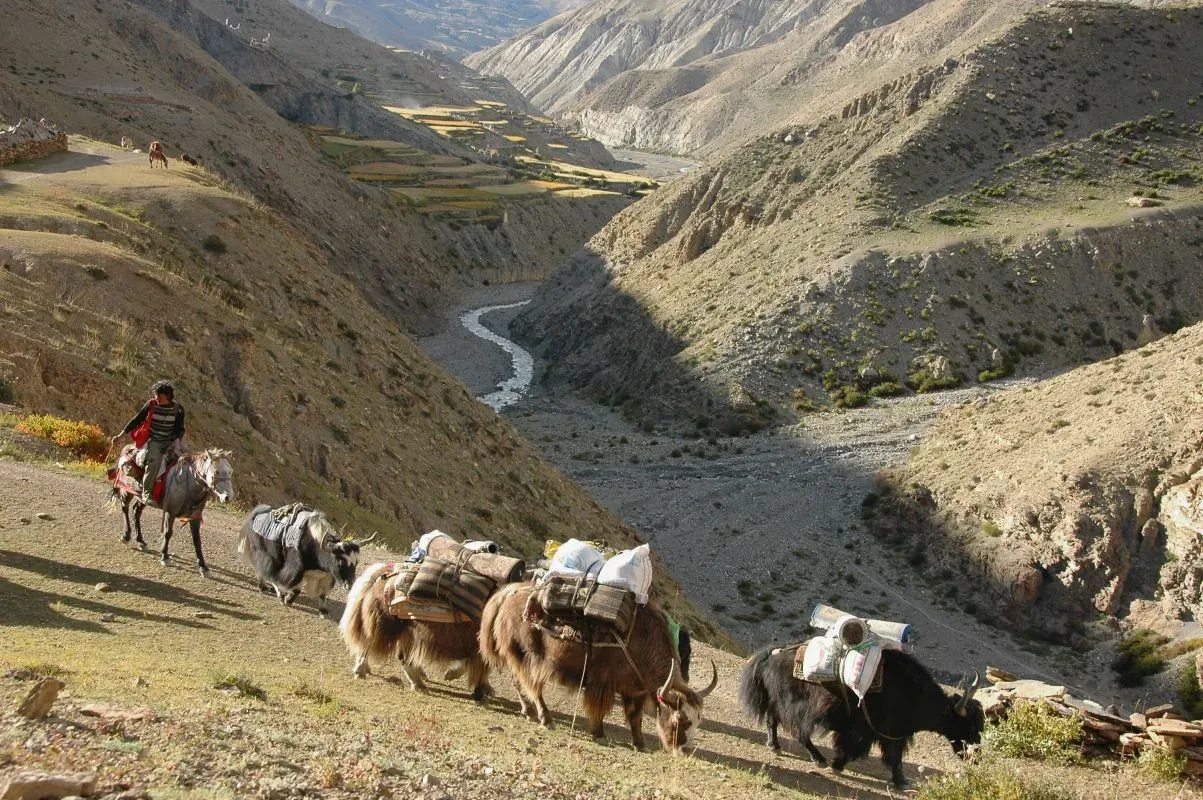
Yak caravans are frequently encountered on treks through Nepal’s mountainous regions such as Everest Base Camp Trek, Annapurna Circuit, Langtang Valley, and Manaslu region, where yaks carry supplies and maintain high altitude tourism, providing amenities like food, tents, equipment and gas cylinders for lodges and base camps. Honestly, the entire trekking industry would collapse without them.
For trekkers, seeing yaks is more than a wildlife encounter, it is a window into Himalayan culture, livelihoods, and the ecosystem that sustains life at extreme altitudes. Every lodge you stay in, every dal bhat meal you eat, every cup of tea you sip while gazing at Everest, it exists because yaks hauled the supplies there. They enable tourism while simultaneously preserving traditional lifestyles, creating a symbiotic relationship between visitors and mountain communities.
Preserving Heritage Against Modern Pressures
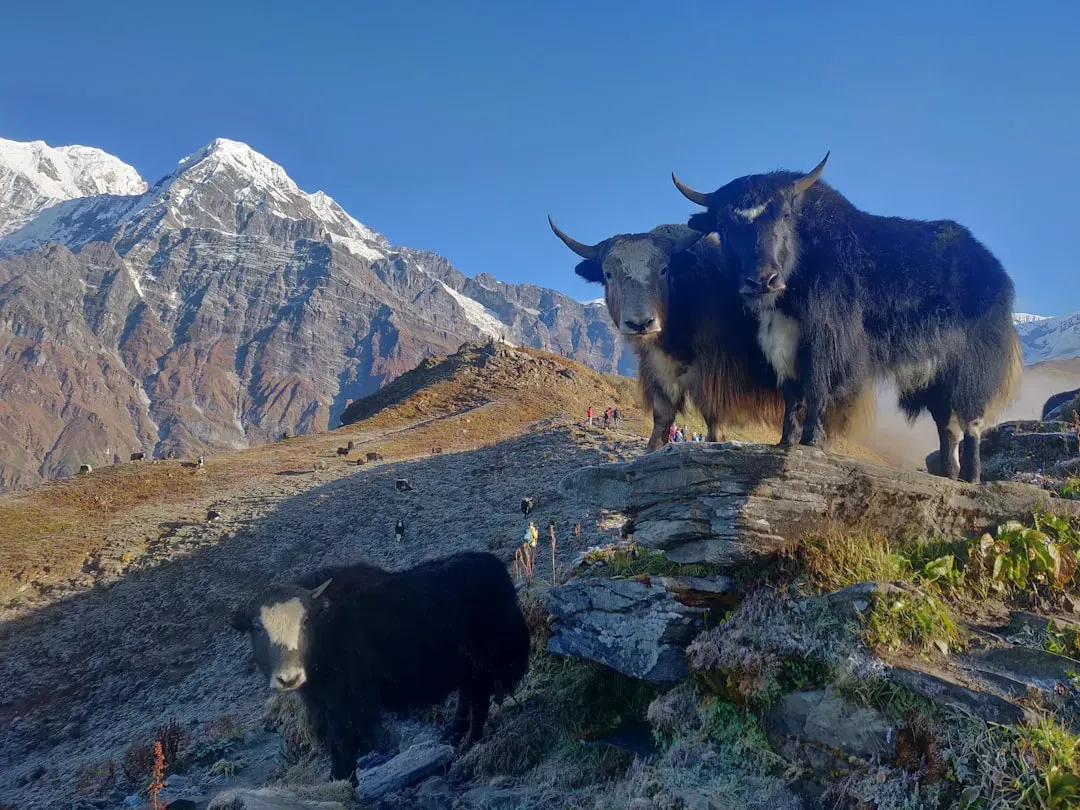
Yaks are a keystone of cultural identity and socio-economic resilience in high mountain communities in Nepal, with Sherpa, Tamang, Thakali, Rai and Limbu indigenous communities having nurtured and protected yak herding traditions for generations. Yet this ancient way of life faces unprecedented challenges. Yak herding livelihoods are increasingly under pressure from climate change, shifting socio-economic patterns, and increasing restrictions on traditional mobility.
Younger generations often migrate to cities seeking education and different opportunities, leaving fewer people to continue herding traditions. The knowledge of seasonal migration routes, breeding practices, and traditional veterinary care risks disappearing with each generation. Nepal became the first yak range country in the Hindu Kush Himalaya to observe a national day dedicated to the animal in April 2025, recognizing the immense cultural, ecological, and economic value yaks hold. Still, awareness alone won’t solve the practical challenges herders face daily.
Conclusion
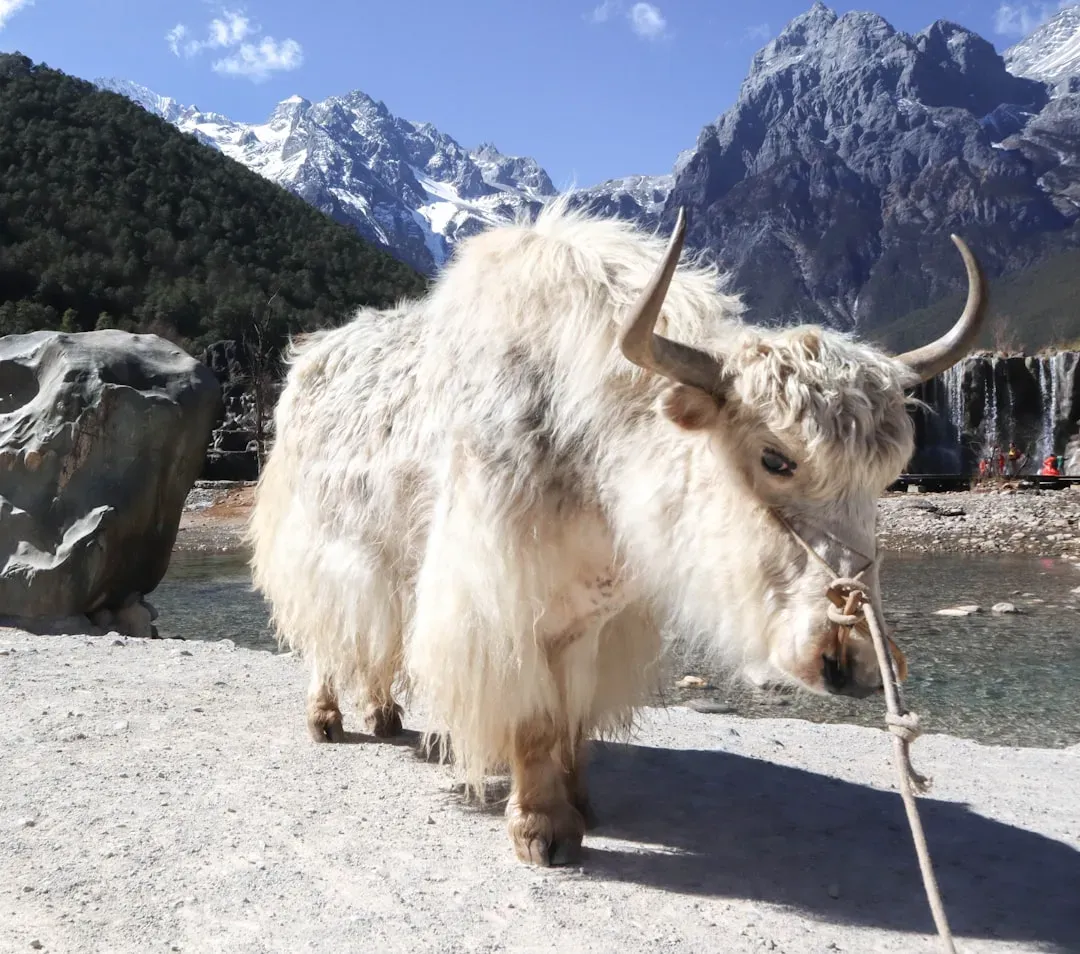
Strip away the yak from Nepal’s mountain regions and you’re left with something fundamentally broken. These remarkable animals provide food, fuel, clothing, transportation, economic opportunity, and spiritual meaning all rolled into one shaggy, sure-footed package. For thousands of years, yaks have coexisted with humans as a bridge between the harsh wilderness and civilisation, enabling people to not just survive but thrive in conditions most humans couldn’t tolerate for a week.
The relationship between mountain communities and yaks represents something rare in our modern world: true interdependence where both species genuinely need each other. Protecting this partnership means preserving knowledge, supporting herders, and recognizing that sometimes the most advanced solution isn’t technological, it’s a four-legged creature that’s been perfecting its job for millennia. What do you think about the role these incredible animals play? Have you encountered yaks during your own mountain adventures?
