


In the vast expanse of Earth’s oceans, light penetrates only so far. Beyond depths of about 200 meters, sunlight becomes increasingly scarce until, at around 1,000 meters, the ocean plunges into perpetual darkness. This abyssal realm, covering over 60% of our planet’s surface, houses an astonishing array of life forms that have evolved remarkable adaptations to survive in conditions humans would find utterly hostile. Without light for photosynthesis or vision, deep-sea organisms have developed extraordinary physiological, behavioral, and ecological adaptations to navigate, communicate, find food, and reproduce in a world of eternal night. Their solutions to the challenges of deep-sea living represent some of the most innovative adaptations in nature’s repertoire, demonstrating the incredible resilience and creativity of evolutionary processes.
The Challenges of Deep-Sea Darkness

The profound darkness of the deep ocean presents multiple survival challenges for its inhabitants. Without sunlight, photosynthesis—the energy-production process that forms the base of most food webs—becomes impossible. This creates a nutrient-poor environment where food is exceptionally scarce. Research indicates that only about 1% of the organic material produced at the ocean’s surface ever reaches depths beyond 1,000 meters, making efficient feeding strategies critical for survival.
Darkness also eliminates vision as a primary sense for many creatures, forcing evolutionary adaptations toward alternative sensory systems. Additionally, deep-sea environments typically feature extreme pressure (increasing by one atmosphere every 10 meters of depth), near-freezing temperatures (often 2-4°C), and oxygen levels that can be significantly lower than surface waters. These combined factors create one of Earth’s most challenging habitats, requiring specialized adaptations for any organism that calls these depths home.
Bioluminescence: Creating Light in Darkness
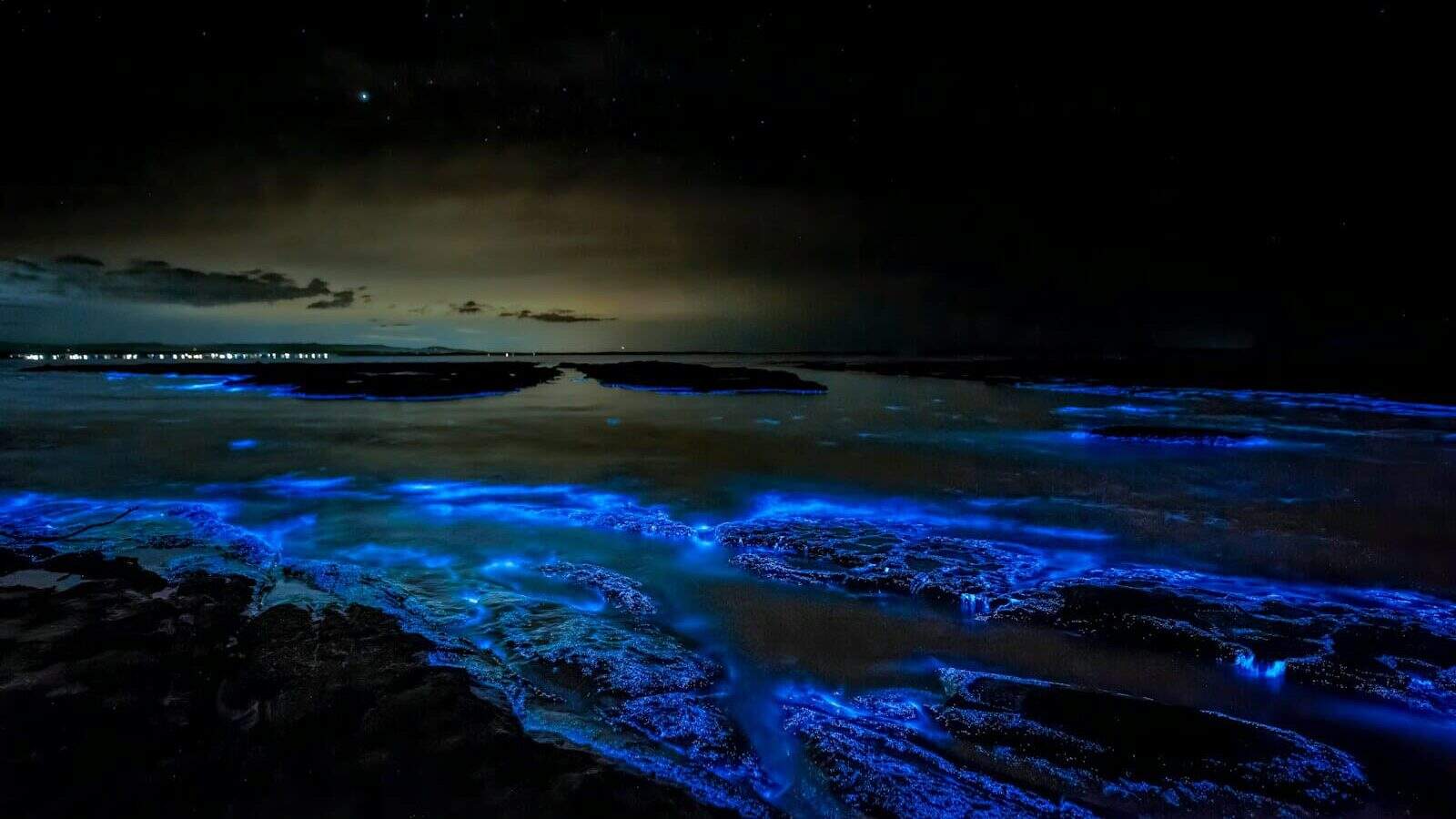
Perhaps the most spectacular adaptation to deep-sea darkness is bioluminescence—the biological production of light. Approximately 90% of creatures living in the mesopelagic and bathypelagic zones (between 200-4,000 meters deep) possess the ability to generate their own light through biochemical reactions. This remarkable capability involves specialized light-producing organs called photophores and a chemical reaction between a compound called luciferin and an enzyme called luciferase, which produces energy in the form of light rather than heat.
Bioluminescent organisms use their self-generated light for multiple survival strategies. Some, like anglerfish, use glowing lures to attract prey. Others employ bioluminescence as counter-illumination camouflage, lighting their undersides to match the faint downwelling light and hide their silhouettes from predators below. Some species use light displays for mate attraction, while others emit bright flashes to confuse predators or to illuminate potential prey. The prevalence of bioluminescence in deep-sea environments underscores its evolutionary importance as a solution to the challenges of life in darkness.
Enhanced Vision Adaptations
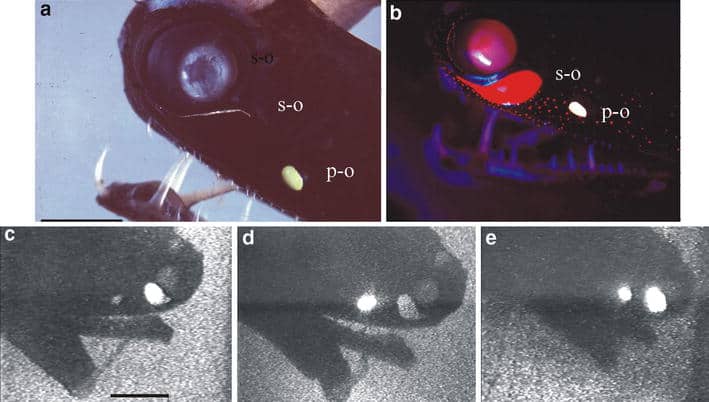
While total darkness defines much of the deep sea, many creatures have evolved extraordinarily sensitive visual systems to detect even the faintest light sources, including bioluminescence. Deep-sea fish often possess exceptionally large eyes relative to their body size, maximizing their light-gathering ability. The spookfish (Dolichopteryx longipes) has developed unique mirror-like eyes with reflective crystals that focus light like telescopes, allowing it to detect the slightest bioluminescent flashes from considerable distances.
Some deep-sea creatures have evolved specialized visual pigments that are particularly sensitive to the blue-green wavelengths common in bioluminescent displays. Others, like the black dragonfish (Idiacanthus atlanticus), can produce and see red light—a remarkable advantage since most deep-sea organisms cannot detect red wavelengths, essentially giving these fish “night vision” capabilities that allow them to illuminate prey without being detected. These visual adaptations represent remarkable evolutionary solutions to the problem of seeing in an environment where visibility is measured in centimeters rather than meters.
Non-Visual Sensory Systems
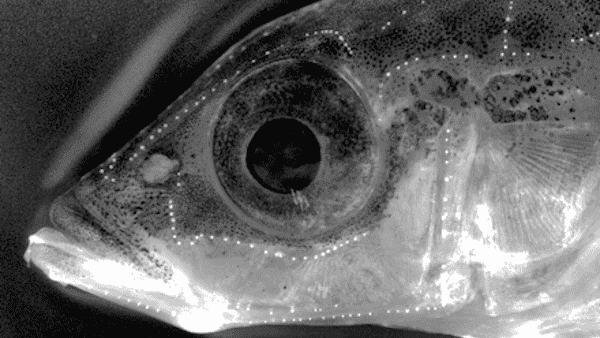
In the absence of sufficient light, many deep-sea creatures have developed heightened non-visual senses to navigate their environment. Highly developed lateral line systems—sensory organs that detect pressure changes and water movement—allow fish to sense approaching predators, prey, or obstacles without seeing them. This system works through specialized cells called neuromasts that detect changes in water displacement, effectively creating a “touch at a distance” sense that functions perfectly in darkness.
Chemical sensing through enhanced olfactory systems is another crucial adaptation. Deep-sea anglerfish can detect incredibly dilute scent molecules, allowing them to locate food sources from considerable distances. Some species have developed specialized barbels or elongated fins that function as tactile sensors, probing the environment for food or obstacles. Electric fish, including some deep-sea rays, generate weak electric fields and detect disturbances in these fields caused by nearby objects—a sense called electroreception that functions independently of light. These alternative sensory systems allow deep-sea creatures to create detailed mental maps of their surroundings despite the perpetual darkness.
Bizarre Body Structures
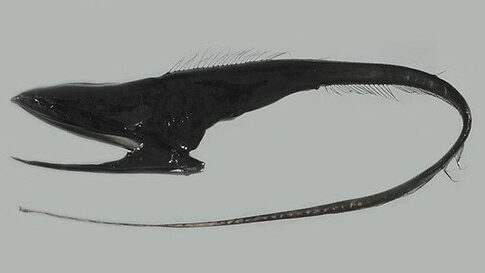
The unique conditions of the deep sea have led to the evolution of some of the most unusual body structures in the animal kingdom. Many deep-sea fish have evolved extremely distensible stomachs and jaws that unhinge, allowing them to consume prey larger than themselves—a crucial adaptation in an environment where feeding opportunities are rare and unpredictable. The gulper eel (Eurypharynx pelecanoides) can expand its mouth to several times its body size, engulfing large prey whole.
Body structures often reflect energy conservation strategies as well. Many deep-sea creatures have reduced skeletal systems and watery, gelatinous bodies that require less energy to maintain. The barreleye fish (Macropinna microstoma) features a transparent head filled with fluid, allowing its tubular eyes to rotate and look upward through its transparent dome to spot potential prey silhouetted against the faint light from above. Perhaps most famously, female anglerfish of many species have evolved bioluminescent lures attached to modified dorsal fins, which they use to attract prey in the darkness—a dramatic physical adaptation specifically designed for hunting in light-deprived environments.
Metabolic Adaptations
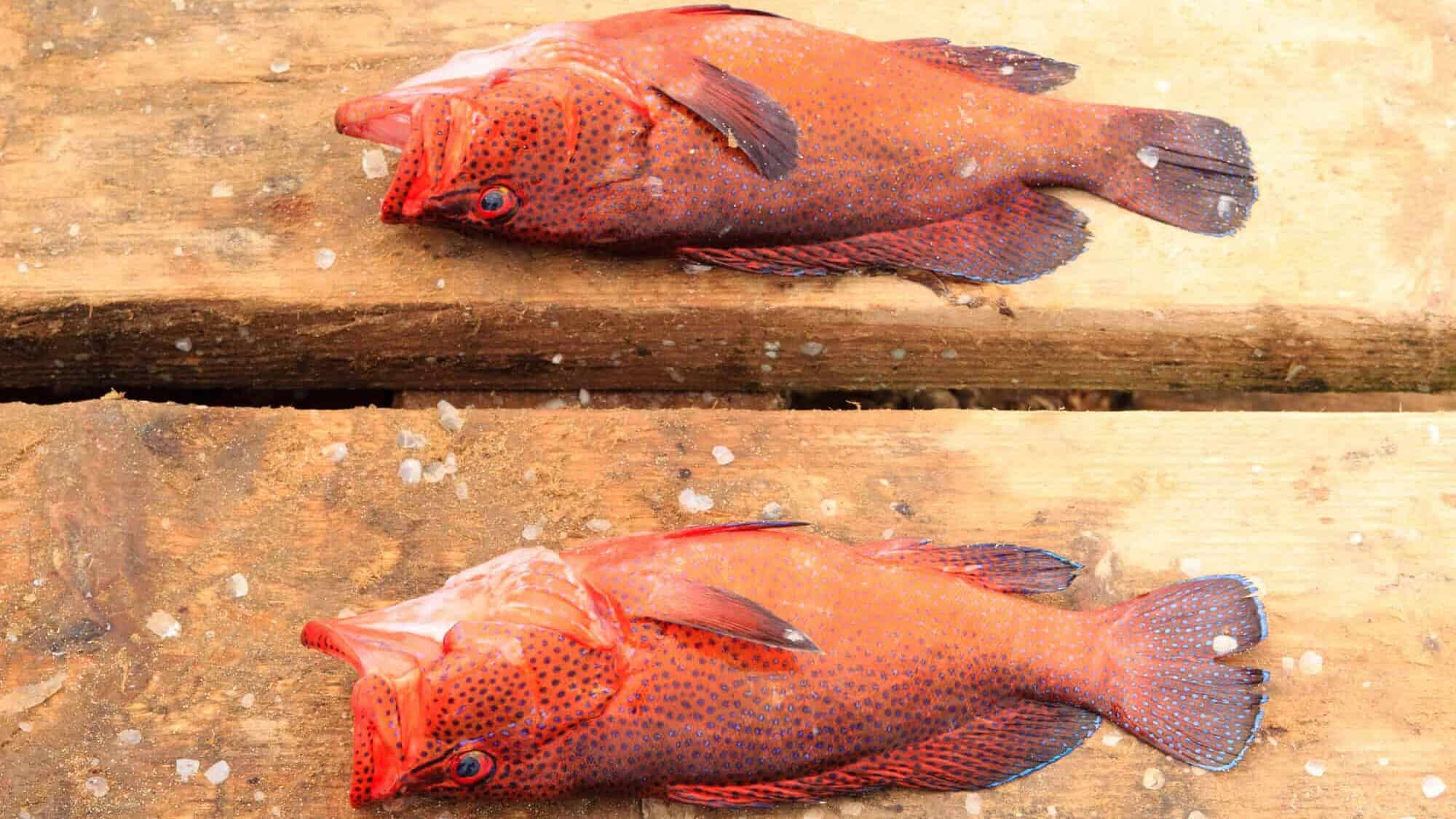
Living in the food-scarce deep ocean requires significant metabolic adaptations. Many deep-sea creatures have evolved extremely slow metabolic rates—sometimes 100 times slower than their shallow-water counterparts—allowing them to survive with minimal energy input. This slow metabolism correlates with reduced activity levels; many deep-sea fish move very little, conserving energy between infrequent feeding opportunities. Scientific studies have shown that some deep-sea fish can survive for months or even years between meals, an extraordinary adaptation to food scarcity.
These metabolic adaptations often come with longevity benefits. The orange roughy (Hoplostethus atlanticus), a deep-sea fish, can live over 100 years, with some specimens estimated to reach 150-200 years of age. Growth rates are correspondingly slow, with sexual maturity often delayed for decades compared to surface-dwelling relatives. These adaptations reflect an evolutionary strategy focused on long-term survival in a stable but resource-limited environment, where energy conservation takes precedence over rapid growth and reproduction.
Pressure and Temperature Adaptations

The extreme hydrostatic pressure of the deep sea—which can exceed 1,000 atmospheres (1,000 times the pressure at sea level)—requires specialized physiological adaptations. Deep-sea organisms have evolved cellular membranes with unique compositions that remain functional under enormous pressure. Their proteins contain structural modifications that prevent compression under pressure, allowing enzymes and other critical cellular components to function normally where unmodified proteins would collapse.
Additionally, many deep-sea creatures contain high concentrations of TMAO (trimethylamine N-oxide), a chemical that stabilizes proteins against pressure effects. Cold temperature adaptation is equally important, as deep-sea temperatures typically hover just above freezing. Some deep-sea fish produce natural “antifreeze” compounds that prevent ice crystal formation in their blood and tissues. Others have evolved specialized enzymes that function efficiently at low temperatures where most enzymes would become too slow to sustain life. These physiological adaptations at the cellular and molecular level are essential for survival in the cold, high-pressure environment of the deep ocean.
Reproduction in Darkness
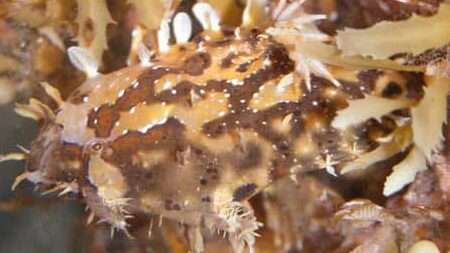
Finding a mate in the vast darkness of the deep ocean presents unique challenges, leading to extraordinary reproductive adaptations. Many deep-sea species have evolved extremely skewed sex ratios and bizarre mating strategies. The most famous example is the deep-sea anglerfish, where tiny males permanently fuse to females as parasitic mates. When a male finds a female—a rare event in the vastness of the deep—he bites into her body and releases an enzyme that dissolves the tissue between them, eventually fusing their circulatory systems. The male then atrophies until he’s little more than a sperm-producing appendage, ensuring the female always has fertilization available.
Other species use bioluminescent displays as sexual signals to attract mates across the darkness. Some employ broadcast spawning, releasing eggs and sperm simultaneously into the water column, often triggered by environmental cues like seasonal changes in current patterns or temperature. Many deep-sea fish produce fewer but larger eggs with substantial yolk reserves compared to shallow-water relatives, investing more energy in fewer offspring to increase survival chances in the resource-limited deep. These reproductive adaptations reflect the unique challenges of finding mates and ensuring offspring survival in an environment where encounters between individuals are rare and unpredictable.
Feeding Strategies in Darkness
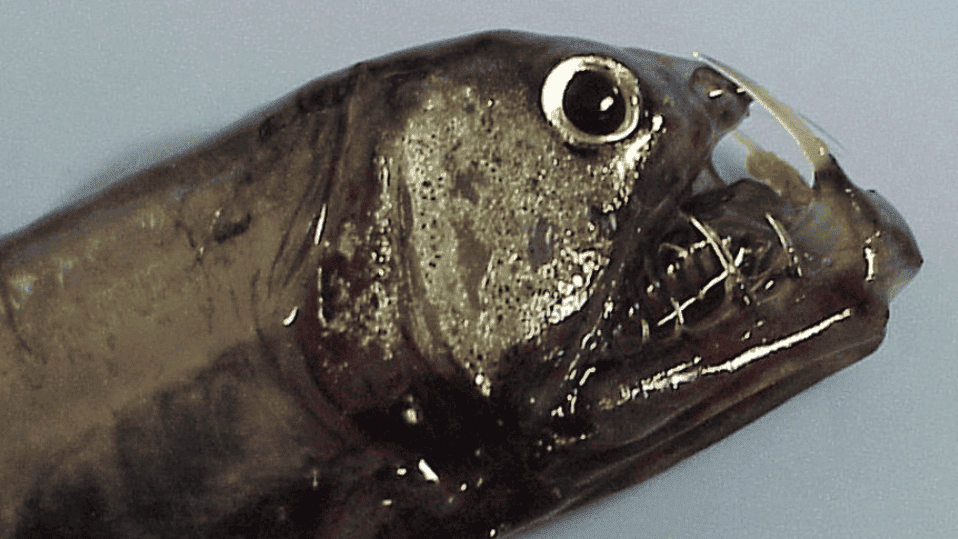
The scarcity of food in the deep sea has driven the evolution of diverse feeding strategies. Many deep-sea creatures are opportunistic omnivores, consuming whatever edible material they encounter. Others have become highly specialized predators with unique hunting adaptations. The viperfish (Chauliodus sloani) possesses transparent, needle-like teeth so long they curve back toward its eyes, allowing it to impale prey that would otherwise escape in the darkness. Some species position themselves in the water column to intercept the “marine snow”—a constant shower of organic detritus sinking from above—which provides a slow but steady food source.
Scavenging is a common strategy, with some species able to detect carrion from remarkable distances. Specialized deep-sea scavengers like hagfish can locate and consume dead animals that sink to the ocean floor, converting this biomass back into the deep-sea ecosystem. Perhaps most unusual are the feeding strategies of deep-sea bacteria that have evolved chemosynthesis—the ability to create energy from chemical compounds like hydrogen sulfide and methane that seep from the ocean floor—forming the base of food webs around hydrothermal vents and cold seeps. These diverse feeding adaptations reflect the evolutionary ingenuity required to survive in an environment where conventional food sources are extremely limited.
Community Adaptations at Hydrothermal Vents
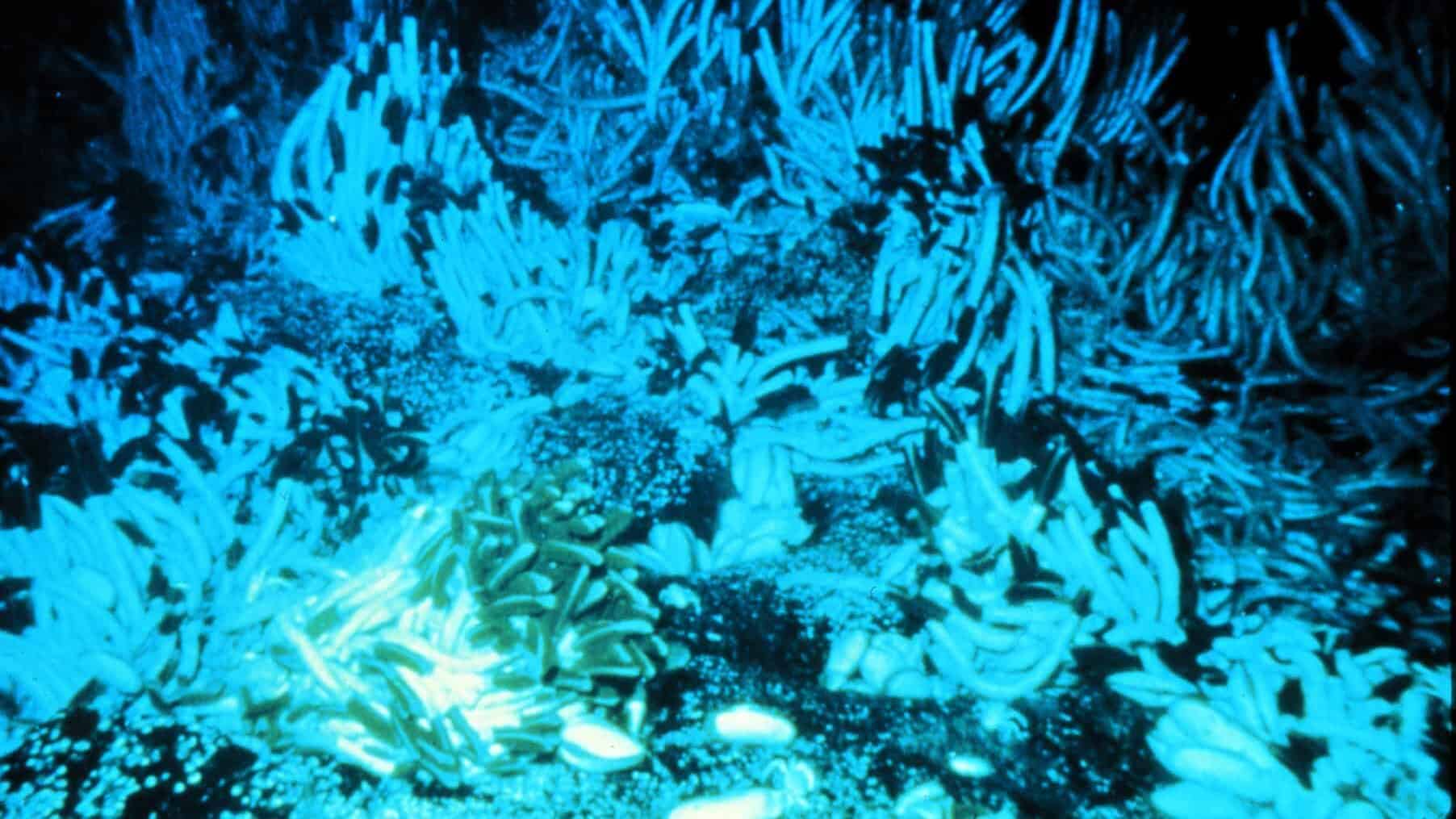
Hydrothermal vents—underwater geysers that expel mineral-rich water heated by magmatic activity—represent unique oases of life in the deep-sea darkness. These ecosystems have evolved a completely different energy foundation than most life on Earth, relying on chemosynthesis rather than photosynthesis. Specialized bacteria oxidize the hydrogen sulfide emitted from the vents, using the energy released to fix carbon dioxide into organic compounds—essentially creating food from chemicals in a process analogous to how plants create food from sunlight.
This bacterial production supports remarkably dense communities of specialized animals found nowhere else on Earth. Giant tubeworms (Riftia pachyptila) growing up to 2 meters long have no mouth or digestive system; instead, they house chemosynthetic bacteria in a specialized organ called a trophosome, receiving nutrients directly from their bacterial symbionts. Similarly, unique species of mussels, clams, and shrimp have evolved symbiotic relationships with chemosynthetic bacteria. The Pompeii worm (Alvinella pompejana) thrives in temperatures approaching 80°C near vent openings—among the most extreme temperature adaptations known in any animal. These communities represent a completely alternative evolutionary pathway to life in darkness, one entirely independent of the sun’s energy that powers most life on Earth.
Communication Methods in the Abyss
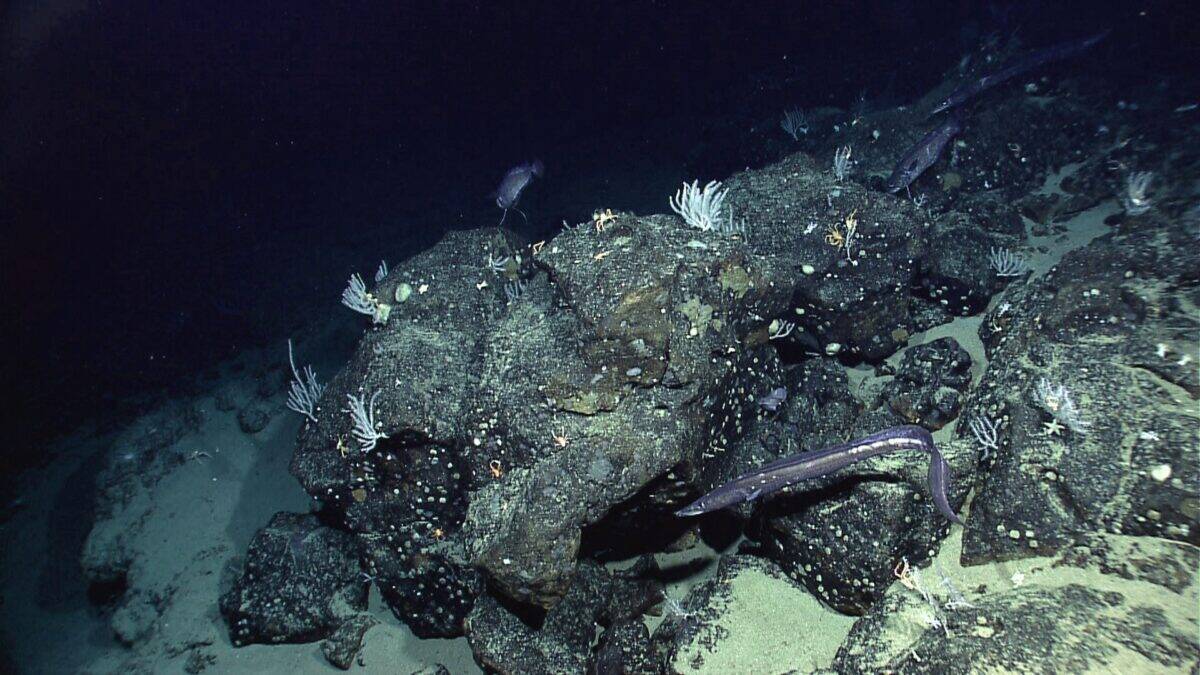
Communication in the darkness of the deep sea presents unique challenges that have led to specialized adaptations. Without light for visual signals (except bioluminescence), many species rely on alternative communication channels. Sound travels efficiently in water, and many deep-sea creatures have developed sophisticated mechanisms for producing and detecting acoustic signals. The low-frequency sounds produced by some deep-sea fish can travel for kilometers, allowing long-distance communication that would be impossible with light or chemical signals.
Chemical communication is equally important, with many species releasing pheromones to attract mates or signal territorial boundaries. These chemical signals can persist in the water column for extended periods, creating communication “trails” that other individuals can follow. Mechanical communication through water pressure changes and vibrations allows some species to detect the presence and activities of others nearby. Some deep-sea crustaceans communicate by creating percussion sounds by rubbing specialized body parts together. These diverse communication strategies represent adaptations to the unique challenge of exchanging information in an environment where traditional visual communication is severely limited.
The adaptations displayed by creatures living in the ocean’s darkest depths stand as testament to the extraordinary power of natural selection to produce solutions to seemingly insurmountable environmental challenges. From the biochemical miracle of bioluminescence to the complex symbioses of hydrothermal vent communities, deep-sea organisms showcase nature’s remarkable ingenuity. These adaptations remind us that life can thrive even in environments that appear completely hostile to biological processes as we commonly understand them.
Many of these deep-sea adaptations have inspired biomimetic applications in human technology, from pressure-resistant materials to energy-efficient lighting systems based on the chemistry of bioluminescence. As we continue to explore the deep ocean—one of Earth’s final frontiers—we undoubtedly will discover even more remarkable adaptations that expand our understanding of life’s possibilities. The creatures of the deep sea teach us that darkness is not an absence of life but rather a different canvas on which evolution has painted some of its most extraordinary masterpieces using the palette of adaptation.

- How Crickets Chirp Using Their Wings - July 20, 2026
- The Largest Sea Turtle Ever Rescued Off North Carolina - July 20, 2026
- The Ocean’s Escape Artist: Why Octopuses Outsmart Us All - July 20, 2026