

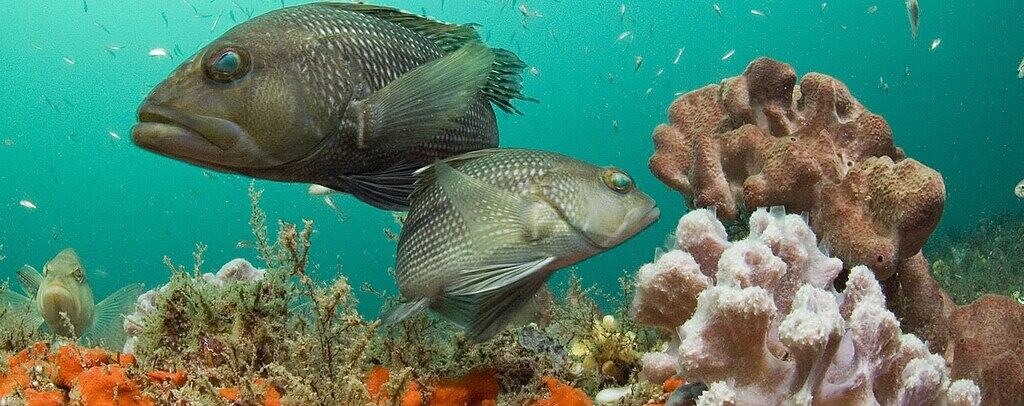
In the bustling fish markets of Joal-Fadiouth, Senegal, women once thrived by processing freshly caught fish, supporting their families and communities. Today, these markets stand eerily quiet, a stark contrast to their former vibrancy. This transformation is not due to natural decline but is intricately linked to the global demand for sea bass in supermarkets far away.
The Disappearing Catch of Joal-Fadiouth
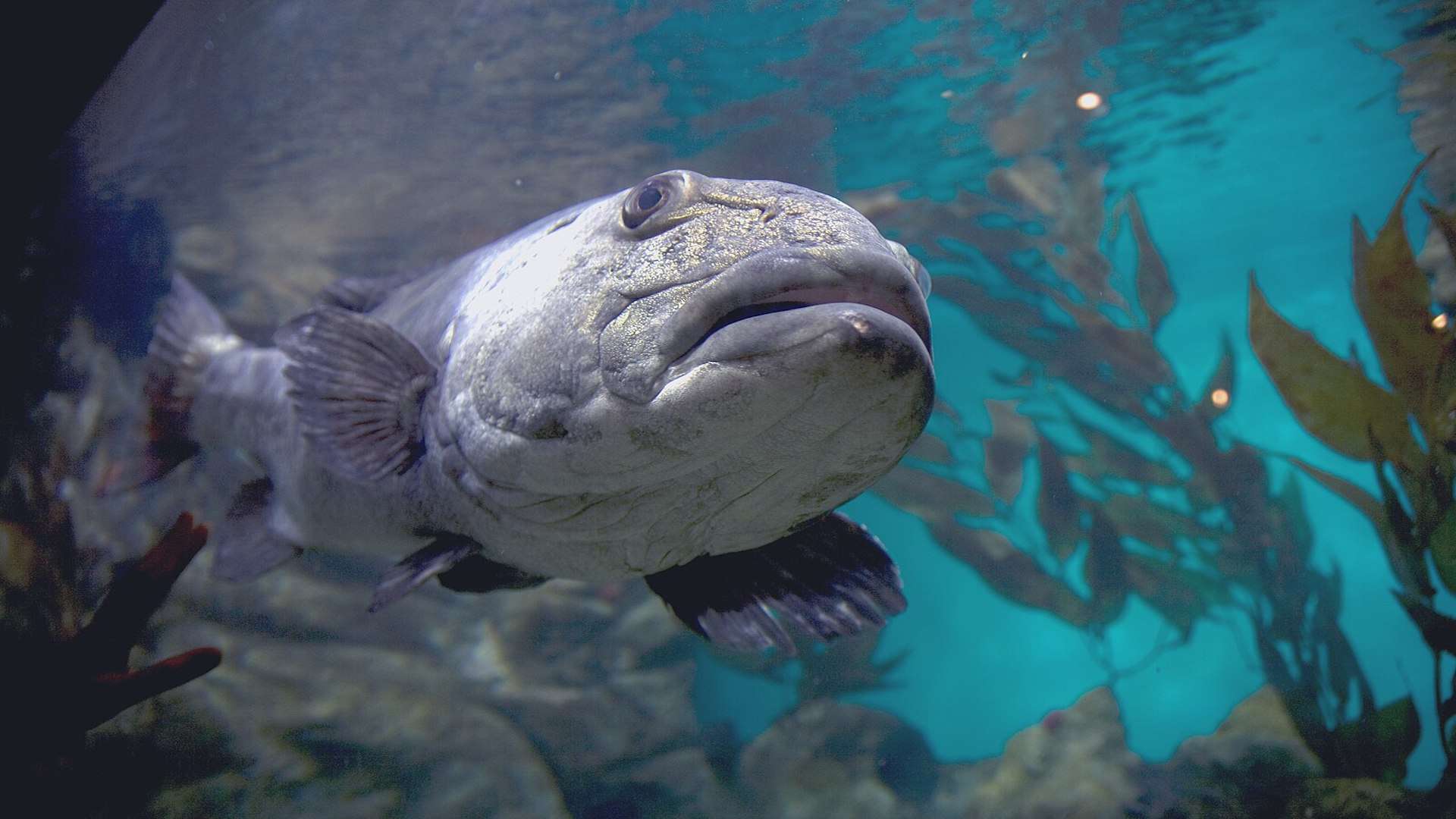
Aissatou Wade, a seasoned fish processor in Joal-Fadiouth, recalls the days when the market was alive with activity. Now, the scarcity of fish has left many like her without income, unable to afford basic necessities or send their children to school. The culprit? The booming aquaculture industry that sources fishmeal from their local catch to feed farmed sea bass abroad.
From Senegal’s Waters to Turkish Fish Farms
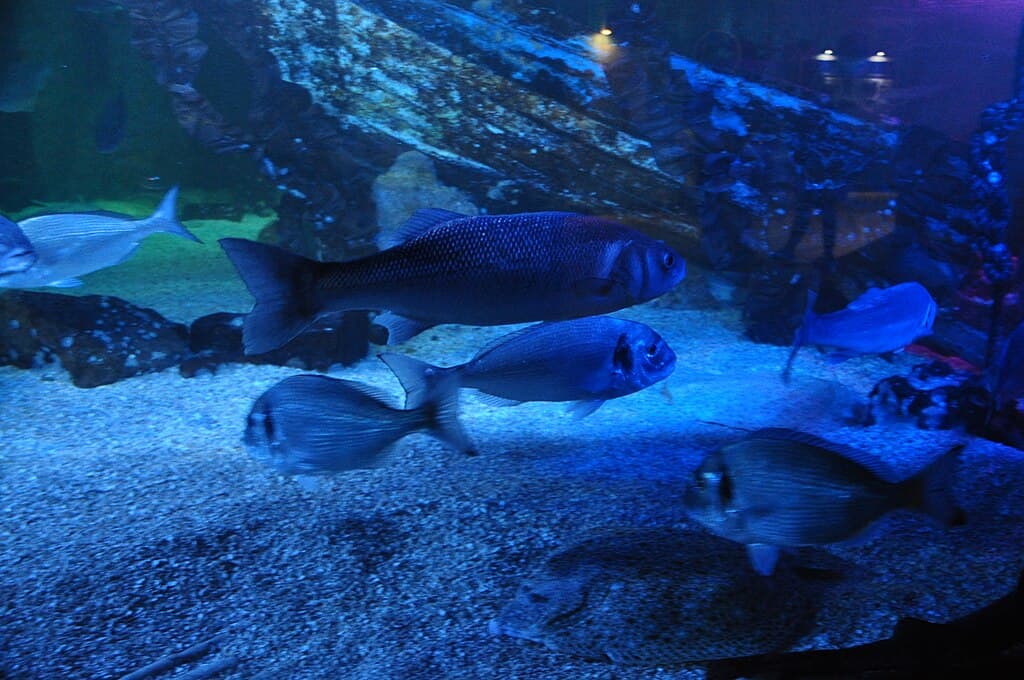
The small pelagic fish, once abundant along Senegal’s coast, are now being harvested in massive quantities to produce fishmeal. This fishmeal is a primary feed for sea bass farms operated by companies like Kılıç Deniz and its subsidiary Agromey in Turkey. Over four years, Kılıç imported 5,400 tonnes of fishmeal from Senegal, significantly impacting local fish availability.
The Illusion of ‘Responsibly Sourced’ Labels
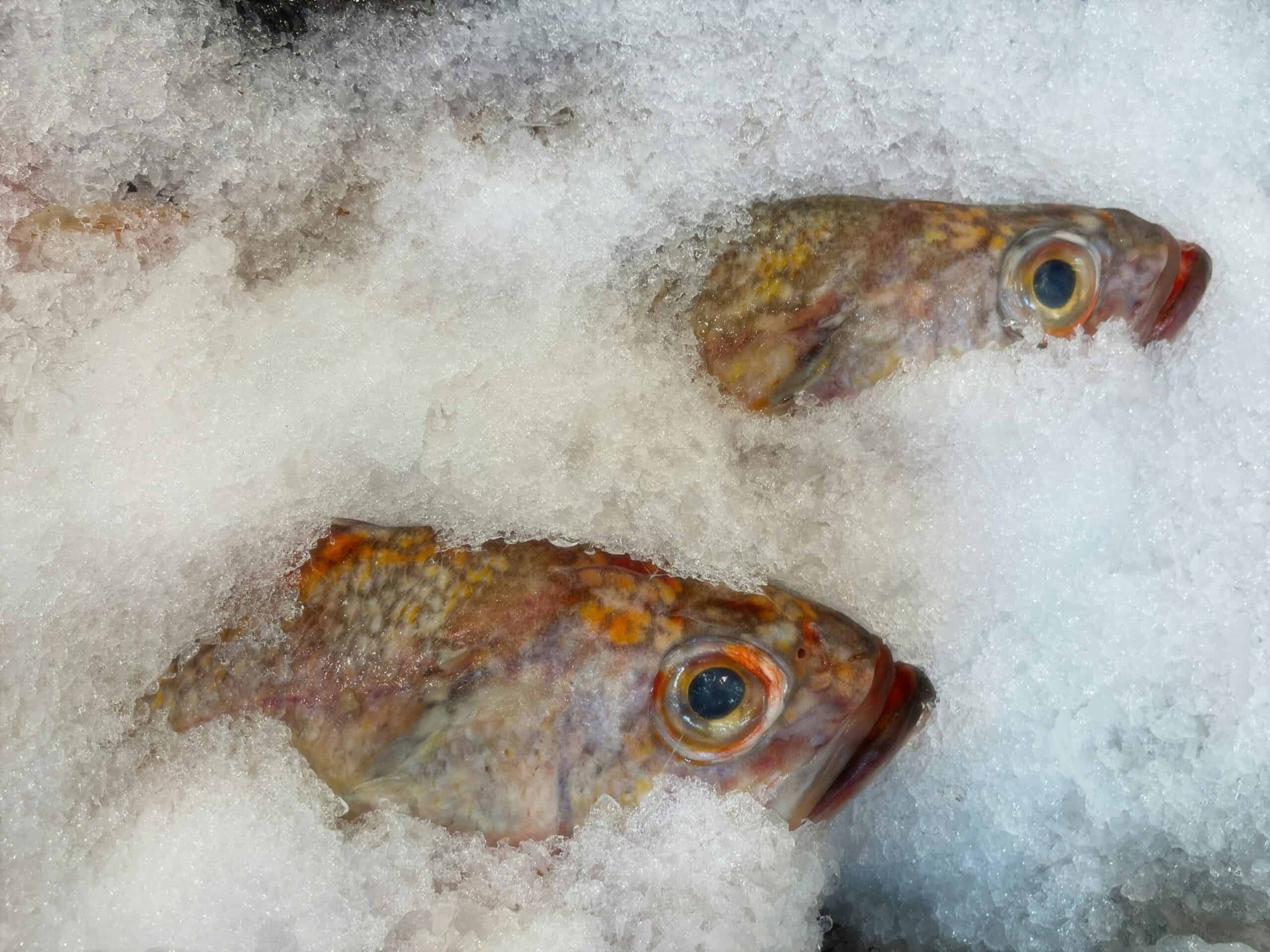
Sea bass from these Turkish farms make their way into UK supermarkets, often labeled as “responsibly sourced” and certified by bodies like the Aquaculture Stewardship Council. However, these labels fail to account for the environmental and social costs incurred in the fishmeal production process, particularly the depletion of fish stocks vital to Senegalese communities.
Ecological and Social Repercussions
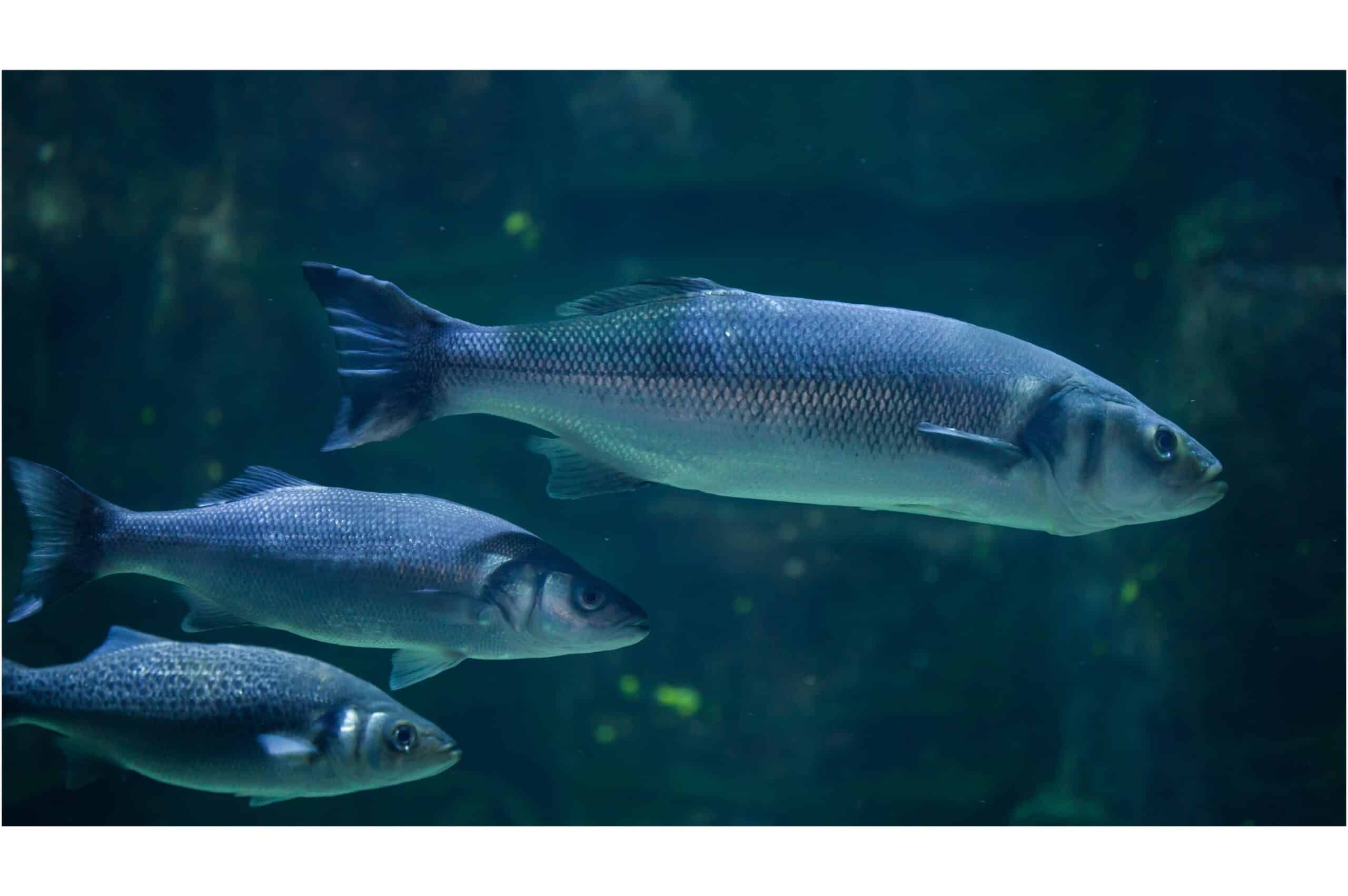
The aggressive harvesting of small fish for fishmeal has led to overfishing, threatening marine ecosystems and the livelihoods of local fishers. The decline in fish populations not only disrupts the food chain but also exacerbates food insecurity and unemployment in regions like Joal-Fadiouth.
Calls for Transparency and Ethical Sourcing
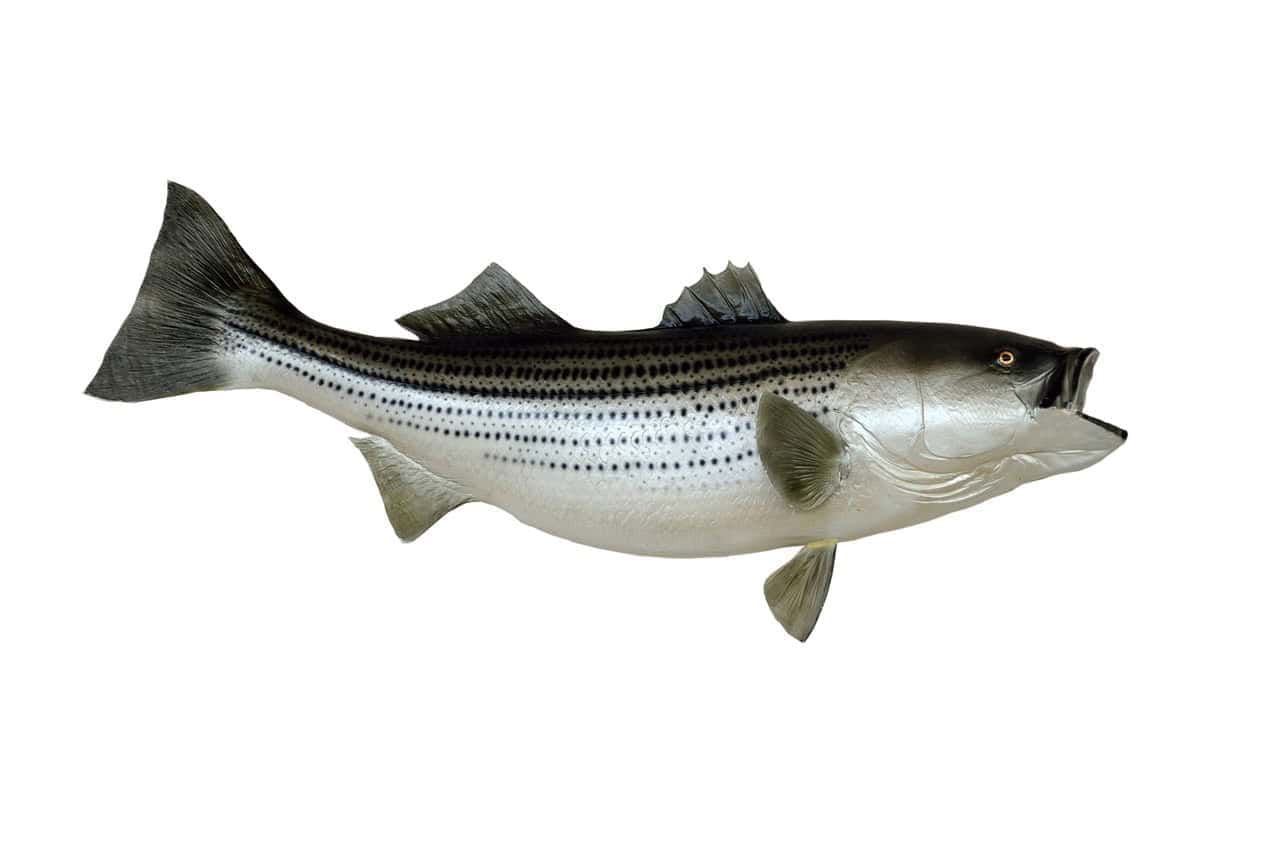
Environmental advocates, including naturalist Chris Packham, have criticized the misleading labeling practices, calling them a “dereliction of duty.” There is a growing demand for greater transparency in seafood sourcing and for retailers to consider the broader impacts of their supply chains on communities and ecosystems.
Towards Sustainable Consumption
Consumers are encouraged to be more discerning, seeking out seafood that is not only certified but also sourced in ways that do not harm distant communities or ecosystems. By making informed choices, individuals can contribute to a more equitable and sustainable seafood industry that respects both people and the planet. The story of Joal-Fadiouth serves as a poignant reminder of the interconnectedness of global food systems and the importance of ethical consumption.

adventuring, photography and videography. I am currently working towards a BSc in Biodiversity and Ecology at Stellenbosch University to go on to specialise in Marine Sciences one day.
Please send any feedback to Feedback@animalsaroundtheglobe.com
- Top 21 Must-see Birds For Bird Watchers In America - July 20, 2026
- Italy Mourns Hero Police Dog Killed by Food Laced with Nails - July 20, 2026
- Pigeon Turns into Fashionista and Wears Bread - July 19, 2026