


In the dark of night, a mouse scurries across the forest floor, unaware that death silently soars above. Without warning, talons pierce through leaves and soil, claiming the rodent in a lethal embrace. The owl’s hunt is complete, executed with such stealth that not even the most sensitive ears could detect its approach. This remarkable silent hunting ability has fascinated scientists and nature enthusiasts for centuries. Owls have evolved specialized adaptations that allow them to fly and capture prey with virtually no sound, making them one of nature’s most efficient nocturnal predators. This article explores the fascinating mechanisms behind an owl’s silent hunt, revealing the evolutionary marvels that allow these birds to become ghosts of the night.
The Evolutionary Advantage of Silent Flight
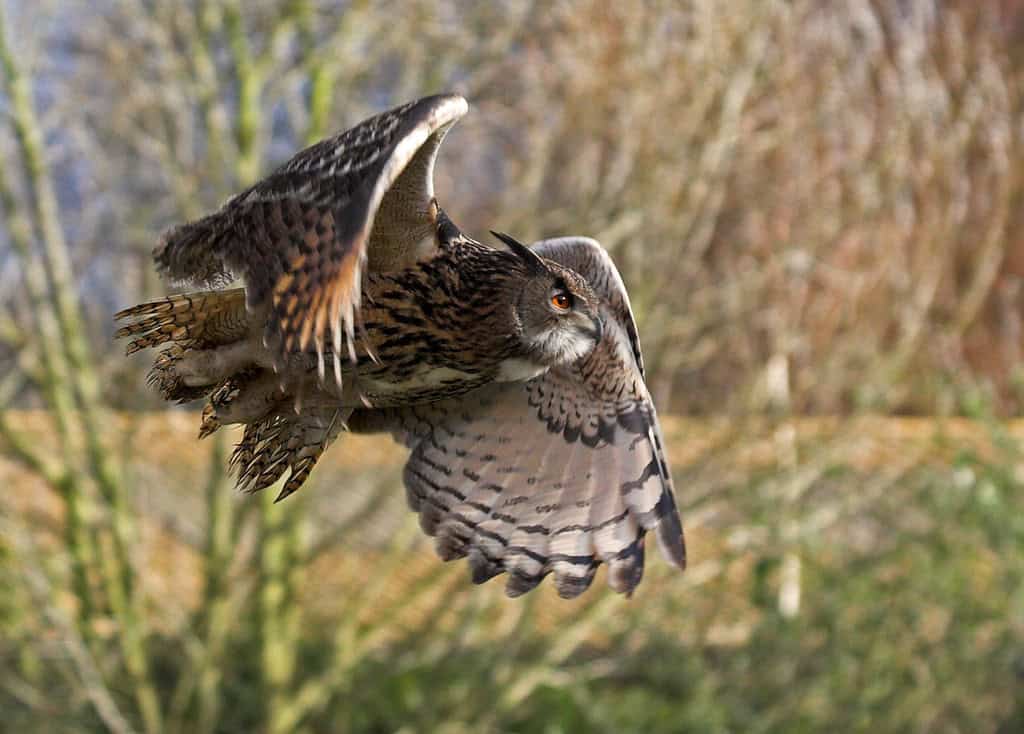
Owls’ silent flight capabilities didn’t develop by chance—they evolved as a crucial survival mechanism. Most owl species are nocturnal hunters that rely on the element of surprise to capture prey. Small mammals like mice, voles, and shrews have exceptionally sensitive hearing that would normally alert them to an approaching predator. By evolving the ability to fly silently, owls gained a significant advantage in the evolutionary arms race between predator and prey. This adaptation has been so successful that owls have become specialized night hunters, with some species capable of detecting and capturing prey in complete darkness. The selective pressure for silent flight has been so strong that different owl species across the world independently evolved similar noise-reduction features, demonstrating convergent evolution at its finest.
Specialized Wing Feathers: The Serrated Edge
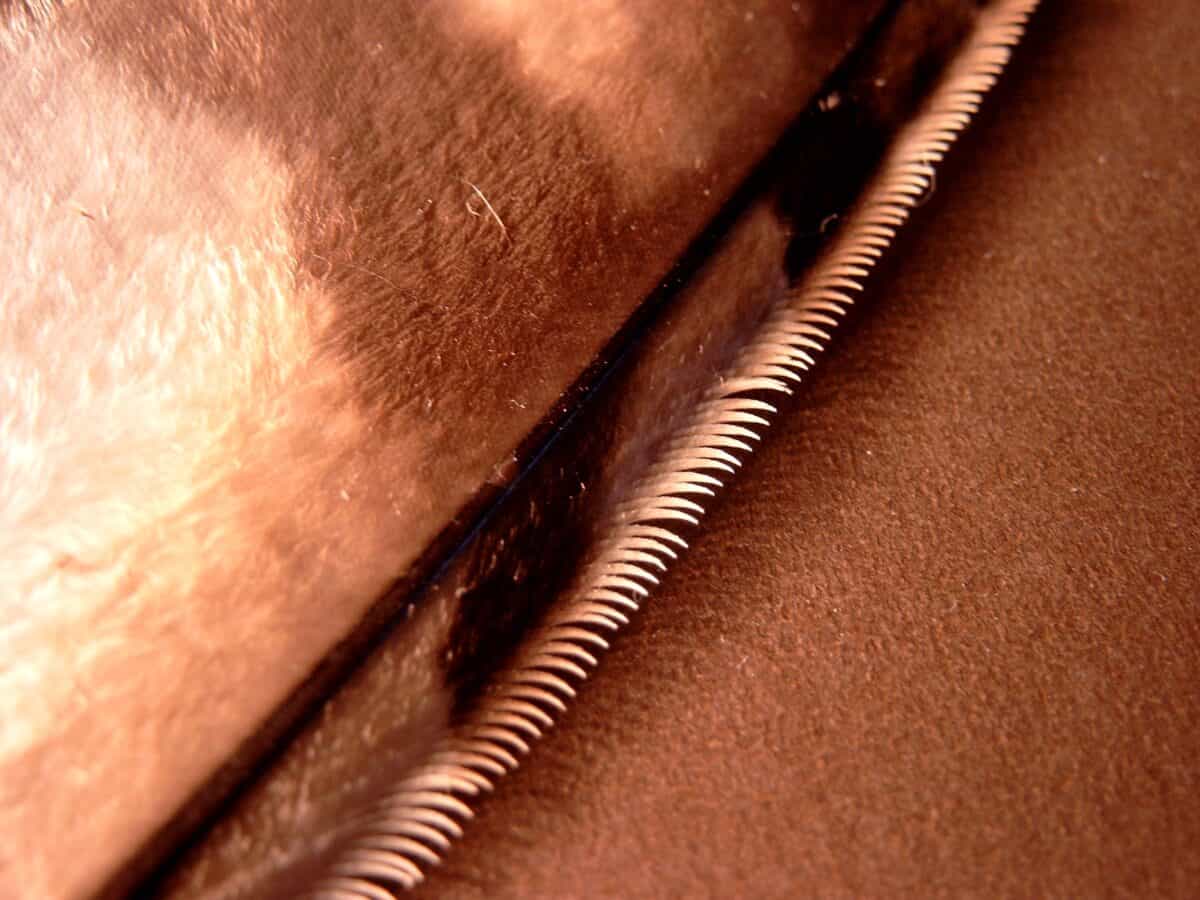
Perhaps the most remarkable adaptation for silent flight is found in the unique structure of owl wing feathers. Unlike most birds whose wing feathers have smooth edges, owls possess specialized leading-edge feathers with serrated or comb-like structures. These serrations, most prominent on the forward edge of the first primary feather, work by breaking up the airflow over the wing. In conventional bird flight, air flowing over the wing creates turbulence that generates noise. The owl’s serrated feather edge disrupts this turbulent airflow, effectively muffling the sound of air rushing over the wing. High-speed photography and wind tunnel experiments have demonstrated that these serrations reduce aerodynamic noise by up to 10 decibels—a significant reduction that can mean the difference between a successful hunt and a prey animal’s escape.
The Velvety Surface of Owl Feathers
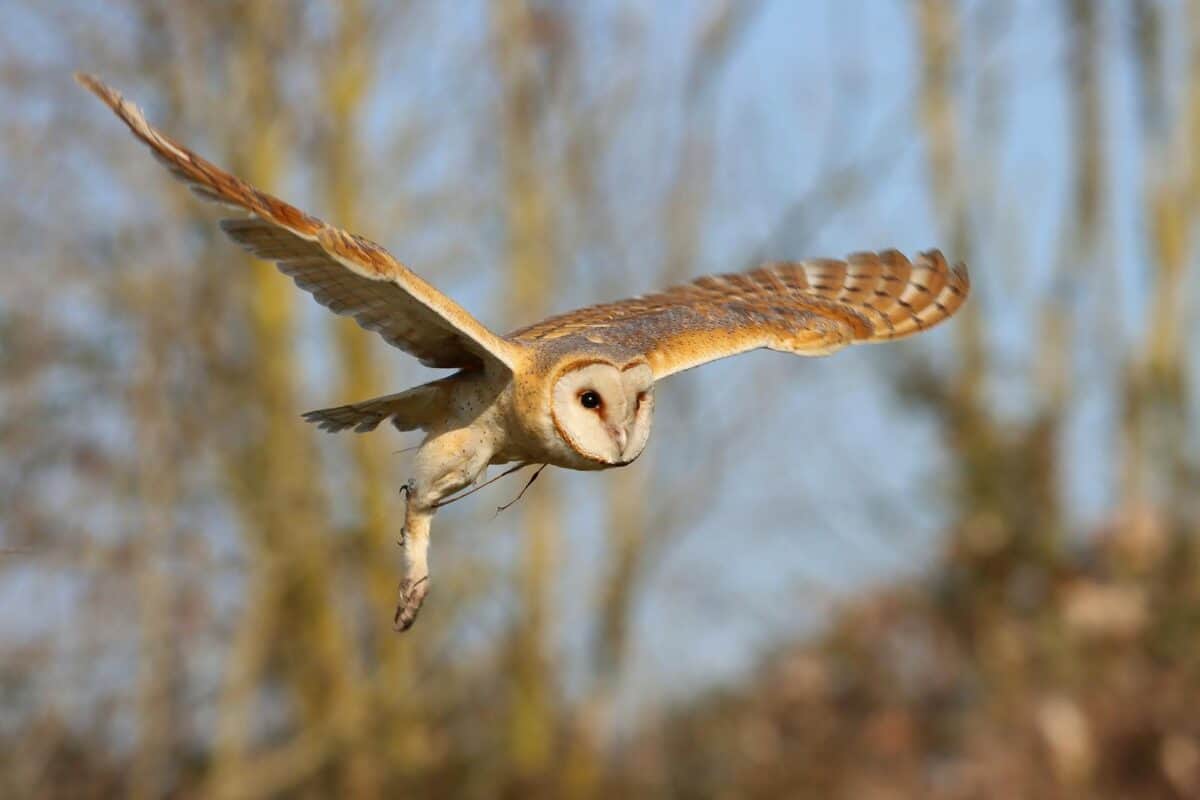
Another critical adaptation for silent flight lies in the unique surface texture of owl feathers. Under microscopic examination, owl feathers reveal a velvety surface structure unlike that of any other bird. This velvet-like quality comes from tiny barbs and hooks that create a soft, fluffy upper surface on the wing feathers. This specialized surface functions similarly to acoustic dampening materials used in sound studios, absorbing high-frequency sounds that would otherwise be produced during flight. The velvety texture also increases the wing’s surface area without adding significant weight, improving lift while maintaining the bird’s exceptional maneuverability. Research has shown that this adaptation is particularly effective at absorbing sounds within the range of 2-8 kHz—precisely the frequency range most audible to small mammals that make up the owl’s primary prey.
Trailing Edge Fringe: Nature’s Acoustic Suppressor
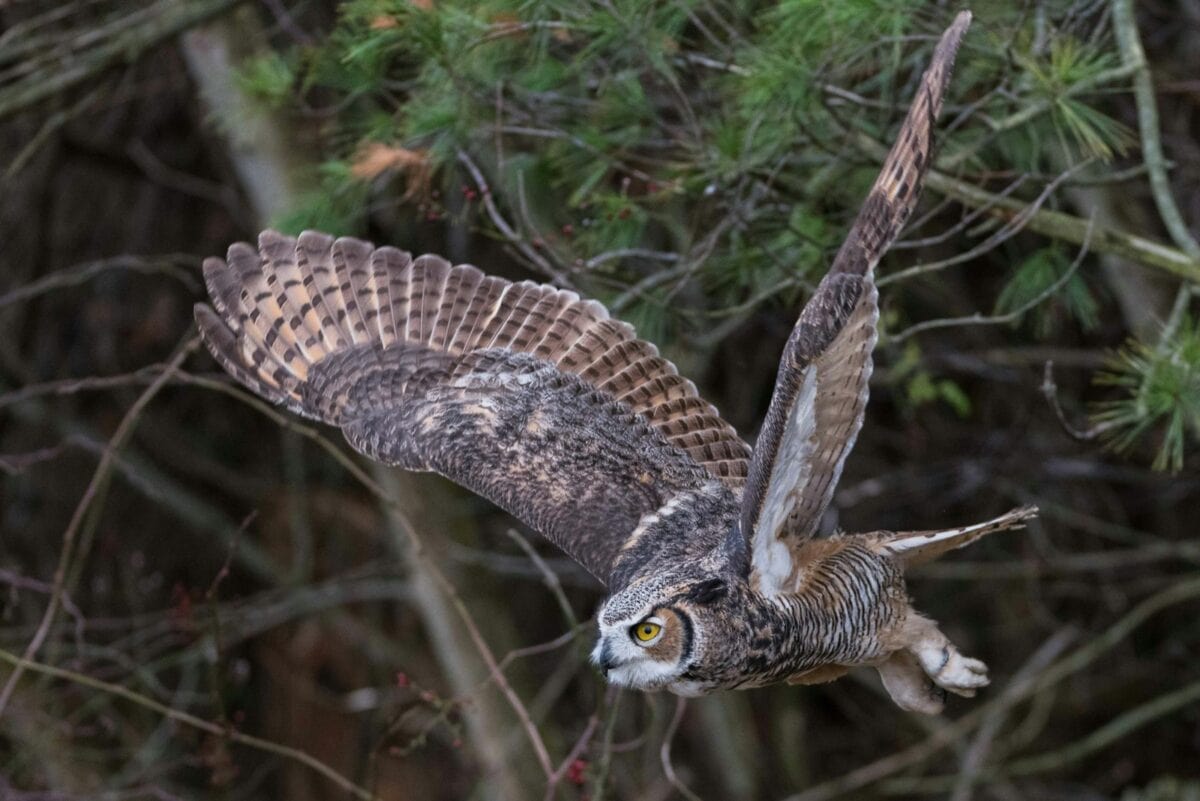
The trailing edges of owl wing feathers contain yet another specialized adaptation for silent flight—a soft, flexible fringe. This fringe, composed of fine filaments, extends from the rear edge of the flight feathers. As air passes over the wing and reaches this fringe, the flexible filaments further break up the airflow, preventing the formation of noise-producing vortices. In conventional bird flight, vortices created at the trailing edge of wings generate a distinct “whooshing” sound. The owl’s fringed feathers eliminate this noise by allowing air to pass through the flexible filaments rather than creating turbulent eddies. This adaptation is so effective that engineers have studied owl wing fringes as inspiration for noise-reduction technologies in various applications, from wind turbine blade design to aircraft wings, demonstrating how biomimicry can lead to significant technological innovations.
Large Wings: The Physics of Silent Flight
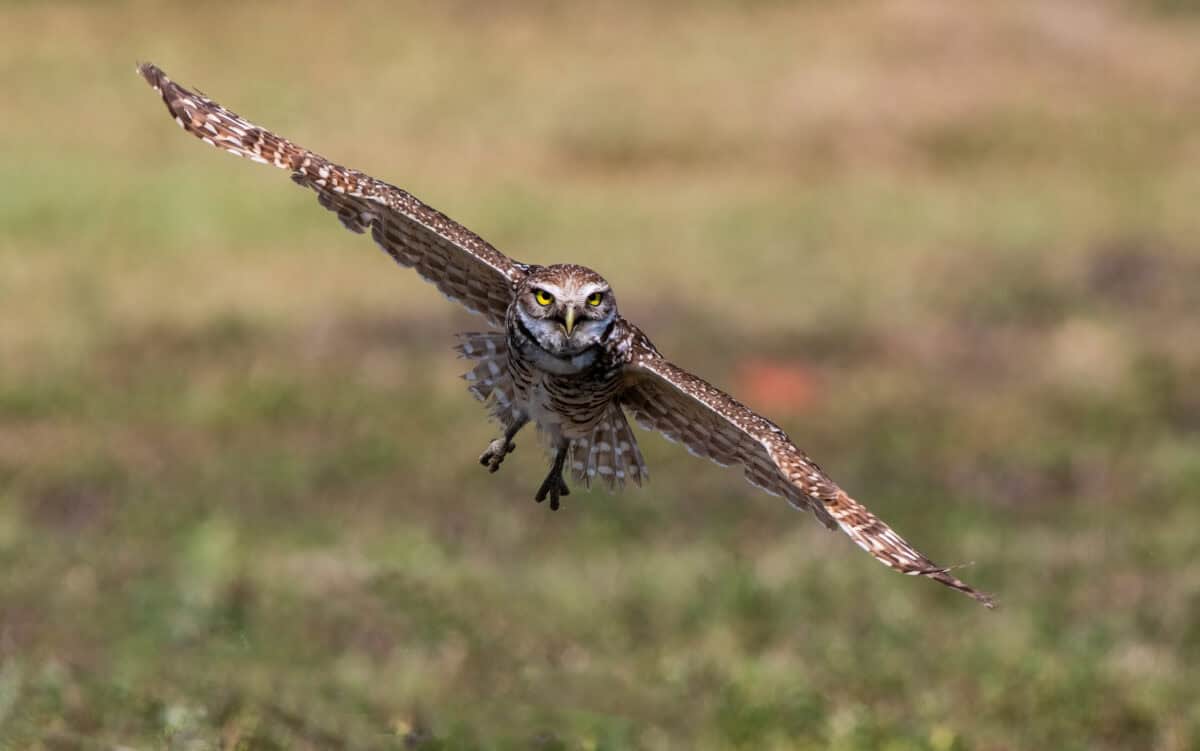
Owl wings are proportionally larger relative to body size than those of most other birds—a characteristic that plays a crucial role in their silent flight capabilities. These oversized wings allow owls to fly more slowly and generate lift with less effort and wing movement. From a physics perspective, the relationship between wing loading (the ratio of weight to wing area) and flight noise is direct: lower wing loading enables slower flight with reduced air pressure differential across the wing, resulting in quieter movement. The barn owl, one of the most silent flyers, has a wing loading about half that of similarly sized birds of prey like hawks. This adaptation allows barn owls to maintain flight at speeds as low as 2-3 mph without stalling—a critical advantage for detecting prey sounds and executing precise attacks in darkness. Additionally, the larger wing area distributes the bird’s weight more evenly, reducing the pressure changes and subsequent noise normally associated with generating lift.
The Role of Wing Shape in Noise Reduction

Beyond size and surface adaptations, the overall shape of owl wings contributes significantly to their silent flight. Owl wings are broad and rounded compared to the more tapered, pointed wings of many diurnal birds of prey. This shape, combined with the slotted gaps between primary feathers, allows for greater control during slow flight and hovering. The rounded wing shape reduces wingtip vortices—spiraling air currents that normally form at the tips of wings during flight and generate considerable noise. By minimizing these vortices, owls reduce a major source of flight noise. The wing shape also facilitates the distinctive slow, buoyant flight pattern that allows owls to patrol hunting territories methodically while listening for prey movements below. Wind tunnel studies have demonstrated that this wing morphology strikes an optimal balance between flight efficiency and noise reduction, perfectly suited for the owl’s hunting strategy.
Silent Feather Connection: The Downy Covering
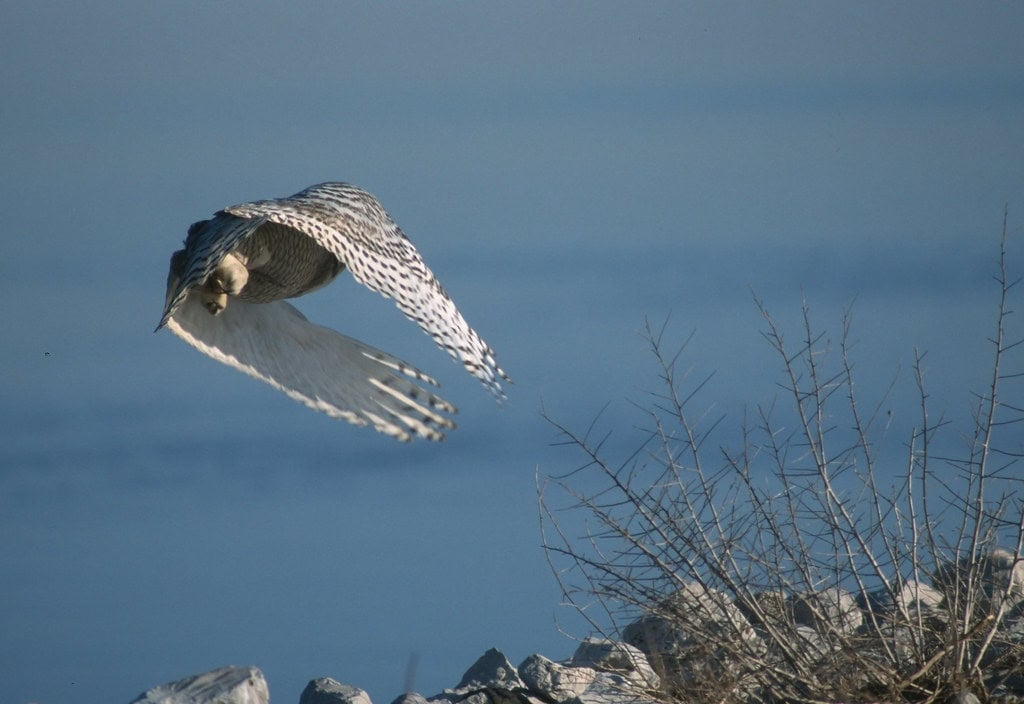
Another unique adaptation found in owls is the soft, downy covering present on the upper surface of their wings and body. This downy layer serves as acoustic insulation, dampening the sounds that might otherwise be generated when feathers rub against each other during flight. In most birds, the mechanical noise of feathers sliding over one another produces audible rustling, but the owl’s downy covering eliminates this sound. This adaptation is particularly pronounced in owl species that hunt in dense forest environments, where absolutely silent flight is essential for navigating between trees while remaining undetected. The acoustic dampening properties of this downy layer are so effective that researchers have found it difficult to measure any sound at all from owl flight beyond extremely close range with specialized microphones. This adaptation represents one of the most complete noise-elimination systems found anywhere in nature.
The Silent Flap: Unique Wing Movement Patterns
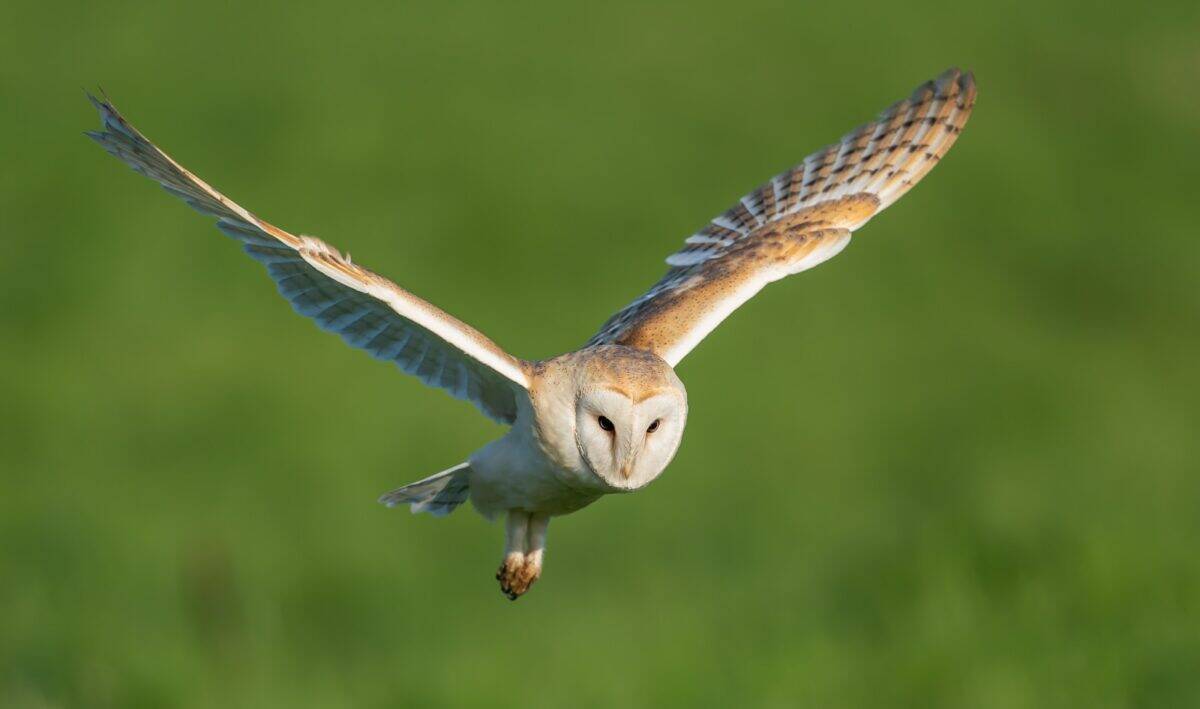
The manner in which owls move their wings during flight also contributes to their silent hunting ability. Most birds generate significant noise during the powerful downstroke phase of wing movement. Owls, however, have evolved a distinctive flight style characterized by deep, slow wing beats with a more vertically oriented movement pattern. This flight style minimizes air disturbance and the associated sound. High-speed video analysis has revealed that owls raise their wings high above their backs before bringing them down in a more vertical and gradual motion than other birds. This movement pattern, combined with the specialized feather structures, virtually eliminates the “whoosh” sound typical of bird flight. Additionally, owls often glide for extended periods during hunting, further reducing noise by eliminating wing movements altogether. This specialized flight pattern does require more energy than the flight styles of similarly sized birds, representing an evolutionary trade-off that favors stealth over efficiency.
Facial Disc: The Sound Collector
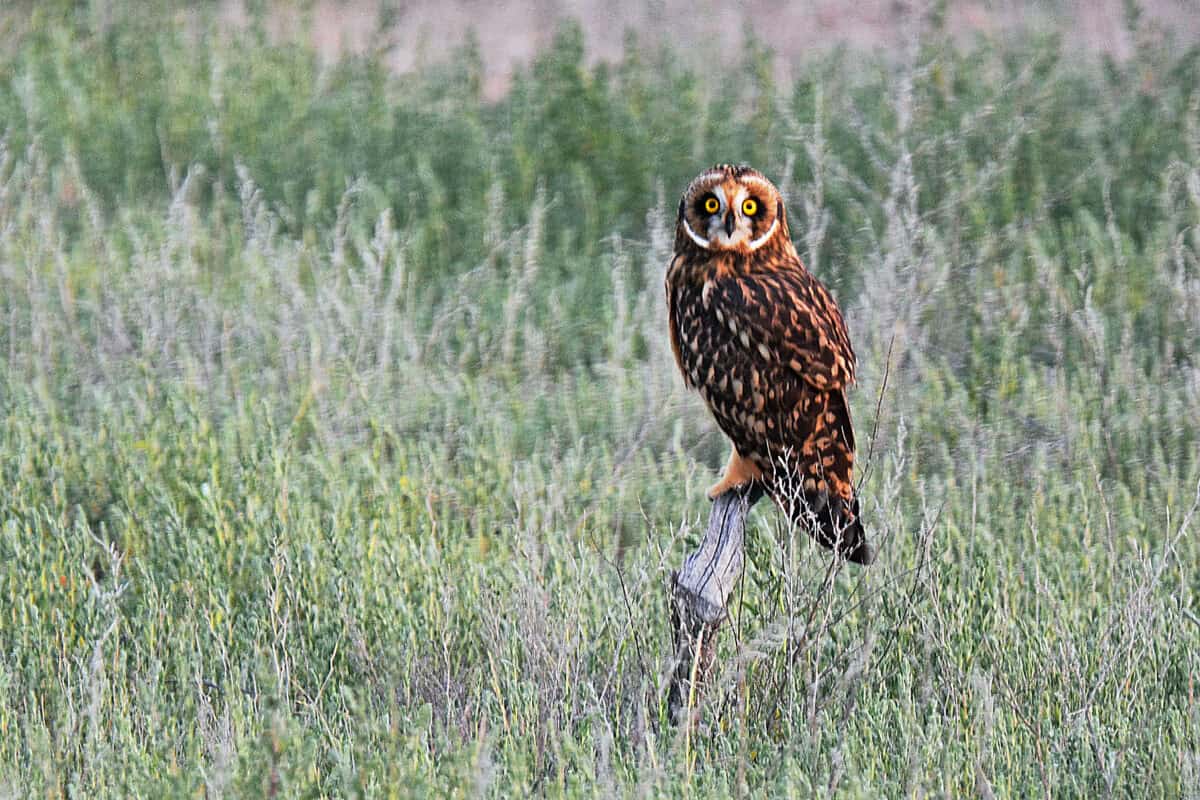
While not directly related to silent flight, the owl’s distinctive facial disc plays a crucial complementary role in their hunting strategy. This concave arrangement of specialized feathers around the face acts as a parabolic sound collector, directing sound waves toward the ears. The facial disc essentially functions as a biological satellite dish, amplifying faint sounds made by prey animals. Owls can adjust the shape of this disc using specialized muscles, effectively “aiming” their hearing in specific directions. This extraordinary hearing ability compensates for any minimal sound their silent flight might still produce. In complete darkness, certain owl species can locate prey by sound alone with remarkable precision, pinpointing targets within one degree of accuracy and detecting sounds as faint as a mouse step or a subterranean insect movement. The combination of silent flight and exceptional hearing creates a lethal hunting system that has made owls successful predators for millions of years.
Comparing Owl Flight to Other Birds

The contrast between owl flight and that of other birds provides striking evidence of the owl’s specialized adaptations. Laboratory studies using sensitive microphones in controlled environments have directly compared flight sounds across bird species. In one notable study, researchers recorded sound levels of various birds flying past microphones at standardized distances. While pigeons registered around 30-35 decibels and other birds of prey like falcons measured 15-20 decibels, barn owls registered virtually no detectable sound above ambient noise levels. Even when compared to other nocturnal birds, owls demonstrate superior noise reduction. Nightjars and nighthawks, also nocturnal hunters, produce measurably more flight noise despite having evolved for night hunting. This dramatic difference highlights the extreme specialization of owl morphology for silent flight. From an evolutionary perspective, this specialization suggests that owls faced exceptional selection pressure for silence, likely due to their reliance on surprising prey with acute hearing abilities.
Species Variations in Silent Flight Adaptations

While silent flight is a characteristic of owls generally, the degree of specialization varies among the more than 200 owl species worldwide. Species that primarily hunt mammals with acute hearing, such as barn owls and great gray owls, exhibit the most advanced silent flight adaptations. The great gray owl, hunting in northern forests where sound travels far in the still, cold air, has perhaps the most developed noise-suppression features of any bird. Conversely, fish-hunting owls like the fishing owl of Africa show less pronounced silent flight adaptations, as their aquatic prey cannot hear them approaching from above the water surface. Similarly, the burrowing owl, which hunts primarily during daylight and relies more on vision than stealth, has less developed noise-reduction features. These variations across species provide evolutionary biologists with valuable insights into how specific environmental pressures shape adaptive traits, demonstrating how natural selection fine-tunes adaptations to specific ecological niches.
Biomimicry: Learning from Owl Flight

The extraordinary silent flight capabilities of owls have not gone unnoticed by engineers and designers seeking noise-reduction solutions. The field of biomimicry—designing technologies inspired by nature—has embraced owl flight as a model for various applications. Aircraft manufacturers have investigated owl-inspired serrated edges for jet engine components to reduce noise pollution around airports. Wind turbine designers have developed blade modifications based on owl wing features, reducing operational noise by up to 5 decibels while maintaining energy efficiency. Even everyday products like computer fans and automotive components have benefited from owl-inspired noise-reduction technologies. Research continues at institutions worldwide, including a notable project at Cambridge University where engineers used 3D-printed replicas of owl wing structures to test noise-reduction principles for potential application in drone technology. These biomimetic applications demonstrate how understanding natural adaptations can lead to significant technological advancements, creating a fascinating intersection between evolutionary biology and engineering.
The silent flight of owls represents one of nature’s most remarkable evolutionary achievements—a perfect example of specialized adaptation to a specific ecological niche. Through millions of years of natural selection, owls have developed a suite of physical and behavioral adaptations that allow them to hunt without making a sound, giving them an extraordinary advantage over their prey. The serrated leading edge, velvety surface, and fringed trailing edge of their feathers work in concert with their large, rounded wings and specialized flight pattern to create what scientists consider the most effective noise-suppression system in the animal kingdom. This silent hunting capability has made owls successful predators across diverse habitats worldwide, from arctic tundra to tropical rainforests. As we continue to study and understand the mechanics behind owl silent flight, we not only gain insight into an evolutionary marvel but also find inspiration for human technologies that may one day mimic this natural wonder of acoustic engineering.

- How to Tell a Black Bear from a Grizzly Bear at a Glance - July 14, 2026
- 14 Times Wild Animals Became a Real-Life Threat to Humans - July 14, 2026
- How Bison Help Restore Burned and Damaged Grasslands - July 14, 2026
Leave a comment
You must be logged in to post a comment.