


With their vibrant plumage and remarkable ability to mimic human speech, parrots have long fascinated people around the world. Yet beyond their colorful appearance and entertaining vocalizations lies something even more extraordinary: parrots possess cognitive abilities that rival those of great apes and even young human children in some domains. From problem-solving to tool use, social learning to self-awareness, these birds demonstrate intellectual capabilities that seem almost implausible for creatures with brains the size of walnuts. This remarkable avian intelligence didn’t develop overnight but evolved over millions of years through a fascinating evolutionary journey shaped by ecological pressures, social dynamics, and unique neurological adaptations. Let’s explore how parrots evolved to become some of the most intellectually sophisticated birds on our planet.
The Evolutionary Path to Parrot Intelligence
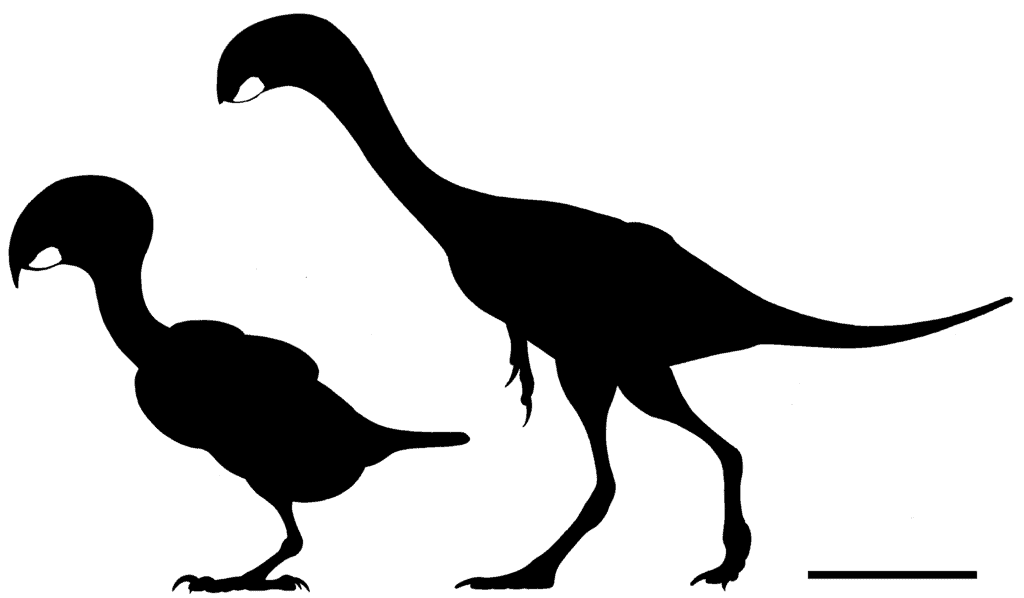
Parrots (order Psittaciformes) emerged approximately 66 million years ago, right around the time dinosaurs went extinct. This early evolution gave them a significant head start in developing advanced cognitive abilities. Recent research suggests that the ancestors of modern parrots likely evolved in Gondwana, the ancient southern supercontinent that later broke apart to form Australia, South America, Africa, Antarctica, and parts of Asia. This geographic origin may have exposed early parrots to diverse and challenging environments, requiring adaptability and problem-solving skills that drove cognitive development. Fossil evidence indicates that parrot-like birds had already developed many of their distinctive features, including their characteristic curved beaks, by 54 million years ago. Over millions of years of evolution, natural selection favored individuals with enhanced cognitive flexibility, allowing them to exploit varied food sources, navigate complex social structures, and adapt to changing environments—all factors that contributed to their exceptional intelligence today.
Brain Architecture: Small but Mighty
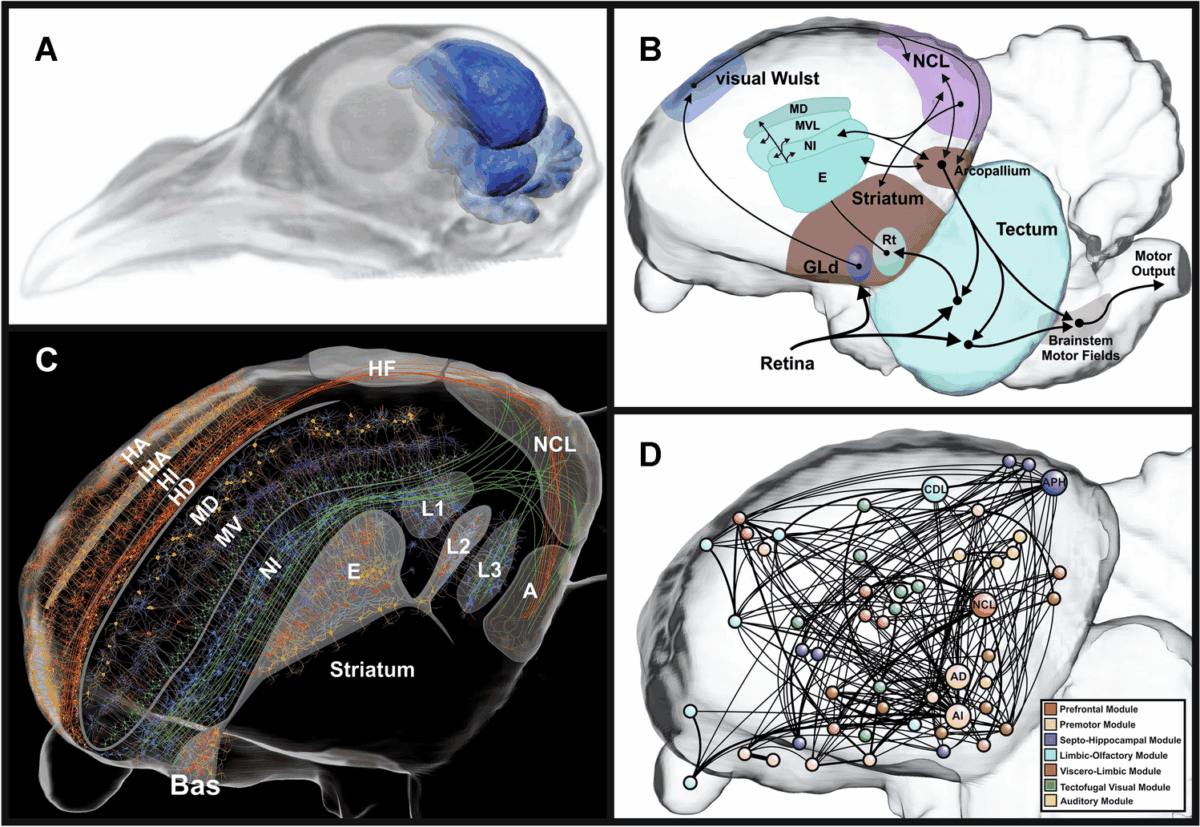
Despite having relatively small brains compared to mammals, parrots pack impressive neurological power into their compact craniums. The key to understanding parrot intelligence lies in their brain structure, particularly in a region called the nidopallium caudolaterale (NCL). This area is considered analogous to the mammalian prefrontal cortex—the brain region responsible for complex cognition, planning, and decision-making in humans. Research from neuroscientist Onur Güntürkün and colleagues has shown that parrots have neuron densities in these brain regions that are similar to those found in primates, despite their smaller overall brain size. In fact, some parrot species pack more neurons into their forebrains than monkeys with much larger brains. The medium-sized parrot brain contains about twice as many neurons as a similarly sized primate brain. This dense neural packing allows parrots to achieve remarkable cognitive feats despite their physical constraints, demonstrating that when it comes to intelligence, it’s not just brain size that matters but neural organization and efficiency.
The Social Intelligence Hypothesis

One compelling explanation for parrot intelligence is the Social Intelligence Hypothesis, which suggests that the cognitive demands of complex social living drove the evolution of advanced intelligence. Most parrot species are highly social, living in flocks that can range from family groups to enormous congregations of thousands of individuals. Within these social structures, parrots must recognize dozens or even hundreds of individuals, track complex relationships, form alliances, resolve conflicts, and coordinate group activities. Research by Irene Pepperberg with Alex the African Grey parrot demonstrated that these birds can understand complex social concepts like “same” and “different” and grasp rudimentary numerical concepts. The cognitive demands of navigating these intricate social worlds likely created selective pressure for enhanced intelligence. Parrots that could better understand and predict the behavior of others, communicate effectively, and manipulate social situations would have reproductive advantages, gradually leading to the evolution of more sophisticated cognitive abilities across generations of these remarkable birds.
Ecological Challenges and Dietary Adaptations
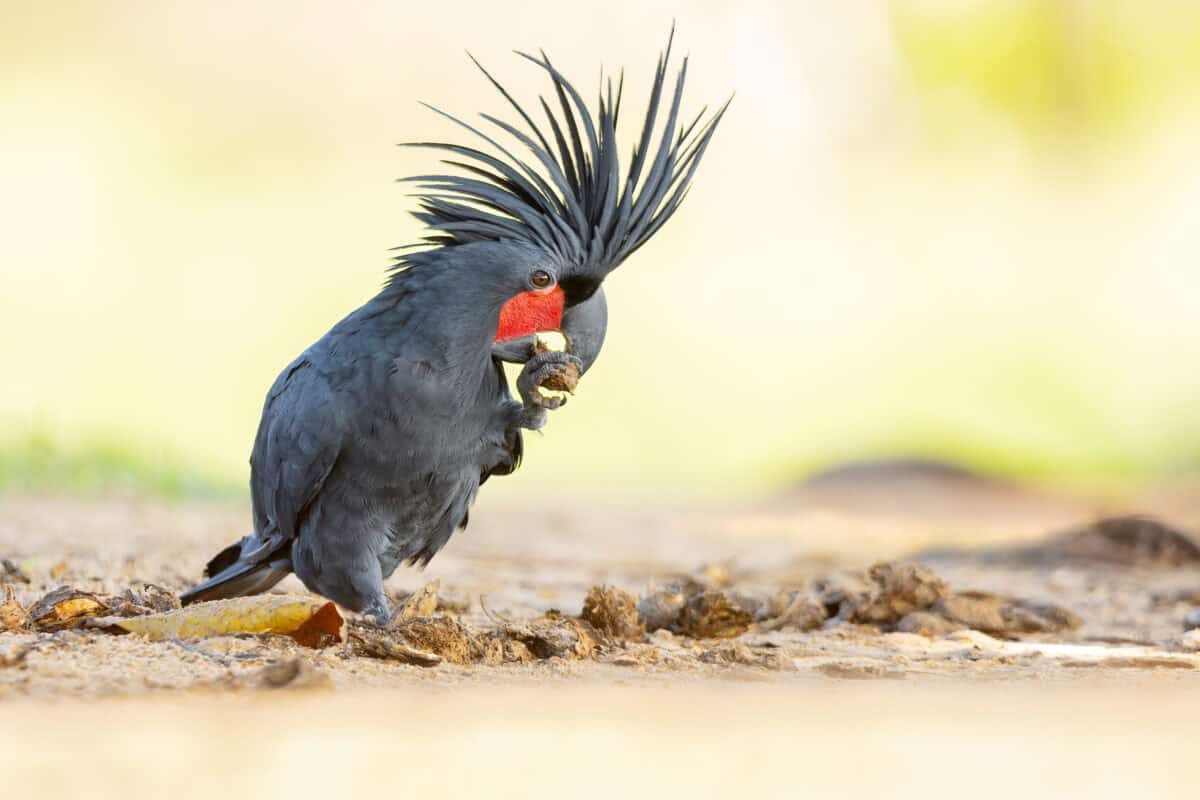
The ecological niches that parrots occupy have played a crucial role in shaping their intelligence. Many parrot species feed on a diverse array of foods, including nuts, seeds, fruits, nectar, and even insects. Extracting nutrition from these varied sources often requires solving complex physical problems—cracking tough nuts, manipulating fruits to access seeds, or extracting insects from bark. Field studies have documented wild keas (Nestor notabilis) in New Zealand solving multi-step problems to access food, while palm cockatoos (Probosciger aterrimus) in Australia use tools to amplify their drumming displays. The seasonal variability of food resources has also contributed to parrot intelligence. In many habitats, parrots must remember the locations of food sources across large territories and track when different foods become available throughout the year. This cognitive mapping requires sophisticated spatial memory and planning abilities. Additionally, some parrot species have evolved specialized feeding techniques that require learning and innovation, such as the brush-tipped tongues of lorikeets for collecting nectar or the powerful bills of macaws capable of cracking open the hardest nuts in the rainforest.
The Cognitive Benefits of Long Lifespans
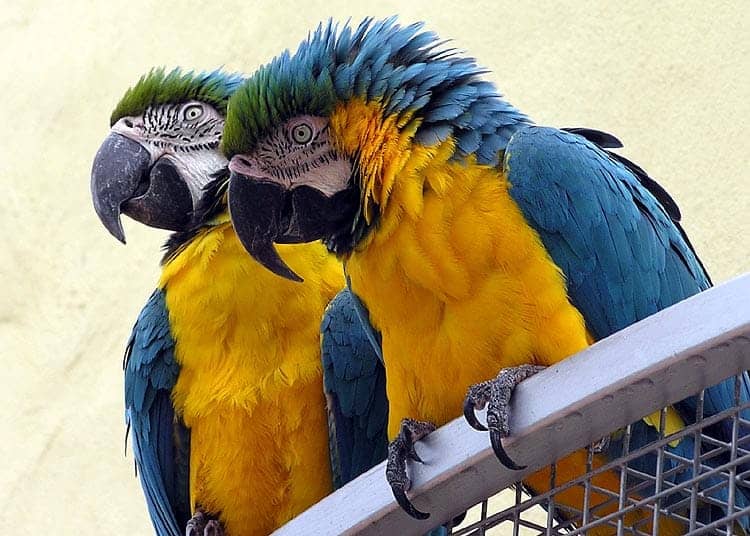
Parrots are among the longest-living birds, with many species regularly reaching 20-30 years in the wild and 50-80 years in captivity. Some large species like macaws and cockatoos can live well beyond 80 years. This exceptional longevity has important implications for the evolution of intelligence. Long-lived species benefit more from learning and flexibility than short-lived ones, as they have more time to accumulate knowledge and skills that can be applied over decades. The extended parrot lifespan also means they experience many environmental changes and challenges throughout their lives, favoring adaptable, intelligent individuals who can respond to novel situations. Additionally, long lifespans correlate with extended developmental periods, giving young parrots more time to learn complex skills from parents and flock members before reaching maturity. This combination of factors—long life, extended learning period, and value of accumulated knowledge—creates strong evolutionary pressure for enhanced cognitive abilities. Parrots’ impressive lifespans may therefore be both a cause and a consequence of their remarkable intelligence.
Vocal Learning and Brain Development

Parrots’ famous ability to mimic human speech represents just one aspect of their sophisticated vocal learning capabilities. Unlike most animals, which produce only innate vocalizations, parrots can learn new sounds throughout their lives. This vocal flexibility requires specialized neural circuitry that has important connections to overall cognitive development. Research by Erich Jarvis at Duke University has shown that vocal learning birds like parrots have specialized brain structures called “song nuclei” that are not found in non-vocal learning species. Interestingly, these structures show convergent evolution with speech-related brain regions in humans, despite the vast evolutionary distance between our species. The neural mechanisms that allow parrots to learn and produce complex vocalizations may have provided a foundation for other cognitive abilities as well. The process of learning vocalizations requires attention, memory, and social learning—all cognitive skills that can be applied to other domains. This creates a situation where selection for vocal learning capabilities may have indirectly enhanced general intelligence, helping explain why vocal mimics like parrots tend to excel in other cognitive domains as well.
Tool Use: The Hallmark of Advanced Cognition

Tool use has traditionally been considered a hallmark of advanced intelligence, once thought unique to humans and a few other mammals. However, research has revealed that several parrot species are accomplished tool users. Goffin’s cockatoos (Cacatua goffiniana) have demonstrated the ability to spontaneously craft tools from various materials to retrieve out-of-reach food. In laboratory settings, these birds have fashioned hooks, probes, and other implements without prior training or demonstration. Perhaps most impressively, research led by Alice Auersperg has shown that these cockatoos can solve sequential tool problems that require multiple steps and planning ahead. Similarly, New Caledonian crows and keas have been observed using and even manufacturing tools in the wild. What makes parrot tool use particularly notable is that, unlike primates who evolved hands that facilitate tool manipulation, parrots must use their beaks and feet in coordinated ways to accomplish these tasks. The emergence of tool use in species with such different physical structures from humans suggests that this cognitive ability has evolved independently multiple times, highlighting how ecological pressures can drive the development of similar cognitive solutions in distantly related species.
Self-Awareness and Mirror Recognition
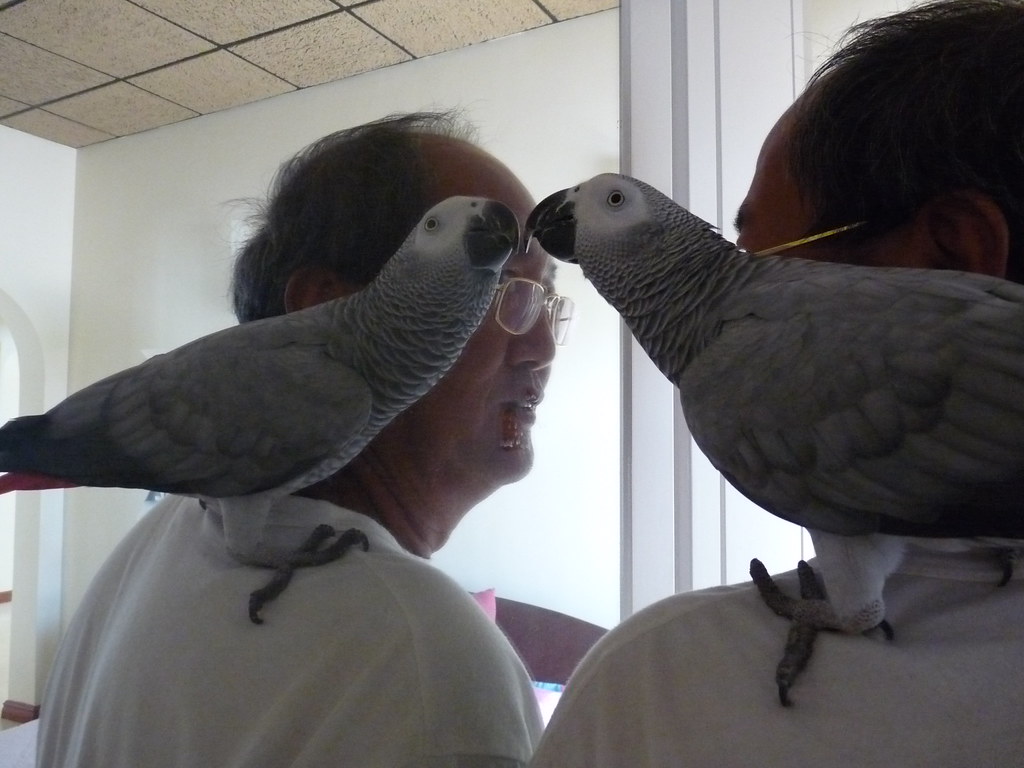
One of the most striking demonstrations of advanced cognition in parrots is their ability to recognize themselves in mirrors. The mirror self-recognition test, originally developed to assess self-awareness in primates, has been passed by only a handful of animal species, including great apes, elephants, dolphins, and—remarkably—some parrots. In these tests, researchers place a colored mark on an animal in a location they cannot normally see, then observe whether the animal uses a mirror to investigate the mark, indicating they understand the reflection represents themselves. African grey parrots have demonstrated this ability, suggesting they possess at least a rudimentary form of self-awareness. This cognitive feat requires a sophisticated understanding of the relationship between one’s own body and its representation, a capacity once thought unique to humans and our closest relatives. Beyond mirror tests, parrots also show evidence of metacognition—awareness of their own knowledge states. Studies by Irene Pepperberg showed that Alex the African grey parrot would say “I don’t know” when presented with questions he couldn’t answer, suggesting an awareness of the limits of his own knowledge—a sophisticated cognitive ability that reflects a degree of self-awareness rarely documented in non-human animals.
Numerical Cognition and Abstract Thinking

Parrots have demonstrated surprising mathematical abilities that reveal the depth of their abstract thinking. Alex the African grey parrot, studied by Dr. Irene Pepperberg, could identify quantities up to six, understand the concept of zero, and even perform simple addition. When shown collections of different objects, he could answer questions about how many items of a specific color or shape were present, demonstrating both counting abilities and categorical understanding. More recent research with other parrot species has confirmed these capabilities are not unique to Alex. Keas have been shown to understand probability and make predictions based on statistical information. These numerical abilities are significant because they require abstract conceptual thinking—the ability to move beyond concrete, immediate experiences to understand underlying patterns and relationships. The fact that parrots can grasp these concepts despite lacking the language-based counting systems humans use to develop mathematical thinking suggests they possess inherent cognitive architecture that supports quantitative reasoning. This capacity for abstract thought likely evolved to help parrots track resources, social relationships, and other environmentally important variables.
The Role of Play in Cognitive Development
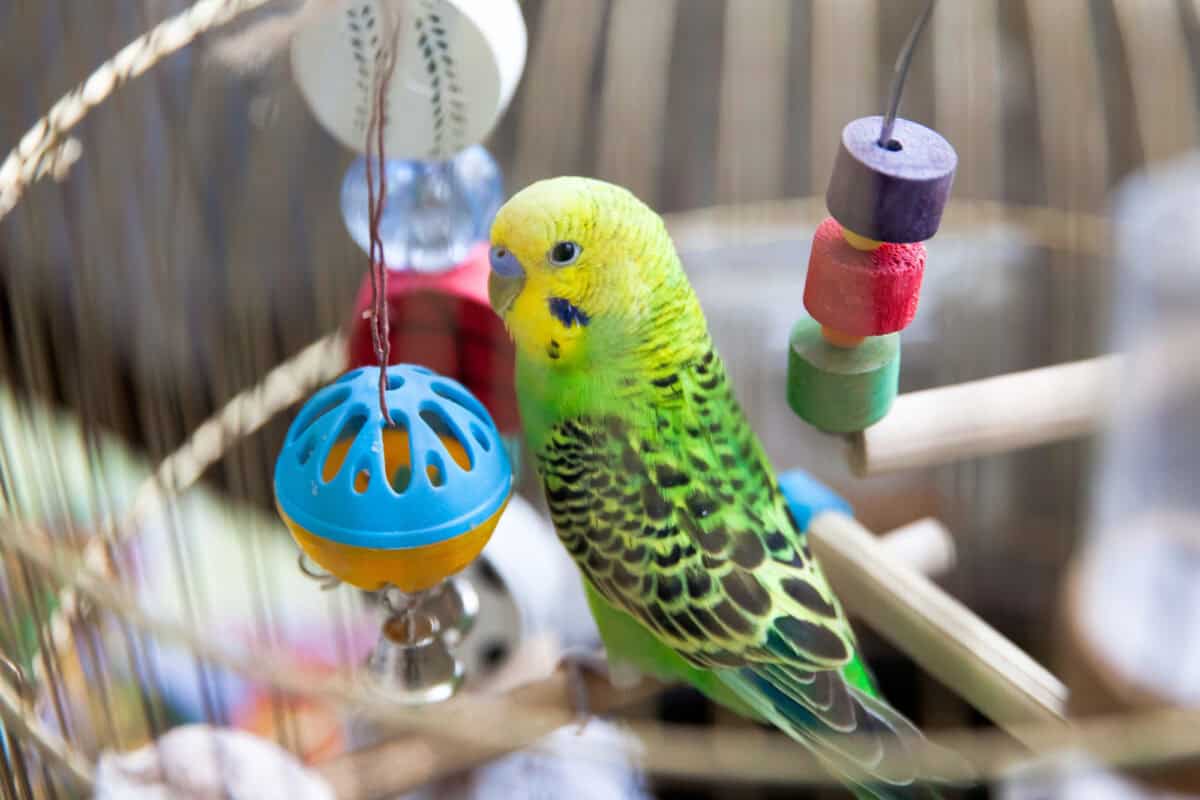
Playful behavior is widespread among parrots and serves a crucial role in their cognitive development. Young parrots engage in various forms of play, from object manipulation to acrobatic flight maneuvers to play-fighting with siblings. This playful behavior isn’t merely recreational—it represents a form of exploratory learning that helps develop problem-solving abilities and physical skills. Keas, the playful alpine parrots of New Zealand, are particularly renowned for their elaborate play behaviors. They engage in aerial games, manipulate objects collaboratively, and even play with non-parrot species including humans. Research by Raoul Schwing and colleagues has shown that keas even have a specific “play call” that induces playful behavior in other keas—similar to laughter in humans. This dedication to play throughout life, not just in childhood, suggests ongoing cognitive benefits. Play allows parrots to explore object properties, practice social interactions, and test different behavioral strategies in low-risk contexts. This experiential learning builds cognitive flexibility and innovative problem-solving abilities that can later be applied to real challenges. The extensive play behavior observed in the most intelligent parrot species suggests that play and cognitive evolution are deeply intertwined.
Cultural Transmission and Social Learning
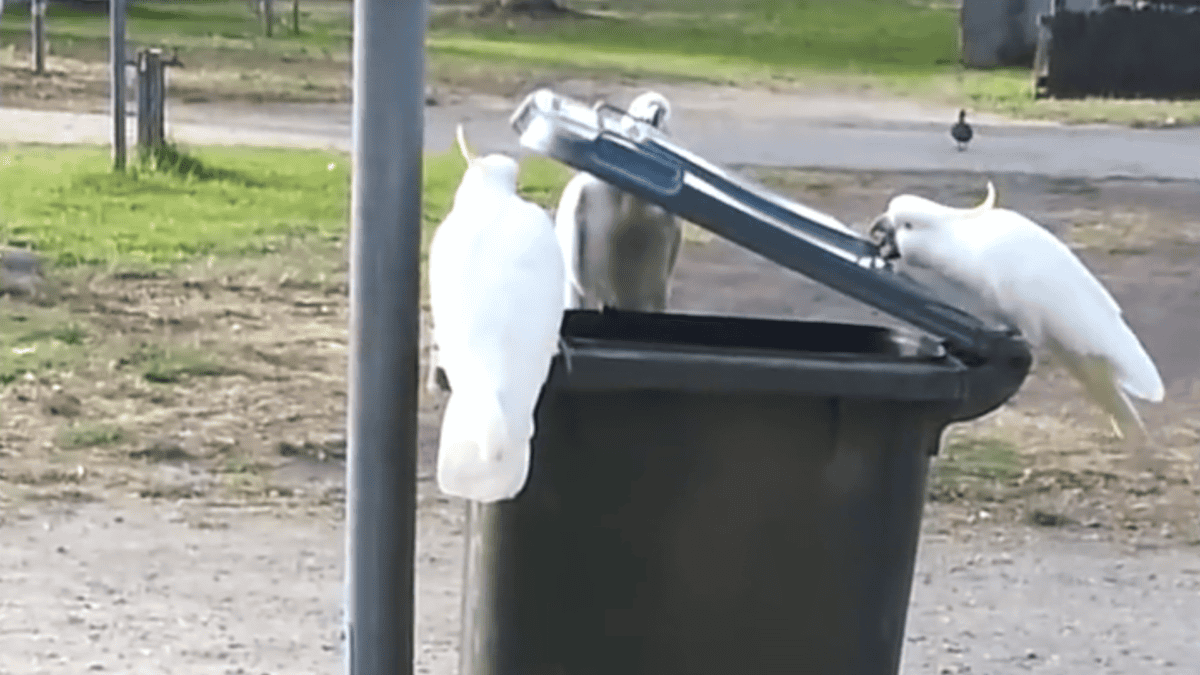
One of the most sophisticated aspects of parrot cognition is their capacity for cultural transmission—the ability to learn behaviors from others and pass them on across generations. This process, once thought unique to humans, has been documented in several parrot species. Wild sulphur-crested cockatoos in Sydney, Australia, have been observed learning bin-opening techniques from each other, with the behavior spreading through the population in patterns that can only be explained by social learning. Different “cultures” of bin-opening techniques have emerged in different neighborhoods, demonstrating how innovation can spread culturally among parrots. Similarly, studies of captive parrots show they can learn complex tasks by watching demonstrations from other birds or humans. This cultural transmission capability represents a powerful cognitive adaptation. It allows beneficial innovations to spread rapidly without each individual needing to discover solutions independently. It also creates a mechanism for cumulative culture—where innovations can build upon previous ones, potentially leading to increasingly sophisticated behaviors over time. The presence of cultural transmission in parrots suggests they possess several prerequisite cognitive abilities, including observational learning, imitation, and teaching—all hallmarks of advanced social intelligence.
Convergent Evolution with Primates

Perhaps the most fascinating aspect of parrot intelligence is that it represents a case of convergent evolution with primates. Despite being separated by over 300 million years of evolutionary history and having vastly different brain structures, parrots and primates have independently evolved remarkably similar cognitive abilities. Both groups excel at problem-solving, tool use, self-awareness, social learning, and vocal flexibility. This parallel evolution offers profound insights into the forces that drive cognitive development. Research by Emery and Clayton suggests that similar ecological and social pressures can lead to similar cognitive adaptations, even in distantly related species. Both parrots and primates tend to be long-lived, highly social, and dependent on varied diets that require extractive foraging techniques. Both groups also typically have extended developmental periods where young learn from parents and group members. These shared selection pressures appear to have shaped similar cognitive capabilities despite working with entirely different neural substrates. The convergent evolution between parrots and primates suggests there may be limited ways to construct advanced intelligence—certain cognitive abilities may represent optimal solutions to specific ecological and social challenges, explaining why they’ve evolved independently multiple times.
The remarkable intelligence of parrots represents one of evolution’s most impressive achievements—cognitive sophistication packaged in a relatively small brain that allows these birds to solve complex problems, communicate flexibly, learn from others, and adapt to changing environments. This intelligence didn’t emerge overnight but developed gradually over millions of years through the interplay of social pressures, ecological challenges, neurological adaptations, and life history traits. As we continue studying parrot cognition, we’re continually surprised by new discoveries about their capabilities, suggesting we may still be underestimating the depths of their intelligence. For conservation efforts, understanding parrot intelligence has important implications, as these cognitive abilities make them both more adaptable to some changes but also more vulnerable to others, particularly social disruptions and captivity stresses. The evolutionary story of parrot intelligence reminds us that remarkable minds can evolve in very different types of brains, challenging our assumptions about the biological requirements for complex cognition and suggesting that intelligence may be a more widespread phenomenon in the animal kingdom than we once believed.

- How Crickets Chirp Using Their Wings - July 20, 2026
- The Largest Sea Turtle Ever Rescued Off North Carolina - July 20, 2026
- The Ocean’s Escape Artist: Why Octopuses Outsmart Us All - July 20, 2026