


Throughout the tumultuous history of human conflict, animals have served as silent warriors, vital messengers, and loyal companions. While technological advancements dominate our understanding of military history, the contributions of animals—particularly pigeons, horses, and dogs—have repeatedly altered the trajectory of battles and wars. These animals didn’t merely participate in warfare; they fundamentally changed its course, saving countless lives and determining outcomes that shaped nations. From ancient battlefields to modern combat zones, their speed, strength, intelligence, and loyalty provided strategic advantages that no machine could replicate in their time. This article explores the remarkable ways these three species have influenced military history, highlighting specific battles, campaigns, and wars where their involvement proved decisive.
The Ancient Partnership: Horses in Early Warfare
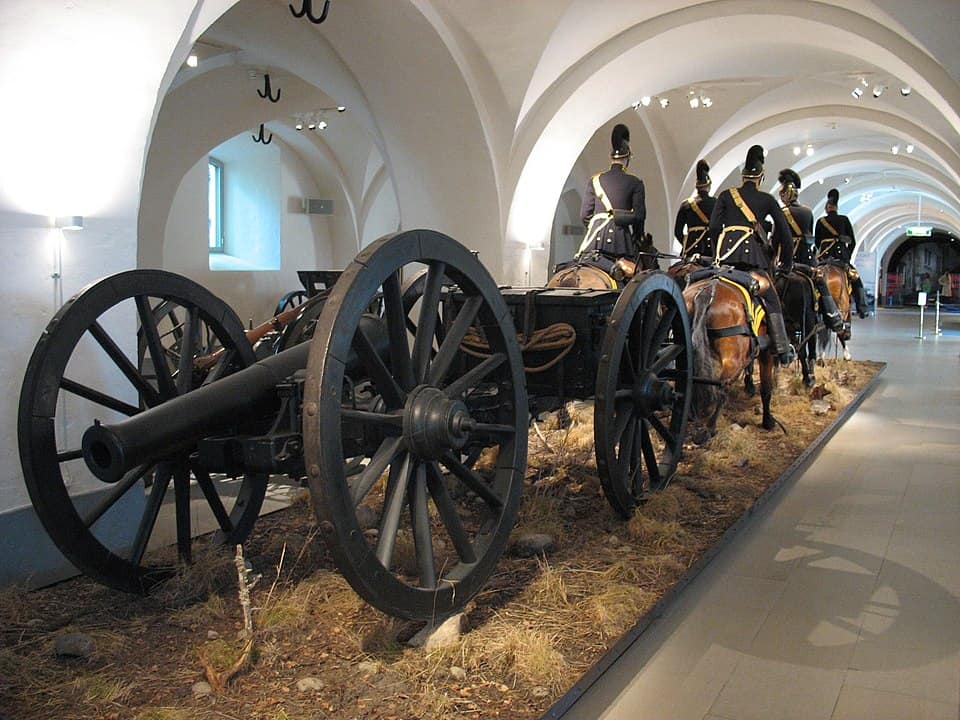
The domestication of horses around 4000-3000 BCE revolutionized warfare by introducing unprecedented mobility and striking power to ancient armies. The first true cavalry emerged around 900 BCE with the Assyrians, who developed specialized equipment and tactics. Horse-mounted warriors could cover vast distances quickly, execute lightning raids, and deliver devastating charges against infantry formations. The Persian Empire built much of its military might on superior horsemanship, while Alexander the Great’s legendary companion cavalry provided the mobile striking force that helped conquer much of the known world by 323 BCE. Perhaps most significantly, the Battle of Gaugamela in 331 BCE demonstrated how Alexander’s cavalry could exploit gaps in enemy lines, allowing him to defeat a numerically superior Persian force. This victory essentially ended the Achaemenid Empire and established Hellenistic dominance across the Middle East, fundamentally altering the course of ancient history.
Medieval Warhorses: The Living Tanks of Their Era
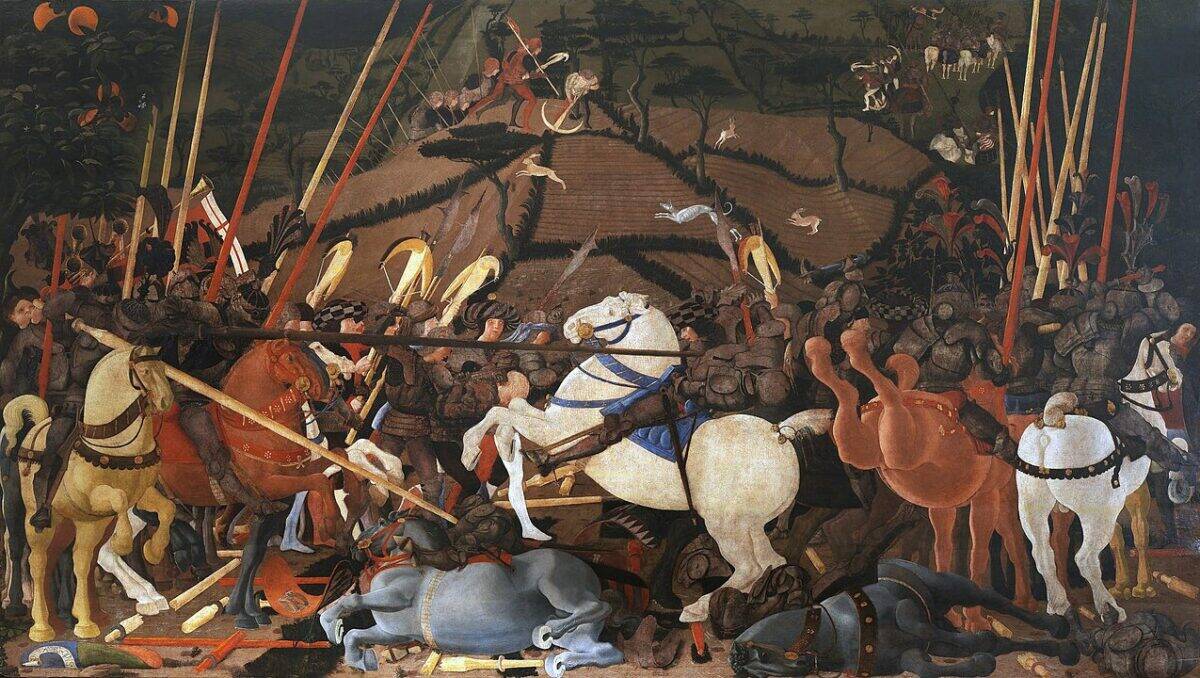
The medieval period saw the rise of heavily armored knights mounted on specially bred destriers—powerful horses trained for combat. These living tanks could carry over 300 pounds of armor and rider while maintaining the mobility necessary for battle. The decisive Norman victory at the Battle of Hastings in 1066 CE hinged on William the Conqueror’s cavalry, which executed feigned retreats to break the Anglo-Saxon shield wall. This single battle changed England’s history forever, replacing Anglo-Saxon rule with Norman dominance. By the 13th century, specialized breeding programs across Europe produced warhorses tailored to specific combat roles. Medieval warfare strategies evolved around these animals, with castles, field fortifications, and weapons all designed with mounted warriors in mind. Without these remarkable animals, medieval warfare would have been unrecognizable, and many pivotal battles would have had different outcomes—potentially rewriting the political map of Europe.
Horses in American Warfare: From the Revolution to the Civil War
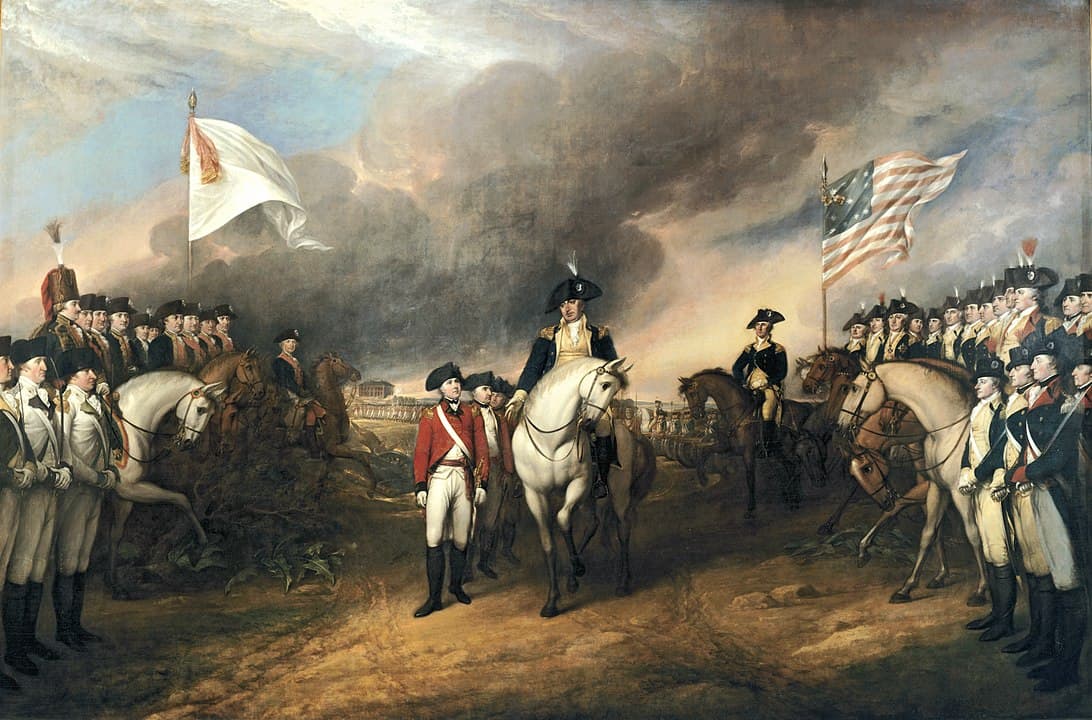
Horses played a critical role in the American Revolution, with George Washington personally emphasizing cavalry importance. The Continental Army’s mounted forces conducted crucial reconnaissance missions and harassed British supply lines. During the Civil War (1861-1865), cavalry reached new heights of strategic importance, with over one million horses perishing in the conflict. The Confederate cavalry under J.E.B. Stuart provided General Robert E. Lee with vital intelligence during early campaigns, contributing to Southern victories. Meanwhile, Union General Philip Sheridan’s cavalry campaigns in the Shenandoah Valley in 1864 destroyed Confederate agriculture and infrastructure, helping bring the war to a close. Perhaps most dramatically, at the Battle of Brandy Station in June 1863—the largest cavalry battle ever fought in North America—Union forces surprised the typically dominant Confederate cavalry, marking a turning point in Union cavalry effectiveness. This improvement in Union mounted forces helped secure critical intelligence advantages before major battles like Gettysburg, directly influencing the war’s outcome.
World War I: The Last Great Horse War
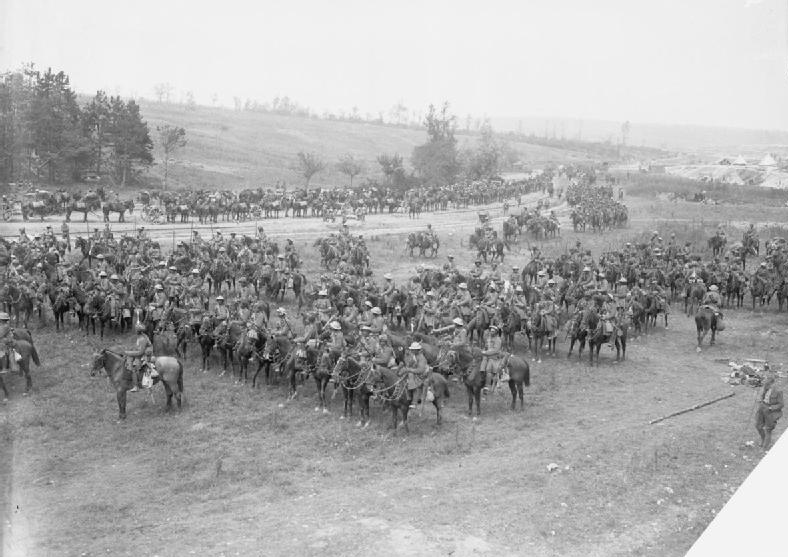
Despite the mechanization of warfare, World War I saw approximately eight million horses and mules deployed across all armies. These animals transported supplies, artillery, and wounded soldiers across terrain impassable to early motorized vehicles. The British Army alone lost over 484,000 horses—one for every two men killed. Australian Light Horse regiments conducted one of history’s last successful cavalry charges at the Battle of Beersheba in 1917, capturing crucial water wells in Palestine by surprising Turkish forces with a direct charge rather than dismounting as expected. This victory broke the Ottoman defensive line, helping to open the way for the British advance into Palestine and contributing to the eventual collapse of Ottoman power in the Middle East. Meanwhile, on the Eastern Front, cavalry remained effective in the more open terrain, with mounted units from both sides executing crucial reconnaissance and raiding operations that shaped major campaigns. Though tanks would eventually replace cavalry, horses provided the logistical backbone that sustained armies during this pivotal conflict.
Carrier Pigeons: Ancient Messengers of War

Humans have utilized pigeons’ remarkable homing abilities for military communication since ancient times. The Romans used pigeons to announce victory at the Gallic Wars, while Genghis Khan established a pigeon post system spanning his vast empire in the 13th century. These birds could fly up to 600 miles at speeds averaging 60-70 mph, making them faster than any human messenger. During the Siege of Paris in 1870-71 during the Franco-Prussian War, pigeons carried over one million messages into and out of the surrounded city. These birds flew through enemy lines, carrying microfilmed messages that maintained communication between isolated Paris and the outside world. Though the city eventually fell, these pigeons allowed for coordinated resistance and diplomatic negotiations that would have been impossible otherwise. The siege demonstrated pigeons’ value in modern warfare and led directly to the establishment of military pigeon services across Europe—services that would prove crucial decades later during the World Wars.
World War I’s Winged Heroes: Pigeons in the Trenches
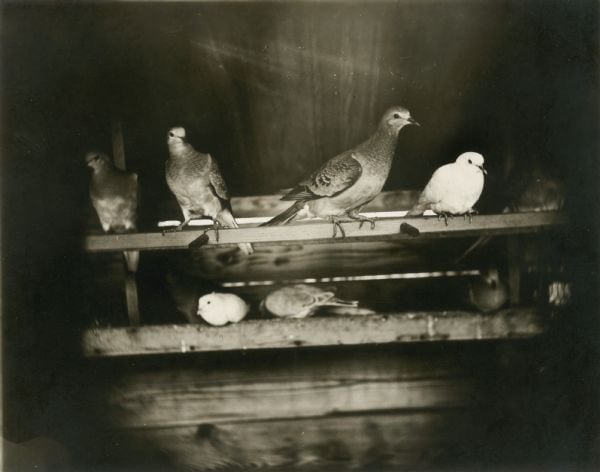
During World War I, armies deployed over 500,000 pigeons for battlefield communication when telephone lines were cut and radio communication remained unreliable. The birds delivered messages with a remarkable 98% success rate despite enemy fire, poison gas, and harsh weather conditions. Perhaps no pigeon better demonstrates their impact than Cher Ami, who saved the “Lost Battalion” of the 77th Infantry Division in October 1918. After American forces became trapped behind German lines in the Argonne Forest, surrounded American commanders sent multiple pigeons requesting assistance, but the birds were shot down by German fire. Their last bird, Cher Ami, was also hit but continued flying 25 miles in just 25 minutes, delivering a message that stopped friendly artillery fire that was falling on American positions. This single flight saved over 190 men and changed the course of the Meuse-Argonne Offensive, America’s largest and bloodiest operation of WWI. For such service, the French government awarded Cher Ami the Croix de Guerre with Palm, one of France’s highest military honors.
Pigeons in World War II: Operation and Intelligence Carriers
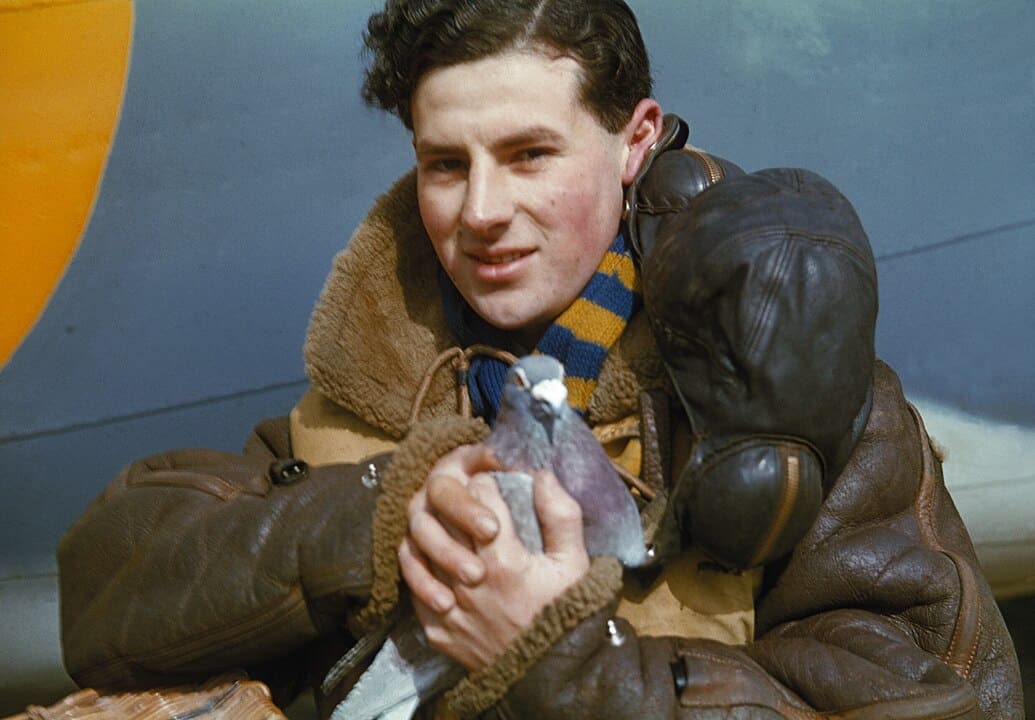
World War II saw pigeons reach their zenith as military assets, with both Allied and Axis forces utilizing over 200,000 birds. The UK’s National Pigeon Service enrolled 250,000 civilian pigeon fanciers to provide birds for military purposes. These pigeons proved invaluable during the D-Day landings when radio silence was necessary—birds like G.I. Joe delivered messages that prevented Allied bombing of recently captured Calvi Vecchia, Italy, saving over 1,000 British troops. On the intelligence front, British Operation Columba dropped pigeons in occupied Europe. Resistance fighters attached intelligence about German defenses to these birds, providing crucial information before the Normandy invasion. In one remarkable case, a Belgian priest sent 52 pages of detailed information about German fortifications via pigeon, directly influencing Allied planning. Meanwhile, the American pigeon “Jungle Joe” delivered 90 messages during the brutal fighting on New Guinea, including one that led to the rescue of 300 stranded soldiers. The Germans became so concerned about Allied pigeons that they trained falcons to intercept them—perhaps the best testament to these birds’ military significance.
War Dogs of Antiquity: From Ancient Battlefields to Medieval Wars
Military use of dogs dates back to ancient civilizations, with the Egyptians, Persians, Greeks, and Romans all deploying war dogs on battlefields. These ancient canine warriors wore spiked collars and sometimes armor, charging into enemy formations to break their cohesion before human soldiers engaged. At the Battle of Pelusium (525 BCE), Persian King Cambyses II defeated the Egyptians partially by placing dogs and other animals sacred to Egyptians at the front of his battle line, causing Egyptian soldiers to hesitate in their attacks. The Mastiff-type Molossian dogs of Epirus were particularly renowned, with King Pyrrhus using them against Roman forces. During the Middle Ages, knights employed large dogs both as camp guardians and battle companions. Spanish conquistadors later used war dogs with devastating effect against indigenous American populations, with dogs like Becerrillo and Leoncico becoming infamous for their ferocity during the conquest of the Caribbean islands. These early war dogs established a military partnership that would evolve significantly through the centuries, demonstrating canines’ versatility in combat situations.
Dogs in the World Wars: From Messengers to Medics
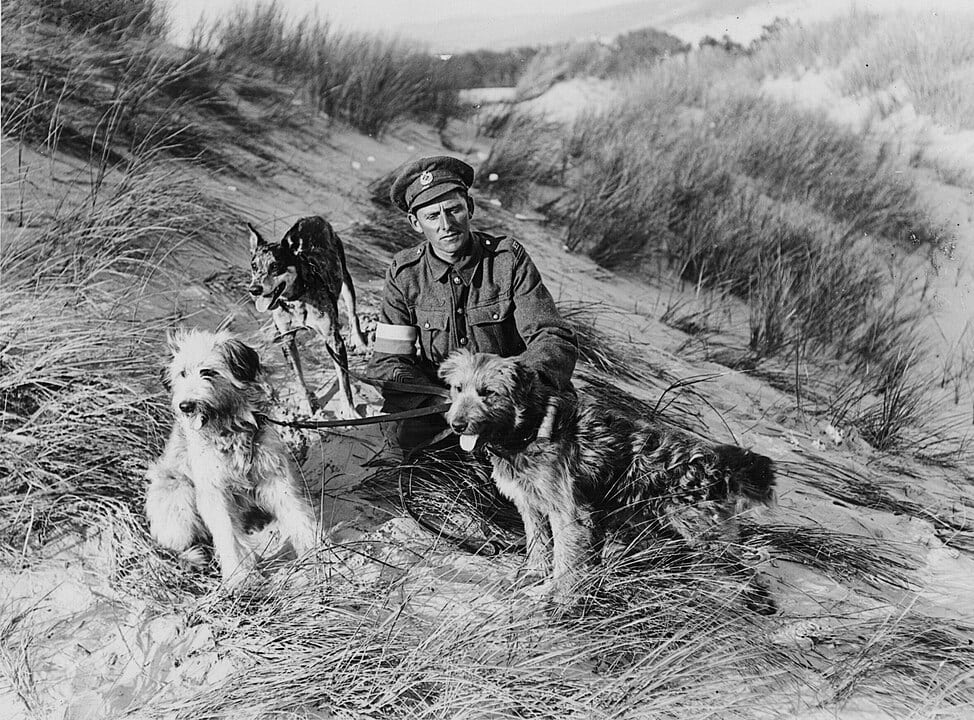
Both World Wars saw dogs serving in unprecedented numbers and varied roles. During World War I, all major combatants employed an estimated 50,000 dogs as messengers, sentries, and medical assistants. German messenger dogs carried critical communications across battlefields too dangerous for human runners, often delivering messages in half the time a person could. Perhaps the most famous WWI dog was Sergeant Stubby, an American pit bull mix who served in 17 battles, detected incoming gas attacks, located wounded soldiers, and even captured a German spy by detecting him behind Allied lines and holding him until American soldiers arrived. During World War II, the Soviet Union deployed anti-tank dogs trained to carry explosives under enemy tanks—a desperate measure that had mixed results but demonstrates the extreme measures taken to utilize dogs in combat. The United States Marines used dogs extensively in the Pacific Theater, where they detected Japanese ambushes and hidden cave positions during island-hopping campaigns. At the Battle of Guam in 1944, the Doberman Pinscher “Kurt” silently alerted to a large Japanese force preparing to ambush sleeping Marines, preventing what would have been a devastating surprise attack.
Modern Military Working Dogs: From Vietnam to Afghanistan
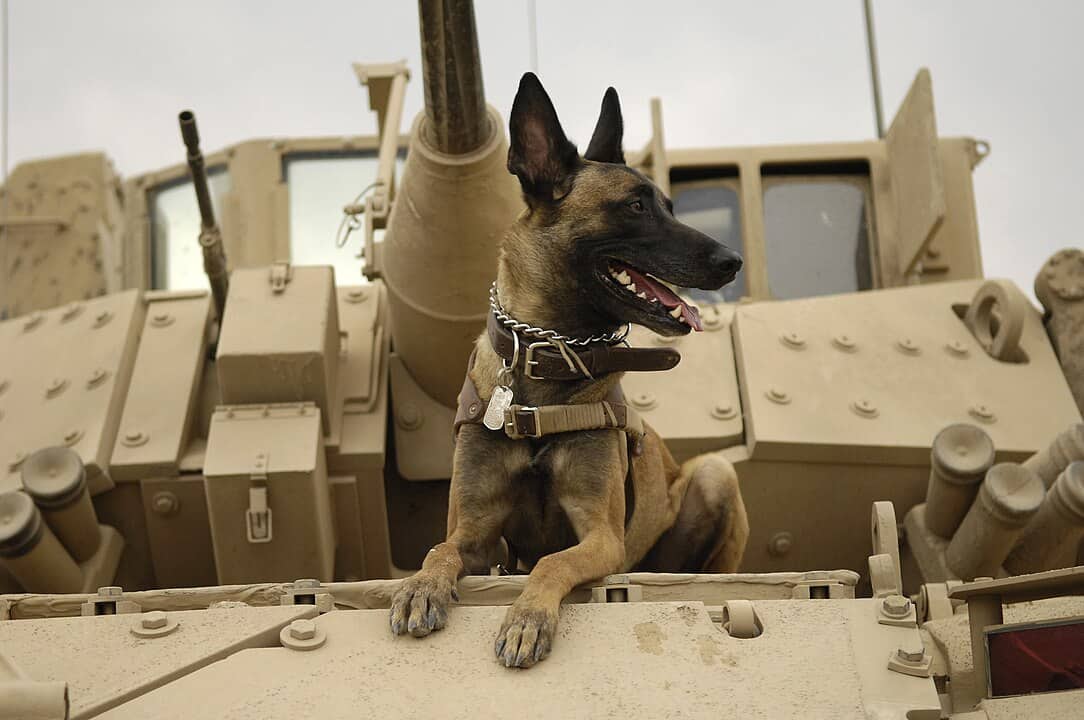
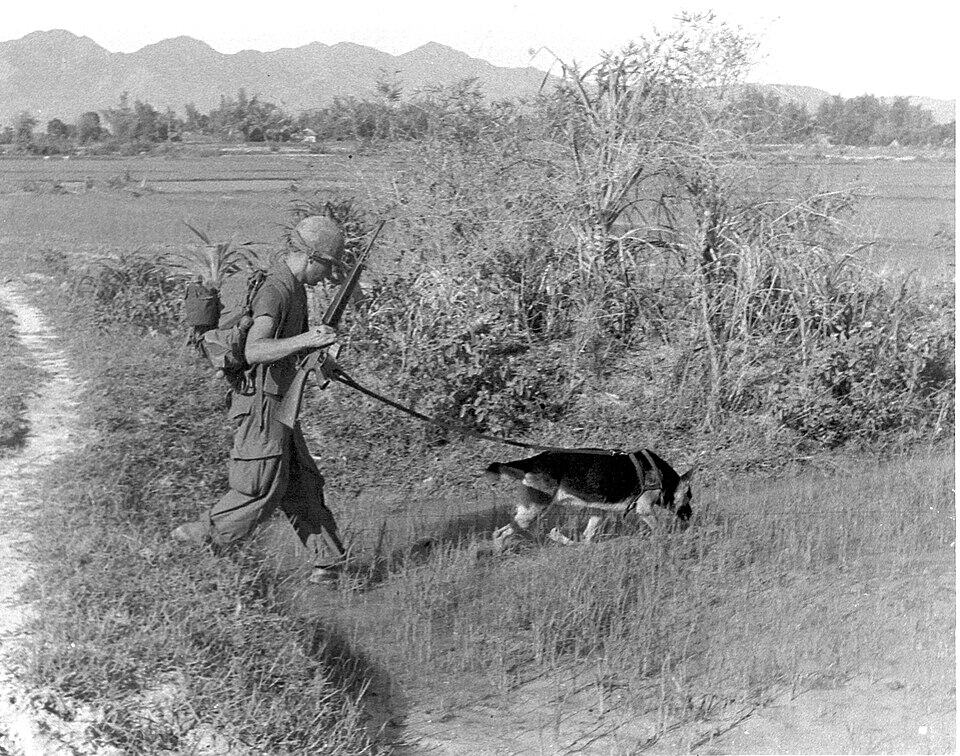
The Vietnam War marked a new era for military working dogs, with the United States deploying approximately 4,000 dogs that are credited with saving an estimated 10,000 American lives. Scout dogs led patrols, detecting ambushes, booby traps, and weapon caches that human soldiers could not perceive. The German Shepherd “Nemo A534” exemplified their value when, despite being wounded, he attacked Viet Cong infiltrators at Tan Son Nhut Air Base in 1966, allowing his also-wounded handler to call for reinforcements. Modern warfare has seen military dogs reach unprecedented levels of training sophistication and operational importance. During Operation Neptune Spear—the 2011 mission that killed Osama bin Laden—the Belgian Malinois “Cairo” secured the perimeter and searched for escape tunnels or hidden rooms. In Afghanistan and Iraq, specialized dogs have detected thousands of improvised explosive devices (IEDs), saving countless military and civilian lives. The Belgian Malinois “Bass” discovered 70 explosive devices in Pakistan and Afghanistan, while “Lucca,” a German Shepherd/Belgian Malinois mix, led over 400 missions without a single human casualty before losing her leg to an IED in 2012.
Unsung Heroes: The Psychological Impact of Animals in War
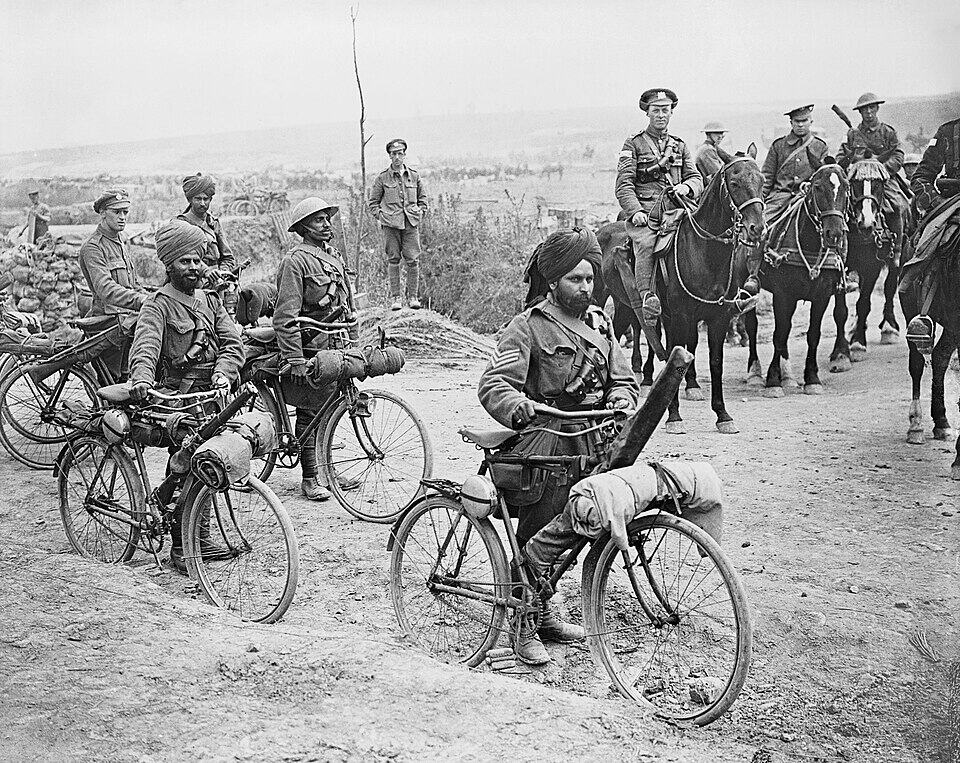
Beyond their tactical and strategic contributions, animals have provided critical psychological support to troops throughout military history. Horses offered companionship to cavalry soldiers during long campaigns, with many historical accounts describing the deep bonds formed between riders and mounts. During World War I’s hellish trench warfare, unit mascot dogs provided comfort and moments of normalcy for soldiers experiencing severe combat stress. Even carrier pigeons, though not typically considered companion animals, received names and developed reputations among the soldiers who depended on them, creating emotional connections that boosted morale. The psychological impact of these animals sometimes translated directly to military effectiveness. British WWI artillery horse teams maintained remarkable calm under fire because of the trust between horses and handlers. At the Battle of the Somme in 1916, despite catastrophic casualties, British horses allowed for continued artillery repositioning and supply movement when mechanical transport failed. Similarly, the presence of dogs in Vietnam-era long-range patrols not only provided tactical advantages but also reduced stress among patrol members, who reported feeling safer and more confident with canine team members—directly enhancing combat effectiveness and unit cohesion.
The Decline of Animal Warriors: Technology Replaces Four-Legged Allies
The 20th century witnessed the gradual replacement of animals in warfare as technology advanced. Motorized transport and tanks finally supplanted cavalry horses, with the last U.S. Cavalry horse charge occurring during the Philippines campaign in 1942. Great Britain’s last operational mounted cavalry unit, the Royal Scots Greys, surrendered their horses for tanks in 1941. Pigeons remained relevant longer than might be expected, with the U.S. Army maintaining an active pigeon corps until 1957 and British forces using them as late as the 1960s—primarily as backup communication systems in case of electronic warfare or nuclear attacks that might disable conventional communications. Military working dogs represent the only major category of war animals still extensively employed by modern armies, though even their roles have evolved from direct combat to specialized detection, tracking, and security functions. The development of drones has begun replacing dogs in some reconnaissance roles, while robotic systems are being tested for bomb detection duties. Nevertheless, dogs maintain significant advantages in adaptability and sensory capabilities that technology has yet to fully replicate. The Swiss Army officially closed its last carrier pigeon service in 1996, symbolically marking the end of an era for one of history’s most successful animal warriors.
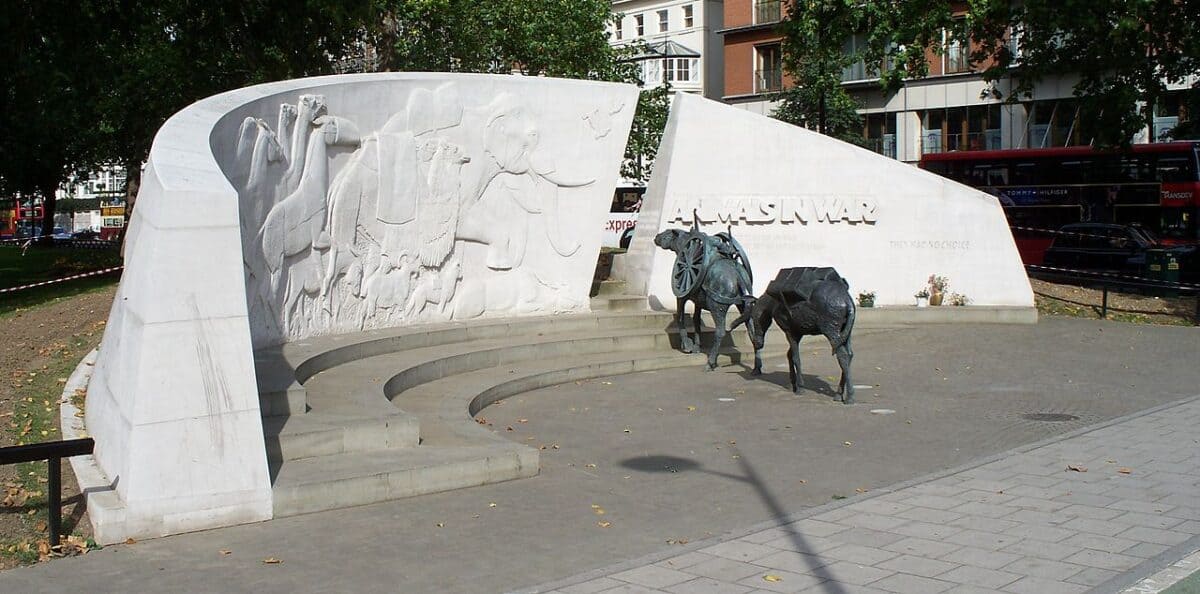
The strategic partnerships between humans and animals have repeatedly altered the course of military history in ways that deserve greater recognition. From the thundering cavalry charges that toppled empires to the humble pigeon flights that saved surrounded battalions, these animals did not merely participate in human conflicts—they fundamentally shaped their outcomes. Their contributions offer important lessons about the nature of warfare itself, demonstrating how factors beyond technology and human strategy—speed, instinct, loyalty, and sensory capabilities—can determine victory or defeat. Today, as military working dogs continue serving alongside human personnel in modern conflicts, they represent the continuation of an ancient tradition of interspecies cooperation under the most challenging circumstances imaginable. While technology has replaced many animal warriors, their legacy endures in military traditions, medals awarded for their service, and monuments erected in their honor—tributes to the millions of creatures who changed the course of wars and, by extension, the course of human history itself.

- Where to Catch a Glimpse of River Otters in the Wild - July 21, 2026
- Jurassic Park’s Most Inaccurate Dinosaurs - July 21, 2026
- How Sustainable Farming Protects Wildlife in Tea Regions - July 21, 2026