

When we imagine predators hunting in the wild, we often picture them targeting the weakest member of a herd—the old, the young, or the sick. While this classic ecological principle holds true in many cases, predator-prey dynamics are far more complex and fascinating than this simplified view suggests. Recent research has uncovered surprising factors that influence predation patterns, from subtle personality traits in prey to environmental conditions that shift hunting strategies. The choices predators make when selecting targets involve sophisticated cost-benefit analyses that balance energy expenditure, risk of injury, nutritional needs, and even social dynamics. Let’s explore the unexpected science behind how predators choose their prey and discover why these selection processes are critical to understanding ecosystem health and evolutionary biology.
The Myth of Simple Prey Selection

For decades, the ecological principle that predators target the weak, sick, or young has dominated our understanding of predator-prey relationships. This view—popularized by nature documentaries that show lions bringing down the slowest gazelle—is based on the sensible premise that predators seek to minimize effort and risk while maximizing caloric intake. While this principle remains valid in many hunting scenarios, modern research reveals that predator-prey interactions involve much more nuanced decision-making. Predators don’t always behave according to these simplified rules, and what might appear as random selection often involves complex assessment criteria that vary dramatically across species, habitats, and circumstances. Understanding these complexities not only provides a more accurate view of natural systems but also helps scientists better predict how ecosystems might respond to environmental changes.
Personality Matters: The Bold Die Young

One of the most surprising discoveries in predator-prey research is the significant role that prey personality plays in vulnerability. Studies across diverse species—from fish to mammals—have found that individual behavioral traits can dramatically influence predation risk. Bold, exploratory individuals often face higher predation rates than their shy, cautious counterparts. In one fascinating study of guppies, researchers found that individuals with more exploratory personalities were up to three times more likely to be captured by predators than their more cautious peers. This isn’t because these bold individuals are inherently weaker or slower—in fact, they’re often healthier—but because their behavioral tendencies lead them into riskier situations. This phenomenon, sometimes called “personality-dependent predation,” suggests that predators aren’t simply targeting physical weakness but are effectively exploiting behavioral patterns that make certain individuals more accessible targets regardless of their physical condition.
The Oddity Effect: Standing Out Is Dangerous
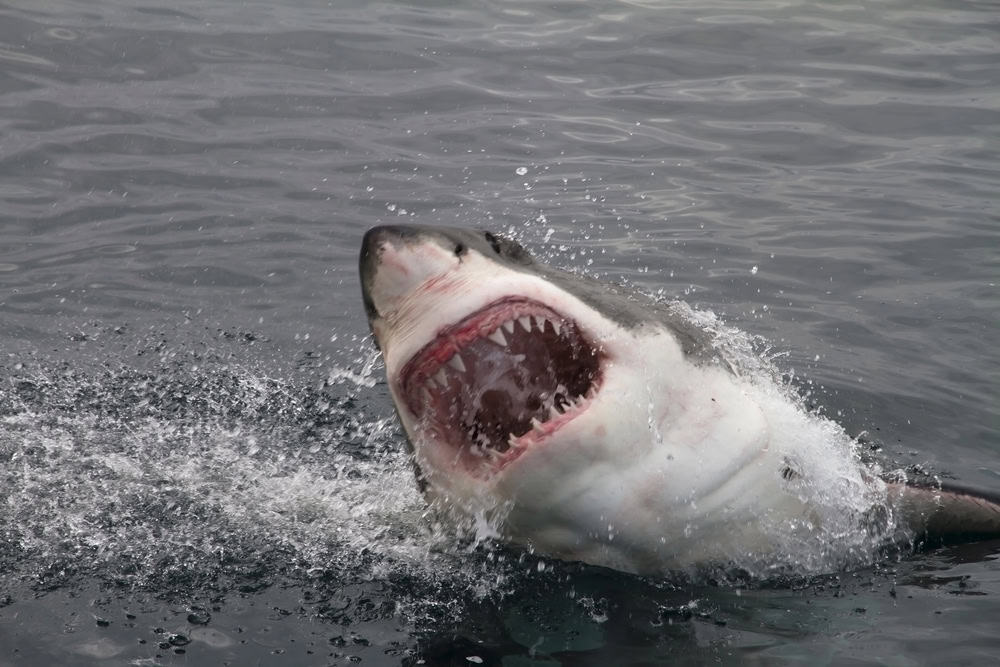
Predators often demonstrate a preference for individuals that stand out from the group—a phenomenon known as the “oddity effect.” This selection pattern explains why unusual coloration, size differences, or distinctive behaviors can increase an animal’s risk of predation. Fish predators, for example, have been observed preferentially targeting prey that differ in size or appearance from the majority of a school. This selection strategy isn’t driven by the prey’s weakness but rather by its distinctiveness, which makes it easier for the predator to focus on a single target amidst the confusing visual effects of a moving group. The oddity effect has profound evolutionary implications, as it creates selective pressure for uniformity within prey species and helps explain the remarkably synchronized movements and similar appearances we observe in groups like fish schools and bird flocks. It also reveals that predators’ cognitive abilities—their capacity to identify and focus on distinctive features—play a crucial role in prey selection beyond simple assessments of vulnerability.
Nutritional Wisdom: Predators as Dietary Specialists

Contrary to the view that predators simply maximize calories, research reveals that many predators make selections based on specific nutritional needs that vary throughout their lives. Studies of wolves, for instance, have shown that packs will sometimes bypass easily available prey in favor of species that provide specific nutrients they require at certain times. During breeding seasons, many predators seek prey with higher protein or fat content to support reproduction and offspring development. Marine predators like sea lions have been observed making different prey choices based on their physiological state—pregnant or nursing females often target prey with higher fat content than their non-breeding counterparts. This nutritional wisdom extends even to invertebrate predators; certain spiders adjust their prey selection to balance their intake of specific proteins and lipids. These findings suggest that predators possess sophisticated mechanisms for assessing the nutritional composition of potential prey and make choices that optimize not just energy intake but specific dietary requirements—a far cry from the simplistic view of opportunistic hunting.
Energy Economics: The Pursuit Calculus

Predators engage in sophisticated energy calculations when deciding whether to pursue potential prey—a process that researchers call “optimal foraging theory.” This decision-making involves weighing the energy likely to be gained from the prey against the energy required to catch it, plus the risk of injury or failure. What’s surprising is how quickly and accurately predators can make these calculations. Studies of cheetahs hunting gazelles reveal that they abandon approximately 50% of hunts that they initiate, often within seconds of beginning the chase. This isn’t random; cheetahs are assessing in real-time whether the pursuit is likely to succeed based on the prey’s speed, direction, and distance to cover. Similar patterns appear across predator species from birds of prey to marine hunters. Research on great white sharks shows they’re more likely to abandon attacks on seals that demonstrate high maneuverability early in the chase, conserving energy for more promising opportunities. These sophisticated energy economics challenge the notion that predation is primarily driven by opportunity and suggest instead that most predators are constantly performing complex cost-benefit analyses that influence their selection patterns.
Fear Factors: The Landscape of Fear

A revolutionary concept in predator-prey dynamics is the “landscape of fear”—the idea that prey animals’ perception of predation risk varies across their habitat, creating invisible terrain that shapes behavior and ultimately influences which individuals become victims. Researchers have documented how prey species modify their movement patterns, feeding behavior, and habitat use based on perceived predation risk, regardless of actual predator presence. This fear landscape creates scenarios where certain individuals become more vulnerable not because they’re physically weaker but because they’re forced by competition or necessity to use riskier areas. For example, studies of elk in Yellowstone show that lower-ranking individuals are often pushed into habitat edges with higher predation risk from wolves. The fascinating aspect of this dynamic is that predators learn to exploit these patterns, effectively “harvesting fear” by focusing hunting efforts on areas where prey animals are forced to accept greater risk. This interaction between fear, behavior, and predation creates a complex feedback loop that influences prey selection patterns in ways that go far beyond simple assessments of physical vulnerability.
The Experience Factor: Learning and Specialization
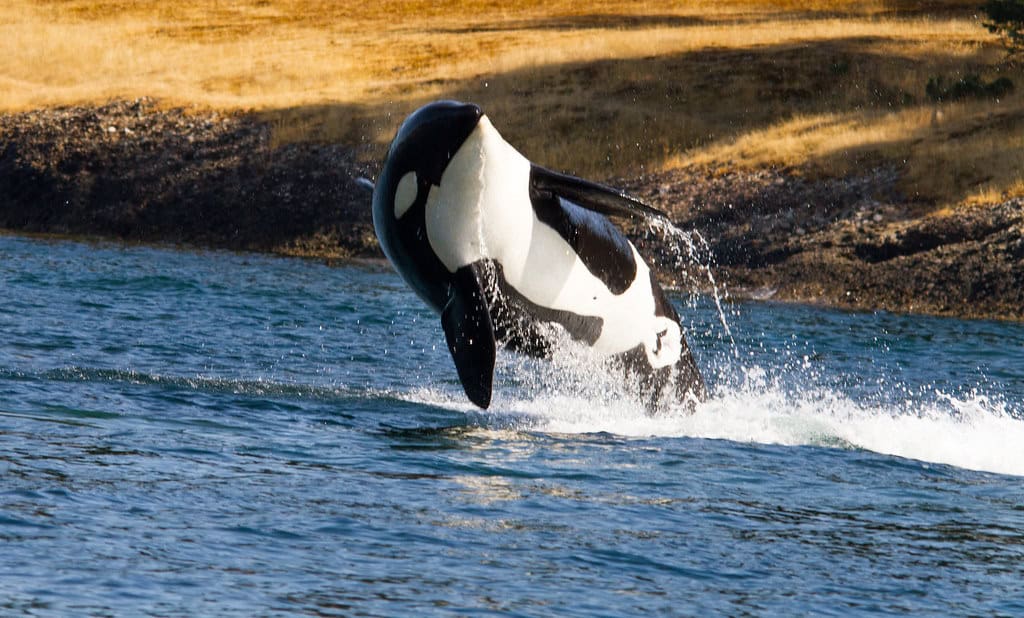
Individual predators often develop specialized hunting preferences based on their personal experiences, a factor that introduces significant variation in prey selection even within the same species. Research on various predators—from wolves to fishing birds—shows that individuals frequently specialize in particular prey types or hunting techniques based on their learning history. This specialization can be so pronounced that different members of the same predator population may have almost entirely different diets. A striking example comes from studies of killer whales, where some pods specialize exclusively in hunting marine mammals while others nearby feed solely on fish, with these preferences persisting across generations. Similar patterns have been observed in terrestrial predators; individual tigers and leopards often develop specific prey preferences that they maintain throughout their lives. This experience-based specialization means that predation pressure isn’t uniformly distributed across all potential prey individuals but is shaped by the collective learning histories of the predator community—a factor rarely considered in traditional models of predator-prey dynamics.
Group Dynamics: Social Influences on Prey Selection

For predators that hunt in groups, social factors substantially influence prey selection in ways that individual-based models fail to capture. Cooperative hunters like wolves, lions, and killer whales make collective decisions about which prey to target based not only on the prey’s characteristics but also on the composition and capabilities of their hunting group. Research on African wild dogs shows that larger packs preferentially target larger prey species than smaller groups would attempt, effectively expanding their dietary options through cooperation. Fascinatingly, studies of wolf packs reveal that the presence of younger, less experienced hunters often shifts prey selection toward less challenging targets, suggesting that groups adjust their hunting strategies based on the capabilities of their members. These social dynamics extend to learning as well; young predators in many species learn prey preferences from their social groups rather than developing them independently. This socially influenced selection process means that predation patterns can’t be fully understood by studying individual predator decision-making alone—group composition, social learning, and cooperative strategies all shape which prey individuals face the highest risk.
The Age Paradox: When Prime Adults Become Targets

Contrary to the conventional wisdom that predators primarily target the young and old, several studies have documented cases where predators preferentially select prime-aged adult prey. This counterintuitive pattern emerges particularly in seasonal or specialized hunting contexts. For example, research on wolf predation on moose in Isle Royale National Park has shown that during deep snow conditions, wolves sometimes preferentially target healthy adult moose rather than calves or elderly individuals. This occurs because the larger adults—despite their strength—sink deeper in snow due to their weight, creating a mobility disadvantage that wolves have evolved to exploit. Similar patterns have been observed with other predators that have specialized hunting techniques for particular prey types. Killer whales hunting gray whales will sometimes target healthy adult females rather than calves when specific hunting conditions favor this strategy. These examples illustrate that predator selection isn’t simply driven by targeting generic weakness but involves sophisticated assessment of situational advantages that can sometimes make otherwise strong individuals vulnerable under specific conditions.
Sensory Specialists: The Detection Game

The sensory systems of predators profoundly influence which prey individuals they detect and ultimately select—a factor that creates complex patterns in predation vulnerability independent of prey fitness. Different predator species rely on different combinations of vision, hearing, smell, electroreception, and vibration detection to locate potential prey. This sensory specialization means that prey traits unrelated to health or fitness often determine predation risk. For instance, research on bats hunting moths shows that certain moth species with particular wing structures are acoustically “invisible” to bat echolocation, making them far less likely to be detected regardless of their health or age. Similarly, studies of visual predators like birds of prey demonstrate that they more frequently capture prey with movement patterns that match their visual processing specializations. Even among mammalian predators, scent detection capabilities vary dramatically; some species can detect metabolic byproducts of stress or illness, allowing them to identify vulnerable individuals that show no outward signs of weakness. These sensory factors create a complex landscape of vulnerability where individuals may be at higher risk due to characteristics completely unrelated to their physical condition or behavior—a dimension of prey selection that challenges simplified models of predator preference.
Climate Change: Shifting the Selection Paradigm

Climate change is dramatically altering predator-prey dynamics and selection patterns across ecosystems in ways that reveal just how complex these relationships truly are. As temperatures rise and environmental conditions shift, the traditional rules of prey selection are being rewritten. For example, studies in marine ecosystems show that warming waters are changing the metabolic demands of predatory fish, altering both the quantity of prey they require and the types they select. In terrestrial systems, changing snow patterns affect the hunting success of predators like Canada lynx, shifting their prey selection toward different species or age classes as traditional hunting strategies become less effective. Drought conditions in many regions are concentrating prey around limited water sources, creating novel predation patterns where previously rare predator-prey interactions become common. Perhaps most concerning, climate-stressed ecosystems often see breakdowns in the synchrony between predator breeding cycles and prey availability, forcing predators to target non-preferred prey species or age classes they would typically avoid. These climate-induced shifts in selection patterns demonstrate that predator-prey relationships aren’t fixed evolutionary rules but dynamic interactions that respond to environmental conditions—with potentially cascading effects throughout food webs as selection pressures change.
Conclusion: Beyond the Simple Story

The science of predator prey selection reveals a world far more complex than the simplified stories we’ve traditionally told about nature’s hunters. While the tendency to target vulnerable individuals remains an important pattern, we now understand that predation is shaped by a remarkable diversity of factors: prey personality and behavior, nutritional needs, energy economics, learning and specialization, social dynamics, sensory capabilities, and environmental conditions. These nuanced selection processes have profound implications for how we understand and manage ecosystems. Conservation efforts that fail to account for these complex dynamics may miss important factors driving population changes in both predator and prey species. As our planet faces unprecedented environmental challenges, developing a more sophisticated understanding of these ecological relationships becomes increasingly critical. The next time you witness a predator in pursuit of prey—whether in nature or on screen—remember that you’re watching not a simple targeting of weakness, but the expression of an intricate ecological relationship shaped by millions of years of coevolution and adaptation.

- This Tiny Insect Can Survive in Outer Space—Here’s How - July 21, 2026
- Could the Tasmanian Tiger Be Brought Back to Life? - July 21, 2026
- Why You Should Never Approach a Sleeping Hippo - July 21, 2026