


For centuries, the relationship between ranchers and predators has been characterized by conflict. Livestock producers have traditionally viewed wolves, coyotes, bears, and mountain lions as threats to their livelihoods, resulting in lethal control methods that have driven some predator species to the brink of extinction. However, a paradigm shift is occurring across rangelands worldwide. Innovative ranchers, conservation organizations, and wildlife agencies are discovering that coexistence isn’t just possible—it can be beneficial for ecosystems, economies, and communities. This article explores the evolving relationship between ranchers and predators, highlighting the challenges, solutions, and success stories that demonstrate how humans and predators can share landscapes sustainably.
The Historical Conflict Between Ranchers and Predators

The antagonism between livestock producers and predators dates back to the earliest days of animal domestication. When humans began keeping sheep, cattle, and other livestock approximately 10,000 years ago, they simultaneously created an unnaturally concentrated food source that attracted wild predators. Early pastoralists responded by eliminating threats to their herds, establishing a pattern that would continue for millennia.
In North America, this conflict reached its peak in the late 19th and early 20th centuries. Government-sponsored predator eradication campaigns decimated wolf, grizzly bear, and mountain lion populations across the western United States. By the 1960s, gray wolves had been virtually eliminated from the lower 48 states, while other predator species saw dramatic range reductions. Similar patterns played out globally, from Europe to Australia, as livestock production expanded and predator populations contracted.
Understanding the True Economic Impact of Predation

While predator attacks on livestock do represent real economic losses for ranchers, research has revealed that these impacts are often less severe than traditionally perceived. According to USDA data, predators account for approximately 4% of cattle deaths in the United States, with disease, weather, and calving problems causing significantly more losses. For sheep producers, predation presents a more substantial challenge, accounting for about 20% of adult sheep deaths.
The perception of predator impact is often magnified by the emotional and psychological toll these losses take on ranchers. Discovering injured or killed livestock creates a visceral response that can lead to overestimating predation risks. Additionally, traditional accounting methods rarely factor in the ecological benefits predators provide, such as controlling disease-carrying rodent populations and preventing overgrazing by wild herbivores.
The Ecological Role of Predators in Healthy Ecosystems

Apex predators serve as keystone species that maintain ecological balance through trophic cascades—chains of interactions that affect multiple levels of an ecosystem. The reintroduction of wolves to Yellowstone National Park has become a textbook example of this phenomenon. After wolves returned in 1995, they not only controlled elk populations but changed elk behavior, reducing browsing pressure on riparian vegetation. This allowed aspen and willow communities to recover, which stabilized stream banks, created habitat for beavers, and improved conditions for fish and bird species.
For ranchers, these ecological benefits translate to tangible advantages. Healthy predator populations control mesopredators (mid-sized predators like coyotes) and maintain the balance of wild herbivores, potentially improving rangeland health. Research in Wyoming has shown that wolf presence can reduce coyote numbers, which may actually decrease overall predation on sheep since coyotes typically cause more sheep losses than wolves.
Non-Lethal Deterrent Methods: Guardian Animals

Among the most successful non-lethal predator management strategies is the use of guardian animals. Livestock guardian dogs (LGDs) have protected flocks for thousands of years across Europe and Asia. Breeds like the Great Pyrenees, Anatolian Shepherd, and Maremma have been selectively bred to bond with livestock and aggressively deter predators. Studies have shown that properly trained guardian dogs can reduce predation losses by 60-100% in many operations.
Beyond dogs, other guardian animals have proven effective in specific contexts. Donkeys and llamas possess natural aggression toward canids and can successfully protect smaller livestock operations from coyotes and dogs. In Africa, some communities are even utilizing specially trained guardian elephants to protect cattle from lions. The effectiveness of guardian animals varies based on predator species, terrain, and operation size, but they represent one of the most consistently successful and cost-effective deterrents available to ranchers.
Technological Solutions to Predator Conflicts

Technology is providing new tools for predator deterrence that were unimaginable a generation ago. Motion-activated lights, sound devices, and sprinkler systems create unexpected stimuli that can frighten predators away from livestock enclosures. More sophisticated systems include radio-activated guard (RAG) boxes that emit lights and sounds when they detect signals from radio-collared predators, providing targeted deterrence only when needed.
GPS tracking technology allows ranchers to monitor both predator movements and livestock locations. Companies like FitBark and Digitanimal offer GPS collars for livestock that send alerts when animals exhibit distress behaviors associated with predator encounters. Meanwhile, conservation organizations use similar technology to track predator movements and warn ranchers when wolves or other predators are near their operations. This “early warning system” approach gives producers time to implement additional protective measures before conflicts occur.
Adaptive Grazing Management Strategies

How and where livestock graze significantly influences vulnerability to predation. Progressive ranchers are implementing adaptive grazing strategies that mimic natural herd behaviors to reduce predator conflicts. Bunching cattle into tighter groups and frequently rotating them between pastures replicates the defensive formations wild ungulates use against predators. This approach not only reduces predation risk but often improves rangeland health by preventing overgrazing and allowing adequate recovery periods.
Timing grazing to avoid high-risk periods offers another management approach. For example, keeping livestock away from wolf den sites during pupping season or avoiding riparian areas when bears are focused on seasonal food sources like berries or spawning fish. Strategic timing of calving and lambing in protected areas also significantly reduces vulnerable newborn losses. Some ranchers have shifted to fall calving to avoid overlapping with predator denning seasons, when adult predators are hunting extensively to feed their young.
Range Riders and Human Presence as Deterrents
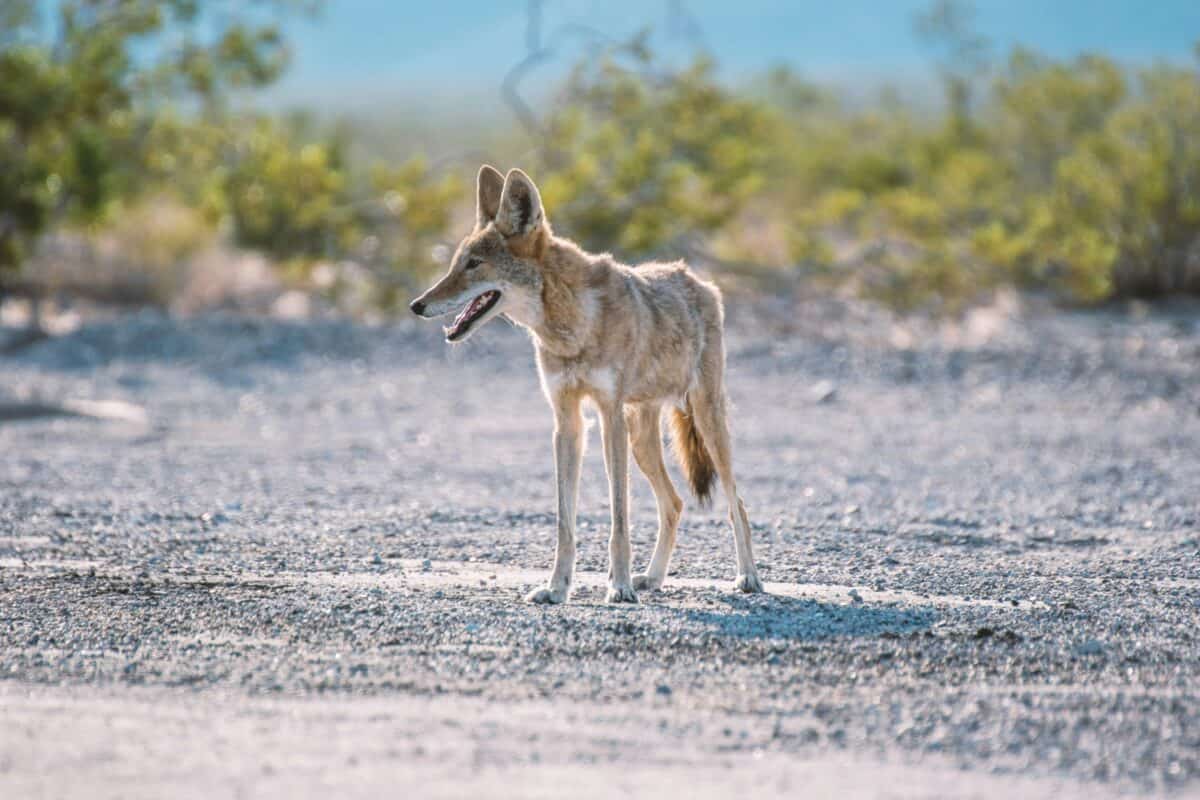
One of the oldest but most effective deterrents remains simple human presence. Modern “range riding” programs employ skilled horseback riders or motorized patrols to monitor livestock, detect predator activity, and intervene before conflicts occur. These riders not only deter predators but can identify and remove attractants like carcasses, sick animals, or afterbirth that might draw predators to grazing areas.
Organizations like the Working Circle Proactive Stewardship in California and the Tom Miner Basin Association in Montana have developed community-based range rider programs where costs are shared between ranchers, conservation groups, and government agencies. Data from these programs shows that consistent human presence can reduce predation by 90% or more in some areas. Beyond predator management, range riders often discover other issues like developing diseases or poisonous plants, providing additional value to ranching operations.
Compensation and Insurance Programs

Financial mechanisms help distribute the economic burden of occasional predator losses beyond individual ranchers. Government compensation programs exist in many regions where predator conservation is a priority, reimbursing producers for verified livestock losses. While these programs provide important financial relief, they often face challenges including complex verification requirements, delayed payments, and compensation rates that don’t reflect market values.
More innovative approaches include performance-based payments that reward ranchers for predator presence on their land rather than just compensating for losses. For example, in Sweden, Sami reindeer herders receive payments based on the number of wolverine and lynx litters documented in their grazing areas. This transforms predators from liabilities into assets, creating incentives for tolerance. Similarly, conservation organizations like Defenders of Wildlife have created programs that pay ranchers when wolves den successfully on or near their properties.
Community-Based Collaboration Models
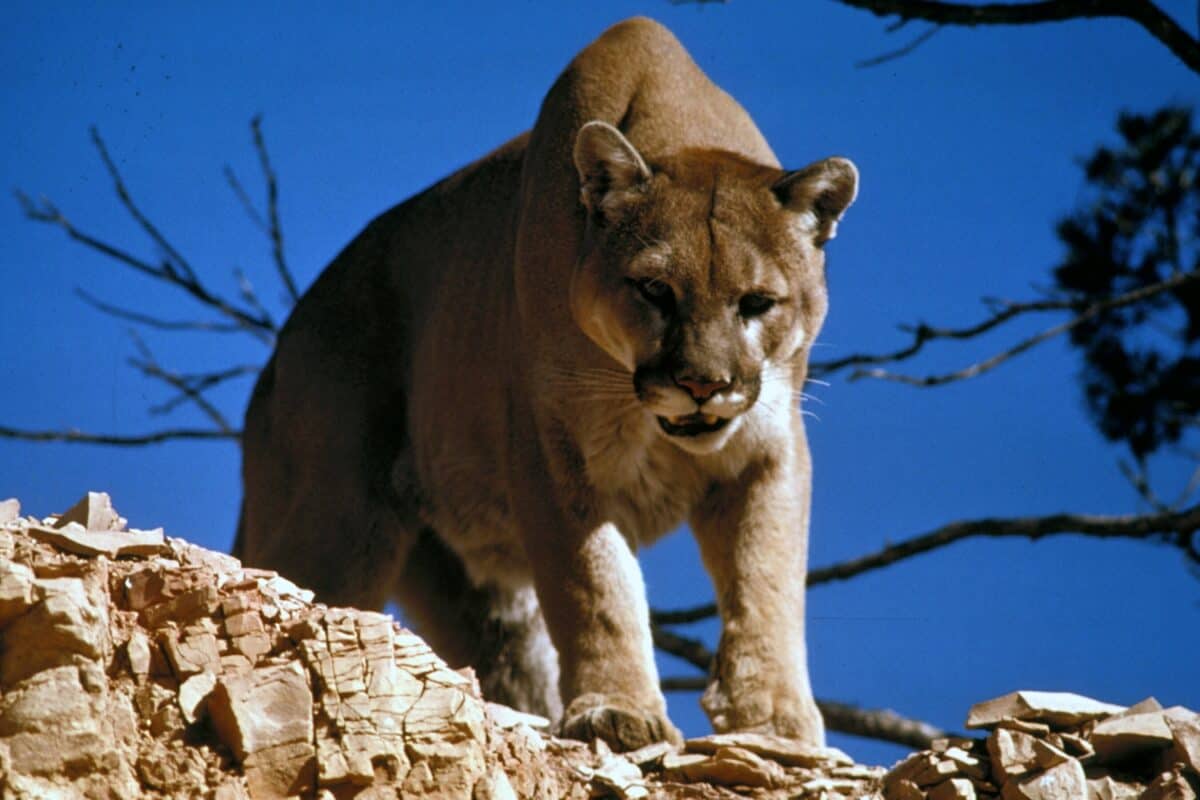
The most promising coexistence efforts often emerge from community-based collaborations that bring together diverse stakeholders. Organizations like the Blackfoot Challenge in Montana and the Wood River Wolf Project in Idaho demonstrate how ranchers, conservationists, scientists, and government agencies can develop locally tailored solutions that respect both livelihoods and wildlife.
These collaborations typically include shared monitoring efforts, communal resources like guard dogs or range riders, rapid response teams for conflict incidents, and ongoing adaptation of methods. The Blackfoot Challenge, for instance, reduced grizzly bear conflicts by over 90% through community coordination on carcass removal, electric fencing, and bear-resistant garbage containers. Such efforts build social cohesion around shared values of landscape stewardship rather than polarizing communities over predator management.
Certification and Market-Based Incentives
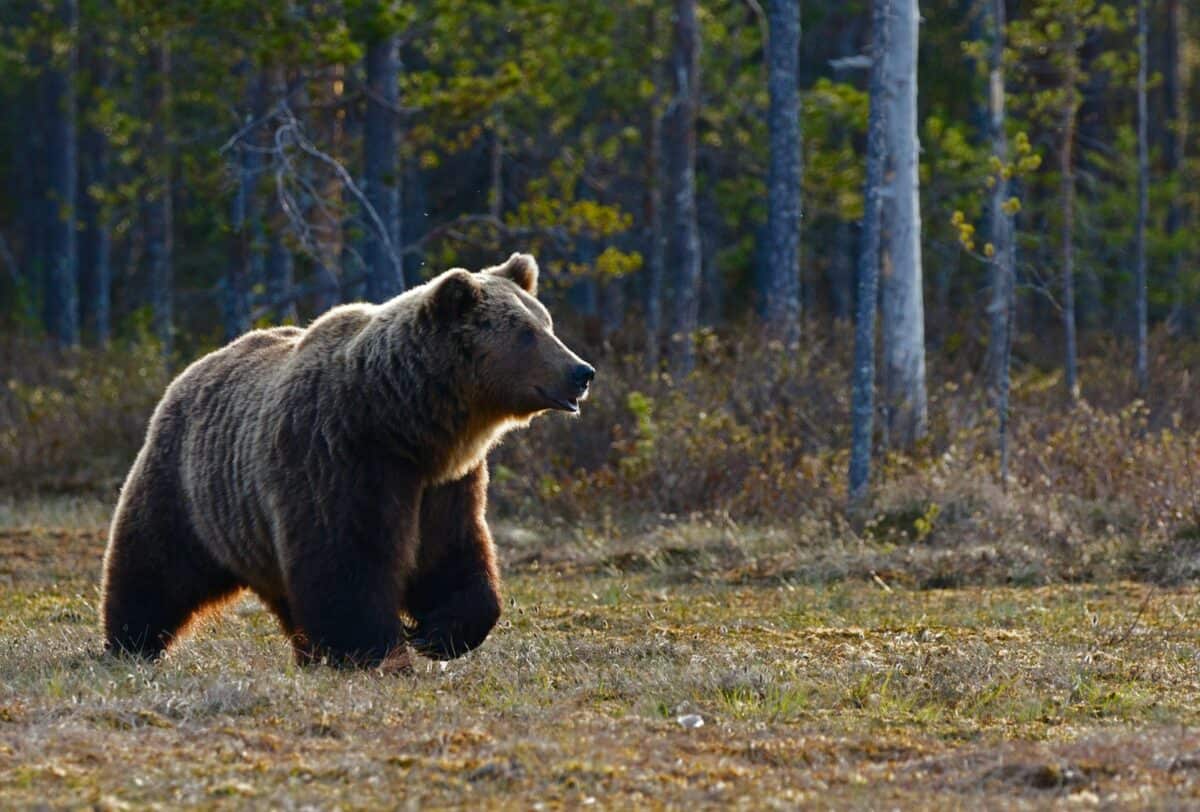
Market forces are increasingly rewarding wildlife-friendly ranching practices. Certification programs like Wildlife Friendly Enterprise Network and Predator Friendly® allow ranchers who use non-lethal management techniques to market their products to conservation-minded consumers willing to pay premium prices. Similarly, Country Natural Beef and other cooperatives include wildlife coexistence standards in their production protocols, creating market incentives for predator tolerance.
These approaches transform predator presence from a liability into a marketing asset. The American Prairie Reserve in Montana has developed a “Wild Sky” beef program that pays participating ranchers premiums for wildlife-friendly practices and additional bonuses when camera traps document predator species on their property. This innovative model directly monetizes biodiversity conservation while maintaining working landscapes.
Case Studies: Success Stories from Around the World
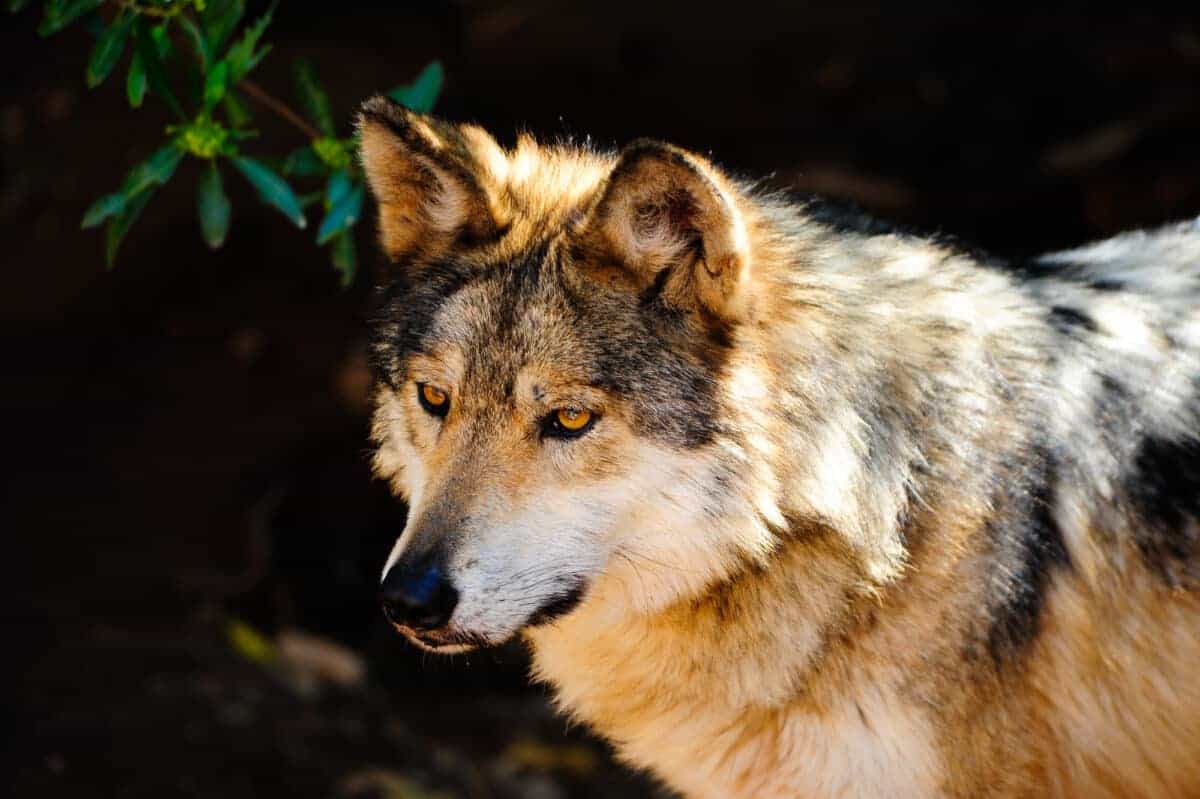
Remarkable coexistence successes have emerged globally, demonstrating that solutions can be adapted to diverse contexts. In Namibia’s communal conservancies, livestock losses to lions decreased by over 60% through a combination of improved herding practices, lion-proof corrals, and conservation payments that allow communities to benefit from wildlife tourism. This approach has transformed attitudes toward predators and increased lion populations in participating regions.
In the American Southwest, the Mexican Wolf/Livestock Coexistence Council brings together ranchers, conservationists, and tribal representatives to reduce conflicts with endangered Mexican gray wolves. Their strategic plan includes range riders, diversionary feeding during calving season, and compensation for verified losses. Participating ranches have seen dramatic reductions in predation while contributing to recovery of North America’s most endangered wolf subspecies.
Conclusion: The Future of Rancher-Predator Coexistence
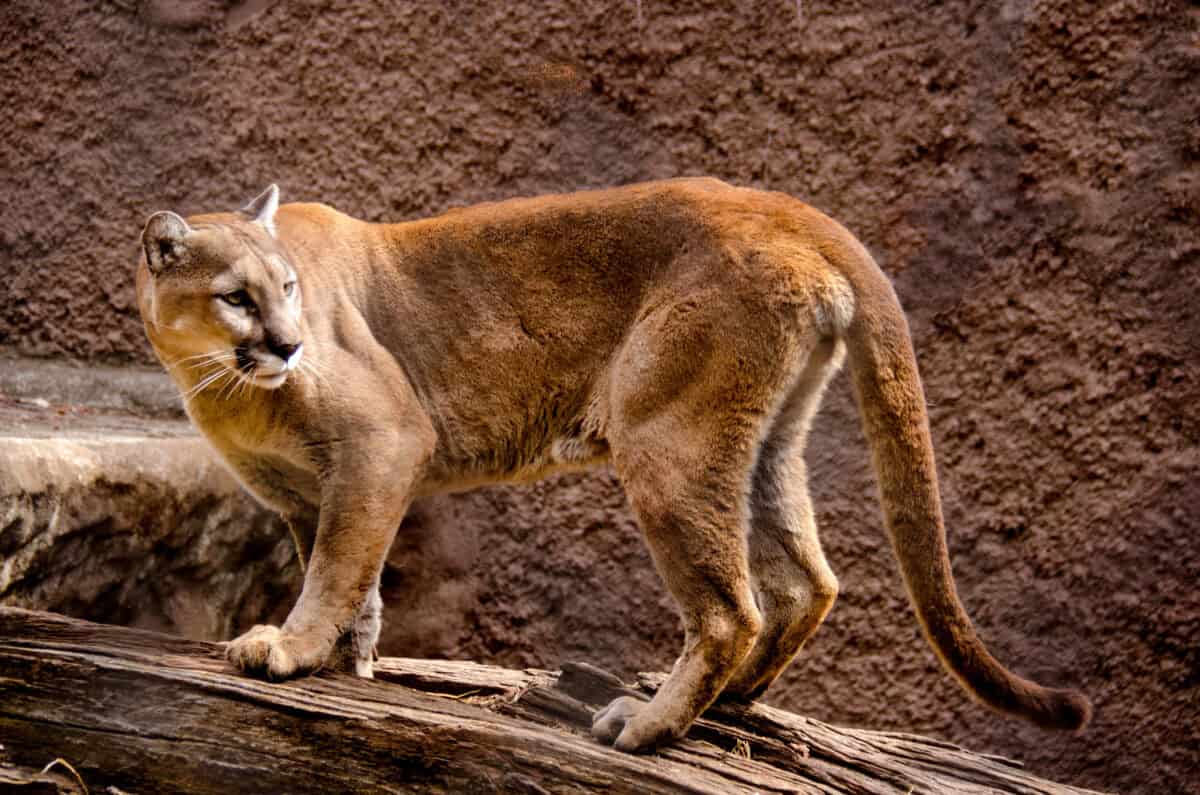
The evolving relationship between ranchers and predators represents one of conservation’s most promising frontiers. By replacing the outdated paradigm of elimination with innovative coexistence strategies, we can maintain both working landscapes and functioning ecosystems. The most successful approaches integrate traditional knowledge with modern science, respect the needs of both people and wildlife, and recognize that predators and livestock can share landscapes when properly managed.
The economic benefits of coexistence extend beyond reducing livestock losses to include ecosystem services, marketing opportunities, and the maintenance of cultural traditions. As climate change and habitat fragmentation increase pressures on both ranching and wildlife, collaborative approaches to predator management become increasingly vital.
For individual ranchers considering coexistence strategies, the most effective approach typically combines multiple methods tailored to local conditions, predator species, and operation characteristics. No single tool works in all situations, but the growing toolkit of non-lethal options offers solutions for nearly any context.
As we move forward, continued innovation, knowledge sharing, and community-based collaboration promise to further refine coexistence strategies, ensuring that both ranching traditions and predator populations remain vital parts of our landscapes for generations to come.

From exploring the marine wonders in the Azores and witnessing the vast savannas of Kenya, to delving deep into the rich biodiversity of South Africa and traversing iconic landscapes in Australia and the US like Yellowstone, Chris's experiences are vast.
With a penchant for diving alongside sharks, the ocean holds a special place in his heart.
Through his academic insights, he champions wildlife conservation, striving with 'Animals Around The Globe' to cultivate a profound connection between humans and animals, enhancing our mutual appreciation.
Connect with him at Feedback@animalsaroundtheglobe.com.
- This Monkey Has a Mustache - July 21, 2026
- How Steve Irwin Changed the World’s View of Wildlife - July 21, 2026
- The Catfish That Caused Earthquakes in Japanese Folklore - July 21, 2026