

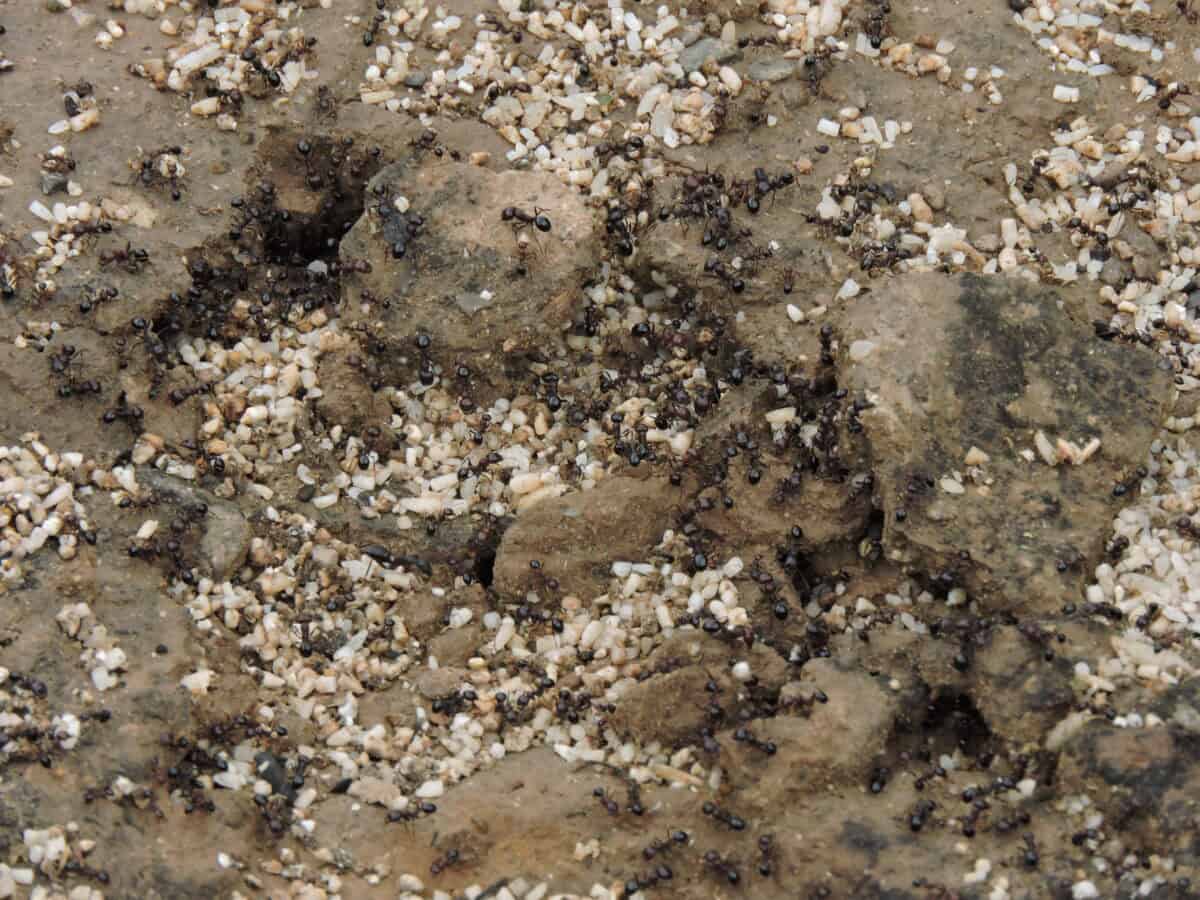
Deep beneath our feet, a marvel of natural engineering unfolds in intricate detail. Ant colonies represent some of the most complex and efficient architectural achievements in the animal kingdom. These tiny insects, through collective intelligence and remarkable communication systems, construct elaborate subterranean metropolises that can span hundreds of square feet and house millions of individuals. At the heart of this extraordinary feat lies a sophisticated chemical language – pheromone trails that guide, instruct, and coordinate the efforts of countless workers. This invisible infrastructure of scent serves as both blueprint and roadmap, enabling ants to create expansive underground networks of chambers, tunnels, and highways without any centralized planning. The story of how these minuscule creatures use chemical signals to build their massive cities reveals the elegant solutions evolution has crafted for collective problem-solving and offers fascinating insights into one of nature’s most successful social enterprises.
The Chemical Language of Ants
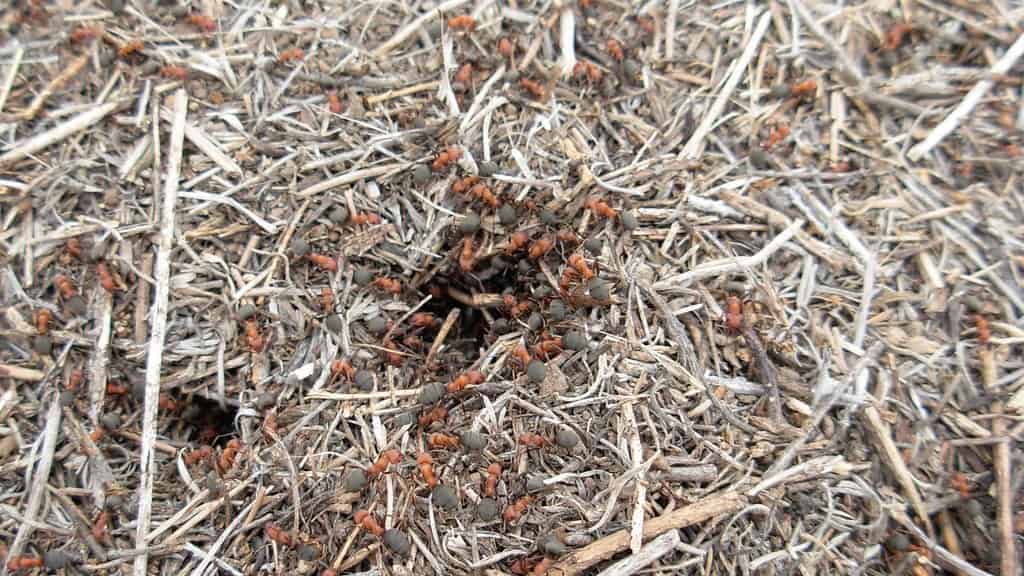
Ants communicate primarily through chemical signals called pheromones, creating a sophisticated olfactory language that guides colony activities. Each ant species possesses between 10-20 distinct pheromone compounds, each conveying specific messages from danger alerts to food location. These chemical messages are produced by specialized glands and detected by highly sensitive antennae that can distinguish minute concentration differences. Unlike human communication, which requires conscious processing, ants respond to pheromones instinctively, allowing for rapid, coordinated responses across thousands of individuals. This chemical communication system forms the foundation for all colony activities, including the massive architectural projects that create their underground cities. The precision of this system is remarkable – some ant species can follow pheromone trails that are diluted to just a few molecules, comparable to detecting a single drop of perfume in an Olympic-sized swimming pool.
Laying the Groundwork: Initial Excavation
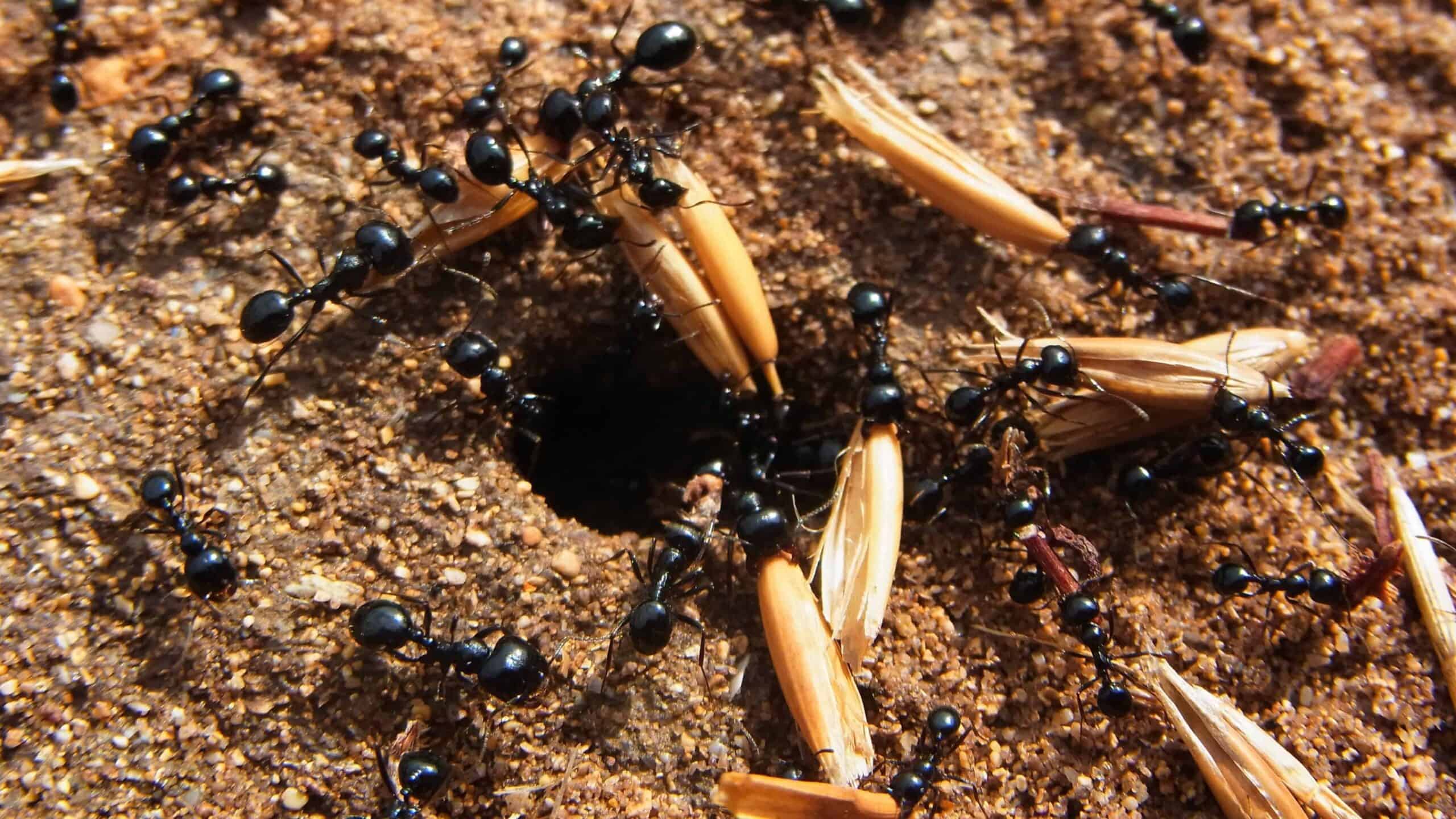
When establishing a new colony, the process begins with a fertilized queen ant digging a small initial chamber. After producing her first brood of worker ants, the systematic expansion of the nest commences. These pioneer workers follow the queen’s pheromone trails to understand where to dig, creating the first tunnels and chambers that will eventually grow into complex networks. As they excavate, workers continuously deposit trail pheromones that mark successful paths and areas for expansion. Studies have shown that these initial trails contain higher concentrations of specific pheromones compared to later maintenance trails, signaling the priority of these routes. The excavation process follows remarkable efficiency principles—ants remove soil particles up to four times their body weight, carrying them along pheromone-marked exit routes to designated disposal areas. This initial groundwork establishes the fundamental blueprint of the colony, with pheromone concentrations creating a chemical map that guides all subsequent construction efforts.
The Role of Trail Pheromones in Spatial Organization
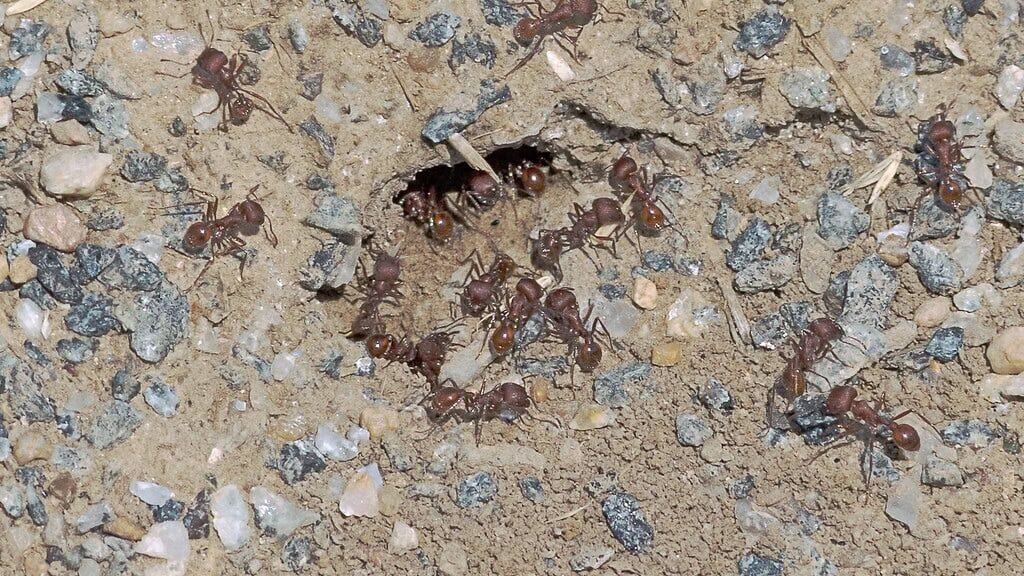
Ants use different concentrations and combinations of trail pheromones to create a sophisticated spatial organization system within their colonies. Research has identified that these chemical markers help designate specific functional zones—from brood chambers and food storage areas to waste disposal sites and royal chambers. The brilliance of this system lies in its self-organizing nature; no individual ant comprehends the overall colony design, yet collectively they create highly organized structures. Stronger pheromone concentrations mark major thoroughfares and critical chambers, while secondary pathways receive lighter chemical marking. This chemical gradient creates a prioritization system that ensures the most important colony areas receive the most traffic and maintenance. Some ant species, like leaf-cutters, even use different pheromone blends to mark chambers with specific environmental conditions, allowing them to cultivate their fungal gardens in precisely controlled microclimates. This invisible but highly structured chemical architecture guides the physical architecture of the colony, enabling millions of individuals to navigate and maintain their complex underground city.
Collective Decision-Making Through Chemical Democracy
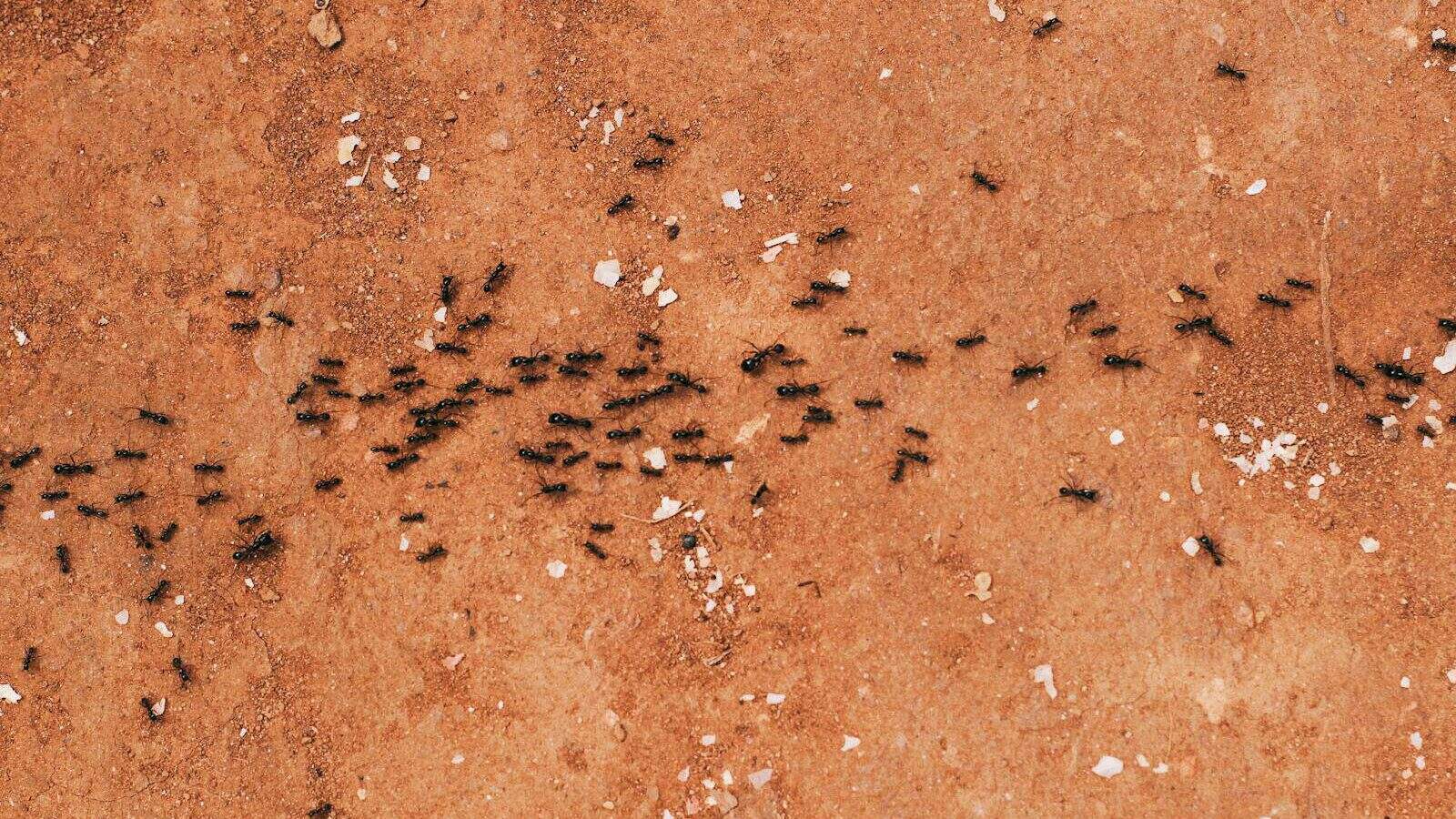
The construction of ant colonies represents one of nature’s most impressive examples of decentralized decision-making. When determining where to expand or which tunnels to reinforce, ants engage in what scientists call “chemical democracy”—a voting system based on pheromone deposition. Initially, scout ants explore potential expansion areas and lay different pheromone trails back to established areas. As more workers follow these trails, they reinforce successful paths with additional pheromones while less optimal routes receive less chemical reinforcement and gradually fade. This positive feedback mechanism ensures that the most efficient pathways and suitable expansion areas naturally accumulate stronger chemical signals, effectively “winning” the colony’s attention and resources. Research at Arizona State University demonstrated that when presented with multiple potential nest sites, harvester ant colonies consistently select optimal locations through this chemical voting process, with accuracy rates exceeding 90%. This system allows colonies to adapt their architecture to changing environmental conditions without any centralized control, creating living structures that respond dynamically to the colony’s needs.
Engineering Marvels: Ventilation and Climate Control
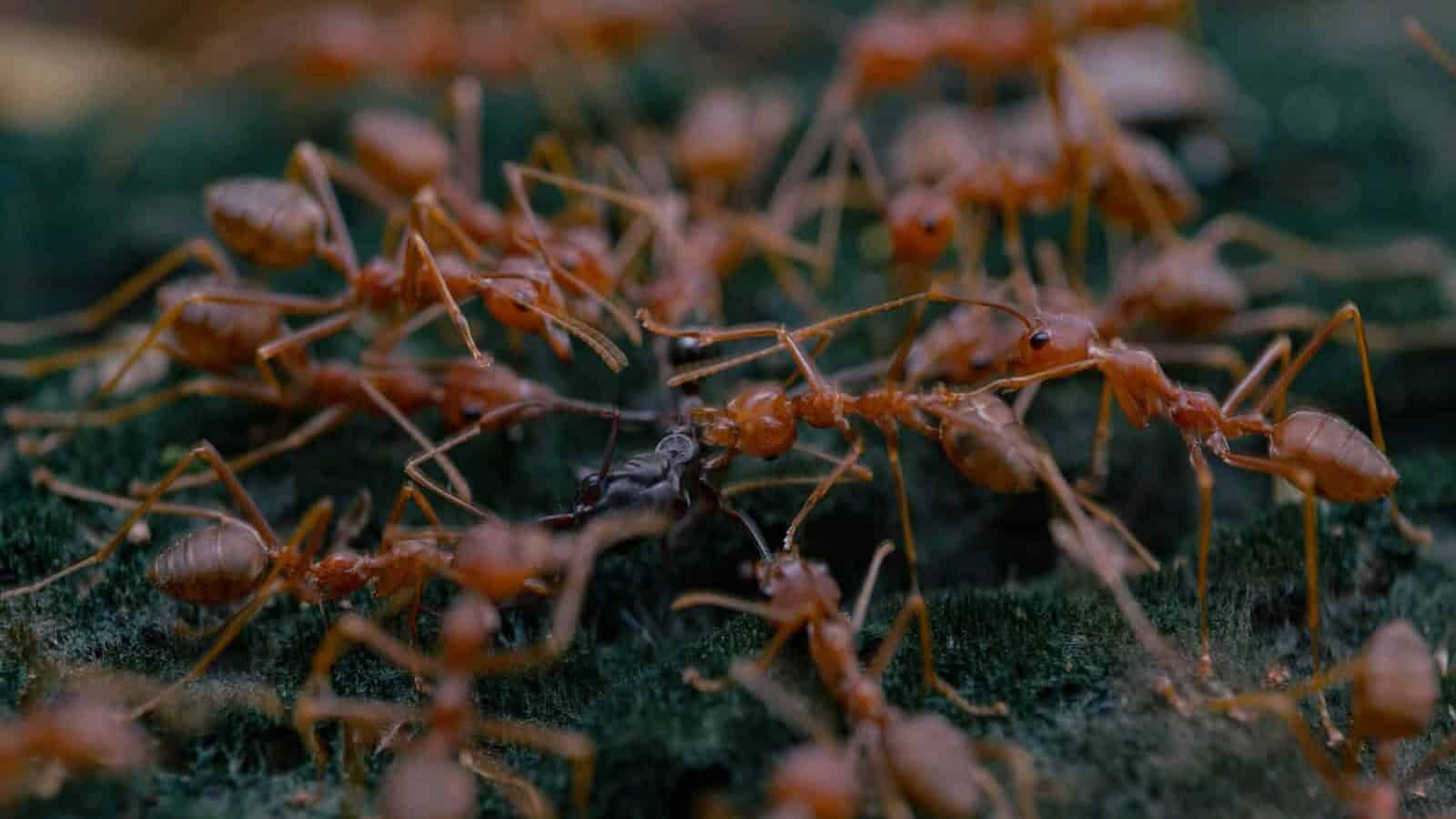
One of the most sophisticated aspects of ant architecture is their ability to create self-regulating ventilation systems guided by pheromone trails. Workers detect subtle air current patterns and temperature gradients, marking optimal locations for ventilation shafts with specific pheromone blends. These chemical markers guide other workers to excavate tunnels that create convection currents, maintaining ideal temperature and humidity levels throughout the colony. Fire ants (Solenopsis invicta) exemplify this engineering prowess, constructing nests with sophisticated ventilation networks that maintain internal temperatures within 1-2°C of optimal conditions despite extreme external fluctuations. The chemical signals guiding this process vary seasonally—researchers have identified that summer pheromone blends direct the creation of more vertical ventilation shafts, while winter blends prioritize heat-conserving horizontal tunnels. Some desert-dwelling species like Cataglyphis bombycina use specialized pheromones to mark locations where reflective soil particles should be placed at nest entrances, creating natural “air conditioning” systems that can reduce internal temperatures by up to 10°C. These climate control achievements rival human engineering feats but emerge through the collective intelligence guided by scent trails rather than centralized planning.
The Mathematics of Ant Highways
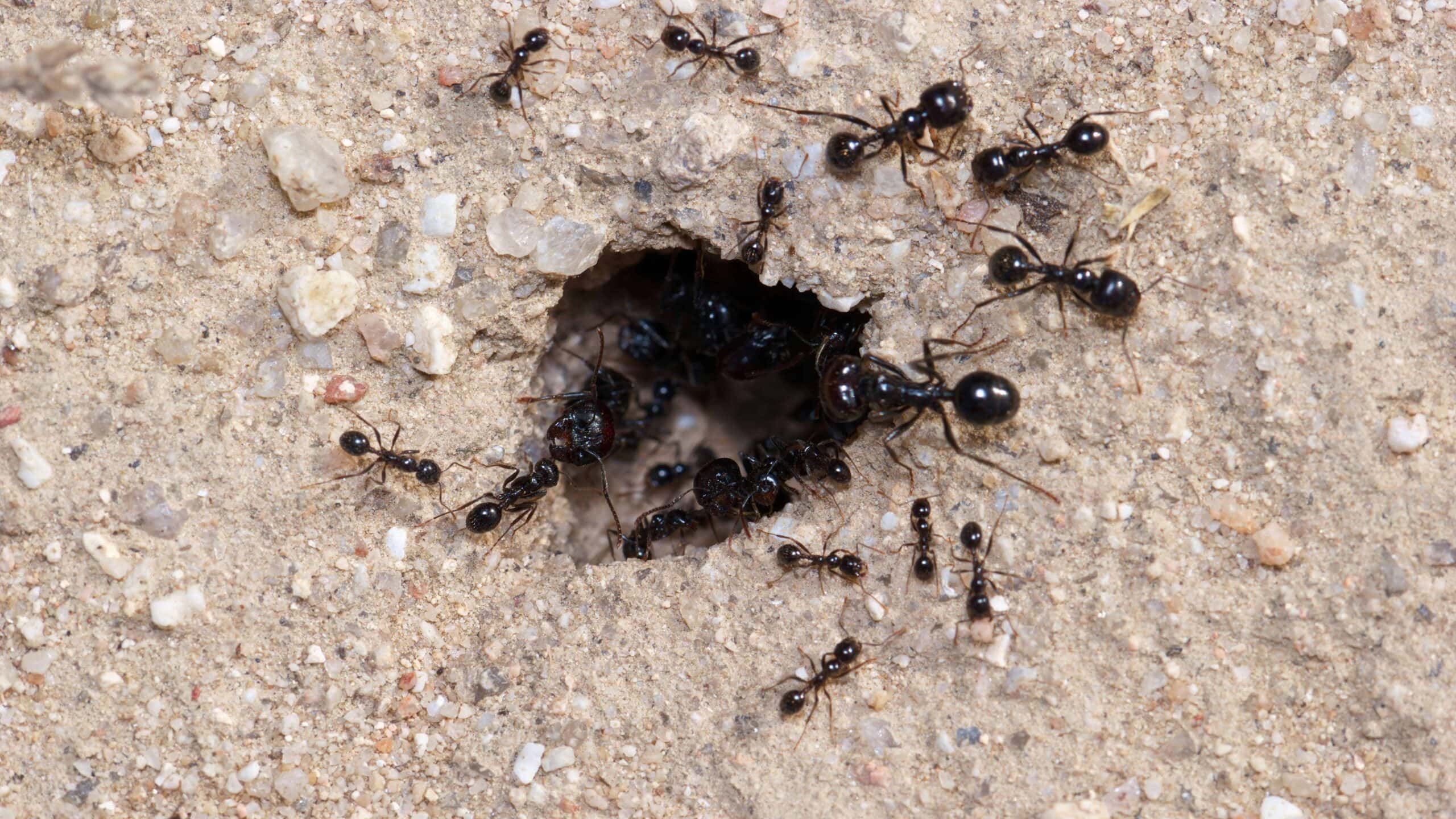
The tunnel systems of ant colonies follow surprisingly mathematical principles, creating networks that optimize efficiency through pheromone-guided excavation. Research published in the Proceedings of the National Academy of Sciences revealed that ant tunnels consistently follow the principles of Steiner networks—mathematical configurations that connect multiple points with the minimum possible total length. As ants excavate, they deposit pheromones that create a probability field influencing where other workers dig. Stronger trails emerge along paths that minimize travel distance while maximizing connectivity between important colony areas. This results in remarkably efficient transportation networks rivaling human-engineered systems. A fascinating study of Argentine ants (Linepithema humile) showed their trail networks consistently achieved within 11% of the mathematically optimal solution for connecting multiple points—outperforming many human-designed transportation systems. The angle of tunnel intersections also follows mathematical precision, with junctions typically forming 120-degree angles that maximize structural stability while minimizing construction material. All this mathematical precision emerges not from calculation but from the simple rules of pheromone deposition and following, demonstrating how complex optimization can arise from simple chemical communication.
Adapting to Environmental Challenges
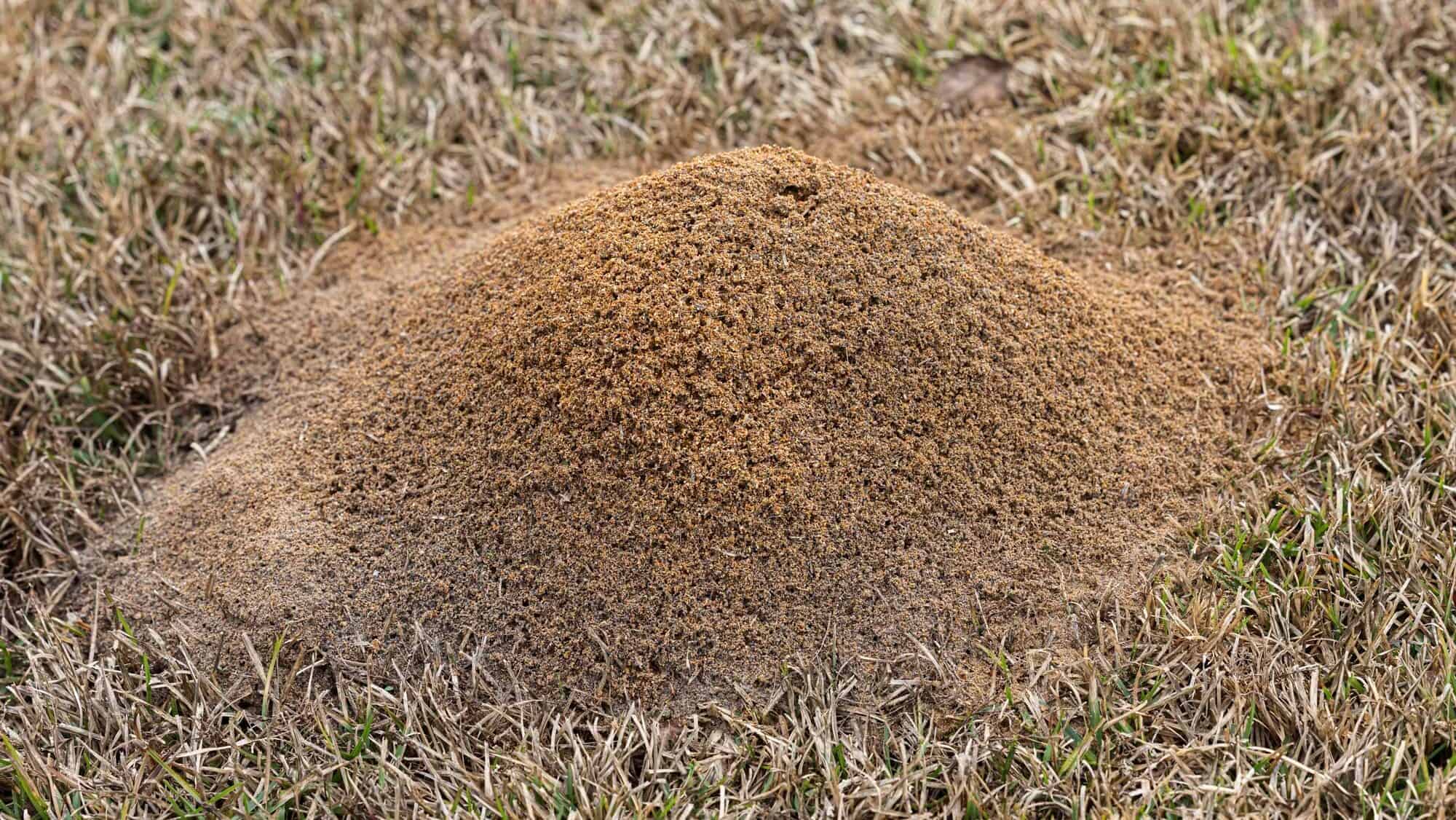
Ant colonies must frequently adapt their architecture to environmental challenges, a process orchestrated through dynamic changes in pheromone communication. During flooding events, species like fire ants modify their pheromone trails to direct excavation toward higher ground, creating emergency chambers above water levels. Research in tropical rainforests has shown that soil-nesting ants adjust their chemical signaling during seasonal rains, with certain pheromone compounds becoming more concentrated to prioritize drainage tunnel construction. In regions prone to earthquakes or soil shifts, specialized “structural integrity” pheromones guide workers to reinforce tunnel walls with clay particles, silk, or plant resins. The Florida harvester ant (Pogonomyrmex badius) demonstrates remarkable adaptability through chemical communication—when faced with sandy, unstable soil conditions, scouts deposit unique pheromone blends that guide workers to mix plant resins with soil particles, creating a natural concrete that increases structural stability by up to 400%. Desert-dwelling species modify their pheromone trails seasonally, directing deeper excavation during hot periods to access cooler soil layers. These adaptive responses emerge through collective intelligence coordinated by ever-changing chemical signals, allowing colonies to thrive in environments that would challenge even sophisticated human engineering.
Specialized Chambers and Their Chemical Signatures
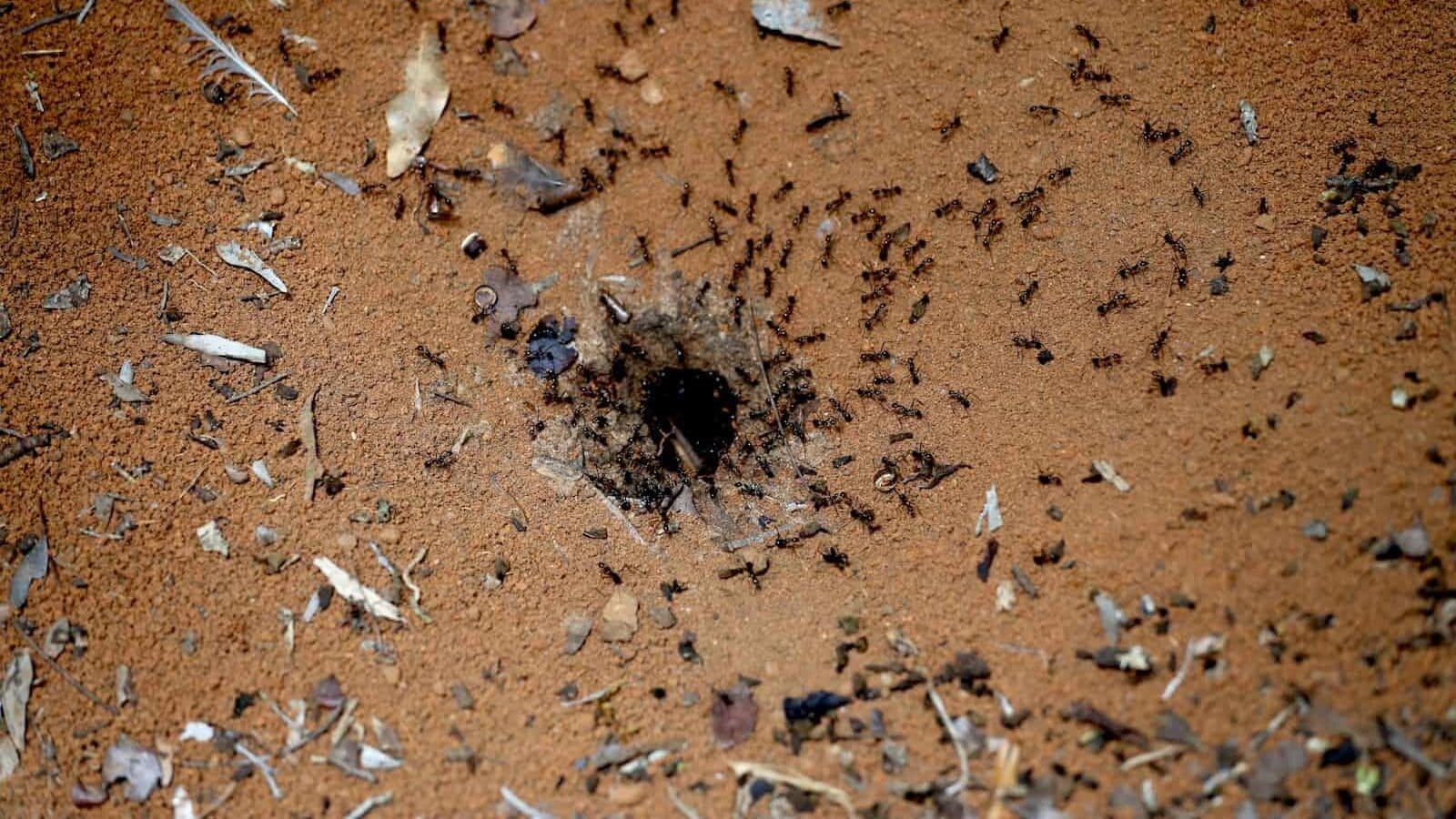
Within ant colonies, different chambers serve specialized functions, each marked with distinct pheromone signatures that regulate their construction and maintenance. Brood chambers, where eggs, larvae, and pupae develop, carry unique chemical markers produced by the larvae themselves, guiding workers to create precisely sized spaces with optimal temperature and humidity conditions. Food storage chambers feature pheromone blends that signal their purpose, with different concentrations indicating priority levels during times of abundance or scarcity. Research on leaf-cutter ants (Atta species) has revealed their fungus garden chambers contain at least seven distinct pheromone compounds that guide workers to maintain specific carbon dioxide levels, humidity, and temperature ideal for fungal growth. Royal chambers housing the queen emit the colony’s most complex chemical signature—a blend of the queen’s own pheromones and specialized markers deposited by her attendants. These signals not only identify the chamber’s importance but dictate its precise dimensions and security features. Waste management chambers, critical for colony health, carry repellent pheromones that restrict access to specialized waste-management workers, preventing contamination. This chemical compartmentalization creates functional architecture where physical structure and purpose are inextricably linked through scent.
The Remarkable Scale of Underground Cities
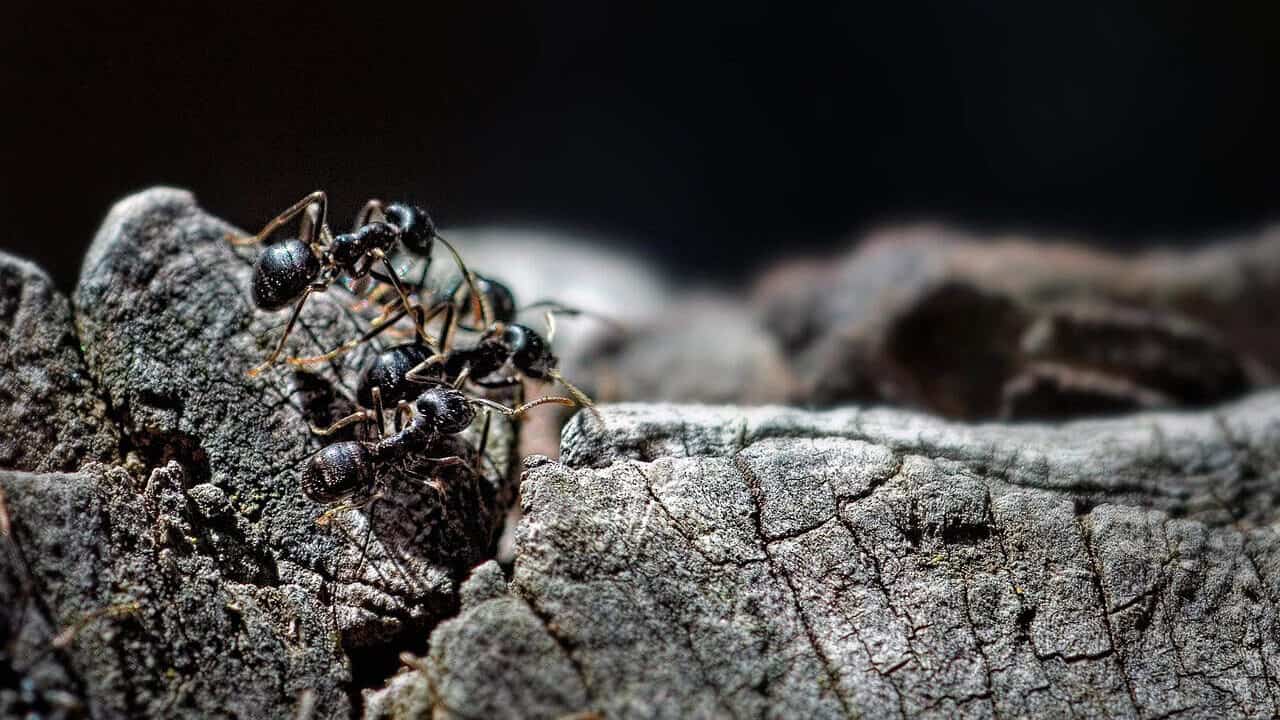
The scale of ant architecture, coordinated entirely through chemical communication, reaches truly staggering proportions. In 2009, scientists excavated an abandoned leaf-cutter ant colony in Brazil, revealing a structure that contained over 1,000 chambers, 50 meters of tunnels, and had moved over 40 tons of soil—all accomplished by insects weighing mere milligrams. The Argentine ant (Linepithema humile) creates supercolonies connected by pheromone highways, with one documented European supercolony spanning 6,000 kilometers along the Mediterranean coast, effectively creating the largest cooperative insect structure on Earth. In North America, harvester ant colonies typically extend 2-3 meters deep but can reach depths of 7 meters in drought conditions, with pheromone trails guiding excavation to moisture sources. Florida harvester ants create spiral-shaped nests with chambers arranged around a central shaft, all coordinated through circular pheromone trails that guide the distinctive architectural pattern. Perhaps most impressive are the complex cities of Atta leaf-cutter ants, which create underground agricultural systems covering up to 50 square meters and housing up to 8 million individuals—equivalent in human terms to building an underground city the size of London using only chemical signals for coordination.
Multi-Species Collaboration and Chemical Communication
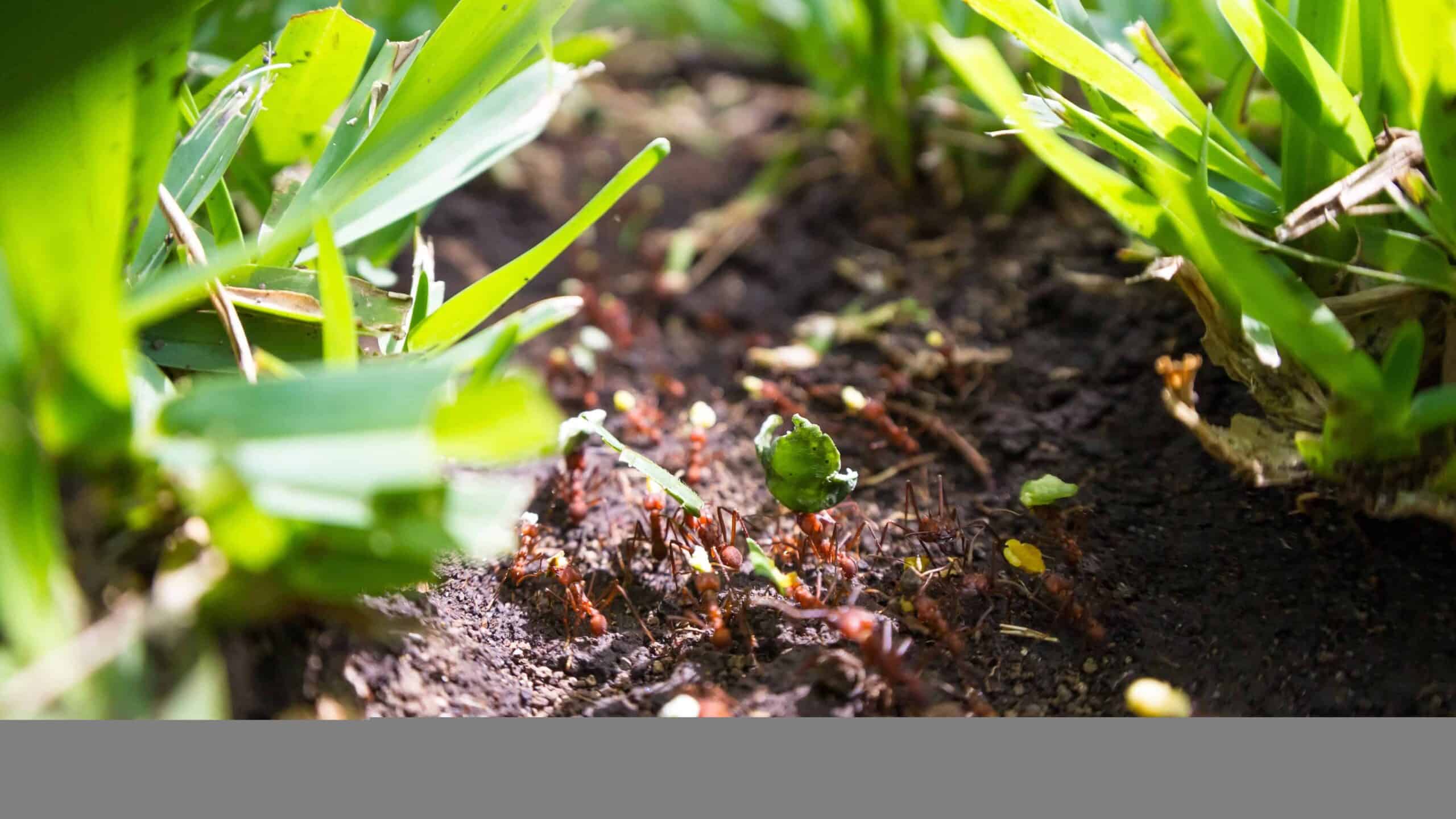
In some ecosystems, different ant species create interconnected underground networks guided by complex interactions between their chemical communication systems. Research in tropical forests has documented “ant mosaic” systems where multiple species occupy different vertical layers of soil, with distinct pheromone trails creating territorial boundaries that minimize conflict while maximizing resource utilization. Certain species have evolved the ability to detect and respect other species’ chemical boundaries, creating complementary rather than competing structures. In Malaysian rainforests, scientists have identified underground “highways” used by multiple ant species, maintained through collaborative pheromone deposition that benefits all participating colonies. Perhaps most remarkable are parabiotic relationships, where two ant species nest together while maintaining separate brood chambers, coordinated through shared recognition of certain trail pheromones while maintaining species-specific signals for internal organization. The Camponotus and Crematogaster genera include several species pairs that form such arrangements, creating complex multi-species cities with chemically delineated “neighborhoods.” These inter-species collaborations represent some of the most sophisticated examples of chemical communication in the animal kingdom, allowing for the creation of even larger and more complex underground structures than single-species colonies could maintain.
Learning from Ant Architecture: Biomimetic Applications
The chemical coordination systems that enable ant architecture have inspired innovative applications in human engineering and computer science. Stanford University researchers have developed “ant algorithms” that mimic pheromone-based decision-making to optimize traffic flow in smart cities, reducing congestion by up to 30% in pilot programs. These algorithms incorporate the same positive feedback mechanisms ants use to reinforce successful pathways. In robotics, the TERMES project at Harvard’s Wyss Institute created autonomous construction robots that use artificial pheromone markers to coordinate collective building projects without centralized control. Underground mining operations have begun implementing ant-inspired navigation systems where machines mark optimal extraction paths with digital “pheromones” that help other equipment navigate efficiently while maintaining structural integrity. Perhaps most impressively, the field of swarm robotics has embraced ant communication principles to develop disaster response systems where small robots use chemical or digital markers to collectively map and navigate damaged buildings, identifying optimal rescue routes. These applications demonstrate how understanding the chemical language behind ant architecture provides valuable models for solving complex human engineering challenges through decentralized coordination rather than top-down control.
The underground cities of ants represent one of nature’s most remarkable achievements in collective intelligence, made possible through the sophisticated language of chemical trails. Through simple pheromone signals, millions of individual ants coordinate their efforts to create structures that optimize survival, maintain ideal living conditions, and adapt to environmental challenges—all without blueprints, supervisors, or central planning. The elegant solutions they’ve evolved over millions of years offer profound lessons for human engineering and social organization, demonstrating how complex, resilient systems can emerge from simple interactions guided by clear communication signals. As we continue to study these chemical conversations that shape the earth beneath our feet, we gain not only scientific insights but also inspiration for addressing our own architectural and organizational challenges. The next time you notice ants marching in a line or disappearing into tiny holes in the ground, remember you’re witnessing just the surface expression of a vast, chemically-coordinated civilization—an invisible architecture of scent that rivals our greatest engineering achievements in both scale and sophistication.

- How Crickets Chirp Using Their Wings - July 20, 2026
- The Largest Sea Turtle Ever Rescued Off North Carolina - July 20, 2026
- The Ocean’s Escape Artist: Why Octopuses Outsmart Us All - July 20, 2026