

Hibernation is an incredible biological marvel and an essential survival strategy for many animals exposed to harsh winter conditions. It allows them to conserve energy by significantly lowering their metabolism, body temperature, heart rate, and respiration. This state of dormancy is often associated with mammals like bears, bats, and ground squirrels, but it can also be seen in some reptiles and amphibians. Hibernation ensures survival when food resources become scarce and environmental conditions become inhospitable.
The Role of Climate in Hibernation
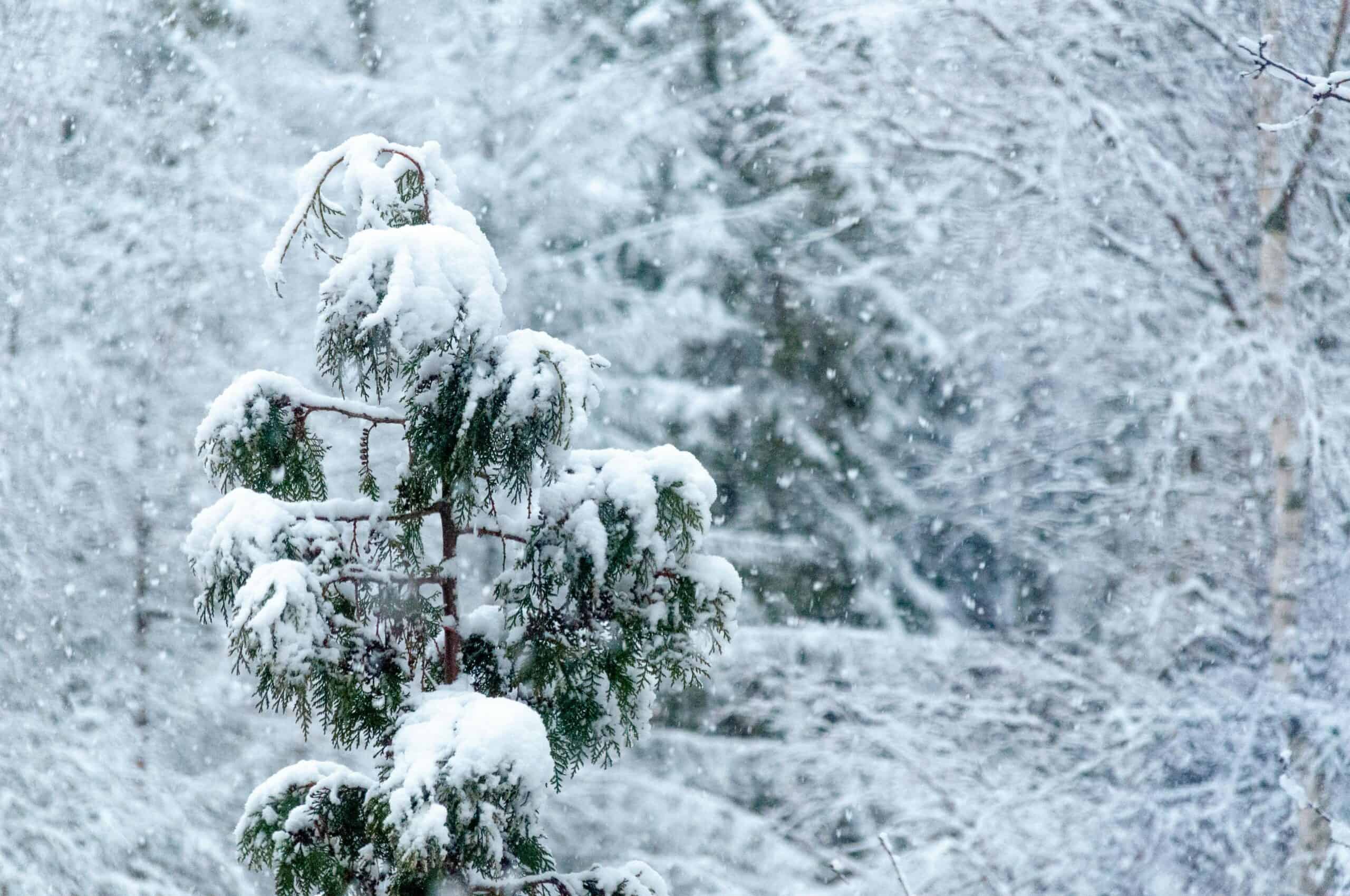
Climate plays a significant role in dictating the hibernation patterns of animals. During winter, animals benefit from hibernation by minimizing energy expenditure while enduring extreme weather conditions. As temperatures plunge, snow blankets the landscape, making it difficult for many animals to forage for food. However, fluctuating weather patterns and incidents of severe winter weather can pose numerous challenges to hibernating animals.
Impacts of Severe Winter Weather on Hibernation
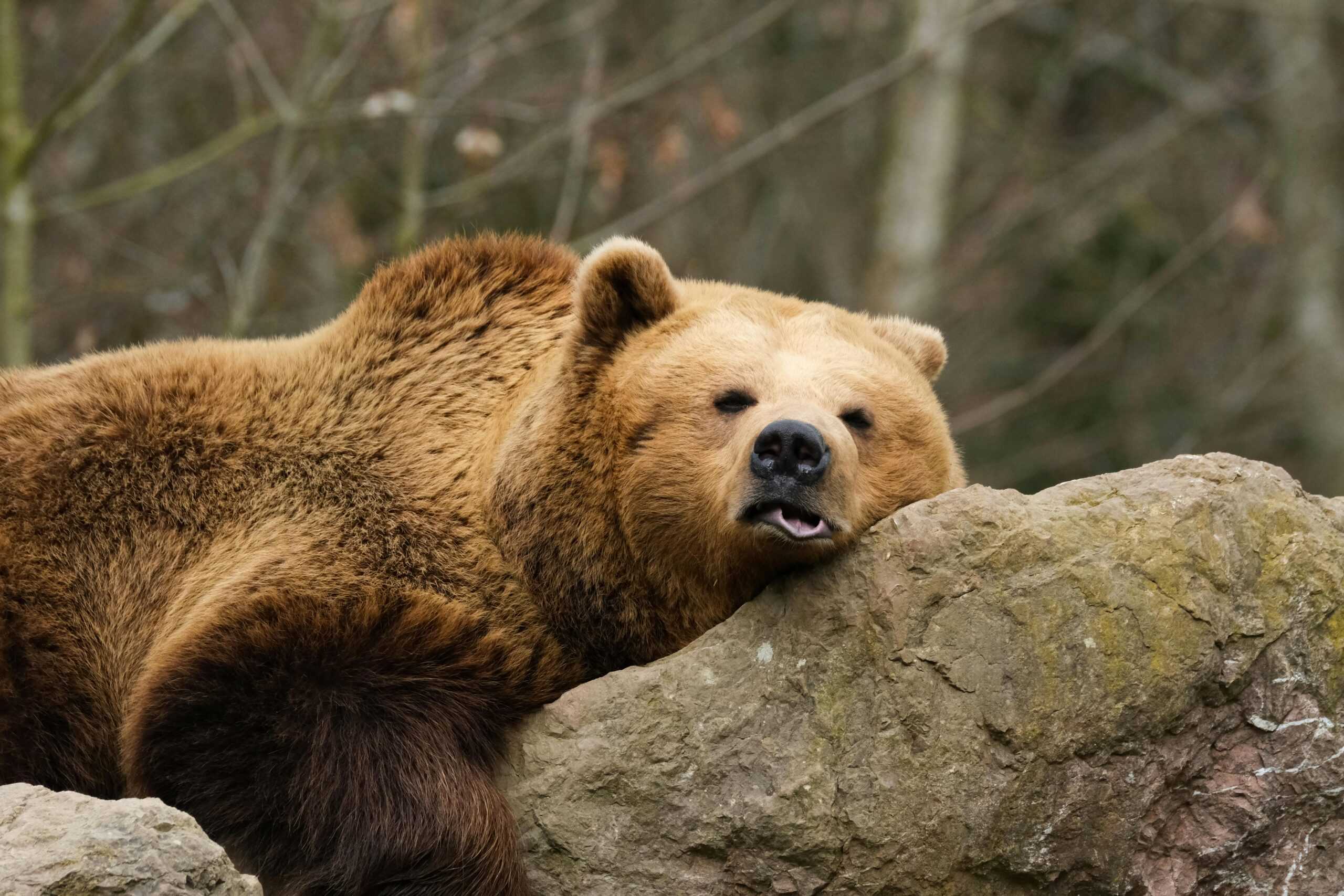
Severe winter weather, including intensely cold temperatures, heavy snowfall, and abrupt temperature changes, can significantly impact hibernating animals. These climatic changes can disrupt their hibernation cycles, affecting their survival rates and overall well-being.
The Challenge of Hypothermia
While hibernating animals are adapted to withstand cold environments, extreme temperatures can lead to hypothermia. Unlike typical cold weather, severe cold challenges the insulation abilities of hibernacula (hibernation shelters) and the animal’s fat reserves. If temperatures drop below an animal’s tolerance threshold, it can lead to a depletion of vital energy reserves as the animal may be forced to awaken briefly to increase body temperature, potentially resulting in fatality if energy stores are insufficient.
Dealing with Deep Snow
Deep snow can act both as an insulator and a barrier. For some animals, snow cover helps maintain a stable and warmer environment within their dens. However, when snowfall becomes excessive, it can block the entrances or exits of their burrows, demanding additional energy expenditure to clear pathways. This energy drain can be detrimental especially late in the hibernation period when reserves are already depleted.
Unusual Thaws and Waking Early
Frequent or unexpected thaws during winter can confuse the hibernation cycle. These thaws can induce premature arousals, leading animals to emerge before food resources are accessible. The drastic temperature fluctuations can also disrupt physiological processes, weakening the animals’ ability to resume hibernation. Additionally, the intermittent warming and refreezing can damage vegetation and reduce food availability in spring.
The Impact on Reproductive Success
The impacts of severe winter weather extend beyond mere survival to affect long-term reproductive success. Animals that face repeated disturbances during hibernation might have reduced energy for reproduction once they fully awaken in spring. Furthermore, those who fail to conserve enough energy may struggle to find and compete for mates, decreasing their chances of successful breeding.
Adapting to Climate Variability

To counteract severe winter conditions, some species have developed highly specialized adaptations. For instance, some animals may enter a state of torpor— a lighter form of hibernation— allowing them to adjust more rapidly to environmental changes. Other species may increase their autumn food intake to build a substantial fat reserve, increasing their chances of enduring harsher conditions. Over evolutionary time scales, shifts in climate patterns might even lead some species to alter their geographic range or hibernation strategies altogether.
Conclusion: The Resilience of Nature

Severe winter weather undoubtedly presents significant challenges to hibernating animals, affecting their health, survival, and reproductive prospects. Despite these challenges, many species demonstrate remarkable resilience and adaptability, showcasing nature’s ability to overcome adversity. Understanding and supporting these natural processes, particularly in light of climate change, is crucial for the conservation and protection of hibernating animals and the ecosystems they inhabit.

- The Most Powerful Earthquake Ever Felt in the U.S. - July 19, 2026
- How Rhinoceros Males Compete for Mating Rights in the Wild - July 18, 2026
- 13 Spider Species Thriving in Changing Environments - July 18, 2026