


Long-term weather changes exert profound impacts on various ecosystems, with aquatic environments being particularly vulnerable. The intricate web of life within these water-based habitats is deeply intertwined with climatic patterns, making shifts in weather a significant force of change. Understanding these influences is crucial, as they bear consequences not just for aquatic species but also for the humans relying on these ecosystems for food, livelihood, and recreation.
Climate Change and Its Role in Atmospheric Alterations

Climate change, driven predominantly by human activities, results in significant modifications in global weather patterns. These shifts manifest not only in the form of temperature increases but also through more intense and frequent weather events. For aquatic environments, this translates into variations in water temperature, precipitation patterns, and sea levels—all of which are critical factors in sustaining aquatic life.
Rising Sea Temperatures and Marine Life
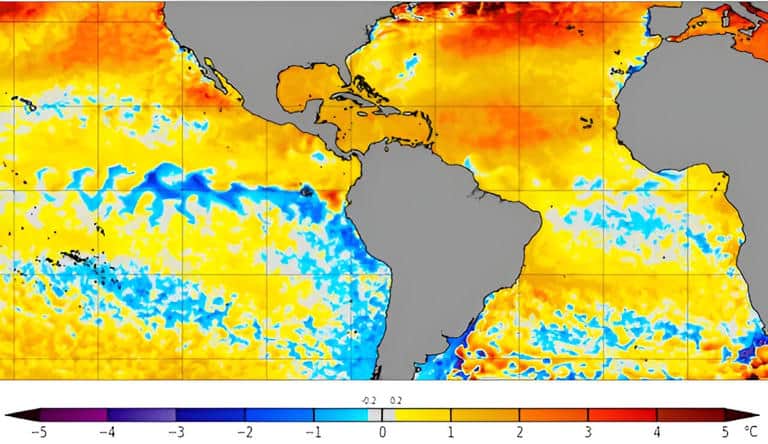
The gradual increase in ocean temperatures affects marine life on multiple levels. Warmer waters disrupt breeding cycles, migration patterns, and even physiological processes in sea creatures. Coral reefs, often referred to as the “rainforests of the sea,” experience bleaching events when stressed by elevated sea temperatures. This not only affects corals themselves but also the myriad of species that depend on them for habitat and food.
Impacts of Ocean Acidification on Marine Biodiversity

Long-term changes in weather are closely linked to ocean acidification, which results from increased CO2 absorption by seawater. Acidification can have profound effects on calcifying organisms such as shellfish and corals, threatening their survival and, subsequently, the broader marine food web that relies on these species. This disruption ultimately impacts fisheries and human food security.
Freshwater Ecosystems and Altered Precipitation Patterns

For freshwater environments, altered precipitation patterns due to climatic changes can lead to floods or droughts, each posing threats to aquatic life. Flood conditions may increase runoff and sedimentation, reducing water quality, while droughts can lead to diminished water bodies, intensified competition for resources, and increased concentrations of pollutants.
Changing Currents and Their Effects on Fish Migration
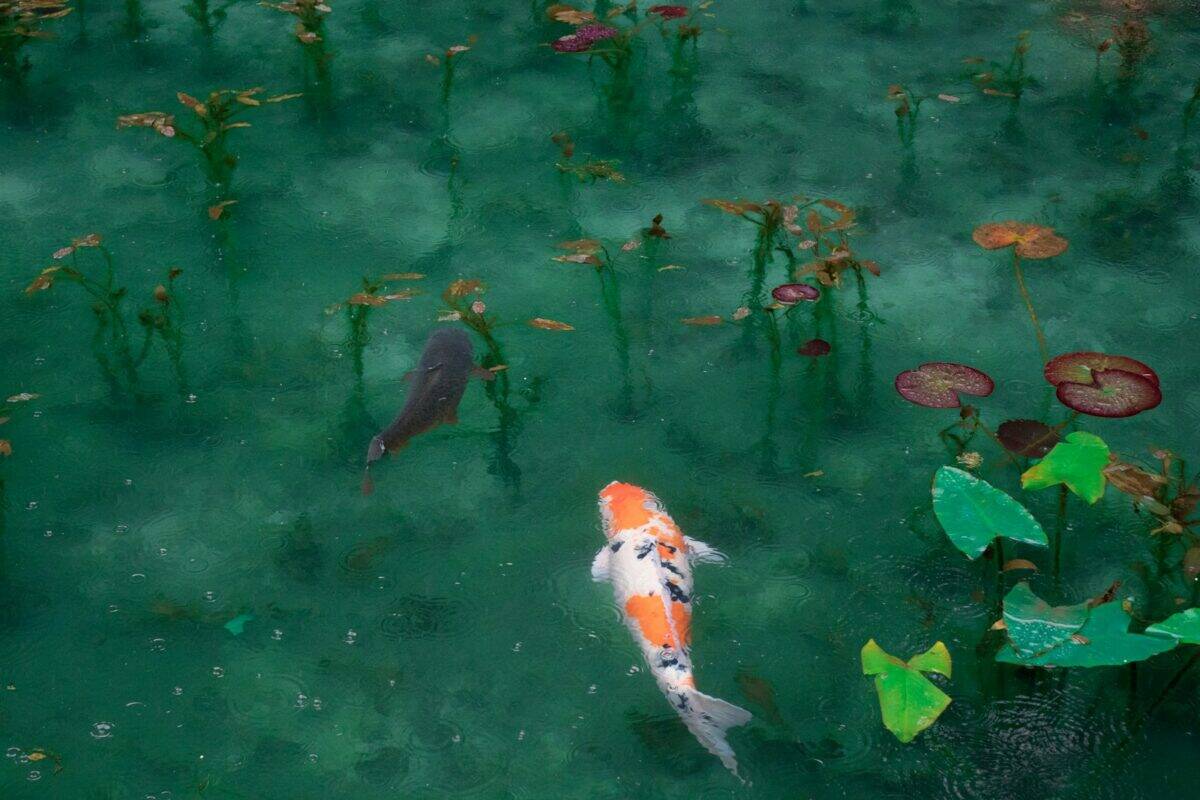
Ocean currents, vital for nutrient cycling and the regulation of global climate, are affected by long-term climatic alterations. Changes in these currents can impact the migration routes of several fish species, disrupting reproductive and feeding patterns, and leading to a decline in certain fish populations.
The Role of Ice Melts in Aquatic Habitats

Accelerated melting of polar ice caps due to global warming raises concerns for marine species dependent on icy habitats. Penguins, seals, and various polar fishes are directly affected by habitat loss, while the influx of fresh water alters saline levels, potentially disrupting ocean circulation patterns.
Pervasiveness of Invasive Species

Changing climates can favor the proliferation of invasive species, which may outcompete native species for resources. These newcomers often thrive in altered environments, where native species struggle to adapt, leading to biodiversity loss and disruptions in local ecosystems.
Loss of Biodiversity in Aquatic Ecosystems
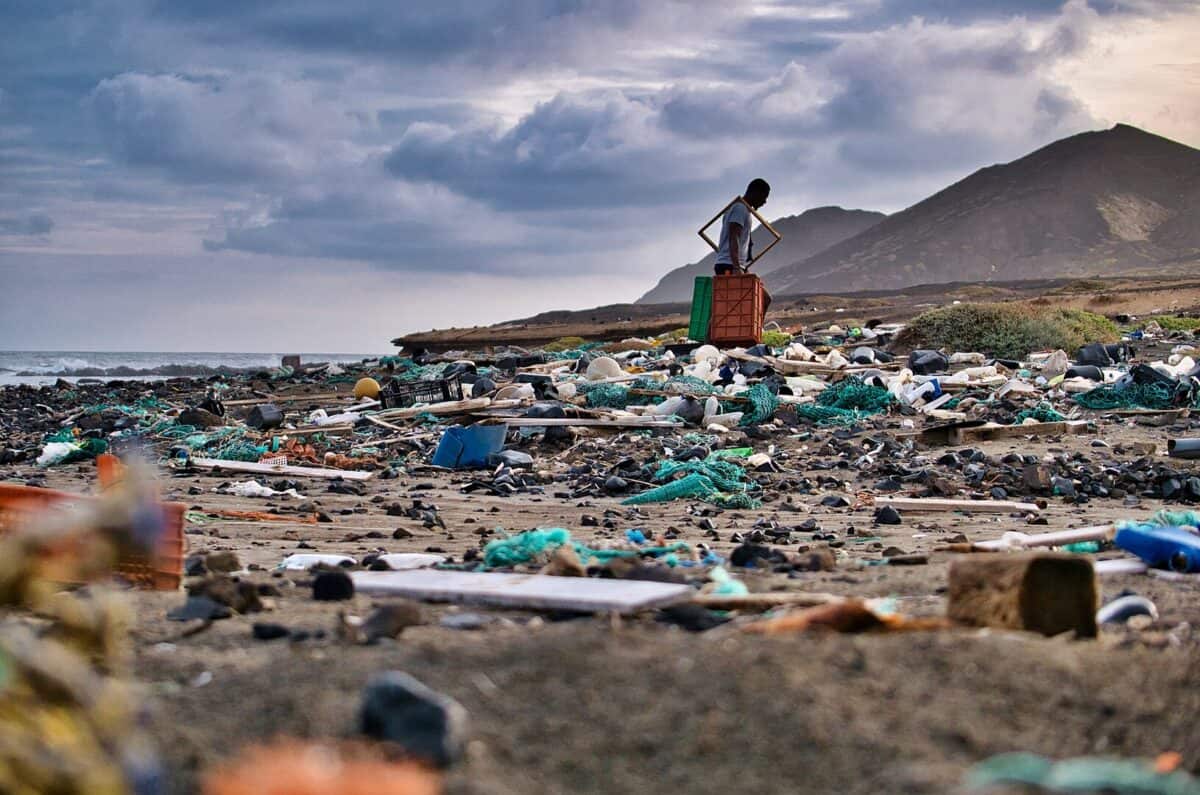
As these various factors converge due to long-term weather changes, the overall biodiversity within aquatic systems faces significant threats. Loss of species disrupts natural balances, possibly leading to ecosystem collapses, which could have dire repercussions for global biodiversity.
Adapting Aquatic Life
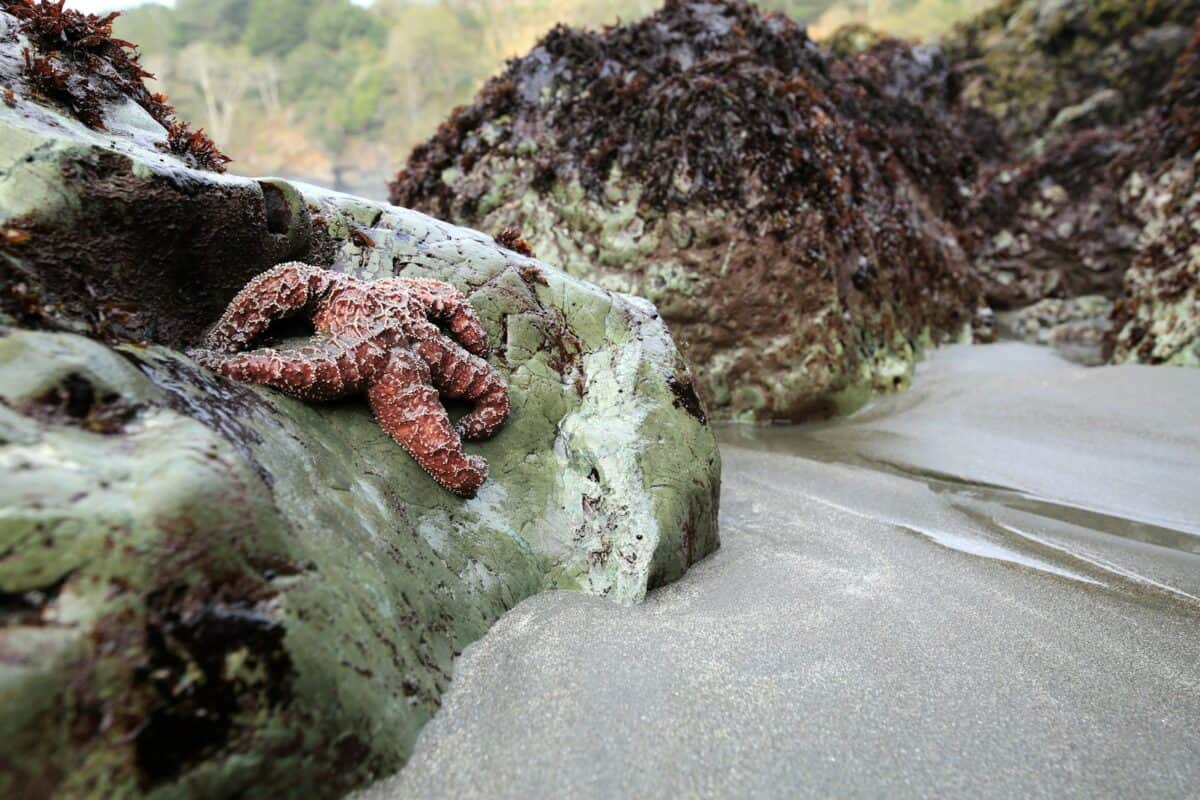
Some aquatic species exhibit remarkable adaptability, adjusting to long-term weather changes through migration, altering their breeding schedules, or developing new physiological traits. However, this capacity for adaptation varies widely among species, and those unable to cope face the risk of extinction.
The Human Factor: Impact on Fisheries and Economies

Many human communities rely on aquatic resources for their livelihoods. Long-term changes in weather patterns can disrupt fisheries, leading to economic challenges. As fish stocks decline or migrate to different waters, the economic stability of these communities is threatened, necessitating shifts in fishing practices and policies.
Conservation Efforts and Sustainable Practices

Efforts to mitigate the impacts of long-term weather changes on aquatic life involve conservation initiatives, habitat restoration, and promoting sustainable practices. Establishing marine protected areas, regulating fishing practices, and reducing carbon emissions are crucial steps in preserving aquatic biodiversity and ensuring the resilience of these ecosystems.
Future Prospects: A Call for Global Action
Addressing the challenges posed by long-term weather changes requires coordinated global action. Governments, conservation organizations, and communities must work together to implement comprehensive strategies aimed at reducing climate impacts, restoring damaged ecosystems, and protecting vulnerable species. Strengthening these efforts is vital to ensuring the health and sustainability of aquatic life for future generations.
In conclusion, long-term weather changes undeniably pose significant threats to aquatic life. From rising temperatures and acidification to altered water cycles and the emergence of invasive species, aquatic ecosystems are undergoing transformations that demand urgent attention and action. By prioritizing conservation and sustainable management, we can help safeguard the precious aquatic resources on which life on Earth relies.

- Tarsiers: The Tiny Primates with Giant Eyes - July 21, 2026
- Are Zoos Still Ethical in 2025? - July 21, 2026
- Chocolate and Wildlife: How Cocoa Farming Affects Rainforest Animals - July 21, 2026