

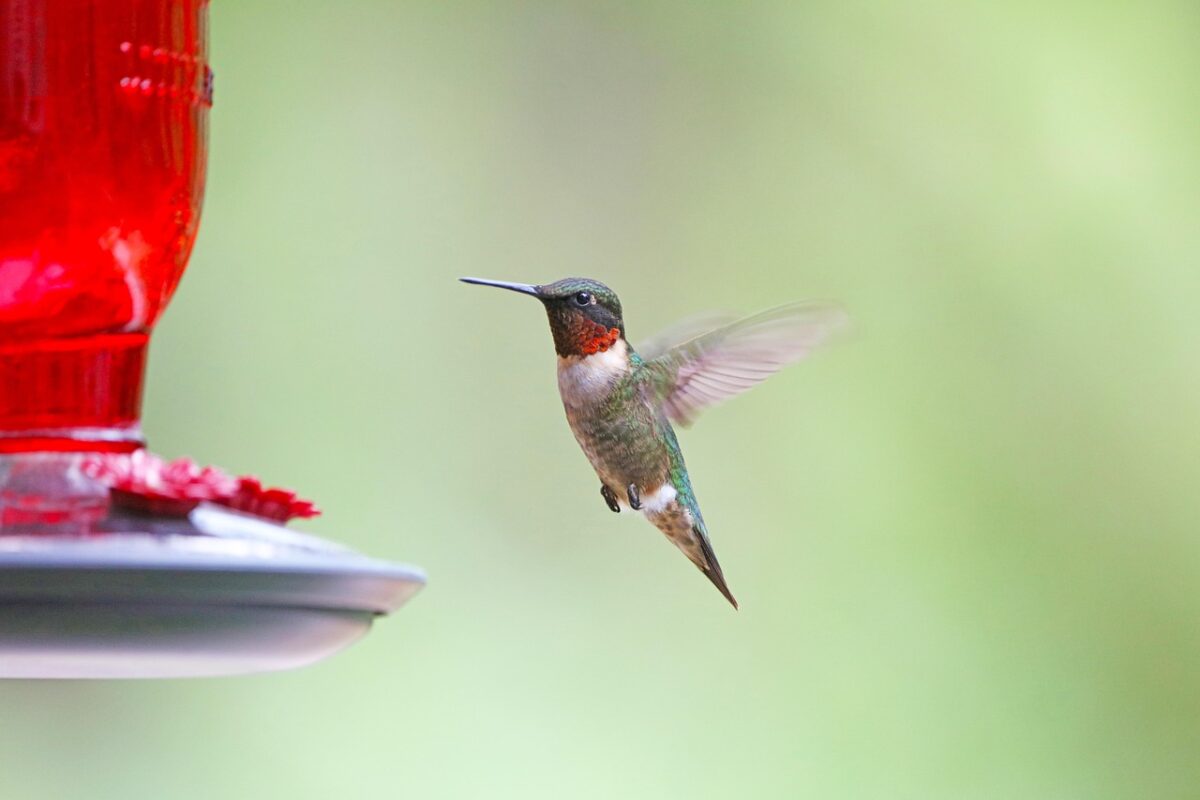

Motion Detection Sparks Instant Notifications (Image Credits: Pixabay)
Backyard observers now enjoy unprecedented access to local wildlife through devices that merge traditional feeders with advanced artificial intelligence.
Motion Detection Sparks Instant Notifications
Your smartphone alerts you the moment a bird arrives, complete with a clear photo and species identification. These feeders rely on infrared sensors to detect movement at the perch, activating high-definition cameras to snap images or record video. Artificial intelligence then analyzes the footage, matching it against databases of thousands of bird species for quick labeling.[1]
Wi-Fi connectivity streams the data directly to companion apps, enabling live views from anywhere. Battery efficiency improves as systems power down between visits, with many incorporating solar panels for extended use.[2]
Core Features Power the Experience
High-resolution cameras, often 1080p or 2K, capture detailed footage even in low light thanks to night vision capabilities. AI recognition handles over 6,000 species in some models, generating personalized galleries of frequent visitors. Users receive customizable alerts, while cloud storage preserves highlights for later review.[3]
Weatherproof designs with IP65 ratings withstand rain, snow, and extreme temperatures. Additional perks include two-way audio in select units and slow-motion replays of feeding behaviors. Apps often feature community sharing, turning individual sightings into collective insights.
Benefits Extend Beyond Entertainment
These tools foster education by revealing feeding patterns, migration trends, and biodiversity in one’s yard. Families document rare visits, contributing to citizen science efforts through shared databases. Security doubles as a bonus, with motion alerts spotting other wildlife or intruders.[1]
Installation proves simple, typically involving a mount at 6 to 8 feet near shelter and water sources. Maintenance involves weekly cleaning to prevent mold and occasional battery checks. Seasonal seed adjustments attract diverse species like finches with nyjer or woodpeckers with suet.
- Sunflower seeds draw cardinals at lower heights.
- Millet suits ground feeders like sparrows.
- Diversified mixes boost overall variety.
- Adjust for breeding or migration periods.
Top Models Compared
Recent reviews highlight standout performers in camera quality and AI accuracy. Subscriptions often unlock full identification and storage, typically $4 to $7 monthly. Solar options reduce recharging needs significantly.[4]
| Model | Resolution | Key Strength |
|---|---|---|
| BirdBuddy Pro | 2K | Solar roof, community app[5] |
| Netvue Birdfy | 1080p | Free AI tier, dual cameras[6] |
| PeckPerk | 2K | Color night vision[2] |
- AI delivers 90%+ identification accuracy in tests.
- Solar integration ensures months of operation.
- Apps build personal bird journals effortlessly.
Smart bird feeders bridge technology and nature, offering endless discovery right outside the door. They encourage appreciation for local ecosystems while demanding minimal effort. Ready to spot your first feathered guest? What birds visit your yard, and have you tried one yet? Share in the comments.

- Urban Coyotes Show Remarkable Adaptability, Learning to Thrive in City Environments - July 22, 2026
- Beavers Are Nature’s Engineers, Creating Vital Habitats for Other Wildlife Species - July 21, 2026
- The Recovery of the California Condor Offers Hope for Other Critically Endangered Birds - July 21, 2026