

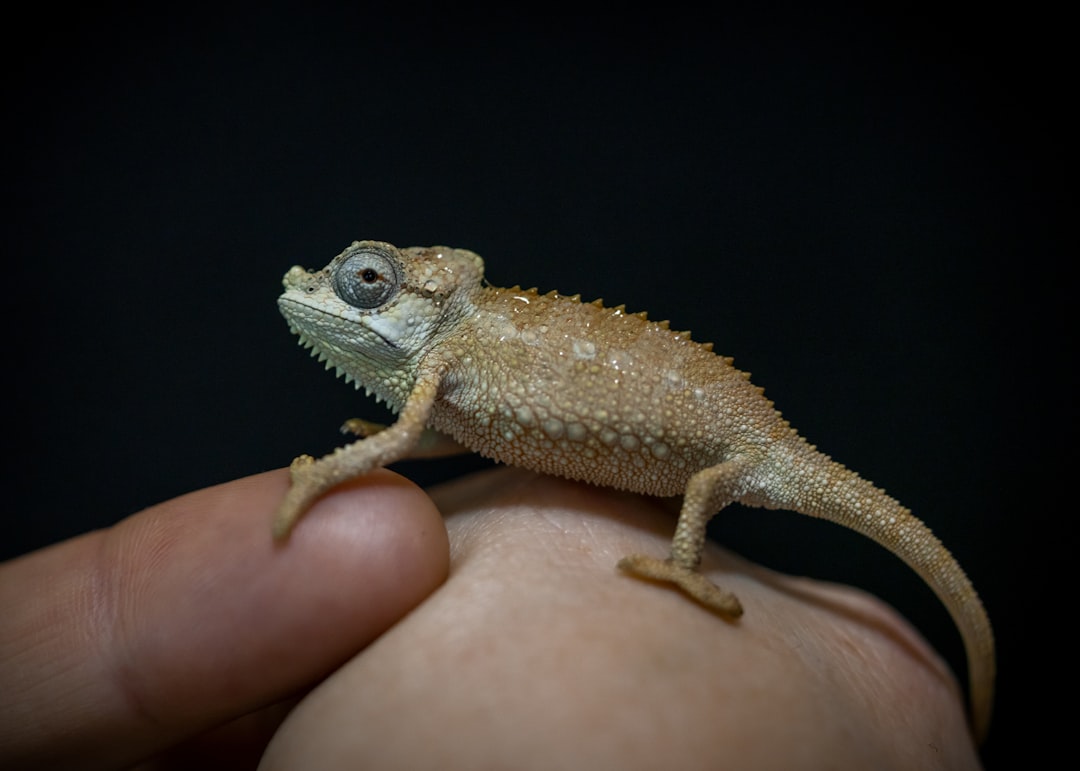

Safety First: Why Heat Source Choice Prevents Common Pitfalls (Image Credits: Unsplash)
Reptiles depend on precise enclosure temperatures to thrive, as they rely on external sources to maintain metabolic functions and overall health.
Safety First: Why Heat Source Choice Prevents Common Pitfalls
Improper heating leads to respiratory infections, poor digestion, and lethargy in reptiles. Owners often overlook risks like burns or fire hazards from faulty setups.
Thermostats with probe sensors emerged as non-negotiable tools to regulate output and avoid extremes. Guards and GFCI outlets further minimize dangers.[1]
External mounting options reduce direct contact, while regular dust removal keeps devices functioning safely. These steps transformed many hobbyists’ experiences, cutting maintenance issues significantly.
Heat Panels Deliver Consistent, Low-Maintenance Warmth
Radiant heat panels emit infrared waves that warm substrates and air evenly, closely imitating sunlight penetration.
Surface temperatures hover between 80-120°F, ideal for species needing stable environments without intense hotspots. Energy use stays low, with lifespans reaching 5-10 years.[1]
- Pros: Superior efficiency, no light disruption, external installation for safety.
- Cons: Higher upfront cost, requires careful positioning under glass or along walls.
- Best for: Tropical reptiles like ball pythons in glass terrariums.
Installation involves securing panels outside enclosures, paired with proportional thermostats for precision.
Lamps Provide Intense Basking but Demand Vigilance
Incandescent and halogen lamps create focused hot spots, encouraging natural basking behaviors through visible light.
Halogens outperform standard bulbs in efficiency and longevity, spanning 6-12 months. They support diurnal cycles, boosting appetite in diurnal species.
Yet, excessive light at night disturbs rest, and hotspots risk burns without guards.[1]
- Pros: Affordable initially, simulates sunlight, allows thermal gradients.
- Cons: Frequent replacements, moderate efficiency, potential sleep disruption.
- Best for: Desert dwellers like bearded dragons needing daytime peaks.
Wattage selection – from 25-150W – depends on enclosure size and ambient conditions.
Ceramic Emitters Excel in Light-Free Heating
Ceramic heaters produce infrared without glow, perfect for maintaining nighttime lows undisturbed.
Durable porcelain builds last 2-3 years, with deep penetration for steady warmth. Dome reflectors direct energy effectively.
Focused beams necessitate precise placement to prevent localized overheating.[1]
| Aspect | Heat Panels | Lamps | Ceramics |
|---|---|---|---|
| Efficiency | Excellent | Moderate | Good |
| Lifespan | 5-10 years | 6-12 months | 2-3 years |
| Light Output | None | High | None |
| Best Use | Ambient/Tropical | Basking/Day | Night/Ambient |
Key Takeaways
- Match the source to species: panels for consistency, lamps for intensity, ceramics for subtlety.
- Always integrate thermostats and monitor with infrared guns.
- Combine methods – like lamps by day and ceramics at night – for ideal gradients.
Reptile keepers achieve the best results by prioritizing safety, species needs, and hybrid setups tailored to enclosure type. Selecting the right heater not only safeguards your pet but also simplifies long-term care. What heat source powers your reptile’s habitat? Tell us in the comments.

- Urban Coyotes Show Remarkable Adaptability, Learning to Thrive in City Environments - July 22, 2026
- Beavers Are Nature’s Engineers, Creating Vital Habitats for Other Wildlife Species - July 21, 2026
- The Recovery of the California Condor Offers Hope for Other Critically Endangered Birds - July 21, 2026