

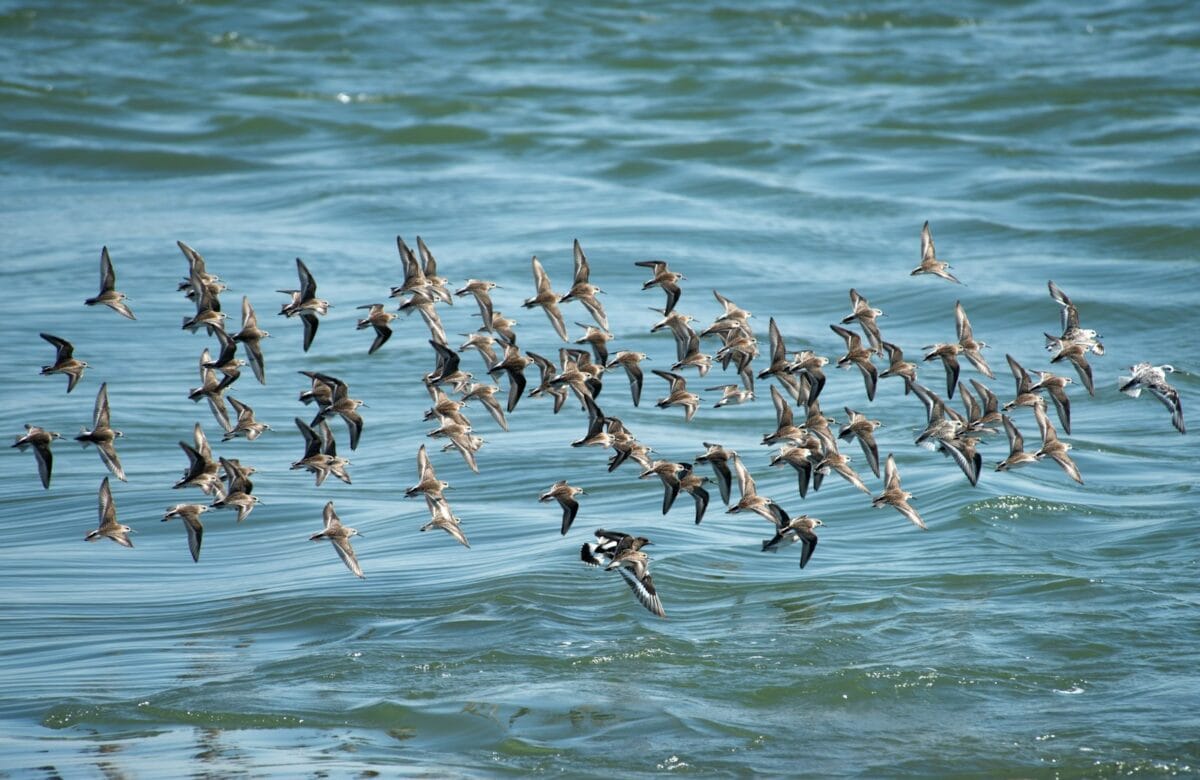
The majestic flight of birds is often taken for granted; however, each flap, glide, and soaring turn is a masterful adaptation to the elements of nature. Among the environmental factors influencing avian flight, wind plays a crucial role. Wind speed and direction can dramatically alter how birds navigate the skies, impacting their migration patterns, feeding habits, and even their survival. This article delves into how strong winds affect the flight patterns of birds, drawing from scientific research, historical observations, and current studies.
Understanding Bird Flight Dynamics

🔥 Would you like to save this?
We'll email this post to you, so you can come back to it later!
Birds possess a wide range of flight abilities, from the hovering of hummingbirds to the high-altitude gliding of albatrosses. Their wings generate lift and thrust, allowing them to maneuver through the air with precision. However, these abilities are continually adjusted based on environmental factors, chief among them being wind. Strong winds can impact the efficiency of these flight dynamics, requiring birds to alter their usual patterns significantly.
The Role of Tailwinds in Migration

🔥 Would you like to save this?
We'll email this post to you, so you can come back to it later!
Many bird species embark on long migratory journeys and rely on tailwinds to conserve energy. Tailwinds help propel birds forward, allowing them to cover vast distances with less effort. During migration, birds often time their departures to coincide with favorable winds, reducing travel time and increasing survival chances. Conversely, headwinds can stall progress, leading to increased fatigue and energy use.
Wind Drift and Navigational Challenges

🔥 Would you like to save this?
We'll email this post to you, so you can come back to it later!
Wind drift occurs when birds are pushed off course by crosswinds. This can pose significant navigational challenges, forcing birds to adjust their flight paths to compensate. While some species have developed acute sensory abilities to navigate under these conditions, others may find themselves in unfamiliar territories, increasing the risk of predation and difficulty in finding food.
Impact on Feeding Activities

🔥 Would you like to save this?
We'll email this post to you, so you can come back to it later!
Strong winds can also affect the availability of food. For instance, seabirds rely on stable winds to locate fish driven to the surface by oceanic currents. Erratic wind patterns can disperse prey, making it more challenging for birds to find food. In some cases, such disruptions can lead to reduced breeding success and population decline.
Alteration of Nesting Routines

🔥 Would you like to save this?
We'll email this post to you, so you can come back to it later!
Nesting birds are particularly vulnerable to strong winds. High winds can damage nests, displace eggs or chicks, and make it difficult for adult birds to access nesting sites. Such disruptions often lead to failed breeding attempts and can have cascading effects on bird populations.
Energy Expenditure and Survival

🔥 Would you like to save this?
We'll email this post to you, so you can come back to it later!
Flight is an energy-intensive activity, and when birds must fly against or compensate for strong winds, their energy expenditure increases significantly. This added effort can impact their feeding efficiency and overall health, affecting their ability to reproduce and survive through adverse conditions.
Case Study: Arctic Terns

🔥 Would you like to save this?
We'll email this post to you, so you can come back to it later!
Arctic terns are known for their incredible migratory route, traveling from pole to pole. These birds rely heavily on wind patterns to complete their journey. Changes in wind patterns due to climate change pose a significant threat to their migration success, showcasing the need for adaptive strategies in extreme conditions.
Adaptations to Windy Environments

🔥 Would you like to save this?
We'll email this post to you, so you can come back to it later!
Birds like the albatross have evolved to exploit strong winds for dynamic soaring, reducing energy expenditure over long distances. Their long, slender wings enable them to glide using wind currents, showcasing a remarkable adaptation to their windy oceanic habitats.
Impact of Wind Turbines
🔥 Would you like to save this?
We'll email this post to you, so you can come back to it later!
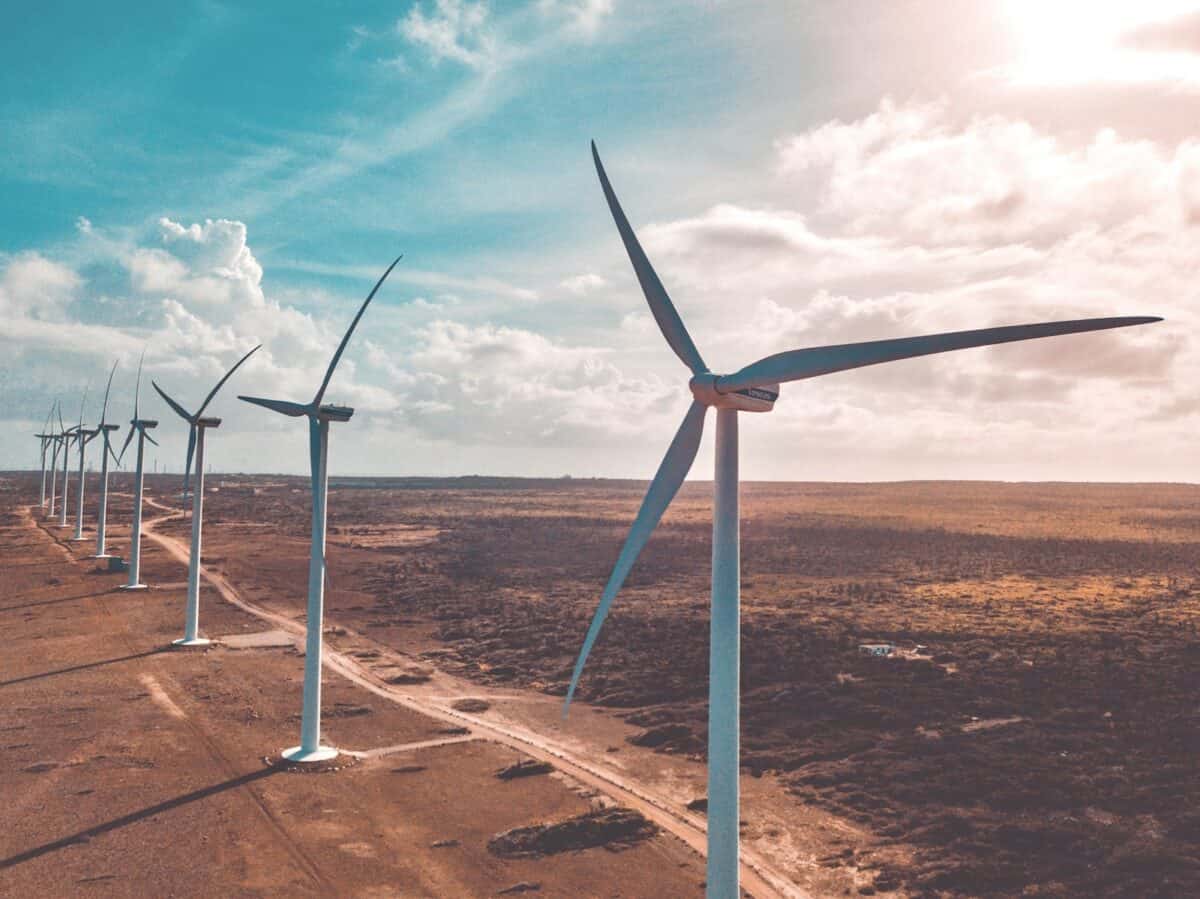
As renewable energy efforts increase, wind turbines have become common. However, they pose risks to birds, impacting migratory routes and causing direct collisions. Efforts to study and mitigate these effects focus on understanding flight patterns to adapt turbine placements and designs.
Technological Advances in Study

🔥 Would you like to save this?
We'll email this post to you, so you can come back to it later!
Modern technology, including GPS tracking and wind modeling, has revolutionized our understanding of how birds interact with wind. These tools provide insights into the real-time adaptations birds make during flight, aiding conservation efforts and informing strategies to minimize human impact.
Climate Change and Future Implications

🔥 Would you like to save this?
We'll email this post to you, so you can come back to it later!
Climate change is altering wind patterns worldwide, posing new challenges for bird species. Changes in wind strength and direction can affect migratory routes, breeding success, and even the survival of specific species, necessitating further study and conservation action to protect these vital components of our ecosystems.
Birds possess an incredible ability to adapt to their environments, but strong winds present an ongoing challenge. Understanding these interactions helps us appreciate the complexity of avian flight and underscores the importance of preserving habitats and studying climatic impacts. As we continue to learn and adapt ourselves, supporting avian resilience becomes increasingly critical in maintaining the delicate balance of our natural world.

- How Koalas Survive on a Diet of Toxic (To Humans) Eucalyptus Leaves - November 5, 2026
- The Largest Python Ever Captured in Florida’s Everglades - November 5, 2026
- The Largest Sea Turtle Ever Rescued Off North Carolina - November 5, 2026