
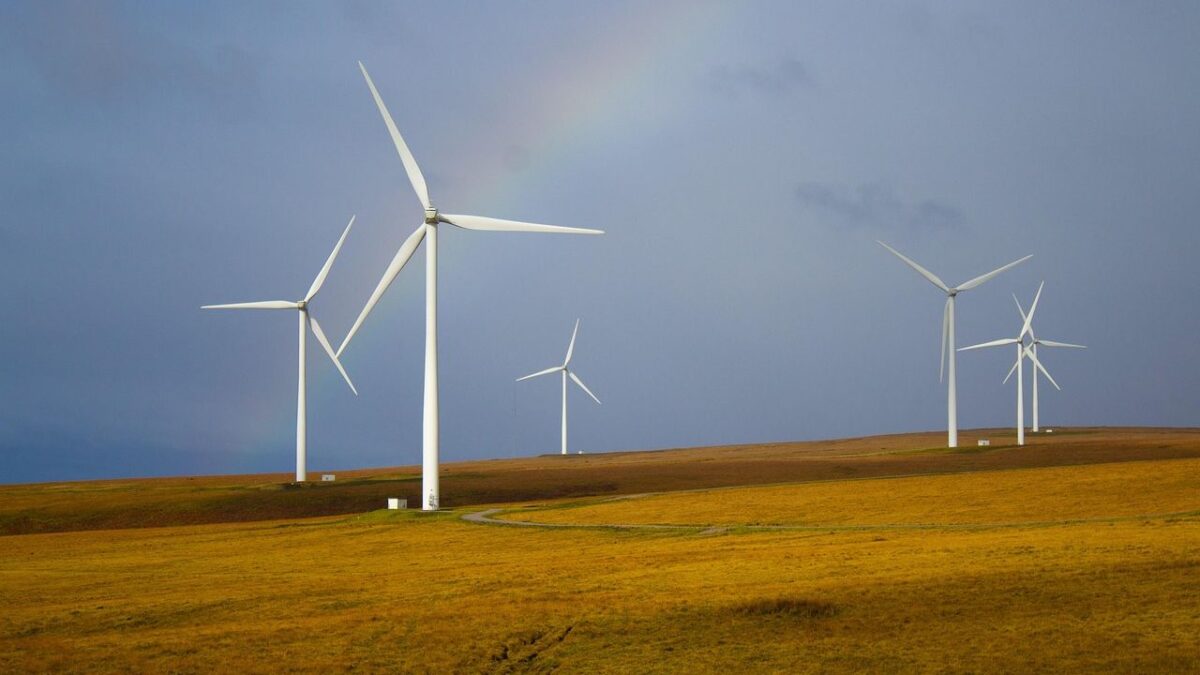
Think about the last time you saw those massive white turbines spinning against a big blue sky. Chances are, if you’ve driven through West Texas or the Panhandle, you’ve witnessed an energy revolution in action. Wind power isn’t just a trendy environmental initiative anymore. It’s become a dominant force reshaping how America powers its homes and businesses.
Texas doesn’t just participate in wind energy. The state absolutely dominates it, producing more than double what the next closest state generates. Let’s be real, everything’s bigger in Texas, right? That includes ambition, land, and apparently, the capacity to harness invisible gusts of air into billions of watts of electricity.
Massive Wind Capacity Sets Texas Apart
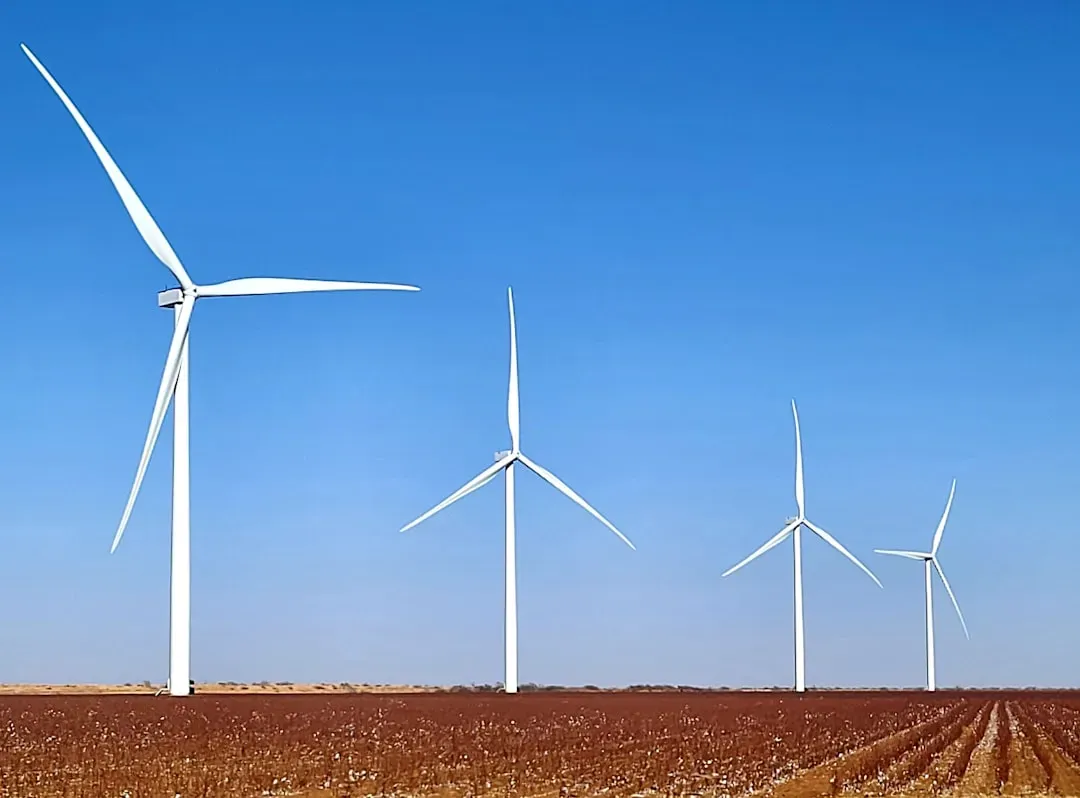
As of 2025, the state boasts more than 42 gigawatts of installed wind capacity, which is honestly hard to even wrap your head around. To put that in perspective, Texas has over 40 gigawatts of installed wind capacity – enough to power more than 10 million homes.
Texas produced 29.5% of the nation’s wind energy, more than double the amount from Oklahoma, the next highest-generating state. No other state even comes close. If Texas were a country, it would rank fifth in the world; the installed wind capacity in Texas exceeds installed wind capacity in all countries but China, Germany and India.
These aren’t just random turbines scattered around either. The Lone Star State has 19,415 active wind turbines, according to the most recent report from the U.S. Wind Turbine Database. Texas has more active wind turbines than the next three states combined: Iowa – 6,472, Oklahoma – 5,597, and California – 5,510.
The sheer magnitude of Texas’s wind infrastructure has transformed rural landscapes across the state. Honestly, it’s hard to imagine what West Texas looked like before these towering structures became part of the horizon. This dramatic expansion didn’t happen by accident.
Perfect Geography And Climate Conditions
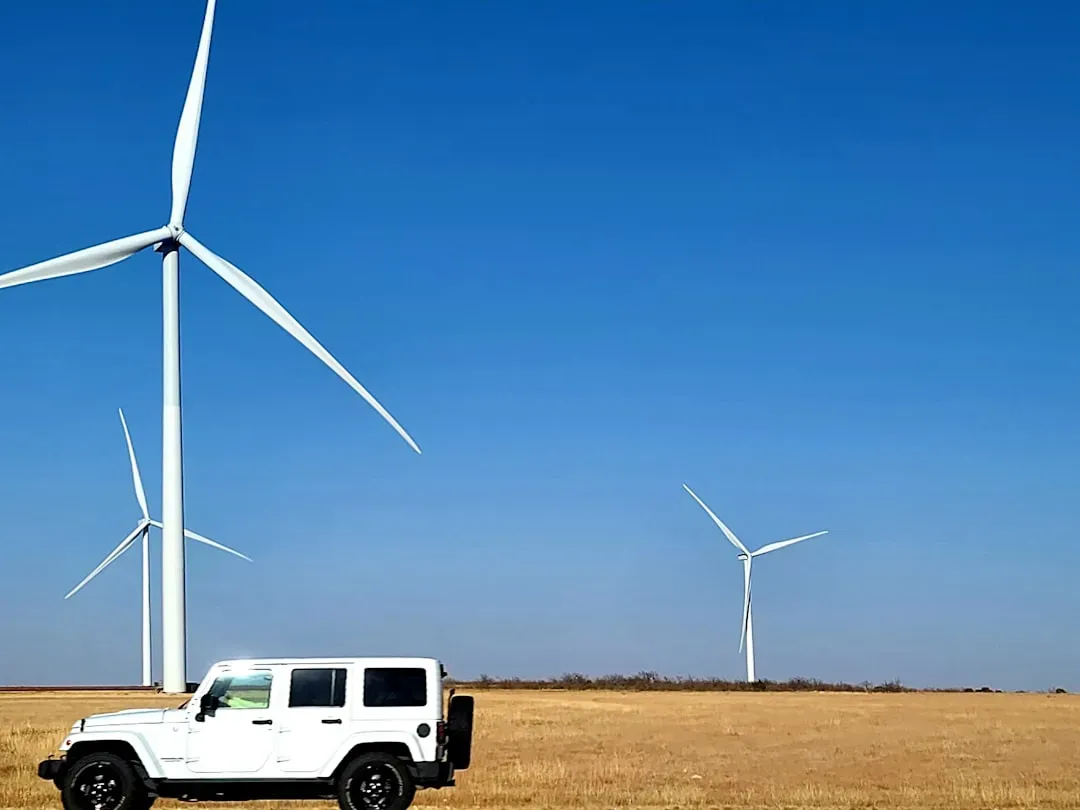
Geography doesn’t lie, and Texas won the wind energy lottery in terms of natural resources. The state’s large, open plains (especially in West Texas, the Panhandle, and the Gulf Coast) make it ideal for large-scale wind farms. The vast, relatively flat terrain stretches for hundreds of miles without major obstacles.
Particularly in southern Texas, the difference between land and off-shore air temperatures creates convection currents that generate significant winds during the middle of the day when electricity usage is typically at its peak level. These coastal winds offer something special compared to their landlocked cousins.
Records for wind penetration are often broken in the spring because of highly seasonal patterns in both electricity demand and wind power output. In Texas, wind generation is usually highest in the windier spring season. During peak months between March and May, wind conditions become exceptionally strong and consistent.
Wind production typically reaches its annual peak in Texas between March and May, when the end of winter brings higher and more sustained wind speeds at turbine level. About one-third of Texas’ total annual wind production occurs during the months of March, April, and May. Mother nature essentially designed Texas to be a wind energy powerhouse.
There’s something poetic about harnessing the same powerful winds that once blew cattle and tumbleweeds across the prairie to now power millions of homes.
Policy Decisions That Made History
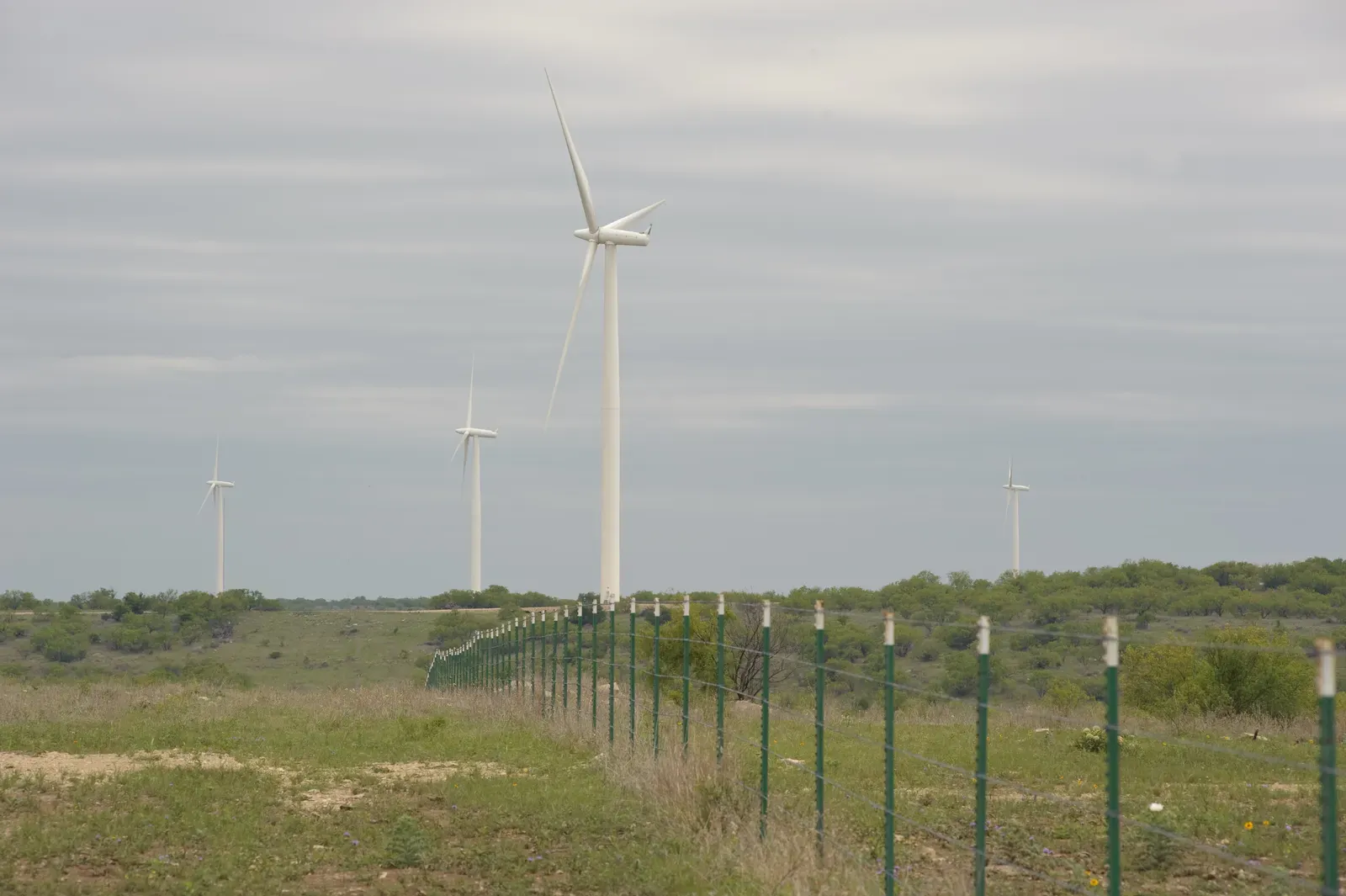
Behind every great energy transformation lies a series of bold policy choices. The Texas Renewable Portfolio Standard was originally created by Senate Bill 7 and signed by Governor Bush in 1999, which helped Texas eventually become the leading producer of wind powered electricity in the U.S. That legislative vision set everything in motion over two decades ago.
In 2005, Senate Bill 20, increased the state’s RPS requirement to 5,880 MW by 2015, of which, 500 MW must come from non-wind resources. The bill set a goal of 10,000 MW of renewable energy capacity for 2025, which was achieved 15 years early, in 2010. Talk about exceeding expectations.
The state invested billions in critical infrastructure to make wind power viable. Texas built over 3,600 miles of transmission lines (CREZ lines – Competitive Renewable Energy Zones) to move wind power from remote areas to cities like Dallas, Houston, and Austin. Without these transmission highways, all those turbines would’ve been useless.
These weren’t just empty promises on paper either. The Texas Economic Development Act (Chapter 313) offered new businesses a value limitation on the appraised value of their property in exchange for creating a specific number of jobs and building or installing new property worth a certain amount. As a result, 241 wind energy-related projects plan to invest more than $50 billion during the life of their agreements and have committed to creating 1,044 jobs.
Texas created a business-friendly regulatory environment that attracted massive private investment while maintaining focus on renewable expansion. The bipartisan support helped too, proving that energy independence can transcend political divisions.
Economic Impact And Job Creation
Wind energy isn’t just about feeling good about saving the planet. It’s about cold, hard cash flowing into communities. The economic impact of wind energy in Texas is substantial, with the industry contributing $1.7 billion a year to the state’s gross domestic product. With wind electric power generation jobs offering an average annual wage of $109,826, the growing sector provides lucrative employment opportunities.
In 2022 there were 26,135 Texas jobs in wind-related electric power generation, accounting for 20.8 percent of the 125,580 U.S. jobs. That means roughly one-fifth of all American wind energy jobs exist right here in the Lone Star State. Not bad for a single state.
Rural landowners discovered a financial windfall too. Farmers may lease their land to wind developers, creating a new revenue stream for the farm. These lease payments have transformed struggling agricultural communities into economically diverse regions.
Roscoe, the second largest wind farm in Texas, has 627 wind turbines and is capable of providing wind-generated energy to over 194,000 homes. The Roscoe Wind Complex has remitted more than $92 million in local taxes since 2008. Those tax dollars fund schools, roads, and public services in counties that desperately needed the revenue.
Looking ahead, the job market looks incredibly promising. Employment of wind turbine technicians projected to grow by 44 percent by 2031, according to the U.S. Bureau of Labor Statistics. It’s hard to find many industries with that kind of explosive growth forecast.
Impressive Wind Farm Infrastructure
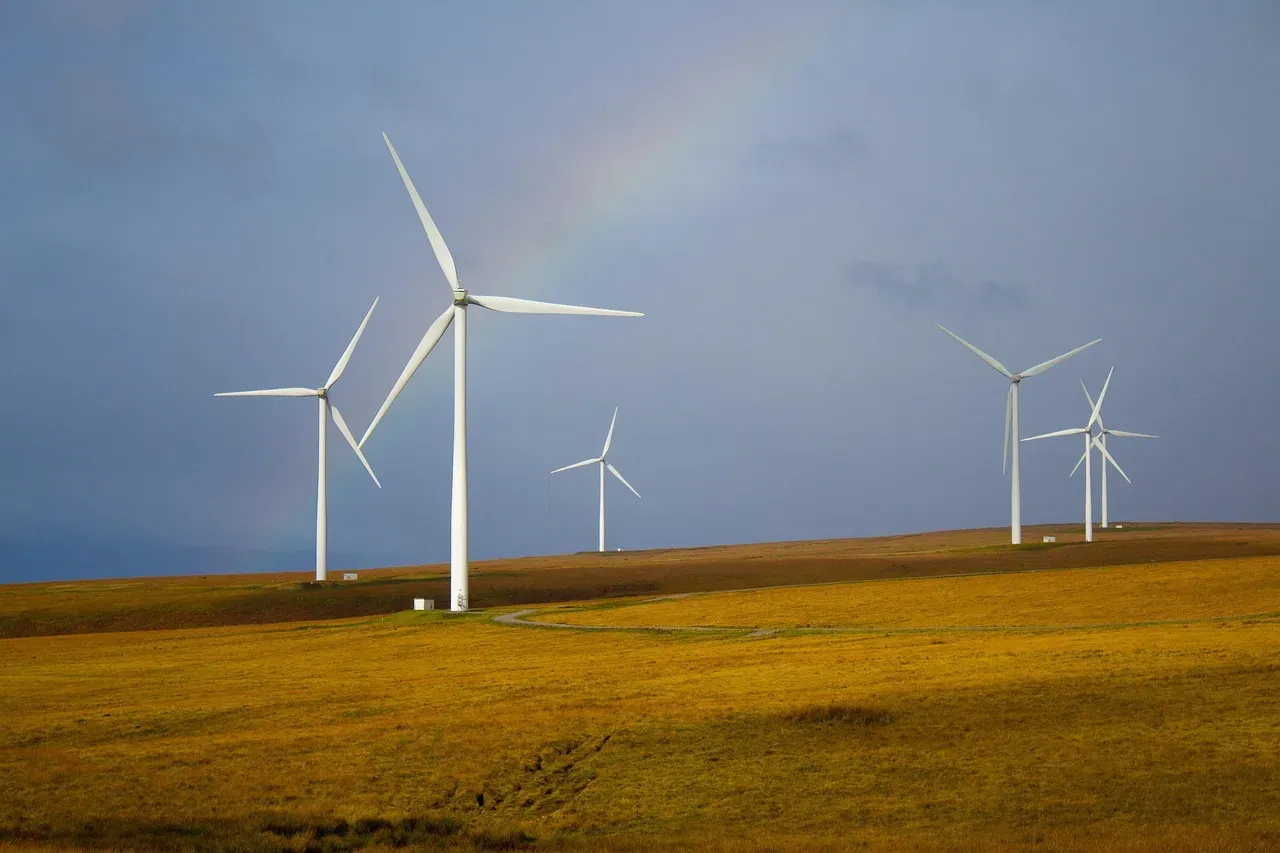
The scale of individual wind farms in Texas borders on mind-blowing. The Great Prairie Wind project in Hansford County, Texas, stands as the largest wind farm in the state and one of the largest wind farms in the United States for annual electricity generation. Operated by NextEra Energy Resources, the project began commercial operations in November 2022 after being developed in three phases.
The Los Vientos Wind Farm (912 MW) in South Texas, is the state’s largest wind farm by nameplate capacity. Unlike most Texas wind farms concentrated in the western and panhandle regions, Los Vientos shows that southern coastal winds can be equally productive.
The wind farm spanning nearly 100,000 acres across Nolan, Taylor, Mitchell, and Scurry counties near Abilene marked a turning point for large-scale renewable energy in the United States. Developed and operated by RWE Renewables, the project delivers 781.5 megawatts of capacity through 627 turbines supplied by Mitsubishi, Siemens, and GE. That’s the Roscoe Wind Complex, which was once the world’s largest.
The Horse Hollow Energy Center, located across Taylor and Nolan counties near Abilene, was the world’s largest wind farm when it became fully operational in December 2006. Spanning nearly 47,000 acres, the 735.5-megawatt facility marked a major milestone in Texas’s rise as a global wind energy hub.
These aren’t mom-and-pop operations. They’re massive industrial facilities that require sophisticated engineering, constant maintenance, and represent billions in capital investment. Each turbine stands taller than the Statue of Liberty and requires teams of highly skilled technicians to keep spinning.
Grid Integration Challenges And Solutions
Here’s the thing nobody likes talking about: integrating all this wind power into the electrical grid is incredibly complex. Grid limitations, such as the inability to handle additional transmission from wind-dense regions like West Texas, have led to frequent curtailments of wind energy production. Additionally, regulatory constraints and the completion of earlier initiatives, like the Competitive Renewable Energy Zone (CREZ), have limited the construction of new transmission lines essential for integrating additional wind capacity.
In 2022, the Electric Reliability Council of Texas (ERCOT), the grid manager for most of Texas, curtailed 5% of its total available wind generation and 9% of total available utility-scale solar generation. That means perfectly good electricity couldn’t be used because the grid couldn’t handle it.
Wind energy presents a fundamental challenge that fossil fuels don’t. The obstacles for even bigger development include: Intermittency: Wind output fluctuates, requiring grid flexibility and energy storage. Transmission constraints: At times, there’s more wind power than the grid can carry. The wind doesn’t blow on command like a natural gas plant can fire up.
Yet Texas has proven remarkably adaptive. Wind generation through the first nine months of this year totaled 87 TWh, up 4% compared with the same period in 2024 and 36% since the same period in 2021. Together, wind and solar generation met 36% of ERCOT’s electricity demand in the first nine months of 2025. That’s extraordinary penetration for variable renewable sources.
The future likely involves massive battery storage installations and even more sophisticated grid management technology. Texas continues pushing boundaries on what’s possible when you combine aggressive renewable targets with practical engineering solutions.
Texas has proven that wind energy leadership isn’t just about having good wind resources. It requires visionary policy, massive infrastructure investment, technological innovation, and economic incentives that create win-win scenarios for developers, landowners, and consumers. The state’s dominance represents a fundamental transformation in American electricity generation that shows no signs of slowing down. What other states might follow Texas’s playbook in the coming decade?
