

When you bite into that perfectly crispy chicken sandwich or crack open a fresh egg for breakfast, have you ever stopped to wonder where it all comes from? The United States is a poultry powerhouse, raising billions of chickens every year to satisfy our insatiable appetite for both eggs and meat. Yet this massive industry isn’t spread evenly across the country. A handful of states dominate chicken production in ways that might genuinely surprise you.
Some regions have built entire economies around raising these birds, transforming agricultural landscapes and creating thousands of jobs in the process. From sprawling broiler operations in the South to massive egg facilities in the Midwest, the geography of America’s chicken industry tells a fascinating story about climate, infrastructure, and agricultural innovation. Let’s dig into the states that are truly leading the flock.
Georgia: The Undisputed Broiler Champion
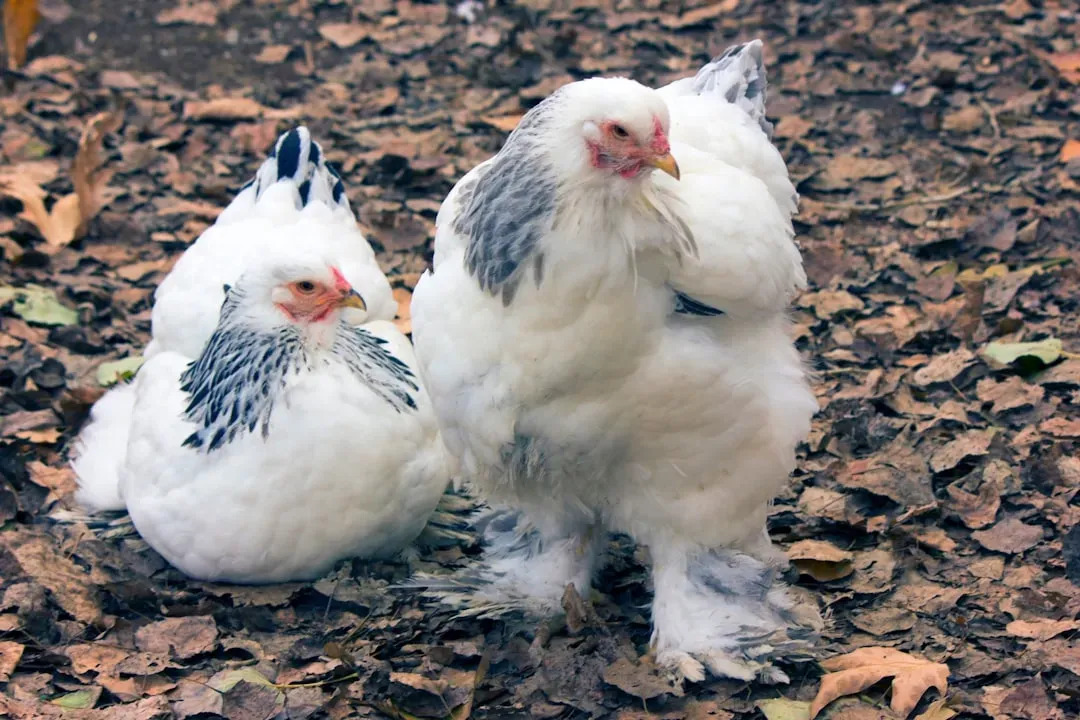
Georgia is the state that produces the most chicken, with 1.3 billion chickens produced this year, solidifying its position as the nation’s broiler king. This is no accident. The Peach State has been building its poultry empire since the 1940s, and the results are nothing short of staggering.
Since the 1940s, the Peach State has seen significant growth in its broiler chicken industry. Georgia farmers began chicken farming in earnest from 1939 to 1950, with chicken farms increasing from 57 to 1,044. That explosive growth set the stage for what would become a multibillion-dollar industry. Today, Georgia doesn’t just produce chickens – it dominates the entire supply chain, from hatcheries to processing plants scattered across its rural communities.
What makes Georgia so perfect for chicken production? The state’s mild climate plays a huge role, allowing chickens to thrive year-round without extreme temperature stress. Then there’s the infrastructure: Georgia is home to major poultry companies that have created an integrated system controlling virtually every aspect of production. Production of broiler chickens rose to over 5 billion pounds by 1995, and the Peach State produces well over 8 billion pounds annually.
The economic impact is massive. Thousands of family farms across the state contract with large integrators, creating a symbiotic relationship that keeps both rural communities and corporate giants thriving. Processing facilities dot the landscape, turning live birds into the packaged chicken products we see in grocery stores nationwide. Georgia’s poultry industry isn’t just big – it’s the backbone of the state’s agricultural economy.
Think about this for a moment: roughly one out of every seven chickens raised for meat in America comes from Georgia. The numbers are almost incomprehensible, yet they reflect decades of strategic investment and agricultural expertise. The state has essentially written the playbook for modern broiler production.
Iowa: The Egg Production Powerhouse
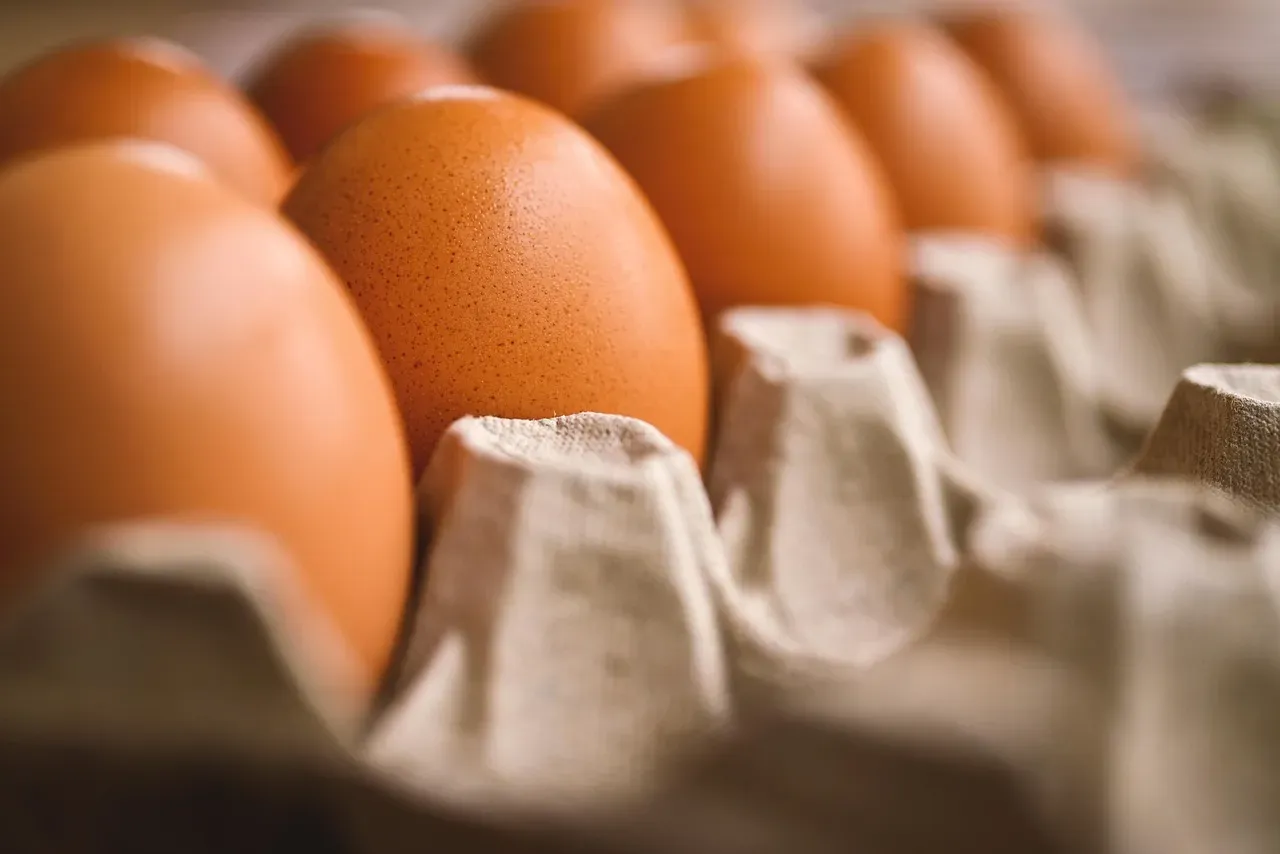
Iowa might surprise you. While Southern states dominate meat production, Iowa is the state that produces out of all the US states when you count total birds, particularly egg-laying hens. Iowa had the highest number of chickens of any U.S. state in 2023 with just over 54 million heads.
Here’s where it gets really interesting: Iowa leads all 50 US states in egg production, with 1,100.2 million eggs produced by the end of 2023. Iowa produces one in every six eggs in the US. Let that sink in. Every sixth egg you’ve ever eaten likely came from Iowa. The state’s economy is deeply rooted in agriculture, and egg production has become one of its most profitable sectors.
Iowa’s dominance in egg production stems from several factors. The state is ideally positioned near abundant corn and soybean crops, which are essential ingredients in chicken feed. This proximity dramatically reduces transportation costs, making Iowa operations more efficient than facilities in other regions. The infrastructure is equally impressive, with modern egg-laying facilities housing millions of hens in climate-controlled environments designed for maximum productivity.
Iowa has approximately 40+ million laying hens, working around the clock to keep America’s breakfast tables stocked. The specialized facilities use mechanized systems that control everything from lighting schedules to feeding times, all calibrated to maximize egg production. It’s a level of sophistication that would have been unimaginable just a few decades ago.
The economic ripple effects are substantial. Iowa’s egg producers create more than 7,000 jobs annually. $2 billion in total sales, $502 million in personal wages and over $22 million in state tax revenues. These aren’t just numbers – they represent thousands of families whose livelihoods depend on this industry. Iowa has essentially become America’s egg basket, a title the state wears with considerable pride.
Alabama: The Southern Broiler Giant
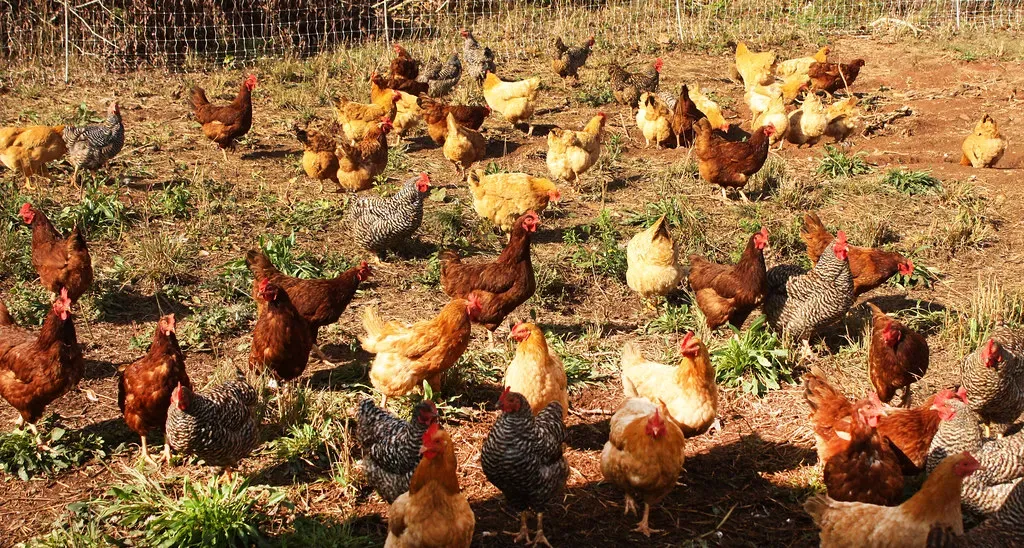
Alabama followed close behind with 1.2 billion chickens produced this year, securing its place as one of the nation’s top poultry producers. Alabama’s chicken industry is a testament to how agricultural focus can transform a state’s economy and identity.
Alabama (along with Georgia and Arkansas) supplies poultry products not only to Alabamians, but to consumers throughout the nation and the world. The state’s broiler production has become so integral to its agricultural landscape that it’s hard to imagine Alabama without it. North Alabama, in particular, has become a broiler production hub, with chicken houses dotting the rural landscape as far as the eye can see.
The geography of Alabama plays a crucial role in its success. The state’s mild climate is perfect for raising broilers, and unlike regions better suited for row-crop agriculture, Alabama’s terrain in certain areas is ideal for animal agriculture. The Tennessee River system has been particularly important, providing an efficient transportation route for bringing in corn and soybeans from the Midwest to feed the millions of chickens raised here.
Alabama’s poultry industry adopted vertical integration early, meaning companies control everything from breeding to processing to distribution. This approach has allowed the state to expand rapidly and maintain consistent quality standards. Major processing plants throughout the state employ thousands of workers, turning live chickens into the nuggets, breasts, and wings that Americans consume by the billions.
Each American consumes approximately 93 pounds of chicken meat and more than 267 eggs each year. Alabama plays a massive role in meeting that demand. The state’s commitment to modernization and efficiency has kept it competitive in an increasingly global marketplace.
Arkansas: The Natural State’s Poultry Pride
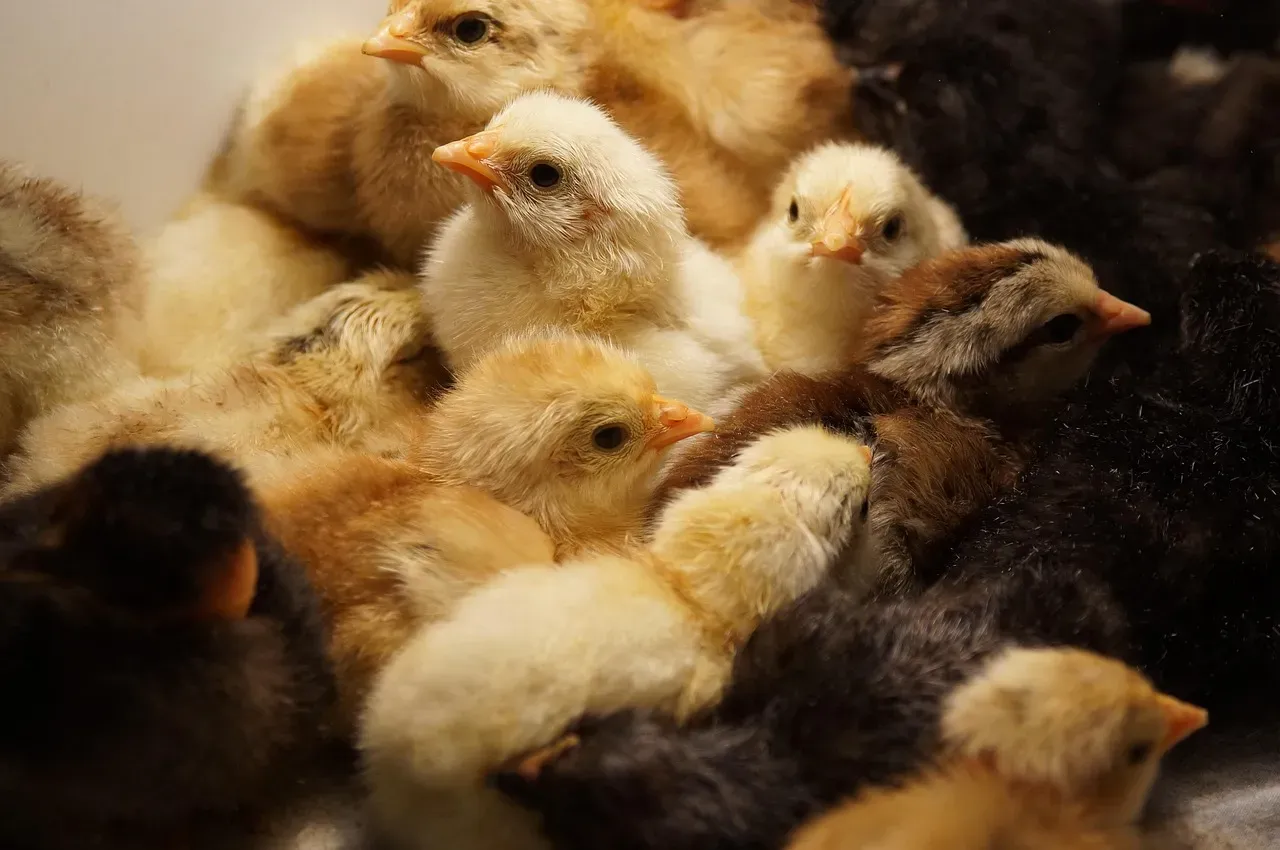
Arkansas followed close behind with 1.11 billion chickens produced this year, and the state takes its poultry production seriously. Arkansas ranks #3 in US broiler production, behind Georgia #1 and Alabama #2. Poultry (including broilers, turkeys and chicken eggs) is Arkansas’ leading agricultural industry.
Northwest Arkansas has become the epicenter of the state’s poultry empire. The region is home to some of the biggest names in the chicken business, with massive processing facilities and feed mills supporting an intricate network of contract growers. Arkansas’s low costs and friendly business climate are good reasons for big chicken companies like Tyson Foods, Simmons Foods, and OK Foods to have operations there. Arkansas actually makes more broilers per person than any other state in the country.
The history is fascinating. During the late 1940s, Arkansas began transforming from a modest agricultural state into a poultry powerhouse. Companies recognized the potential of the region’s climate, available land, and access to feed ingredients. By the 1950s, poultry had become the state’s second-largest source of agricultural income, and the growth hasn’t stopped since.
Arkansas benefits from economies of scale that smaller states simply can’t match. Arkansas saw a 25% increase in chicken production over recent decades, demonstrating the state’s commitment to expansion and innovation. The integrated production system means chickens never travel far from hatchery to processing plant, ensuring freshness and efficiency.
What really sets Arkansas apart is the sheer density of production. Drive through rural areas and you’ll see chicken house after chicken house, each one housing thousands of birds. Contract farmers work directly with the big integrators, raising birds according to strict specifications. It’s an arrangement that has proven remarkably durable and profitable for both sides.
North Carolina: The Heavyweight in Pounds Produced
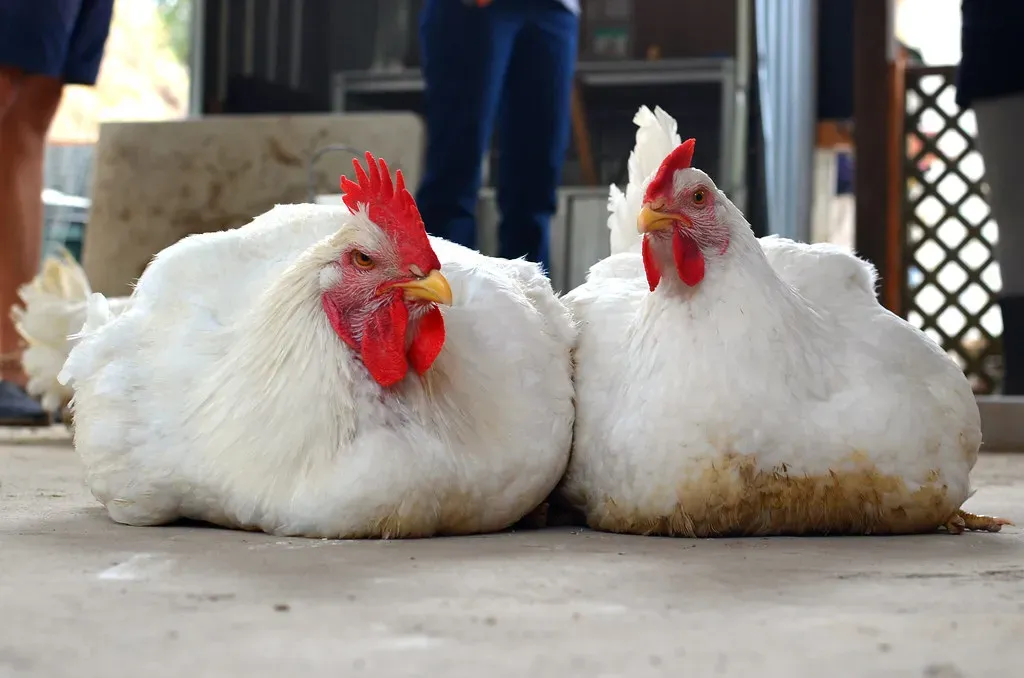
North Carolina presents an interesting case. While North Carolina raised just under 1 billion chickens in 2023, making it the fourth largest chicken producer in the country, here’s the twist: in terms of the weight of chicken, North Carolina is on the top with 810.25 million pounds according to USDA reports.
This means North Carolina’s chickens are bigger. The state has focused on producing larger birds that yield more meat per chicken, a strategic choice that’s paid enormous dividends. North Carolina is home to chicken giants like Tyson Foods, Perdue, and Mountaire Farms, all of whom have invested heavily in breeding programs designed to maximize size and meat quality.
The state’s agricultural history provided an unexpected advantage. The state’s long history of tobacco farming also gave it the barn space it needed to make large-scale chicken production possible. As tobacco declined, farmers repurposed existing infrastructure for poultry production, creating a smooth transition that benefited rural communities economically.
North Carolina has built a sophisticated supply chain that rivals any state in the nation. From specialized breeding facilities to state-of-the-art processing plants, the infrastructure supports every stage of production. The result is a consistent supply of high-quality chicken products shipped throughout the country and exported globally. Chickens raised in North Carolina are processed into everything from nuggets to boneless breasts.
The state’s commitment to innovation keeps it competitive. Research into genetics, nutrition, and environmental controls has allowed North Carolina producers to consistently raise larger, healthier birds. It’s a testament to how agricultural science and practical farming can combine to create impressive results.
Mississippi: The Southeastern Contender
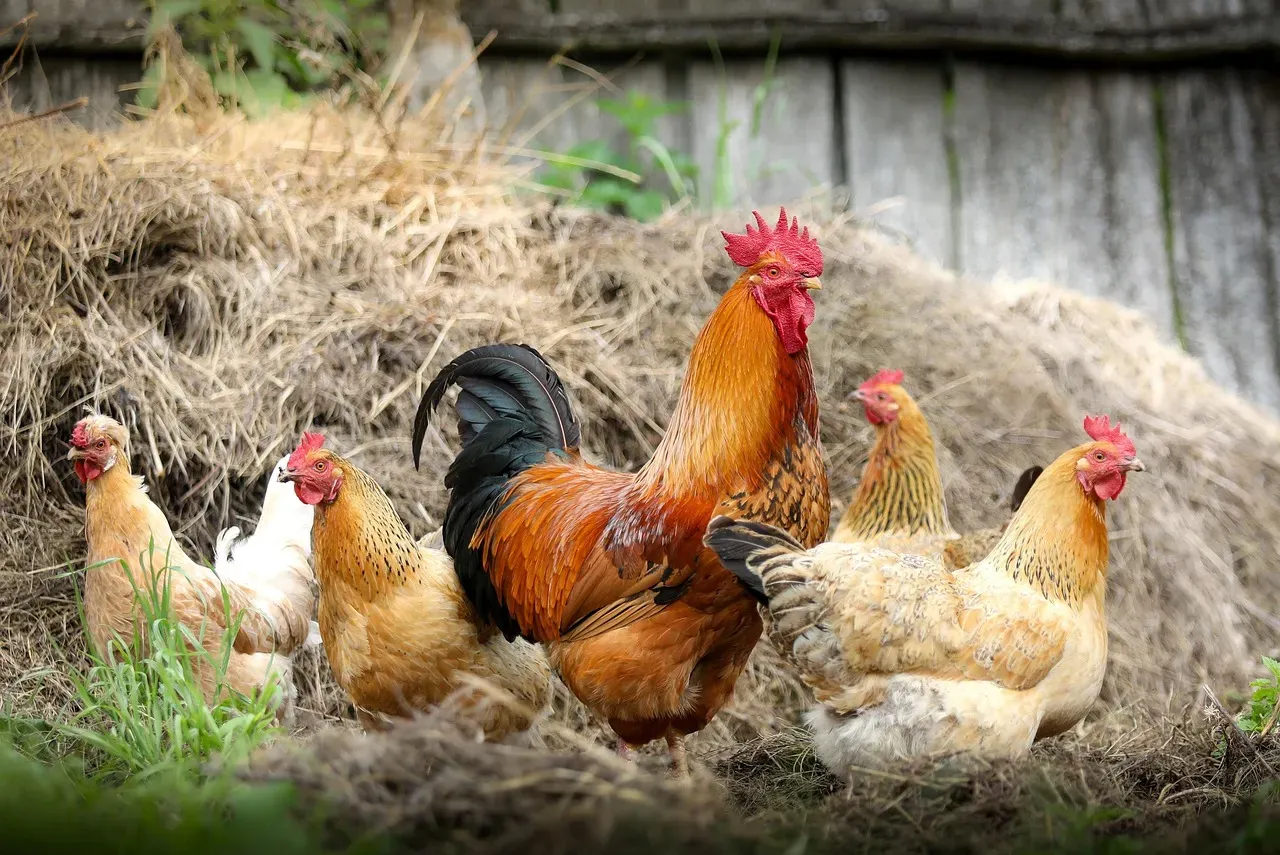
Some of the leading chicken-producing states include Georgia, Alabama, Arkansas, North Carolina, and Mississippi, and Mississippi has quietly built a formidable poultry industry that rivals its more famous neighbors. The state’s strategic location in the Southeast, combined with favorable agricultural conditions, has made it a major player in broiler production.
Mississippi’s poultry industry benefits from the same regional advantages that have boosted Georgia and Alabama: mild climate, available land, and proximity to feed sources. The state has embraced vertical integration, with major companies establishing comprehensive operations that control every production aspect. This approach has allowed Mississippi to compete effectively in a crowded market.
The five leading broiler production states are Georgia, Arkansas, Alabama, Mississippi, and North Carolina. These five states currently produce more than 60 percent of all the broilers in the United States. Mississippi’s contribution to that staggering percentage demonstrates just how significant its poultry operations have become. Rural communities throughout the state depend heavily on chicken farming for employment and economic stability.
The state’s processing facilities have modernized significantly in recent decades, incorporating the latest technology to improve efficiency and food safety. From automated processing lines to advanced refrigeration systems, Mississippi’s poultry plants represent substantial investments in infrastructure. These facilities process millions of birds weekly, supplying both domestic and international markets with chicken products.
Mississippi’s commitment to the poultry industry extends beyond just production numbers. The state has invested in agricultural education and research, helping farmers adopt best practices and new technologies. This forward-thinking approach has kept Mississippi competitive even as the industry faces challenges like labor shortages and changing consumer preferences.
Conclusion
The geography of chicken production in America reveals a fascinating story of regional specialization and agricultural innovation. From Georgia’s broiler dominance to Iowa’s egg empire, these six states have built industries that feed millions while supporting countless rural communities. The scale is mind-boggling – billions of chickens raised annually through sophisticated systems that would have seemed like science fiction just a generation ago.
What’s clear is that chicken production has become highly concentrated, with just a handful of states supplying the vast majority of America’s poultry needs. This concentration brings both benefits and challenges, from economies of scale to concerns about resilience and sustainability. These states have essentially become the nation’s chicken basket, a responsibility they’ve embraced with substantial investments in technology, infrastructure, and agricultural expertise.
Did you expect these states to dominate so thoroughly? The numbers tell a story of strategic advantages – climate, geography, feed access, and business-friendly policies – all combining to create regional powerhouses. Next time you enjoy that chicken dinner, you’ll know there’s a pretty good chance it traces back to one of these six states.

- Why Bald Eagles Are Returning to the Midwest in Record Numbers - June 21, 2026
- 9 Small Dog Breeds With Chronic Housebreaking Issues - June 21, 2026
- The US States With the Most Groundhogs - June 21, 2026