


The California condor’s journey from near-extinction to recovery stands as one of conservation’s most remarkable success stories. In 1982, with only 22 individuals remaining in the wild, these majestic birds—North America’s largest land birds with wingspans stretching nearly 10 feet—faced imminent extinction. Today, after decades of dedicated conservation efforts, their population has grown to over 500 birds.
This extraordinary recovery didn’t happen by chance; it required unprecedented collaboration between scientists, government agencies, conservation organizations, and indigenous communities. This article explores the California condor’s precipitous decline, the groundbreaking conservation strategies that saved the species, and the ongoing challenges faced by these magnificent birds as they reclaim their place in the wild.
The California Condor: A Living Relic
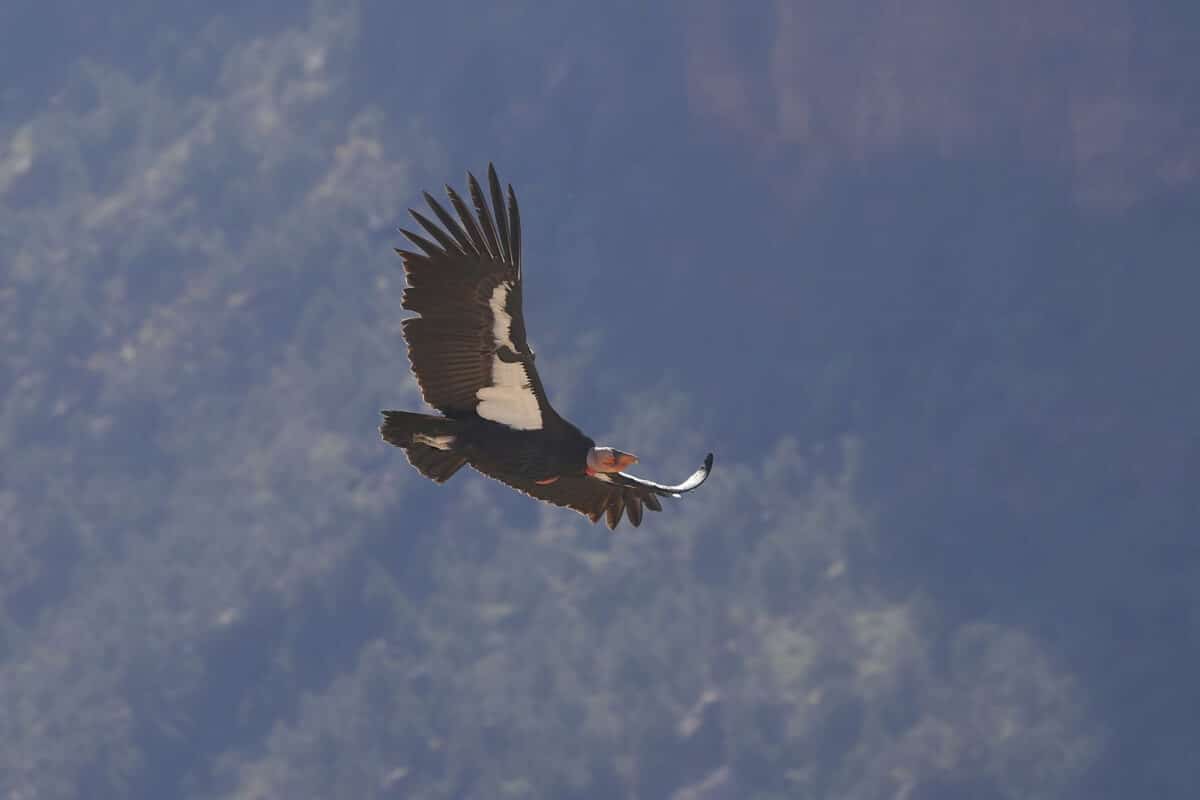
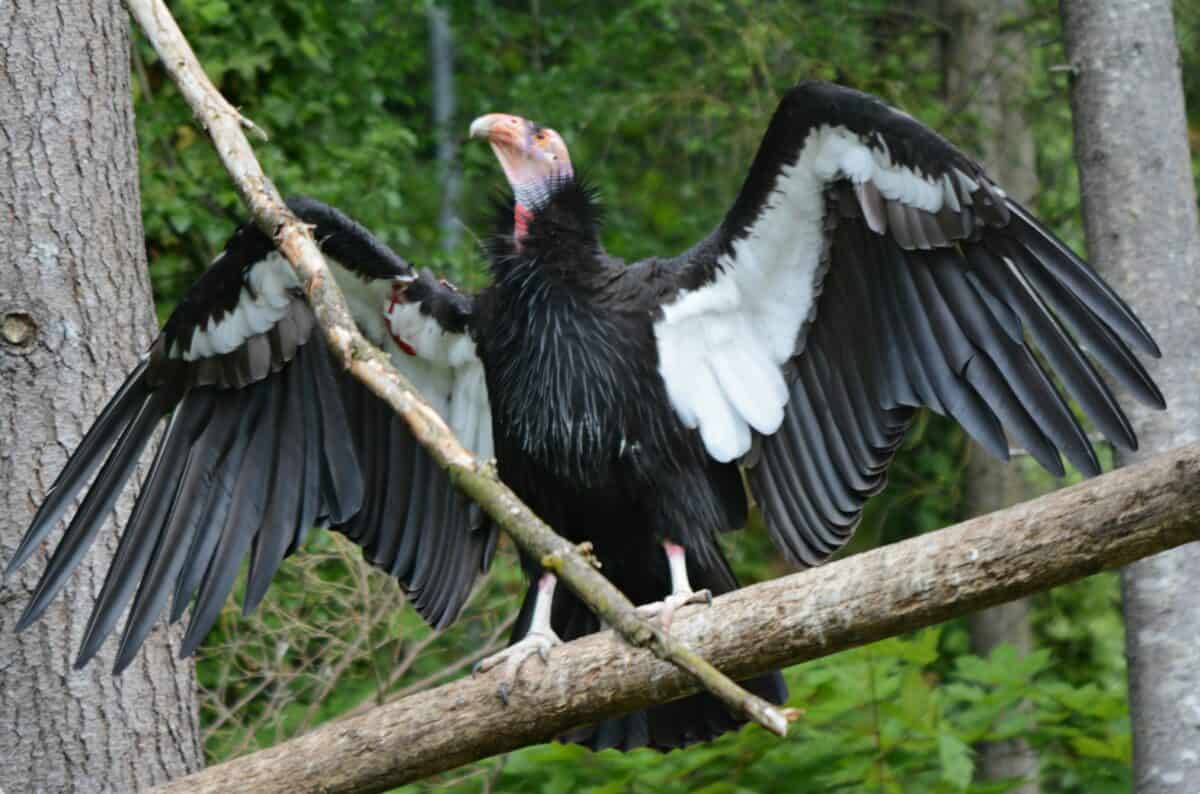
The California condor (Gymnogyps californianus) is more than just a bird—it’s a living connection to prehistoric times. As North America’s largest flying bird, with wingspans reaching 9.5 feet and weighing up to 25 pounds, these massive vultures once soared across much of the continent. Fossil records show that condors ranged from Canada to Mexico during the Pleistocene epoch, feeding on the carcasses of now-extinct megafauna like mammoths and giant sloths.
After the mass extinction of these large mammals around 10,000 years ago, condors retreated to the Pacific coast, where they continued to play a crucial ecological role as nature’s cleanup crew. Their remarkably efficient digestive systems can neutralize dangerous bacteria, and their bald heads—though perhaps not aesthetically appealing to human eyes—are perfectly adapted for feeding on carrion without feathers getting soiled. With lifespans reaching 60 years in the wild, these birds hold profound cultural significance for many Native American tribes, particularly the Chumash and Kumeyaay peoples of California, who consider the condor a sacred being integral to their creation stories and spiritual practices.
The Precipitous Decline
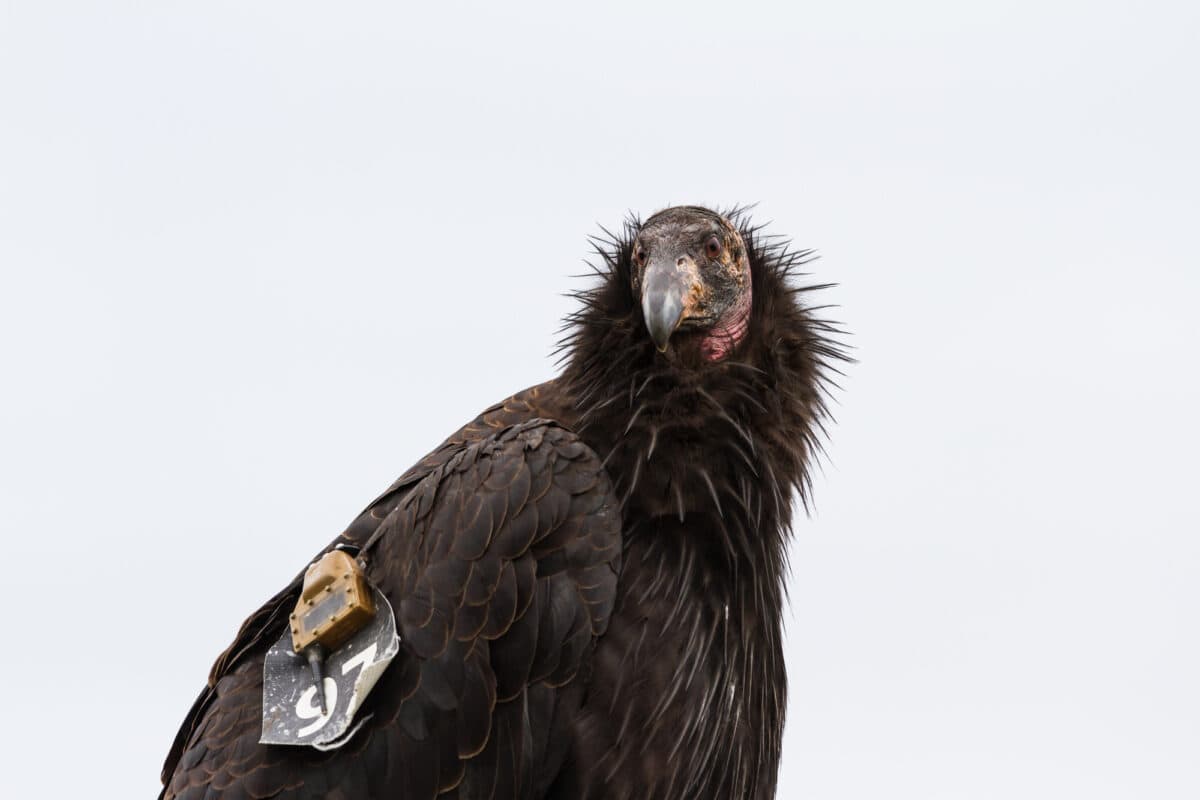
The California condor’s path toward extinction began with European settlement of North America. By the mid-20th century, these birds faced a perfect storm of threats. Lead poisoning emerged as the primary killer—condors ingested lead fragments from hunter-shot game carcasses, causing paralysis, brain damage, and often death. Secondary poisoning from agricultural pesticides like DDT weakened eggshells and reduced reproductive success. Direct persecution also took a toll; the birds were shot, poisoned, and captured for various reasons ranging from specimen collection to mistaken identity as livestock predators.
Habitat loss further compressed their range as development encroached on critical breeding and foraging territories. By the 1950s, their population had collapsed to fewer than 60 individuals limited to a small area in the mountains of southern California. The decline continued unabated through the 1970s, despite the condor’s inclusion as one of the first species protected under the newly created Endangered Species Act of 1973. By 1982, with just 22 birds remaining and no successful wild breeding for several years, extinction seemed inevitable without drastic intervention.
The Controversial Decision to Capture All Remaining Wild Condors
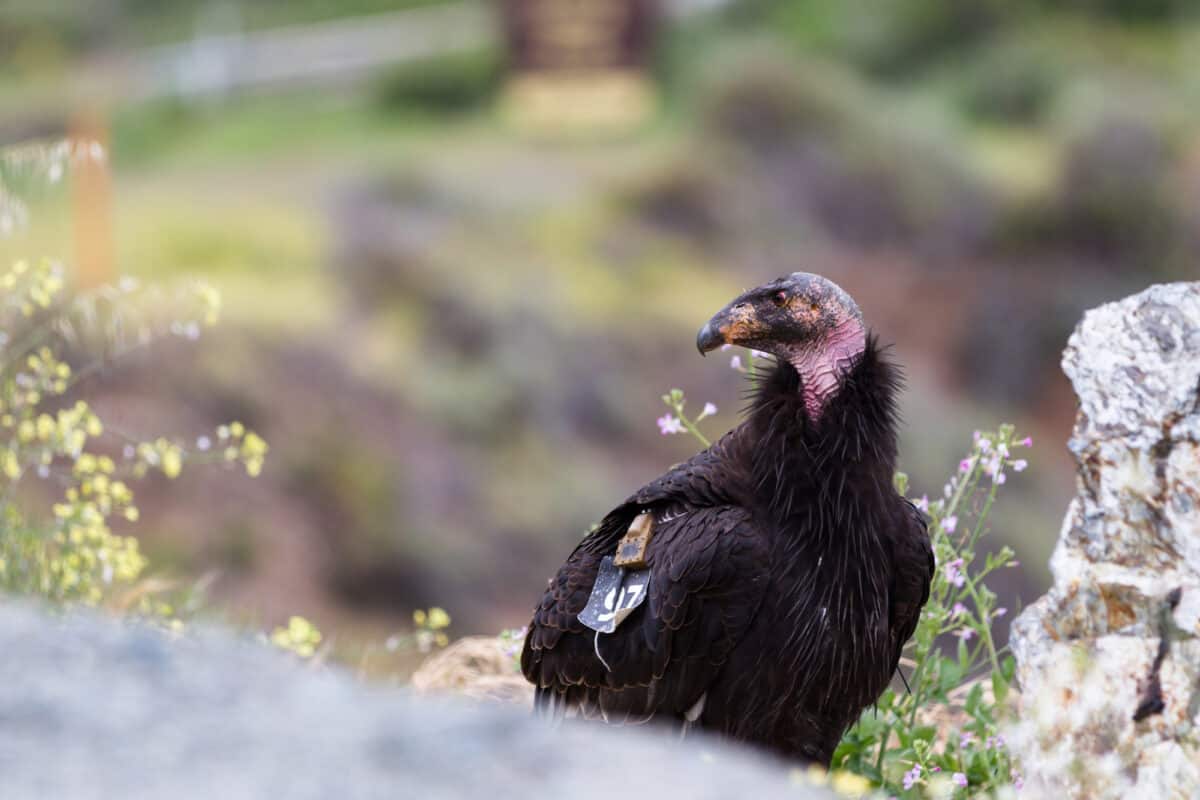
In April 1987, conservationists made one of the most controversial decisions in wildlife management history—capturing the last wild California condor, known as AC9 (Adult Condor #9). This action completed the removal of all remaining wild condors into captivity, effectively rendering the species extinct in the wild. The decision sparked fierce debate among environmentalists, scientists, and the public. Critics argued that taking the final birds from the wild was an admission of defeat, essentially ending the species’ natural existence. They questioned whether captive-raised birds could ever truly be wild again. Supporters countered that extinction was certain without this drastic step, pointing to the continuing threats in the wild and the species’ slow reproductive rate.
The U.S. Fish and Wildlife Service (USFWS), after extensive deliberation and in partnership with the California Condor Recovery Program, ultimately determined that a captive breeding program represented the only viable path forward. The fate of an entire species now rested in an intensive captive breeding effort—a last-ditch attempt to pull the California condor back from the abyss of extinction.
Creating a Genetic Safety Net
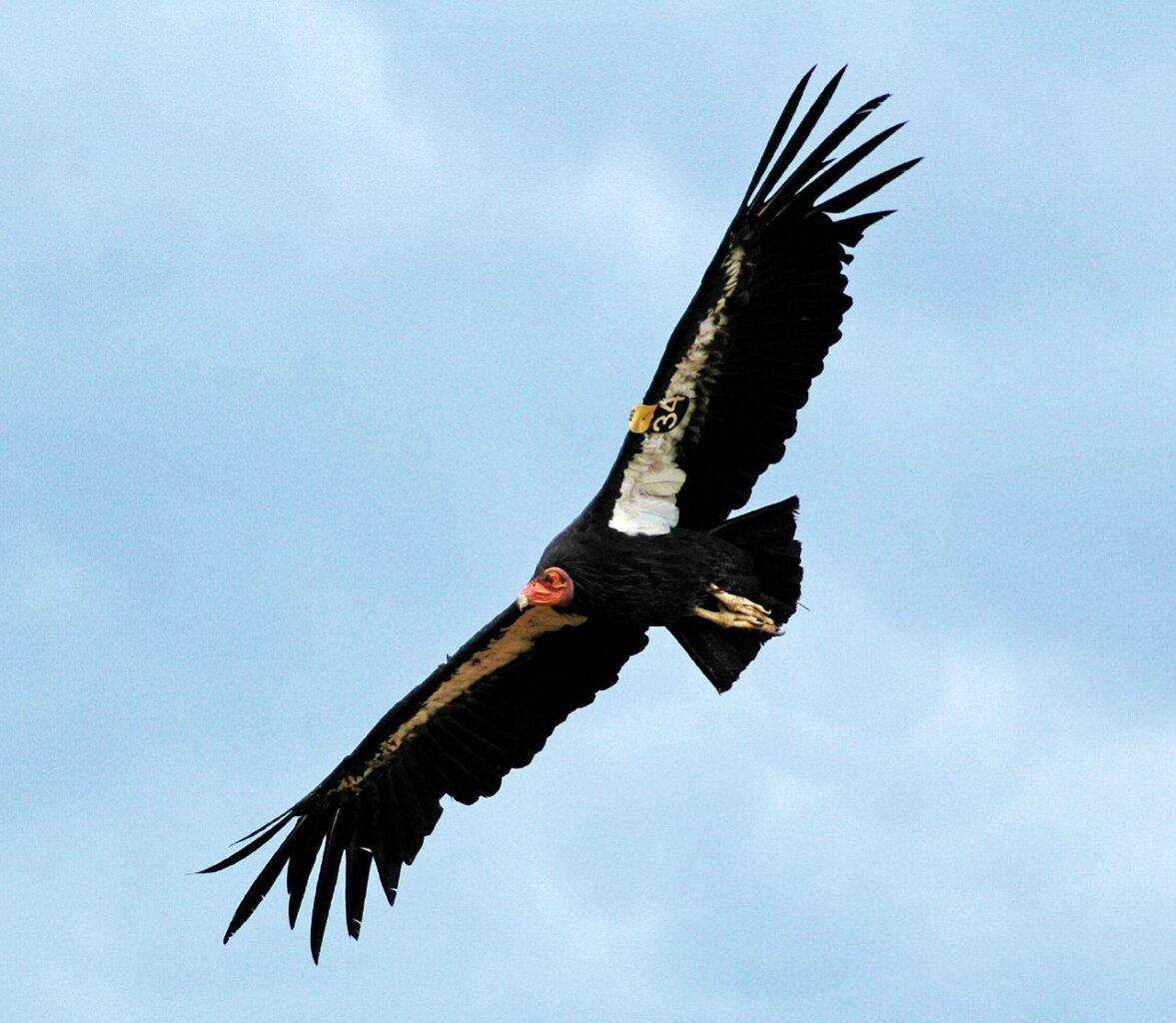
With all 27 remaining condors in captivity by 1987, the California Condor Recovery Program faced a critical genetic challenge: how to maintain enough genetic diversity to create a viable population from such a limited gene pool. Geneticists employed sophisticated breeding strategies to maximize genetic variation while minimizing inbreeding. Each bird was genetically profiled, and breeding pairs were carefully selected to preserve rare genetic lineages.
The San Diego Zoo’s Wildlife Alliance and Los Angeles Zoo spearheaded these efforts, later joined by the Oregon Zoo and World Center for Birds of Prey in Idaho. Scientists utilized cutting-edge reproductive technologies, including artificial insemination when certain genetically valuable birds failed to pair naturally. They also pioneered a technique called “double clutching”—removing first eggs from nests to be artificially incubated, which prompted females to lay a second egg, effectively doubling the reproductive output.
This approach proved remarkably successful; by 1988, the first captive-bred chick hatched, marking a critical milestone. Within a decade, the captive population had grown to over 100 birds, creating a genetic safety net that would form the foundation for future reintroduction efforts. The program’s success represented an unprecedented achievement in conservation genetics, demonstrating how scientific intervention could save a species from the genetic bottleneck that often leads to extinction.
Raising Wild Birds in Captivity
Breeding California condors in captivity presented one challenge; raising them to be functional wild birds posed another entirely. Conservationists faced a fundamental dilemma: how to raise captive chicks that would retain their wild instincts and behaviors without becoming habituated to humans. The solution was revolutionary—puppet-rearing techniques that prevented young condors from imprinting on their human caretakers.
Zookeepers donned condor-head puppets when feeding and interacting with chicks, ensuring the young birds never saw human faces. These puppets, meticulously crafted to resemble adult condors, were used to feed, groom, and teach the chicks essential condor behaviors. The facilities were designed to minimize human contact while maximizing natural development. Young condors were housed together to develop proper social dynamics, and their enclosures featured natural elements like rock formations and perches that mimicked cliff habitats. Before release, juveniles spent time with experienced adult condors who served as behavioral models.
The program also incorporated aversion training to instill healthy fear of humans—critical for their survival after release. Through these innovative techniques, conservationists effectively created a generation of captive-raised birds that maintained the natural behaviors necessary for survival in the wild—a remarkable achievement that would prove essential for successful reintroductions.
First Releases: Learning Through Trial and Error

In January 1992, after five years of intensive captive breeding, the moment of truth arrived—the first release of California condors back into the wild at the Sespe Condor Sanctuary in Los Padres National Forest. This initial cohort of birds faced immense challenges as pioneers of their species’ return. The early releases revealed unexpected obstacles that required adaptive management from the recovery team.
Some birds displayed problematic behaviors, including dangerous attraction to human structures and activities. Several condors perched on power poles, resulting in electrocutions, while others damaged property at mountain cabins. These setbacks forced biologists to refine their release protocols and develop pre-release training. They created mock power poles in training facilities that delivered mild shocks to teach birds to avoid these dangerous structures. Release methods evolved to include a “soft release” approach using temporary holding pens at release sites, allowing birds to acclimate to their new surroundings before full freedom.
Each setback provided valuable lessons that improved subsequent releases. The program adopted an adaptive management philosophy, continuously evaluating results and adjusting strategies based on new information. By 1995, despite early mortalities, the releases showed promising signs of success as condors began establishing natural movement patterns and social dynamics, validating the recovery team’s persistence through the difficult early phase.
Expanding Territories: Multiple Release Sites

By the late 1990s, the California Condor Recovery Program had gained sufficient confidence to expand reintroduction efforts beyond the initial southern California location. This strategic expansion created multiple wild populations—a crucial insurance policy against localized threats. In 1996, a second release site was established at Vermilion Cliffs in northern Arizona, near the Grand Canyon, marking the condor’s return to the region after a 70-year absence.
This location offered ideal habitat: vast open spaces with robust updrafts, minimal human development, and abundant food sources from large mammals. The Arizona population thrived, growing to become a cornerstone of recovery efforts. In 2003, releases began in central California’s Big Sur region, providing coastal habitat that closely resembled the condor’s historical range. The Yurok Tribe led another significant expansion in 2022, releasing condors in northern California’s redwood region—the first condors to soar there in over a century.
This release held special significance as it represented indigenous leadership in wildlife restoration, reconnecting the Yurok people with a species central to their cultural identity. Each new population expanded the species’ range while reducing vulnerability to localized threats like wildfires or disease outbreaks. By 2023, wild condors occupied approximately 13% of their historical range across California, Arizona, Utah, and Baja California, Mexico—a remarkable geographic recovery for a species once confined to a single captive population.
Tackling the Lead Poisoning Crisis

Despite the program’s breeding success, California condors continued to face a lethal threat in the wild—lead poisoning from ammunition fragments in animal carcasses, which remained the leading cause of death for released birds. Conservation efforts shifted toward addressing this persistent threat through both regulatory and educational approaches. California took bold legislative action in 2013 by passing Assembly Bill 711, which phased in a complete ban on lead ammunition for hunting throughout the state by 2019.
This landmark legislation followed earlier restrictions in the condor range and represented the most comprehensive lead ammunition regulation in the nation. In Arizona and Utah, where similar legislation faced stronger opposition, recovery teams implemented voluntary lead reduction programs. The “North American Non-Lead Partnership” provided free non-lead ammunition to hunters in condor territory and conducted educational outreach about the unintended consequences of lead bullets on wildlife. Field teams also instituted intensive monitoring programs to test wild condors regularly for lead exposure. Birds showing elevated lead levels were captured for chelation therapy—a medical treatment that binds lead molecules in the bloodstream for excretion.
This comprehensive approach began showing results; in California, lead poisoning cases declined following the ammunition restrictions, demonstrating that addressing this primary threat was essential for establishing self-sustaining wild populations.
Conservation Technology: Tracking and Monitoring

The California condor’s recovery has been powered by increasingly sophisticated technology that allows unprecedented monitoring of this wide-ranging species. Every released condor carries multiple identification markers—large, colorful wing tags visible from a distance and uniquely numbered federal bands—allowing observers to identify individual birds without recapture. More revolutionary has been the use of GPS transmitters, which have transformed condor monitoring from occasional sightings to continuous real-time tracking.
These solar-powered units, attached via backpack-style harnesses, transmit location data multiple times daily, creating comprehensive movement maps for each bird. This technology enables biologists to detect when a condor remains stationary (potentially indicating injury or death), identify previously unknown roosting sites, and understand how the birds navigate their vast territories. The data has revealed condors traveling up to 160 miles in a single day and identified critical movement corridors between separate populations.
Beyond tracking, field teams conduct regular health checks on wild condors, capturing birds to draw blood for lead testing, administer vaccinations against West Nile virus, and assess overall health. This intensive monitoring represents the most comprehensive surveillance program for any wild bird species, providing essential data that guides management decisions while creating an extraordinary dataset for understanding avian movement ecology across the landscape.
Nesting Success: The Ultimate Measure of Recovery

The true measure of the California condor recovery program’s success isn’t just the number of birds in the wild but their ability to reproduce naturally—an achievement that proved more challenging than initially expected. The first wild condor chick hatched to released parents in 2003 in southern California, a landmark event celebrated as evidence that captive-reared birds could successfully reproduce in the wild. However, this milestone revealed new obstacles to recovery. Many nests failed when chicks ingested human-created microtrash—small bits of glass, plastic, metal, and other debris that parents collected and fed to nestlings, causing fatal impactions.
Biologists responded with intensive nest monitoring, sometimes climbing into nest caves to remove accumulated microtrash and treat ailing chicks. Lead poisoning continued to threaten breeding adults, occasionally killing parent birds and dooming their dependent young. Despite these challenges, wild reproduction steadily increased. By 2015, wild-hatched birds began breeding—a crucial second-generation milestone.
The Arizona/Utah population reached a significant threshold in 2019 when wild hatches outnumbered releases for the first time. Each successful fledgling represented a victory for the species’ long-term prospects, gradually shifting the population growth from dependency on releases to natural reproduction—the ultimate goal of any reintroduction program. By 2023, more than 300 chicks had hatched in the wild, conclusively demonstrating that released condors could establish functional breeding populations.
Indigenous Partnerships and Cultural Significance

The California condor holds profound cultural significance for numerous Native American tribes across the bird’s historic range, and indigenous partnerships have become increasingly central to recovery efforts. The condor—known as “prey-go-neesh” in the Yurok language—features prominently in creation stories, ceremonies, and traditional ecological knowledge systems of tribes including the Yurok, Chumash, Hopi, and Navajo Nations.
These cultural connections drove the Yurok Tribe of northern California to lead a groundbreaking reintroduction program in the Pacific Northwest. After years of preparation, in May 2022, the tribe released the first condors to soar over ancestral Yurok territory in over a century. This project represents a model of indigenous leadership in wildlife restoration, blending traditional knowledge with modern conservation science. The Pinnacles-Ventana Condor Recovery Program similarly incorporates Chumash tribal perspectives and practices, while the Hopi Tribe has been instrumental in supporting Arizona releases.
These partnerships recognize that true species recovery must include cultural restoration alongside biological recovery. Tribal wildlife biologists now hold key positions within recovery teams, bringing traditional ecological knowledge that complements scientific approaches. Sacred condor feathers from naturally molted captive birds are distributed to tribal members for ceremonial use, honoring the spiritual connection between indigenous peoples and this revered bird. These collaborations illustrate how conservation can simultaneously support biological diversity and cultural heritage—a holistic approach to restoration that strengthens both the species and the human communities connected to it.
Current Status and Ongoing Challenges

The California condor’s recovery, while remarkable, remains a work in progress with significant ongoing challenges. As of 2023, the total population stands at approximately 550 birds, with about 350 flying free in the wild and the remainder in the captive breeding program—a dramatic increase from the 27 birds that remained in 1987.
Yet despite this growth, the species still faces threats that prevent its removal from the endangered species list. Lead poisoning persists as the primary mortality factor, particularly in regions where lead ammunition restrictions are limited or poorly enforced. Other anthropogenic hazards continue to claim lives, including collisions with power lines, ingestion of microtrash, and occasional shooting incidents. Emerging threats include climate change, which has increased wildfire intensity in key habitat areas, and potential wind energy development in condor flight corridors. The birds also face disease risks, including West Nile virus and highly pathogenic avian influenza.
Most significantly, wild populations have not yet achieved self-sustainability—they continue to require intensive management, including supplemental feeding, contaminant testing, and occasional medical interventions. Each wild condor costs approximately $7,500 annually to monitor and manage, creating significant long-term funding challenges. Nevertheless, the trajectory remains positive; each year brings more wild-hatched chicks, expanding territories, and improving survival rates. Though full recovery remains years away, the California condor has definitively moved from the brink of extinction to a path toward eventual recovery—a testament to what’s possible when science, policy, and public support align behind conservation goals.

From exploring the marine wonders in the Azores and witnessing the vast savannas of Kenya, to delving deep into the rich biodiversity of South Africa and traversing iconic landscapes in Australia and the US like Yellowstone, Chris's experiences are vast.
With a penchant for diving alongside sharks, the ocean holds a special place in his heart.
Through his academic insights, he champions wildlife conservation, striving with 'Animals Around The Globe' to cultivate a profound connection between humans and animals, enhancing our mutual appreciation.
Connect with him at Feedback@animalsaroundtheglobe.com.
- What Happens If a Crocodile Fights a Hippo? - July 20, 2026
- This Turtle Has Hair - July 20, 2026
- This Small U.S. Island Hosts Hundreds of Feral Horses - July 20, 2026